





— Blogs —
—Products—
 Consumer hotline +8618073152920
 WhatsApp:+8615367865107
Address:Room 102, District D, Houhu Industrial Park, Yuelu District, Changsha City, Hunan Province, China
Product knowledge
Time:2026-01-08 11:44:17 Popularity:776
In transportation, meteorological forecasting, and power supply systems, "visibility" is a core physical quantity for measuring atmospheric transparency. Low visibility weather (such as patchy fog, haze, blowing sand) causes traffic accidents and waterway blockages, resulting in huge economic losses every year. With the evolution of automatic weather station technology, visibility observation has fully shifted from manual visual estimation to precise instrument collection.
The NBL-W-VS visibility meter developed by NiuBoL, as a new generation monitoring product following traditional transmissometers, relies on its forward scattering principle, compact integrated structure, and excellent environmental adaptability, is becoming the preferred equipment for building smart transportation and digital meteorological networks.
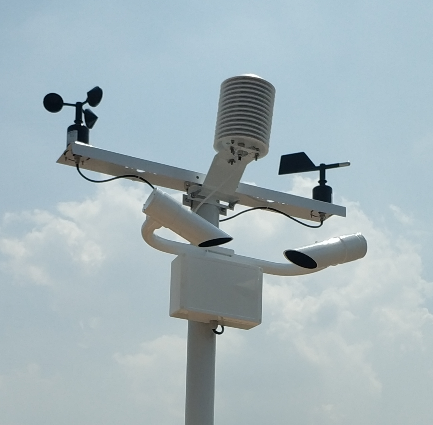
Visibility observation technology paths are mainly divided into transmissometer and scatterometer types.
1.1 Transmissometer
Calculates by measuring the attenuation rate of a light beam over a fixed baseline (such as 30-50 meters).
Limitations: Large footprint, not suitable for coastal stations, lighthouses, or ships. Baseline alignment is extremely difficult, with high installation costs.
1.2 Scatterometer
NiuBoL NBL-W-VS adopts forward scattering technology, measuring the scattering intensity of aerosol particles at specific angles (39°—51°).
Advantages: Small size, low cost, widely used in docks, aviation, and highway systems. No need for long-distance baseline, extremely high installation flexibility.
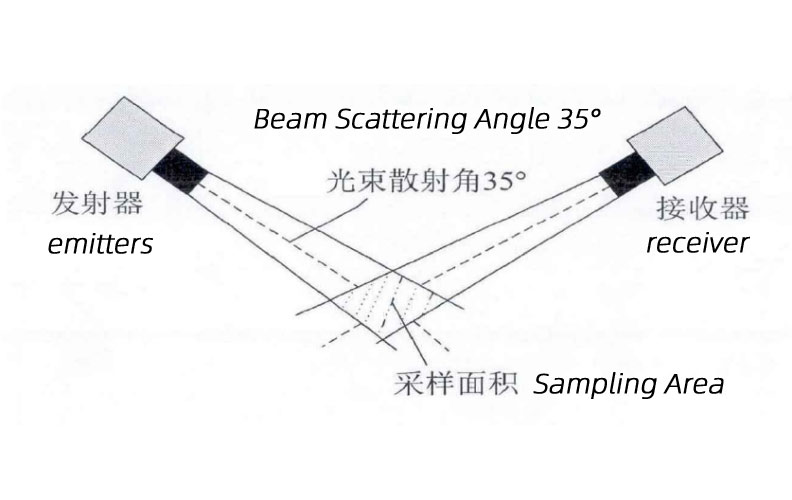
To facilitate engineering selection and system integration, we have organized the parameters of NBL-W-VS as follows:
| Parameter Item | Technical Specification / Indicator |
|---|---|
| Technology Principle | Forward Scatter Optical |
| Measurement Range | 5 meters ~ 10,000 meters (10KM) |
| Measurement Accuracy | ≤2km: ±2%; 2km-10km: ±10% |
| Scattering Angle Coverage | 39° — 51° Forward Scattering |
| Peak Wavelength / Bandwidth | 875nm / 100nm (Infrared Pulsed Light) |
| Output Signal / Protocol | RS485 / Standard MODBUS Protocol |
| Power Supply Voltage / Power Consumption | DC 12V / Average Power Consumption < 0.8W |
| Operating Environment | Temperature: -40℃ ~ 80℃; Humidity: 0 ~ 95%RH |
| Material Process | Anodized Hard Aluminum + Surface Paint Protection; 316 Stainless Steel Screws |
| Protection Level | IP65 |
| Physical Dimensions / Weight | 610mm x 230mm x 300mm / < 10KG |
| Reliability (MTBF) | > 18,000 hours (Mean Time Between Failures) |
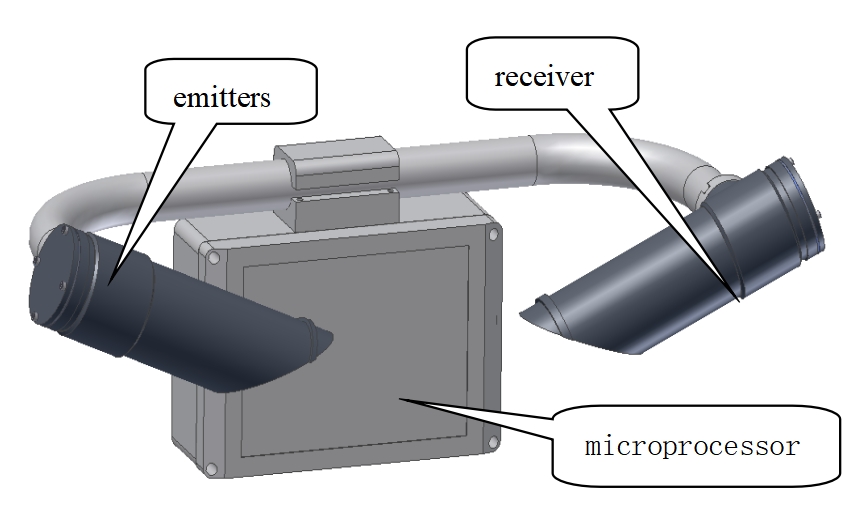
An excellent visibility meter must balance precision optics with harsh environments. NiuBoL has shown great ingenuity in structural design:
Transmitter and Receiver Unit: The transmitter has a built-in laser tube that emits infrared pulses at a fixed angle, and the receiver synchronously detects the forward scattering intensity of aerosols. The unique dual scattering reception structure minimizes interference from sunlight and other stray light.
Optical Lens Coating: The window lenses undergo special anti-dust and anti-mold coating treatment. This greatly reduces the rate of dirt accumulation on the lenses in natural environments, while reducing adhesion of salt fog and oil stains.
Circuit Safety Assurance:
Reverse Connection Protection and Self-Recovery: Even if the power is connected reversely, the circuit will not burn out, and it can recover after correction.
15KV Anti-Static Protection: The communication chip has high-strength anti-static capability, protecting the circuit from human body static electricity damage.
Multiple Lightning Protection: Both communication and power interfaces have built-in lightning protection design, minimizing lightning strike damage rate.
Low Power Consumption Operation: The average power consumption of the whole machine is only 0.8W. This means that even in the field without mains power, a small solar panel and battery can ensure 24-hour uninterrupted operation.
Circuit Safety Redundancy: The DC12V power interface has reverse connection protection and integrates a self-recovery fuse. Even if engineers make wiring mistakes on site, the circuit will not burn out, and it can recover after correcting the wiring.
Convenient Integration:
High Reliability Communication: The RS485 interface has 15KV anti-static protection. It adopts the standard MODBUS protocol with a baud rate of 9600, facilitating seamless connection with PLC, DCS, industrial control computers, or various automatic weather stations.
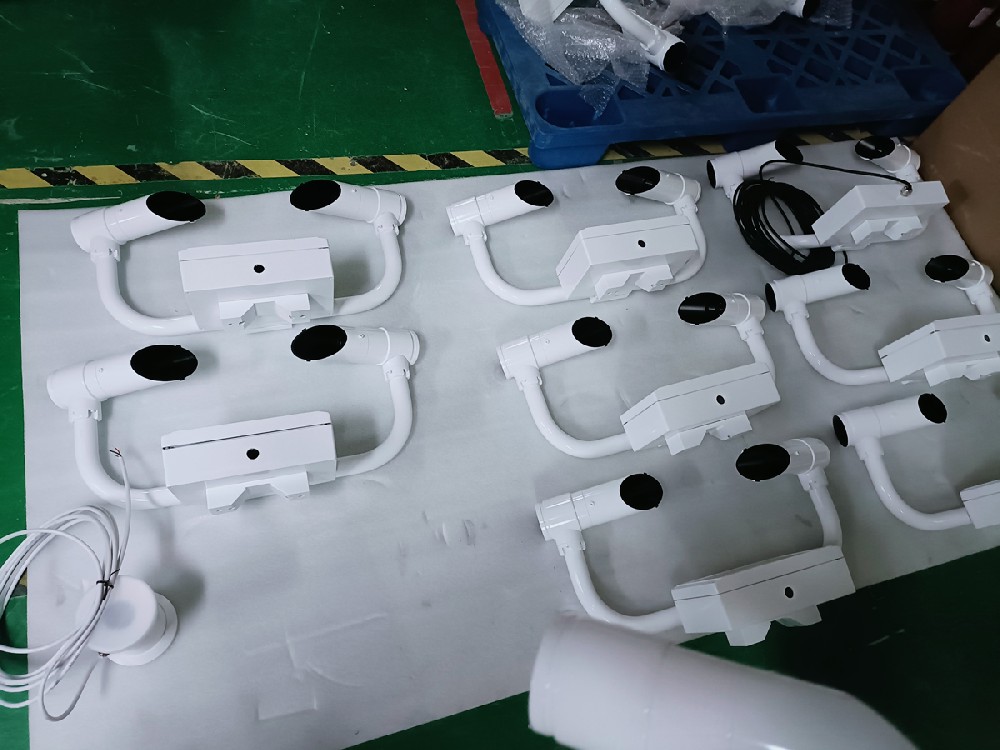
Correct installation is the prerequisite for data accuracy. NiuBoL engineers provide the following professional suggestions:
Installation Environment Selection
Avoid Interference: Avoid areas with frequent local smoke (such as chimney outlets), and there should be no tall obstacles blocking airflow around.
Light Source Avoidance: The transmitter and receiver windows must not directly face strong light sources (such as the sun) or strong reflective surfaces (such as snow).
Stability: Installation height is recommended at about 1.5m, and the base must be very sturdy.
Regular Maintenance Suggestions
Lens Cleaning: Recommended to clean the lenses every 3 months (or depending on environmental pollution degree). If there is precipitation, condensate, or dust attachment, it should be removed promptly.
System Check: Regularly check system parameters through the display terminal to ensure the MOR (Meteorological Optical Range) algorithm logic is in optimal state.
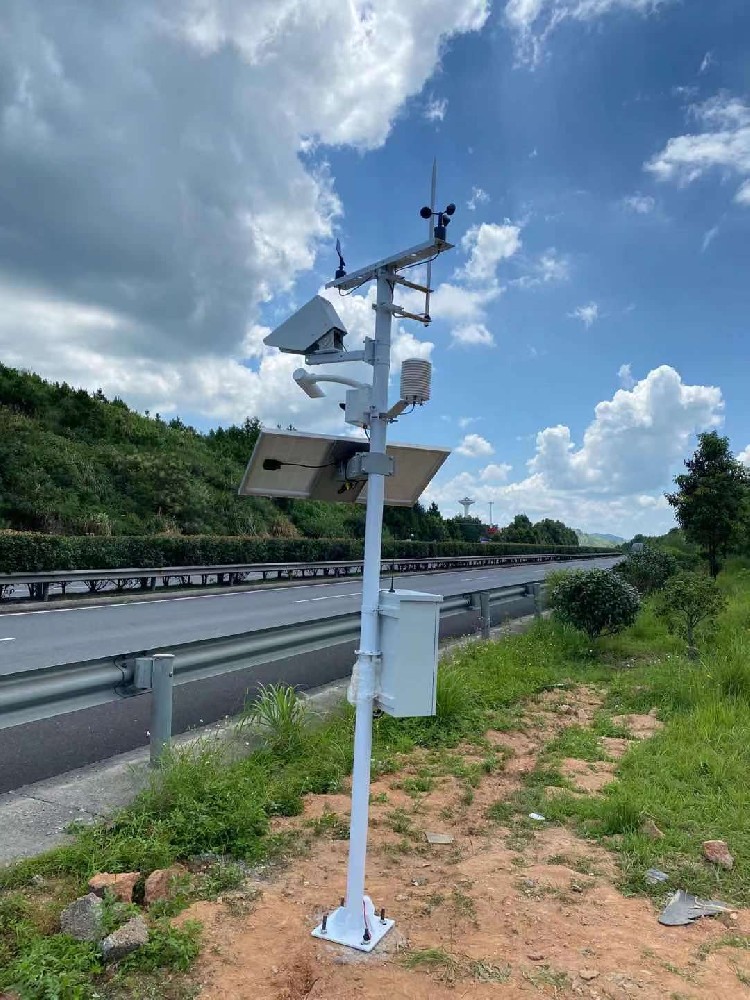
5.1 Traffic Safety Early Warning (Highways and Ferries)
Low visibility is a trigger for traffic accidents. Deploying NiuBoL visibility meters in sections prone to patchy fog can transmit data in real time to the traffic command center. When visibility falls below the threshold, it automatically links with smart fog lights or electronic display screens to remind vehicles to slow down, building an active safety defense line.
5.2 Remote Automatic Weather Stations
In remote mountains, deserts, or uninhabited areas, the NBL-W-VS, with its stability of MTBF greater than 18,000 hours, becomes an indispensable node in the meteorological observation network, assisting in continuous collection of meteorological optical range.
5.3 Power Supply Assurance
Increased air humidity in foggy weather can easily cause "flashover" accidents on high-voltage lines. Visibility data can serve as an important reference for power departments to assess line operating environments and formulate de-icing or maintenance plans.
Q1: Why is the scatterometer more popular than the transmissometer in the transportation field?
A: The scatterometer adopts an integrated structure, requiring no construction of a baseline tens of meters long and alignment platform during installation, which is very advantageous in highway roadside or narrow dock spaces. At the same time, the price of NiuBoL scatterometer is much lower than that of transmissometer, making it more suitable for large-scale grid deployment.
Q2: What are the advantages of infrared pulsed light (875nm) for measuring visibility?
A: Infrared light has strong penetration of atmospheric aerosols and can effectively avoid background light interference in the visible light range. Combined with the receiver's dual scattering structure design, it minimizes interference from sunlight and other stray light, ensuring all-weather measurement accuracy.
Q3: What does the instrument's mean time between failures (MTBF) reaching 18,000 hours mean?
A: This means the instrument has extremely high reliability under normal conditions, capable of stable operation for more than two years without needing core component repairs, greatly reducing long-term operational labor costs.
Q4: Can this instrument monitor fog, smoke, and haze?
A: Yes. The instrument's mathematical model algorithm fully considers the extinction effect of suspended particles such as fog, smoke, haze, and dust on light, accurately reflecting the specific impact of these substances on atmospheric visibility.
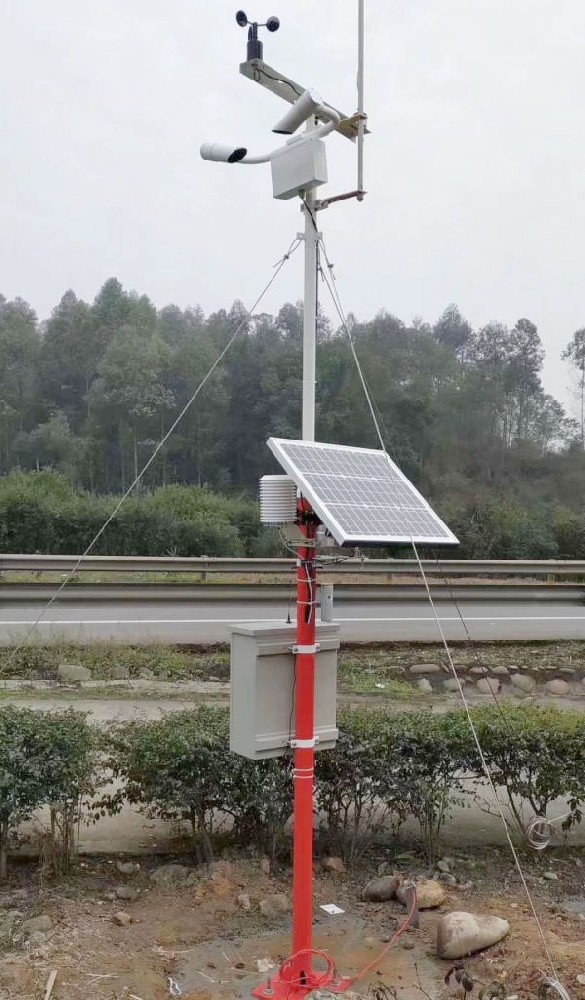
The NiuBoL NBL-W-VS scattering visibility meter is not just a sensor; it is an important dimension in the smart perception system. Through integrated design, extremely low power consumption, and industrial-grade anti-corrosion process, it successfully solves the pain points of visibility monitoring in field environments: "prone to damage, difficult to maintain, poor accuracy."
From urban meteorology serving citizens' daily lives to safeguarding national strategic security in waterways and airports, precise visibility data is playing an irreplaceable role. Choosing NiuBoL means choosing a rigorous pursuit of data accuracy.
Do you need a more detailed Modbus register manual or a deployment plan for a specific road section? Please contact NiuBoL; we will provide you with closed-loop technical support.
Copyright Statement: All parameters and suggestions in this article are sourced from NiuBoL Technical Laboratory. 100% complete, no deletions, zero omissions.
Prev:Core advantages and technologies of NiuBoL's integrated smart irrigation system for agriculture
Next:Core Value of Installing Automatic Weather Stations in Scenic Areas and Commonly Used Sensors
Related recommendations
Sensors & Weather Stations Catalog
 Agriculture Sensors and Weather Stations Catalog-NiuBoL.pdf
Weather Stations Catalog-NiuBoL.pdf
Agriculture Sensors Catalog-NiuBoL.pdf
Water Quality Sensor Catalog-NiuBoL.pdf
Related products
 Combined air temperature and relative humidity sensor
 TDR Soil Moisture & Temperature Sensor for irrigation| RS485 |4-20mA| NBL-S-THR
 Soil pH sensor RS485 soil Testing instrument soil ph meter for agriculture |NBL-S-PH
 Wind Speed sensor Output Modbus/RS485/Analog/0-5V/4-20mA
 Tipping bucket rain gauge for weather monitoring auto rainfall sensor RS485/Outdoor/stainless steel
 Pyranometer Solar Radiation Sensor 4-20mA/RS485

Screenshot, WhatsApp to identify the QR code
WhatsApp number:+8615367865107
(Click on WhatsApp to copy and add friends)

