





— Blogs —
—Products—
 Consumer hotline +8618073152920
 WhatsApp:+8615367865107
Address:Room 102, District D, Houhu Industrial Park, Yuelu District, Changsha City, Hunan Province, China
Product knowledge
Time:2026-02-17 10:45:14 Popularity:594
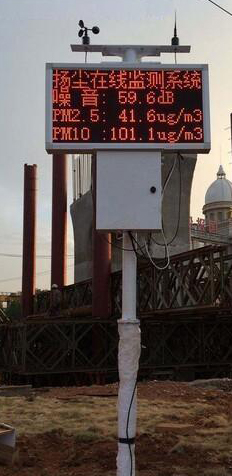
Dust and noise pollution at construction sites have become focal issues in urban environmental management, especially under the background of increasingly stringent environmental regulations. Choosing a reliable and compliant monitoring system directly affects project compliance and operational efficiency. Traditional monitoring relies on manual sampling, with lagging data and susceptibility to human interference, while modern systems achieve real-time online monitoring and early warning through IoT and intelligent algorithms. The NiuBoL dust and noise monitoring system, as an industry solution, with high-precision sensors and cloud platform as the core, helps construction parties shift from passive response to active prevention and control, ensuring that air quality indicators such as PM2.5, PM10, and noise levels comply with national standards, while reducing costs and improving management efficiency.
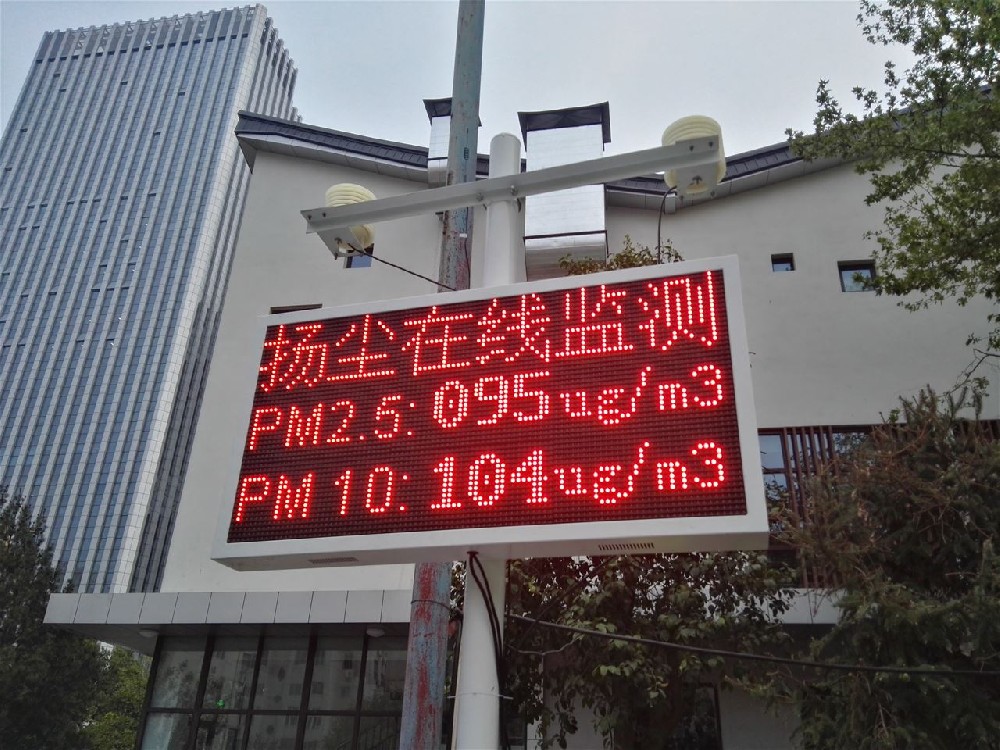
When selecting dust and noise monitoring equipment, first ensure compliance with environmental impact assessment requirements and local policies. National standards such as GB 3095-2012 "Ambient Air Quality Standard" stipulate that the annual average concentration limit for PM2.5 is 35μg/m³, and the daily average is 75μg/m³; the noise standard GB 12523-2011 requires that the daytime noise at construction sites shall not exceed 70dB, and nighttime shall not exceed 55dB. The system height must not be less than 2.8 meters to avoid ground interference and ensure monitoring accuracy.
Secondly, consider cost savings and practicality. Market product prices range from a few thousand to tens of thousands, with differences in accuracy, stability, and functional expansion. Prioritize systems that support free parameter adjustment to avoid additional touch screen costs; confirm whether built-in networking functions are included, supporting GPRS/4G upload to government platforms, otherwise later upgrade costs will be high; inquire whether the fog cannon linkage module is included to achieve automatic spray dust suppression when data exceeds the limit, rather than purchasing additionally.
Finally, evaluate the durability and maintenance convenience of the system. The construction site environment is harsh, and the equipment needs to have an IP65 protection rating, resistant to wind and rain. The NiuBoL system adopts a 3-meter single-pole design (excluding the box), with adjustable sensor power supply voltage (DC12V-24V), and RS485 output form, convenient for integration with existing construction site management systems. These principles can help construction parties select cost-effective equipment and avoid “stepping on pitfalls”.
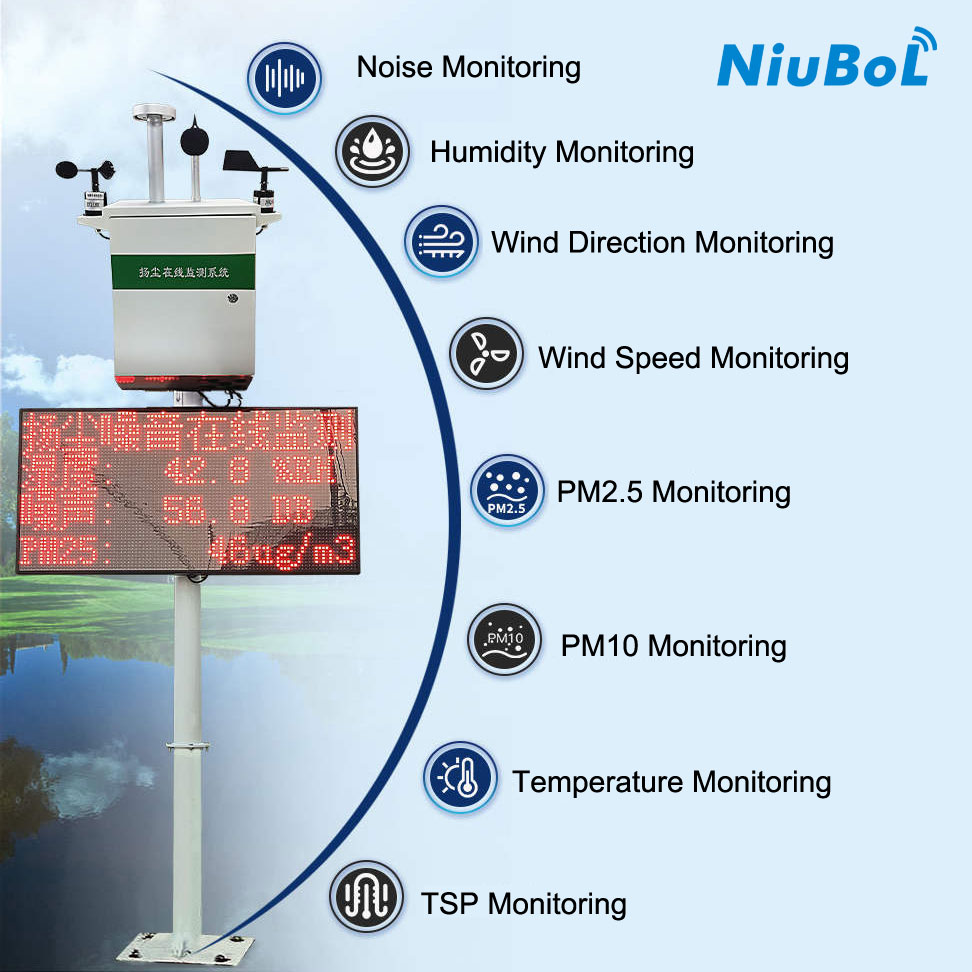
A compliant system must monitor PM2.5, PM10, and noise in real time and support data docking with the environmental protection bureau platform. When selecting, check the sensor principle: the laser scattering method has high sensitivity, can detect particles above 0.3μm, with relative error controlled within ±15% and ±10μg/m³ (25℃, 50%RH). The noise sensor needs a frequency range of 31.5Hz-8kHz, time response of 200ms, simulating human ear perception to ensure measurement accuracy.
In addition, platform functions are crucial. The NiuBoL dust cloud platform supports large-screen visualization, electronic maps, multi-station queries, and automatic ranking analysis when data exceeds the limit, providing support for scheduling decisions. This not only meets environmental impact assessment requirements but also facilitates internal management for construction parties.
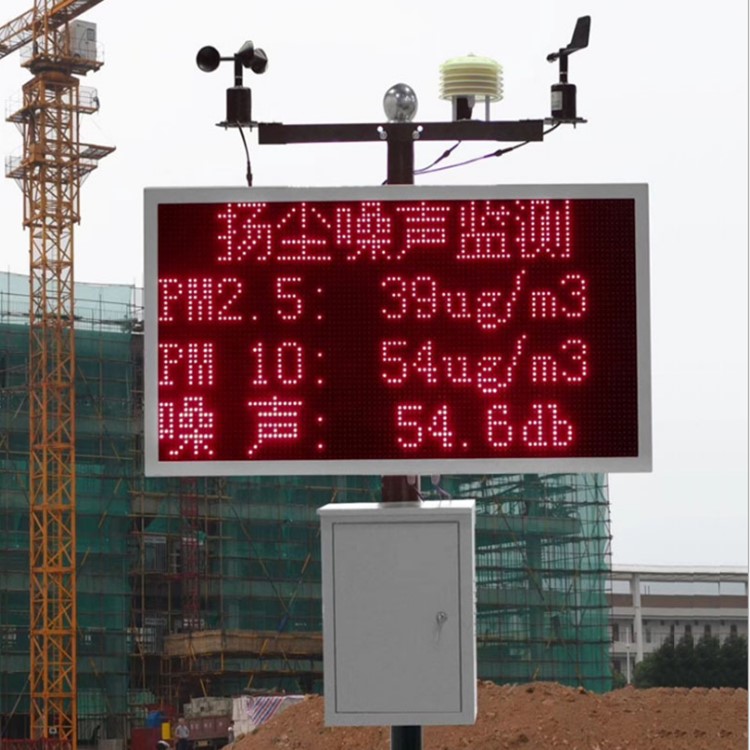
To save costs, prioritize all-in-one machine design during selection to avoid decentralized procurement. The NiuBoL system integrates the perception layer, transmission layer, and application layer, enabling fog cannon linkage and remote parameter adjustment (free mobile APP) without additional modules. Compared to split-type products, this reduces installation and commissioning costs. In the long term, high-stability sensors (such as imported lasers) reduce replacement frequency, with power consumption of only 350mW, suitable for solar power supply, further reducing costs.
The NiuBoL system is divided into a three-layer architecture to ensure a complete closed loop from data collection to application.
The core of the perception layer is the PM2.5/PM10 integrated sensor and noise sensor. The PM sensor adopts the laser scattering principle, with measurement ranges of PM2.5: 0-1000μg/m³, PM10: 0-2000μg/m³, and minimum detectable particle diameter of 0.3μm. Power supply DC12V-24V, output RS485, operating environment -20℃~+60℃, humidity 0~99%RH, power consumption 350mW. Built-in fan improves integration, with stable and reliable data, convenient for adjusting voltage and signal type.
The noise sensor NBL-W-NS has a measurement range of 30-130dB, output RS485, accuracy compliant with IEC 61672 type 2 standard (calibrated with 94dB signal). Frequency range 31.5Hz-8kHz, time response 200ms (fast mode), 0.5-inch condenser microphone, maximum output impedance 200 ohms. Power supply DC12V, power consumption 20mW, housing ABS plastic, operating temperature -15-50℃. These parameters ensure accurate measurement in complex noise environments at construction sites.
The perception layer collects environmental indicators in real time and performs preliminary filtering of noise interference through the built-in processor to ensure accurate uploaded data.
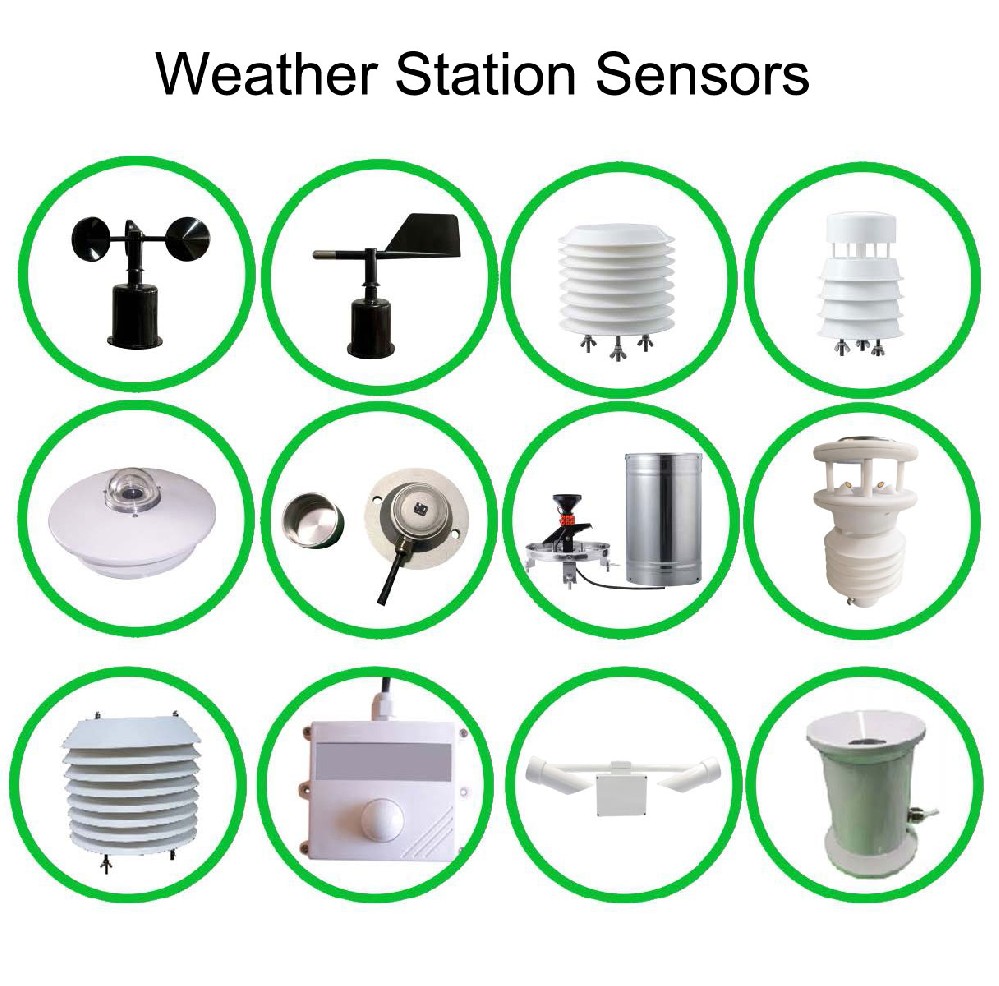
The transmission layer supports GPRS/4G/Ethernet and is compatible with Modbus protocol, facilitating docking with municipal environmental protection platforms.
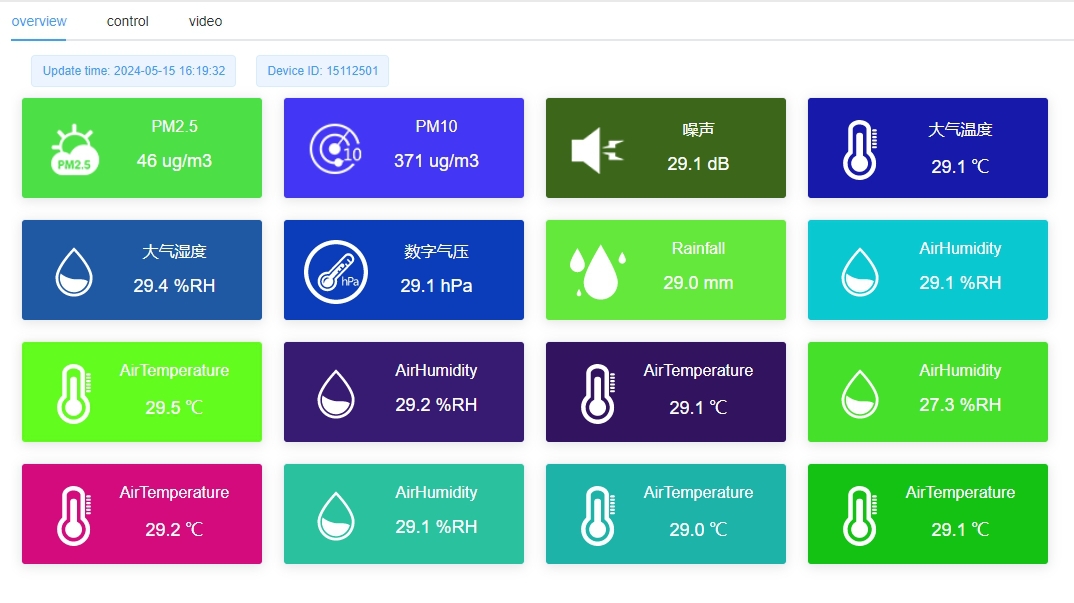
The application layer is the core of the NiuBoL dust cloud platform, supporting real-time monitoring, data statistics, alarm queries, and account management. The platform can add subordinate projects/equipment to achieve single-station multi-parameter or multi-station single-parameter queries. Electronic maps and large-screen visualization facilitate on-site monitoring, and voice/email alarms are sent when data exceeds the limit. The ranking statistics function provides decision support for government departments and assists 24-hour online monitoring.
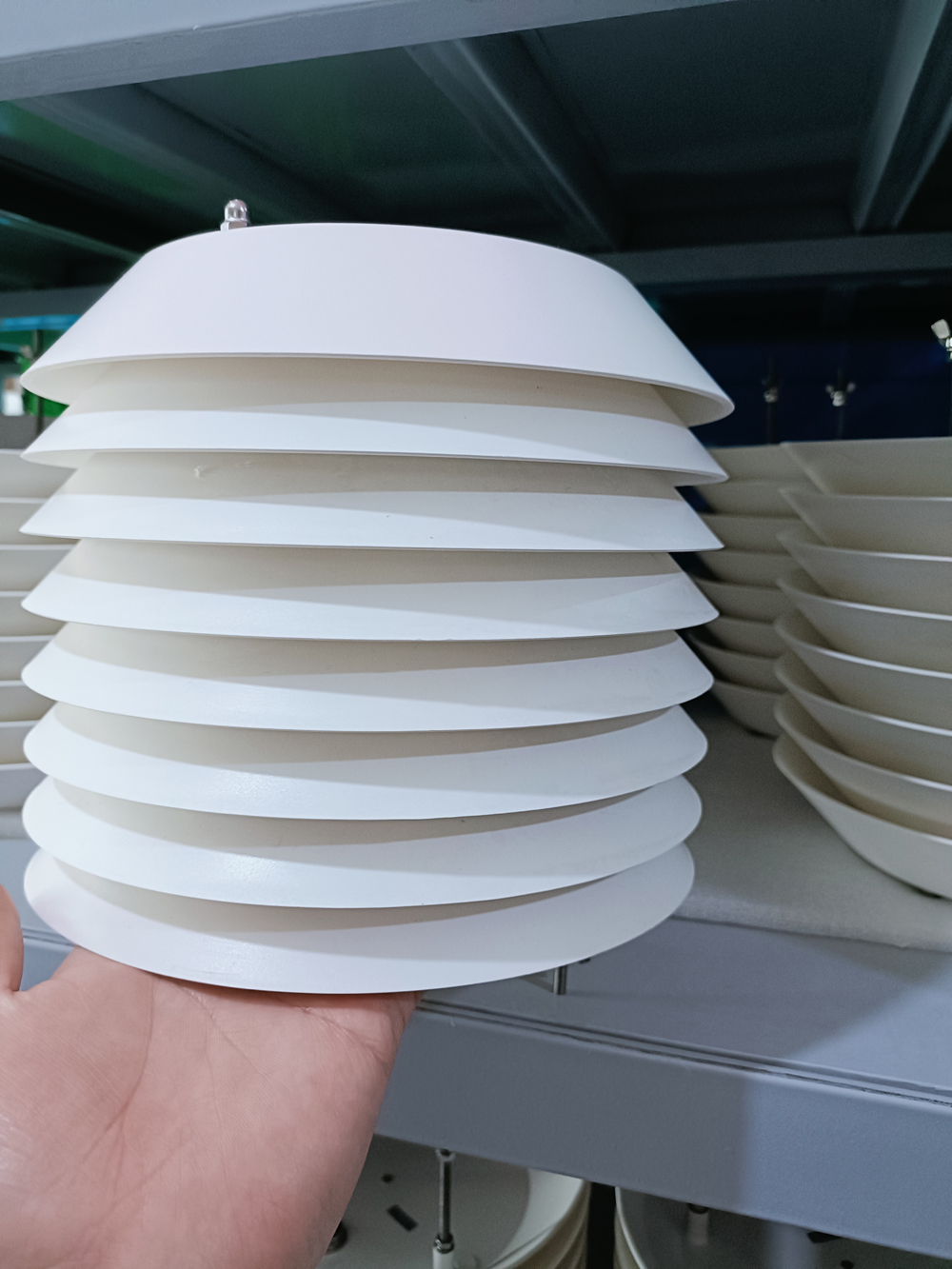
The advantages of the NiuBoL system lie in the intelligent cloud platform, free networking, and fog cannon linkage. The cloud platform allows remote parameter adjustment via mobile APP at no extra cost; built-in networking function directly uploads to government platforms, saving later costs; the free fog cannon module achieves automatic dust suppression when exceeding the limit, significantly reducing PM2.5 and improving air quality.
In applications, the system is widely used in urban construction sites. For example, in a large residential project, when the system monitored PM10 exceeding the limit, it linked the fog cannon, improving air quality by more than 20% and meeting environmental impact assessment requirements. In another case, an industrial park used its noise monitoring to keep nighttime data within 55dB, avoiding noise disturbance complaints. These applications prove that the system is not only compliant but also optimizes construction site management efficiency.
The linkage function is a highlight: when data exceeds the limit, it triggers the relay to start the fog cannon spray. Compared to manual operation, this reduces response time and limits particle diffusion. Actual tests show that after use, PM2.5 concentration decreases by 30-50%, assisting green construction.
The equipment height is 3 meters, with a single-pole design compliant with environmental impact assessment; the protective structure resists harsh environments, and maintenance only requires regular cleaning of sensors. The cloud platform remote diagnosis further reduces on-site intervention.
Q1: How does the dust monitoring system ensure compliance with environmental impact assessment requirements?
The system height is 3 meters (single pole), the PM sensor can detect minimum particles of 0.3μm, noise range 30-130dB, and data accuracy meets GB 3095-2012 standard.
Q2: How to achieve linkage with the fog cannon?
Built-in free module, when exceeding the limit, automatically triggers spray via relay, no additional purchase required, supports remote APP control.
Q3: Which transmission protocols are supported?
Supports GPRS/4G/Modbus/MQTT, convenient for docking platforms or Ethernet access.
Q4: Which construction site scales is it suitable for?
From small residential to large industrial parks, modular configuration flexibly adjusts the number of elements.
Q5: How stable are the sensors in high-temperature and high-humidity environments?
PM sensor operating temperature -20℃~+60℃, humidity 0~99%RH; noise sensor -15-50℃, with built-in calibration mechanism to ensure long-term accuracy.
The NiuBoL dust and noise monitoring system, with high-precision perception, intelligent transmission, and cloud platform analysis as the core, provides a compliant and economical solution. It helps construction parties grasp PM2.5/PM10 and noise dynamics in real time, link dust suppression equipment, reduce pollution risks, and meet environmental requirements. When selecting, focus on environmental impact assessment compliance, networking functions, and cost optimization to significantly improve construction site management levels. In the future, as regulations become stricter, such systems will become the standard in the construction industry, promoting green and sustainable development.
Prev:Application of Negative Oxygen Ion Monitoring System in Smart Scenic Area Construction
Next:NiuBoL Industrial-Grade Dust and Noise Monitoring System Integration Solution
Related recommendations
Sensors & Weather Stations Catalog
 Agriculture Sensors and Weather Stations Catalog-NiuBoL.pdf
Weather Stations Catalog-NiuBoL.pdf
Agriculture Sensors Catalog-NiuBoL.pdf
Water Quality Sensor Catalog-NiuBoL.pdf
Related products
 Combined air temperature and relative humidity sensor
 TDR Soil Moisture & Temperature Sensor for irrigation| RS485 |4-20mA| NBL-S-THR
 Soil pH sensor RS485 soil Testing instrument soil ph meter for agriculture |NBL-S-PH
 Wind Speed sensor Output Modbus/RS485/Analog/0-5V/4-20mA
 Tipping bucket rain gauge for weather monitoring auto rainfall sensor RS485/Outdoor/stainless steel
 Pyranometer Solar Radiation Sensor 4-20mA/RS485

Screenshot, WhatsApp to identify the QR code
WhatsApp number:+8615367865107
(Click on WhatsApp to copy and add friends)

