





— Blogs —
—Products—
 Consumer hotline +8618073152920
 WhatsApp:+8615367865107
Address:Room 102, District D, Houhu Industrial Park, Yuelu District, Changsha City, Hunan Province, China
Product knowledge
Time:2026-02-17 10:19:25 Popularity:590
In the context of global climate change and increasing pressure on agricultural production, progress in agricultural technology is particularly important. Traditional agricultural management methods often fail to meet the demands for precision and intelligence in modern agriculture. Agricultural greenhouse weather stations have emerged to provide farmers with real-time meteorological data, helping them make scientific decisions to improve crop yield and quality. By monitoring key meteorological factors such as temperature, humidity, and light, agricultural greenhouse weather stations can not only optimize the crop growth environment but also effectively prevent the occurrence of pests and diseases. This article will explore the functions, application cases, and significance of agricultural greenhouse weather stations in future agriculture.
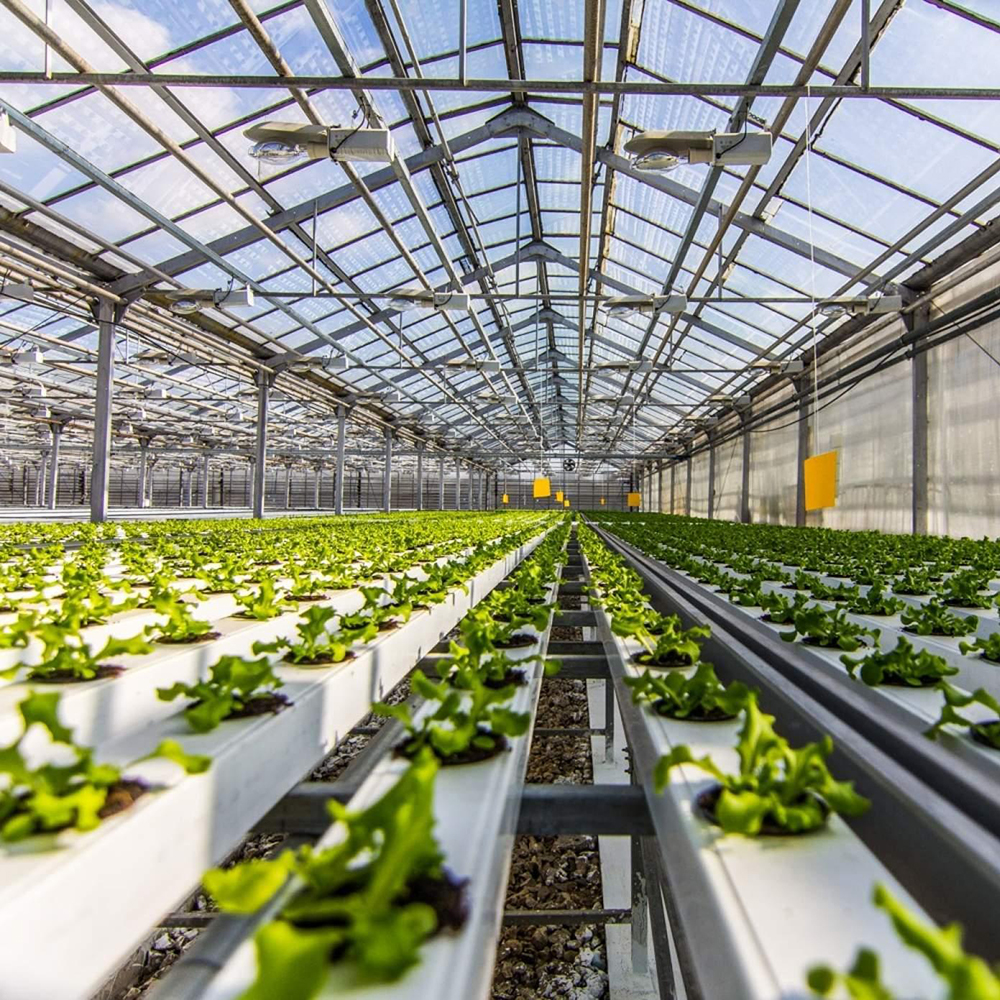
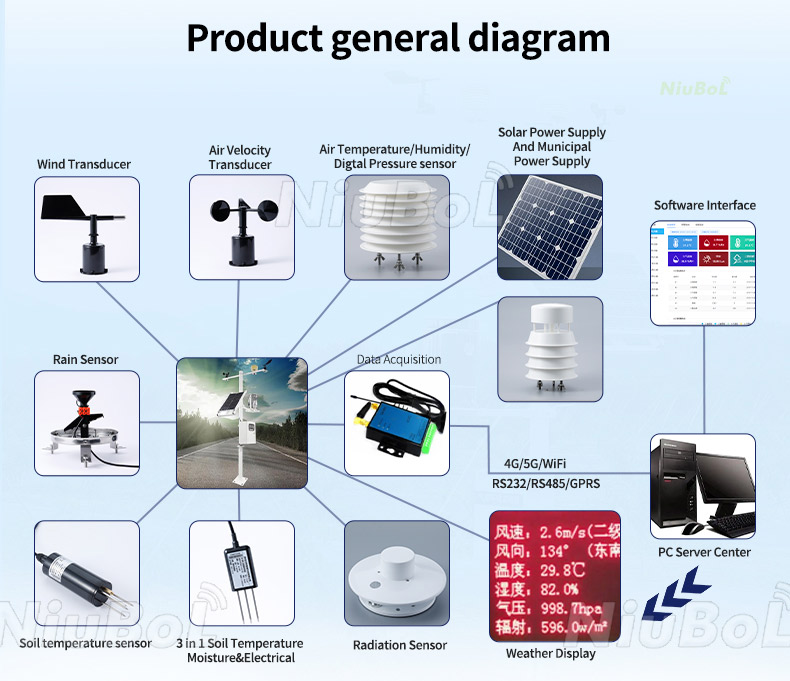
Agricultural greenhouse weather stations are primarily composed of multiple sensors that can monitor meteorological conditions inside and outside the greenhouse in real-time, including temperature, humidity, light intensity, soil moisture, and wind speed. Through this data, farmers can adjust the environmental conditions within the greenhouse in real-time—such as controlling ventilation, irrigation, and fertilization—to achieve optimal crop growth results.
Core Advantages of Agricultural Greenhouse Weather Stations:
1. Real-time Temperature Monitoring and Data Communication
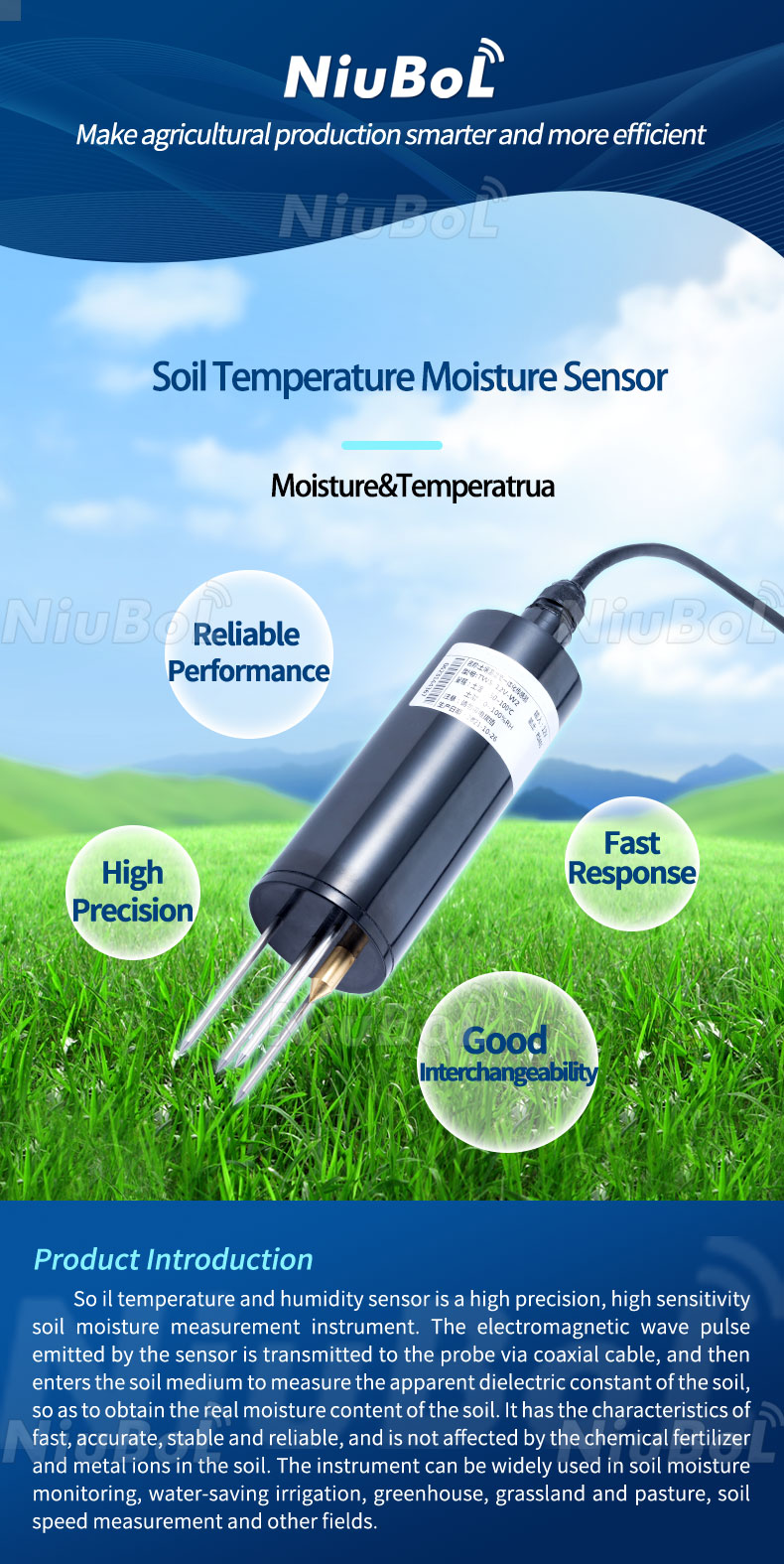
Agricultural greenhouse weather stations are equipped with high-precision temperature sensors capable of monitoring temperature changes inside the greenhouse in real-time. This data is transmitted to the farmer's management platform or mobile devices via wireless networks, ensuring users can access information and adjust planting strategies at any time. For example, when the sensor detects an abnormal temperature rise, the system will issue an alarm, allowing users to take timely cooling measures.
2. Multi-element Monitoring Capability
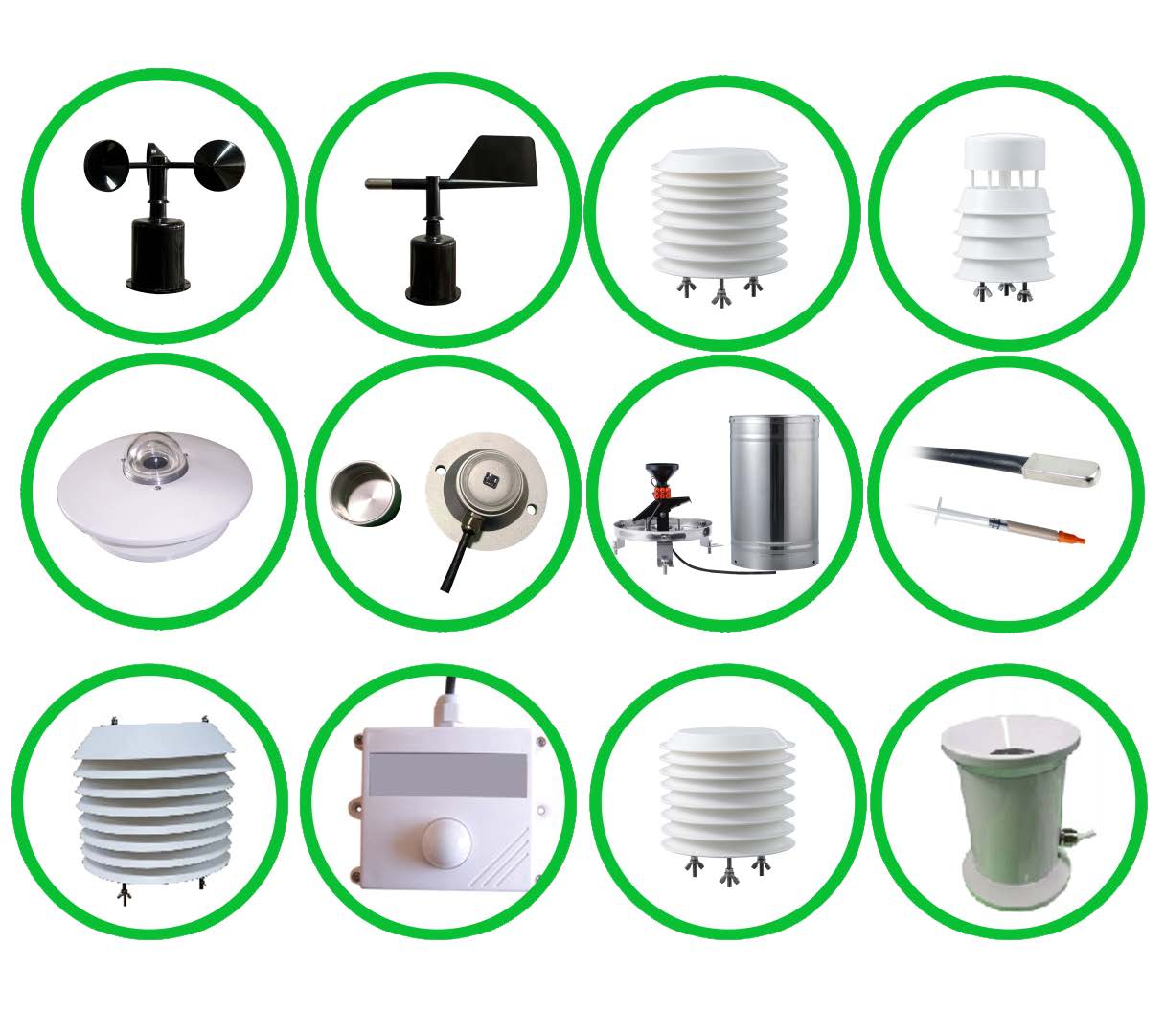
Agricultural greenhouse weather stations are not limited to temperature monitoring; they also possess the ability to monitor various meteorological elements. Below is an introduction to commonly used meteorological elements and their sensors:
| Sensor Type | Functional Description | Value |
|---|---|---|
| Wind Direction Sensor | Detects the direction of air flow | Helps assess greenhouse ventilation effects and optimize climate conditions |
| Wind Speed Sensor | Measures wind speed | Provides wind impact analysis to ensure the safety of the greenhouse structure |
| Humidity Sensor | Monitors moisture content in the air | Helps control irrigation and reduce the occurrence of pests and diseases |
| Barometric Pressure Sensor | Measures atmospheric pressure changes | Predicts weather changes to take preventive measures in advance |
| Rainfall Sensor | Detects precipitation amount | Used for the adjustment of automated irrigation systems to save water |
| Soil Temperature & Humidity Sensor | Measures temperature and moisture in the soil | Provides soil moisture and temperature information to optimize fertilization and irrigation strategies |
Choosing the right weather station supplier, such as NiuBoL, is crucial for agricultural system integrators. In later use and maintenance, obtaining timely technical support will greatly improve system reliability.
3. Predicting Climate Change and Reducing Disaster Risks
As climate change intensifies, the frequency of natural disasters faced by agriculture is increasing. Agricultural greenhouse weather stations can perform climate predictions by combining historical data and real-time monitoring data with meteorological models. For example, before a cold wave arrives, the weather station can issue an alert in advance, enabling farmers to take necessary protective measures and reduce crop losses. Meanwhile, through data analysis, farmers can summarize weather patterns to better arrange planting plans.
4. Data Analysis and Intelligent Decision-making
Agricultural greenhouse weather stations are not just data collection tools; they are an important component of intelligent agricultural decision-making. By conducting in-depth analysis of the collected data, farmers can identify potential problems and make corresponding adjustments. For instance, using machine learning algorithms to analyze the relationship between temperature/humidity changes and crop growth can help formulate more efficient irrigation and fertilization plans. Additionally, this data can be used for long-term agricultural research, helping to improve planting techniques and variety selection.
Integration Solution Design
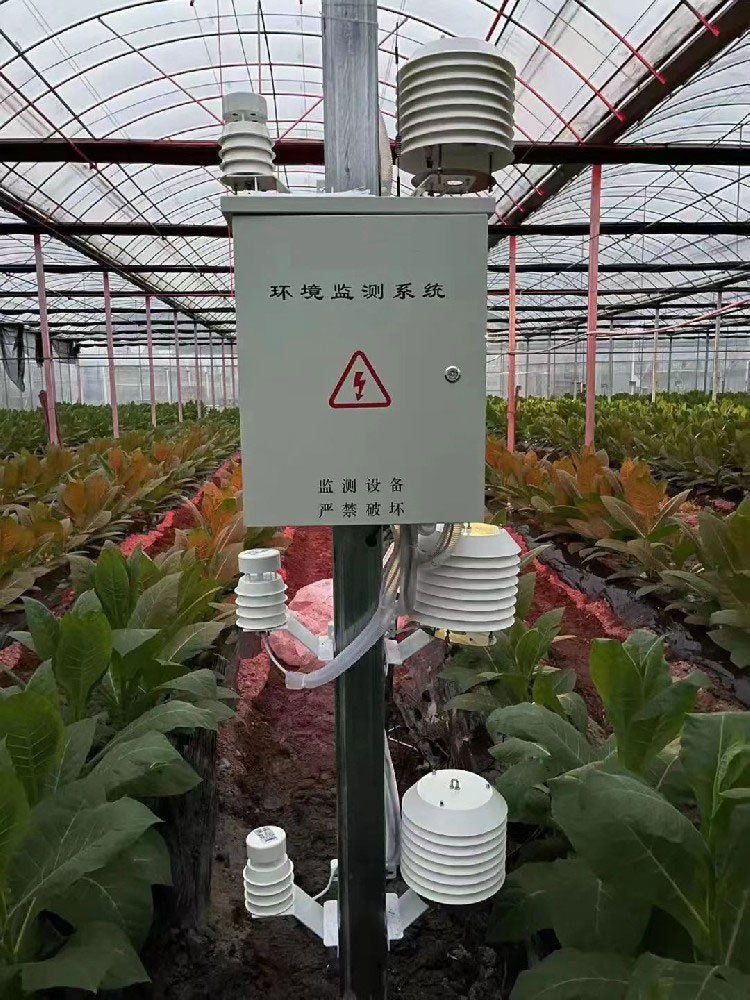
When designing an integration solution for an agricultural greenhouse weather station, the following key factors must be considered:
1. Compatibility: Ensure the selected sensors are compatible with existing management systems.
2. Data Transmission Protocols: Prioritize equipment that supports standard communication protocols (such as Modbus, LoRaWAN, etc.) to facilitate seamless data integration.
3. Modular Design: Choose modular sensor groups that can be flexibly expanded according to actual needs.
Agricultural Greenhouse Weather Station Selection Guide
When selecting weather station equipment, system integrators should focus on the following indicators:
- Sensor Accuracy: Prioritize sensors with high accuracy and good stability.
- Durability: Choose materials that are corrosion-resistant and high-temperature resistant to adapt to the special environment of the greenhouse.
- Data Processing Capability: Equipment that supports big data analysis will assist in later intelligent decision-making.
- After-sales Service: Select suppliers that can provide good technical support and maintenance services.
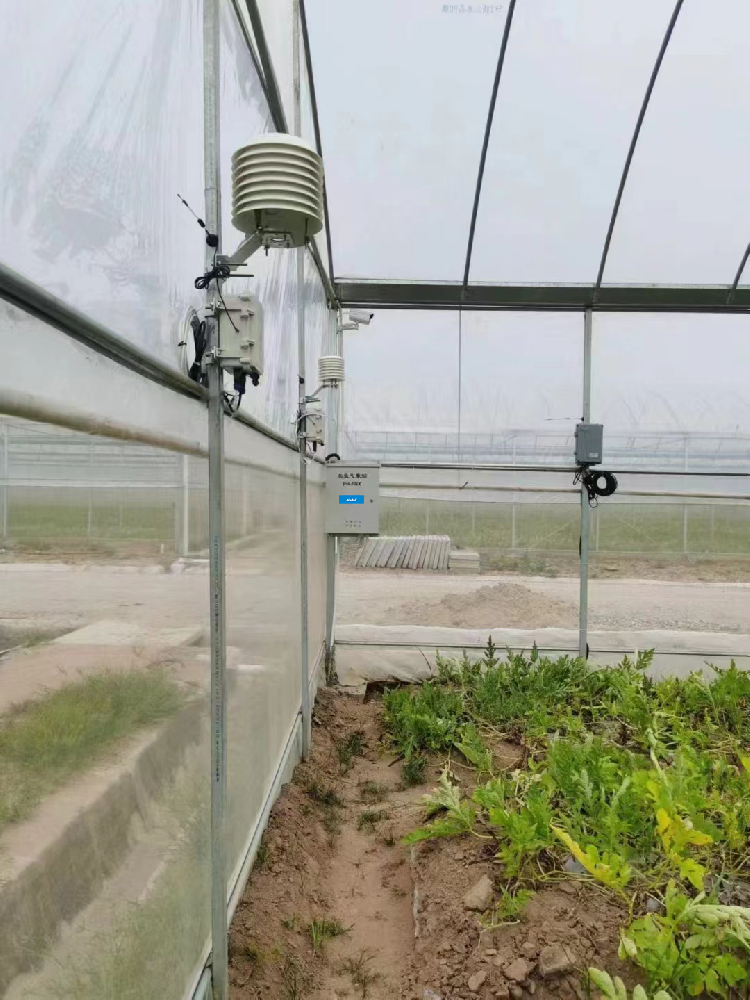
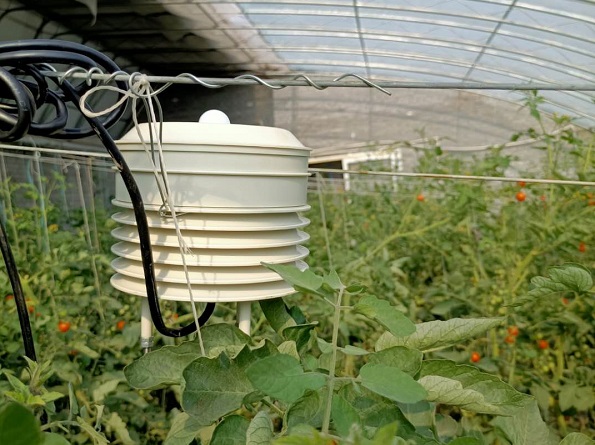
A greenhouse vegetable planting base in a certain region implemented an agricultural greenhouse weather station, integrating sensors for temperature, humidity, wind speed, and more. Through real-time monitoring and data analysis, farmers achieved precision irrigation and fertilization, ultimately increasing yield by 20%. Simultaneously, with the help of the weather station's warning function, they successfully responded to sudden drought conditions, avoiding economic losses. Furthermore, the base utilized data from the weather station for market trend analysis, optimizing sales strategies and increasing revenue.
1. What are the main functions of an agricultural greenhouse weather station?
Mainly used to monitor various meteorological elements within the greenhouse to provide a scientific basis for crop growth.
2. How is weather station data transmitted?
Data is transmitted in real-time via wireless networks to a management platform, where users can view it at any time.
3. What meteorological elements can a weather station monitor?
It can monitor temperature, humidity, wind speed, wind direction, barometric pressure, rainfall, and soil temperature/humidity.
4. How to choose suitable weather station equipment?
Factors such as sensor accuracy, durability, and data processing capability need to be considered.
5. Do weather stations require regular maintenance?
Yes, regularly check sensors and data transmission systems to ensure normal operation.
6. How accurate are weather station predictions?
Prediction accuracy depends on the quality of the sensors and the effectiveness of the data models.
7. How to integrate a weather station with existing systems?
Ensure device compatibility and choose equipment that supports standard communication protocols like MQTT or Modbus.
8. What is the typical cost of a weather station?
Costs vary depending on configuration and functionality; it is recommended to consult manufacturers like NiuBoL for specific quotes.
9. Do agricultural greenhouse weather stations support remote monitoring?
Yes, most modern weather stations support remote monitoring; users can check data at any time via mobile apps or web platforms.
10. How to use weather station data for decision-making?
Farmers can analyze the relationship between meteorological data and crop growth to formulate more scientific planting, irrigation, and fertilization plans.
11. What is the investment return period for an agricultural greenhouse weather station?
Generally, the investment return period depends on several factors, including construction costs, local climate conditions, and crop types. Typically, farmers who reasonably utilize weather station data can see significant economic benefits within one to two years.
12. How is weather station data analyzed?
Data is usually analyzed using professional software. This software can perform visual processing of real-time data, helping farmers quickly identify climate trends and adjust management strategies accordingly.
13. Is the maintenance cost of an agricultural greenhouse weather station high?
Maintenance costs are relatively low. Regularly checking the operational status of sensors and equipment, cleaning sensors, and periodically updating software systems can generally ensure the normal operation of the weather station.
Agricultural greenhouse weather stations play a vital role in modern agriculture. Through real-time monitoring and multi-element evaluation, they help farmers make scientific decisions. For agricultural system integrators, reasonable selection and integration solution design will greatly enhance project success. Effective data monitoring and analysis can significantly improve the efficiency and sustainability of agricultural production, bringing higher economic benefits to farmers. We hope this article provides valuable reference and guidance for relevant practitioners. Through continuous innovation and improvement, agricultural greenhouse weather stations will play an even larger role in future agricultural development.
Related recommendations
Sensors & Weather Stations Catalog
 Agriculture Sensors and Weather Stations Catalog-NiuBoL.pdf
Weather Stations Catalog-NiuBoL.pdf
Agriculture Sensors Catalog-NiuBoL.pdf
Water Quality Sensor Catalog-NiuBoL.pdf
Related products
 Combined air temperature and relative humidity sensor
 TDR Soil Moisture & Temperature Sensor for irrigation| RS485 |4-20mA| NBL-S-THR
 Soil pH sensor RS485 soil Testing instrument soil ph meter for agriculture |NBL-S-PH
 Wind Speed sensor Output Modbus/RS485/Analog/0-5V/4-20mA
 Tipping bucket rain gauge for weather monitoring auto rainfall sensor RS485/Outdoor/stainless steel
 Pyranometer Solar Radiation Sensor 4-20mA/RS485

Screenshot, WhatsApp to identify the QR code
WhatsApp number:+8615367865107
(Click on WhatsApp to copy and add friends)

