





— Blogs —
—Products—
 Consumer hotline +8618073152920
 WhatsApp:+8615367865107
Address:Room 102, District D, Houhu Industrial Park, Yuelu District, Changsha City, Hunan Province, China
Product knowledge
Time:2026-02-16 12:31:31 Popularity:607
In meteorological science popularization and teaching projects of primary and secondary schools, universities, and vocational education institutions, the campus weather station serves as a dedicated observation platform, undertaking functions such as meteorological data collection, student practical teaching, and disaster prevention and mitigation education. The NiuBoL campus weather station is designed specifically for educational scenarios, providing a modular, low-maintenance industrial-grade solution that supports OEM manufacturing and customized integration, suitable for system integrators, educational engineering general contractors, and meteorological science popularization project contractors. National-level routine weather stations cannot replace campus-specific stations due to their statutory positioning, observation specifications, and environmental requirements. This article focuses on the engineering selection, system compatibility, and project implementation value of campus weather stations.
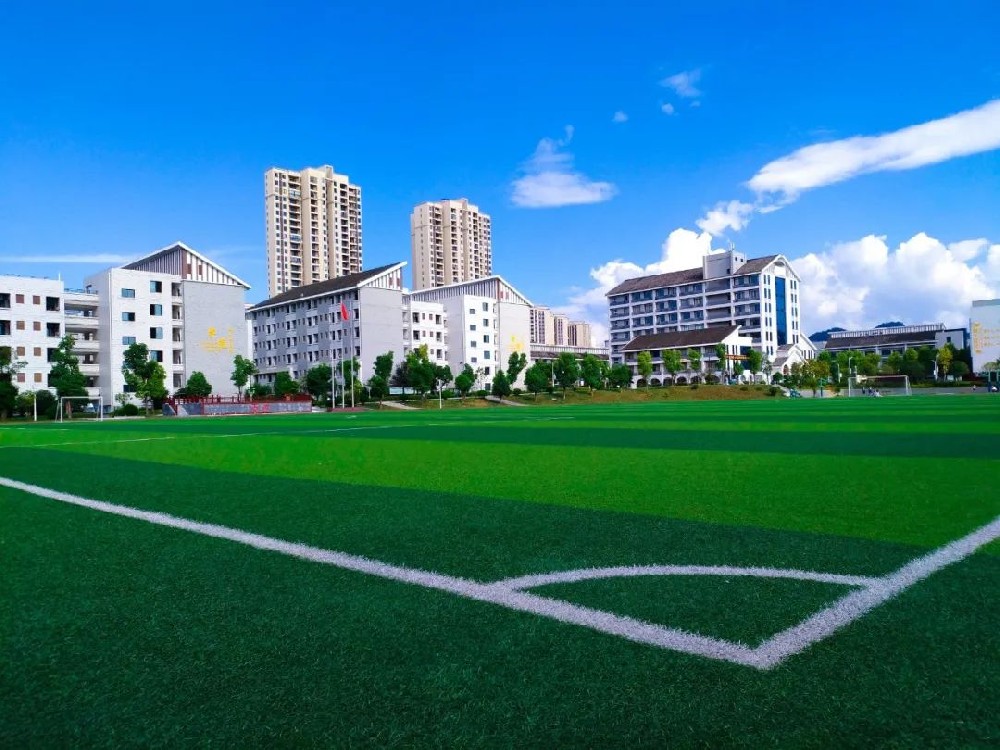
According to the "Ground Meteorological Observation Specification" (QX/T 118-2010) and local standards such as DB41/T 2093-2021 "Campus Weather Station Construction Specification", there are essential differences between national-level routine weather stations (including national basic stations and general stations) and campus weather stations in terms of positioning, requirements, and applications.
Legal Status and Data Usage: Data from national-level stations directly serves national economy and people's livelihood, is included in the national climate database, and is protected by the "Meteorology Law", with extremely high requirements for observation accuracy, continuity, and traceability. Campus stations are mainly used for teaching, scientific research, and science popularization, with relatively relaxed requirements for data accuracy, allowing certain error tolerances to adapt to educational practices.
Observation Elements and Equipment Configuration: National-level stations have strict observation elements (such as full elements including temperature, humidity, air pressure, wind, precipitation, radiation, ground temperature, etc.), and equipment must comply with national metrological verification regulations. Campus stations can have simplified configurations, commonly including air temperature and humidity, wind speed and direction, rainfall, illumination/radiation, air pressure, etc., with some extensions to PM2.5, CO₂ or soil parameters, prioritizing cost and operational simplicity.
Observation Environment and Interference Control: National-level stations have strict site selection requirements (open, unobstructed, away from heat islands and pollution sources), prohibiting frequent human approach to avoid artificial interference. Campus stations need to be placed in convenient teaching locations (such as the edge of the playground or rooftop of teaching buildings), allowing close visits, operations, and explanations by teachers and students, which conflicts with the "no human interference" principle of national-level stations.
Location and Accessibility: Locations of national-level stations are uniformly planned by meteorological departments and may not necessarily be inside campuses or convenient for teaching use. Campus stations must be embedded in the campus environment to facilitate on-site teaching and club activities in geography and science courses.
Therefore, although directly referencing data from national-level stations in projects can serve as a reference, it cannot meet the interactivity, practicality, and educational continuity needs of campus meteorological science popularization. Dedicated campus weather stations remain the standard configuration.
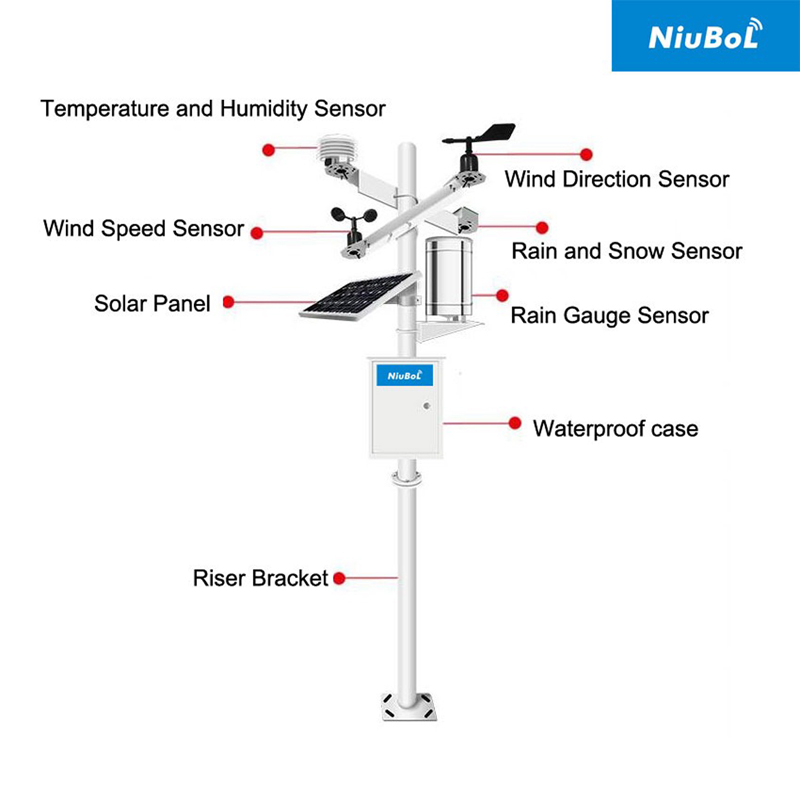
The NiuBoL campus weather station adopts a modular industrial design, with the core being a low-power data acquisition unit that supports multiple protocols such as RS485, Modbus RTU, LoRa, 4G/NB-IoT, facilitating access to school smart campus platforms or third-party education cloud systems.
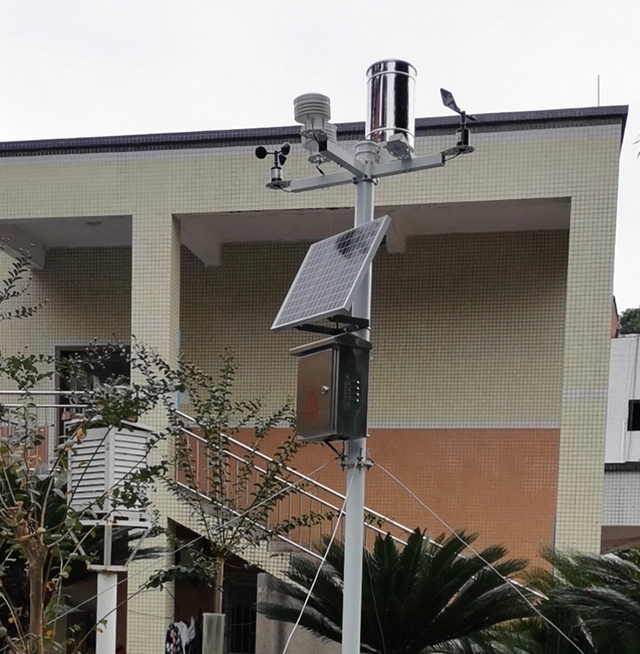
Typical Composition of Campus Weather Station:
Multi-element sensor array (temperature and humidity, wind speed and direction, rainfall, etc.)
Data acquisition gateway (edge processing + local storage ≥30 days)
LED display screen or touch interactive terminal (real-time data display and science popularization exhibition)
Cloud platform interface (data API open, WeChat mini-program/web access)
Solar + battery power supply solution (adapting to campus power outage scenarios)
Equipment protection level IP65 or above, bracket height 2-4 meters optional, suitable for rooftop or ground installation. Supports OEM manufacturing, welcome educational engineering firms to discuss co-branding cooperation.
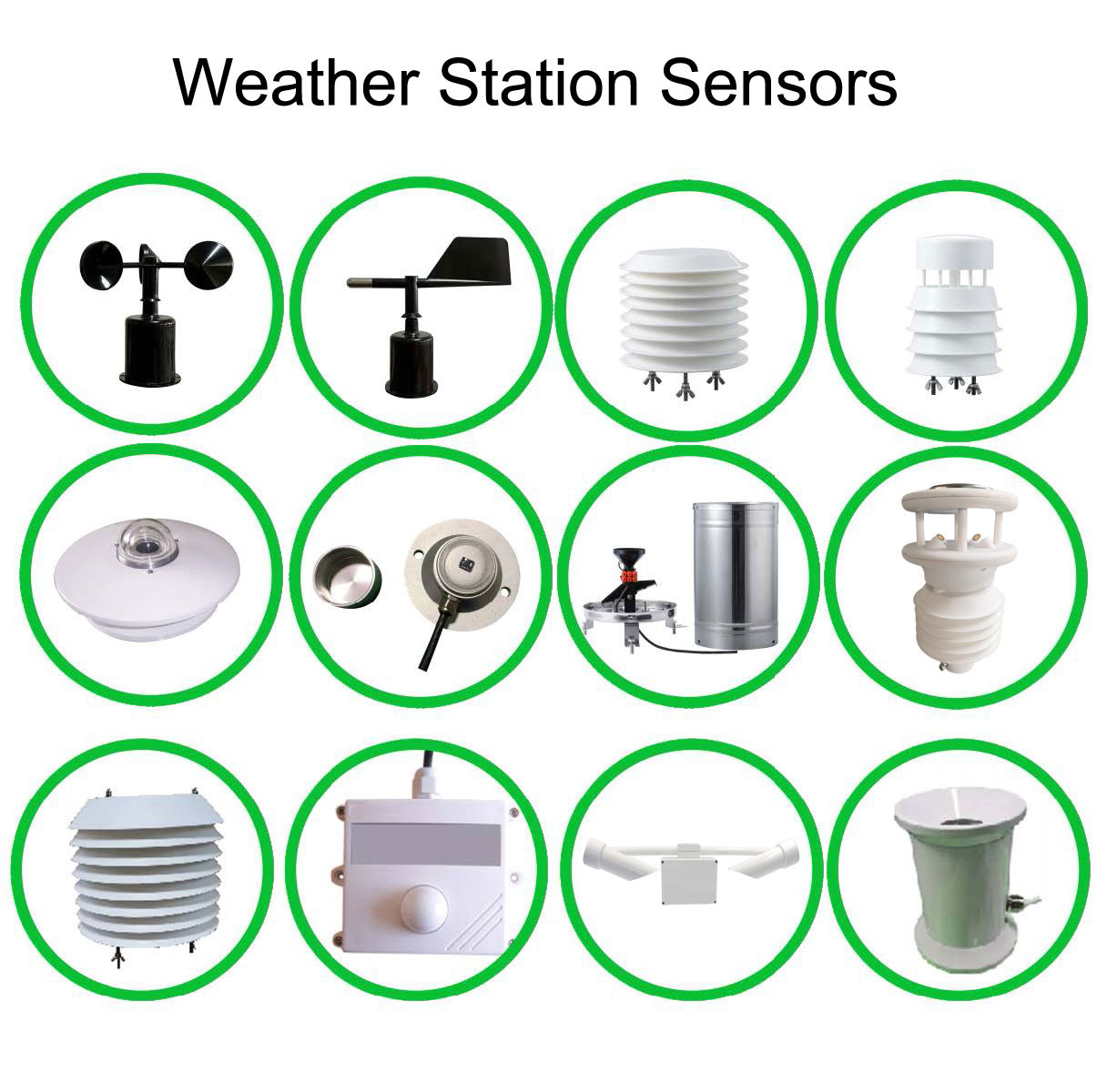
The following table lists the typical configuration sensors for NiuBoL campus weather stations, with parameters optimized for educational scenarios (moderate accuracy, controllable cost, easy maintenance).
| Monitoring Element | Sensor Type | Measurement Range | Main Role and Educational/Engineering Value |
|---|---|---|---|
| Air Temperature | PT100 or digital temperature-humidity integrated | -40~+80℃ | Basic meteorological teaching, heat wave/frost popularization, accumulated temperature calculation supporting biological rhythm experiments |
| Air Relative Humidity | Digital temperature-humidity integrated | 0~100%RH | Condensation/fog-haze formation demonstration, teaching on humidity and pathogen transmission association, moisture-proof experiments |
| Wind Speed | Three-cup or ultrasonic anemometer | 0~60 m/s | Wind force level recognition, wind energy popularization, experiments on wind impact on plants |
| Wind Direction | Wind vane or ultrasonic | 0~360° | Teaching on wind direction and weather system association, monsoon/typhoon path simulation |
| Rainfall | Tipping bucket rain gauge | 0~999.9 mm | Precipitation process recording, heavy rain waterlogging simulation, flood control education |
| Air Pressure | Digital air pressure sensor | 300~1100 hPa | Explanation of high and low pressure systems, teaching on weather forecast principles, experiments on air pressure and altitude relationship |
| Illumination/Radiation | Silicon photocell or PAR sensor | 0~200,000 Lux | Teaching on photoperiod and plant growth, photosynthetic radiation measurement, UV protection popularization |
| Expandable Elements | CO₂, PM2.5/PM10, soil temperature and humidity | Depending on module | Air quality monitoring, carbon cycle education, soil environment experiment extension |
Sensors support configurable sampling from 1 minute to 1 hour, data is automatically uploaded after local caching, with a disconnection re-transmission mechanism to ensure continuity.
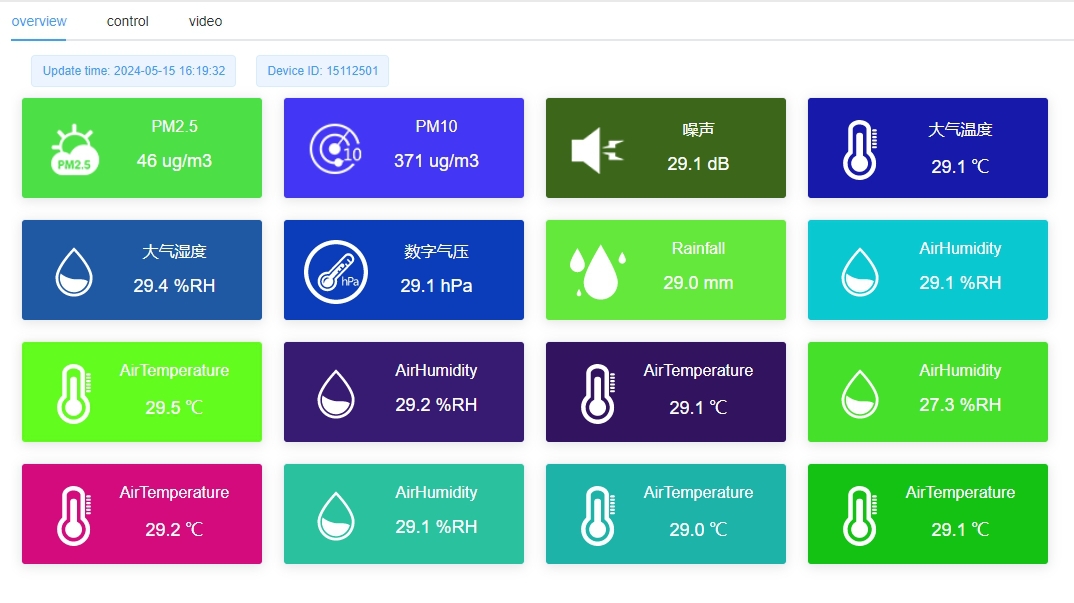
The NiuBoL solution is specially designed for educational projects:
Open Protocol: Modbus RTU, MQTT, HTTP, supporting docking with Alibaba Cloud Education Edition, Huawei Cloud Campus Platform, or school self-built systems.
Interface Expansion: Reserved RS485×3, DI/DO, analog inputs, facilitating linkage with LED screens or experimental control modules.
Data Visualization: Provides SDK and API, schools can develop mini-programs, web dashboards, or integrate into STEAM course platforms.
OEM Manufacturing Support: Customizable by school LOGO, color, and functions, suitable for bulk procurement or regional science popularization projects.
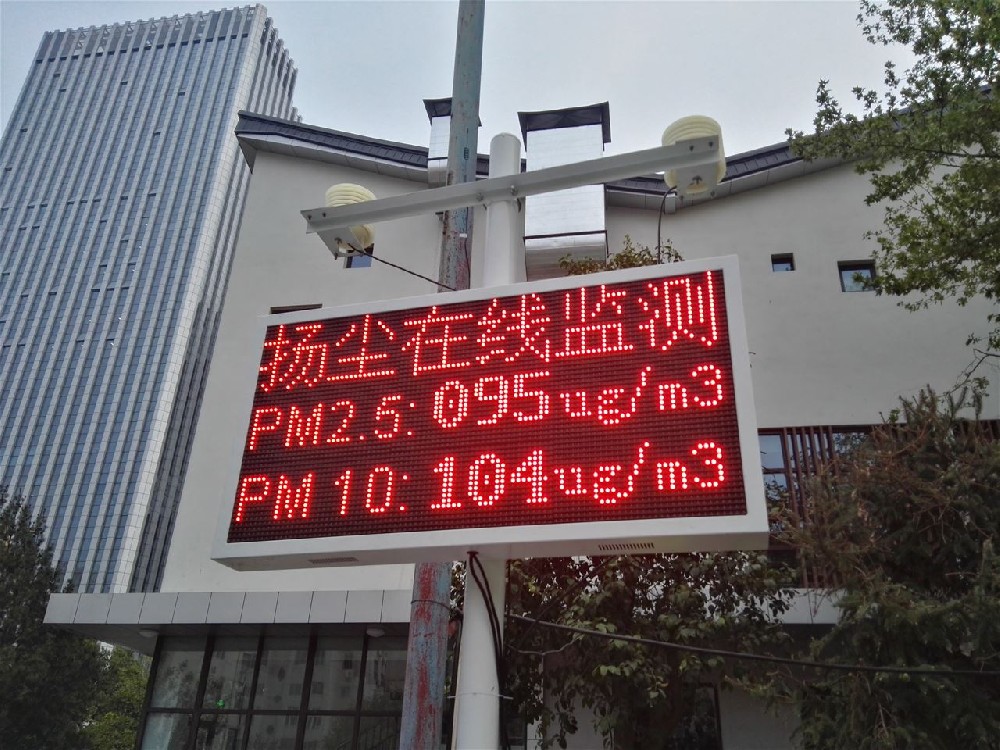
1. Primary and Secondary School Meteorological Science Popularization Clubs and Geography/Science Courses
Deployment: 1-2 sets per school, placed on playground or teaching building rooftop.
Value: Supports "meteorological little reporter" activities, daily weather broadcasts, disaster simulation experiments; data used for school-based curriculum development.
Typical Benefits: Enhances students' disaster prevention awareness, participation rate increases by more than 30%.
2. High School/University Atmospheric Science and Environmental Education Practice Bases
Focus: Extension of radiation, CO₂, negative oxygen ion sensors.
Application: Undergraduate experimental courses, small scientific research projects (such as microclimate observation), graduation design data sources.
Integration: Linkage with drones or mobile APPs to form an "observation-analysis-report" closed loop.
3. Regional Education Bureau Meteorological Science Popularization Demonstration Projects
Multi-school networking: Unified cloud platform management, cross-school data comparison.
Value: Construction of district/county meteorological science popularization alliances, teacher training bases, public open day exhibitions.
4. Vocational Education and Meteorological Disaster Prevention and Mitigation Education
Scenario: Meteorological-related professional training rooms.
Value: Simulates national-level station observation processes, data quality control teaching.
Q1: Does the campus weather station have to comply with national weather station standards?
No need. Campus stations are constructed according to local specifications such as DB41/T 2093-2021, with observation elements and accuracy optimized for education, not as substitutes for national-level stations.
Q2: Which cloud platforms does the system support for integration?
Supports standard MQTT/HTTP interfaces for Alibaba Cloud, Huawei Cloud Education Edition, Tencent Cloud, etc., and can also be privately deployed.
Q3: How to ensure data continuity after network disconnection?
The gateway has built-in storage, caching ≥30 days of data, automatic re-transmission upon network recovery, supporting breakpoint resume.
Q4: Does it support third-party sensor expansion?
Yes, supports standard Modbus RTU protocol sensors, quick access through configuration.
Q5: How reliable is solar power supply in winter or rainy periods?
Uses 40W+ monocrystalline silicon panel + lithium iron phosphate battery, maintains 1 sample/hour even during 15 consecutive rainy days.
Q6: How is the interactive display screen used for science popularization teaching?
Supports real-time data large-screen display, historical curves, disaster warning push, convenient for classroom explanations and open day demonstrations.
Q7: What is the OEM manufacturing lead time and minimum order quantity?
Standard OEM cycle 6-8 weeks, minimum order quantity depends on configuration, welcome educational engineering firms to consult customized solutions.
Q8: What documents are usually included in project acceptance?
Installation and commissioning report, sensor calibration certificate, protocol documents, cloud platform permission instructions, operation and maintenance manual, and teaching usage guide.
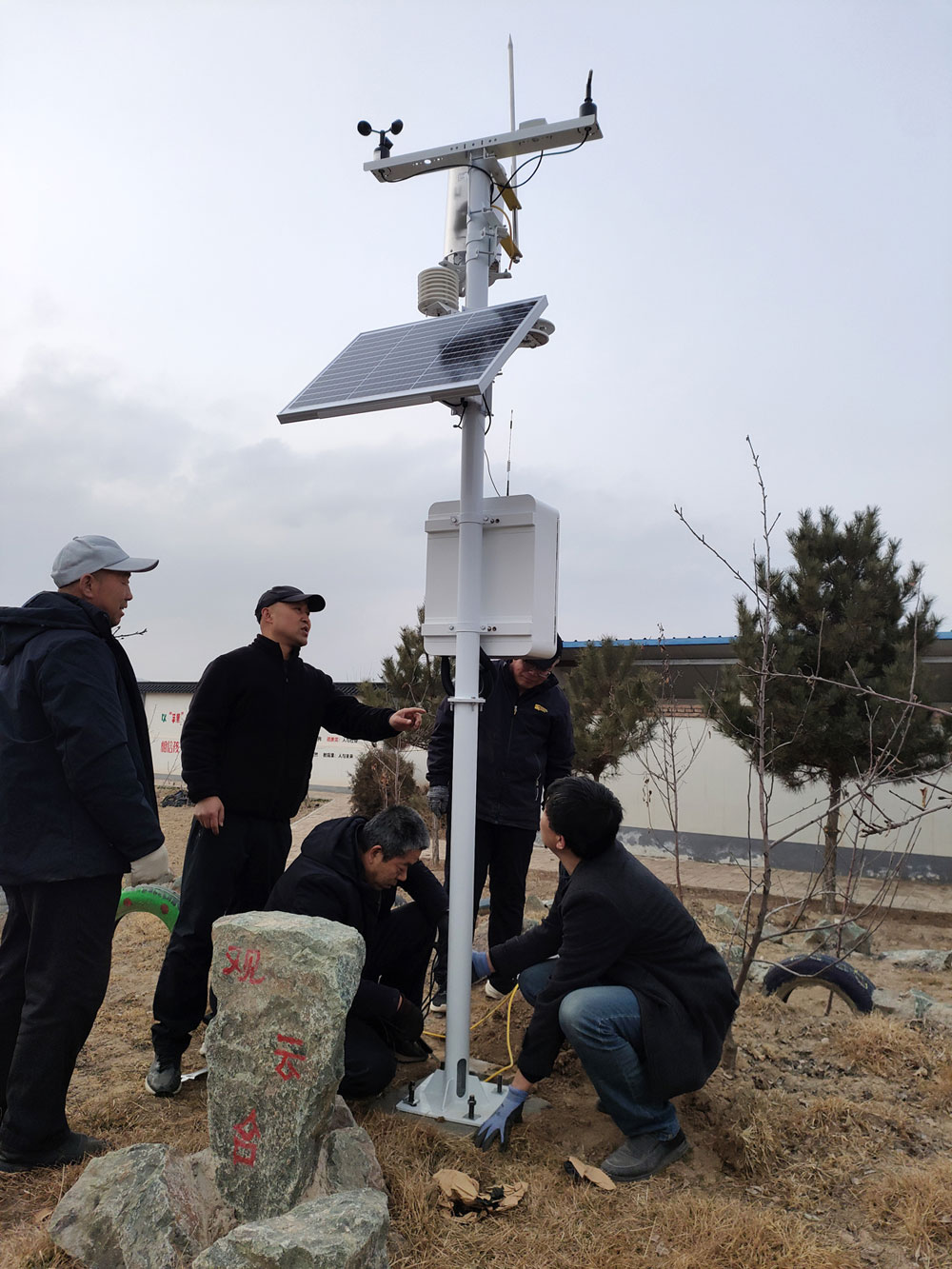
The NiuBoL campus weather station takes educational adaptability, system openness, and stable reliability as its core, providing professional meteorological science popularization infrastructure for schools and regional education projects. Through dedicated sensor integration, convenient data access, and interactive display, it supports the full-chain application from basic teaching to scientific research practice. The irreplaceable positioning of national-level routine stations determines the indispensability of dedicated campus stations. If your company is advancing the construction of meteorological science popularization bases, smart campus transformations, or regional education alliance projects, the NiuBoL solution can provide end-to-end support from hardware to platform, helping meteorological education transform from "watching the weather" to "understanding the weather and using the weather".
Prev:Portable Soil Moisture Meter in Precision Agriculture Projects
Next:Integration Solutions and Application Value Analysis of Agricultural Greenhouse Weather Stations
Related recommendations
Sensors & Weather Stations Catalog
 Agriculture Sensors and Weather Stations Catalog-NiuBoL.pdf
Weather Stations Catalog-NiuBoL.pdf
Agriculture Sensors Catalog-NiuBoL.pdf
Water Quality Sensor Catalog-NiuBoL.pdf
Related products
 Combined air temperature and relative humidity sensor
 TDR Soil Moisture & Temperature Sensor for irrigation| RS485 |4-20mA| NBL-S-THR
 Soil pH sensor RS485 soil Testing instrument soil ph meter for agriculture |NBL-S-PH
 Wind Speed sensor Output Modbus/RS485/Analog/0-5V/4-20mA
 Tipping bucket rain gauge for weather monitoring auto rainfall sensor RS485/Outdoor/stainless steel
 Pyranometer Solar Radiation Sensor 4-20mA/RS485

Screenshot, WhatsApp to identify the QR code
WhatsApp number:+8615367865107
(Click on WhatsApp to copy and add friends)

