





— Blogs —
—Products—
 Consumer hotline +8618073152920
WhatsApp:+8615367865107
Address:Room 102, District D, Houhu Industrial Park, Yuelu District, Changsha City, Hunan Province, China
Product knowledge
Time:2026-02-16 11:07:09 Popularity:857
A solar insect killer lamp power budget compares the energy required during the selected night schedule with usable battery energy and the solar recharge available at the site. Panel wattage and battery ampere-hours alone do not establish operating time. For a NiuBoL off-grid installation, identify the offered lamp, actual load and protection settings before promising a full night of operation or several cloudy days.
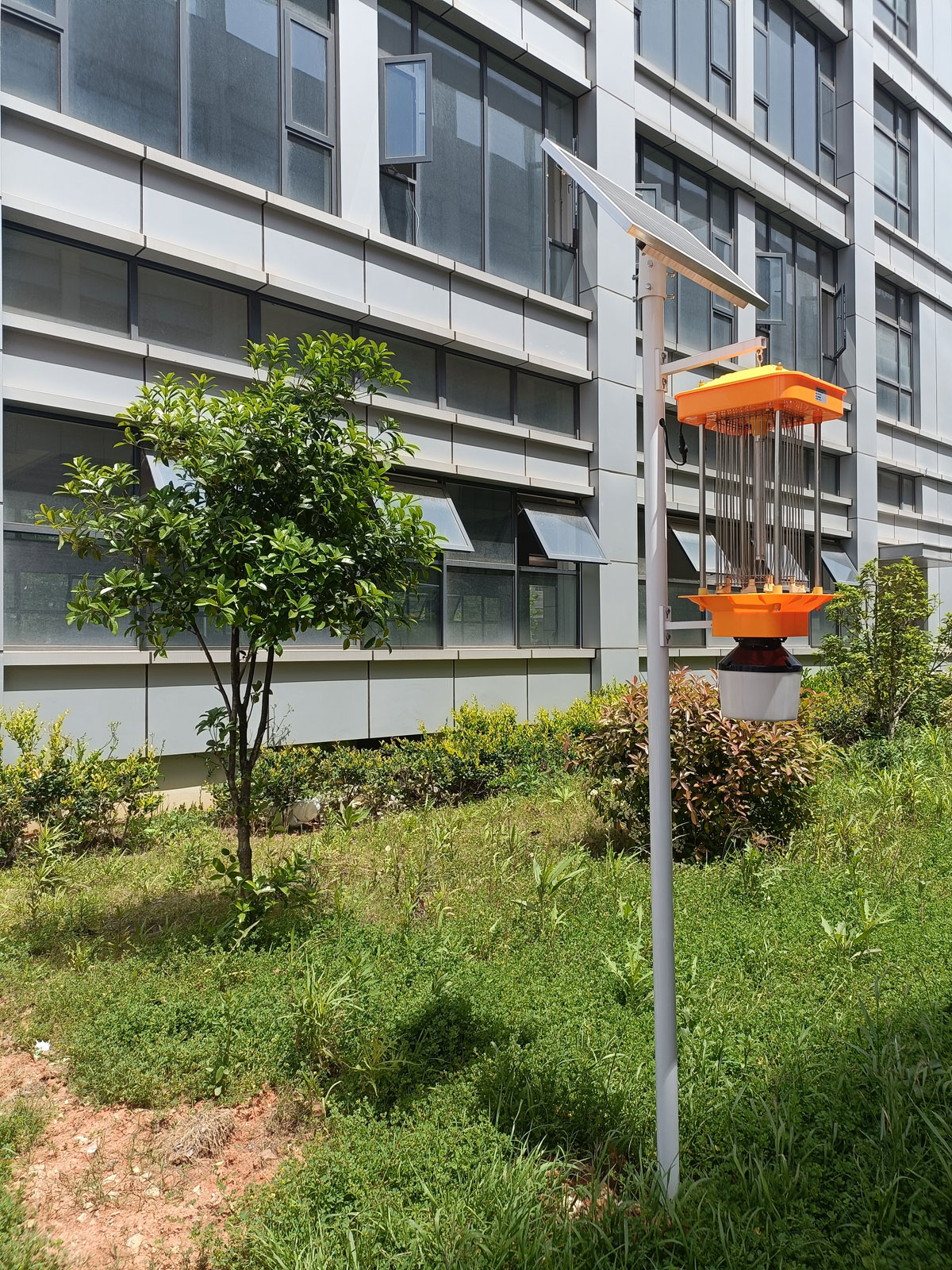
Power in watts describes the rate of energy use. Energy in watt-hours describes consumption over time. Battery capacity in ampere-hours needs a voltage before it can be compared with that consumption. A 40 Wp solar panel is rated for output under defined test conditions; it does not deliver 40 Wh every hour of daylight regardless of cloud, shade and temperature.
Similarly, a lamp-source rating is not the complete equipment load. The grid supply, controller and other fitted functions consume energy too. Use a measured operating profile or the offered configuration's complete electrical specification. Do not size a battery using only the light tube while assuming that the rest of the assembly consumes nothing.
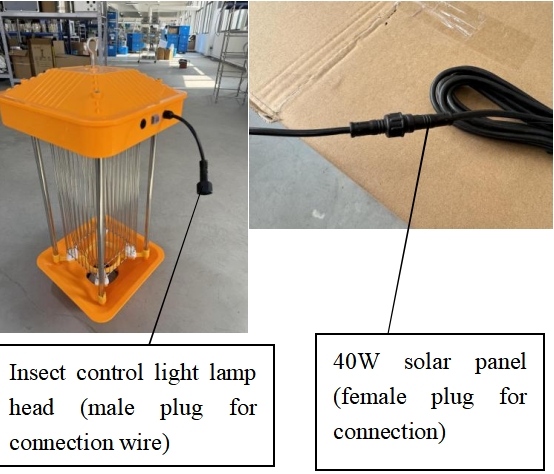
| Item | Reference configuration | Budget consequence |
|---|---|---|
| Battery | 12.8 V, 12 Ah lithium iron phosphate | 153.6 Wh nominal energy before usable-capacity limits and losses |
| Solar panel | At least 40 Wp monocrystalline panel | Daily energy depends on site irradiation and system losses |
| Lamp assembly | DC 12 V; total power below 35 W | Obtain the actual night operating profile, not a guaranteed 35 W draw |
| Attracting light source | Up to 20 W; specified wavelength family 320-680 nm | Not the whole-assembly power and not proof of response by every pest |
| Control | Light, time and rain protection functions | Actual enabled periods determine the load and capture opportunity |
| Protection | IP65 | Does not permit pressure washing, immersion or access to an energized grid |
These values describe the linked frequency-vibration solar insect trap configuration. Lamp housings and collection mechanisms can differ between variants. A fan-suction trap requires its own fan and lamp load, while an electric-grid model requires its own complete assembly load. Do not transfer one variant's consumption to another based on a similar photograph.
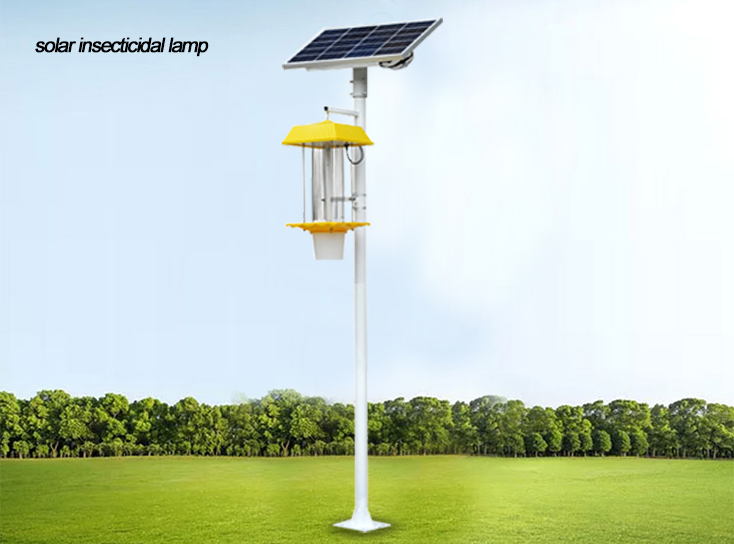
Nominal battery energy is voltage multiplied by ampere-hours: 12.8 x 12 = 153.6 Wh. Not all of that is necessarily available at the load. Battery protection, allowed discharge, temperature, age and conversion losses reduce the energy usable for the intended duty. A low-voltage cutoff can therefore stop operation before a nominal-capacity calculation predicts.
As a conservative planning example, a hypothetical constant 35 W load operating for 6 hours requires 210 Wh. That exceeds 153.6 Wh even before losses. This example uses 35 W as a test assumption, not a measured consumption value or a statement that the offered lamp always reaches that load. It demonstrates why a component list cannot, by itself, justify a six-hour autonomy claim.
Measure the real operating demand and include standby periods. Reducing enabled hours can reduce energy use, but it also changes when insects can be attracted. Choose a schedule appropriate to the target programme, then check whether the power design supports it. Do not quietly shorten the night schedule to make a battery calculation pass.
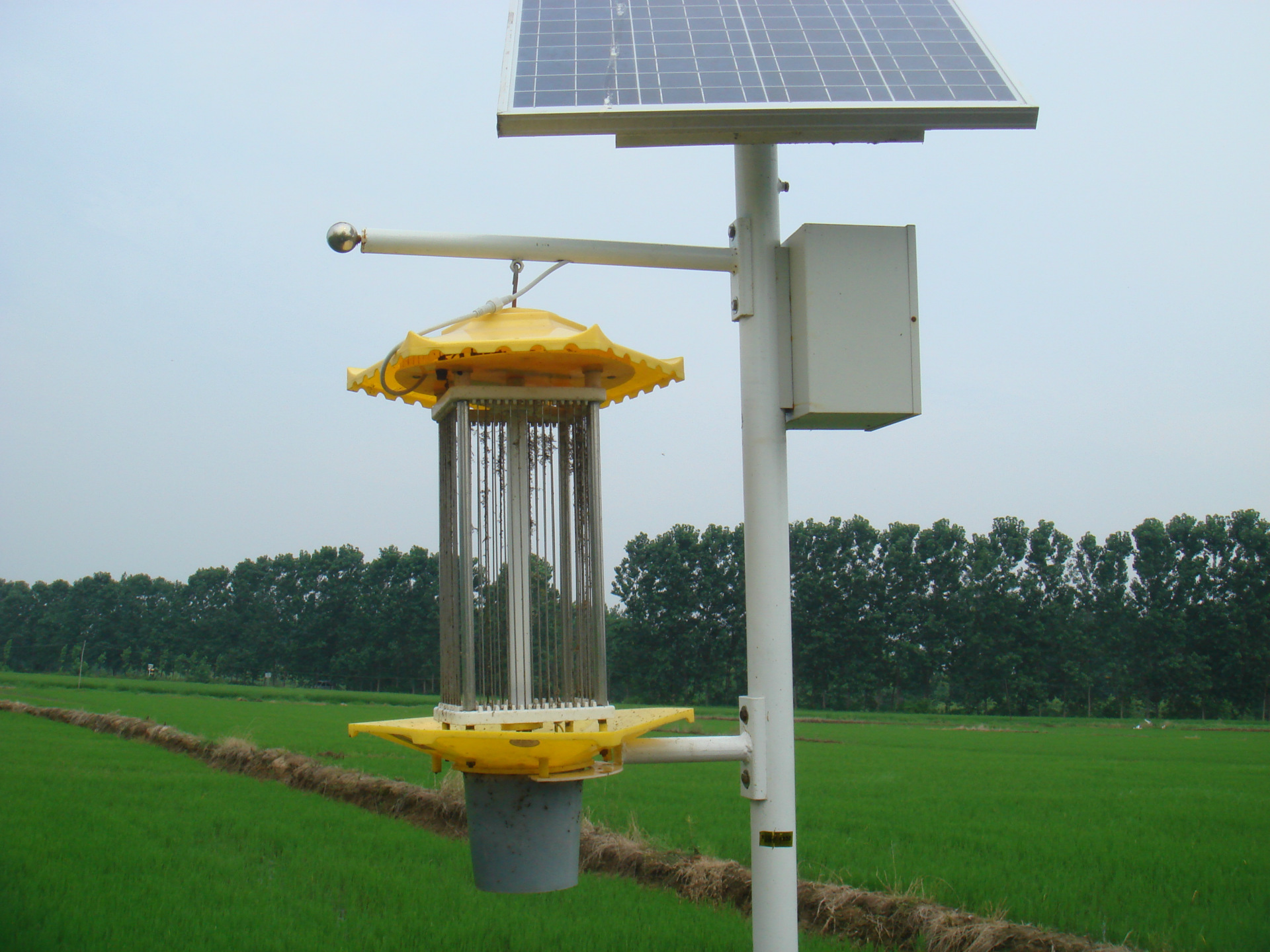
For an illustrative solar calculation, assume a 40 Wp panel, 3 equivalent peak-sun hours and a combined usable-energy factor of two-thirds. The resulting estimate is 40 x 3 x 2/3 = 80 Wh per day. These assumed inputs are not a site forecast or a NiuBoL production guarantee. Substitute the project's seasonal solar resource and accepted system factors.
Compare that daily supply with daily consumption. If consumption exceeds recharge for several days, a larger battery can delay shutdown but cannot correct a persistent energy deficit. After a cloudy period, the next sunny day must support the next operating period and restore depleted storage. A panel sized only for one average night may recover slowly.
Assess the period that matters to the project. Crop canopies can shade a panel later in the season, and dust can reduce charging without an obvious equipment failure. A suitable summer location may not remain suitable when vegetation grows or the sun angle changes. Keep the proposed mounting position in the energy assessment.
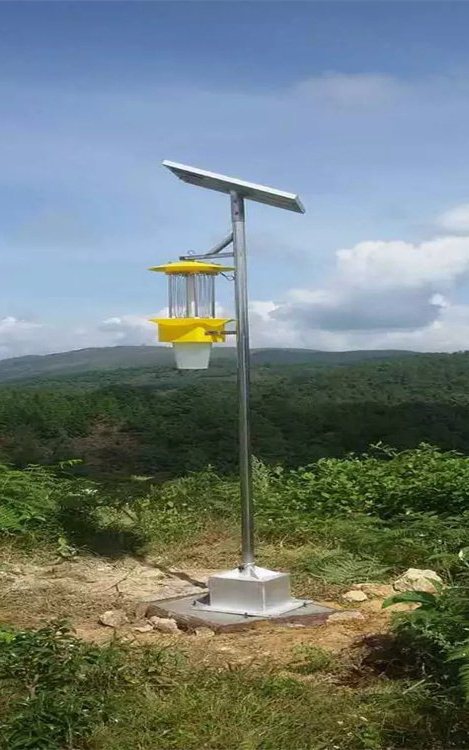
If a lamp stops early, check the scheduled window, light-control input and rain-protection state before replacing the battery. A correctly protected lamp may be intentionally inactive. Conversely, a visible power indicator does not prove that the attracting source and grid remain enabled throughout the requested period.
Record battery voltage and operating status over a representative night with approved monitoring equipment. Note when protection activates and whether charging restores normal operation. One successful evening after a full external charge is not a seasonal autonomy test. Identify whether the supplier's run-time statement assumes a new battery, a particular schedule or continuous solar input.
Do not bypass rain protection or low-voltage protection to extend a demonstration. The electric grid presents a hazard even when a short-circuit-current figure is listed. Servicing requires the manufacturer's isolation and discharge procedure, safe access and suitable personnel. A battery-powered source is not inherently safe to touch.
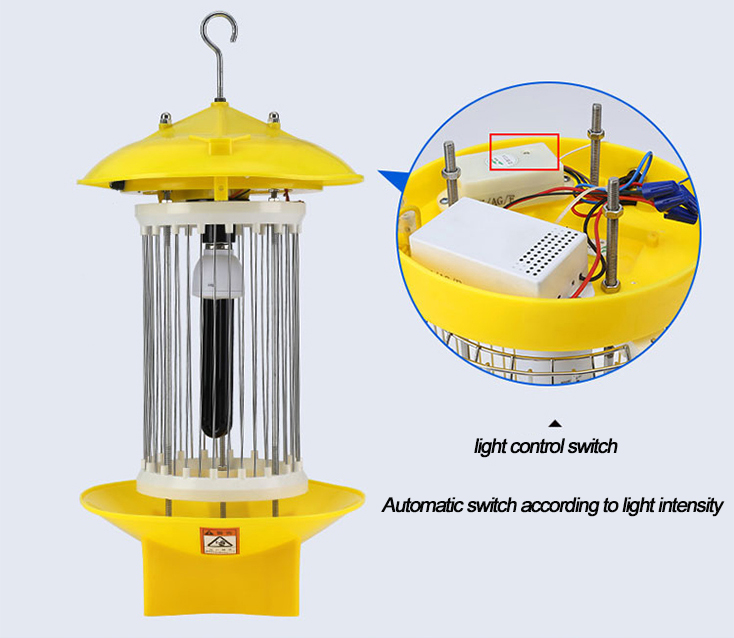
The lamp's local control functions do not automatically provide remote electrical records. Confirm whether the ordered controller exposes battery voltage, enabled hours, charge information or fault states, and through which interface. RS485 Modbus RTU, a gateway or a mobile application must be specified and demonstrated if the project needs them; do not assume they are fitted to a stand-alone lamp.
Where remote status is unavailable, a commissioning test can still establish the operating profile using appropriate temporary equipment. State how the result will be measured and what operating conditions are represented. Keep insect-count or crop-effect claims separate: successful power delivery proves operation, not biological control efficacy.
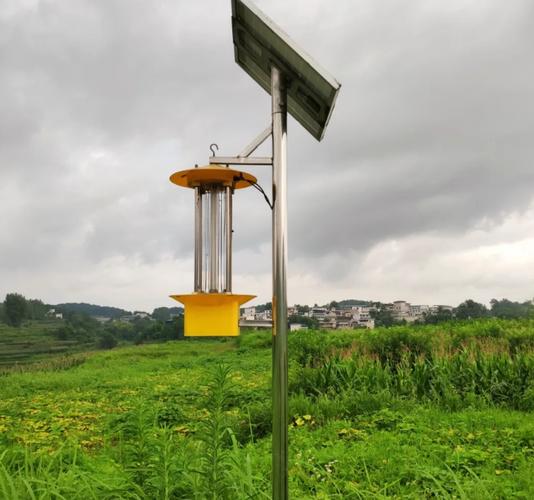
For a NiuBoL power review, provide the site, seasonal operating months, required enabled hours and the exact lamp variant. Include any extra loads and the required no-recharge period. Ask for the battery voltage and capacity, usable-energy assumptions, protection behavior and seasonal recharge assessment, not merely a panel wattage.
Compare replacement access and component availability as well as initial hardware cost. Fixed payback periods, battery life and cloudy-day endurance cannot be inferred from nominal ratings. If the required duty is outside the offered configuration's demonstrated capability, revise the supply design or the explicitly agreed operating requirement before ordering.
No. It is a charge-capacity figure. Convert it to nominal watt-hours using voltage, then account for the actual load, usable capacity, protection thresholds and losses.
No. It is a rated peak-power value under test conditions. Daily charging depends on irradiation, shading, temperature, orientation and the charging system.
It can provide more storage, but a sustained daily energy deficit will eventually exhaust it. The recharge design must support the required operating schedule and recovery.
Do not bypass protective functions to meet a run-time target. Evaluate the required duty with the protection functions operating as intended.
Not automatically. Confirm the ordered controller, available electrical-status data and interface. Local light and time control do not establish remote communication capability.
Use the offered assembly and defined schedule, record the load and protection behavior, and assess recharge under stated site conditions. Distinguish measured results from design estimates.
A solar insect killer lamp power budget needs an explicit duty cycle, usable storage and a credible recharge estimate. NiuBoL equipment selection should follow that calculation so the installation can support the agreed operating window without relying on an unsupported cloudy-day promise.
Prev:Insect Forecasting Lamp Records: Zero Catch or Missing Sample?
Next:Solar Insect Lamps in Vineyards: Verify Pest and Crop Outcomes
Related recommendations
Sensors & Weather Stations Catalog
 Agriculture Sensors and Weather Stations Catalog-NiuBoL.pdf
Weather Stations Catalog-NiuBoL.pdf
Agriculture Sensors Catalog-NiuBoL.pdf
Water Quality Sensor Catalog-NiuBoL.pdf
Related products
 Combined air temperature and relative humidity sensor
 TDR Soil Moisture & Temperature Sensor for irrigation| RS485 |4-20mA| NBL-S-THR
 Soil pH sensor RS485 soil Testing instrument soil ph meter for agriculture |NBL-S-PH
 Wind Speed sensor Output Modbus/RS485/Analog/0-5V/4-20mA
 Tipping bucket rain gauge for weather monitoring auto rainfall sensor RS485/Outdoor/stainless steel
 Pyranometer Solar Radiation Sensor 4-20mA/RS485


Screenshot, WhatsApp to identify the QR code
WhatsApp number:+8615367865107
(Click on WhatsApp to copy and add friends)

