





— Blogs —
—Products—
 Consumer hotline +8618073152920
 WhatsApp:+8615367865107
Address:Room 102, District D, Houhu Industrial Park, Yuelu District, Changsha City, Hunan Province, China
Product knowledge
Time:2025-12-01 15:10:13 Popularity:670
In agriculture, hydrology, renewable energy, and environmental protection, the demand for meteorological data has shifted from rough statistical records to real-time, high-precision on-site measurements. Traditional manual observation is labor-intensive and cannot keep pace with rapidly changing decision-making needs.
Field automatic weather stations (AWS) are purpose-built monitoring systems for harsh outdoor environments. By seamlessly integrating advanced sensors, intelligent hardware, and cloud platforms, NiuBoL delivers high-accuracy, high-reliability solutions that guarantee 24/7 unattended operation even in the most challenging field conditions.
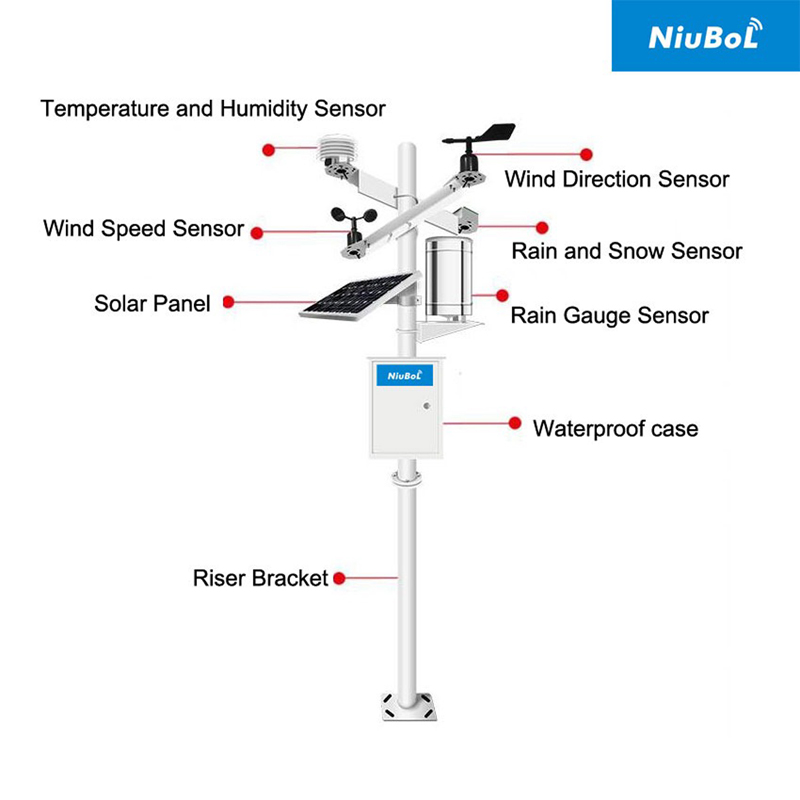
A field AWS is a comprehensive monitoring system designed for remote and harsh environments. It continuously tracks and records multiple parameters including air temperature & humidity, atmospheric pressure, wind speed & direction, rainfall, photosynthetically active radiation (PAR), evaporation, soil temperature, and soil moisture. The system integrates data acquisition, processing, storage, power supply, and wireless transmission into a single robust package.
NiuBoL stations rely on three pillars:
1. Sensors – Convert physical phenomena into accurate digital signals
2. Data Logger – The intelligent brain that calibrates, processes, stores, and timestamps data
3. Solar (or solar + micro wind) Power System – Captures and stores renewable energy to keep the station running indefinitely without grid power
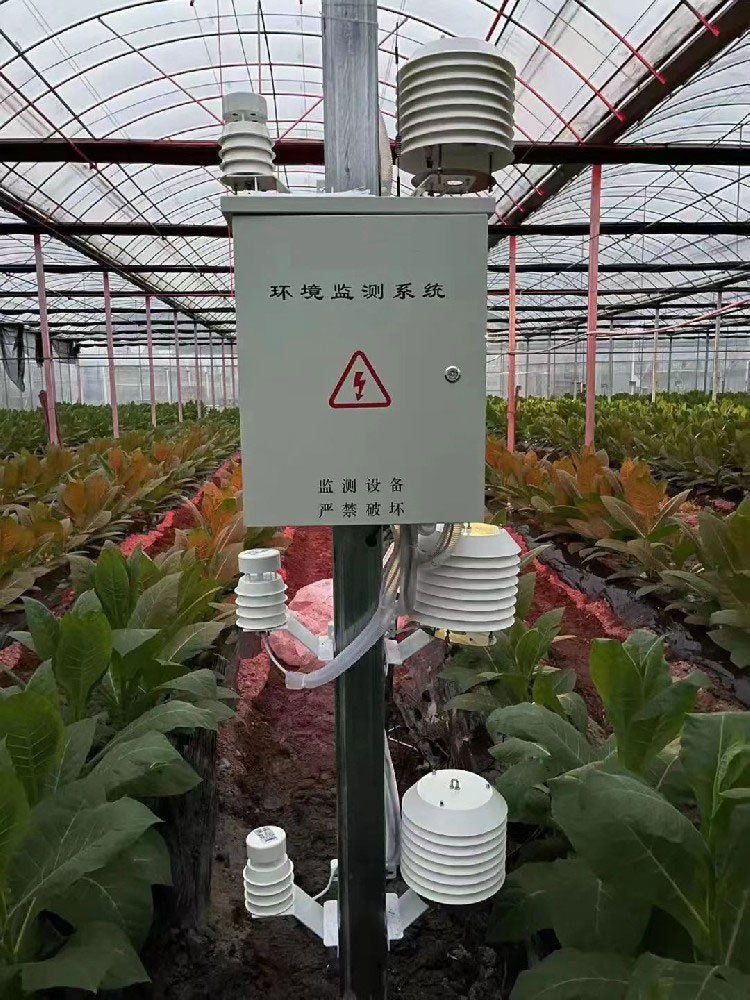
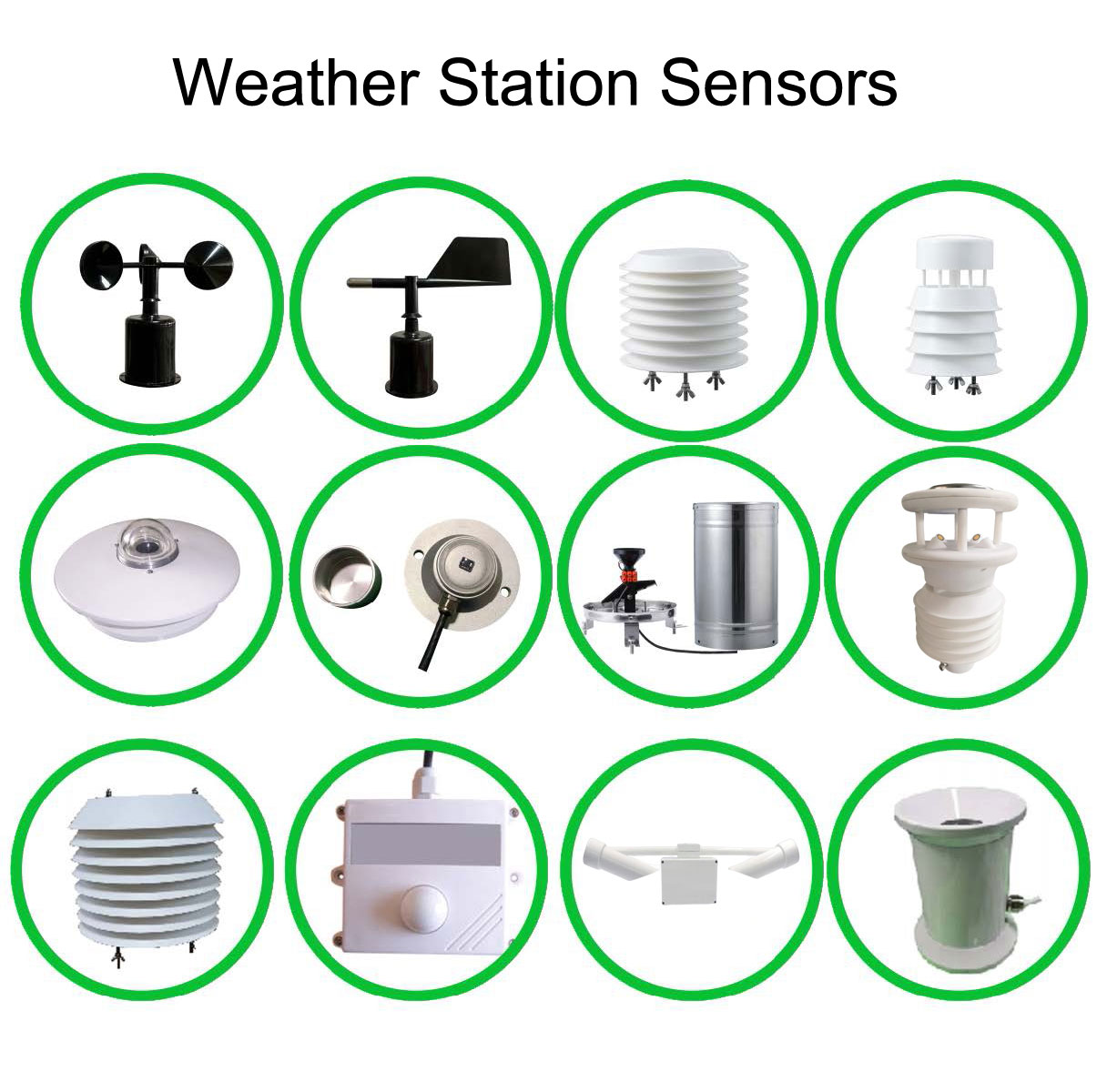
1. Highly Flexible Sensor Combinations – Freely mix-and-match temperature, humidity, ultrasonic wind, rain gauge, barometric pressure, PAR/total radiation, evaporation, soil temperature/moisture/conductivity sensors to match exact project requirements.
2. Highly Integrated & Extremely Reliable – All-in-one or modular designs with industrial-grade protection for years of continuous operation.
3. Real-Time Remote Transmission – 4G/LoRa/Ethernet/satellite options push data instantly to cloud platforms and user dashboards.
4. True Unattended Automation – Zero routine manpower required; self-diagnosis and over-the-air updates keep the system healthy remotely.
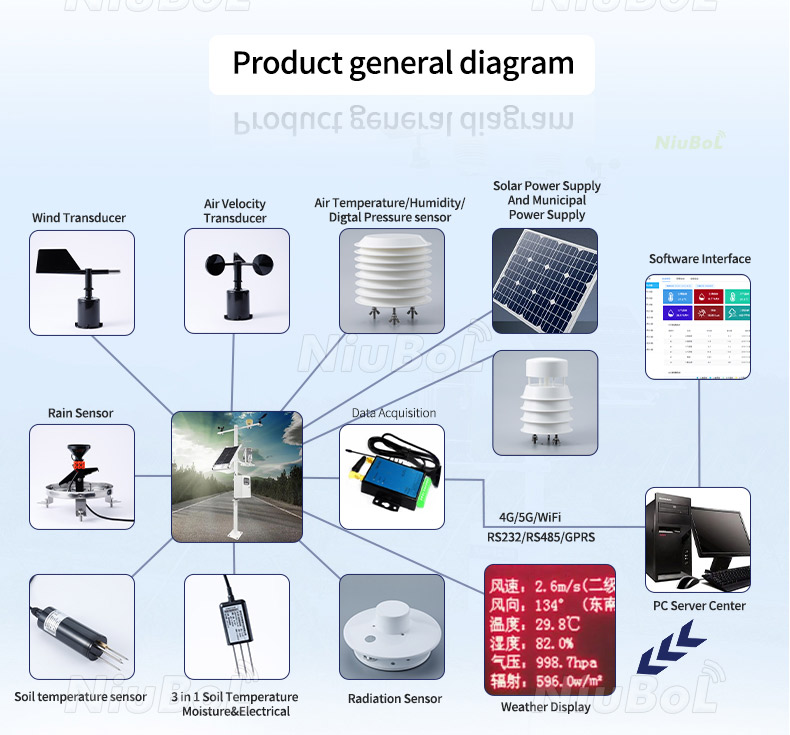
| Component | Role | NiuBoL Highlight |
| Sensor Cluster | Raw environmental signal acquisition | Optional ultrasonic wind, 0.1 mm rain gauge, etc. |
| Data Logger | Processing, storage & control | Multi-channel RS485/Modbus, large flash memory |
| Power System | Energy supply | High-efficiency solar + long-life lithium battery |
| Communication Module | Data bridge | 4G / LoRa / Ethernet / optional satellite |
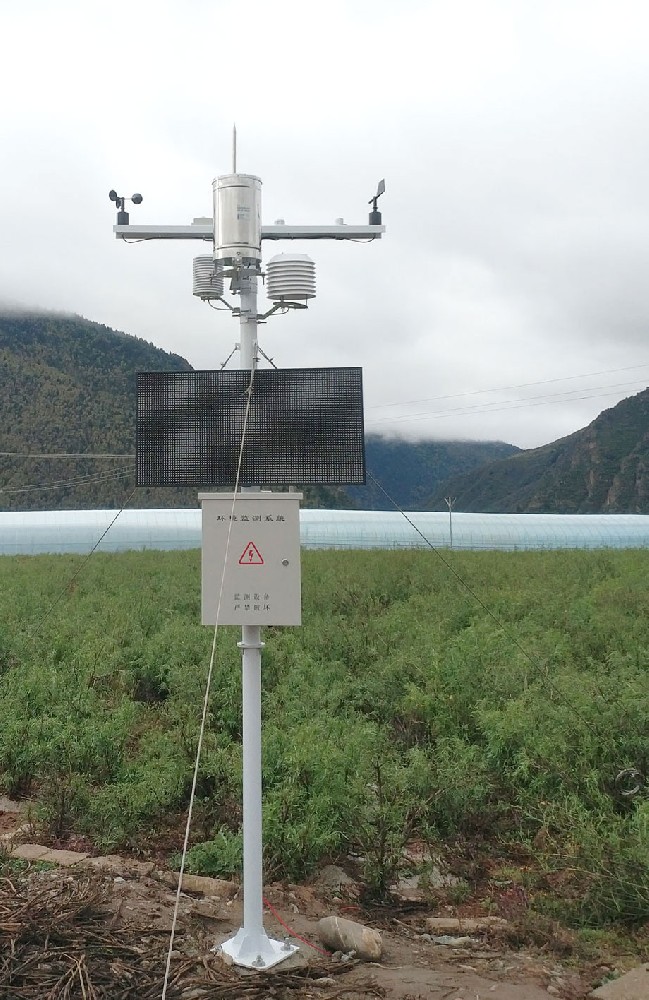
| Parameter | Sensor Function | Core Application Value |
| Air Temp & Humidity | Monitors atmospheric thermal & moisture state | Crop growth optimization, human comfort, forecasting |
| Wind Speed & Direction | Measures airflow velocity and vector | Wind farm site assessment, pollutant dispersion, safety |
| Rainfall | Total, intensity, daily accumulation | Flood warning, water resource management, irrigation scheduling |
| Atmospheric Pressure | Barometric trend monitoring | Short-term weather prediction |
| PAR / Total Radiation | Plant-usable light & solar energy measurement | Greenhouse control, photovoltaic efficiency analysis |
| Soil Temp/Moisture/EC | Underground thermal & water/salinity status | Precision irrigation & fertilization, soil health monitoring |
| Evaporation | Water loss rate from soil & water surfaces | Hydrological cycle research, reservoir management |
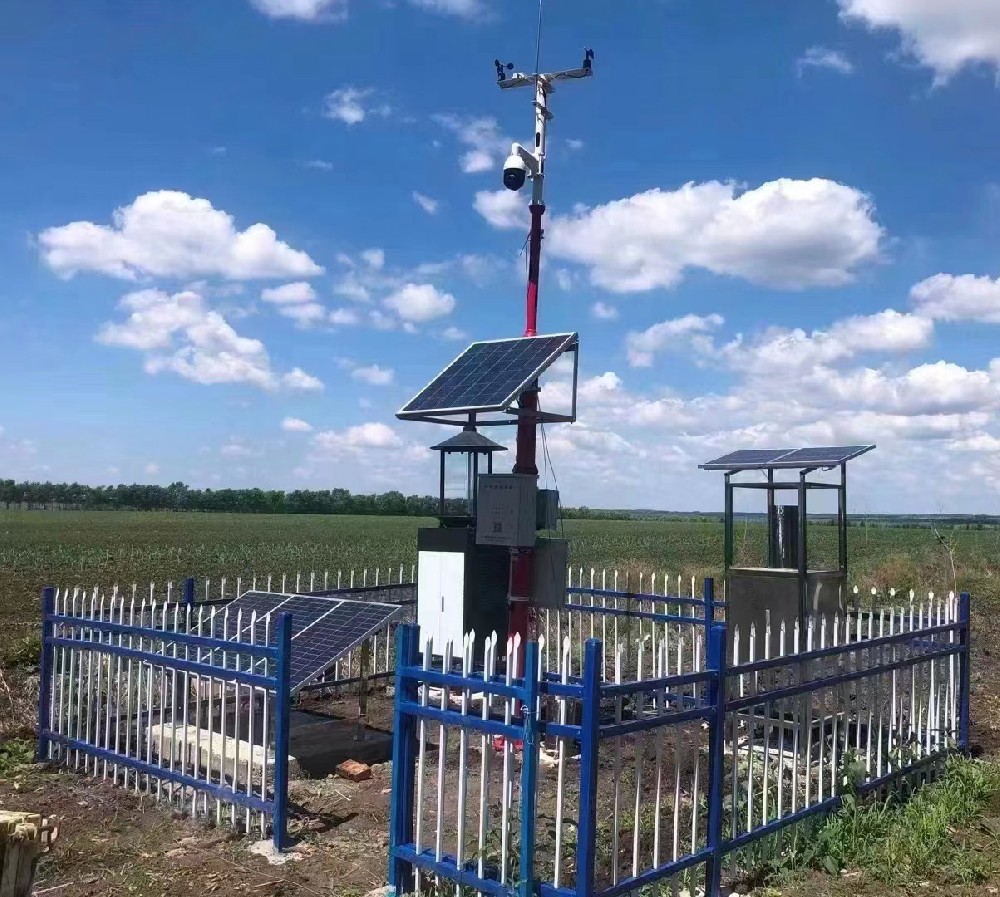
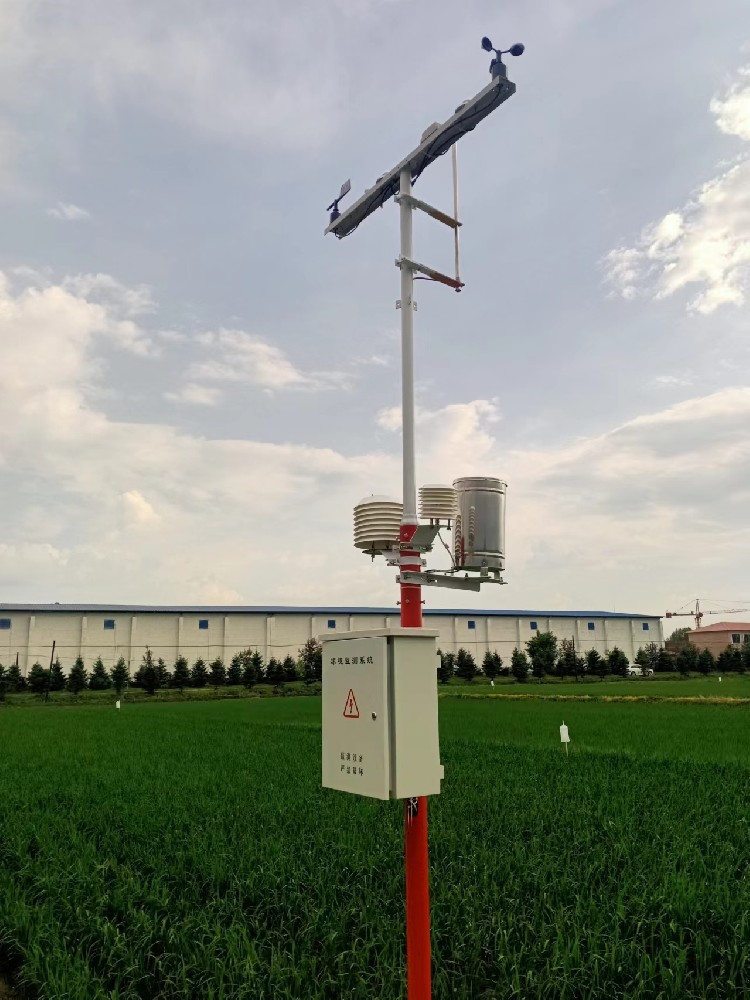
- Open, flat site; wind/rain/radiation sensors must have unobstructed exposure
- Temperature/humidity sensors inside ventilated radiation shields
- Solar panels facing due south at latitude-matched tilt angle
- Solid foundation and lightning grounding mandatory
1. Fix pole base → ensure perfectly vertical
2. Mount sensors, logger, solar panel & battery
3. Connect with waterproof aviation plugs; protect cables with anti-rodent sleeving
4. Power on → verify real-time data on cloud platform
| Symptom | Likely Cause | NiuBoL Troubleshooting Tip |
| Data offline | No 4G signal / SIM expired / LoRa issue | Check LED indicators, SIM status, antenna connection |
| No data at night | Battery low or panel shaded | Measure battery voltage; clean panel |
| Inaccurate wind readings | Mechanical wear or ultrasonic face dirty | Clean transducers; enable heater in cold climates |
| Wrong rainfall totals | Gauge not level or inlet blocked | Re-level with spirit level; clear debris |
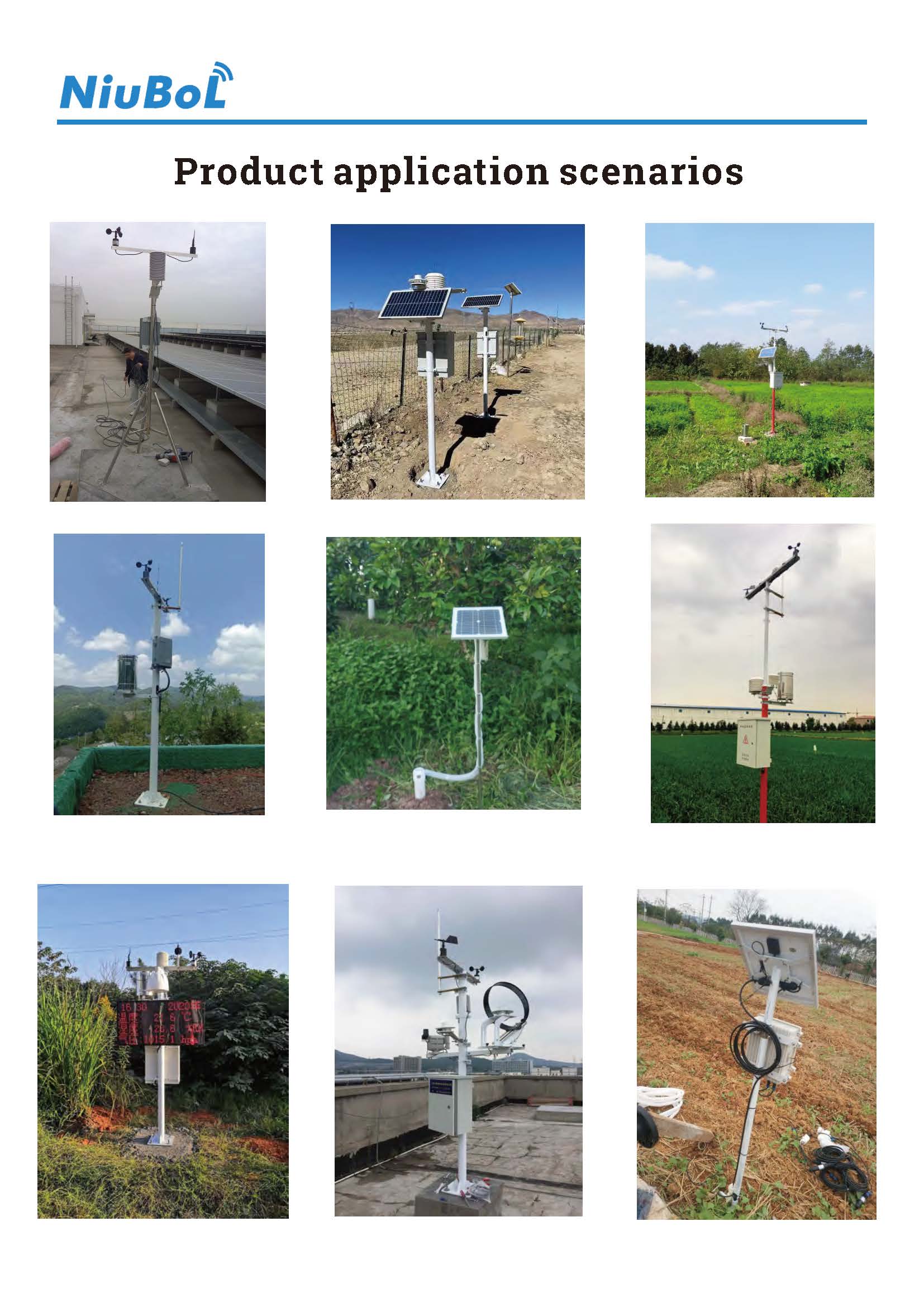
- Hydrology & Flash-Flood Early Warning – Core rainfall & water-level stations
- Precision Agriculture – Real-time soil moisture + micro-climate data for irrigation & fertilization
- Renewable Energy – Site assessment for wind farms; environmental monitoring for solar plants
- Environmental & Scientific Research – Forest fire prevention, ecological parks, atmospheric pollution modeling
Yes – simply add CO₂, O₃, SO₂, NOₓ, or PM2.5/10 sensors via spare ports.
LoRa is recommended for remote mountains and forests; satellite modules available for extreme locations.
Ethernet (fixed sites), satellite (polar/desert), NB-IoT where applicable.
No – large onboard storage + automatic batch upload when connection restores.
Industrial-grade materials + optional ultrasonic (no moving parts) sensors dramatically increase survivability.
Yes – standard RS485/Modbus-RTU makes integration with SCADA or any platform seamless.
3–5 years under normal solar conditions; only periodic visual inspection required.
Yes – add radar/ultrasonic water-level or crack/displacement sensors easily.
Cloud platform displays real-time temperature, humidity, wind → automatically computes and displays local fire danger grade automatically.
CE, FCC, RoHS, ISO9001, IP66/IP67 (model dependent), and traceable meteorological calibration certificates.
Field automatic weather stations, with their high-precision sensing, unlimited customization, and true unattended operation, are revolutionizing how we collect and act on meteorological data. NiuBoL delivers battle-proven integrated design, reliable renewable power, and full IoT connectivity, providing decision-makers in agriculture, hydrology, energy, and environmental protection with timely, accurate, and actionable insights.
Choose NiuBoL — choose unwavering data reliability in the toughest field environments.
Need a NiuBoL field engineer to design the optimal sensor suite, power system, and communication plan tailored to your specific project terrain and requirements? Contact us today — we turn challenging sites into smart, always-on observatories.
Prev:Forest Weather Stations: Key Applications and Selection Guide
Next:Small-Scale Agricultural Weather Stations: Construction and Yield-Boosting Strategies
Related recommendations
Sensors & Weather Stations Catalog
 Agriculture Sensors and Weather Stations Catalog-NiuBoL.pdf
Weather Stations Catalog-NiuBoL.pdf
Agriculture Sensors Catalog-NiuBoL.pdf
Water Quality Sensor Catalog-NiuBoL.pdf
Related products
 Combined air temperature and relative humidity sensor
 TDR Soil Moisture & Temperature Sensor for irrigation| RS485 |4-20mA| NBL-S-THR
 Soil pH sensor RS485 soil Testing instrument soil ph meter for agriculture |NBL-S-PH
 Wind Speed sensor Output Modbus/RS485/Analog/0-5V/4-20mA
 Tipping bucket rain gauge for weather monitoring auto rainfall sensor RS485/Outdoor/stainless steel
 Pyranometer Solar Radiation Sensor 4-20mA/RS485

Screenshot, WhatsApp to identify the QR code
WhatsApp number:+8615367865107
(Click on WhatsApp to copy and add friends)

