





— Blogs —
—Products—
 Consumer hotline +8618073152920
 WhatsApp:+8615367865107
Address:Room 102, District D, Houhu Industrial Park, Yuelu District, Changsha City, Hunan Province, China
Product knowledge
Time:2025-12-01 15:29:37 Popularity:854
Crop growth depends on the perfect balance of light, heat, water, and air. Although China has rich traditional farming experience, extreme weather events in its vast and monsoon-variable climate remain the biggest threat to production. A single unfavorable weather episode can wipe out an entire year’s effort.
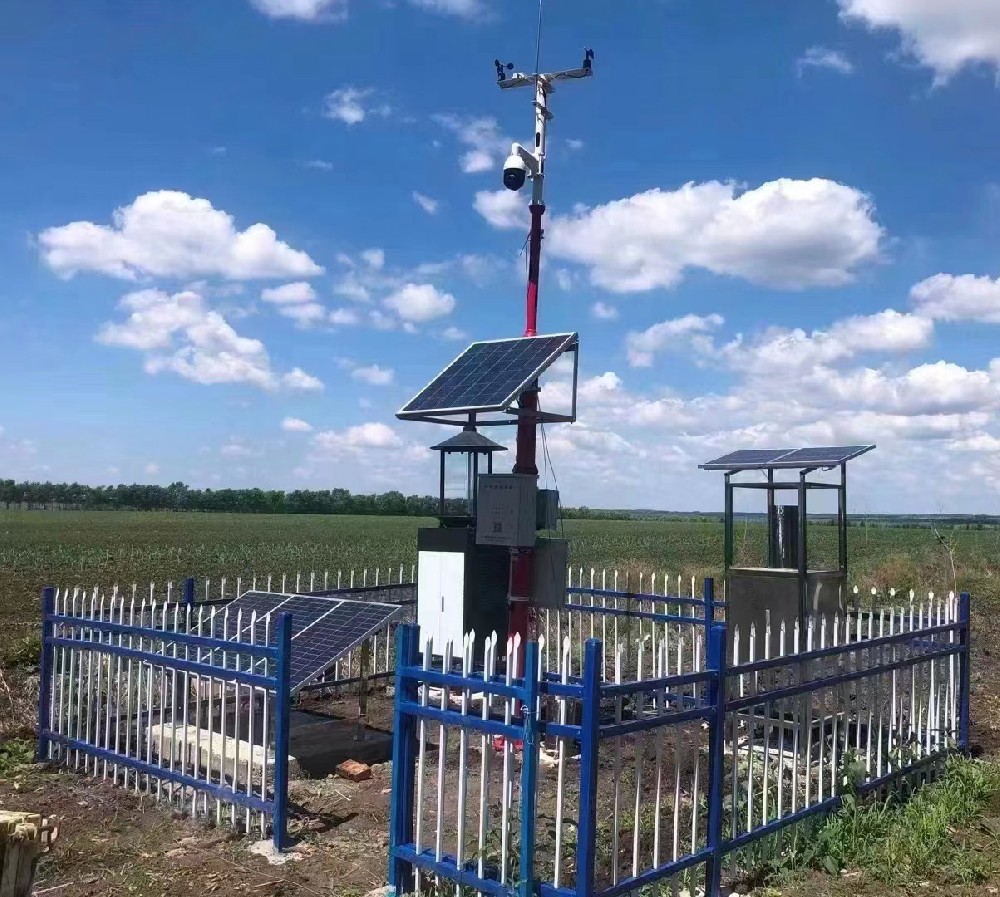
Modern agriculture treats disaster prevention as a top priority. Deploying small, affordable agricultural weather stations is the key to achieving it. NiuBoL agricultural weather stations act as the farmer’s “thousand-mile eyes and ears” in the field, delivering precise real-time monitoring and early warnings so farmers can respond proactively, stabilize production, and consistently increase income.
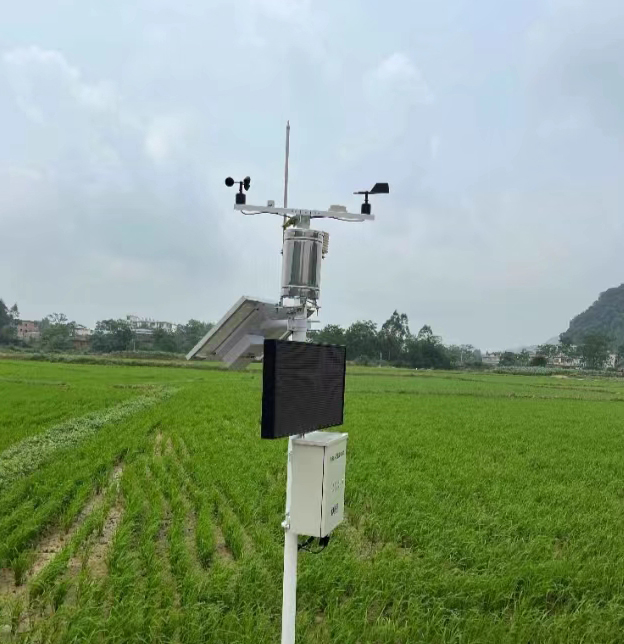
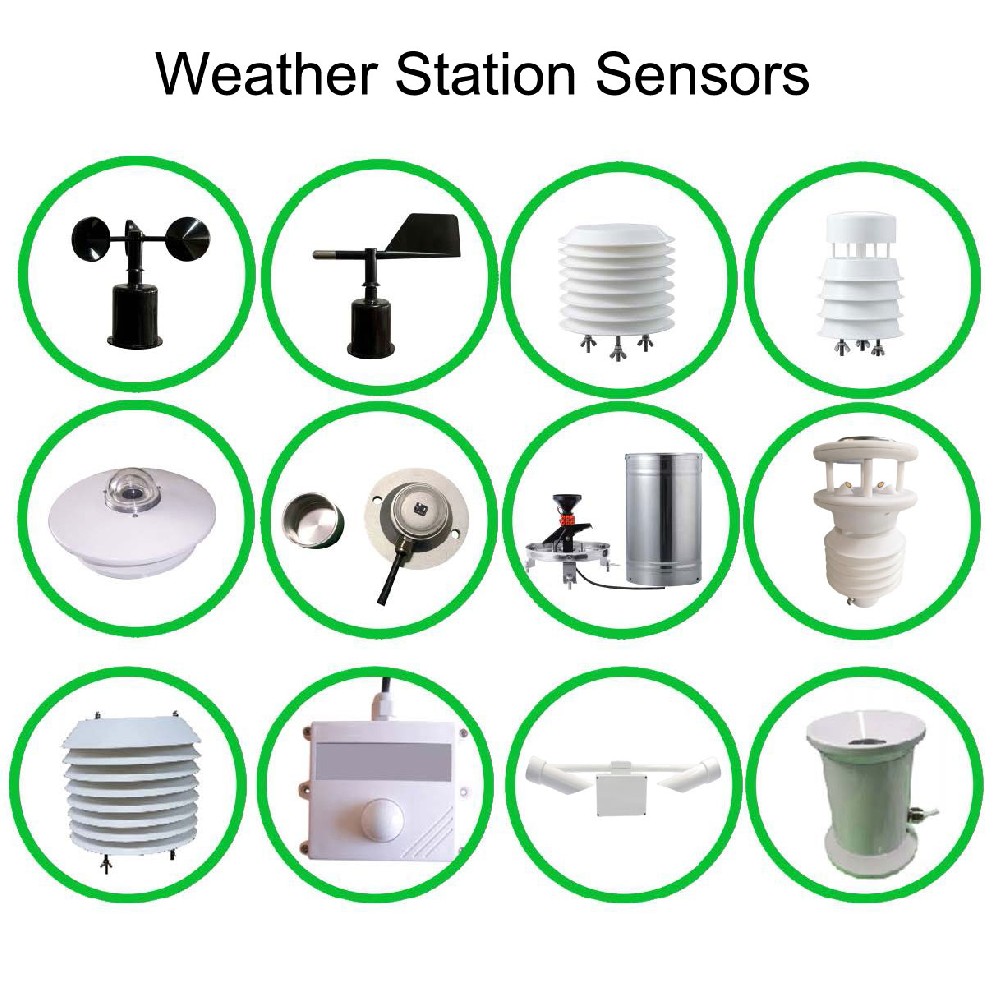
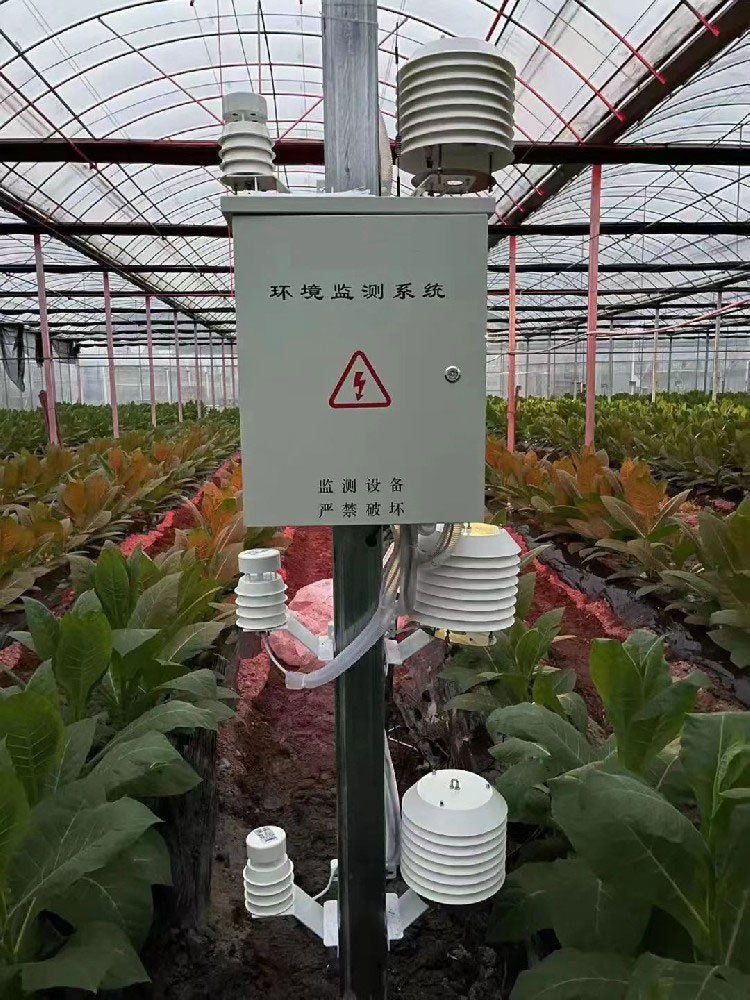
An agricultural weather station is a 24/7 on-site monitoring system that integrates sensors, IoT technology, and cloud platforms. It simultaneously measures wind speed & direction, rainfall, air temperature & humidity, light intensity, soil temperature & moisture, evaporation, atmospheric pressure, and more. It serves not only meteorology but also agriculture, geology, and environmental sciences.
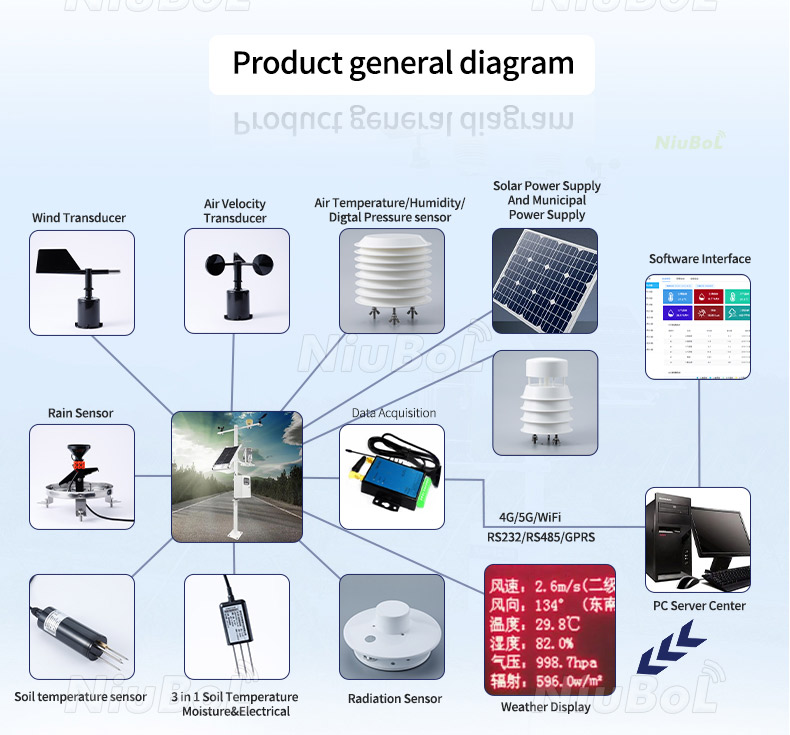
The system consists of four tightly integrated parts:
1.2.1. Sensors – Capture raw environmental data with high accuracy
12.2. Data Logger – The “brain” that collects, calibrates, stores, and processes data
1.23. Communication Module – 4G/LoRa pushes data instantly to the cloud
1.2.4. Cloud Platform & Software – Performs deep statistical analysis, climate zoning, and intelligent disaster warnings
- 24/7 fully automatic monitoring with zero on-site manpower
- Solar + lithium battery power for years of stable field operation
- Precise early warnings for flood, drought, frost, pests, and diseases → dramatically reduced losses
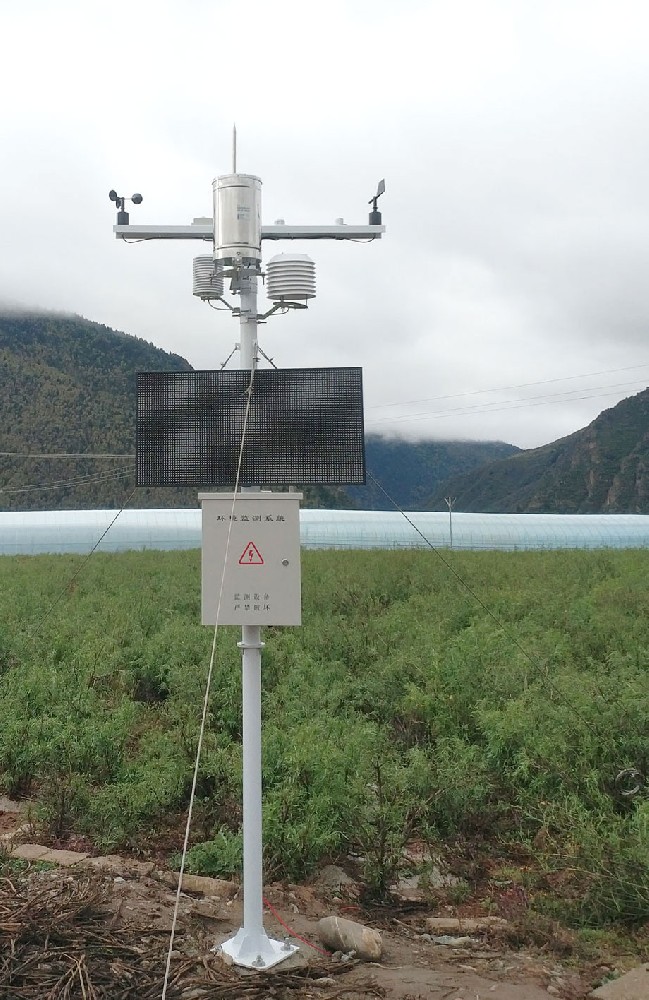
| Component | Role | NiuBoL Highlights |
| Sensor Cluster | Environmental data capture | High-precision air, soil, and radiation sensors |
| Data Logger | Processing & storage | Powerful analysis and large onboard memory |
| Power System | Off-grid energy | Solar panel + long-life lithium battery |
| Transmission & Cloud | Data delivery & insights | 4G/LoRa + feature-rich cloud platform |
| Parameter | Measurement Method | Value to Crop Production |
| Air Temp & Humidity | Digital high-precision sensor | Controls growth rate, flowering, pest & disease forecasting |
| Light Intensity / PAR | Photosensitive / quantum sensor | Optimizes shading or supplemental lighting in greenhouses |
| Wind Speed & Direction | Ultrasonic (recommended) or mechanical | Affects evaporation, CO₂ exchange, pesticide drift, storm warning |
| Rainfall | Tipping-bucket rain gauge | Guides irrigation & drainage decisions |
| Soil Temp & Moisture | Multi-depth buried probes | Drives root development, nutrient uptake, germination |
| Evaporation (optional) | Evaporation pan or sensor | Calculates exact irrigation needs → water-saving & high yield |
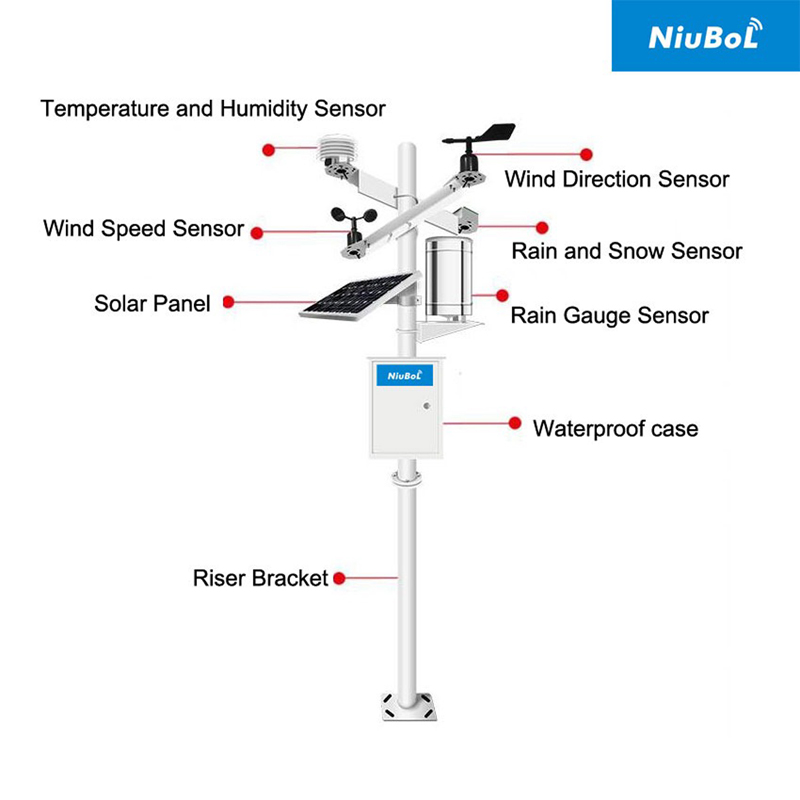
- Choose open, representative farmland away from tall crops, trees, or buildings
- Bury soil sensors at typical depths (10/20/40 cm)
- Lightning protection and grounding mandatory, even for small stations
1. Secure pole on concrete base
2. Mount sensors and connect with waterproof aviation plugs
3. Connect solar panel lithium battery
4. Power on → register on cloud platform → verify real-time data
| Symptom | Likely Cause | NiuBoL Fix |
| No data on logger | Battery dead / solar blocked | Check panel cleanliness & battery connections |
| Abnormal soil moisture | Wrong burial depth or probe damage | Re-bury to correct depth; inspect probe |
| Wind data wrong | Dirt/bird nests (mechanical) or blocked view | Clean cups/vanes or ultrasonic faces |
| Cloud data delay | Weak 4G/LoRa signal | Check signal strength; relocate antenna if needed |
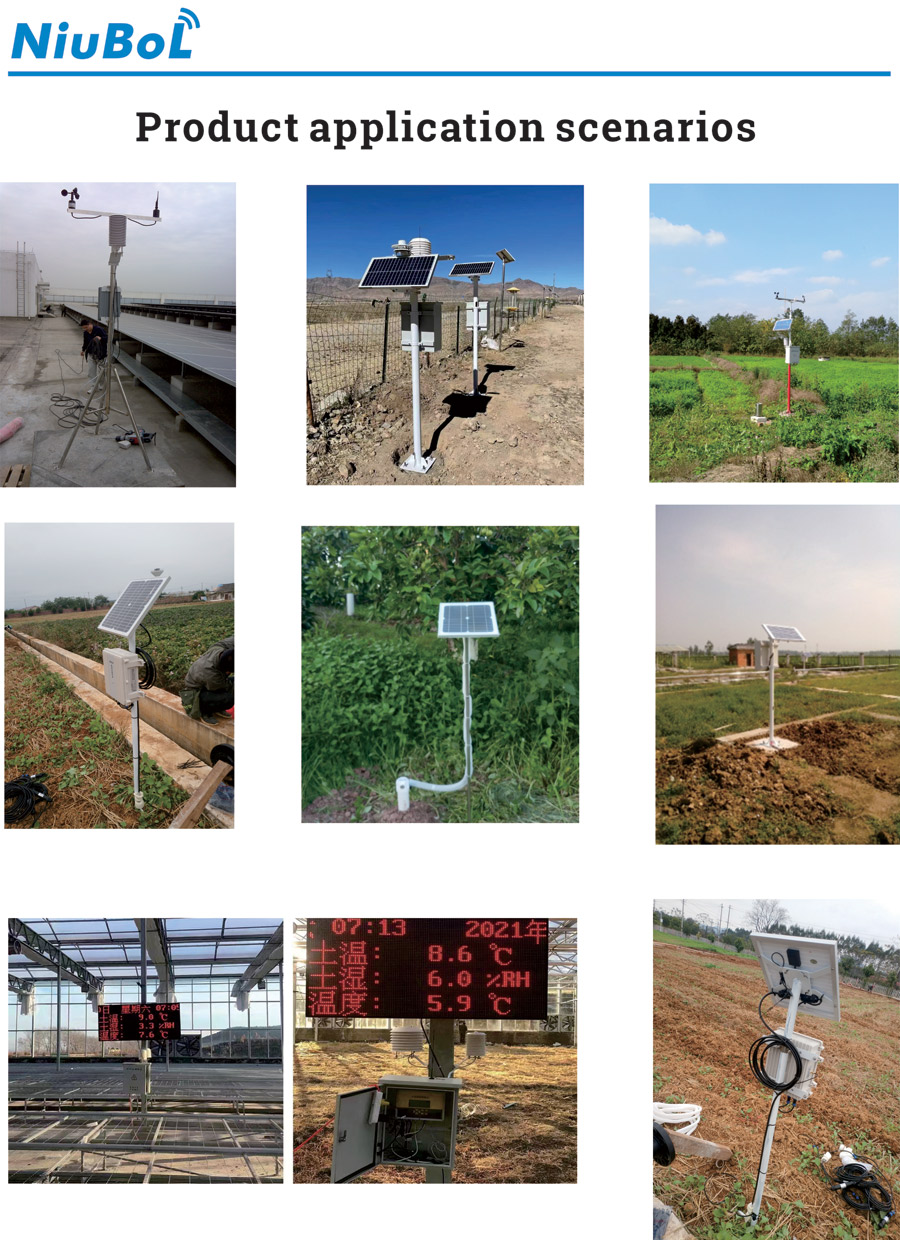
- Scientific planting & micro-climate optimization in greenhouses and open fields
- Early warning for flood, drought, frost, and pest outbreaks
- Precision irrigation scheduling → 20-40 % water savings common
- Data foundation for new variety trials and agricultural climate research
| Farmer Priority | Recommended Sensors / Configuration | Benefits |
| Basic crop guidance | Air T/RH + Light + Rainfall | Covers light, heat, water at lowest cost |
| Precision irrigation | + Soil temperature & moisture (multi-depth) + evaporation | Exact water-balance calculation → maximum water efficiency |
| High-value crops (fruit, vines) | + Ultrasonic wind + CO₂ concentration | Finer ventilation & disease control; higher quality & yield |
| Long-term unattended fields | Ultrasonic wind + large-capacity lithium battery + LoRa | Minimal maintenance, works years in remote areas |
A: NiuBoL offers tiered configurations. Basic models are very affordable and deliver ROI in the first season through reduced losses and higher yields.
A: Yes – 1/5/10-minute intervals freely configurable to balance real-time needs and power consumption.
A: Specific temperature humidity windows trigger outbreaks. The system + pest models gives 3–7 day advance warnings.
A: Yes – relay outputs can directly open/close smart valves based on soil moisture thresholds.
A: LoRa module provides kilometers of coverage at ultra-low power – perfect for remote fields.
A: Yes – oversized solar + lithium battery sustains 5–10 continuous overcast days.
A: Encrypted transmission (HTTPS/MQTT) + permission-controlled cloud storage.
A: Factory-calibrated; we recommend annual comparison check for radiation and ultrasonic sensors only.
A: Yes – USB/RS485 cable for local download and analysis.
A: Unlimited cloud storage available; typical users keep 5–10+ years for climate research.
A: CE, ISO9001, RoHS, and professional meteorological calibration certificates.
Small agricultural weather stations are now indispensable tools for modern farming. By delivering real-time, accurate data and intelligent warnings through IoT cloud technology, they help farmers move from “farming by the sky” to “farming by the data.”
NiuBoL agricultural weather stations optimize growing conditions, dramatically increase yields, and make agriculture sustainable and profitable. Turning weather uncertainty into controllable advantage is exactly what we deliver.
Ready for a NiuBoL engineer to design the perfect, yield-maximizing weather station package for your crop type and farm size? Contact us today — let data drive your next record harvest.
Prev:Field Automatic Weather Stations: Superior Performance and Application Value
Next:Two Data Transmission Methods of Automatic Weather Stations: Wired vs. Wireless
Related recommendations
Sensors & Weather Stations Catalog
 Agriculture Sensors and Weather Stations Catalog-NiuBoL.pdf
Weather Stations Catalog-NiuBoL.pdf
Agriculture Sensors Catalog-NiuBoL.pdf
Water Quality Sensor Catalog-NiuBoL.pdf
Related products
 Combined air temperature and relative humidity sensor
 TDR Soil Moisture & Temperature Sensor for irrigation| RS485 |4-20mA| NBL-S-THR
 Soil pH sensor RS485 soil Testing instrument soil ph meter for agriculture |NBL-S-PH
 Wind Speed sensor Output Modbus/RS485/Analog/0-5V/4-20mA
 Tipping bucket rain gauge for weather monitoring auto rainfall sensor RS485/Outdoor/stainless steel
 Pyranometer Solar Radiation Sensor 4-20mA/RS485

Screenshot, WhatsApp to identify the QR code
WhatsApp number:+8615367865107
(Click on WhatsApp to copy and add friends)

