





— Blogs —
—Products—
 Consumer hotline +8618073152920
 WhatsApp:+8615367865107
Address:Room 102, District D, Houhu Industrial Park, Yuelu District, Changsha City, Hunan Province, China
Product knowledge
Time:2025-12-01 15:43:33 Popularity:793
Automatic weather stations (AWS) are indispensable tools for modern meteorological monitoring, accurately measuring wind speed & direction, rainfall, pressure, and more. Yet even the most precise sensor is useless without reliable data transmission – the true “lifeline” that links field observations to decision-makers.
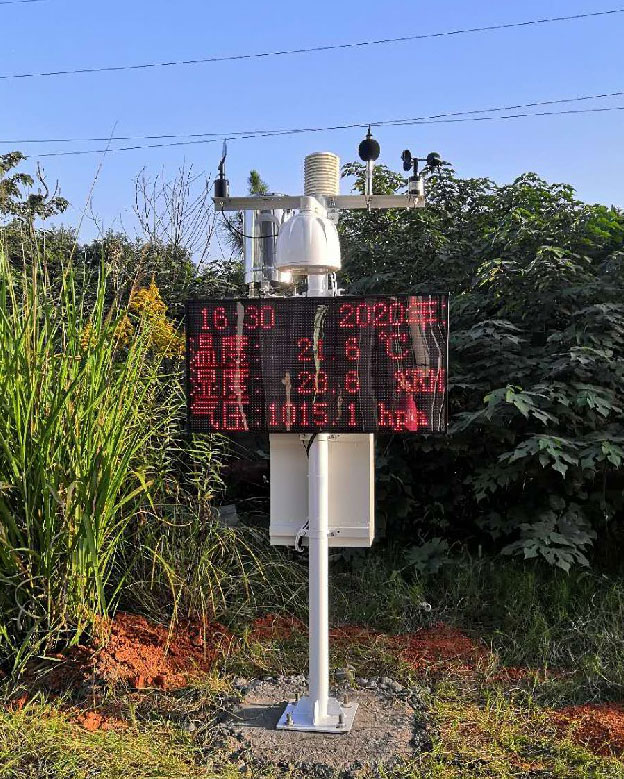
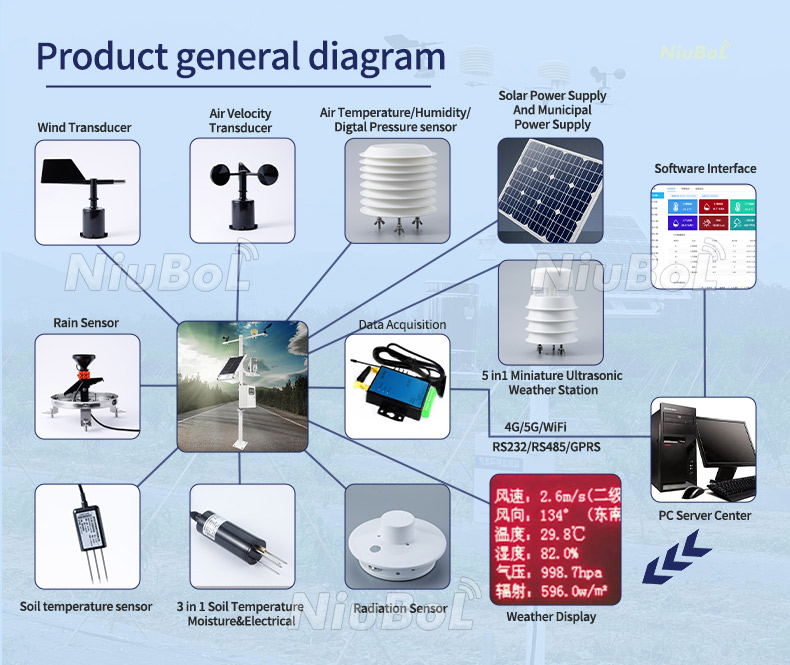
NiuBoL automatic weather stations go far beyond simple monitoring. They are full-fledged IoT platforms that combine flexible power systems with rock-solid communication technology, guaranteeing that data reaches farmers in the field or meteorologists in the office – anytime, anywhere.
An AWS is a highly integrated, fully automated system designed for a specific location. It continuously monitors multiple meteorological parameters without human intervention and generates accurate reports 24/7.
- Compact, highly integrated design with rich functionality
- Data stored in standard Excel/CSV format for easy analysis
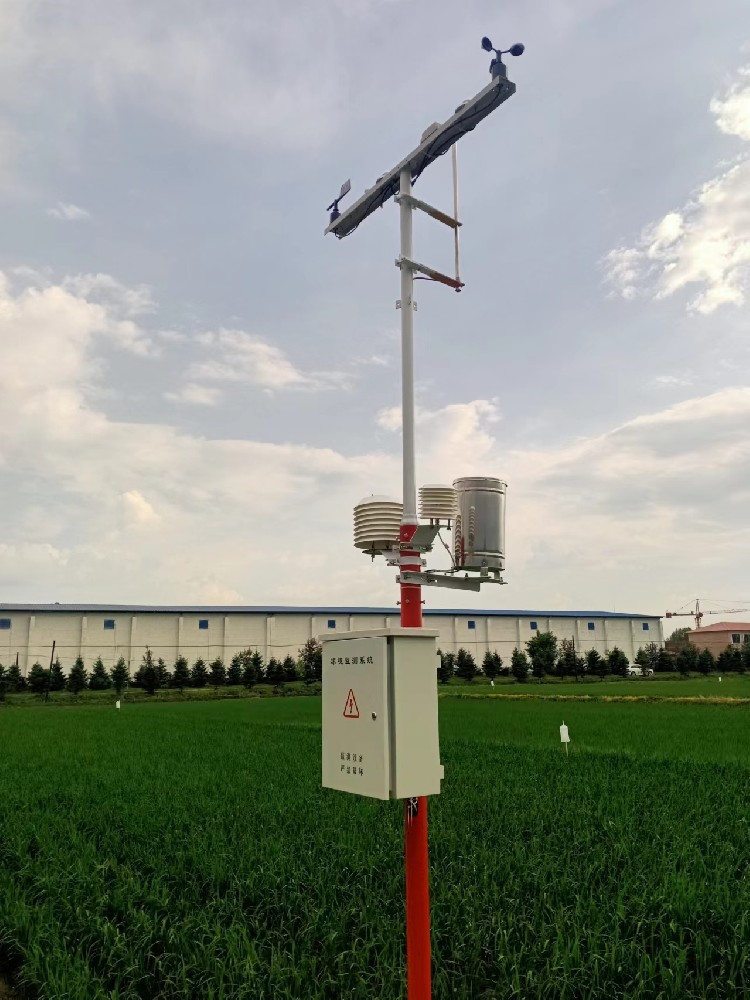
- Carbon-steel anti-corrosion frame for decades of outdoor service
- Flexible power: AC, DC, or solar + battery (zero noise, zero pollution, ultra-high reliability)
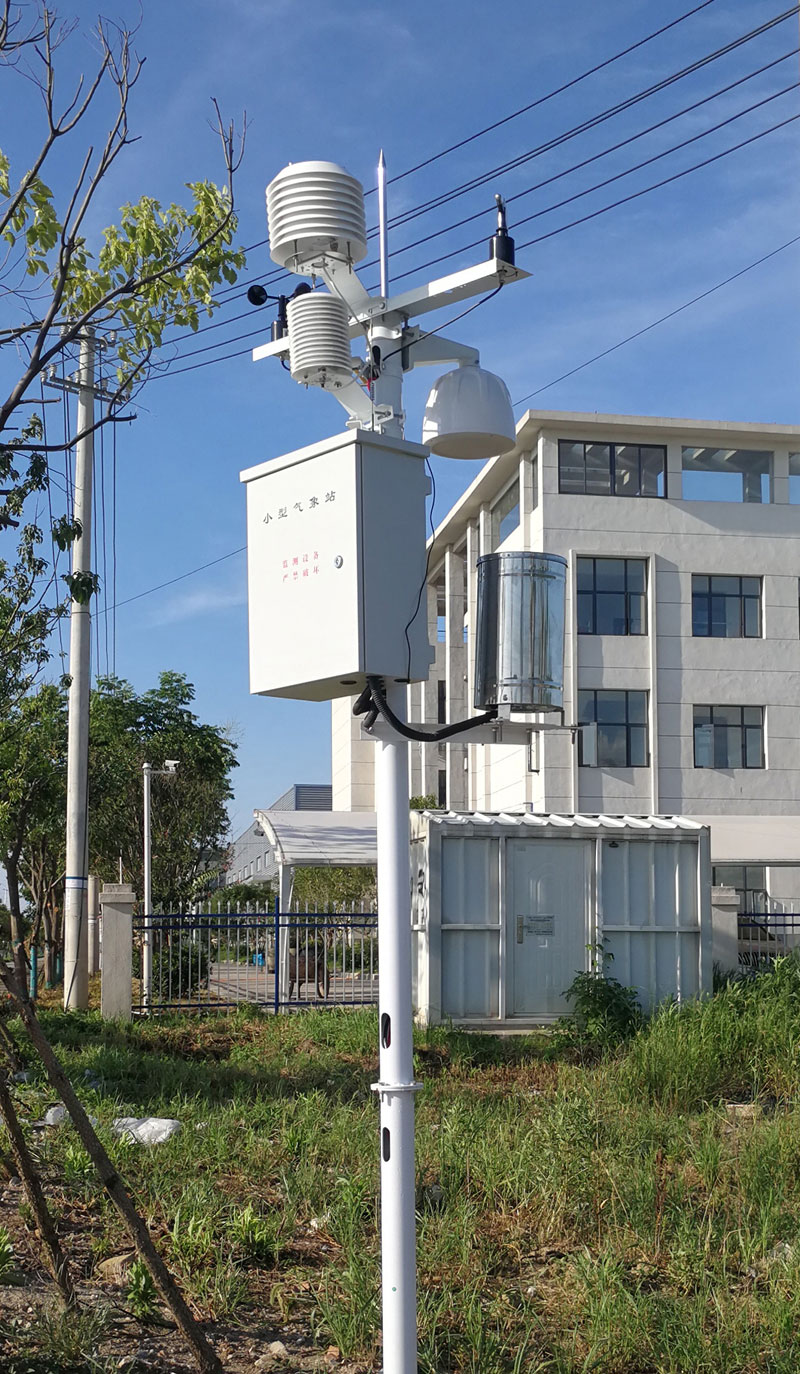
Principle: Physical cable (USB or RS485) directly connects the station to a local PC, server, or LAN.
Characteristics: Lightning-fast speed, near-zero packet loss, immune to radio interference.
Best for: Laboratories, greenhouses, urban monitoring points, or any site within cable reach of the control room.
Advantages: Maximum data security and real-time performance.
Principle: Uses public cellular (4G/5G), WiFi, or low-power wide-area networks (LoRa/NB-IoT) to push data to cloud servers via radio waves.
Characteristics: No cables, instant deployment anywhere with coverage, data accessible via web/app worldwide.
Best for: Remote fields, forests, highways, mobile platforms – anywhere wiring is impossible or impractical.
Advantages: One-click or scheduled uploads, true IoT remote management.
| Feature | Wired (USB/RS485) | Wireless (4G/5G/WiFi/LoRa) |
| Deployment flexibility | Low – limited by cable length | Extremely high – anywhere with signal |
| Transmission stability | Near-perfect, immune to interference | Depends on signal strength & network |
| Real-time performance | Instantaneous (LAN) | Very high (4G/5G) / good (LoRa) |
| Range | Short to medium (≤1 km RS485) | Global (cellular) or kilometers (LoRa) |
| Typical use case | Local storage & control | Field telemetry & cloud integration |
| Type | Transmission | Typical Scenario |
| Wired Telemetry AWS | USB / RS485 | Urban monitoring, research labs |
| Wireless Telemetry AWS | 4G/5G/WiFi/LoRa | Agriculture, forestry, remote hydrology |
| Long-Term Autonomous AWS | Wireless + large local storage | Scientific expeditions, polar/arctic |
| Type | Main Purpose | Typical Industry |
| Agricultural AWS | Crop growth & soil parameters | Smart farming, precision agriculture |
| Traffic AWS | Road condition, visibility, wind | Highways, airports |
| Microclimate AWS | Local temperature, humidity, wind field | Parks, campuses, vineyards |
| Standard Weather Station | Full suite for official forecasting | National meteorological service |
Single-element → Four-element → Multi-element (10+ parameters) integrated stations. NiuBoL’s flagship multi-parameter integrated units can monitor over a dozen parameters in one compact housing.
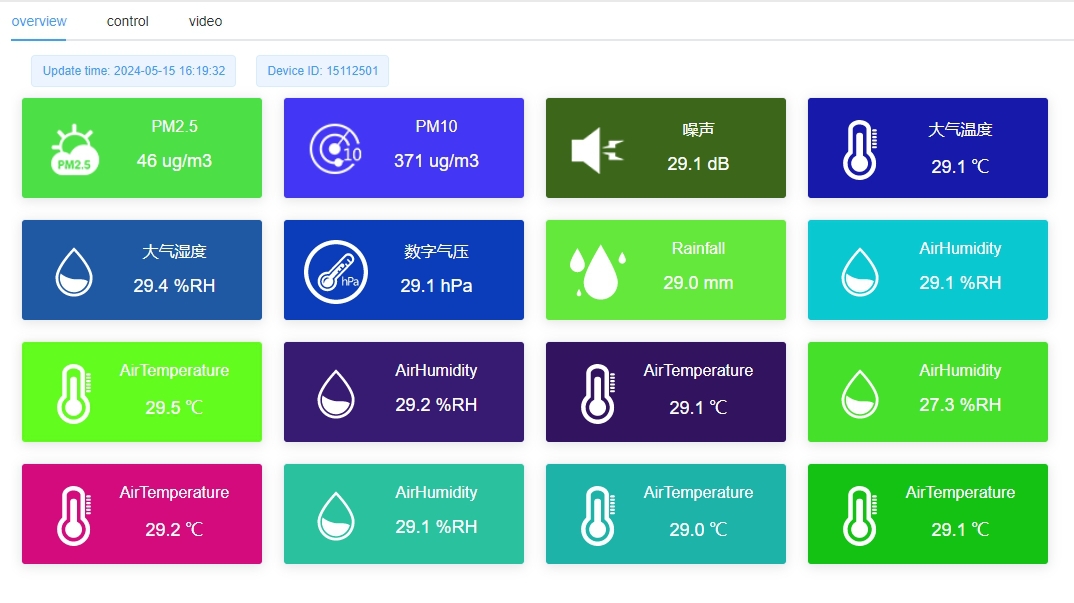
- Mount carbon-steel pole on solid, level foundation
- Use hub for clean sensor wiring (Modbus isolation prevents crosstalk)
- For remote sites: install solar controller + battery bank + panel
- Wireless: insert SIM, set upload interval, test one-click send
- Wireless upload fails → check module LED, SIM balance, antenna
- Wired data error → verify cable integrity & baud rate/parity match
- Garbled data → confirm software is reading standard Excel/CSV format
| Priority | Recommended Solution | Why It Wins |
| Remote real-time monitoring | Wireless 4G/LoRa multi-element station | Global access, zero wiring, cloud integration |
| Maximum reliability & uptime | AC mains + solar backup | Works 365×24 even during prolonged bad weather |
| Comprehensive data needs | Multi-parameter integrated station | One unit covers agriculture, forestry, research |
A: Standard Excel/CSV both locally and in the cloud – ready for any analysis software.
A: Daytime charging stores energy in lithium batteries for continuous night/cloudy operation.
A: Configurable 1-minute intervals; 4G/5G latency <3 s under good coverage.
A: USB for short-range laptop connection; RS485 for industrial distances up to 1 km.
A: Web portal, iOS/Android app, or API – anywhere, anytime.
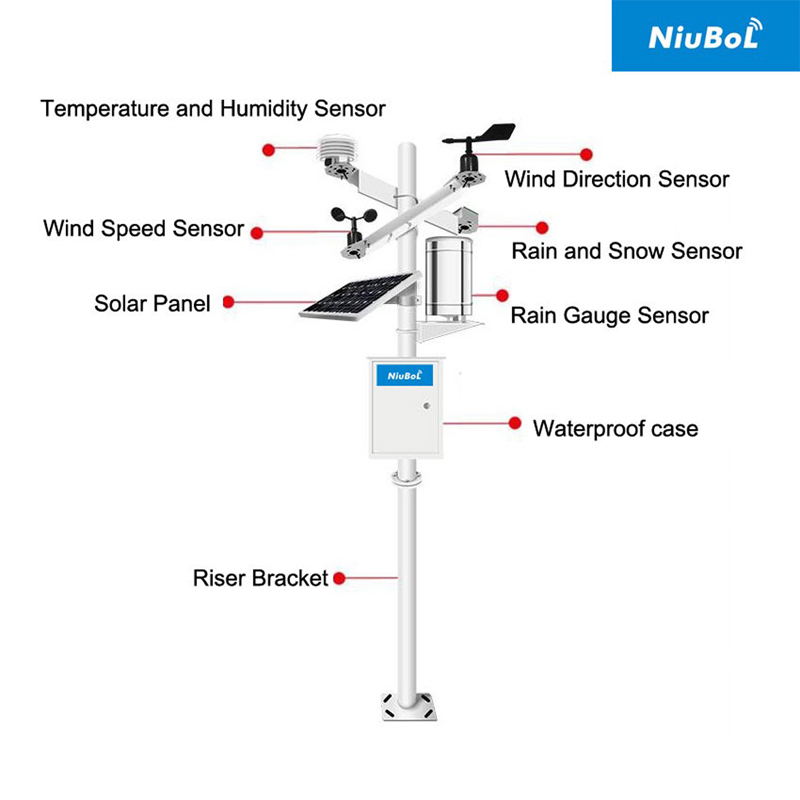
A: Yes – seamless push to LED dashboards and visualization walls.
A: No – isolated Modbus protocol ensures clean, accurate data.
A: Long-term prioritizes local storage for unbroken records; wireless prioritizes live cloud feed; many NiuBoL models combine both.
A: Choose a NiuBoL multi-element integrated station (10–18 parameters in one unit).
A: CE, FCC, RoHS, ISO9001, and professional meteorological calibration certificates.
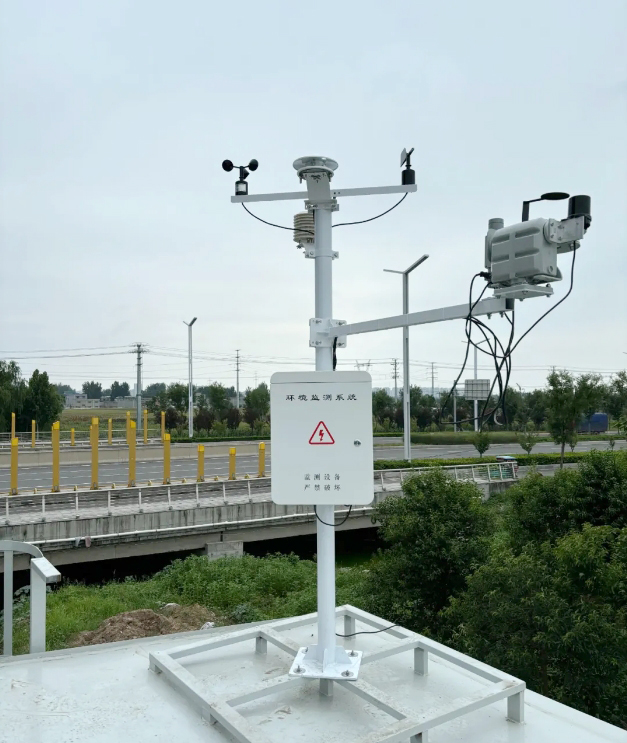
NiuBoL automatic weather stations are true IoT platforms that solve both acquisition and transmission challenges with rugged design, flexible power options, and dual wired/wireless (4G/5G/WiFi/LoRa) strategies.
Whether you need rock-solid local wired links or global wireless reach, we deliver accurate, real-time, reliable meteorological intelligence for agriculture, forestry, traffic, and scientific research.
Want to know which exact NiuBoL model and 4G/5G/LoRa configuration gives you the most stable, future-proof data pipeline for your project? Contact us today – we make your data flow as reliably as the weather itself.
Related recommendations
Sensors & Weather Stations Catalog
 Agriculture Sensors and Weather Stations Catalog-NiuBoL.pdf
Weather Stations Catalog-NiuBoL.pdf
Agriculture Sensors Catalog-NiuBoL.pdf
Water Quality Sensor Catalog-NiuBoL.pdf
Related products
 Combined air temperature and relative humidity sensor
 TDR Soil Moisture & Temperature Sensor for irrigation| RS485 |4-20mA| NBL-S-THR
 Soil pH sensor RS485 soil Testing instrument soil ph meter for agriculture |NBL-S-PH
 Wind Speed sensor Output Modbus/RS485/Analog/0-5V/4-20mA
 Tipping bucket rain gauge for weather monitoring auto rainfall sensor RS485/Outdoor/stainless steel
 Pyranometer Solar Radiation Sensor 4-20mA/RS485

Screenshot, WhatsApp to identify the QR code
WhatsApp number:+8615367865107
(Click on WhatsApp to copy and add friends)

