





— Blogs —
—Products—
 Consumer hotline +8618073152920
WhatsApp:+8615367865107
Address:Room 102, District D, Houhu Industrial Park, Yuelu District, Changsha City, Hunan Province, China
Product knowledge
Time:2025-12-01 15:59:06 Popularity:843
A greenhouse outdoor weather station supplies the outside conditions needed to interpret indoor climate and assess vent exposure. Rainfall amount, precipitation presence and wind are different inputs. A NiuBoL station can combine the selected instruments, but the greenhouse controller must apply the vent manufacturer's limits and a defined response to unavailable data. Outdoor observations alone do not establish crop conditions or automatic control capability.
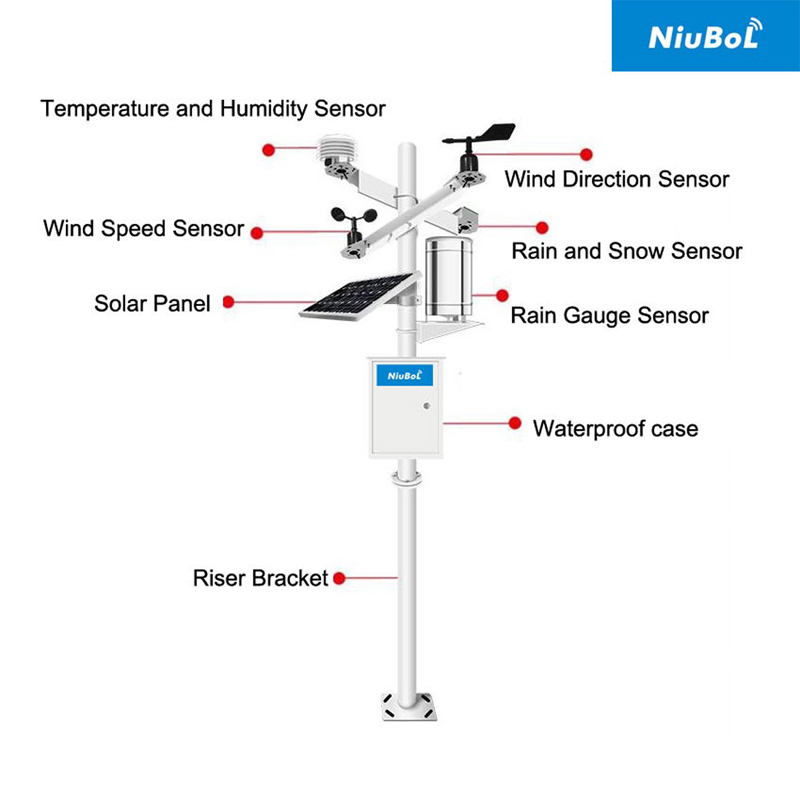
During a shower, the operator may need to know whether water is reaching an exposed surface now. For a daily water balance, the question is how much rain fell. These are not interchangeable. A tipping bucket must collect enough water to tip; a zero increment can therefore occur while a light shower has already started.
The outdoor station should serve these separate decisions without turning every measurement into a control command. Define the required inputs with the greenhouse equipment supplier. An observation can inform a decision while the controller retains responsibility for motor sequencing, travel limits and operator override.
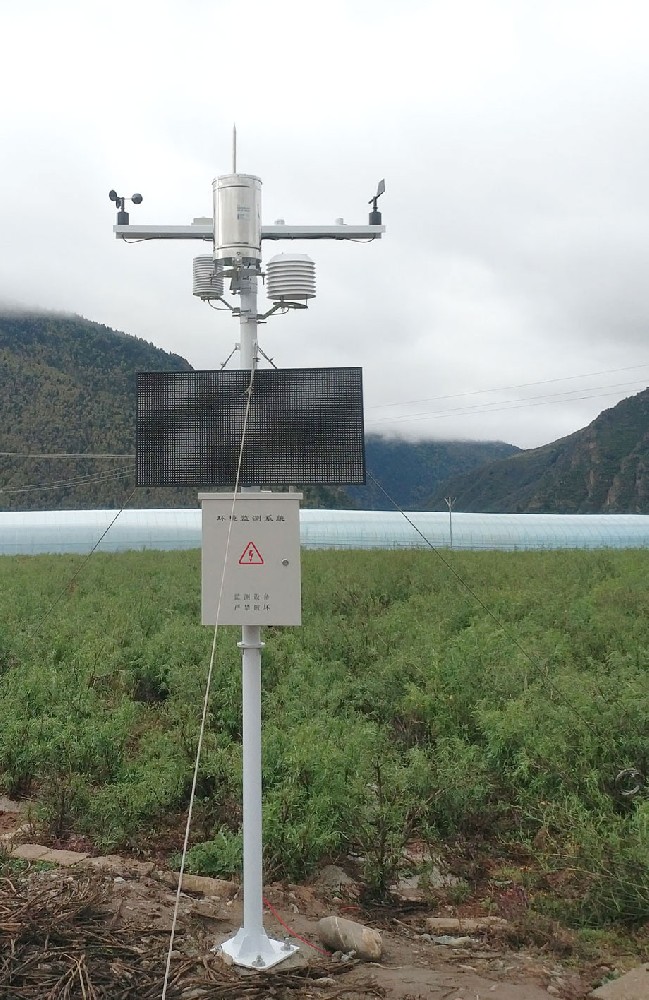
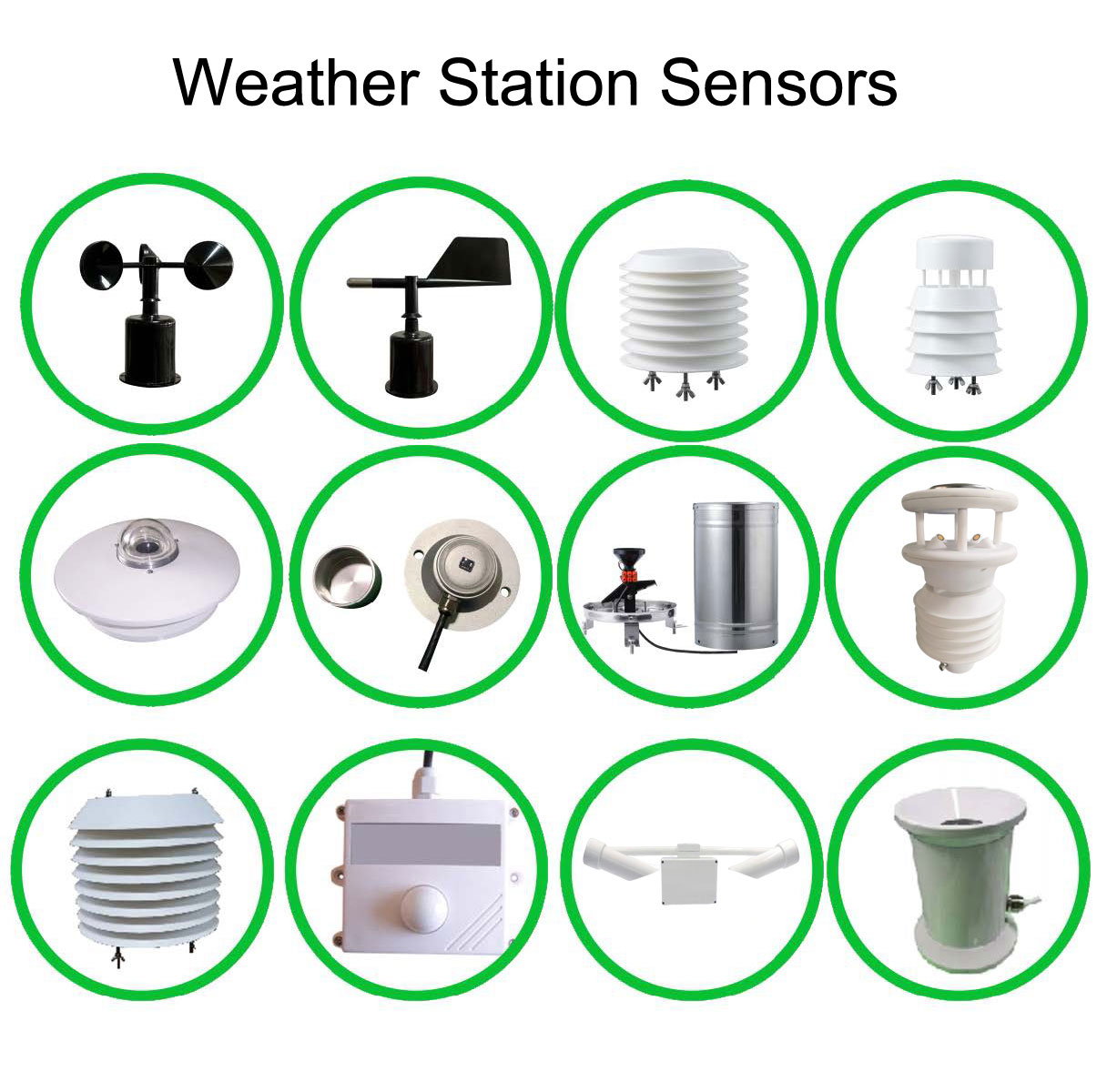
The NBL-W-RS tipping-bucket rain gauge measures collected liquid precipitation. Its pulses support accumulated rainfall records when the logger uses the correct bucket factor. It does not measure how much water reaches plants beneath a greenhouse roof, and a daily total is not a direct indication of current rain.
The NBL-W-RSS rain and snow sensor instead detects moisture on a surface grid and provides a relay contact. Its indication is qualitative, not a rainfall depth. Roof runoff, cleaning water or contamination at the grid can affect interpretation, so locate it away from those sources and include inspection in the operating routine.
| Input | Available information | Greenhouse limitation |
|---|---|---|
| NBL-W-RS | Liquid rainfall accumulated from bucket tips | A first tip follows collection; zero is not proof of no rain |
| NBL-W-RSS | Precipitation-related surface moisture; relay output | No rainfall total, snow depth or roof water load |
| Outside wind | Speed and direction at the installed instrument | No direct roof pressure or vent structural rating |
| Outside air temperature and RH | Ambient conditions at the shielded sensor | No direct canopy temperature or inside moisture balance |
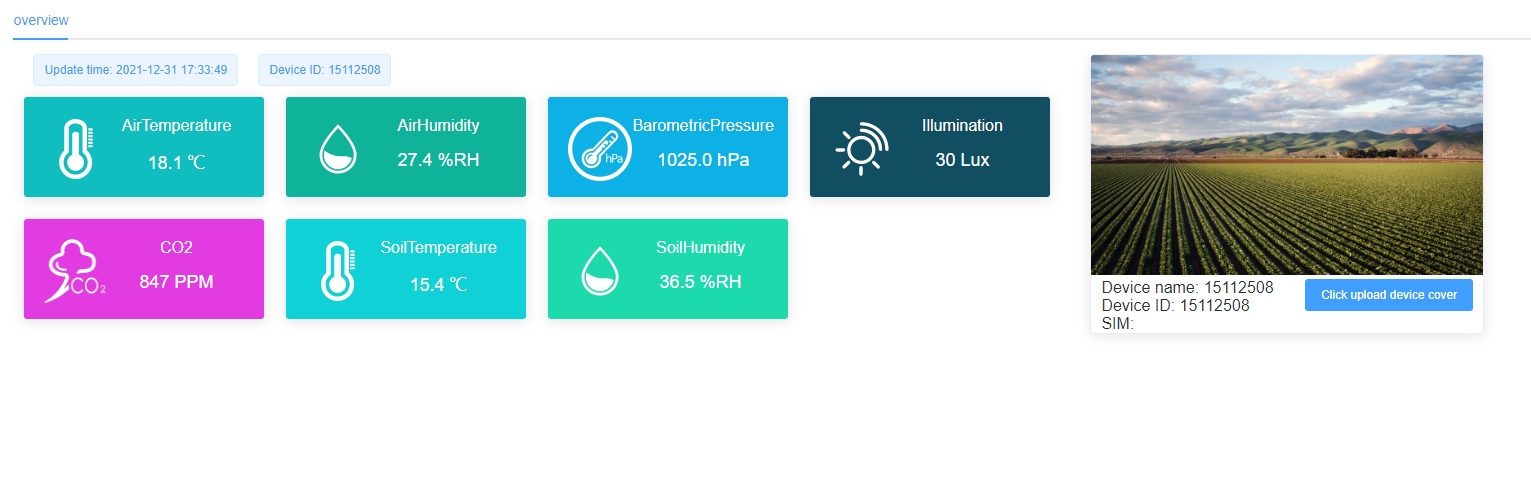
A dashboard may show all four inputs together. Retain their different names, units and update states. In particular, do not label a precipitation contact as rainfall in mm or replace an unavailable wind input with a plausible-looking zero.
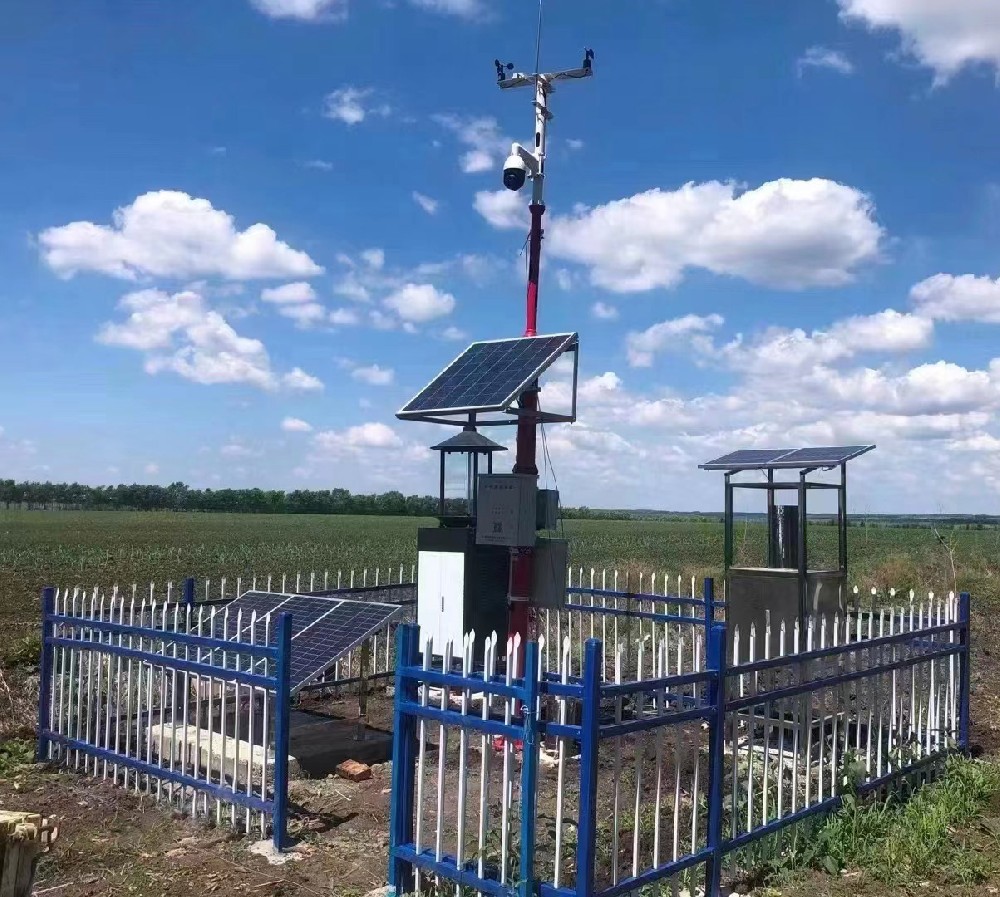
Record the relationship between the wind vane's reference direction and the greenhouse orientation. The controller needs to distinguish windward and leeward vent groups using that relationship. A correct compass reading can still drive the wrong vent group if east and west roof sections have been swapped in the control configuration.
Do not prescribe a universal mast height beside the greenhouse. Wind near a roof edge may be disturbed by the structure, while a distant open-field observation may miss local exposure relevant to that roof. Agree the measurement purpose and location with the designer. NBL-W-SS wind speed and NBL-W-DS wind direction sensors have an IP65 protection rating; this does not remove the need to protect connectors or inspect moving parts.
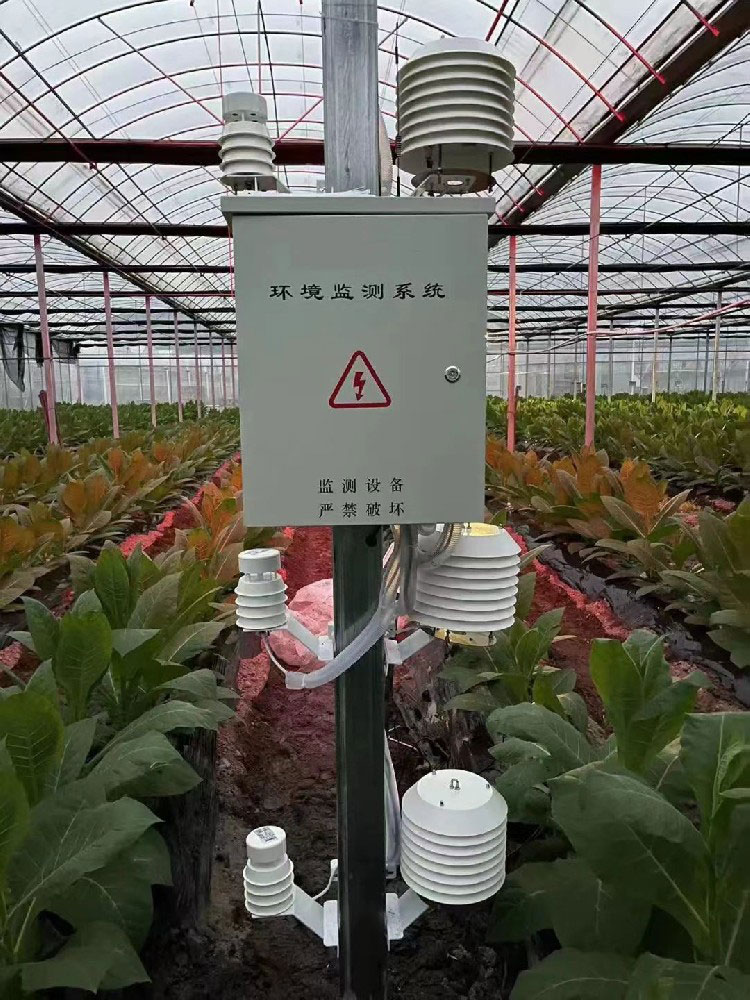
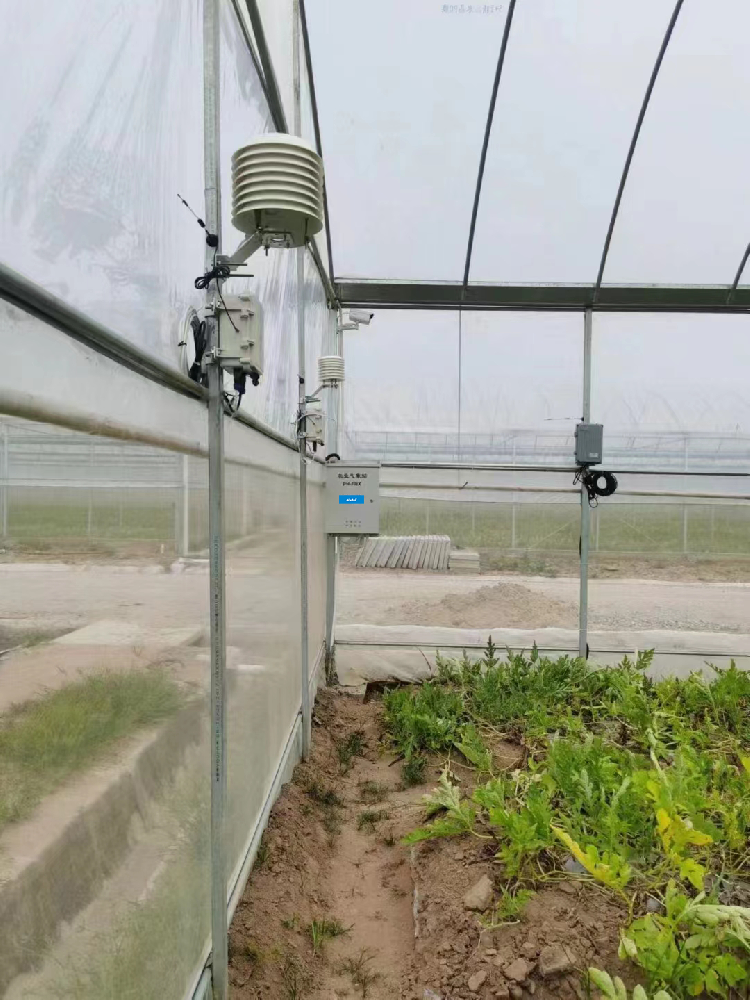
Inside air responds to crop transpiration, heating, ventilation and irrigation. Outdoor air is a reference, not a replacement for canopy observations. Place any outdoor solar radiation sensor outside greenhouse shading when it is intended to measure open-sky irradiance. Air sensors, by contrast, need suitable radiation shielding and airflow. Mount each instrument for the quantity it is meant to observe.
The NBL-W-LBTH measures air temperature, relative humidity and pressure. Use separate channel identities for outside and inside instruments. Outside RH alone is insufficient to predict whether ventilation will dehumidify the greenhouse, because RH depends on temperature. Evaluate paired temperature and humidity measurements rather than comparing RH percentages in isolation.
| Instrument | Model-specific interface | Integration consequence |
|---|---|---|
| NBL-W-RSS | DC 12-24 V; NO/NC relay contact; 1.5 W | Use a compatible discrete input; it is not a standard Modbus sensor |
| NBL-W-LBTH | DC 12-24 V; RS485 Modbus RTU option; default 9600 bps | Map all three quantities, scaling and units |
| NBL-W-RS | Tipping-bucket pulse measurement | Match the ordered output and pulse factor to the logger input |
A relay contact should enter the controller's designed input circuit. Do not use a sensor contact rating as approval to connect a vent motor directly. Motor starters, interlocks and electrical protection are separate equipment responsibilities. Similarly, an RS485 connector does not make a sensor compatible until its protocol and register decoding have been checked.
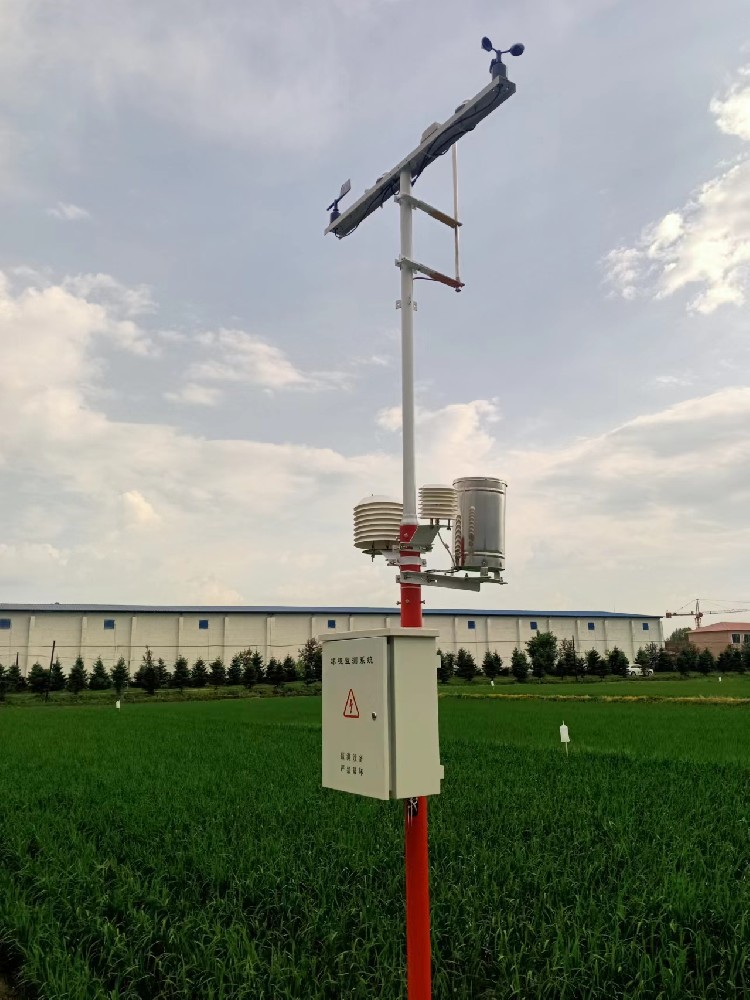
During commissioning, use an agreed test mode with actuator movement controlled by qualified personnel. Verify the precipitation input changes state, the correct wind direction is assigned to each vent group, and an unavailable input is reported distinctly. Check both the observation time and the time the controller receives it.
Next test recovery. A cleared precipitation indication must not cause repeated opening and closing around a single transition. The greenhouse supplier should set reopening conditions and delays for the equipment and crop. Test sensor power loss separately from a dry sensing surface; the electrical state of a failed device may otherwise be mistaken for permission to open.
A gauge provides rainfall accumulation, not an immediate, guaranteed rain-presence interlock. If current precipitation detection is required, specify a separate suitable detector and test its installed response with the controller.
Its standard signal is an NO/NC relay contact. It needs a compatible discrete input or a separately specified input module. Do not order it as a direct Modbus node.
Not by itself. The opening decision also depends on direction, building geometry, vent hardware and the manufacturer's operating limits. The weather sensor does not supply a structural approval.
No. The sensor, logger, controller and motor supplies may have different backup arrangements. Review the complete protection function, including what each part does when its own supply is lost.
Provide the greenhouse layout, vent groups and controller input specifications. Identify which observations are for records and which feed control logic, plus cable routes, outside instrument locations and required power arrangements. NiuBoL can then review the sensor and acquisition scope.
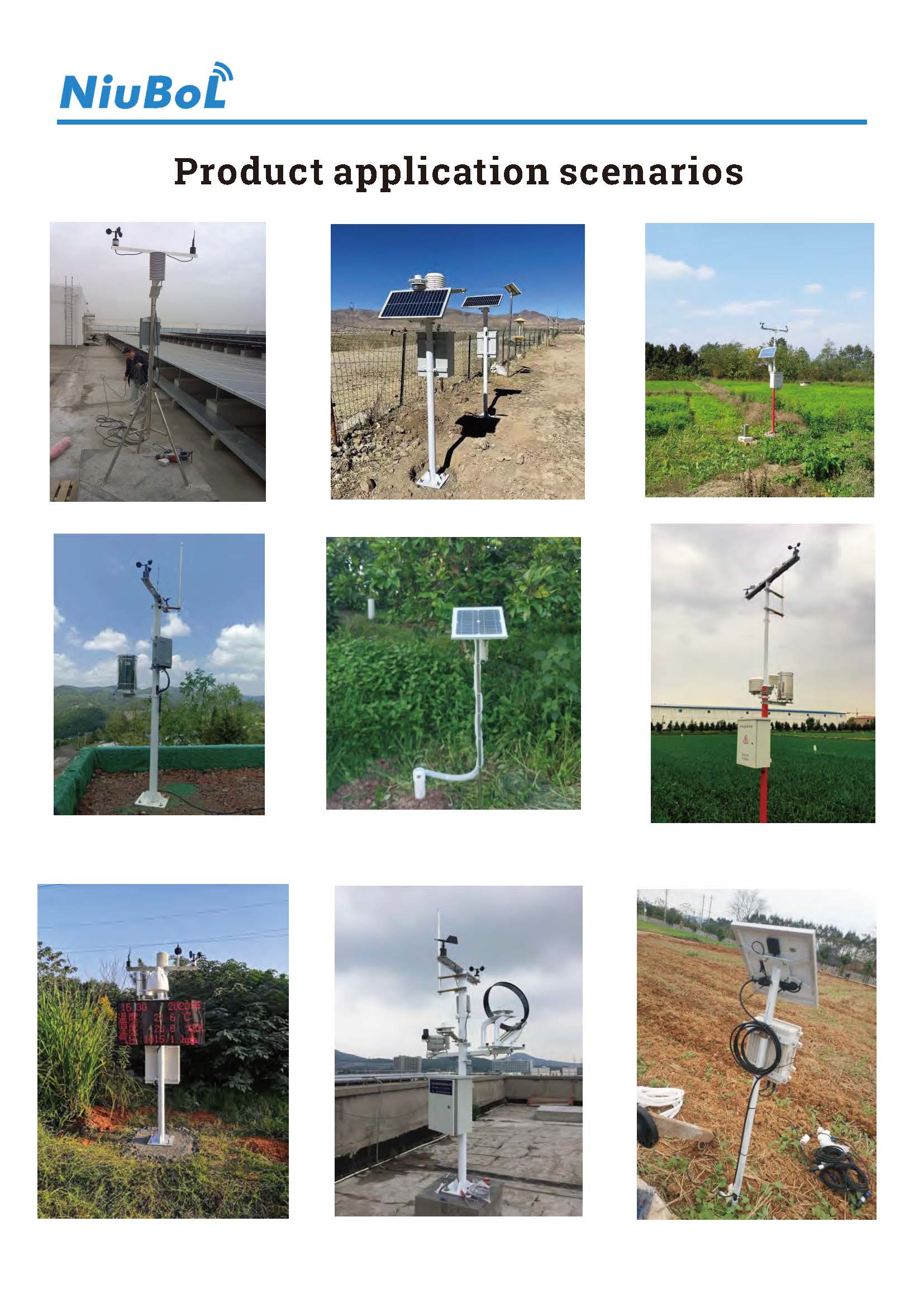
A greenhouse outdoor weather station is useful when rain amount, precipitation presence, wind and outside climate remain distinct inputs. Combine them with canopy measurements and a controller designed for the actual vent equipment. Specify and test each signal's meaning before relying on the resulting operating sequence.
Prev:Weather Station Data Transmission Methods: Trace a Reading End to End
Next:Agricultural Weather Station Warning Lead Time: Check the Full Response
Related recommendations
Sensors & Weather Stations Catalog
 Agriculture Sensors and Weather Stations Catalog-NiuBoL.pdf
Weather Stations Catalog-NiuBoL.pdf
Agriculture Sensors Catalog-NiuBoL.pdf
Water Quality Sensor Catalog-NiuBoL.pdf
Related products
 Combined air temperature and relative humidity sensor
 TDR Soil Moisture & Temperature Sensor for irrigation| RS485 |4-20mA| NBL-S-THR
 Soil pH sensor RS485 soil Testing instrument soil ph meter for agriculture |NBL-S-PH
 Wind Speed sensor Output Modbus/RS485/Analog/0-5V/4-20mA
 Tipping bucket rain gauge for weather monitoring auto rainfall sensor RS485/Outdoor/stainless steel
 Pyranometer Solar Radiation Sensor 4-20mA/RS485


Screenshot, WhatsApp to identify the QR code
WhatsApp number:+8615367865107
(Click on WhatsApp to copy and add friends)

