





— Blogs —
—Products—
 Consumer hotline +8618073152920
WhatsApp:+8615367865107
Address:Room 102, District D, Houhu Industrial Park, Yuelu District, Changsha City, Hunan Province, China
Product knowledge
Time:2025-12-01 16:14:39 Popularity:831
Agricultural weather station warning lead time is not the same as forecast lead time. A station observes conditions at its sensors; useful response time also depends on acquisition, data transfer, alarm evaluation and staff action. NiuBoL sensors and data loggers can support an agricultural warning system, but a promise such as 24 hours before every frost or storm requires an appropriate forecasting service and a tested response plan, not only a weather mast.
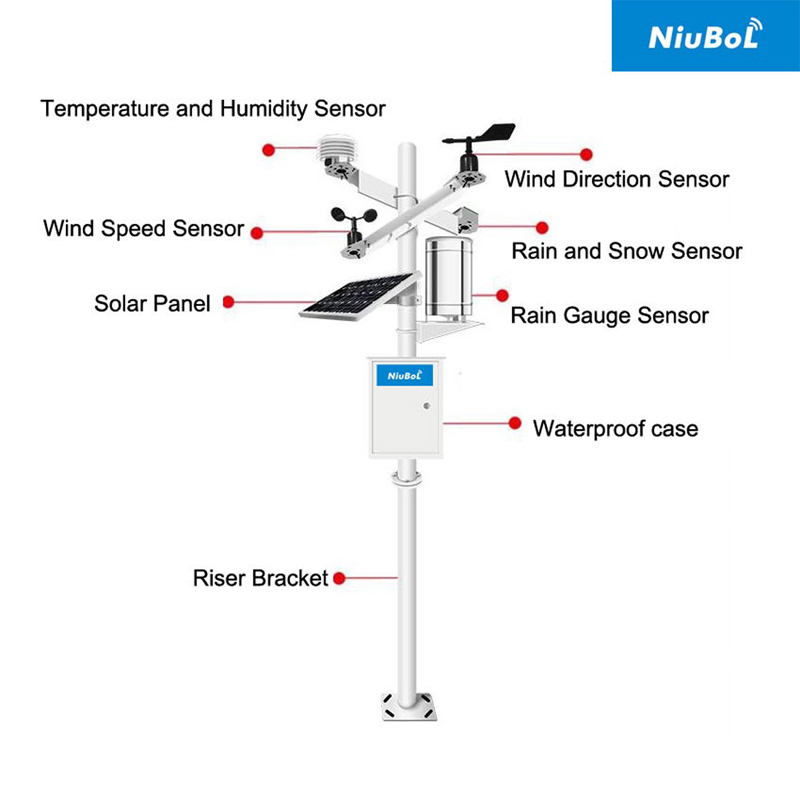
An alarm that air temperature crossed a threshold reports an observed condition. A forecast that a threshold may be crossed later predicts a future condition. A rate-of-change rule can flag a developing trend, but it is not automatically a validated forecast for the next day. Keep those event types distinct so staff understand what information they have received.
For each agricultural task, identify the decision deadline. Moving people, inspecting irrigation equipment or implementing an approved frost plan takes time. The relevant question is whether usable information reaches the responsible team early enough for that action. An alert that arrives quickly but requires a lengthy response can still arrive too late for the intended outcome.
| Stage | Time to record | Common source of delay |
|---|---|---|
| Observation | When the instrument measured the condition | Acquisition interval or unavailable channel |
| Transfer | When the receiving application obtained the record | Upload schedule or communication interruption |
| Alarm evaluation | When the rule generated an event | Evaluation cycle, persistence period or invalid-data handling |
| Staff receipt | When a responsible person received and accepted it | Delivery route, staffing or escalation gap |
| Response | When the approved action began | Travel, preparation or equipment availability |
Synchronize clocks and retain the measurement time rather than substituting the time a dashboard refreshed. This makes the delays measurable. If the software cannot distinguish the observation from its arrival, a delayed value can look current, undermining the decision even when the sensor itself is accurate.
Consider an illustrative test: a threshold is observed at 02:00, the event reaches staff at 02:05, it is acknowledged at 02:20 and the planned action starts at 02:40. Forty minutes have elapsed from observation to action. That is response delay, not forty minutes of advance warning. Use the farm's actual timestamps and response deadline for acceptance.
The same installation could need an earlier notification rule or a different staffing arrangement if the action deadline is shorter. Changing the sensor polling interval alone will not remove a fifteen-minute acknowledgment delay. A sensor or modem upgrade cannot resolve that staffing delay.
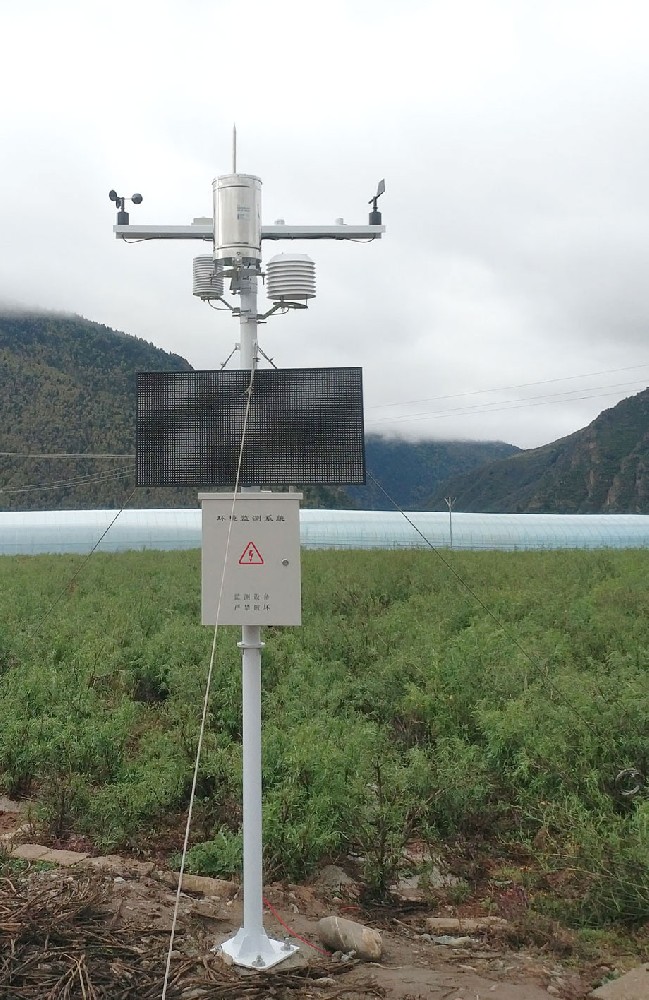
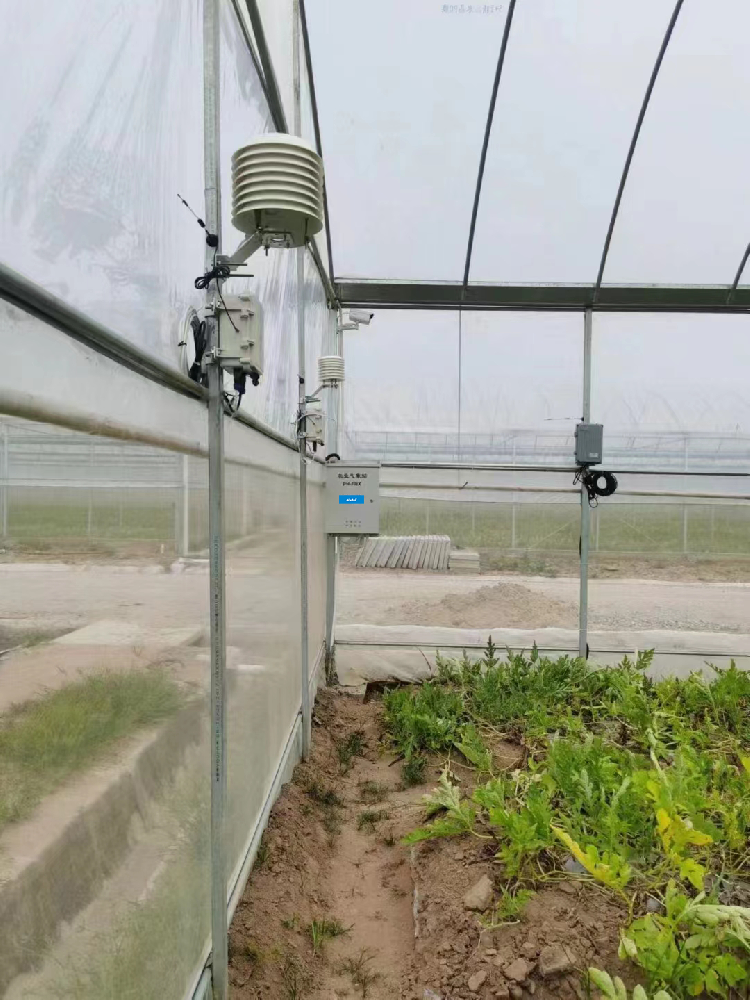
A shielded air sensor describes air conditions at its installed location. Crop surfaces, sheltered rows, low areas and greenhouse interiors may differ from an exposed reference station. Select observation points for the vulnerability being assessed. A remote mast reading is useful context, but it does not establish the exact condition of every plant or prove that damage occurred.
Rainfall observations likewise describe rain at a gauge; they do not directly measure water depth in a flooded field or the capacity of a blocked drain. Drought review may require soil observations as well as rainfall. Wind alarms need an appropriate exposure and a defined operating rule. The hazard and action determine which measurements are needed.
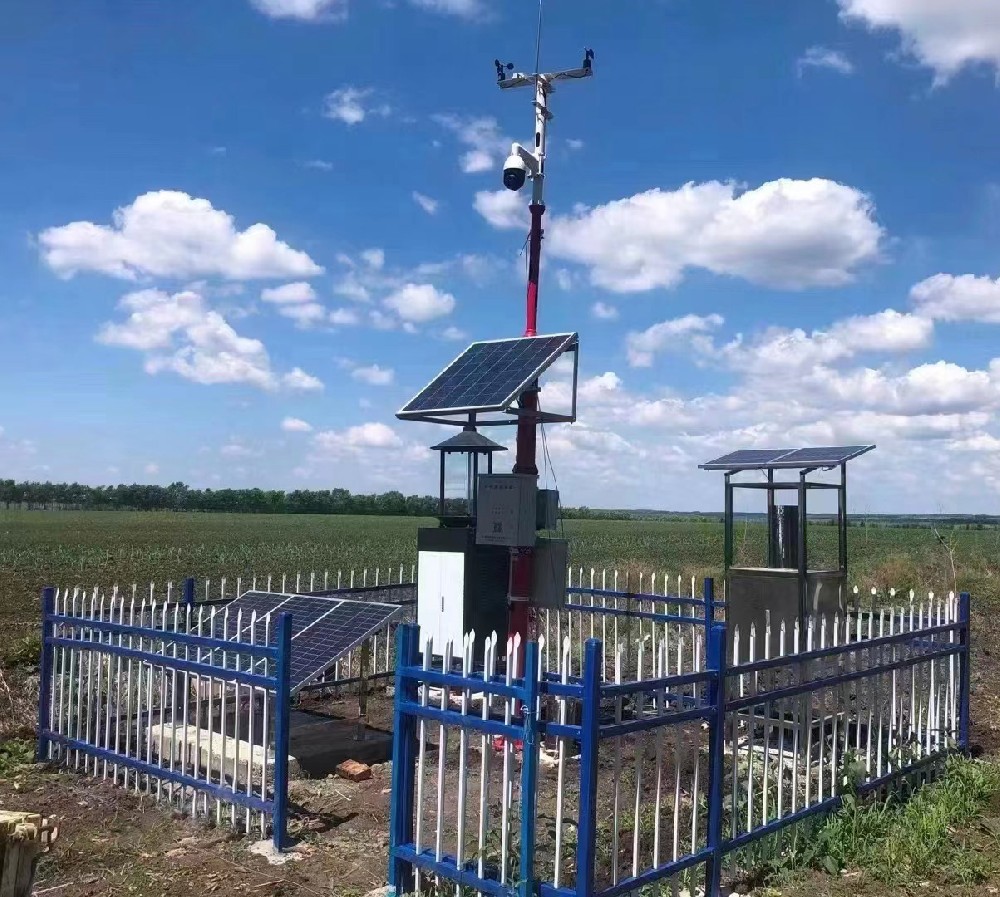
| Equipment | Relevant specification | Meaning for the project |
|---|---|---|
| NBL-W-LBTH air temperature | -40 to 80 C; accuracy +/-0.5 C; resolution 0.1 C | Resolution is not accuracy; consider measurement uncertainty near a threshold |
| NBL-W-LBTH communication | RS485 Modbus RTU option; minimum interval 1000 ms | Sensor communication capability does not set the complete notification delay |
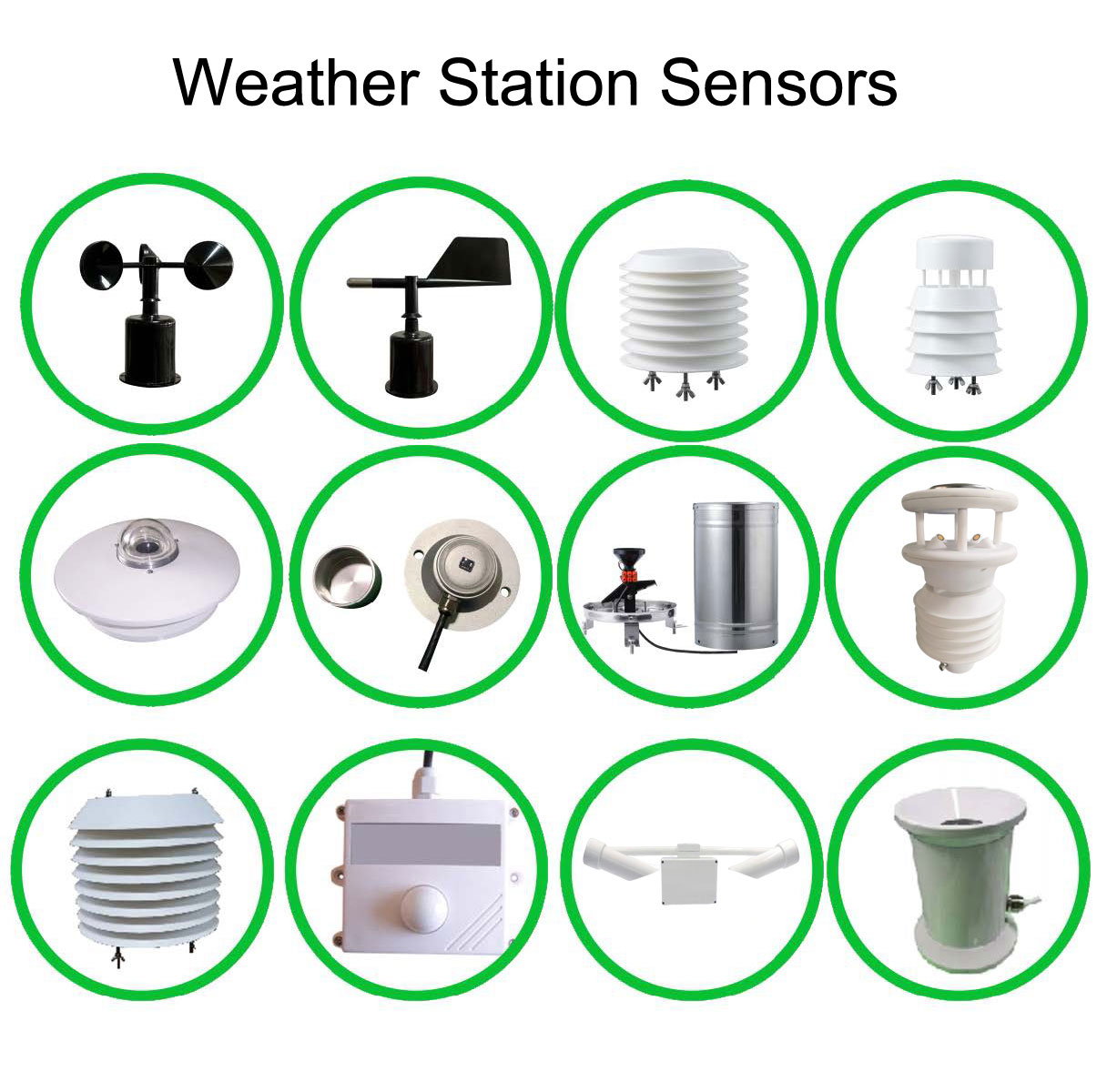
| NBL-W-SS / NBL-W-DS | Separate wind speed and direction instruments; IP65 | Provide wind observations with their own mounting and channel settings |
| NBL-PH-1 data logger | 4G collection; FLASH history; saving interval 1-240 minutes | Saving interval is not proof of polling, alarm or upload frequency |
The NBL-W-LBTH connects to compatible PLCs, RTUs and data loggers using its selected output. Test the complete system with the chosen register map and scaling. The NBL-PH-1 supplies collection and communication functions; the receiving application's notification routes and rules must be demonstrated separately.
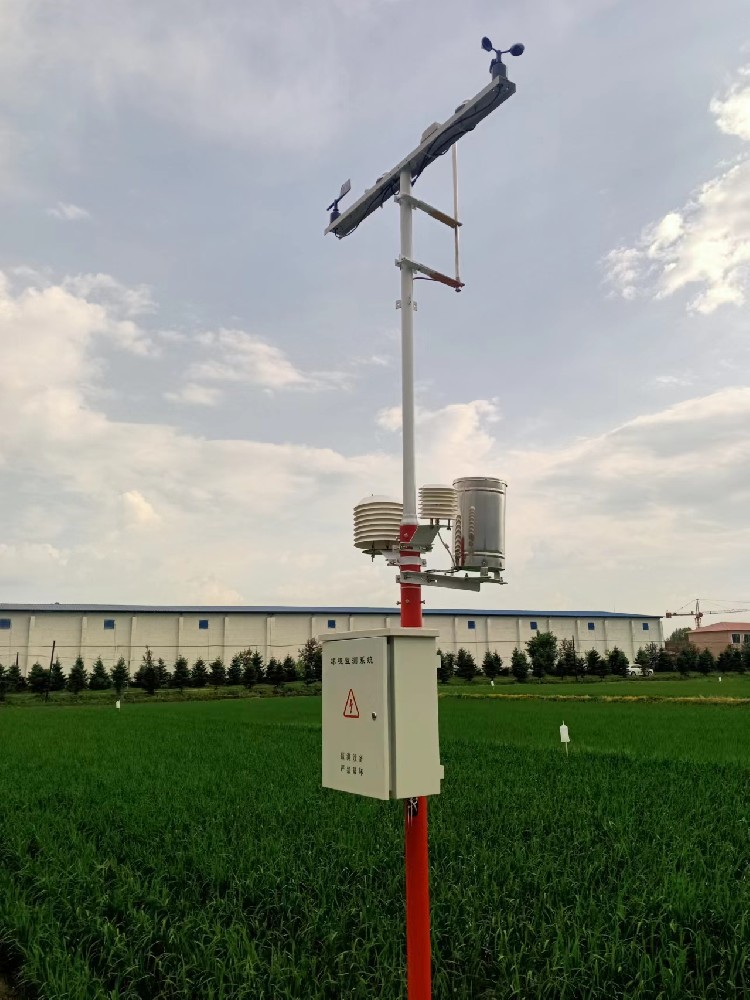
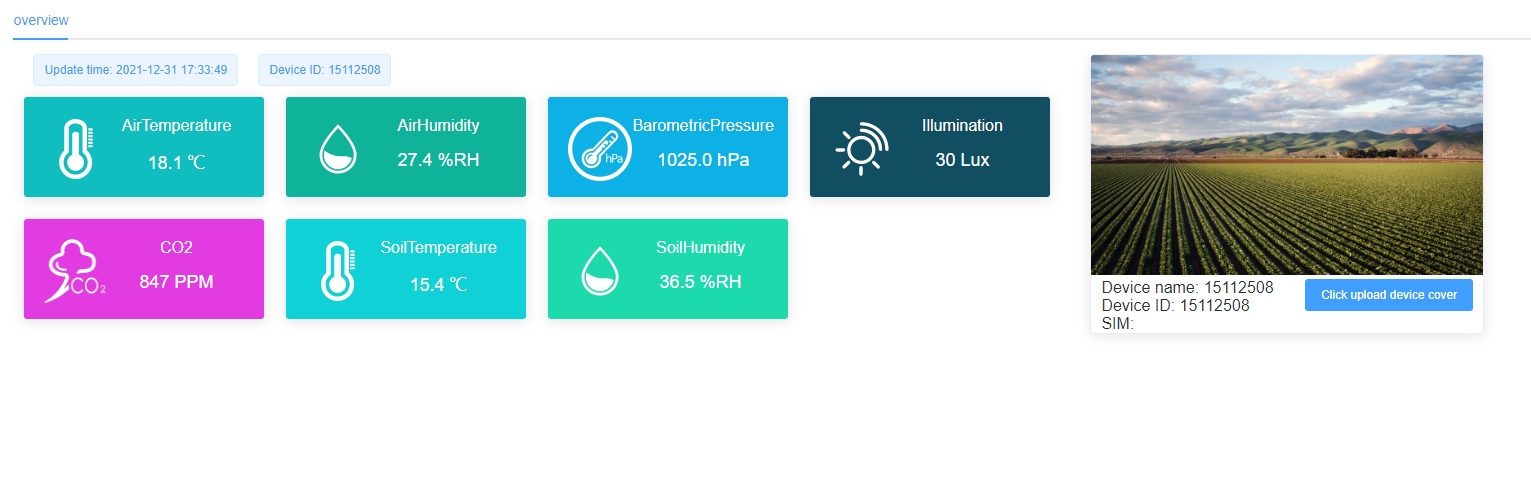
A stale temperature value should not silently stand in for a current observation. Define how the system flags an unavailable channel, interrupted transfer or power loss. During commissioning, use an approved test method to verify the event, notification, acknowledgment and recovery sequence. Keep simulated values separate from the field record and avoid disabling operational protections.
Specify a persistence period or reset behavior where appropriate so a value fluctuating near a threshold does not create confusing repeated events. The settings must suit the hazard and response, not one universal interval. If a forecasting input is included, identify its location, issue time and validity period separately from the local station observations.
For a quotation, provide the crop and vulnerable locations, the required action and deadline, observation channels, power/network conditions, receiving system and responsible notification routes. Ask bidders to demonstrate the maximum acceptable end-to-end delay and interruption behavior under defined test conditions. A claim of real-time data alone is not a testable warning specification.
Not from local observations alone. A next-day warning requires an appropriate forecast input and evaluation of its relevance to the site, crop and planned response.
No. Logger acquisition, upload, application evaluation and notification add their own timing. Measure the complete path rather than quoting the sensor interval as the response time.
No. Resolution, accuracy, exposure and the relationship between measured air and crop conditions all matter. Choose the threshold and observation position with the intended agronomic use in mind.
The receiving system should identify the missing or stale observation according to the project's rules. A previously normal reading must not be presented as a new confirmation of safe conditions.
A timed test showing the observation, event generation, delivery, acknowledgment and start of the planned response. Compare those times with the action deadline and verify the interruption case too.
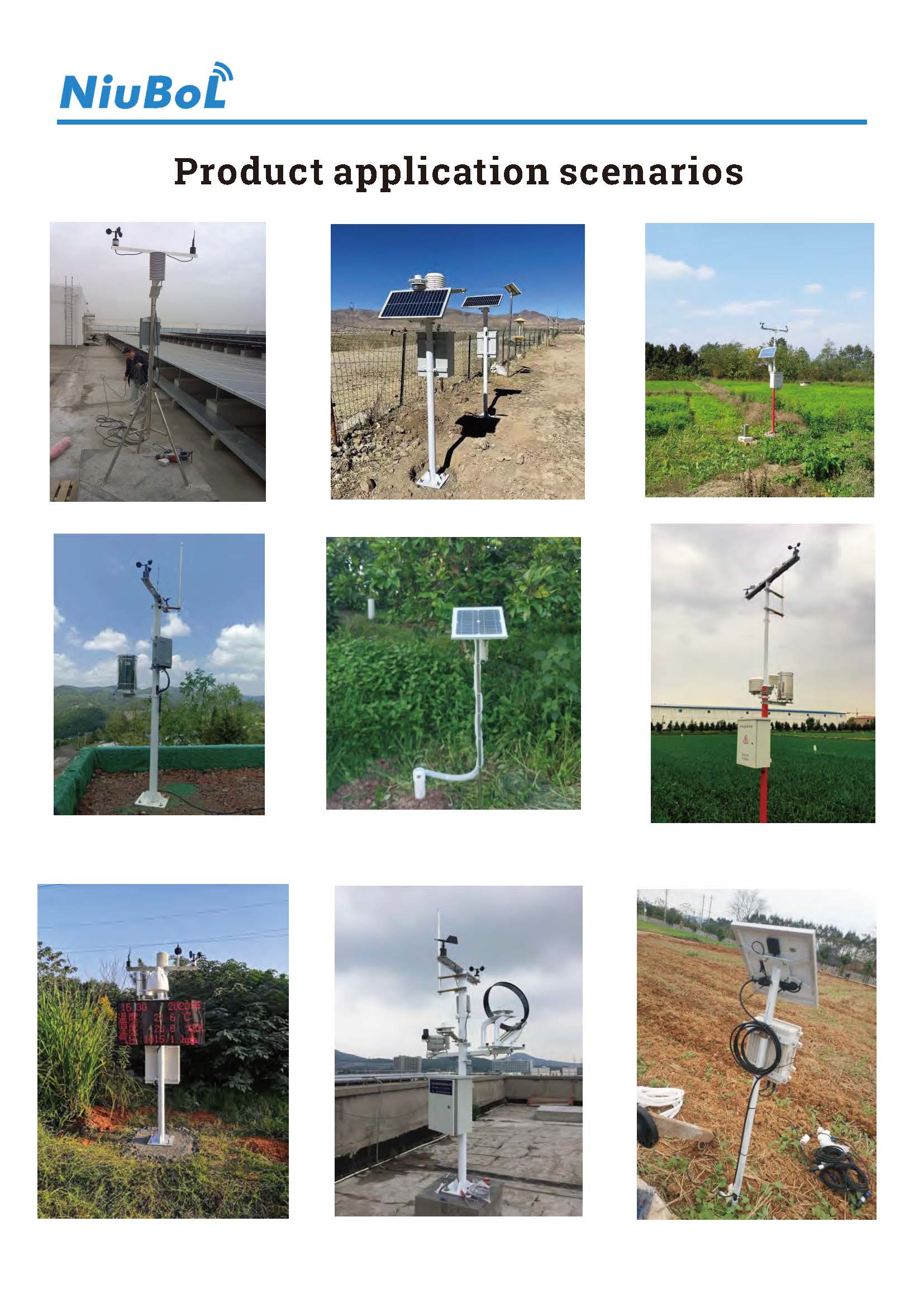
Evaluate agricultural weather station warning lead time from the farm's response deadline back to the observation and communication design. Keep forecasts separate from measurements, use representative locations and test missing-data behavior. NiuBoL can help configure the sensing and collection equipment once those project requirements are defined.
Related recommendations
Sensors & Weather Stations Catalog
 Agriculture Sensors and Weather Stations Catalog-NiuBoL.pdf
Weather Stations Catalog-NiuBoL.pdf
Agriculture Sensors Catalog-NiuBoL.pdf
Water Quality Sensor Catalog-NiuBoL.pdf
Related products
 Combined air temperature and relative humidity sensor
 TDR Soil Moisture & Temperature Sensor for irrigation| RS485 |4-20mA| NBL-S-THR
 Soil pH sensor RS485 soil Testing instrument soil ph meter for agriculture |NBL-S-PH
 Wind Speed sensor Output Modbus/RS485/Analog/0-5V/4-20mA
 Tipping bucket rain gauge for weather monitoring auto rainfall sensor RS485/Outdoor/stainless steel
 Pyranometer Solar Radiation Sensor 4-20mA/RS485


Screenshot, WhatsApp to identify the QR code
WhatsApp number:+8615367865107
(Click on WhatsApp to copy and add friends)

