





— Blogs —
—Products—
 Consumer hotline +8618073152920
 WhatsApp:+8615367865107
Address:Room 102, District D, Houhu Industrial Park, Yuelu District, Changsha City, Hunan Province, China
Product knowledge
Time:2025-12-02 22:24:22 Popularity:873
In the context of climate change and frequent extreme weather, heavy snowfall poses severe challenges to transportation, power systems, and building safety. Traditional snow measurement relies on personnel working outdoors in harsh, cold conditions – low efficiency, high risk, and poor data timeliness.
The launch of the NiuBoL Snow Depth Monitoring Station has completely transformed this situation, achieving fully automated, continuous, and remote monitoring of snow depth and snowfall rate, dramatically improving the efficiency and safety of winter data collection.
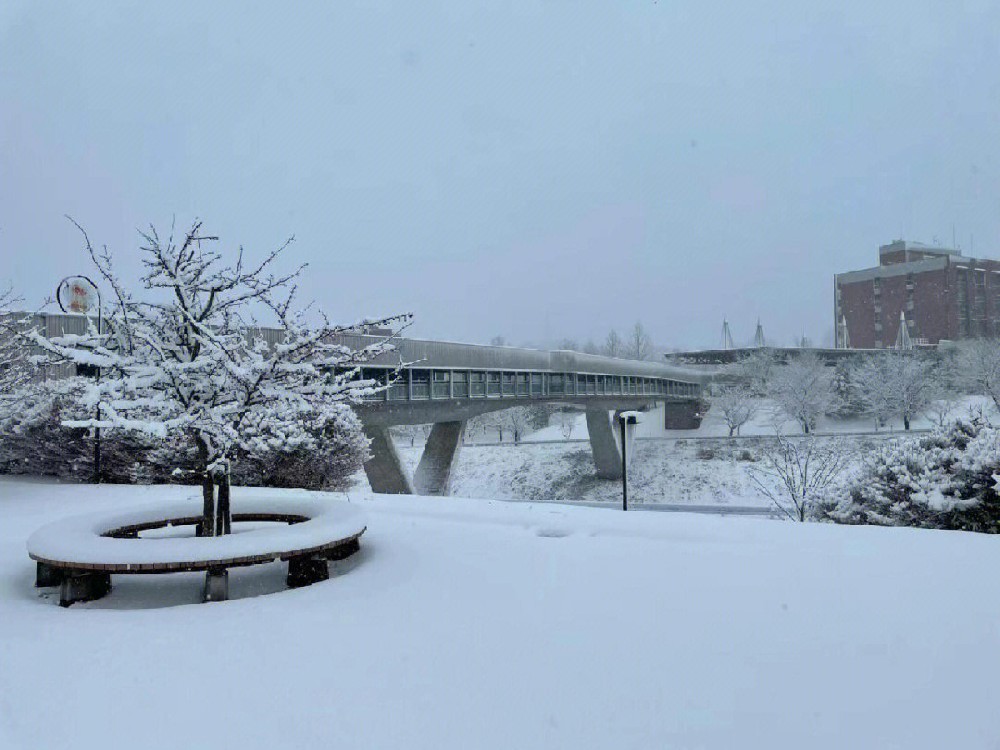
A snow depth monitoring station is an intelligent remote telemetry system centered on a high-precision snow depth sensor. Using non-contact measurement technology, the sensor is installed at height and continuously measures the distance to the snow surface in real time, with data transmitted remotely to a cloud platform.
Core Value: Solving Winter Snow Measurement Pain Points
1. Frees up manpower – No need for staff to work outdoors in freezing, harsh weather.
2. Real-time & high-frequency – 24/7 continuous monitoring with adjustable update intervals and real-time snowfall rate analysis.
3. High precision & reliability – Especially with laser technology.
4. Remote management – IoT integration enables remote configuration, data viewing, and fault diagnosis.
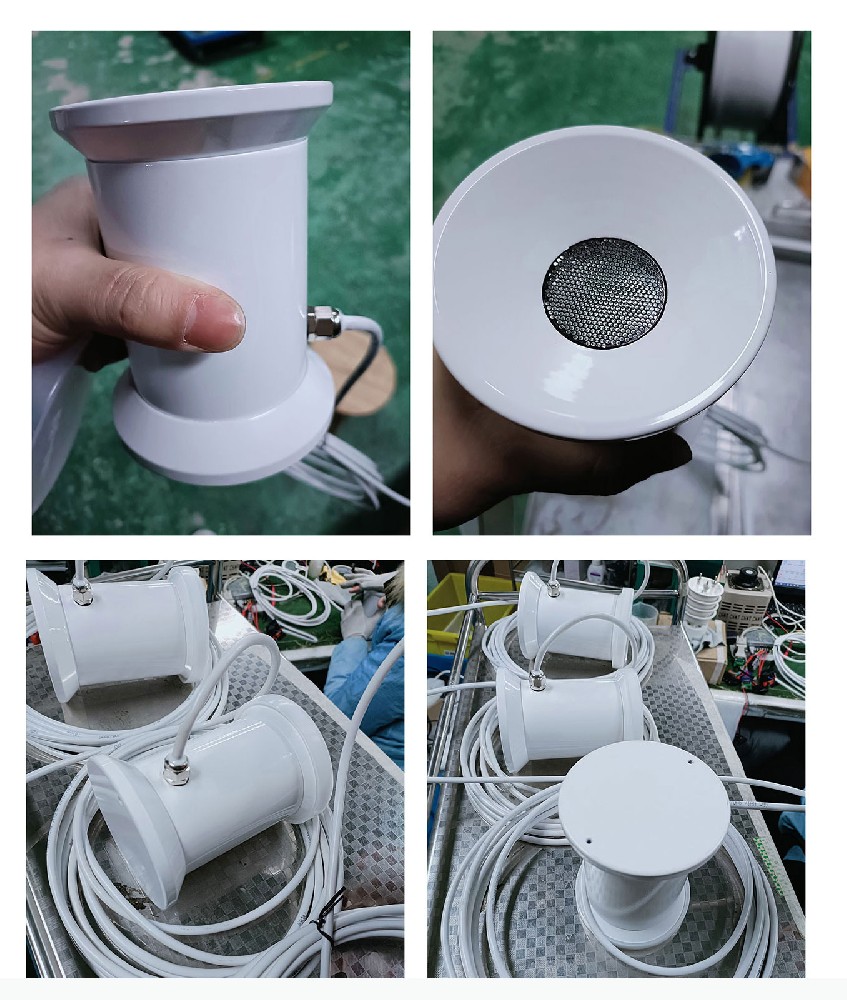
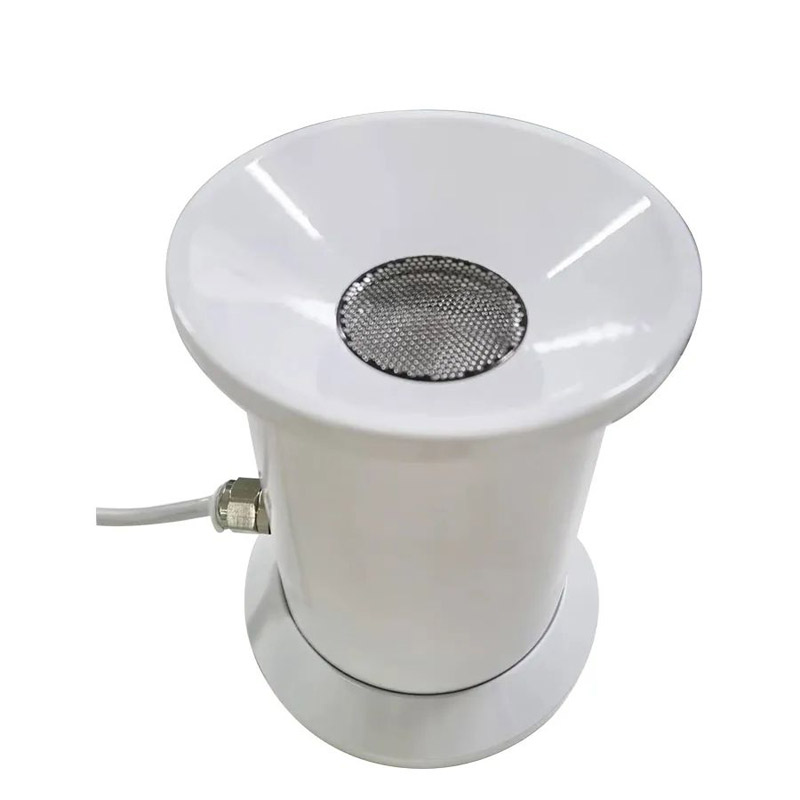
NiuBoL offers both laser and ultrasonic snow depth sensors to meet different requirements for accuracy and cost.
Principle: Phase-shift laser ranging
- The sensor emits frequency-modulated continuous laser light.
- The receiver measures the phase delay of the returned modulated light.
- The phase delay is converted into the time of flight, accurately calculating the distance between the sensor and the snow surface.
- Snow depth = Initial installation height − Current measured distance
Core advantages: Narrow laser beam, excellent directionality, extremely high accuracy, minimal influence from air temperature and humidity.
Principle: Time-of-flight ultrasonic ranging
- Emits 50 kHz ultrasonic pulses.
- Measures the time difference between emission and echo return from the snow surface.
- Distance is calculated using the speed of sound (temperature-compensated).
Core advantages: Low cost, simple structure, low power consumption, wide operating temperature range (−40 °C to +50 °C).
Key limitation: Sound speed varies significantly with temperature; accurate temperature compensation is mandatory for reliable accuracy.
| Feature | Laser Snow Depth Sensor | Ultrasonic Snow Depth Sensor |
| Measurement Principle | Phase-shift laser ranging | Ultrasonic time-of-flight |
| Accuracy Advantage | Extremely high, minimally affected by temperature/humidity | Good, but requires precise temperature compensation |
| Measurement Range | Model-dependent, typically up to several meters | 0 – 1000 mm (1 M) standard |
| Resolution | Superior to ultrasonic | 0.1% FS (e.g., 1 mm at 1000 mm range) |
| Response Speed | Extremely fast (ideal for snowfall rate) | Fast |
| Low-Temperature Performance | Excellent | Excellent (with automatic heating, 3 W when active) |
| Power Consumption | Peak ~1 A (data collector), slightly higher | 180 mW normal, up to 3 W with heating |
| Cost | Higher | Lower |
| Communication | JSON (collector), RS485 (sensor) | RS485 |
Both laser and ultrasonic versions use the same complete NiuBoL IoT ecosystem for reliable data transmission and remote management.
1. Sensor module: Laser (12 V/1 A) or Ultrasonic (DC 12 V, RS485)
2. Data collector: 5 V powered, outputs JSON data, handles acquisition, processing, and storage
3. Power system: Solar panel + lead-acid battery + high-efficiency MPPT charge controller (up to 20% more efficient than PWM)
Wide Range of Applications
- Transportation: Highways, airports, railways – guide snow removal and traffic control
- Meteorological services: Weather stations, hydrological stations – improve forecast accuracy
- Water resource management: Mountain snowpack water equivalent assessment and spring runoff prediction
- Industrial & agricultural: Roof snow load monitoring, disaster prevention in farming and animal husbandry
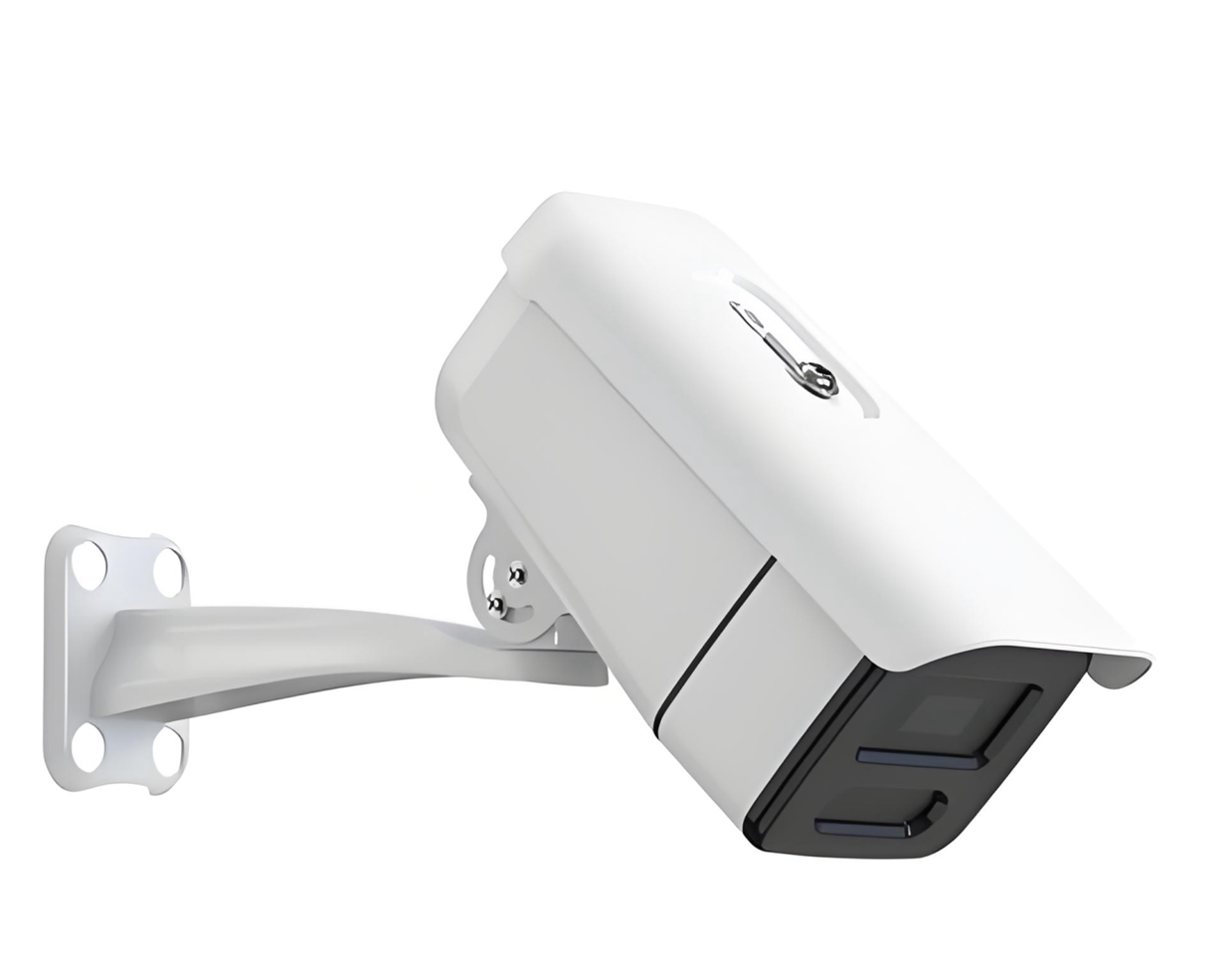
1. Choose a flat, open area free of obstructions, buildings, or trees (to avoid uneven snow or drifting).
2. Mount the sensor high enough so the maximum expected snow depth remains within measurement range.
3. For solar power: orient panels south/southwest, securely mount the charge controller inside a protective enclosure.
4. Zero calibration: Accurately measure and input the sensor-to-ground distance when no snow is present.
| Symptom | Possible Cause | Solution |
| No data or interrupted data | Power shortage or failure | Check battery voltage, solar charging; verify sensor & collector power |
| RS485/communication failure | Check wiring tightness and collector communication status | |
| Erratic/jumping readings | Foreign objects in measurement zone | Clear grass, ice, animals, etc. beneath sensor |
| Ultrasonic severely affected by cold | Verify temperature compensation; consider upgrading to laser | |
| Ultrasonic fails in extreme cold | Heater not activated or faulty | Check heater power supply and wiring |
| Collector restarts repeatedly | 5 V supply cannot handle 1 A peak | Ensure power supply has sufficient headroom |
A1: By taking the difference in snow depth over very short intervals (e.g., 5 seconds). Faster rate = larger difference.
A2: Below ~5 °C, the internal heater automatically activates to protect electronics and prevent probe icing, raising consumption from 180 mW to ~3 W.
A3: Light speed is virtually unaffected by air temperature/pressure, unlike sound speed. Phase-shift laser ranging is extremely precise and the narrow beam reduces sidelobe interference.
A4: Laser sensors require higher voltage/power for their transmitter/receiver modules. The collector is a low-power microcontroller that follows the common 5 V standard.
A5: By using an MPPT (Maximum Power Point Tracking) charge controller that dynamically optimizes voltage/current from the panel under varying light conditions.
A7: Very loose, fresh, or dark snow can slightly reduce reflectivity, but modern phase-shift laser sensors have high sensitivity and strong anti-interference design to handle it reliably.
A8: Yes. Dense fog scatters and absorbs laser light (similar to visibility sensors), which can weaken the return signal and cause data fluctuations or temporary loss of measurement.
A9: Snow depth sensors only measure depth. Density is obtained by dividing snow water equivalent (measured separately or manually) by snow depth.
A10: Yes. JSON output from the collector or RS485 from the sensor can be integrated with temperature, humidity, wind, pressure, etc., and managed uniformly via cloud platform.
Certifications: CE, ISO9001, RoHS, and nationally recognized meteorological calibration certificates.
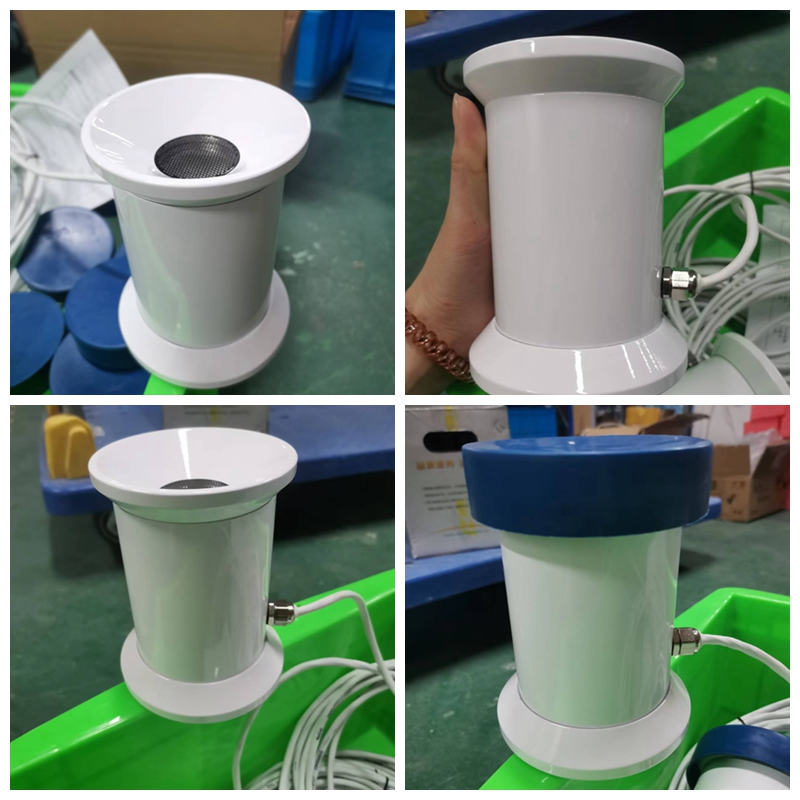
NiuBoL laser and ultrasonic snow depth sensors represent the two mainstream directions in modern snow monitoring technology.
- Laser sensors offer unmatched precision and stability – the ideal choice for transportation, hydrology, and any mission-critical application.
- Ultrasonic sensors deliver outstanding cost-performance and ultra-low power consumption – perfect for wide-area, budget-conscious deployments.
Combined with high-performance data collectors, efficient power systems, and a powerful IoT cloud platform, the NiuBoL Snow Depth Monitoring Station has become the definitive technological solution to winter snow measurement challenges and a guardian of public safety.
Whether you need ultimate accuracy or cost-effective coverage, NiuBoL can provide a tailored snow depth monitoring solution for you.
Related recommendations
Sensors & Weather Stations Catalog
 Agriculture Sensors and Weather Stations Catalog-NiuBoL.pdf
Weather Stations Catalog-NiuBoL.pdf
Agriculture Sensors Catalog-NiuBoL.pdf
Water Quality Sensor Catalog-NiuBoL.pdf
Related products
 Combined air temperature and relative humidity sensor
 TDR Soil Moisture & Temperature Sensor for irrigation| RS485 |4-20mA| NBL-S-THR
 Soil pH sensor RS485 soil Testing instrument soil ph meter for agriculture |NBL-S-PH
 Wind Speed sensor Output Modbus/RS485/Analog/0-5V/4-20mA
 Tipping bucket rain gauge for weather monitoring auto rainfall sensor RS485/Outdoor/stainless steel
 Pyranometer Solar Radiation Sensor 4-20mA/RS485

Screenshot, WhatsApp to identify the QR code
WhatsApp number:+8615367865107
(Click on WhatsApp to copy and add friends)

