





— Blogs —
—Products—
 Consumer hotline +8618073152920
 WhatsApp:+8615367865107
Address:Room 102, District D, Houhu Industrial Park, Yuelu District, Changsha City, Hunan Province, China
Product knowledge
Time:2026-05-17 09:56:56 Popularity:382
In wastewater treatment plant upgrades, smart water construction, aquaculture intelligence, and watershed environmental monitoring projects, dissolved oxygen (DO) is a core process control parameter. Dissolved oxygen directly affects aerobic microbial activity, nitrification efficiency, and aquatic organism survival. Traditional electrochemical DO electrodes have issues such as oxygen consumption, polarization, frequent replacement of electrolyte and membrane caps, susceptibility to flow velocity and sulfide interference, leading to high maintenance and significant data drift during long-term continuous operation.
System integrators and engineering contractors require a digital dissolved oxygen sensor with strong anti-interference capability, low maintenance frequency, and stable signal transmission to meet the demand for real-time, reliable DO data from PLCs, DCS, and IoT platforms. The NBL-WQ-DO integrated online fluorescence dissolved oxygen sensor effectively addresses these engineering pain points through optical measurement principles and a digital communication interface, providing continuous data support for aeration optimization, process control, and discharge compliance.
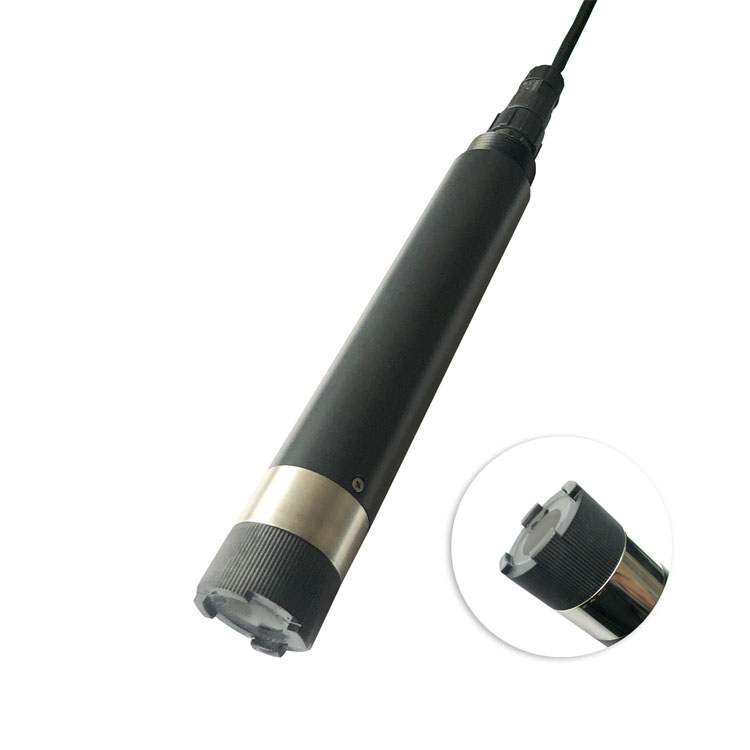
The NBL-WQ-DO acts as a field process instrument, installed in aeration tanks, oxidation ditches, regulation tanks, aquaculture ponds, or river monitoring sections, collecting real-time dissolved oxygen concentration and temperature data. It transmits data via an RS485 bus to a central control system, enabling coordinated control with blowers, mixers, and chemical dosing systems. In the activated sludge process, it is a key measurement node for determining whether oxygen supply is sufficient and avoiding energy waste from excessive aeration. In aquaculture, it can precisely control dissolved oxygen levels and reduce the risk of fish and shrimp mortality.
The sensor uses an RS-485 physical interface and Modbus RTU protocol output. This protocol is a mainstream industrial fieldbus standard, with good compatibility with Siemens S7 series, Schneider, Rockwell, Inovance, and other mainstream PLCs, DCS, RTUs, and edge computing gateways, supporting multi-point networking and remote parameter reading.
The fluorescence principle combined with digital output design provides strong anti-interference capability, suitable for complex industrial field environments. IP68 protection rating and POM, ABS/PC alloy, 316L stainless steel housing ensure long-term stable operation in humid and corrosive media.
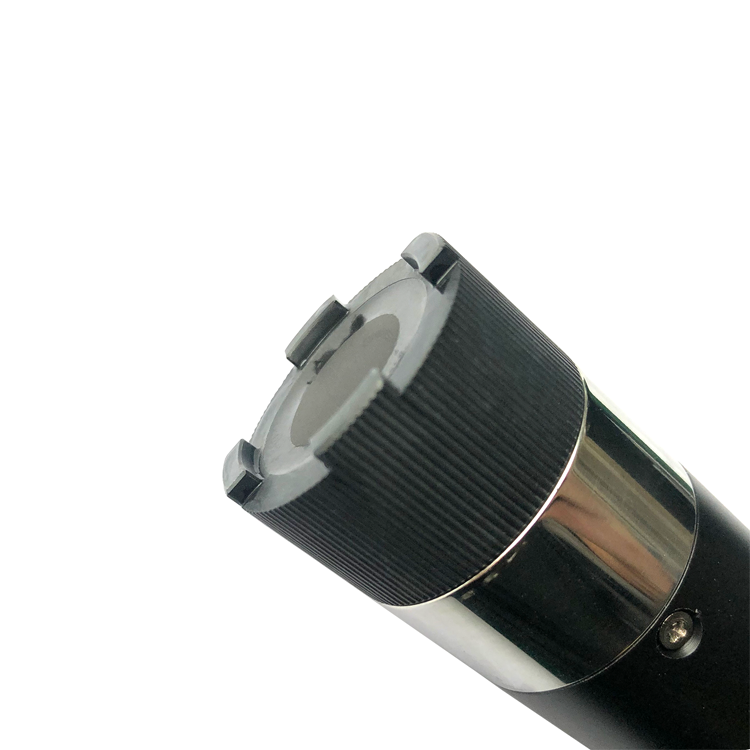
| Parameter | Specification |
|---|---|
| Model | NBL-WQ-DO |
| Measurement Principle | Fluorescence method |
| Range | 0~20.00 mg/L (0~200% saturation, 25°C) |
| Resolution | 0.01 mg/L, 0.1°C |
| Accuracy | ±2%, ±0.3°C |
| Response Time (T90) | <30s |
| Lower Detection Limit | 0.08 mg/L |
| Calibration Method | Two-point calibration |
| Temperature Compensation | Automatic (Pt1000) |
| Salinity Compensation | Built-in, supports parameter setting |
| Output Interface | RS-485 (Modbus RTU) |
| Power Supply | 12~24V DC |
| Power Consumption | 0.2W @12V |
| Operating Conditions | 0~50°C, ≤0.2MPa |
| Protection Rating | IP68 |
| Installation Method | Submersible, 3/4 NPT |
| Housing Material | POM, ABS/PC alloy, 316L stainless steel |
| Fluorescent Cap Lifetime | 1 year (under normal use conditions) |
| Cable Length | 5 meters (customizable) |
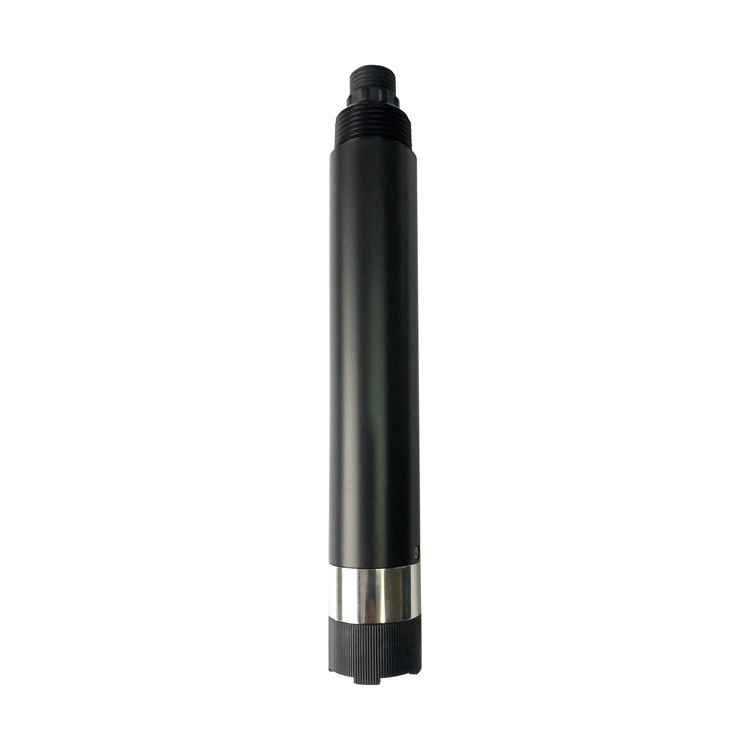
The NBL-WQ-DO is based on the fluorescence quenching principle: excitation light illuminates the fluorescent substance on the sensing cap, generating fluorescence. Oxygen molecules affect the fluorescence lifetime. By detecting the phase difference between fluorescence and excitation light, and comparing it with an internal calibration curve, the oxygen concentration is calculated, and compensation for temperature and salinity is applied.
Main influencing factors and compensation measures:
- Temperature: Affects oxygen solubility and diffusion rate. The sensor has built-in Pt1000 for automatic temperature compensation.
- Salinity: Dissolved salts reduce oxygen solubility. Built-in salinity compensation supports flexible parameter settings.
- Flow velocity: The fluorescence method does not consume oxygen and is not affected by flow velocity.
- Chemical interference: Not affected by common substances such as sulfides.
- Others: No electrolyte required, no polarization, low drift, fast response.
Compared to traditional electrochemical methods, the fluorescence method significantly reduces maintenance, eliminating the need for frequent electrolyte and membrane cap replacements (the fluorescent cap is recommended to be replaced once a year).
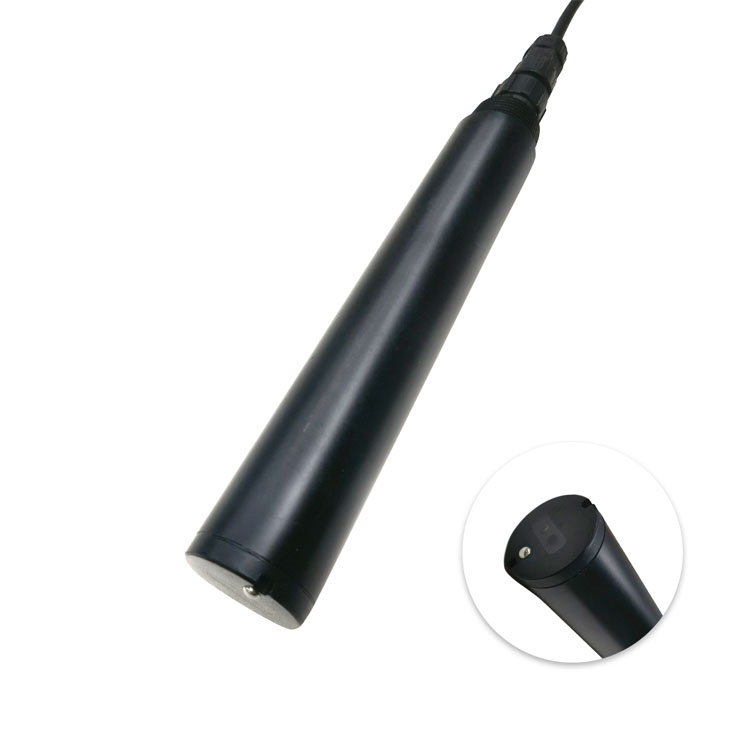
1. Wastewater Treatment DO Control: Installed in aeration tanks, it monitors DO concentration in real time and provides feedback to control variable frequency drives on blowers, enabling precise aeration, reducing energy consumption, and maintaining stable nitrification/denitrification processes.
2. Aquaculture Dissolved Oxygen Monitoring: Used in aquaculture ponds and recirculating systems, it continuously monitors DO levels to prevent large-scale mortality due to hypoxia and supports intelligent aeration equipment control.
3. Environmental Water Body Online Monitoring: Deployed in rivers, reservoirs, and marine monitoring stations, integrated with multi-parameter water quality systems to enable dynamic assessment of water environment quality and pollution source tracking.
4. Industrial Wastewater Treatment: In the biological treatment sections of pharmaceutical, chemical, and food processing industries, it monitors DO levels in aerobic stages to optimize treatment efficiency.
5. Bioreaction Process Control: In fermenters, bioreactors, and similar applications, it precisely controls dissolved oxygen to enhance reaction efficiency and product yield.
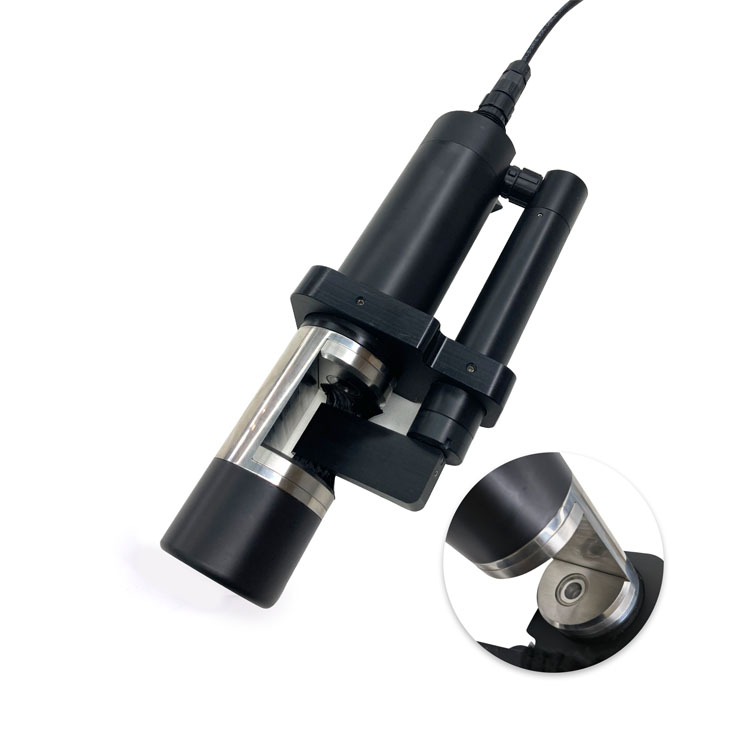
Accuracy Selection: ±2% accuracy meets the needs of most industrial process control and environmental monitoring. For high-precision applications, it is recommended to use regular two-point calibration and standard maintenance.
Communication Method Selection: RS485 Modbus RTU is the recommended configuration, supporting bus-type multi-sensor networking, long-distance transmission, and lossless digital transmission, which is significantly better than analog output in terms of system integration complexity.
Installation Environment Selection: 3/4 NPT submersible installation, operating temperature 0-50°C, pressure ≤0.2MPa. The installation position should ensure adequate medium flow, avoiding dead zones, bubbles, and strong vibrations. The sensor must be fully immersed in the liquid.
Power Supply Method Selection: Wide voltage input 12-24V DC, power consumption only 0.2W, suitable for industrial field power supplies and low-power remote monitoring stations (such as solar-powered systems).
- For a new sensor or one that has been out of service for a long time, check the condition of the fluorescent cap before installation. If necessary, soak it in water for 48 hours to restore performance.
- Regularly (every 30 days) clean the external surface of the sensor and the cap with clean water, avoiding scratching the measurement area.
- Keep the root of the cable and the connector dry, avoiding tension or water immersion.
- During Modbus communication debugging, perform a single-point test first to confirm that the address, baud rate, and register mapping are correct.
- When not in use, cover the fluorescent cap with the protective cap containing a wet sponge to keep the measurement surface moist.
- Replace the fluorescent cap annually as planned. Calibration frequency should follow project or regulatory requirements.
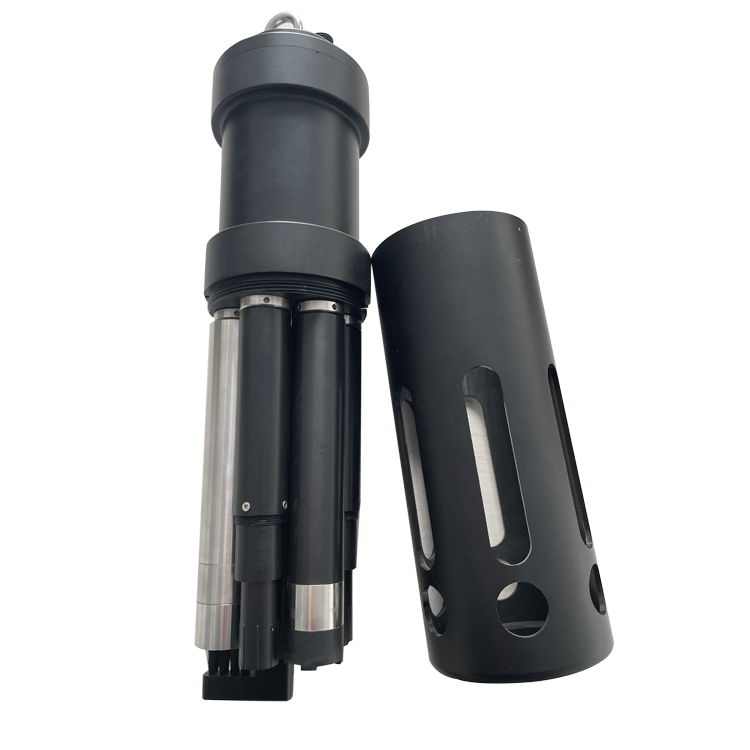
Q1: What are the main advantages of a fluorescence dissolved oxygen sensor compared to the electrochemical method?
No electrolyte required, no oxygen consumption, unaffected by flow velocity and sulfide interference, low drift, lower maintenance frequency, and longer service life.
Q2: How does the sensor handle the influence of temperature and salinity on DO measurement?
The sensor has built-in Pt1000 for automatic temperature compensation and a built-in salinity compensation function. Salinity correction can be performed via Modbus parameter settings.
Q3: How to maintain and replace the fluorescent cap?
Check and clean with clean water every 30 days. Replace it once a year. When cleaning, use a soft cloth to wipe gently, avoiding scratches on the measurement area.
Q4: Does the RS485 version support networking with other sensors?
Yes, it supports the Modbus RTU protocol and can be networked on the same bus with multi-parameter sensors such as pH, ammonia nitrogen, and turbidity, reducing wiring complexity.
Q5: Is this sensor suitable for high salinity or seawater environments?
Yes, it supports built-in salinity compensation and is suitable for seawater, aquaculture, and high-salinity industrial wastewater, provided the salinity parameter is correctly set.
Q6: What is the lifetime and replacement cost of the fluorescent cap?
Under normal use conditions, the lifetime is about 1 year. The replacement procedure is simple and helps control long-term operating and maintenance costs.
Q7: Does the sensor support customized cable length and other output methods? What technical documentation is needed for project integration?
Cable length customization beyond 5 meters is supported. Output is primarily RS485 Modbus RTU, and other options can be evaluated based on project requirements. For project integration, we provide Modbus register map, installation drawings, calibration guide, and communication debugging support to facilitate system integration.

The NBL-WQ-DO industrial online dissolved oxygen sensor uses fluorescence measurement principles combined with the RS485 Modbus RTU communication protocol and robust engineering design. It provides system integrators, IoT solution providers, and engineering contractors with a stable, low-maintenance solution for online dissolved oxygen monitoring. In typical application scenarios such as wastewater treatment, aquaculture, environmental monitoring, and industrial wastewater treatment, proper selection, correct installation and maintenance, and standardized system integration can significantly improve process control precision, reduce energy consumption, and ensure long-term stable project operation.
It is recommended to conduct prototype testing and validation according to actual working conditions during the project design phase and to formulate a scientific maintenance plan to achieve the best engineering application results and lifecycle cost control.
 NBL-WQ-CL Water Quality Sensor Online Residual Chlorine Sensor.pdf
NBL-WQ-DO Online Fluorescence Dissolved Oxygen Sensor.pdf
NBL-WQ-NHN Ammonia Nitrogen Water Quality Sensor.pdf
NBL-WQ-COD Online Water Quality COD Sensor.pdf
NBL-WQ-PH Online pH Water Quality Sensor.pdf
NBL-WQ-EC water quality conductivity sensor.pdf
Related recommendations
Sensors & Weather Stations Catalog
Agriculture Sensors and Weather Stations Catalog-NiuBoL.pdf
Weather Stations Catalog-NiuBoL.pdf
Agriculture Sensors Catalog-NiuBoL.pdf
Water Quality Sensor Catalog-NiuBoL.pdf
Related products
 Combined air temperature and relative humidity sensor
 TDR Soil Moisture & Temperature Sensor for irrigation| RS485 |4-20mA| NBL-S-THR
 Soil pH sensor RS485 soil Testing instrument soil ph meter for agriculture |NBL-S-PH
 Wind Speed sensor Output Modbus/RS485/Analog/0-5V/4-20mA
 Tipping bucket rain gauge for weather monitoring auto rainfall sensor RS485/Outdoor/stainless steel
 Pyranometer Solar Radiation Sensor 4-20mA/RS485

Screenshot, WhatsApp to identify the QR code
WhatsApp number:+8615367865107
(Click on WhatsApp to copy and add friends)

