





— Blogs —
—Products—
 Consumer hotline +8618073152920
 WhatsApp:+8615367865107
Address:Room 102, District D, Houhu Industrial Park, Yuelu District, Changsha City, Hunan Province, China
Product knowledge
Time:2026-04-01 10:43:06 Popularity:571
Agricultural production highly depends on meteorological conditions. Meteorological disasters such as flooding, drought, hail, and extreme temperature and humidity changes caused by frequent climate anomalies have become important factors restricting stable crop yields. Especially in the cultivation of edible fungi such as shiitake mushrooms, small fluctuations in environmental parameters will directly affect mycelial growth, fruiting body differentiation, and final quality. The NiuBoL agricultural weather station provides reliable monitoring tools for system integrators, IoT solution providers, and engineering companies through integrated multi-parameter sensors and intelligent data platforms, achieving full-chain management from disaster early warning to precise regulation.
This article systematically explains the causes and hazards of agricultural meteorological disasters, the core technology of the NiuBoL agricultural weather station, the application value of sensors in shiitake mushroom cultivation, and analyzes actual engineering scenarios to provide project contractors with implementable solution references.
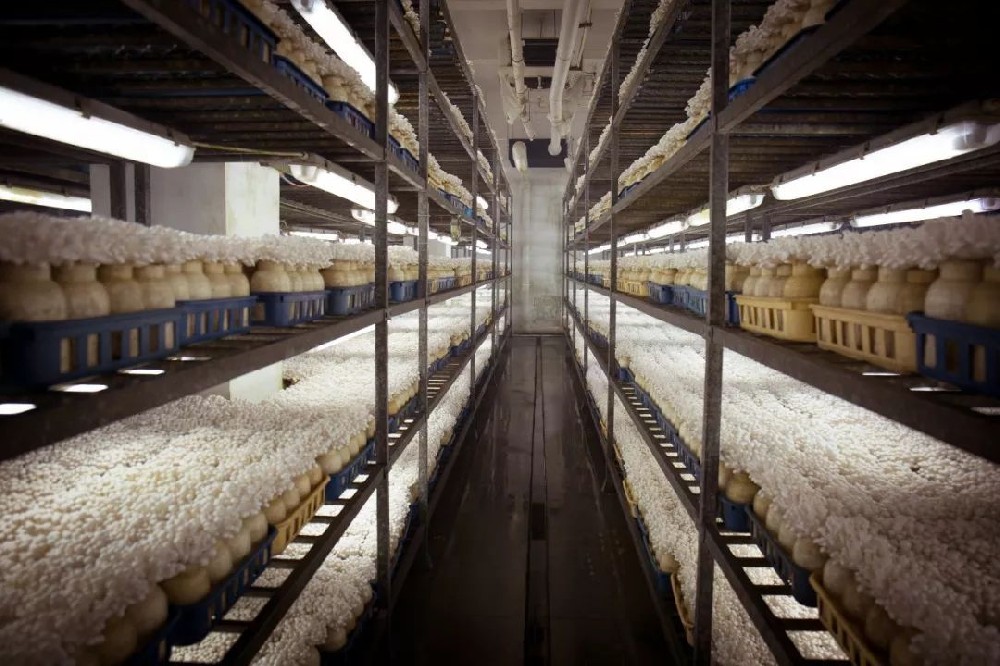
Agricultural meteorological disasters mainly include field waterlogging caused by heavy precipitation, soil moisture deficit caused by continuous drought, physiological stress on crops from extreme low or high temperatures, and sudden events such as hail and storms. These disasters often have the characteristics of suddenness, regionality, and chain effects.
Taking the recent widespread rainfall as an example, during the corn harvest period, field water accumulation prevented machinery from entering the field, and manual harvesting was hindered, directly causing a sharp drop in yield. At the same time, excessive soil moisture delayed the sowing period of subsequent crops such as garlic. Similar situations are more prominent in greenhouse cultivation. If hail or snow is not reinforced in advance, it may cause structural collapse and serious economic losses.
Traditional response methods rely on manual observation of weather forecasts, which have lag and subjectivity. The core of scientific response lies in real-time and precise meteorological data collection and analysis. By deploying agricultural weather stations, key elements such as air temperature and humidity, air pressure, rainfall, soil temperature and humidity, and wind speed and direction can be mastered in advance to achieve disaster early warning and active prevention and control:
Before heavy precipitation arrives, start the drainage system to avoid waterlogging.
During drought warnings, optimize irrigation plans and improve water resource utilization.
Before hail or snow, reinforce and repair greenhouses to reduce the risk of physical damage.
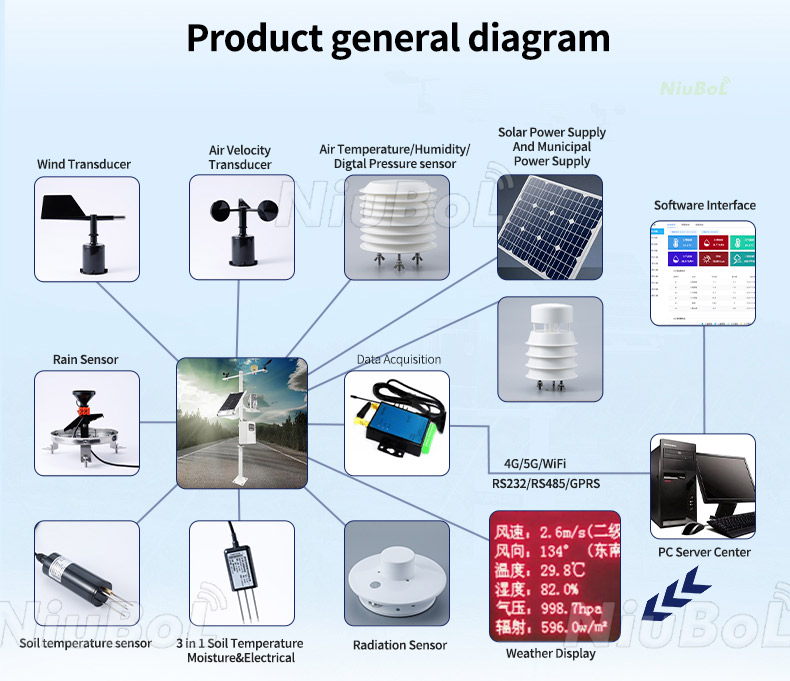
The NiuBoL agricultural weather station is the core equipment of this solution. It consists of meteorological sensors, a meteorological data recorder, and meteorological environment monitoring software. It supports automatic recording, over-limit alarm, and data communication functions, and can seamlessly connect to existing IoT platforms.
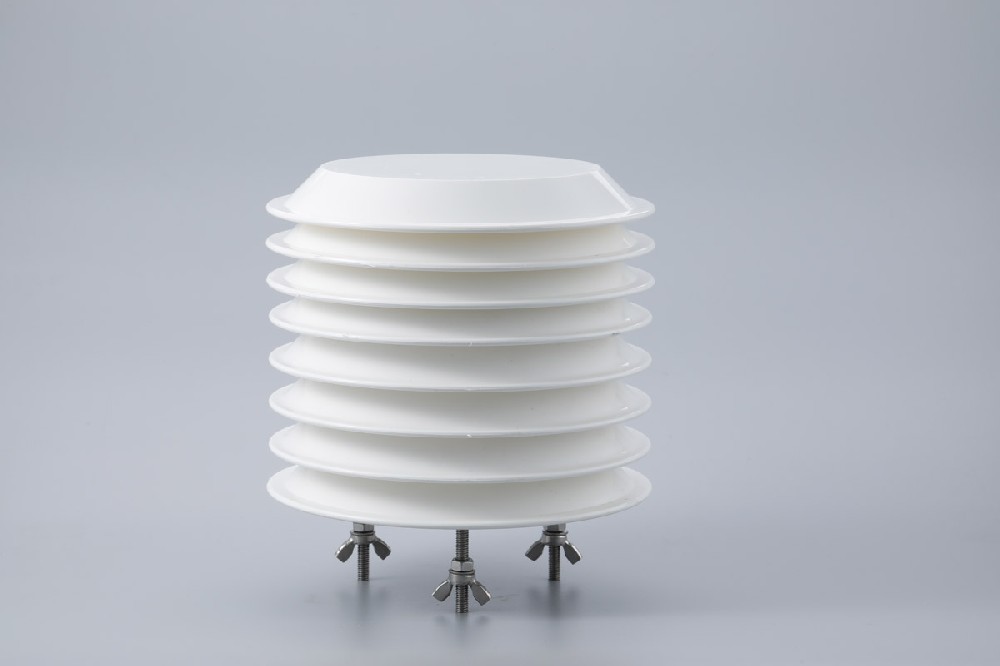
The NiuBoL agricultural weather station adopts a modular design. Meteorological sensors are responsible for on-site parameter collection, the data recorder realizes local storage and processing, and the monitoring software provides a visual interface and remote access. The system has the following engineering characteristics:
Multi-element simultaneous monitoring: One-time coverage of conventional meteorological parameters such as wind direction, wind speed, temperature, humidity, air pressure, rainfall, and soil temperature and humidity.
Real-time performance and reliability: Supports over-limit alarm. When a parameter exceeds the set threshold, the system automatically pushes notifications.
Data communication capability: Uploads real-time data and historical records wirelessly, facilitating multi-point deployment and centralized management.
Expansion compatibility: Suitable for professional fields such as industrial and agricultural production, tourist scenic areas, scientific research institutions, and urban environmental monitoring.
Compared with traditional single-point meteorological observation equipment, the NiuBoL system emphasizes data fusion and decision support. Through historical curve analysis, short-term meteorological trends can be predicted to provide quantitative basis for planting plan adjustments. System integrators can flexibly configure the number and installation positions of sensors according to project needs to achieve upgrades from single greenhouse monitoring to regional smart agriculture platforms.
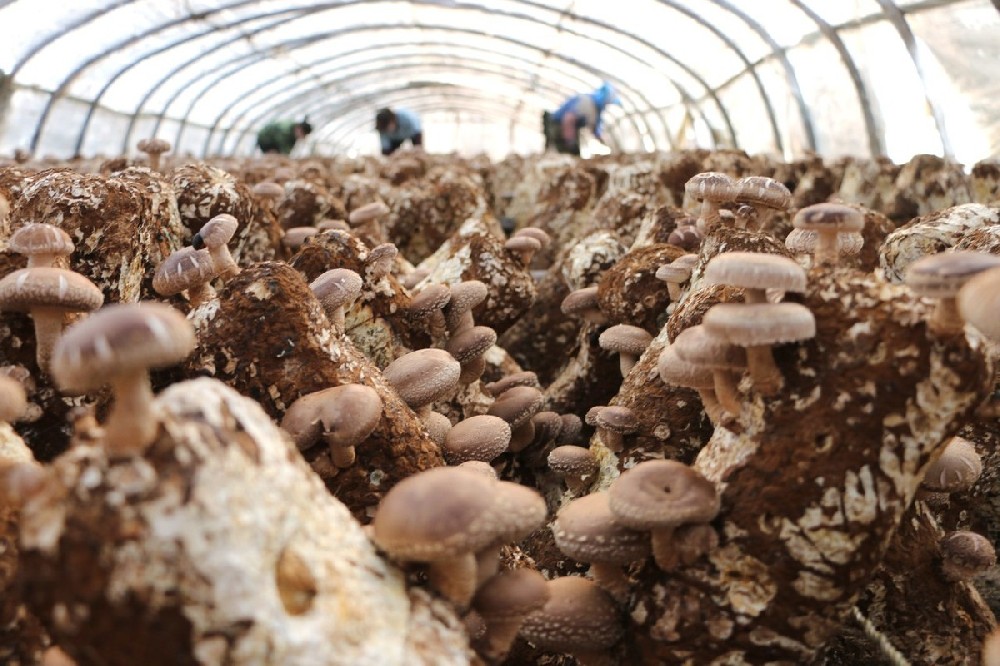
The core of the NiuBoL agricultural weather station lies in its high-precision sensor group. The following table lists the main monitoring elements and typical engineering parameters (based on standard industrial-grade design):
| Monitoring Element | Example Measurement Range | Main Function Description | Supported Output Forms |
|---|---|---|---|
| Wind Direction | 0~360° | Real-time judgment of wind diffusion direction | RS485 / Wireless upload |
| Wind Speed | 0~70 m/s | Assess potential impact of strong winds on greenhouse structures | RS485 / Wireless upload |
| Air Temperature | -40~60℃ | Precisely control the optimal temperature range for mycelium and fruiting body growth | RS485 / Wireless upload |
| Air Humidity | 0~100% RH | Maintain relative humidity required at different growth stages | RS485 / Wireless upload |
| Air Pressure | 300~1100 hPa | Assist in predicting precipitation trends and disaster occurrence probability | RS485 / Wireless upload |
| Rainfall | 0~200 mm/h | Quantify precipitation intensity and start drainage measures in advance | RS485 / Wireless upload |
| Soil Temperature | -40~60℃ | Monitor root zone temperature to avoid low or high temperature stress | RS485 / Wireless upload |
| Soil Humidity | 0~100% (volumetric water content) | Optimize irrigation to avoid waterlogging or drought | RS485 / Wireless upload |
All sensors adopt industrial-grade protection design with wide temperature operating range and anti-interference capability. The data recorder can locally store massive historical data, and the software platform supports real-time query, trend graph generation, and report export.
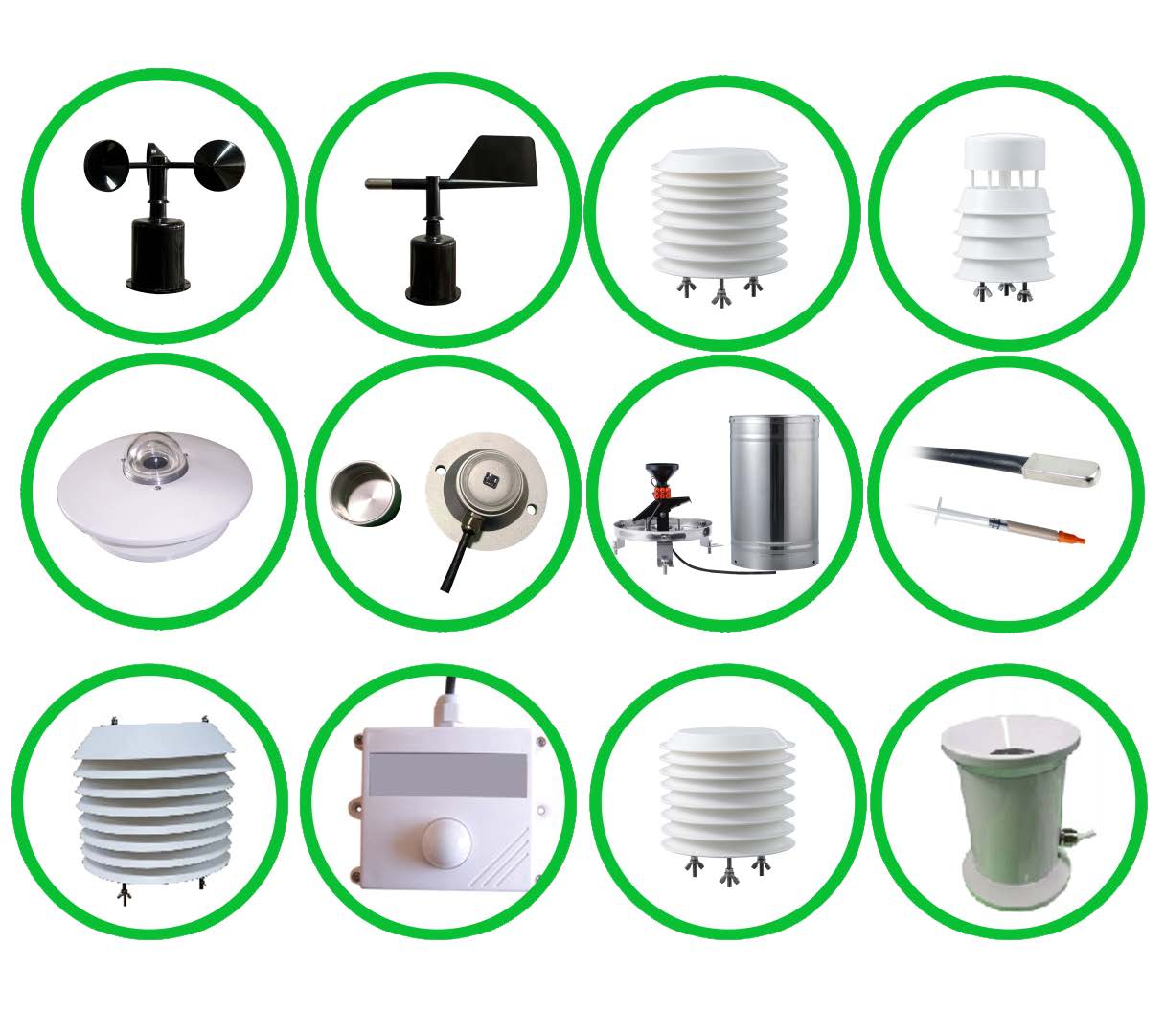
Shiitake mushroom growth and development are affected by multiple factors such as moisture, nutrition, temperature and humidity, light, and pH value. Among them, meteorological elements are key variables that can be regulated in real time. NiuBoL sensors provide precise data support for different growth stages of shiitake mushrooms:
Wind Direction and Wind Speed Sensors: Strong winds may cause greenhouse deformation or uncontrolled spore diffusion. Through wind speed monitoring (0~70 m/s), the greenhouse structure can be reinforced before wind force exceeds the safety threshold. Wind direction data helps reasonably arrange ventilation openings to avoid local high temperature or humidity imbalance.
Air Temperature and Humidity Sensors: Shiitake mushrooms are extremely sensitive to temperature. The optimal temperature for spore germination is 22℃~26℃. Mycelium dies within 60 minutes above 45℃. Mycelium growth is suitable at 10℃~28℃. For fruiting body development, autumn-planted varieties are best at 12℃~18℃, spring-planted varieties at 8℃~18℃, and off-season varieties at 12℃~32℃. Temperatures that are too high (20~23℃) will cause rough flesh and whitish color in fruiting bodies; below 10℃, growth is slow, the texture is dense but the size is small. In terms of humidity, the culture material moisture content is 55% and air relative humidity is about 70% during the mycelium stage; during the fruiting body stage, moisture content is 60% and air humidity is 45%~93%. Sensors provide real-time feedback data and support automatic linkage with wet curtains or spray systems to maintain the optimal range.
Air Pressure and Rainfall Sensors: A drop in air pressure often indicates precipitation. Rainfall monitoring can quantify water accumulation risks. In environments where shiitake culture material is prone to moisture, advance drainage can prevent mycelium rot.
Soil Temperature and Humidity Sensors: Directly affect mycelium nutrient absorption. Low soil temperature inhibits metabolism, and high humidity leads to anaerobic environments. The system can guide precision irrigation to maintain stable moisture conditions required for the slightly acidic culture material (pH 3~7, optimal 5).
Through these sensors, planting managers can transform experience-based management into a data-driven model: focus on monitoring temperature and humidity during the mycelium growth stage to avoid high-temperature death; adjust ventilation strategies during the fruiting body differentiation stage in combination with light requirements (mainly scattered light) to ultimately achieve high quality and high yield.
The shiitake mushroom cultivation cycle is divided into three main stages: mycelium cultivation, fruiting body induction, and mature harvesting. The NiuBoL agricultural weather station can play a targeted role in each stage:
Mycelium Growth Stage: Focus on monitoring soil temperature and humidity and air temperature and humidity to maintain 55% moisture content in the culture material and 70% air humidity. Over-limit alarms can promptly remind adjustments to shading or ventilation to avoid temperature fluctuations causing decreased mycelium vitality.
Fruiting Body Development Stage: Combine rainfall and wind speed data to respond in advance to the impact of precipitation or strong winds on the greenhouse. Controlling temperature at 12℃~18℃ (autumn planting) can promote thick flesh, deep color, and excellent quality in fruiting bodies.
Disaster Response Link: Rainfall sensors provide early warning before heavy precipitation and guide drainage. Soil humidity data optimizes water replenishment during drought periods to reduce water resource waste.
System data can be connected to IoT platforms to achieve remote monitoring. After multi-point deployment, project contractors can uniformly manage multiple planting bases and generate standardized environmental reports to provide support for quality traceability. In actual engineering, combined with existing temperature control equipment, the NiuBoL weather station can minimize meteorological disaster losses while improving shiitake mushroom yield per unit and commercial rate.
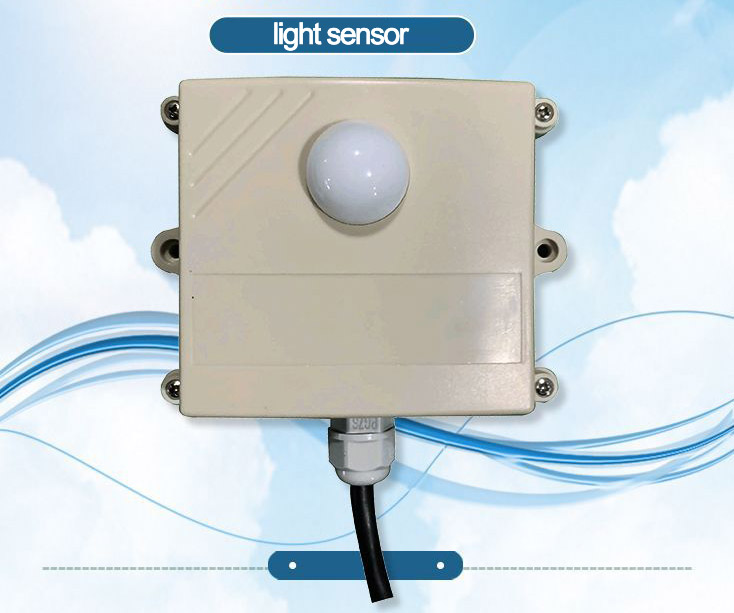
To ensure monitoring accuracy, sensor installation must follow engineering specifications:
Wind speed and direction sensors should be installed in open, unobstructed locations at a height of 2~3 meters.
Soil temperature and humidity sensors should be buried in representative areas of the culture material at a depth of 10~20 cm.
Rainfall sensors should be placed on a horizontal surface to avoid splash interference.
The data recorder supports local SD card storage, and the monitoring software provides browser or APP access interfaces. System integrators can dock with existing PLC or SCADA systems through RS485 or wireless protocols to achieve automated linkage control.
In addition to shiitake mushroom cultivation, the NiuBoL agricultural weather station is also suitable for field crops, fruit and vegetable greenhouses, forest tree seedling cultivation, and other fields. Through a unified platform, regional meteorological disaster risk assessment and emergency scheduling can be realized, providing basic data layer support for smart agriculture projects.
Q1. What meteorological elements does the agricultural weather station mainly monitor?
The NiuBoL agricultural weather station can simultaneously monitor conventional elements such as wind direction, wind speed, air temperature and humidity, air pressure, rainfall, and soil temperature and humidity, supporting real-time and historical data query.
Q2. Why is temperature control so critical in the shiitake mushroom cultivation process?
Shiitake mushrooms have strict temperature requirements at different stages. The optimal temperature for spore germination is 22℃~26℃. Mycelium dies above 45℃. Mycelium growth is suitable at 10℃~28℃. Fruiting body development is best at 12℃~18℃ (autumn planting). Exceeding the range will cause mycelium death or decline in fruiting body quality. Sensors can provide real-time warnings.
Q3. How does the weather station help respond to flooding disasters?
The rainfall sensor quantifies precipitation intensity. Combined with soil humidity data, it starts the drainage system in advance to avoid field water accumulation affecting shiitake culture material and greenhouse structure.
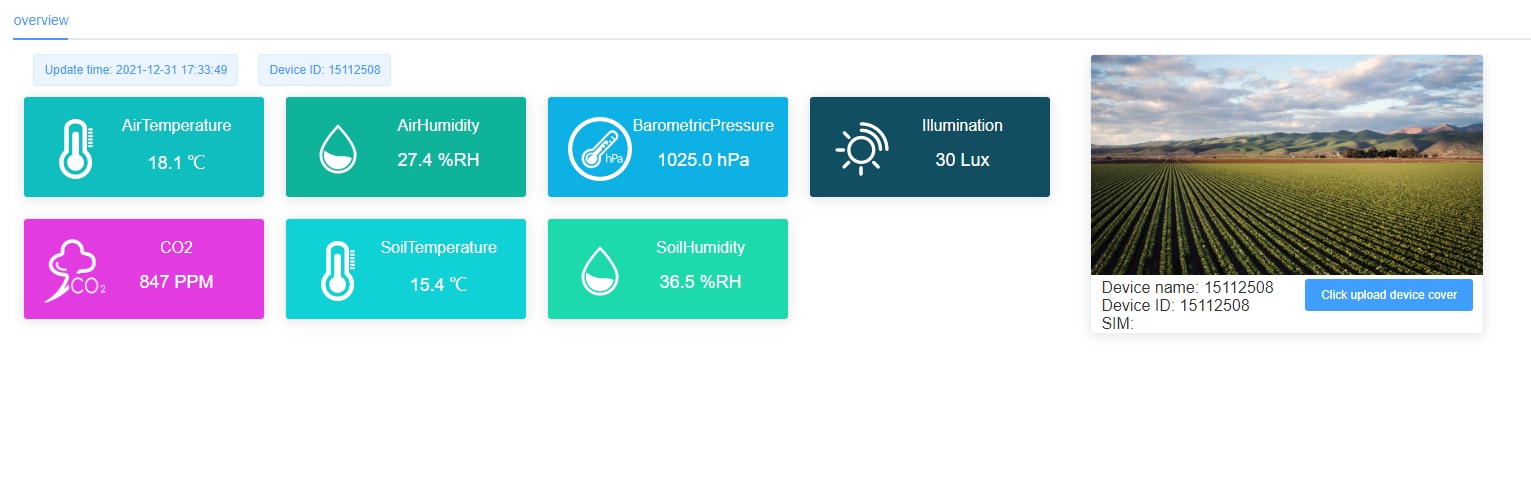
Q4. Does the system support remote monitoring and alarms?
Yes. Through the wireless communication module, data is uploaded to the platform in real time. Alarms are automatically triggered when limits are exceeded, facilitating centralized management of multiple projects by engineering companies.
Q5. What is the specific value of soil temperature and humidity sensors for shiitake mushroom cultivation?
They directly reflect the root zone environment and guide irrigation to maintain 55%~60% moisture content in the culture material, preventing anaerobic or drought stress and improving mycelium vitality and fruiting body yield.
Q6. Which customer groups is the NiuBoL agricultural weather station suitable for?
It is mainly targeted at system integrators, IoT solution providers, project contractors, and engineering companies, providing modular integration support, and does not directly target end consumers.
Q7. How to combine meteorological data with shiitake mushroom growth stages?
Set thresholds according to different stages of mycelium and fruiting bodies. Temperature and humidity sensors link with wet curtains and ventilation equipment to achieve precise environmental regulation.
Q8. Compared with traditional manual observation, what are the advantages of agricultural weather stations?
They achieve all-weather automatic recording, objective quantification, and multi-parameter fusion analysis, significantly improving the timeliness of disaster early warning and the scientific nature of decision-making while reducing labor costs.
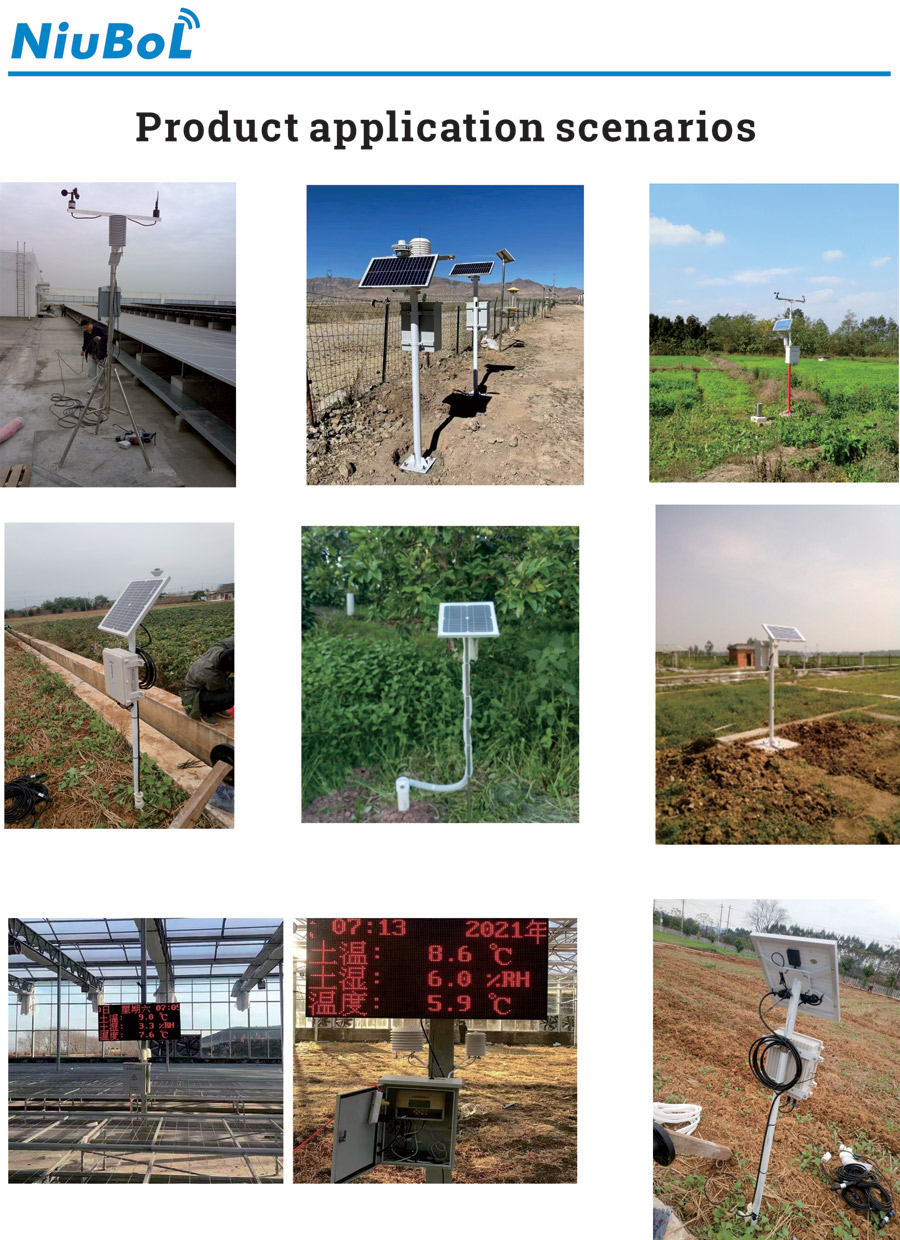
Facing the uncertainty brought by climate change, agricultural weather stations have become essential engineering tools to ensure production safety and improve product quality. The NiuBoL agricultural weather station provides a full-range solution from disaster early warning to precise regulation for shiitake mushroom cultivation with stable and reliable multi-sensor integration and an intelligent data platform. By mastering key parameters such as wind speed and direction, temperature and humidity, rainfall, and soil environment in real time, planting managers can transform passive response into active prevention and control, significantly reducing meteorological disaster losses and achieving stable, high-quality production.
As a professional manufacturer, NiuBoL is committed to providing system integrators and engineering companies with highly compatible products and technical support. In the future, with the deepening application of IoT technology, agricultural weather stations will further integrate into the smart agriculture ecosystem and promote sustainable industrial development. It is recommended that project teams plan sensor deployment schemes according to specific planting scales and environmental characteristics to maximize the monitoring value.
 NBL-W-CO2-Carbon-Dioxide-Sensor-Instruction-Manual-2000ppm.pdf
NBL-W-CO2 Carbon-Dioxide-Sensor-Instruction-Manual-5000ppm.pdf
NBL-W-THPLC-5in1-Temperature-Humidity-Pressure-Illumination-CO2-Sensor-data-sheet.pdf
Related recommendations
Sensors & Weather Stations Catalog
Agriculture Sensors and Weather Stations Catalog-NiuBoL.pdf
Weather Stations Catalog-NiuBoL.pdf
Agriculture Sensors Catalog-NiuBoL.pdf
Water Quality Sensor Catalog-NiuBoL.pdf
Related products
 Combined air temperature and relative humidity sensor
 TDR Soil Moisture & Temperature Sensor for irrigation| RS485 |4-20mA| NBL-S-THR
 Soil pH sensor RS485 soil Testing instrument soil ph meter for agriculture |NBL-S-PH
 Wind Speed sensor Output Modbus/RS485/Analog/0-5V/4-20mA
 Tipping bucket rain gauge for weather monitoring auto rainfall sensor RS485/Outdoor/stainless steel
 Pyranometer Solar Radiation Sensor 4-20mA/RS485

Screenshot, WhatsApp to identify the QR code
WhatsApp number:+8615367865107
(Click on WhatsApp to copy and add friends)

