





— Blogs —
—Products—
 Consumer hotline +8618073152920
 WhatsApp:+8615367865107
Address:Room 102, District D, Houhu Industrial Park, Yuelu District, Changsha City, Hunan Province, China
Product knowledge
Time:2026-05-15 11:35:56 Popularity:400
System integrators face the main challenge in intelligent transformation projects for aquaculture of controlling breeding risks caused by ammonia nitrogen concentration fluctuations. According to China's fishery water quality standard (GB 11607-89), the non-ionic ammonia (NH3) concentration in fishery waters should be controlled below 0.02mg/L. In actual pond aquaculture environments, total ammonia nitrogen (TAN, including NH4+ and NH3) is affected by factors such as temperature, pH, feeding volume, and microbial decomposition, making it prone to exceedance.
When pond ammonia nitrogen reaches a certain level, aquatic animals will experience chronic stress, slow growth, or even acute poisoning. Traditional manual sampling detection has hysteresis and cannot meet the needs of continuous process regulation. System integrators need a reliable, easy-to-integrate online ammonium nitrogen sensor with industrial-grade communication capabilities to achieve seamless docking with existing automation systems, support data collection, threshold alarming, and linkage control, and provide a data foundation for precise water quality management.
The NBL-WQ-NHN sensor directly measures ammonium ion content through the ion selective electrode method, combined with automatic temperature compensation. It is suitable for real-time pond monitoring scenarios, helping engineering teams intervene in time in microbial decomposition, feeding management, and aeration, thereby reducing breeding losses.
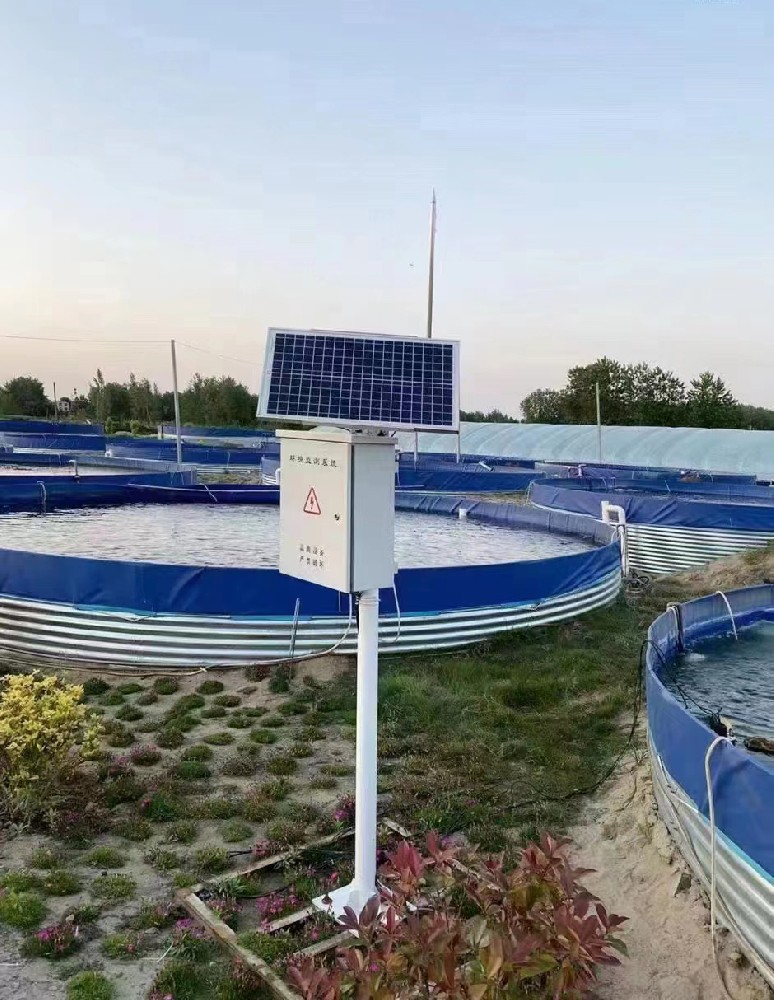
As a core device at the water quality perception layer, the NBL-WQ-NHN ammonium nitrogen sensor is typically deployed in main breeding areas of ponds, inlet/outlet, or biological filter outlets. Together with multi-parameter water quality monitoring stations, PLC control cabinets, and upper-level monitoring software, it forms a closed-loop system. The real-time ammonium nitrogen data output by the sensor can participate in aeration control, carbon source dosing, or water exchange strategies to achieve automated water quality regulation.
Its IP68 protection rating and integrated submersible installation design adapt to long-term immersion environments in ponds. The shell is made of ABS, PVC, and POM materials, with corrosion resistance meeting the requirements of aquaculture sites.
The sensor comes standard with an RS-485 interface and adopts the Modbus RTU protocol, allowing direct connection with mainstream industrial controllers:
Supports communication with PLC master stations such as Siemens, Schneider, and Rockwell.
Compatible with various IoT gateways, RTUs, and SCADA systems.
Supports multi-sensor networking (ammonium nitrogen, dissolved oxygen, pH, turbidity, etc.), reducing wiring complexity with a single bus.
Optional 4-20mA analog output to meet different control system compatibility requirements.
The standardized protocol ensures short integration cycles, convenient debugging, stable and reliable data transmission, and strong resistance to on-site electromagnetic interference. It is suitable for deployment in large-scale breeding bases and smart fishery projects.
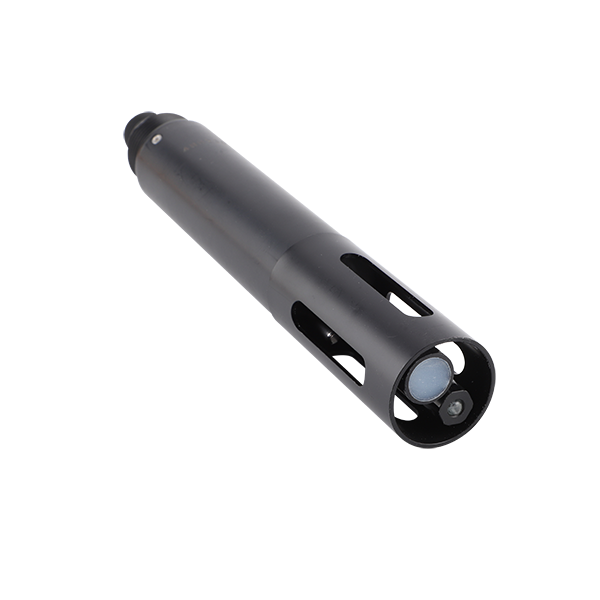
| Parameter | Specification |
|---|---|
| Model | NBL-WQ-NHN |
| Shell Material | ABS, PVC, POM |
| Measurement Principle | Ion Selective Electrode Method |
| Range | 0~10.00 mg/L; 0~100.00 mg/L; 0~1000.0 mg/L |
| Resolution | 0.01 mg/L (low range), 0.1 mg/L (high range); 0.1℃ |
| Accuracy | 0~10 mg/L: ±10% of reading or ±1 mg/L (whichever is greater), ±0.5℃ 0~100/1000 mg/L: ±10% of reading, ±0.5℃ |
| Response Time (T90) | <60s |
| Minimum Detection Limit | 0.09 mg/L (0-10/100 mg/L range); 0.9 mg/L (0-1000 mg/L) |
| Calibration Method | Two-point calibration |
| Temperature Compensation | Automatic temperature compensation (Pt1000) |
| Output Mode | RS-485 (Modbus RTU), 4-20 mA (optional) |
| Power Supply | 12~24V DC |
| Power Consumption | 0.2W@12V |
| Working Conditions | 0~40℃, <0.1 MPa, pH 4~10 |
| Storage Temperature | -5~65℃ |
| Protection Rating | IP68 |
| Installation Method | Submersible installation, 3/4 NPT |
| Cable Length | 5 meters (customizable) |
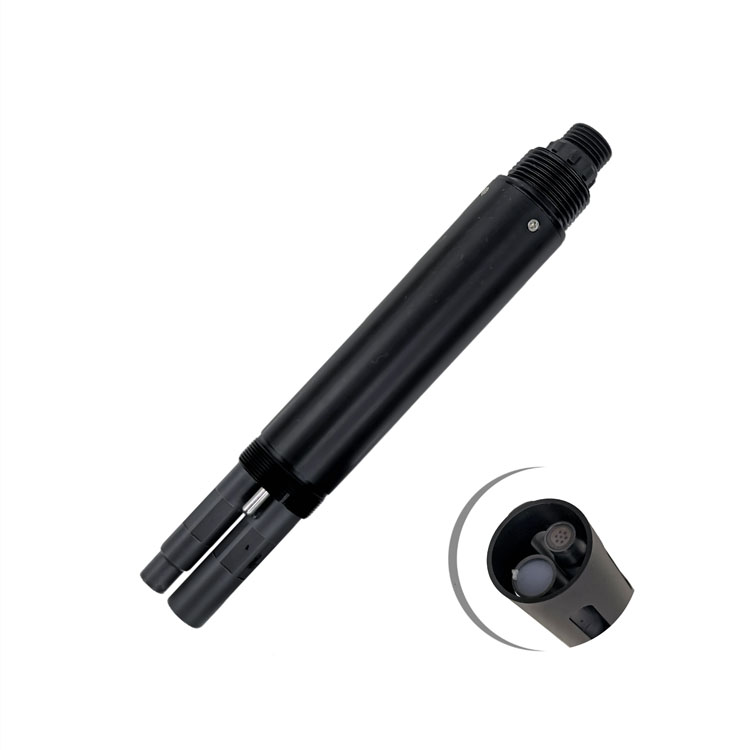
1. Aquaculture Pond Water Quality Monitoring: Real-time monitoring of ammonia nitrogen concentration changes in main shrimp, crab, and fish breeding ponds. Combined with pH and temperature data to calculate non-ionic ammonia ratio, guiding aeration, water exchange, and microbial agent use to maintain water quality within a safe range.
2. Recirculating Aquaculture Systems (RAS) and Factory Farming: Deployed before and after biological filters to evaluate ammonia nitrogen removal efficiency, supporting precise carbon source dosing or regulation of nitrifying bacteria activity to achieve stable water quality in high-density farming.
3. Aquaculture Tail Water Treatment and Environmental Protection Projects: Install sensors at the inlet and discharge outlet of tail water treatment stations to meet local discharge standard monitoring requirements and provide feedback control signals for treatment units such as constructed wetlands and biological filters to support smart fishery environmental protection project acceptance.
Accuracy and Range Selection: For conventional pond farming, the 0~10 mg/L or 0~100 mg/L range is recommended. The 0.01 mg/L resolution meets daily monitoring needs. For high-concentration industrial wastewater or emergency treatment scenarios, a higher range can be selected. The ±10% accuracy is suitable for process control, and regular calibration can ensure data reliability.
Communication Method Selection: Prioritize the RS-485 Modbus RTU version for easy large-scale networking and PLC integration. For systems requiring remote transmission or analog input, the optional 4-20mA version can be selected.
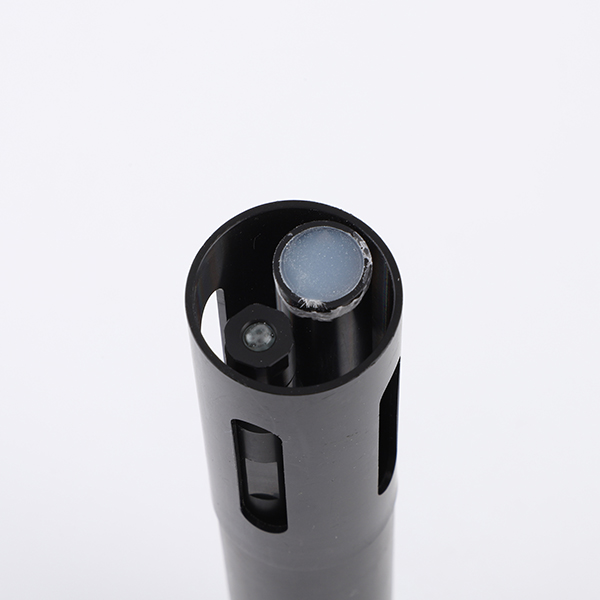
Installation Environment Selection: Use 3/4 NPT pipe thread for submersible installation. The installation angle should be tilted at least 15 degrees or more to avoid inverted or horizontal placement. Pond installation points should avoid strong disturbance areas at inlets and sediment zones at the bottom. It is recommended to equip protective covers or perform regular cleaning and maintenance.
Power Supply Selection: 12~24V DC wide voltage input, adapting to on-site power conditions. The low power consumption feature supports off-grid monitoring station deployment with solar power combined with batteries.
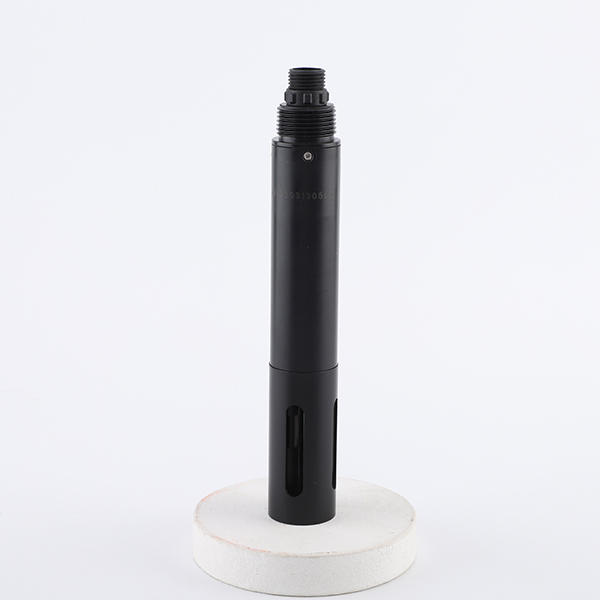
Before first use, remove the protective cover and soak the sensor in clean water for activation for 2 hours, then perform two-point calibration.
RS-485 bus wiring is recommended to use shielded twisted pair cables with correct grounding to avoid address conflicts.
Regularly check sediment on the electrode surface and clean with distilled water or recommended methods. Avoid long-term immersion in distilled water or contact with silicone grease.
Data collection cycle is recommended to be 1-10 minutes, adjusted according to pond scale and control requirements.
When not in use for a long time, store dry with the sensing element protected by a cap. Replace the electrode promptly when it fails.
When linking with other water quality parameter sensors, unify time synchronization and calibration cycles to ensure system data consistency.
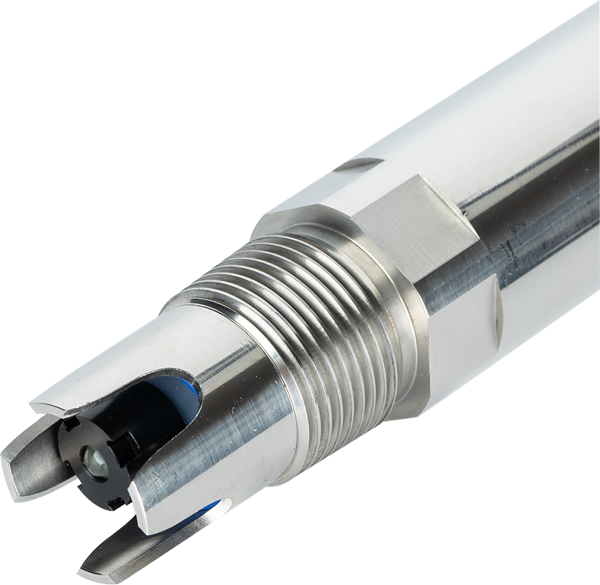
Technical Questions
Q1: Does the sensor measure total ammonia nitrogen or non-ionic ammonia?
It measures ammonium ion (NH4+) content, which is the main component of total ammonia nitrogen (TAN). Combined with on-site pH and temperature data, the non-ionic ammonia concentration can be further calculated.
Q2: How is the ion selective electrode method affected by pH and temperature?
It has built-in Pt1000 automatic temperature compensation. The working pH range is 4~10. In actual applications, simultaneous pH monitoring is recommended to improve data accuracy.
Q3: Can the response time and minimum detection limit meet real-time aquaculture monitoring requirements?
T90 <60s, minimum detection limit 0.09 mg/L (low range). It can capture ammonia nitrogen concentration change trends in time.
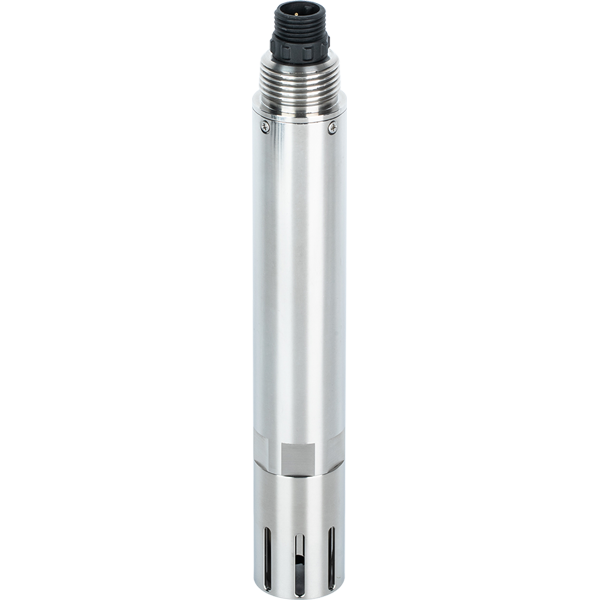
Selection Questions
Q1: Which range is commonly used in pond farming?
Most pond environments use the 0~10 mg/L or 0~100 mg/L range, which can cover normal and mild exceedance scenarios.
Q2: What is the maintenance cycle of IP68 protection rating in pond environments?
Under conventional water quality conditions, combined with regular cleaning, relatively long stable operation can be achieved. The specific duration depends on organic load and biofilm growth.
Q3: Does it support networking with water quality sensors from other brands?
As long as the master station equipment supports Modbus RTU, it can be connected, facilitating mixed-brand system integration.
Procurement/Project Questions
Q1: How can cable length and connector specifications be customized?
Lengths beyond 5 meters are supported. The standard M16-5 core waterproof connector male head can be adjusted according to installation depth requirements.
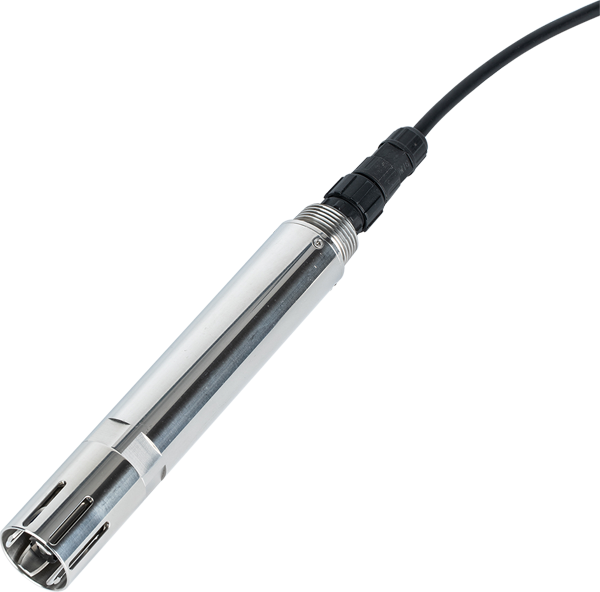
For system integrators, IoT solution providers, and aquaculture engineering contractors, online ammonium nitrogen sensors are important sensing components for building smart fishery water quality monitoring systems. NiuBoL NBL-WQ-NHN combines the ion selective electrode method with industrial-grade design. While providing reliable ammonium nitrogen data, it offers excellent Modbus RTU compatibility and installation convenience, helping to achieve precise ammonia nitrogen control in ponds, reduce breeding risks, and meet environmental regulatory requirements.
In the project planning stage, it is recommended to conduct on-site testing and selection verification based on specific cultured species, water body capacity, existing automation architecture, and local discharge standards to ensure the sensor delivers stable value throughout its entire lifecycle and provides technical assurance for project delivery and long-term operation & maintenance.
 NBL-WQ-NHN-4S Online Ammonia Nitrogen Sensor.pdf
Related recommendations
Sensors & Weather Stations Catalog
Agriculture Sensors and Weather Stations Catalog-NiuBoL.pdf
Weather Stations Catalog-NiuBoL.pdf
Agriculture Sensors Catalog-NiuBoL.pdf
Water Quality Sensor Catalog-NiuBoL.pdf
Related products
 Combined air temperature and relative humidity sensor
 TDR Soil Moisture & Temperature Sensor for irrigation| RS485 |4-20mA| NBL-S-THR
 Soil pH sensor RS485 soil Testing instrument soil ph meter for agriculture |NBL-S-PH
 Wind Speed sensor Output Modbus/RS485/Analog/0-5V/4-20mA
 Tipping bucket rain gauge for weather monitoring auto rainfall sensor RS485/Outdoor/stainless steel
 Pyranometer Solar Radiation Sensor 4-20mA/RS485

Screenshot, WhatsApp to identify the QR code
WhatsApp number:+8615367865107
(Click on WhatsApp to copy and add friends)

