





— Blogs —
—Products—
 Consumer hotline +8618073152920
 WhatsApp:+8615367865107
Address:Room 102, District D, Houhu Industrial Park, Yuelu District, Changsha City, Hunan Province, China
Product knowledge
Time:2026-04-01 10:26:18 Popularity:627
Precipitation is the core link in the natural water cycle and has a decisive impact on human production and life. From the “skin-inch” measurement in the Tang and Song dynasties to the cylindrical rain gauge in the Ming and Qing dynasties, human observation of rainfall has never stopped. However, the traditional manual observation mode can no longer meet the modern society’s demand for real-time performance, accuracy, and large-scale networking.
Today, with the rapid development of IoT technology, the rainfall online monitoring system launched by NiuBoL deeply integrates high-precision sensor technology with wireless remote transmission solutions, achieving real-time collection, automated transmission, and intelligent processing of rainfall data. For system integrators, hydrological and water conservancy engineering companies, and project contractors, deploying a high-performance rainfall monitoring foundation is the key to improving disaster prevention and mitigation efficiency.
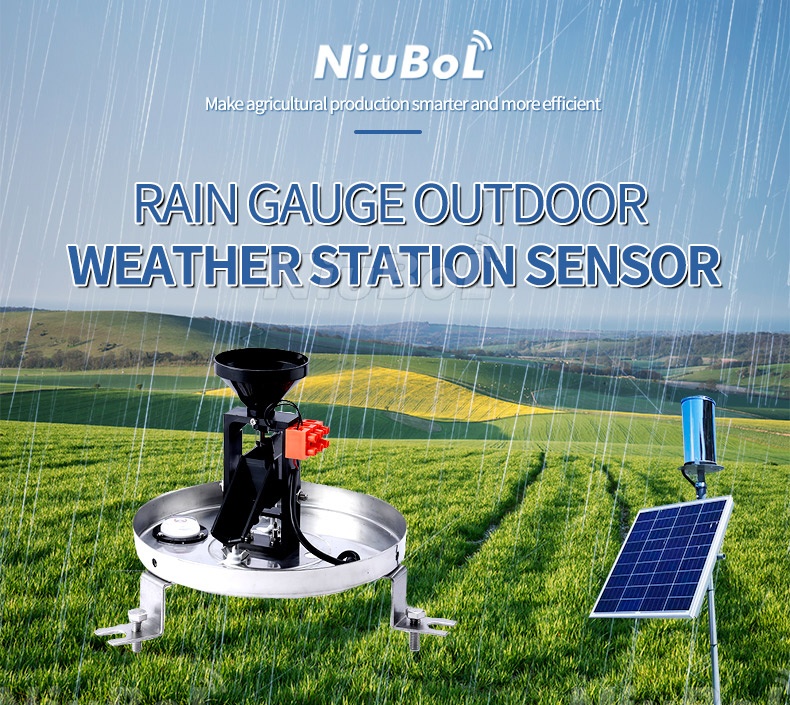
Precipitation is a “double-edged sword.” Moderate rainfall can alleviate drought and replenish reservoir storage; but extreme heavy precipitation is a direct cause of secondary disasters such as landslides, debris flows, and urban waterlogging.
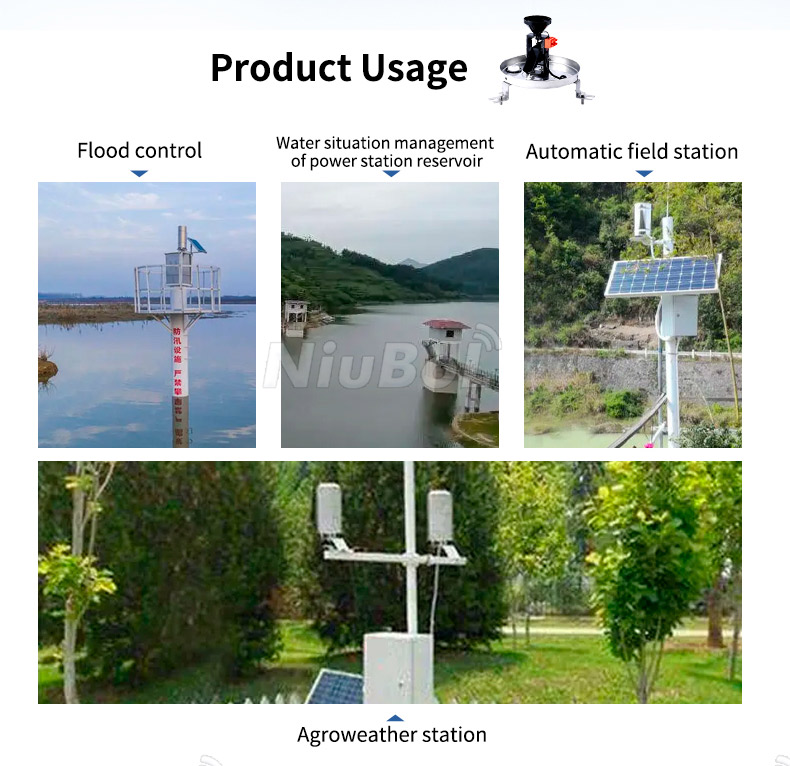
1. Geological Disaster Early Warning: In mountainous areas, high-density rainfall monitoring stations can capture changes in rainfall intensity in real time. When rainfall reaches the warning threshold, the system can provide evacuation basis for landslide risk areas in advance.
2. Smart City Waterlogging Prevention: Targeting the carrying pressure of urban drainage systems, rainfall stations can provide real-time rainfall information for municipal departments to scientifically dispatch drainage facilities and avoid serious flooding disasters like those in Henan and Shanxi from causing huge losses again.
3. Precision Agricultural Scheduling: Excessive rainfall will deteriorate soil aeration, affecting root respiration and crop pollination. The online monitoring system can help managers accurately grasp the farmland water environment and guide drainage and irrigation operations.
4. Water Conservancy and Transportation Guarantee: Provide original precipitation parameters for reservoir scheduling, power station hydrological management, airport and highway operations to ensure traffic safety and efficient utilization of water resources.
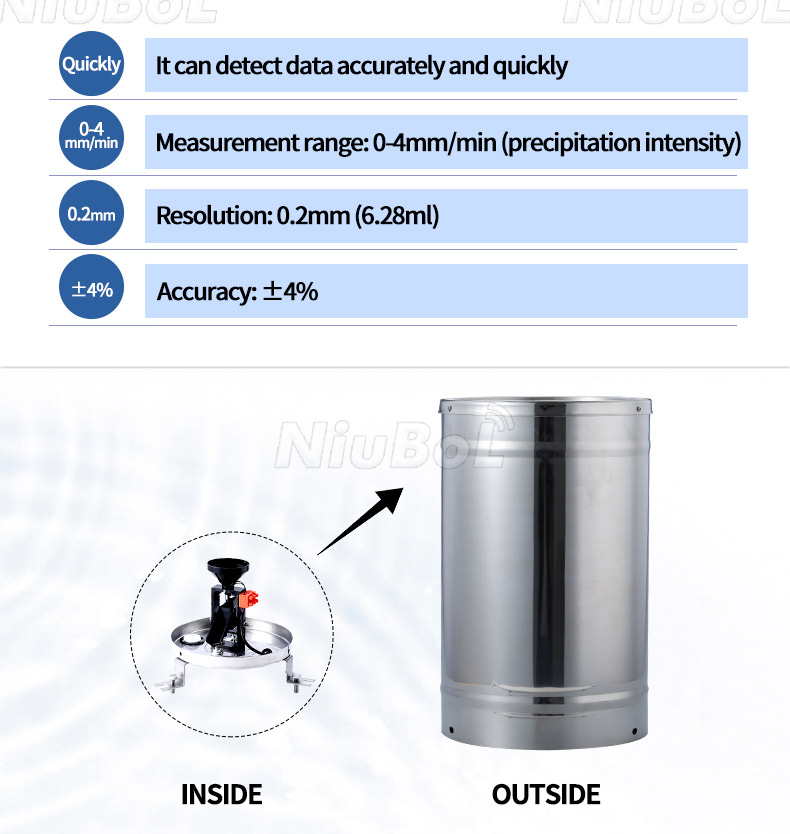
The tipping bucket rainfall sensor is the core sensing unit of the system. Its design strictly follows national hydrological reporting specifications such as GB11832-89 and SL61-2003. Its working principle is that precipitation enters the funnel through the water inlet and is injected into the tipping bucket. When the tipping bucket is filled with a specific amount of water (such as 0.2mm/0.1mm precipitation), it flips and outputs a switch pulse signal.
| Parameter Item | Technical Specifications & Indicators | Remarks |
|---|---|---|
| Water Inlet Diameter | Φ200 ± 0.6mm | Standard hydrological specification |
| Measurement Range | 0 - 4mm/min (rainfall intensity) | Covers extreme heavy rainfall monitoring |
| Resolution | 0.2mm (equivalent to 6.28ml water volume) | Meets precision meteorological observation requirements |
| Accuracy | ±4% (static test at rainfall intensity of 2mm/min) | High linearity response |
| Signal Output Form | Switch signal / RS485 / 4-20mA / 0-5V | Compatible with mainstream PLC and collectors |
| Power Supply Method | DC 5V / DC 12V-24V | Flexible adaptation to various system architectures |
| Operating Ambient Temperature | 0°C to 50°C | Designed for liquid precipitation measurement |
| Shell Material | Industrial-grade weather-resistant material | UV-resistant and corrosion-resistant |
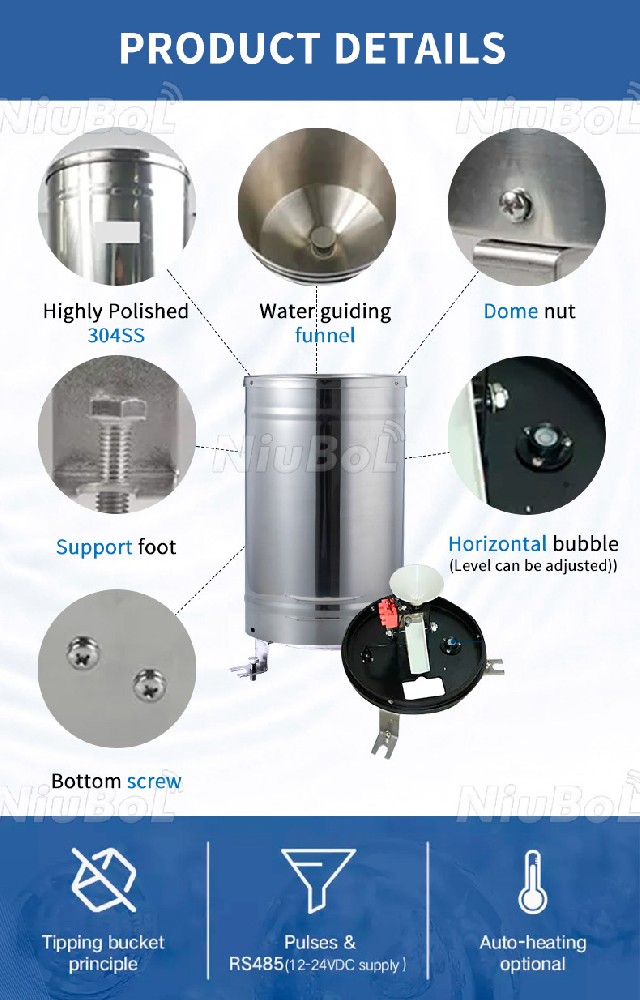
What NiuBoL provides to integrators is not only sensors but a complete end-to-end monitoring solution.
1. Data Collection and Transmission Layer
The rainfall monitoring station integrates a data transmission device and collector. Through 4G wireless communication, the device can automatically report key indicators such as rainfall status, single rainfall amount, daily/weekly/monthly/annual rainfall to the cloud platform 24 hours a day.
2. Power Supply Guarantee System
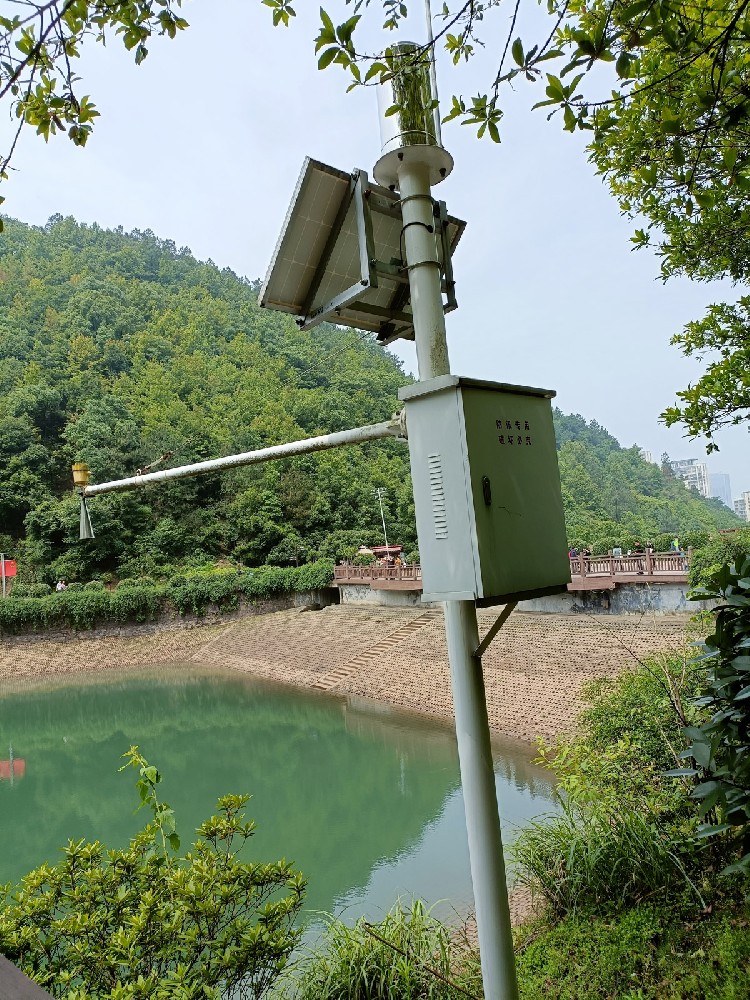
Considering that most rainfall stations are deployed in field and remote areas, the system adopts a solar panel + battery combination power supply mode. Efficient MPPT charging logic ensures the device can maintain long-term online operation even in continuous rainy weather, truly achieving unattended operation.
3. IoT Cloud Platform
Users can log in to the cloud platform anytime and anywhere via PC or mobile terminal to “view rainfall without leaving home.” The platform supports:
Remote parameter configuration: Adjust reporting interval, data clearing, etc.
Multi-dimensional data analysis: Automatically generate daily and monthly reports and support one-click export to Excel for later hydrological modeling.
Integrators can use multi-parameter fusion to provide customers with a complete closed-loop for “mountain flood disaster prevention” or “irrigation scheduling.”
Mountain Flood Early Warning Based on Rainfall-Runoff Model:
NiuBoL rainfall monitoring stations not only provide rainfall data but also serve as the “trigger source” of smart water conservancy systems:
Rainfall-Water Level Linkage: The system can integrate NiuBoL ultrasonic water level gauges and calculate the correlation model of “rainfall – confluence time – water level rise height” to predict downstream flood risk 30-60 minutes in advance.
Irrigation Surplus and Deficit Analysis: In agricultural projects, the system combines measured rainfall with soil moisture data (VWC) to automatically calculate “effective rainfall.” If natural rainfall has reached the crop root saturation point, the system will automatically lock the irrigation valve to achieve true water saving and efficiency improvement.
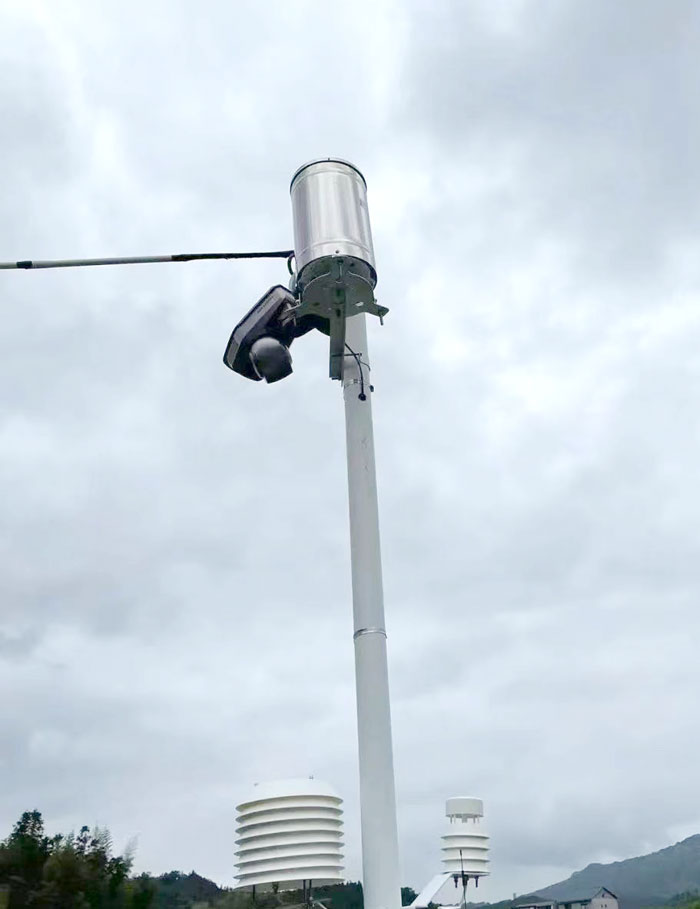
As a manufacturer, NiuBoL emphasizes that “30% is the equipment, 70% is the installation.” Standardized engineering implementation is the prerequisite for ensuring data authenticity.
Key Steps for Tipping Bucket Rain Gauge Installation
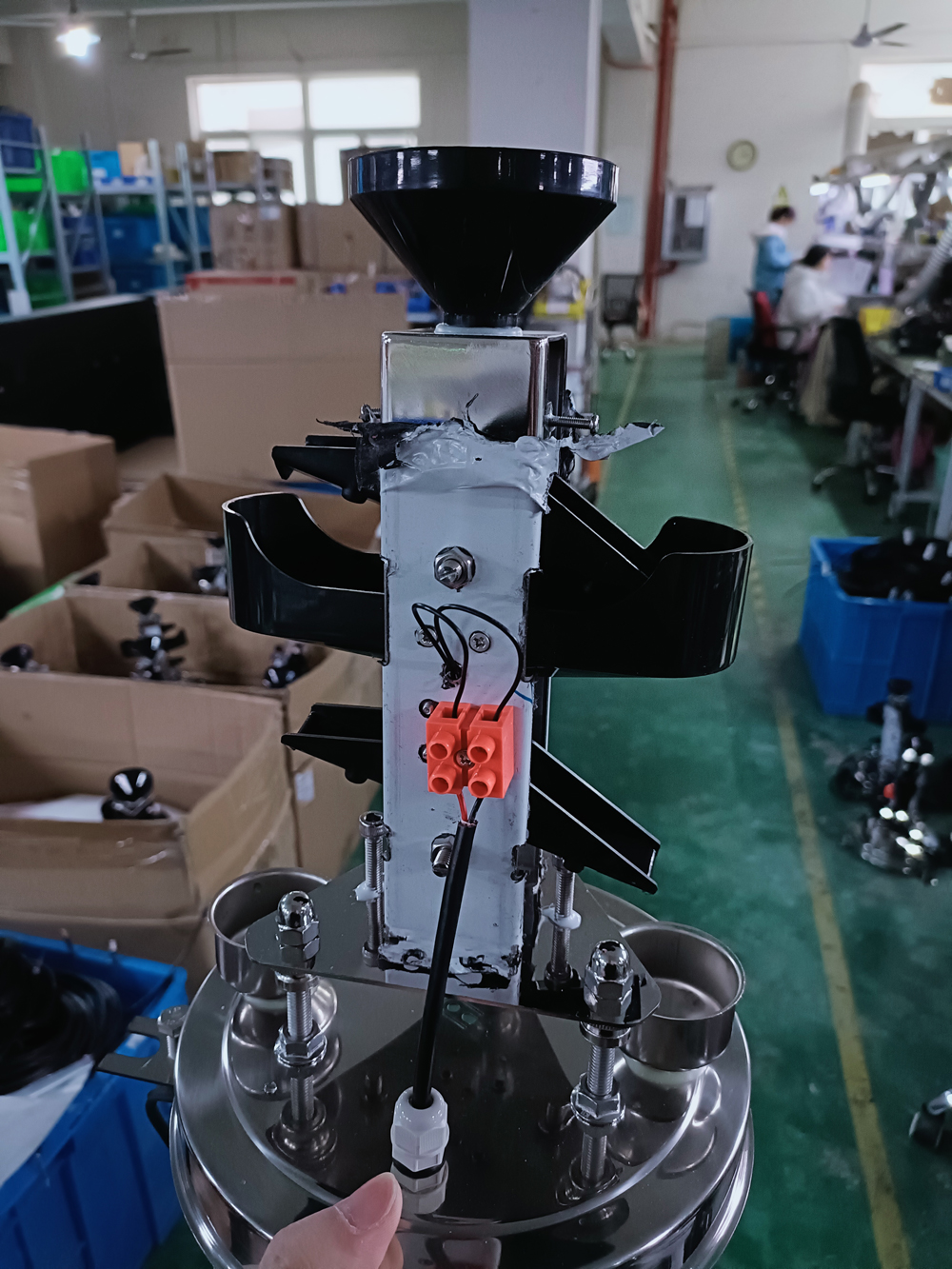
Horizontal Adjustment: Use the level bubble on the sensor base and adjust the three-point balance screws. If the level bubble does not stay in the center of the circle, the balance of the tipping bucket flip will be affected, resulting in measurement error.
Base Fixing: Fix with M8 expansion screws on the roof or self-made iron column flange.
Calibration Verification: After installation, cut the nylon tie inside the funnel. It is recommended to inject a quantitative amount of water (60-70mm) for dynamic simulation and observe whether the data received by the platform matches.
Operation and Maintenance Precautions for NiuBoL Tipping Bucket Rainfall Sensor
Regular Cleaning: The funnel and filter are easily blocked by leaves, sediment, or insects. It is recommended to conduct an inspection every quarter to ensure the water inlet channel is unobstructed.
Tipping Bucket Maintenance: Do not wipe the inner wall of the tipping bucket with fingers to avoid oil stains changing the hydrophilicity of the tipping bucket or scratching the coating. If there is dirt, rinse with alcohol.
Seasonal Management: In northern severe cold and freezing seasons, since the device measures liquid precipitation, it is recommended to stop use and move indoors to prevent ice expansion from damaging the tipping bucket mechanism.
Q1. Can the tipping bucket rain gauge measure snow?
Standard tipping bucket rain gauges are designed for liquid precipitation measurement. For snow depth or snowfall measurement, it is necessary to select a rain gauge with a heating device or a laser snow depth monitoring device.
Q2. What does the “switch signal” output by the sensor mean?
Each time the tipping bucket flips, the reed switch closes and opens once, forming a pulse. The data collector calculates the total rainfall by accumulating the number of pulses.
Q3. Why is my device reading significantly smaller than the actual rainfall?
First check whether the funnel filter is blocked, causing rainwater to overflow; secondly, check whether the tie inside the tipping bucket has not been cut or if there is foreign matter causing flipping obstruction.
Q4. Can 4G remote transmission be used in remote mountainous areas with weak signals?
NiuBoL collectors integrate high-gain antennas. If the on-site signal is extremely poor, consult our engineers to use LoRa expansion modules.
Q5. Does this device support access to government flood prevention platforms?
Yes. We provide standard RS485 (Modbus-RTU) protocol and JSON format interfaces. Integrators can easily push data to large screens at all levels of flood prevention command centers.
Q6. What does the rainfall intensity range of 0-4mm/min mean?
This means the sensor can accurately record the dynamic process from light rain to extreme heavy rain (extraordinary heavy rain level).
Q7. What are the requirements for the ground when installing the base?
It is recommended to choose a solid horizontal cement ground or a stable column. Avoid installation on structures that are prone to shaking, as vibration may cause false flipping of the tipping bucket and generate false data.
Q8. What is the maintenance cycle of the rainfall monitoring station?
It depends on the environment. In dusty or forested areas, inspection is recommended every 3 months; in general environments, cleaning the funnel once every six months is sufficient.
Q9. Why does the tipping bucket rain gauge not count during light rain (<0.2mm)?
This is determined by the structural characteristics of the tipping bucket type. Rainfall must accumulate to 0.2mm to trigger flipping. For scientific research projects that need to monitor trace rainfall, it is recommended to use it together with NiuBoL’s optical rain gauge.
Q10. Is the 4G remote transmission data secure? Will it be illegally intercepted?
NiuBoL collectors support data encryption transmission and specific private protocol docking. Integrators can configure fixed target IP and ports to ensure data is only uploaded to authorized government or enterprise cloud platforms.
Q11. How to determine if the tipping bucket is severely worn?
The tipping bucket bearing adopts a low-friction design with a normal lifespan of up to one million flips. If manual flipping feels obviously dry, it is recommended to clean the bearing or replace the precision bearing assembly to maintain the precise 0.2mm flipping weight.
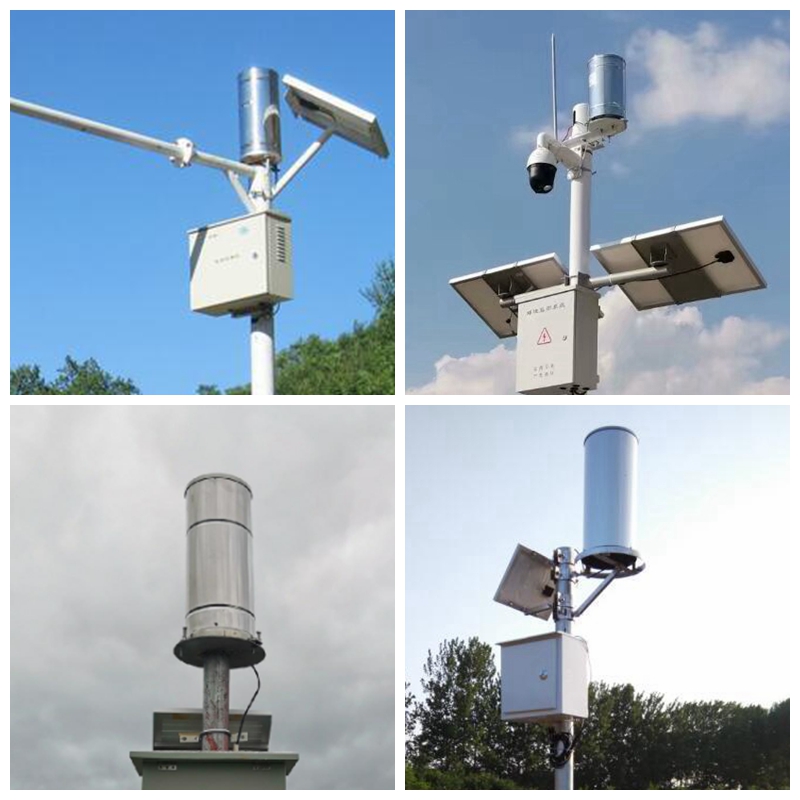
From historical empirical measurement to today’s digital online monitoring, rainfall observation has become an indispensable part of modern smart cities and water-saving agriculture. The NiuBoL rainfall online monitoring system is providing solid data empowerment for system integrators around the world with its industrial-grade sensing accuracy, robust wireless transmission, and complete software ecosystem.
As a manufacturer, we deeply cultivate the underlying hardware of environmental monitoring and are committed to helping partners build smarter disaster prevention systems through high cost-performance and easy-to-integrate product matrices. If you are preparing a water conservancy flood prevention or smart farmland project, please contact the NiuBoL engineering team to obtain detailed technical specification books and integration manuals.
 NBL-W-ARS-Tipping-bucket-rain-gauge-instruction-manual.pdf
NBL-W-RS-Rain-sensors-instruction-manual-V4.0.pdf
NBL-W-PRS-Piezoelectric-Rain-Sensor-Operator's-Manual.pdf
NBL-W-DRS-Double-Tipping-Bucket-Rain-Sensor-Instruction-Manual.pdf
Related recommendations
Sensors & Weather Stations Catalog
Agriculture Sensors and Weather Stations Catalog-NiuBoL.pdf
Weather Stations Catalog-NiuBoL.pdf
Agriculture Sensors Catalog-NiuBoL.pdf
Water Quality Sensor Catalog-NiuBoL.pdf
Related products
 Combined air temperature and relative humidity sensor
 TDR Soil Moisture & Temperature Sensor for irrigation| RS485 |4-20mA| NBL-S-THR
 Soil pH sensor RS485 soil Testing instrument soil ph meter for agriculture |NBL-S-PH
 Wind Speed sensor Output Modbus/RS485/Analog/0-5V/4-20mA
 Tipping bucket rain gauge for weather monitoring auto rainfall sensor RS485/Outdoor/stainless steel
 Pyranometer Solar Radiation Sensor 4-20mA/RS485

Screenshot, WhatsApp to identify the QR code
WhatsApp number:+8615367865107
(Click on WhatsApp to copy and add friends)

