





— Blogs —
—Products—
 Consumer hotline +8618073152920
 WhatsApp:+8615367865107
Address:Room 102, District D, Houhu Industrial Park, Yuelu District, Changsha City, Hunan Province, China
Product knowledge
Time:2026-05-15 11:15:56 Popularity:363
Residual chlorine is a key parameter for evaluating the effectiveness of chlorine disinfection. It refers to the total amount of effective chlorine remaining after water reacts with chlorine (calculated as HClO). In projects such as drinking water production, swimming pool water treatment, industrial circulating cooling water systems, and hospital sewage disinfection, residual chlorine concentration must be strictly controlled within a reasonable range.
Too low residual chlorine cannot maintain continuous bactericidal ability, while too high will produce odor, generate chlorinated disinfection by-products (such as chloroform), and increase equipment corrosion risk. Different industries have significantly different requirements for residual chlorine indicators:
Domestic drinking water: Free residual chlorine in factory water ≥0.3mg/L, terminal of pipe network ≥0.05mg/L.
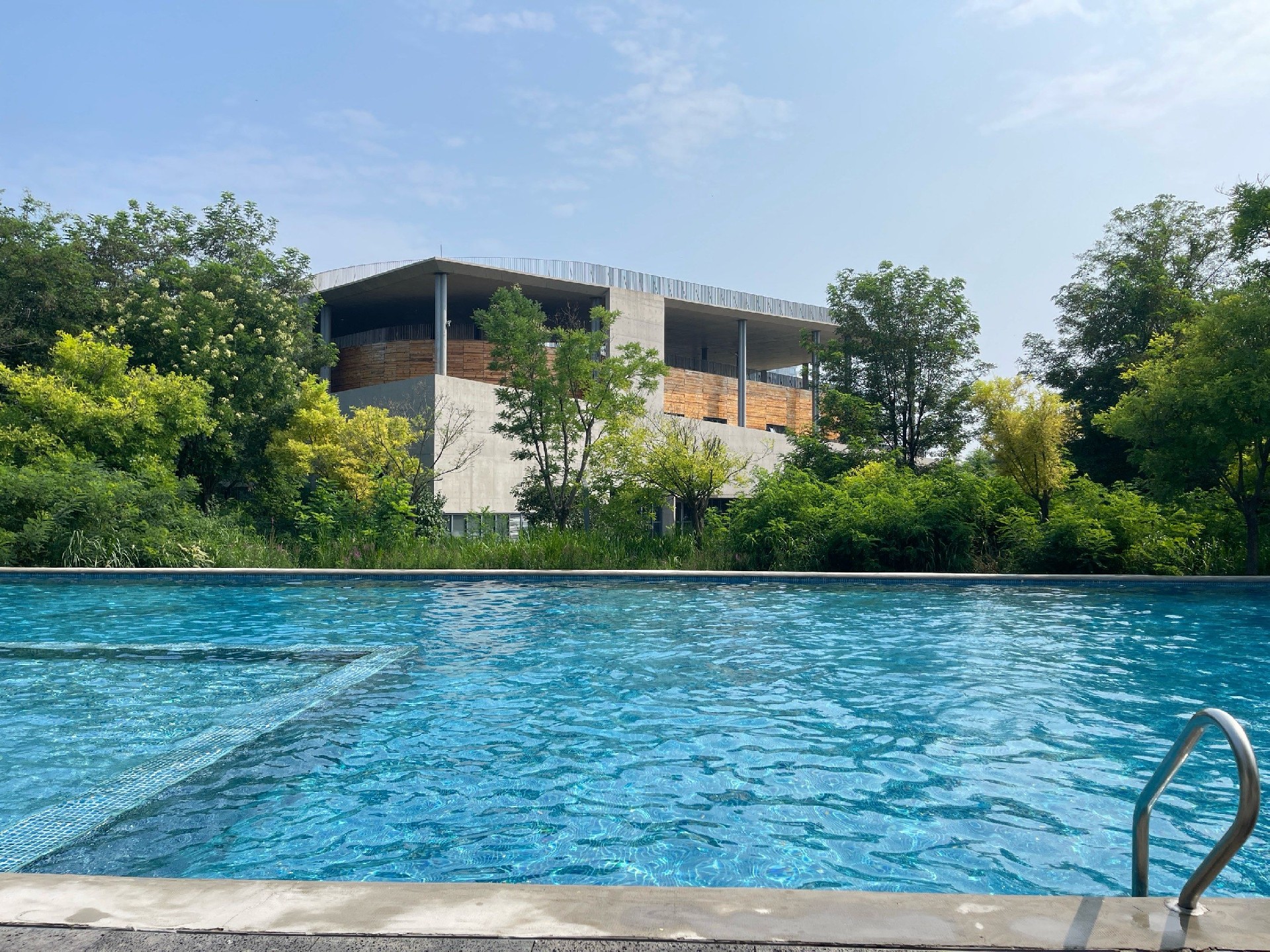
Swimming pools: Free residual chlorine 0.3-0.5mg/L.
Industrial circulating cooling water: 0.03-2.5mg/L.
Hospital sewage: Comprehensive hospital after disinfection total residual chlorine 3-5mg/L, infectious disease hospital 6-7mg/L.
Traditional laboratory colorimetric or titration methods have hysteresis and cannot meet the needs of continuous dosing control and discharge supervision. When building water treatment automation systems, system integrators need an online residual chlorine sensor with fast response, high stability, and standardized communication to achieve precise chlorination control, process trend analysis, and over-limit alarm linkage. The NBL-WQ-CL sensor directly measures HClO concentration through the constant voltage method, providing engineered monitoring solutions for water treatment projects in different industries.
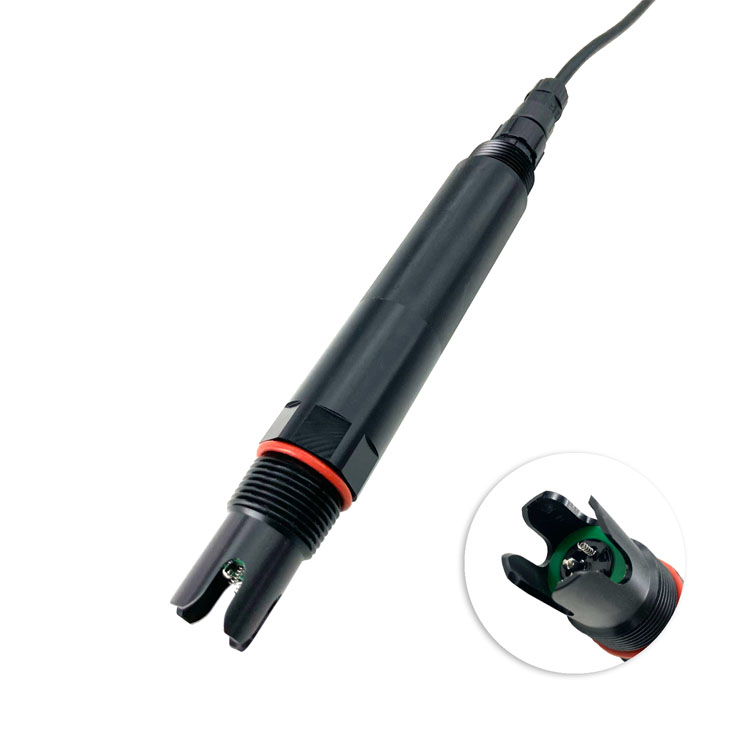
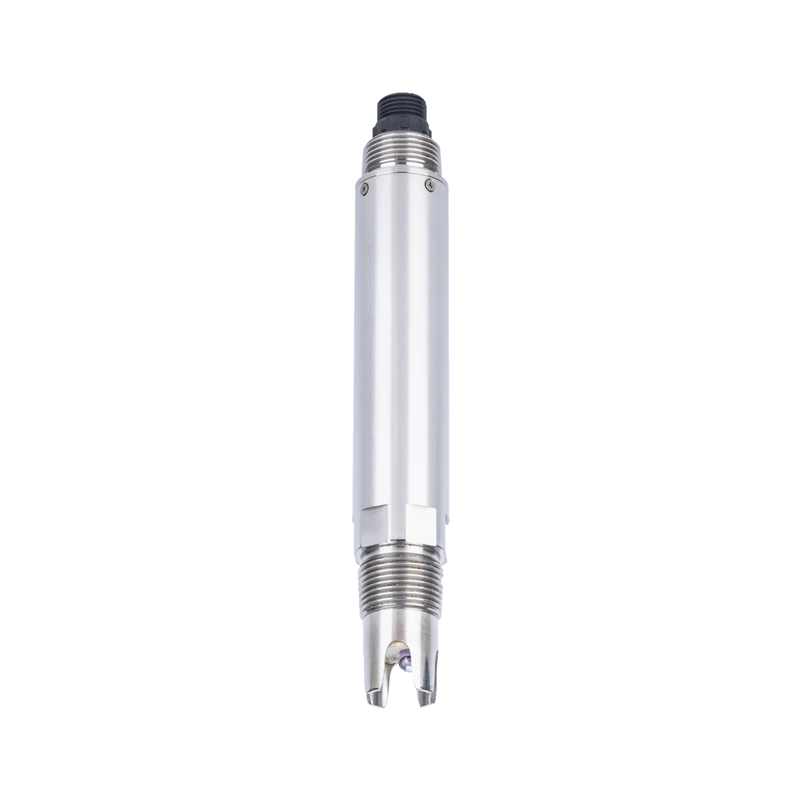
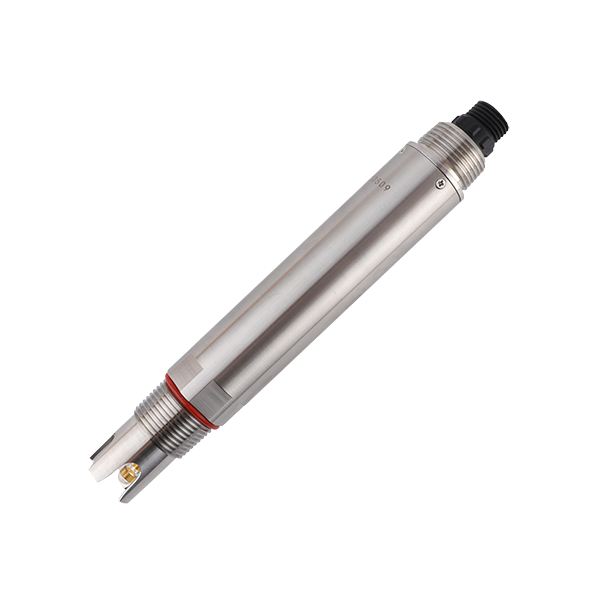
The NBL-WQ-CL online residual chlorine sensor, as the core sensing device for water quality disinfection process monitoring, is usually installed at the contact tank outlet after the chlorination point, key monitoring points of the pipe network, circulating water return pipelines, or disinfection units before sewage discharge. It forms a closed-loop control architecture with PLC, DCS, dosing pumps, and SCADA systems. Real-time residual chlorine data can directly participate in chlorination volume PID regulation, flow linkage control, or alarm interlock, ensuring disinfection effect while avoiding chemical waste and excessive by-products.
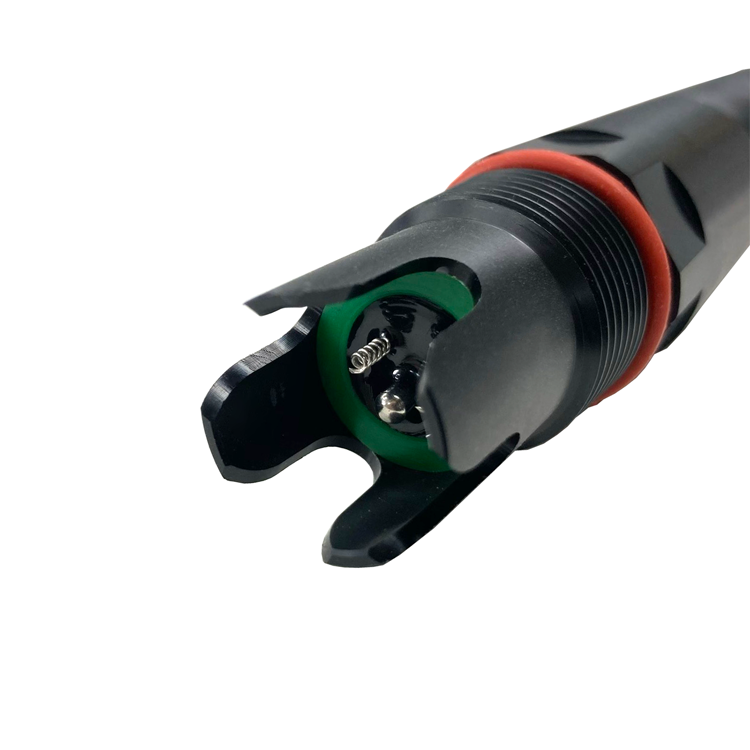
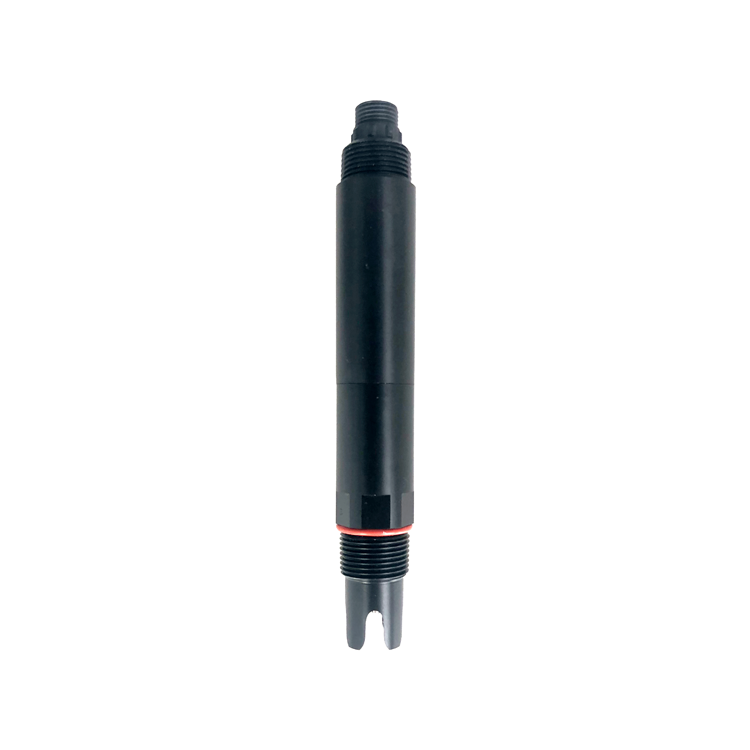
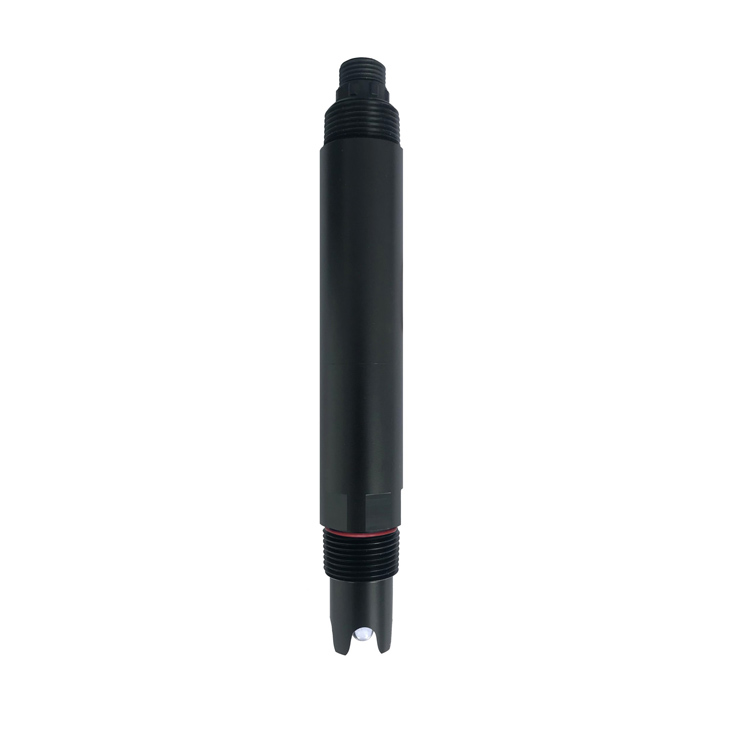
The sensor adopts flow cell installation, IP68 protection rating, and shell material ABS/PC alloy with good water resistance and mechanical strength.
The sensor comes standard with an RS-485 interface and adopts the Modbus RTU protocol, supporting direct connection with industrial automation systems:
Compatible with mainstream PLCs such as Siemens, Schneider, and Omron.
Supports various IoT gateways, RTUs, and upper-level monitoring software.
Optional 4-20mA analog output to meet different control system interface requirements.
Supports multi-parameter networking (residual chlorine, pH, turbidity, dissolved oxygen, etc.), reducing wiring costs with a single bus and improving system scalability.
The standardized Modbus RTU protocol ensures stable data transmission and strong anti-interference ability, significantly shortening the system integration cycle and on-site debugging time.
| Parameter | Specification |
|---|---|
| Model | NBL-WQ-CL |
| Shell Material | ABS/PC alloy |
| Measurement Principle | Constant voltage method |
| Range | 0~2.000 mg/L (HClO); 0~20.00 mg/L (HClO) |
| Resolution | 0.001 mg/L; 0.01 mg/L |
| Accuracy | 0~2.000 mg/L: ±5% of reading, ±0.3℃ 0~20.00 mg/L: ±0.05 of reading, ±0.3℃ |
| Response Time (T90) | <90s |
| Minimum Detection Limit | 0.05mg/L |
| Calibration Method | Two-point calibration |
| Temperature Compensation | Automatic temperature compensation (Pt1000) |
| Output Mode | RS-485 (Modbus RTU), 4-20mA (optional) |
| Power Supply | 12~24VDC |
| Power Consumption | 0.2W@12V |
| Working Conditions | 5~50℃, ≤0.2MPa, pH 4~9 |
| Storage Temperature | -5~65℃ |
| Protection Rating | IP68 |
| Installation Method | Flow cell installation, 3/4NPT |
| Cable Length | 5 meters (customizable) |
1. Municipal Drinking Water Treatment and Pipe Network Monitoring: Installed at the contact tank outlet of water plants and key monitoring points of the pipe network to control factory water and terminal residual chlorine concentration in real time, ensuring disinfection effect and reducing the risk of trihalomethane formation.
2. Swimming Pool and Recreational Water Quality Management: Continuous monitoring of free residual chlorine in swimming pool circulating water systems, linked with dosing systems to maintain the 0.3-0.5mg/L range and meet hygiene standard requirements.
3. Industrial Circulating Cooling Water and Hospital Sewage Disinfection: Suitable for power plants, chemical circulating cooling water systems, and medical institution wastewater treatment stations to accurately control residual chlorine dosing, achieving corrosion control and compliant discharge.
Accuracy Selection: For low-concentration scenarios such as drinking water and swimming pools, the 0~2.000 mg/L range is recommended. The 0.001mg/L resolution can meet fine control requirements; for hospital sewage or high residual chlorine applications, select the 0~20.00 mg/L range. Accuracy indicators are suitable for engineering process control, and regular calibration can maintain long-term accuracy.
Communication Method Selection: Prioritize the RS-485 Modbus RTU version for easy PLC integration and remote monitoring; analog systems can choose the optional 4-20mA model.
Installation Environment Selection: Use a dedicated flow cell for installation. It is recommended to control the flow rate at 30-60L/h, with the sensor measuring end close to the inlet to avoid facing the outlet directly. Working temperature 5~50℃ and pH 4~9 cover most water treatment scenarios.
Power Supply Selection: 12~24VDC wide voltage input. Low power consumption design supports solar-powered or distributed monitoring station deployment.
New sensors or those out of use for a long time need to be activated by soaking in tap water for 24 hours.
Ensure good sealing of the flow cell during installation and maintain stable flow velocity to avoid bubble interference in measurement.
RS-485 bus wiring is recommended to use shielded twisted pair cables with correct grounding and unique device addresses.
Perform two-point calibration regularly: zero point (chlorine-free water) and slope (1-2mg/L standard solution).
Apply waterproof treatment to wiring points and ensure cables have anti-corrosion capability.
Data collection cycle is recommended to be 30 seconds to 2 minutes, adjusted according to dosing control requirements.
When linking with pH and temperature sensors, unify the calibration cycle and time synchronization.
Technical Questions
Q1: Does the sensor measure free residual chlorine or total residual chlorine?
It mainly measures free residual chlorine (HClO), suitable for occasions requiring precise control of disinfection effect.
Q2: How is the constant voltage method affected by pH and temperature?
It has built-in Pt1000 automatic temperature compensation. The working pH range is 4~9. It is recommended to monitor pH simultaneously to optimize measurement accuracy.
Q3: Can the response time meet dosing linkage control requirements?
T90 <90s, which can respond to concentration changes in time and meet most process control requirements.
Selection Questions
Q1: Which range is commonly used in drinking water plants?
The 0~2.000 mg/L range can cover conventional requirements for factory water and pipe network monitoring.
Q2: What are the flow rate requirements for flow cell installation?
It is recommended to control it at 30-60L/h to ensure the measuring part contacts stable water flow.
Q3: How does the IP68 protection rating perform in actual water treatment engineering?
It is suitable for long-term immersion or flow installation environments. With standard maintenance, stable operation can be achieved.
Procurement/Project Questions
Q1: Does the cable length and output mode support customization?
Yes. Lengths beyond 5 meters and 4-20mA output options are supported. Please specify project requirements when ordering.
Q2: What technical support can be obtained for bulk project applications?
Communication protocol documents, PLC integration examples, flow cell installation guidance, and on-site debugging support can be provided.
Different industries have clear control indicators for residual chlorine concentration. Precise and continuous residual chlorine monitoring is the key to ensuring disinfection effect, reducing by-product risks, and meeting regulatory requirements. System integrators and engineering contractors need to choose online monitoring equipment with strong compatibility and good stability in water treatment projects.
NiuBoL NBL-WQ-CL online residual chlorine sensor combines the constant voltage method with industrial-grade design, providing support for engineering applications in terms of protocol compatibility, installation convenience, and data reliability. Through real-time data collection, chlorination control accuracy can be significantly improved, operating costs reduced, and water quality safety ensured.
In the project planning stage, it is recommended to conduct on-site verification and selection based on specific industry standards, water quality characteristics, existing automation systems, and installation conditions to ensure the monitoring system delivers stable engineering value throughout its entire lifecycle.
 NBL-WQ-CL Water Quality Sensor Online Residual Chlorine Sensor.pdf
NBL-WQ-CL-4A Industrial-grade Online Residual Chlorine Sensor.pdf
NBL-WQ-CL-4S Series Online Water quality Residual Chlorine Sensor.pdf
Prev:BOD5 Determination Methods and Application of Online BOD Sensors in Wastewater Treatment Engineering
Related recommendations
Sensors & Weather Stations Catalog
Agriculture Sensors and Weather Stations Catalog-NiuBoL.pdf
Weather Stations Catalog-NiuBoL.pdf
Agriculture Sensors Catalog-NiuBoL.pdf
Water Quality Sensor Catalog-NiuBoL.pdf
Related products
 Combined air temperature and relative humidity sensor
 TDR Soil Moisture & Temperature Sensor for irrigation| RS485 |4-20mA| NBL-S-THR
 Soil pH sensor RS485 soil Testing instrument soil ph meter for agriculture |NBL-S-PH
 Wind Speed sensor Output Modbus/RS485/Analog/0-5V/4-20mA
 Tipping bucket rain gauge for weather monitoring auto rainfall sensor RS485/Outdoor/stainless steel
 Pyranometer Solar Radiation Sensor 4-20mA/RS485

Screenshot, WhatsApp to identify the QR code
WhatsApp number:+8615367865107
(Click on WhatsApp to copy and add friends)

