





— Blogs —
—Products—
 Consumer hotline +8618073152920
 WhatsApp:+8615367865107
Address:Room 102, District D, Houhu Industrial Park, Yuelu District, Changsha City, Hunan Province, China
Product knowledge
Time:2026-04-07 20:25:08 Popularity:434
Understanding the causes of atmospheric pollution is the foundation for building a monitoring system. In large-scale project planning, pollution sources are usually divided into natural sources and anthropogenic sources, with anthropogenic sources being the top priority for monitoring and control.
Although natural sources are uncontrollable, they are crucial in regional baseline value calculations:
Volcanoes and geological activities: release large amounts of sulfur dioxide (SO₂), hydrogen sulfide (H₂S) and volcanic ash particles.
Forest fires and biomass energy: produce high concentrations of carbon oxides (CO/CO₂) and hydrocarbons.
Natural dust and sea salt aerosols: wind-blown sand, soil dust and sea spray formed particles that affect atmospheric visibility.
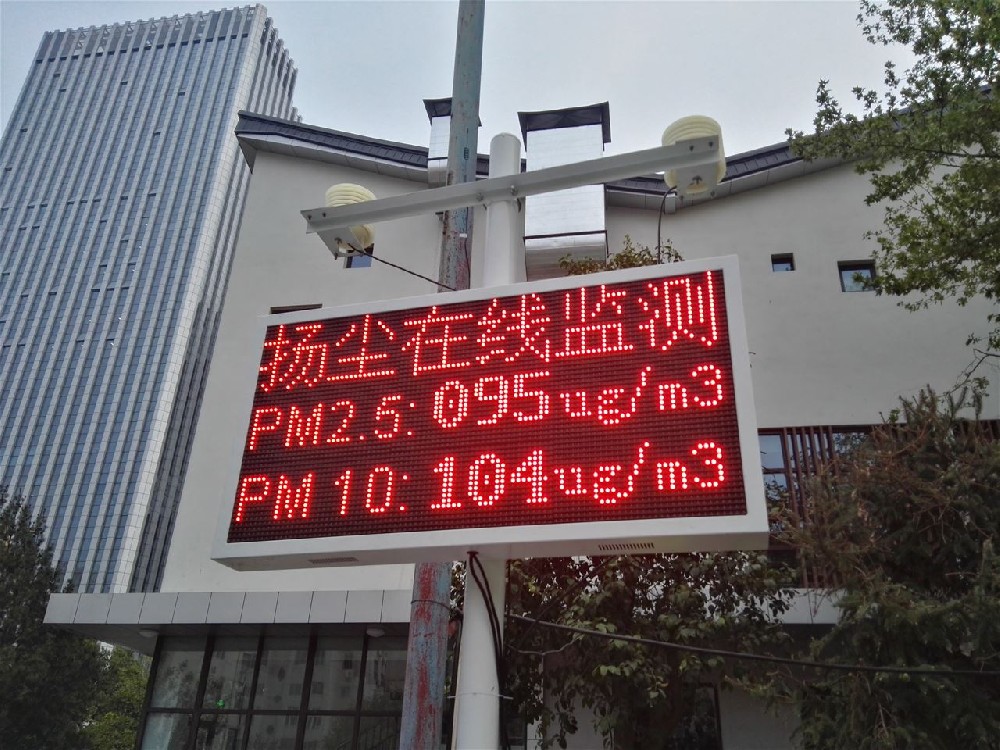
As the focus of dust monitoring project delivery, the following four types of anthropogenic emission sources constitute the main targets of environmental monitoring:
Fuel combustion processes: power facilities and heating boilers produce smoke, nitrogen oxides (NOx) and sulfur oxides through burning coal, natural gas and petroleum.
Industrial production processes: various acid gases, heavy metal smoke and volatile organic compounds (VOCs) emitted by petrochemical, smelting, cement and chemical plants in specific process links. Their pollutant composition shows high industry relevance.
Transportation emissions: ports, logistics parks, airports and other transportation hubs face severe internal combustion engine exhaust challenges, involving carbon monoxide (CO), hydrocarbons (HC) and lead compounds.
Agricultural and operational dust: pesticide drift, straw burning and the most prominent construction/demolition site dust, the latter being the main contributor to PM10 and TSP (total suspended particulate matter).
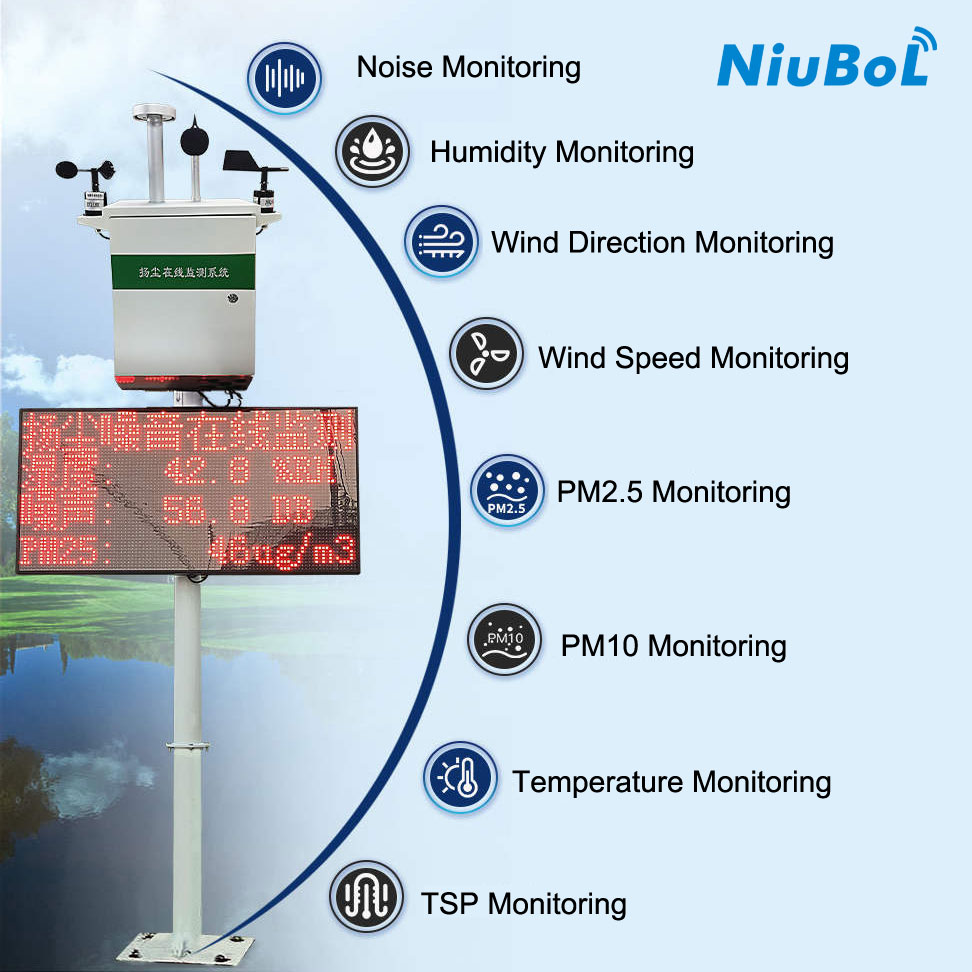
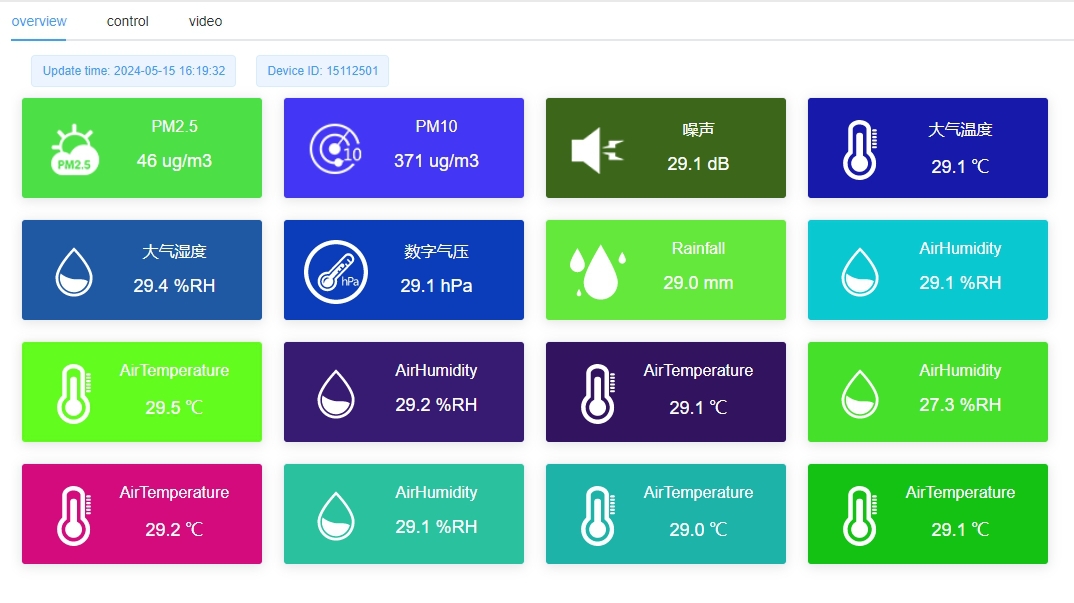
To cope with complex and changeable outdoor working conditions, NiuBoL has developed a modular and highly integrated monitoring system. This system is not only a data collection end but also a trigger source for intelligent decision-making.
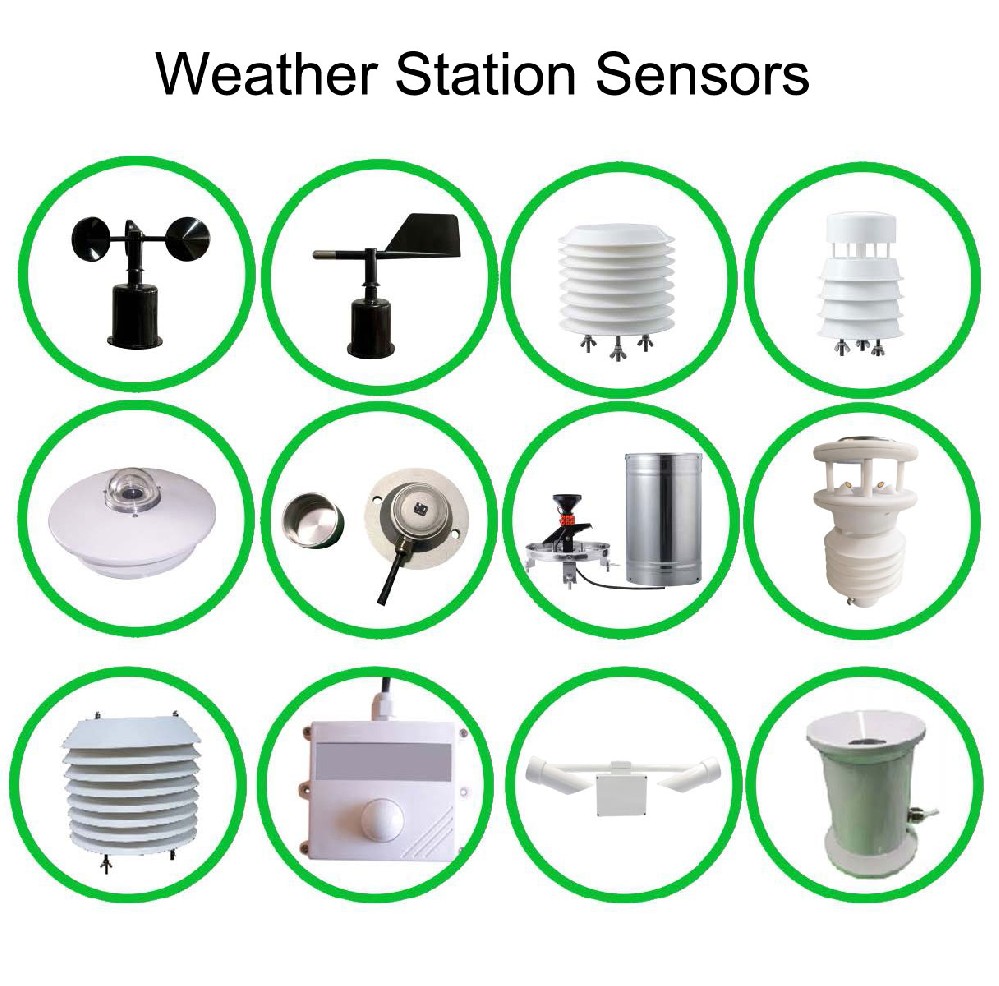
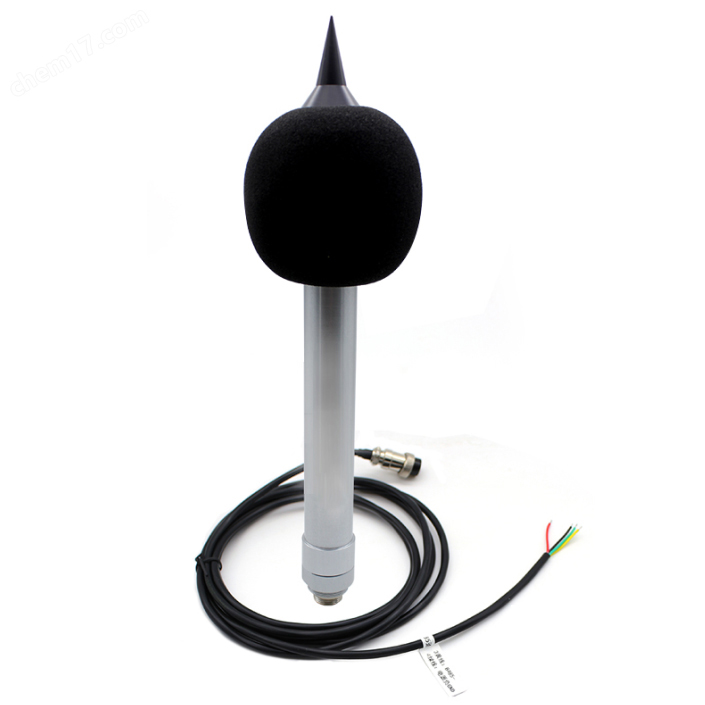
Front-end perception layer: integrates high-precision laser dust sensors, electrochemical gas modules and high-sensitivity noise monitoring heads.
Data acquisition and processing layer: industrial-grade collectors are responsible for data desensitization, protocol conversion and local storage.
Communication layer: supports multiple industrial communication protocols to ensure real-time data return across regions.
Management platform layer: provides API interfaces for integrators to perform secondary development or access government management platforms.
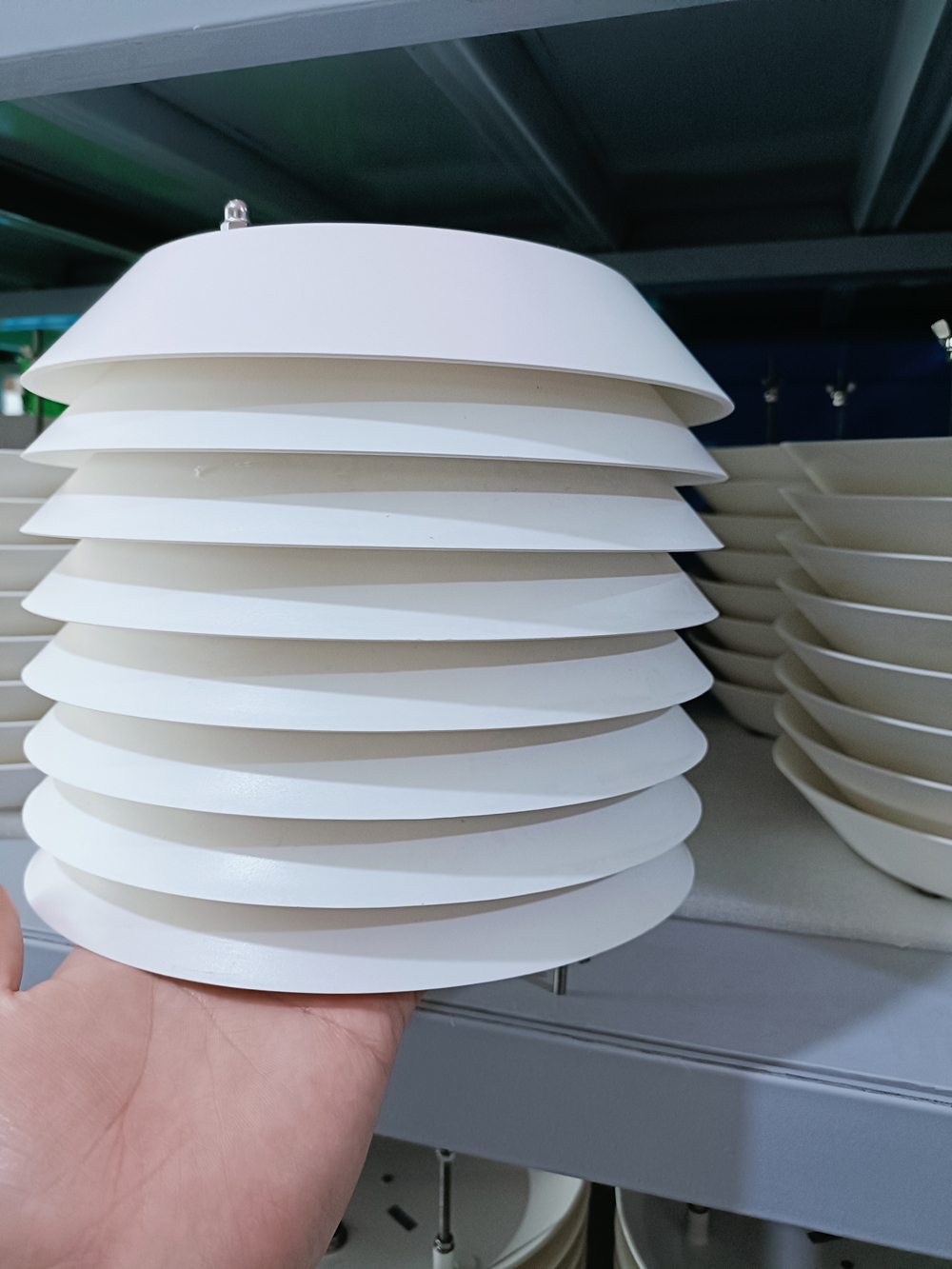
For engineering bidding and system selection, the following table lists the core technical indicators of the system:
| Monitoring Indicator | Measurement Principle | Measurement Range | Resolution | Accuracy |
|---|---|---|---|---|
| PM2.5 / PM10 | Laser scattering principle | 0-1000 μg/m³ | 1 μg/m³ | ±10% |
| TSP | Laser scattering principle | 0-20 mg/m³ | 0.01 mg/m³ | ±10% |
| Environmental Noise | Electret capacitive | 30-130 dB | 0.1 dB | ±0.5 dB |
| Ambient Temperature | Semiconductor / platinum resistance | -40-80°C | 0.1°C | ±0.3°C |
| Ambient Humidity | Capacitive polymer | 0-100% RH | 0.1% RH | ±3% RH |
| Wind Speed | Ultrasonic or cup type | 0-60 m/s | 0.1 m/s | ±(0.3+0.03V) m/s |
| Wind Direction | Ultrasonic or mechanical | 0-360° | 1° | ±3° |
| Toxic and Harmful Gases (SO2/NO2/CO) | Electrochemical | Depends on specific module | 0.1 ppm | ±2-5% F.S. |
1. Smart Construction Sites and Demolition Supervision
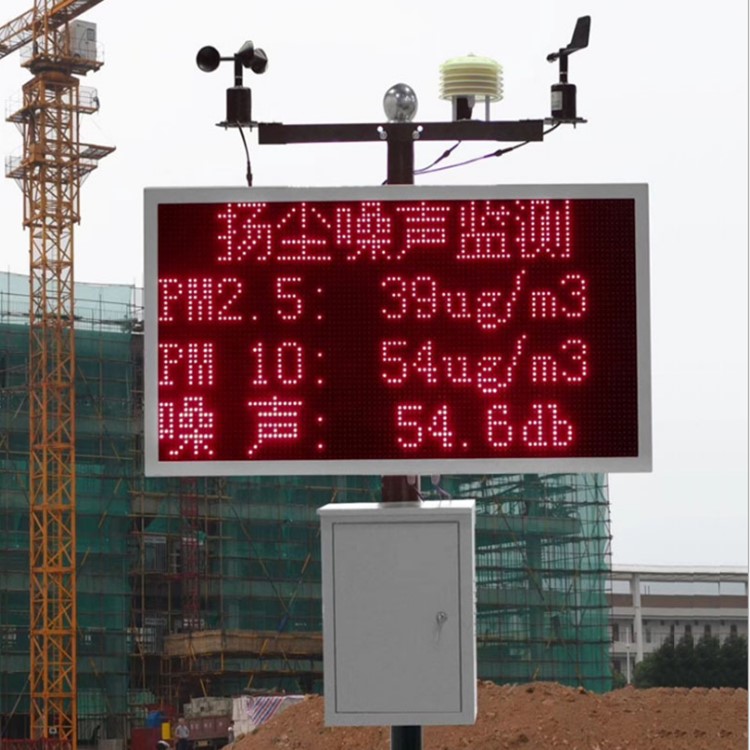
In construction projects, dust and noise are the focus of environmental protection supervision. The system can monitor PM10 concentration in real time and link with automatic spray and fog cannon systems on the site. Once the monitored value exceeds the preset threshold, the system automatically triggers governance equipment to achieve closed-loop management.
2. Industrial Parks and Mine Environmental Monitoring
For open-pit mines, stockpiles and chemical industrial parks, the system supports multi-point networking to monitor special suspended dust and volatile toxic gases in the air, ensuring operational safety and meeting regional environmental quality evaluation standards.
3. Urban Traffic and Community Environmental Evaluation
In high-sensitivity areas such as urban transportation hubs and residential communities, the system serves as a micro air quality station to provide refined grid monitoring data for urban management departments and support long-term trend analysis of PM2.5 and noise.
In the highly competitive IoT market, product power and technical support capabilities determine the profit margin of project contractors.
High cost-performance and independent R&D: NiuBoL owns independent intellectual property rights for core sensor technologies, eliminating intermediate links and providing extremely competitive procurement prices for integrators.
Open protocols and compatibility: Standard Modbus RTU protocol seamlessly connects to PLC, HMI and mainstream IoT platforms.
All-weather stability: Designed for outdoor extreme weather, sensors have automatic dust removal and temperature compensation functions, greatly reducing on-site maintenance frequency.
Multi-dimensional monitoring integration: Integrated monitoring of dust, meteorology, noise and video can be achieved at a single site, simplifying on-site wiring and construction complexity.
1. How does the system ensure the accuracy of laser dust sensors during long-term outdoor operation?
A: NiuBoL adopts the laser scattering measurement principle and has built-in compensation algorithms. In addition, the sensor air inlet is designed with filtering and heating dehumidification devices, which can effectively reduce the impact of environmental humidity on data and has automatic periodic calibration logic.
2. Does the system support linkage with on-site spray equipment?
A: Yes. The collector is equipped with multiple relay output interfaces. Users can set alarm thresholds on the management platform. When the monitored value exceeds the standard, the system can directly turn on fog cannons, spray and other governance facilities through hardware signals or cloud instructions.
3. For remote mining areas without fiber access, how is data returned?
A: The system comes standard with an industrial-grade full-network 4G/5G wireless communication module. Data can be uploaded to the cloud by simply inserting a data card. At the same time, the system supports local offline continuation function to ensure data integrity.
4. What is the data refresh frequency? Does it meet regulatory requirements?
A: The data sampling frequency can be customized according to needs, up to second level. Usually, we recommend setting 1-5 minutes as an upload cycle, which fully complies with national and local environmental protection departments' specifications for online monitoring systems.
5. Can API interfaces be provided for integration into our own smart platform?
A: Yes. We provide complete API interface documents and support multiple calling methods such as HTTP/MQTT. Integrators can easily obtain real-time data, historical records and alarm information.
6. Does the system have special requirements for the installation environment?
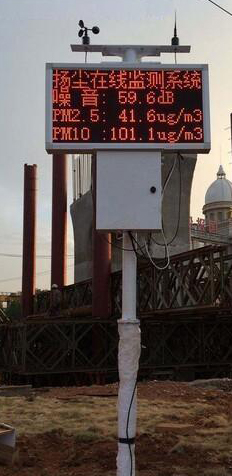
A: The system is designed for pole installation and has strong adaptability. It only needs to ensure power supply (or optional solar energy) and basic signal coverage. The IP65 protection level enables it to withstand heavy rain, strong winds and sandstorms.
7. Does NiuBoL provide OEM/ODM services?
A: As a manufacturer, we support brand customization services. For large-scale projects, we can customize sensor combinations, shell LOGO and data platform UI interfaces according to customer-specific needs.
8. What is the warranty period and later maintenance cost of the system?
A: We provide a standard one-year quality guarantee and support extended warranty services. Because the core sensors adopt a modular design, later maintenance only requires replacing the corresponding module without returning the whole machine to the factory, greatly saving operation and maintenance costs.
Effective protection of the atmospheric environment relies on precise and real-time data support. The NiuBoL dust monitoring system is not only a set of monitoring tools but also a powerful weapon for system integrators to establish competitive advantages in the fields of IoT and environmental protection engineering.
Through high-precision sensor technology, stable industrial-grade communication and flexible application linkage solutions, we are committed to working with global partners to build a smarter and cleaner industrial ecosystem. If you are looking for reliable atmospheric monitoring hardware solutions, NiuBoL is your preferred partner.
This article is provided by the NiuBoL technical team and aims to provide professional technical guidance and procurement reference for industry partners.
Related recommendations
Sensors & Weather Stations Catalog
 Agriculture Sensors and Weather Stations Catalog-NiuBoL.pdf
Weather Stations Catalog-NiuBoL.pdf
Agriculture Sensors Catalog-NiuBoL.pdf
Water Quality Sensor Catalog-NiuBoL.pdf
Related products
 Combined air temperature and relative humidity sensor
 TDR Soil Moisture & Temperature Sensor for irrigation| RS485 |4-20mA| NBL-S-THR
 Soil pH sensor RS485 soil Testing instrument soil ph meter for agriculture |NBL-S-PH
 Wind Speed sensor Output Modbus/RS485/Analog/0-5V/4-20mA
 Tipping bucket rain gauge for weather monitoring auto rainfall sensor RS485/Outdoor/stainless steel
 Pyranometer Solar Radiation Sensor 4-20mA/RS485

Screenshot, WhatsApp to identify the QR code
WhatsApp number:+8615367865107
(Click on WhatsApp to copy and add friends)

