





— Blogs —
—Products—
 Consumer hotline +8618073152920
WhatsApp:+8615367865107
Address:Room 102, District D, Houhu Industrial Park, Yuelu District, Changsha City, Hunan Province, China
Product knowledge
Time:2026-08-20 09:09:00 Popularity:305
Quick Answer: Energy efficient pest monitoring requires a suitable collection schedule and a maintained insect-processing path, not just a smaller solar panel. Measure the full operating cycle, protect the intended observation period and inspect the light, transfer mechanism, rain-control surfaces and collection drawer. A lower daily energy total has little value if the device misses the target monitoring window.
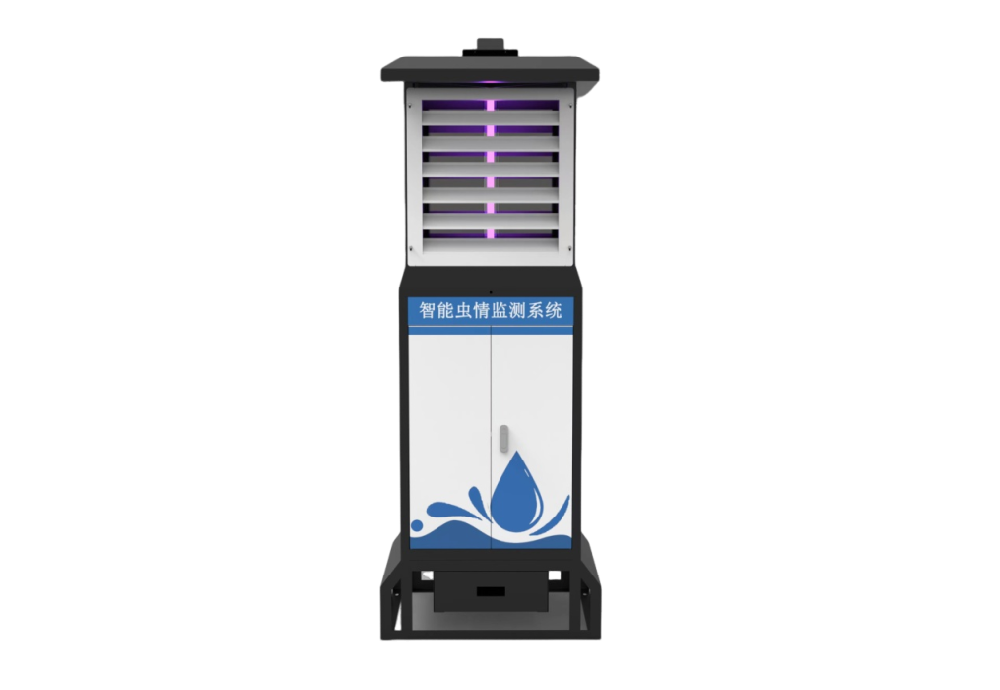
A pest monitoring project is seasonal. Installation readiness, cleaning and the end-of-season condition determine whether equipment is available when observations are needed. A device can appear connected while a dirty attraction surface, obstructed transfer path or inappropriate operating schedule limits useful collection. Service planning should address those physical causes rather than treating remote communication as the whole system.
The NiuBoL NBL-IoT-SRPMS insect monitoring station has attraction, processing, imaging and specimen-handling functions. Its load changes with those activities. It is therefore different from a simple lamp with a fixed lighting schedule. Begin with the target observation period and the configured processing sequence, then measure energy use over a representative day.
Do not claim energy savings by comparing two schedules that collect during different biological periods. If a target requires an observation window extending through the night, shortening that window can reduce consumption while also changing the evidence collected. Record the change and assess whether the new schedule still serves the monitoring task.
Power in W describes a load at a particular state. Energy in Wh accounts for how long that state operates. For the configuration with a stated running-power ceiling of 225 W and standby ceiling of 15 W, those figures are limits for the described states, not measurements of average daily consumption. Confirm the delivered configuration before using them in a supply design.
| Item | Configuration detail | What it tells the engineer |
|---|---|---|
| Running power | Up to 225 W for the described insect-station configuration | Assess the supply and operating cycle; do not substitute this for a measured daily average |
| Standby power | Up to 15 W for that configuration | Inactive hours still consume energy |
| Power arrangement | Mains or an optional solar-and-battery package | Choose for site access and the required collection duty |
| Optional solar package | 400 W panel and 200 Ah battery configuration offered | Panel rating and Ah alone do not establish daily production or autonomy |
| Operating modes | Time control, light control and rain-related operation | Record which mode actually determined each collection period |
| Remote connection | 4G or Ethernet configuration | Separate communications availability from successful collection and processing |
For an illustrative upper-bound calculation using these state limits, eight hours at 225 W plus sixteen hours at 15 W equals 2040 Wh. This is not a measured daily demand and does not assume every heater remains on for eight hours. Its purpose is to show why an operating-state log and actual energy measurement are needed before selecting a battery.
Likewise, multiplying a 400 W panel rating by an assumed four equivalent sun hours gives 1600 Wh before losses. The four-hour assumption is an example, not a forecast for the installation. It does not establish that the panel can supply the preceding illustrative load. Use local seasonal solar conditions, conversion losses and the required reserve in the actual design.
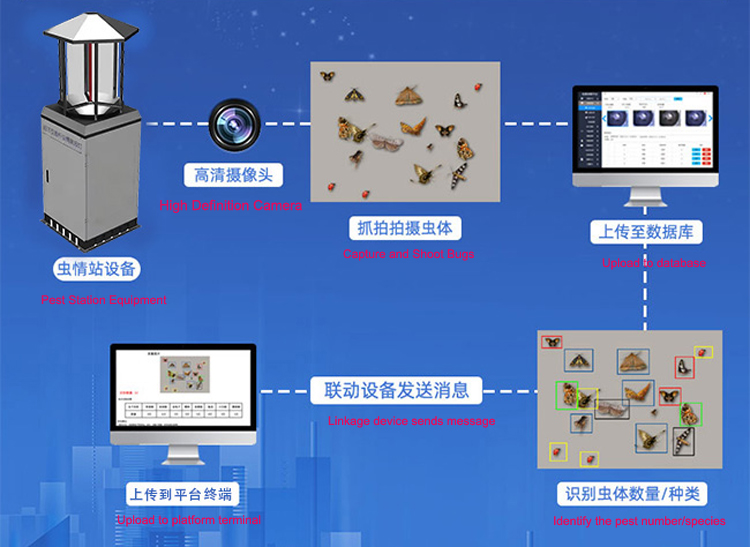
Measure consumption across standby, attraction, heating, specimen transfer, imaging and upload as applicable. Note which phases overlap. Confirm the peak supply requirement as well as the daily total. A system that has enough stored energy can still fail if its power conversion or wiring cannot support an operating peak.
The heating and handling sequence must remain appropriate for the device. Extending a photographic interval does not automatically reduce every operating load, and reducing processing can leave unsuitable specimens for imaging. Test the actual sequence rather than inferring energy savings from a setting name.
Battery capacity needs its nominal voltage to be expressed as energy. Usable capacity also depends on the chosen battery, operating limits, temperature and condition. Do not promise a number of cloudy days from 200 Ah alone. Inspect shading and panel condition during the collection season, not only when the system is first installed on a clear day.
Start early enough to observe a complete operating period before field records become critical. Confirm the planned location and the previous season's configuration. Check that the attraction source, impact surfaces, collection funnel and specimen path are clean and unobstructed. Inspect the collection drawer and drainage route, then secure the enclosure and service access.
Verify the clock, operating windows and communication destination. The described controller supports up to four timed working periods and a minimum photo interval of 20 minutes; those settings must suit the actual processing cycle. Do not interpret a five-minute device-status upload as a new insect photograph every five minutes. State and image records have different functions.
Run one complete sequence and inspect the resulting image and specimen handling. A remote photo command can check the camera but does not prove that insects can pass through the full collection route. Retain the tested settings so an unexpected change during the season can be investigated.
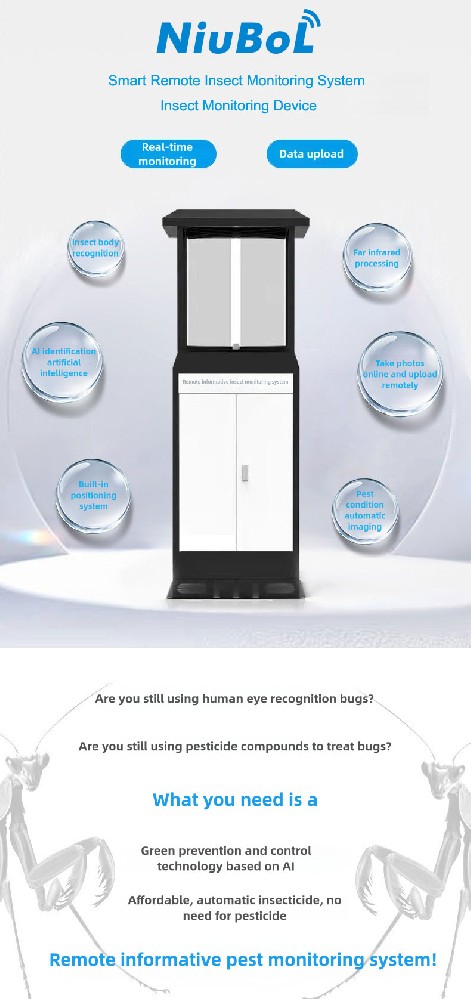
| Part or function | What to inspect | Reason to intervene |
|---|---|---|
| Attraction source and impact surfaces | Output condition, dirt and obstruction | Collection changes even though the camera and modem still work |
| Funnel and specimen transfer | Deposits, blockage and incomplete movement | Captured insects do not reach the imaging stage consistently |
| Receiving plate and cleaning mechanism | Image background, carryover and completed clearing | Overlapping or retained material makes image interpretation unreliable |
| Rain-control surface and drainage | Contamination, standing water and recovery to the intended mode | Unnecessary interruption or water entering an unsuitable path |
| Collection drawer | Accumulated material and condition after wet periods | Automatic plate clearing has not removed the need to empty the drawer |
| Power and communications | Supply condition, energy reserve and missing-record timing | Separate power loss from an upload-only fault |
Use early-season observations to set the inspection interval. Heavy collection, dust or repeated wet conditions can justify more frequent attention than a quiet, clean period. Do not assign one annual visit to every location merely because the device includes automatic handling. Local cleaning must follow safe isolation and the procedure suitable for the delivered equipment.
Preserve an image before and after cleaning where useful, along with the service time. If a plate begins retaining material, check its clearing mechanism before changing image-classification settings. If the source is dirty, restoring the collection path may be more appropriate than reducing an alarm threshold to compensate for lower counts.
Rain control changes the operating state and drainage behaviour. Once the relevant condition clears, confirm that the station returns to its intended automatic operation. A wet or dirty control surface can affect recovery. Review the actual state and a subsequent complete cycle instead of assuming that a successful network message means normal collection has resumed.
Do not bypass rain-related protection to obtain a continuous-looking count chart. Mark interrupted collection as such. Electrical leakage, persistent moisture or damaged wiring needs qualified inspection; remote restart is not an appropriate substitute. Site lightning and grounding provisions also need their own engineering review.
Export the required records and retain the point location, schedule and service history before shutting down or relocating equipment. Inspect and clean the specimen path, drawer and control surfaces. Store or protect the assembly according to its construction and local conditions. Preserve the transport orientation and secure moving or vulnerable components as required for the delivered station.
Include battery care in the shutdown plan using the battery supplier's requirements. Leaving a battery unattended for the entire off-season can create a different readiness problem from an insect-station fault. Before redeployment, check battery condition and repeat the complete-cycle test; do not assume last year's solar performance establishes current capacity.
For service parts, identify the actual source, camera, actuator or power assembly fitted rather than requesting a generic insect-light spare. A compatible replacement should preserve the intended collection method and timing. Ask NiuBoL to confirm the part against the device configuration and describe the observed fault before ordering an entire replacement station.
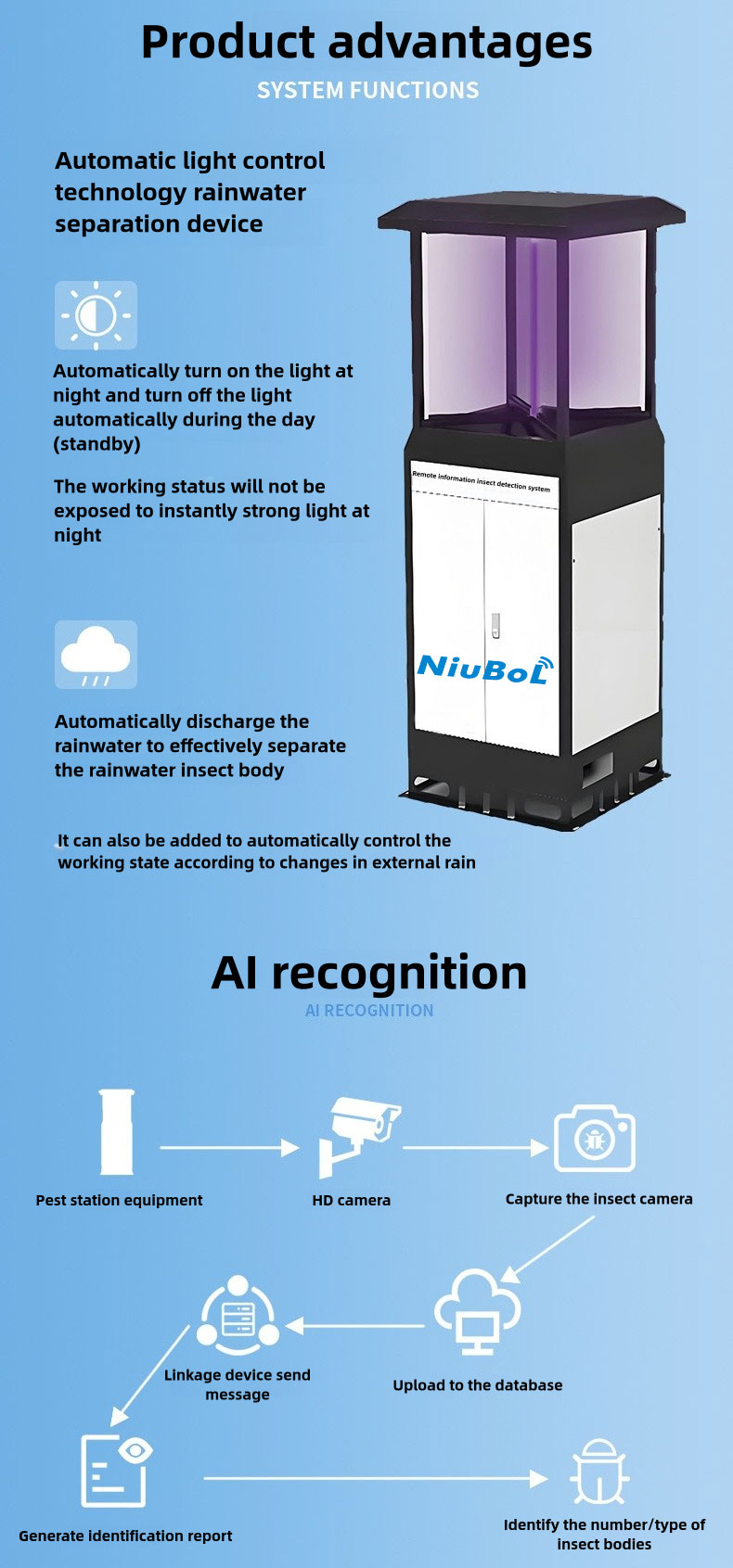
No. The panel rating is not daily energy production. Check local solar availability, the actual operating cycle, electrical losses and usable battery capacity. The collection schedule and required reserve must be supported by the complete supply design.
Not in a predictable proportion. Attraction, heating and specimen handling can account for loads independent of upload count. Measure the actual sequence after a setting change and verify that specimen quality and the target collection period remain acceptable.
No. It addresses the receiving plate's clearing function. The attraction source, transfer path, rain-control surfaces, drainage and drawer still need inspection. Set the interval from their observed condition and collection load.
Connectivity does not establish collection. Inspect the active mode, schedule, power history and physical specimen path. Distinguish a quiet completed period from interrupted operation, blocked transfer or an image problem before interpreting the count.
Send the device configuration, operating windows, observed state durations and measured energy where available. Add panel location, local seasonal conditions, battery type and nominal voltage. NiuBoL can then assess the configured package without assuming an autonomy period from panel watts or battery Ah alone.

Energy efficient pest monitoring keeps the required observation window while controlling avoidable downtime and unnecessary load. For a NiuBoL insect station, verify the operating cycle, measure energy and maintain the collection and drainage path throughout the season. Treat cloudy-weather reserve and off-season readiness as tested system requirements, not consequences of a nominal panel or battery rating.
Prev:Inline Dissolved Oxygen Meter: Cost of Isolation and Service Access
Next:Campus Weather Data Station: Sensors, Displays and Data Access
Related recommendations
Sensors & Weather Stations Catalog
 Agriculture Sensors and Weather Stations Catalog-NiuBoL.pdf
Weather Stations Catalog-NiuBoL.pdf
Agriculture Sensors Catalog-NiuBoL.pdf
Water Quality Sensor Catalog-NiuBoL.pdf
Related products
 Combined air temperature and relative humidity sensor
 TDR Soil Moisture & Temperature Sensor for irrigation| RS485 |4-20mA| NBL-S-THR
 Soil pH sensor RS485 soil Testing instrument soil ph meter for agriculture |NBL-S-PH
 Wind Speed sensor Output Modbus/RS485/Analog/0-5V/4-20mA
 Tipping bucket rain gauge for weather monitoring auto rainfall sensor RS485/Outdoor/stainless steel
 Pyranometer Solar Radiation Sensor 4-20mA/RS485


Screenshot, WhatsApp to identify the QR code
WhatsApp number:+8615367865107
(Click on WhatsApp to copy and add friends)

