





— Blogs —
—Products—
 Consumer hotline +8618073152920
 WhatsApp:+8615367865107
Address:Room 102, District D, Houhu Industrial Park, Yuelu District, Changsha City, Hunan Province, China
Product knowledge
Time:2026-04-07 20:20:14 Popularity:518
In the context of digital transformation and the popularization of IoT technology, the collection of real-time meteorological data is no longer limited to traditional weather forecasting. For system integrators, engineering contractors and IoT solution providers, high-precision meteorological monitoring equipment is a core component for building smart cities, optimizing industrial energy efficiency and improving agricultural yields.
As a meteorological monitoring equipment manufacturer, NiuBoL is committed to providing modular and highly reliable perception-layer hardware for meteorological station partners. This article analyzes the deep applications of meteorological station equipment in five core fields and the commercial value it brings from a professional engineering perspective.
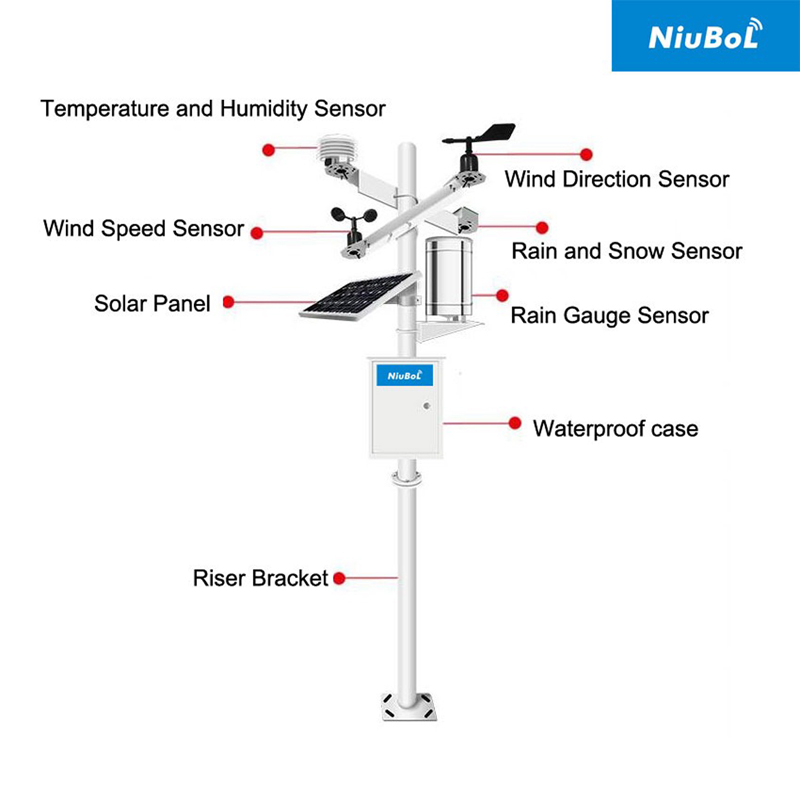
In the field of renewable energy, weather conditions directly determine the return on investment (ROI) of photovoltaic assets. The operation and maintenance of photovoltaic power stations not only requires power generation data but also meteorological benchmark data that matches it.
Photovoltaic monitoring systems usually require the deployment of environmental monitoring stations inside the array area. By collecting solar radiation, module temperature and ambient wind speed in real time, system integrators can calculate the performance ratio (PR value) of the power station.
Solar radiation monitoring: Use a total radiation sensor (Pyranometer) to monitor instantaneous irradiance on the horizontal or inclined plane.
Module temperature: Monitor the temperature on the back of the photovoltaic panel to correct the power generation efficiency fluctuations caused by temperature rise.
Commercial Value
Fault early warning: Quickly locate shading or module aging problems by comparing theoretical power generation with actual power generation.
Compliance delivery: Meet the grid’s requirements for new energy access that must have environmental monitoring capabilities.
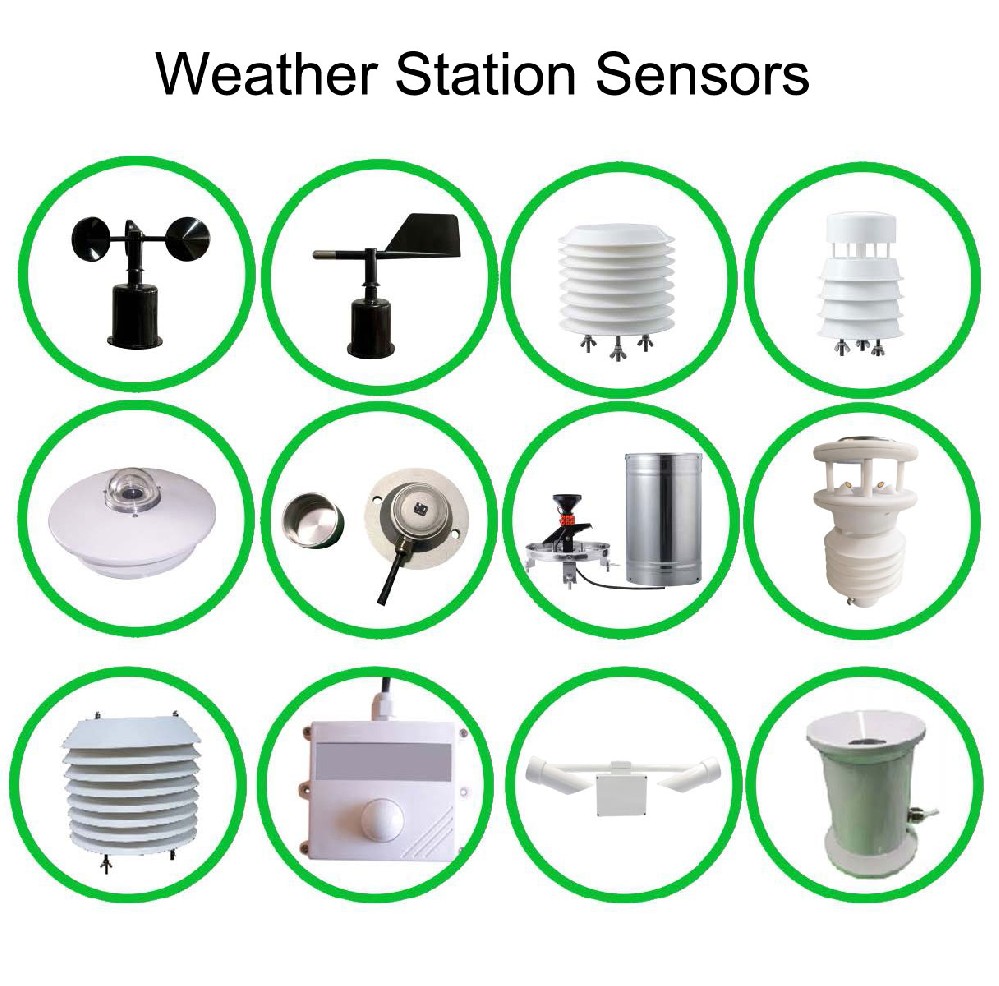
Different crops have different requirements for light, temperature, water, air and heat. The traditional planting mode relying on experience is being replaced by digital microclimate monitoring.
NiuBoL provides integrated sensor combinations for agricultural projects, covering:
Soil multi-parameter monitoring: soil NPK, moisture, temperature and pH value.
Atmospheric environment: air temperature and humidity, light intensity and carbon dioxide (CO₂) concentration.
Application Value
Precise irrigation and fertilization: Linkage control of solenoid valves based on soil moisture data to reduce water and fertilizer waste.
Pest and disease forecasting: Use accumulated temperature and humidity data to predict pest and disease outbreak cycles and guide scientific spraying.
Intelligent management: Provide automatic curtain rolling and ventilation trigger signals for greenhouses to improve agricultural product quality.
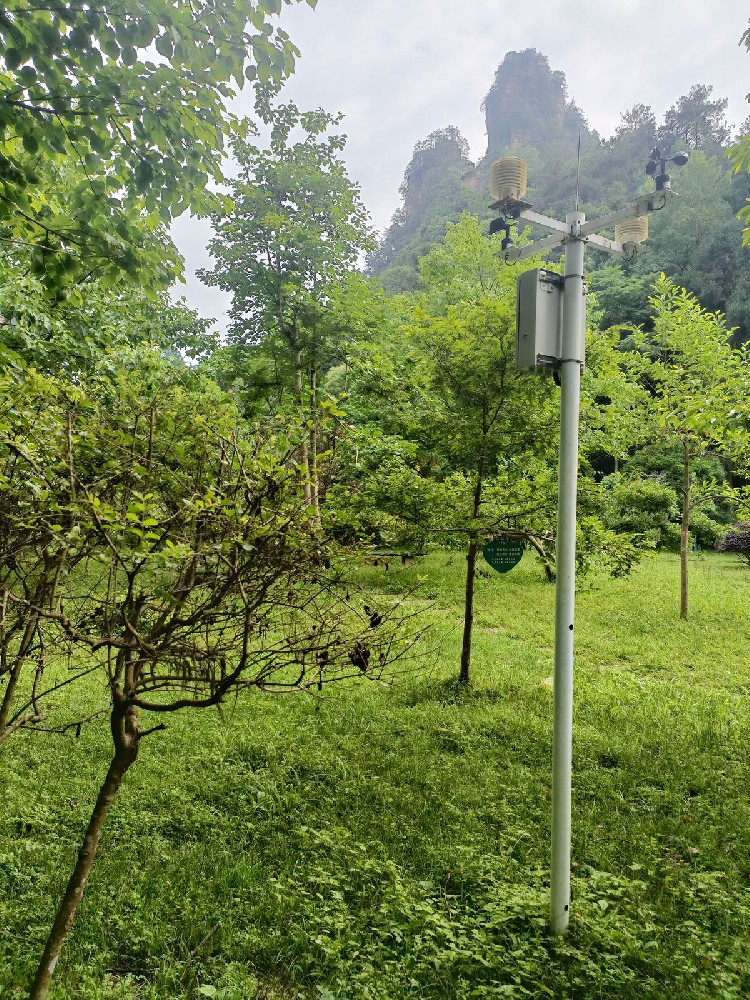
In primary and secondary schools and scientific research institutions, campus weather stations are not only carriers of science popularization education but also important supplements to urban meteorological monitoring grids.
Education and Scientific Research Functions
Cultivation of disaster prevention awareness: Through practical operation of meteorological equipment, students can intuitively understand the relationship between wind scale, precipitation and disastrous weather.
Data sharing: Campus weather station data can be incorporated into urban micro-scale meteorological networks to provide high-density data support for smart city management.
Modern tourism has shifted from pure sightseeing to experiential consumption. Negative oxygen ions, air quality and ultraviolet index have become core competitiveness indicators for scenic spots to attract tourists.
Extended Monitoring Items
In addition to conventional meteorological parameters, NiuBoL has customized integrations for scenic spots including:
Air negative oxygen ions: key indicator for evaluating air freshness.
Air quality monitoring: PM2.5, PM10 and noise index.
Information release system: Linkage with outdoor large screens to display environmental parameters in real time and enhance tourist trust.
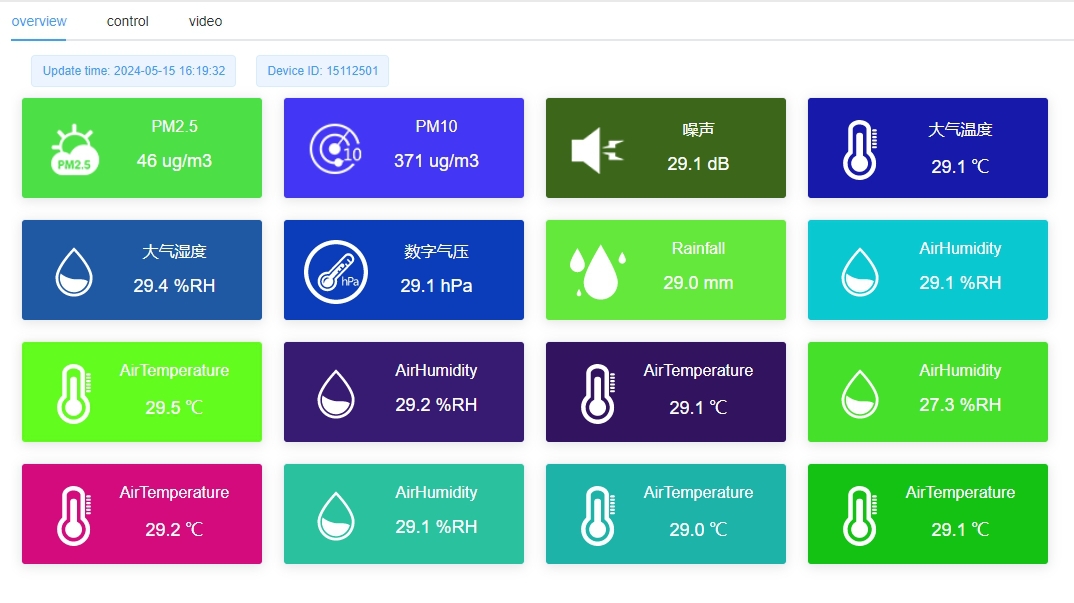
Severe meteorological conditions (such as dense fog, snow accumulation and strong winds) are the main causes of traffic accidents. Traffic weather stations provide key decision-making support for management departments.
Road Surface Condition Perception
Visibility monitoring: Deploy visibility sensors in areas with frequent haze to provide real-time feedback on visual distance.
Road surface conditions: Monitor road surface temperature, snow depth and freezing status to provide scientific basis for salt spreading and de-icing.
Wind speed warning: Monitor crosswinds on large bridges and elevated sections to prevent vehicle rollover.
To facilitate selection by system integrators, the following table lists the main technical specifications of NiuBoL standardized weather stations:
| Monitoring Item | Sensor Type | Measurement Range | Resolution | Accuracy |
|---|---|---|---|---|
| Air Temperature | Platinum resistance / digital probe | -40 - 85°C | 0.1°C | ±0.3°C |
| Air Humidity | Capacitive polymer | 0 - 100% RH | 0.1% RH | ±3% RH |
| Wind Speed | Ultrasonic / mechanical | 0 - 60 m/s | 0.1 m/s | ±(0.3+0.03V)m/s |
| Wind Direction | Ultrasonic / mechanical | 0 - 360° | 1° | ±3° |
| Atmospheric Pressure | Piezoresistive | 300 - 1100 hPa | 0.1 hPa | ±0.5 hPa |
| Total Radiation | Thermopile / silicon meter | 0 - 2000 W/m² | 1 W/m² | ±5% |
| Precipitation | Tipping bucket rain gauge | 0 - 4 mm/min | 0.1/0.2/0.5 mm | ±4% |
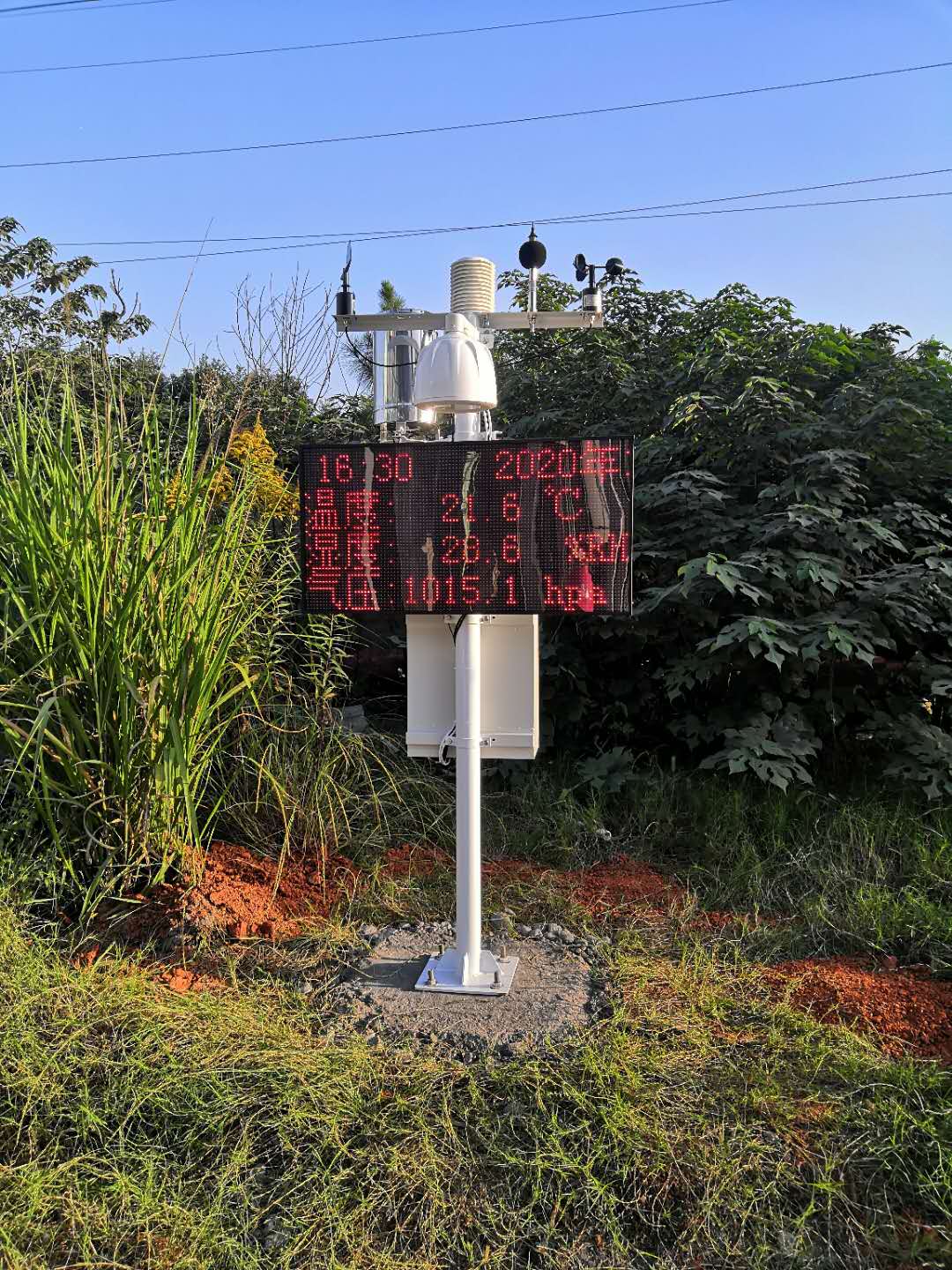
For IoT solution providers, the initial hardware procurement cost is only part of the project. Long-term on-site maintenance costs (O&M) often determine the final profitability of the project. NiuBoL introduced multiple reliability engineering measures at the beginning of the design.
1. Zero mechanical wear design: Ultrasonic wind speed and direction technology. Traditional cup anemometers are prone to bearing wear, freezing or corrosion in northern high-cold areas or coastal high-salt fog areas.
Technical advantage: NiuBoL promotes ultrasonic technology that uses sound wave time difference method for measurement, with no active mechanical parts.
Commercial value: Realizes maintenance-free operation and greatly reduces maintenance frequency in high-difficulty operating environments such as highways and high mountain wind farms.
2. Intelligent power consumption management solution: In photovoltaic power station monitoring or remote agricultural projects, power supply stability is the premise for continuous online operation of the system.
Wide voltage input: Supports 9-30V DC wide voltage input, perfectly compatible with industrial 24V systems or 12V solar battery packs.
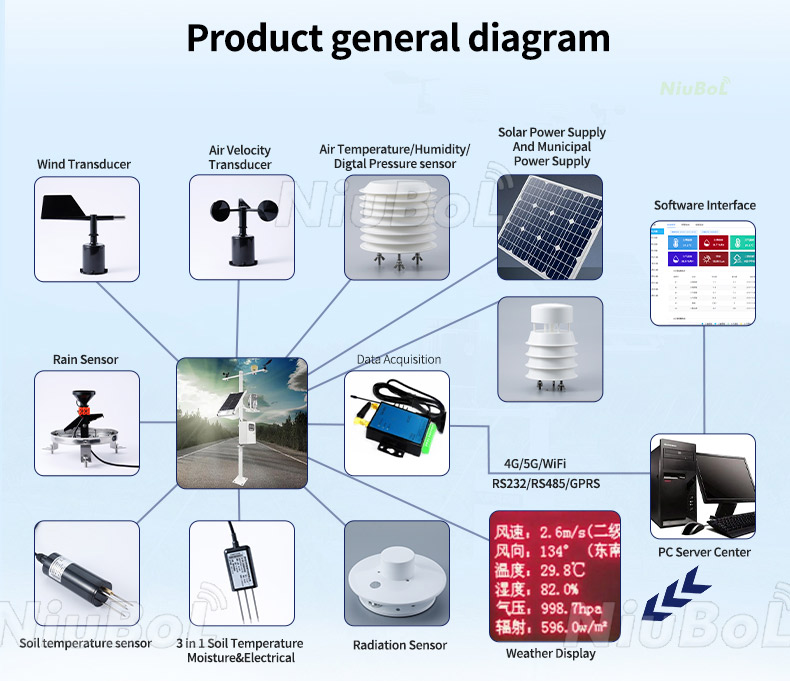
NiuBoL not only provides hardware but also deeply understands the challenges faced by system integrators during project delivery.
Flexible System Topology
RS485 bus mode: Uses shielded twisted pair, supports transmission distances up to 1200 meters, suitable for large-scale factory deployment.
Wireless bridge/LoRa mode: For cultural relics, ancient buildings and mature communities where wiring cannot be excavated, provides low-power wireless access and unifies convergence to local servers through gateways.
Data Consistency and Standardization
Standard register table: We provide a standard unified Modbus register mapping table for all sensors, significantly shortening the programming cycle of host computer software or PLC.
JSON format reporting: For platform developers with modern Internet architecture, our gateway supports direct push of standard JSON messages without parsing underlying HEX codes, achieving “out-of-the-box access”.
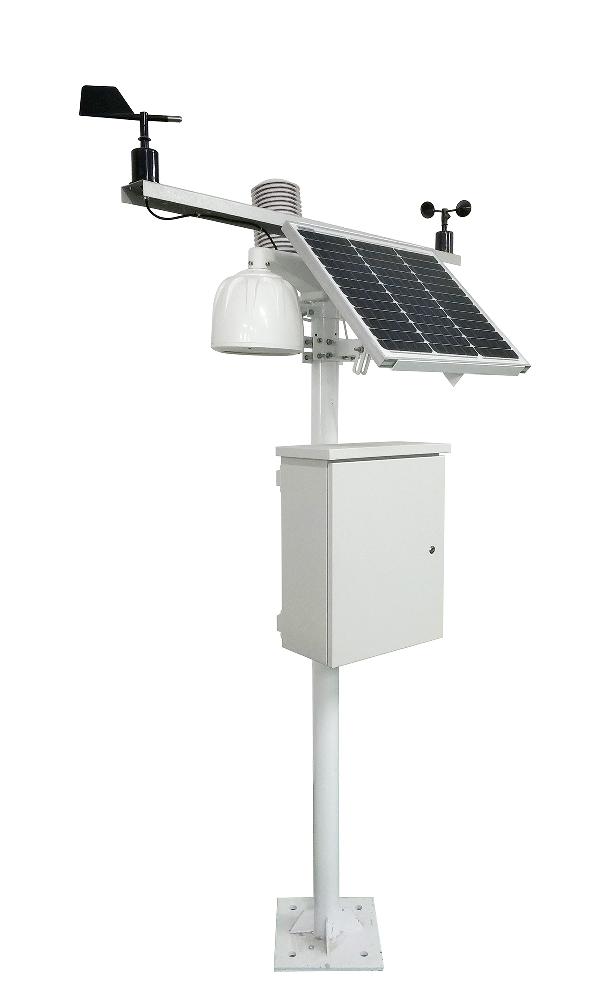
To help contractors quickly make budget evaluations, we provide the following three typical configuration suggestions:
| Configuration Scheme | Core Monitoring Items | Typical Application Fields | Communication Suggestion |
|---|---|---|---|
| Photovoltaic Evaluation Version | Total radiation, module temperature, ambient temperature, wind speed | Centralized/distributed photovoltaic power stations | RS485 / Modbus TCP |
| Precision Agriculture Version | Air temperature and humidity, soil five parameters, rainfall, light intensity | Smart farms, greenhouses, forestry monitoring | 4G / LoRa |
| Environmental Compliance Version | Wind speed, wind direction, noise, PM2.5/PM10, atmospheric pressure | Construction sites, industrial parks, smart communities | 4G / wired Ethernet |
1. Does NiuBoL meteorological equipment support secondary development and system integration?
A: Yes. Our equipment adopts industrial-grade Modbus RTU communication protocol, provides detailed register address tables, and supports access to PLC, SCADA, DTU and various third-party IoT cloud platforms.
2. In remote areas (such as forest farms and deserts), how to solve power supply and communication problems?
A: NiuBoL provides complete low-power solutions. The system can be configured with solar power supply systems (including battery packs). Communication supports 4G/5G, LoRa and Beidou satellite messages (specific models) to ensure stable data return in areas without power or network.
3. How is the corrosion resistance of the equipment in harsh environments (such as seaside and high altitude)?
A: Our sensor shells mostly use ASA aerospace plastic or corrosion-resistant aluminum alloy materials. The brackets are treated with hot-dip galvanizing and plastic spraying, with extremely strong UV resistance, salt spray resistance and corrosion resistance. The protection level can reach IP65 and above.
4. Do the sensors need regular calibration? What is the maintenance frequency?
A: Most solid-state sensors (such as ultrasonic wind speed and direction, air pressure) do not require mechanical calibration and have very low maintenance. It is recommended to clean the radiation sensor cover and rain gauge every 6-12 months to ensure the accuracy of data collection.
5. Do you provide OEM or white-label services?
A: As an original manufacturer, we provide OEM flexible customization services for system integrators, including shell silk screen printing, label customization and development of specific sensor combinations to help partners enhance brand image.
6. In traffic meteorological monitoring, how to ensure the accuracy of road surface temperature monitoring?
A: We use infrared non-contact temperature sensors that can accurately measure road surface temperature without burying under the road surface, effectively avoiding construction damage to the road surface and the risk of sensors being crushed.
7. Does the photovoltaic environmental monitor comply with IEC standards?
A: Yes. Our total radiation sensors and system design follow relevant IEC standards, and the data can be directly used for third-party acceptance and performance audit of photovoltaic power stations.
8. How many channels of sensors does your data collector support?
A: NiuBoL industrial-grade collectors have multiple analog and digital interfaces. A single gateway can support up to 16-32 monitoring nodes and supports multi-level series expansion.
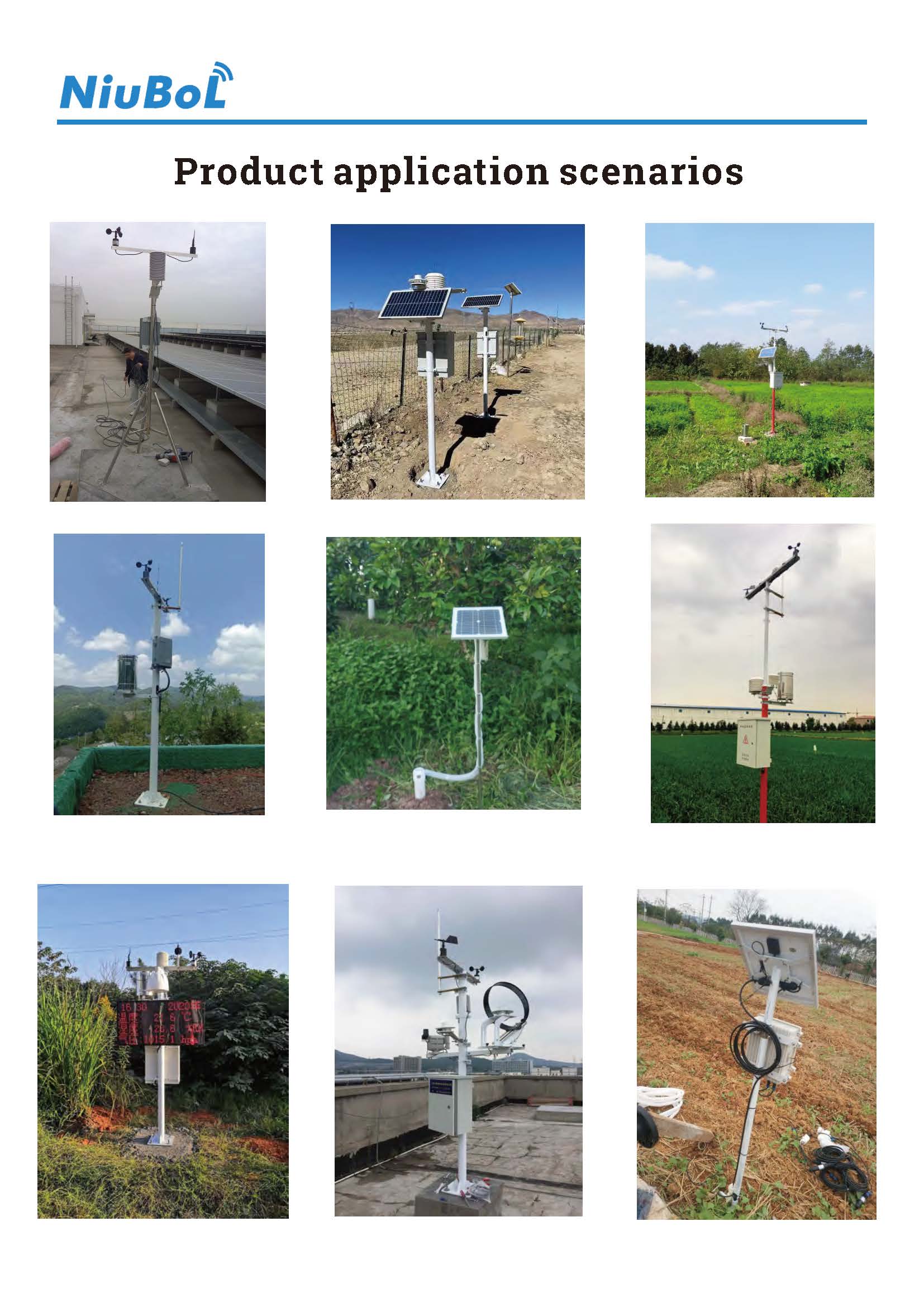
Meteorological monitoring has become an indispensable underlying data support in modern industry, agriculture and urban management. For system integrators, choosing a set of stable, precise and easy-to-integrate meteorological equipment is the cornerstone of project success.
NiuBoL not only provides high-performance hardware products but also is committed to providing pre-sales selection guidance and after-sales technical support for partners. Whether you are planning a smart agricultural park or undertaking a large-scale photovoltaic power station monitoring project, we can provide you with highly competitive solutions.
This article is written by the NiuBoL business support team. If you need a detailed product catalog and bulk procurement quotation, please contact our global sales representatives.
Related recommendations
Sensors & Weather Stations Catalog
 Agriculture Sensors and Weather Stations Catalog-NiuBoL.pdf
Weather Stations Catalog-NiuBoL.pdf
Agriculture Sensors Catalog-NiuBoL.pdf
Water Quality Sensor Catalog-NiuBoL.pdf
Related products
 Combined air temperature and relative humidity sensor
 TDR Soil Moisture & Temperature Sensor for irrigation| RS485 |4-20mA| NBL-S-THR
 Soil pH sensor RS485 soil Testing instrument soil ph meter for agriculture |NBL-S-PH
 Wind Speed sensor Output Modbus/RS485/Analog/0-5V/4-20mA
 Tipping bucket rain gauge for weather monitoring auto rainfall sensor RS485/Outdoor/stainless steel
 Pyranometer Solar Radiation Sensor 4-20mA/RS485

Screenshot, WhatsApp to identify the QR code
WhatsApp number:+8615367865107
(Click on WhatsApp to copy and add friends)

