





— Blogs —
—Products—
 Consumer hotline +8618073152920
 WhatsApp:+8615367865107
Address:Room 102, District D, Houhu Industrial Park, Yuelu District, Changsha City, Hunan Province, China
Product knowledge
Time:2026-04-05 12:48:15 Popularity:513
In the process of traditional agriculture transforming into smart agriculture, the era of relying on experience to judge irrigation timing is ending. Taking wheat as an example, the jointing stage (the first node at the base of the main stem extends about 2cm above the ground) is a key window that determines yield. Studies have shown that suitable water and fertilizer management at this stage can increase wheat yield by 20%-30%. Adequate water not only promotes the coordinated growth of above-ground parts and underground roots, reduces lodging risk, but also extends the leaf function period, directly improving ear setting rate and grain plumpness.
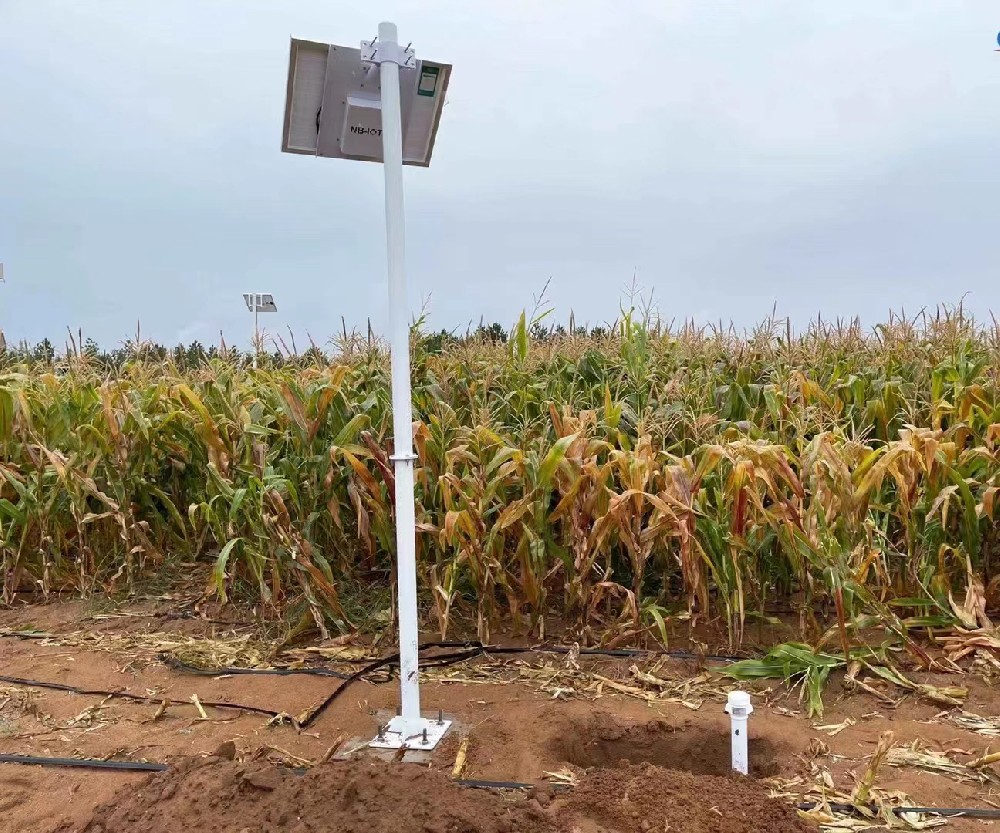
However, the moisture state inside the soil is invisible to the naked eye. The soil moisture monitoring system integrates physical perception, wireless transmission and big data analysis to transform the abstract “drought” into precise percentage data, providing system integrators with the core entry point for building an automated irrigation closed loop.
As a professional environmental monitoring equipment manufacturer, NiuBoL’s NBL-S-TMSMS series conduit-type sensors adopt the advanced FDR (Frequency Domain Reflectometry) principle. This technology is based on the frequency change of electromagnetic waves in media with different dielectric constants (soil, air, water) to achieve non-contact, high-precision dynamic observation of moisture content in each soil layer.
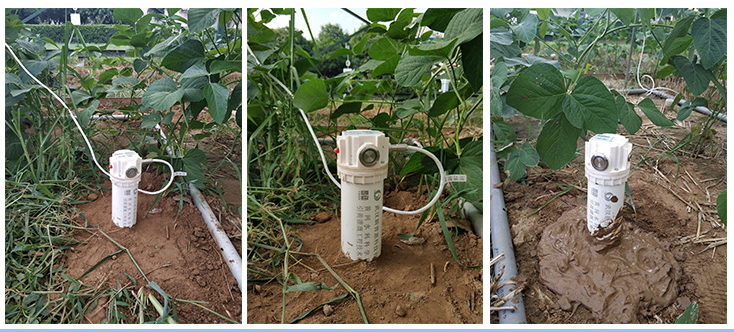
1. Core Technical Advantages
Multi-depth vertical monitoring: The standard version supports depth-layered monitoring at 10cm, 20cm, 30cm and 40cm, and can be customized up to 10 monitoring nodes. This has extremely high scientific research and practical value for crops with different root depths (such as wheat and jujube trees).
Non-contact measurement: The sensor is encapsulated in a high-quality plastic conduit and does not directly contact the soil. This design effectively prevents acid, alkali and salt in the soil from corroding the sensing element, significantly improving the service life of the equipment in harsh field environments.
Industrial-grade protection and stability: Using epoxy resin vacuum potting process, the underground part reaches IP68 protection level and can be immersed in saturated soil or accumulated water for a long time without leakage.
2. Intelligent Function Expansion
For complex geographical environments, the system supports optional GPS positioning, three-axis inclination measurement (based on 3D-MEMS technology) and vibration alarm. In mountain orchards or areas prone to geological disasters, the system can monitor subtle surface tilt and displacement in real time while monitoring soil moisture, realizing dual early warning of “soil moisture + geological disaster”.
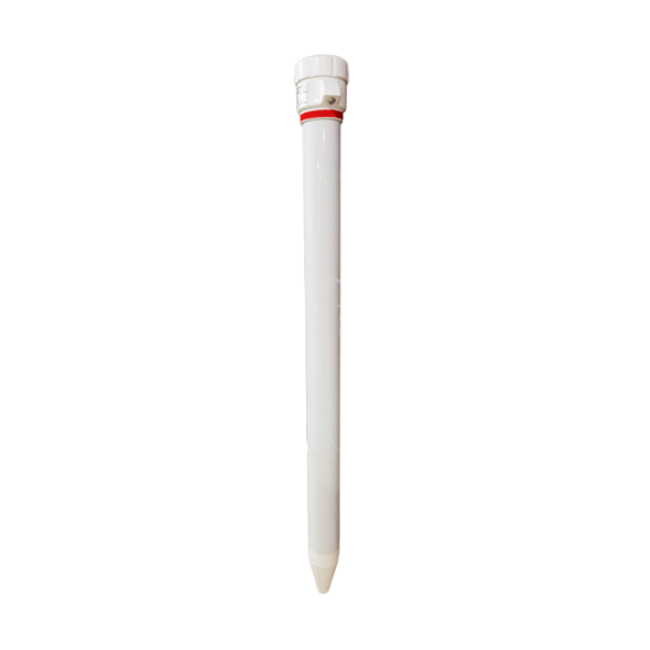
For project contractors and engineering companies, the following parameters are key references for system integration and communication docking:
| Parameter Item | Technical Index Description |
|---|---|
| Power Supply Method | DC 12V or solar independent power supply system |
| Output Form | RS485 (Standard Modbus-RTU) / 2G / 4G wireless communication |
| Soil Volumetric Water Content Range | 0% ~ 100% (dry soil to water-saturated soil) |
| Measurement Accuracy | ±3% (laboratory environment) |
| Soil Temperature Measurement Range | -40℃ ~ 80℃ (accuracy ±0.5℃) |
| Resolution | Moisture 0.1% / Temperature 0.1℃ |
| Protection Level | Ground part IP67, underground part IP68 |
| GPS Positioning (Optional) | Positioning accuracy < 10m |
| Inclination Measurement (Optional) | 3-axis inclination sensor, resolution 0.005° |
| Power Consumption | Sleep power consumption < 1mA, sampling peak power consumption < 70mA |
| Overall Dimensions | Diameter ϕ63mm, standard length about 1000mm (customized according to the number of measurement points) |
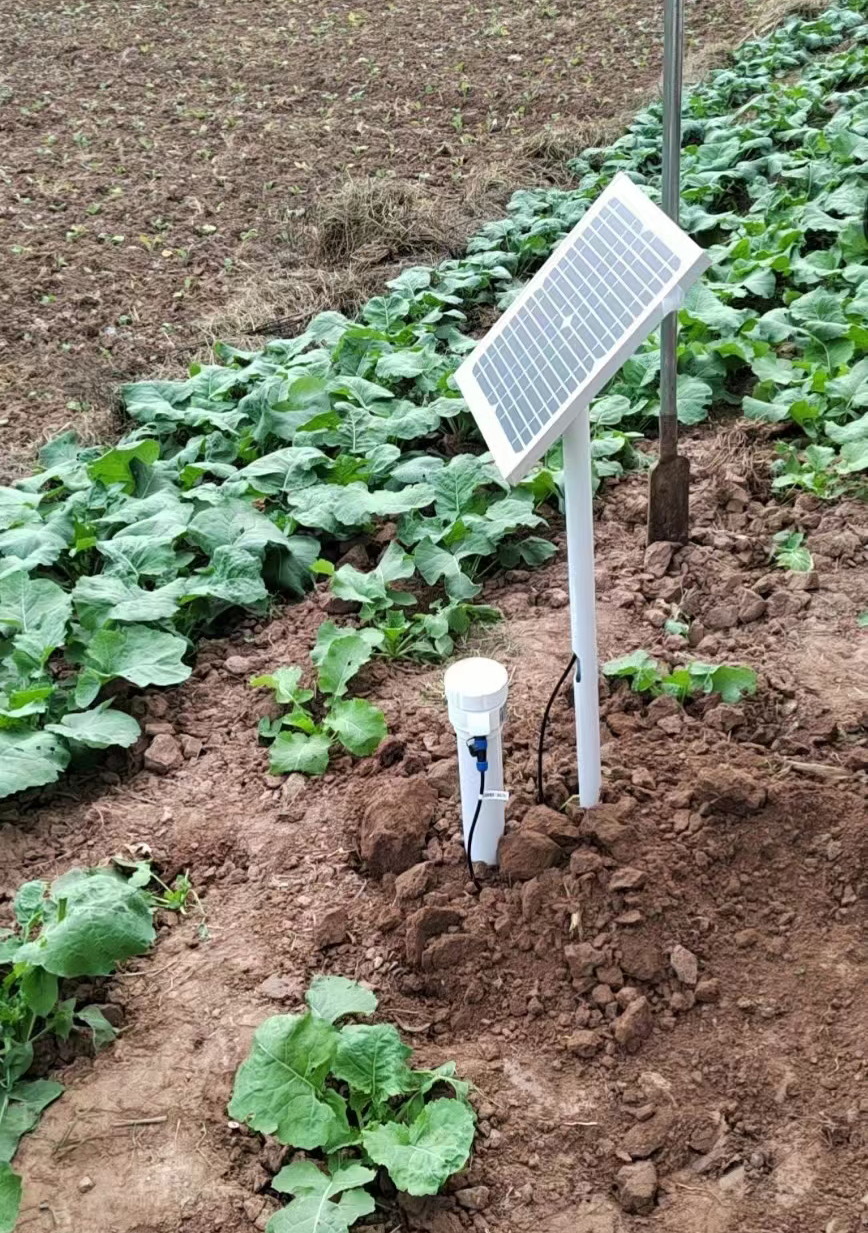
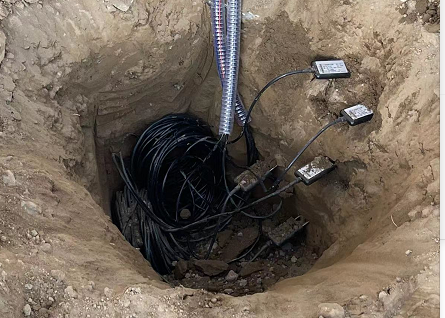
Tight coupling requirement: A special soil auger (diameter matching the conduit) must be used during installation. It is strictly prohibited to dig pits and bury directly with a shovel. There must be no air gap between the outer wall of the conduit and the soil, otherwise the reading will be low.
Root system representativeness point selection: For wheat, it is recommended to install the sensor in representative inter-ridge areas; for fruit trees, it should be installed in the root dense area near the tree crown drip line, and the depth should cover the vertical profile of 0-80cm.
Surface waterproof treatment: The exposed part at the top of the conduit should be equipped with a protective cover, and a “gentle slope” treatment should be made around the pipe mouth with fine soil or sealant to prevent rainwater from directly infiltrating along the pipe wall and causing “false high” data.
1. Field Crops (such as Wheat) Precise Water and Fertilizer Coupling
During the key phenological periods of wheat growth, the system automatically analyzes soil drought and waterlogging conditions and provides irrigation suggestions in combination with meteorological prediction models. Through the NiuBoL IoT platform, integrators can set early warning upper and lower limits. When soil moisture content is below the threshold, the relay is automatically triggered to turn on the irrigation pump, realizing true “on-demand water supply” and avoiding water resource waste and fertilizer loss.
2. Orchards (such as Jujube Trees) Drought Resistance and Quality Management
Although jujube trees are drought-resistant, they are highly sensitive to water during the flowering period (requiring 75-85% air humidity) and fruit maturity period. By deploying the NiuBoL soil moisture monitoring system, managers can precisely control orchard moisture:
Flowering period fruit protection: monitor deep soil moisture to ensure water supply to compensate for flower drop caused by dry air.
Maturity period water control: through system monitoring during jujube fruit maturity period, prevent fruit cracking and rotting caused by rain or excessive irrigation.
As a manufacturer oriented toward agricultural sensors, NiuBoL is committed to providing system integrators with high-value underlying support:
All-weather unattended: The soil moisture monitoring system supports solar power supply and 4G remote transmission, solving the problems of difficult power access and expensive wiring in remote farmland.
Multi-station unified management: NiuBoL cloud platform supports binding multiple monitoring points. The interface map can intuitively locate equipment positions and supports one-click export of historical data (Excel format), greatly facilitating data aggregation by scientific research units.
Auxiliary government decision-making: The system can serve as an evaluation basis for national drought resistance and disaster reduction and agricultural structure adjustment. Through long-term data accumulation, it explores the evolution law of soil moisture and provides core evidence for the transformation of water-saving technology achievements.
Q1: Does the NBL-S-TMSMS sensor need regular calibration?
A: The sensor has been calibrated according to standard soil samples before leaving the factory. However, in special soil types (such as heavy clay or high saline-alkali land), it is recommended that integrators perform on-site secondary calibration through the offset setting function provided by the platform to obtain the highest accuracy.
Q2: How long can the system last in continuous rainy weather?
A: Under the standard solar power supply system, combined with the built-in low-power management logic (sleep current < 1mA), the system can usually support continuous monitoring for more than 15 days in complete absence of light.
Q3: Will conduit-type installation destroy the soil structure?
A: A special soil auger is used to open holes during installation, and the conduit fits tightly with the soil. Because it is non-contact measurement, a period of缓苗 (soil settling) is required after initial installation to allow the soil to settle naturally. After that, the most representative native soil layer data can be obtained.
Q4: How far is the RS485 communication distance?
A: Under standard industrial shielded twisted pair, the RS485 cable transmission distance can reach 1200 meters. For longer distances or dispersed points, it is recommended to use the version with built-in 4G communication from NiuBoL.
Q5: Does the system support access to our own big data platform?
A: Yes. We provide complete Modbus register manuals and cloud API interface documents. Integrators can seamlessly dock data to the customer’s own smart agriculture monitoring center.
Q6: What is the inclination alarm logic of the geological disaster version?
A: The system has a built-in three-axis accelerometer that can monitor the slight tilt of the conduit body in real time. Once the tilt angle change exceeds the preset safety threshold, the system will immediately report the GPS coordinates and vibration alarm information through the 4G network.
Q7: How to purchase the number of layers suitable for our project?
A: For shallow root crops (such as lawns and vegetables), monitoring 10-30cm is recommended; for field crops (wheat, corn), monitoring 20-60cm is recommended; for deep root fruit trees, customization of 80-100cm depth is recommended.
Q8: How is the equipment’s corrosion resistance?
A: The sensor shell is made of high-strength engineering plastic with excellent acid and alkali corrosion resistance, suitable for various soil environments after fertilization and irrigation.
Q9: As a contractor, can we customize different monitoring depths?
A: Yes. NiuBoL provides flexible customization services. According to project requirements, we can set the monitoring nodes at specific depths (such as for deep root medicinal herbs or forest tree monitoring), with a maximum of 10 independent monitoring nodes supported.
Q10: Does the system support docking with smart agriculture management platforms (SCADA/ERP)?
A: The system natively supports the RS485 Modbus-RTU protocol, which is one of the most common protocols in industrial automation. In addition, our cloud platform provides standard northbound API interfaces that support JSON format data calls, with extremely low integration difficulty.
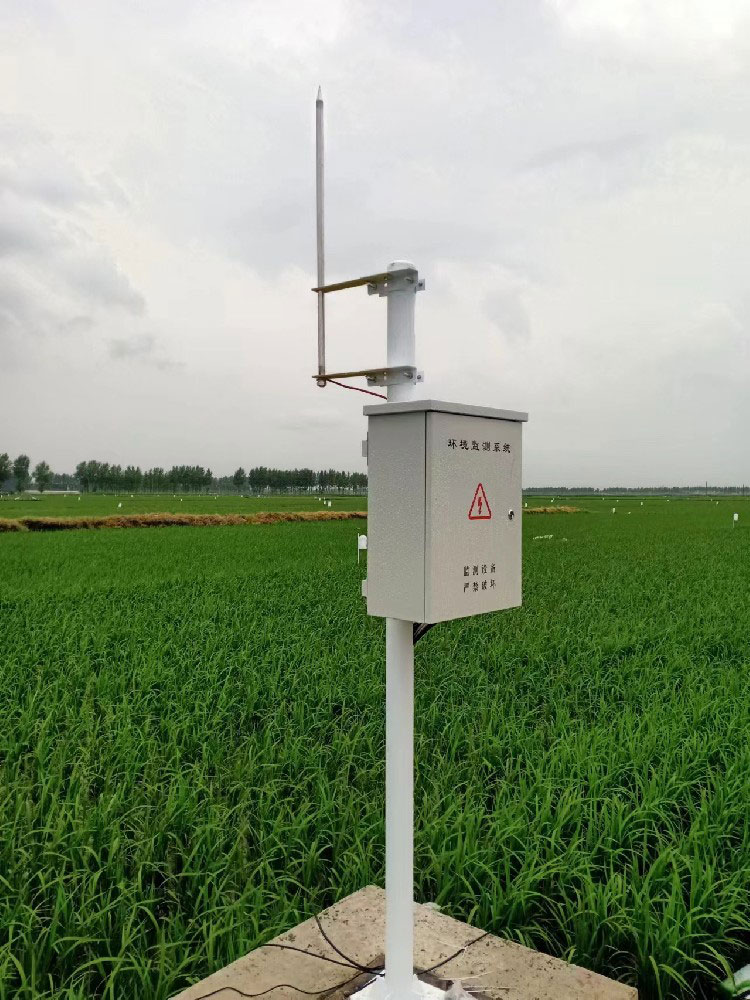
The soil moisture monitoring system is not only a sharp tool for drought resistance and disaster reduction but also the core engine for realizing water-saving agriculture and improving comprehensive productivity. NiuBoL provides system integrators with stable, professional and easy-to-secondary-develop hardware solutions through the integration of IoT and high-precision perception technology.
In today’s increasingly scarce water resources, choosing the NiuBoL soil monitoring system means installing a “wise eye” for agricultural irrigation, allowing every drop of water to be precisely converted into crop yield and quality.
NiuBoL is a globally leading environmental monitoring solution provider. We focus on the research and development and manufacturing of automatic weather stations, soil sensors, water quality sensors, water level and flow meters, providing global system integrators with comprehensive technical support from the perception end to the cloud.
 NBL-S-TMSMS-Tubular-Multi-depth-Soil-Moisture-Sensor-Instruction-Manual.pdf
NBL-S-TM-Soil-temperature-and-moisture-sensor-Instruction-Manual-4.0.pdf
NBL-S-THR-Soil-temperature-and-moisture-sensors-Instruction-Manual-V4.0.pdf
Related recommendations
Sensors & Weather Stations Catalog
Agriculture Sensors and Weather Stations Catalog-NiuBoL.pdf
Weather Stations Catalog-NiuBoL.pdf
Agriculture Sensors Catalog-NiuBoL.pdf
Water Quality Sensor Catalog-NiuBoL.pdf
Related products
 Combined air temperature and relative humidity sensor
 TDR Soil Moisture & Temperature Sensor for irrigation| RS485 |4-20mA| NBL-S-THR
 Soil pH sensor RS485 soil Testing instrument soil ph meter for agriculture |NBL-S-PH
 Wind Speed sensor Output Modbus/RS485/Analog/0-5V/4-20mA
 Tipping bucket rain gauge for weather monitoring auto rainfall sensor RS485/Outdoor/stainless steel
 Pyranometer Solar Radiation Sensor 4-20mA/RS485

Screenshot, WhatsApp to identify the QR code
WhatsApp number:+8615367865107
(Click on WhatsApp to copy and add friends)

