





— Blogs —
—Products—
 Consumer hotline +8618073152920
 WhatsApp:+8615367865107
Address:Room 102, District D, Houhu Industrial Park, Yuelu District, Changsha City, Hunan Province, China
Product knowledge
Time:2026-04-05 12:43:13 Popularity:645
“Four Gases and Two Dusts” are the core evaluation indicators of atmospheric environmental quality, covering four gaseous pollutants SO₂, NO₂, CO, O₃ and two particulate pollutants PM2.5 and PM10. NiuBoL Four Gases and Two Dusts environmental monitoring station adopts electrochemical four-electrode gas sensors and laser scattering dust detection technology to realize 24-hour continuous online monitoring of six parameters, and uploads data to cloud platforms or environmental protection supervision systems in real time through RS485 Modbus protocol.
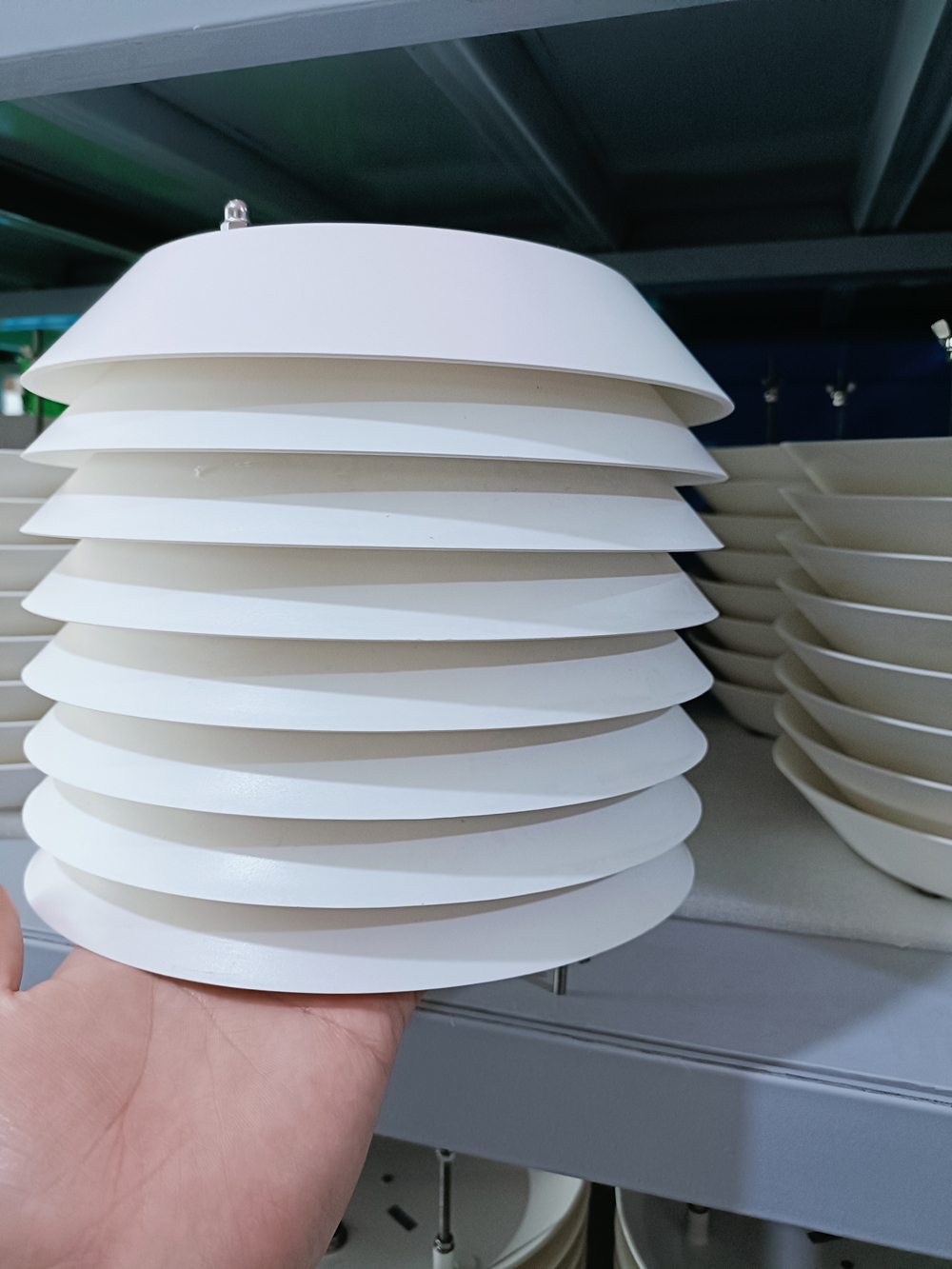
The monitoring station is specially designed for system integrators, IoT solution providers, project contractors and engineering companies. The modular structure facilitates later maintenance and expansion. The diffusion sampling method reduces power consumption. The IP65 protection level ensures long-term stable outdoor operation. The device does not require frequent on-site calibration and can be directly deployed after leaving the factory, significantly reducing project integration and operation and maintenance costs. This article systematically introduces the technical composition, performance characteristics and engineering application value of NiuBoL Four Gases and Two Dusts monitoring station, providing reliable selection reference for business partners.
As the characteristics of urban atmospheric composite pollution become increasingly obvious, “Four Gases and Two Dusts” have become key monitoring parameters for grid management and pollution source tracing by environmental protection departments. Traditional air quality monitoring relies on fixed stations or manual sampling, with problems such as low spatial resolution and insufficient data timeliness. NiuBoL Four Gases and Two Dusts monitoring station realizes dense deployment of mobile or fixed points through high-integration sensor modules and wireless communication capabilities, providing real-time and continuous data support for urban environmental monitoring, construction site dust control and enterprise self-monitoring.
Monitoring data can be directly connected to environmental protection supervision platforms, supporting big data analysis, over-limit alarms and trend prediction, helping engineering projects meet environmental protection acceptance and daily supervision requirements and reducing the risk of work stoppage or fines caused by air quality exceeding standards.
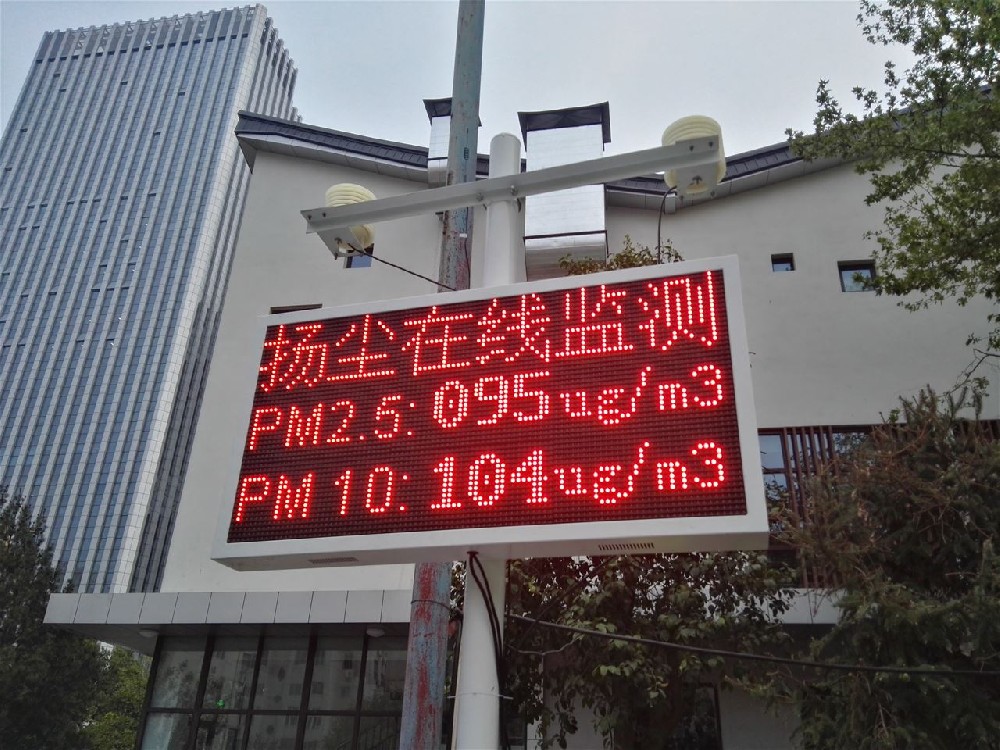
NiuBoL Four Gases and Two Dusts monitoring station adopts an integrated modular design and mainly consists of the following parts:
Gas detection module: uses imported original four-electrode electrochemical sensors to monitor SO₂, NO₂, CO and O₃ concentrations respectively.
Dust detection module: based on laser scattering principle, simultaneously monitors PM2.5 and PM10 particulate concentrations.
Data acquisition and transmission unit: integrated RS485 Modbus protocol interface, supporting GPRS/4G wireless upload.
Power supply and protection system: DC12V power supply, IP65 protection level shell, adapting to complex outdoor environments.
Installation interface: supports pole fixed installation, suitable for deployment on lamp poles, fences or dedicated monitoring poles.
The four-electrode electrochemical sensor adds an auxiliary electrode on the basis of the traditional three-electrode to compensate for zero-point current and improve response time and anti-interference ability. The measured gas naturally enters the sensor through diffusion sampling, undergoes oxidation-reduction reaction to generate current signal, which is converted into concentration value after amplification and temperature compensation.
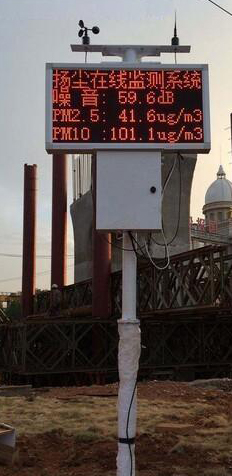
In the laser scattering method, particulate matter in the air produces scattered light when passing through the focused laser photosensitive area. The micro photoelectric detector converts the light intensity signal into voltage signal. The signal intensity is positively correlated with particulate matter concentration, and PM2.5 and PM10 concentrations are output in real time after coefficient conversion.
The diffusion sampling method does not require a pump, reducing power consumption and maintenance frequency, and is particularly suitable for long-term unattended scenarios.
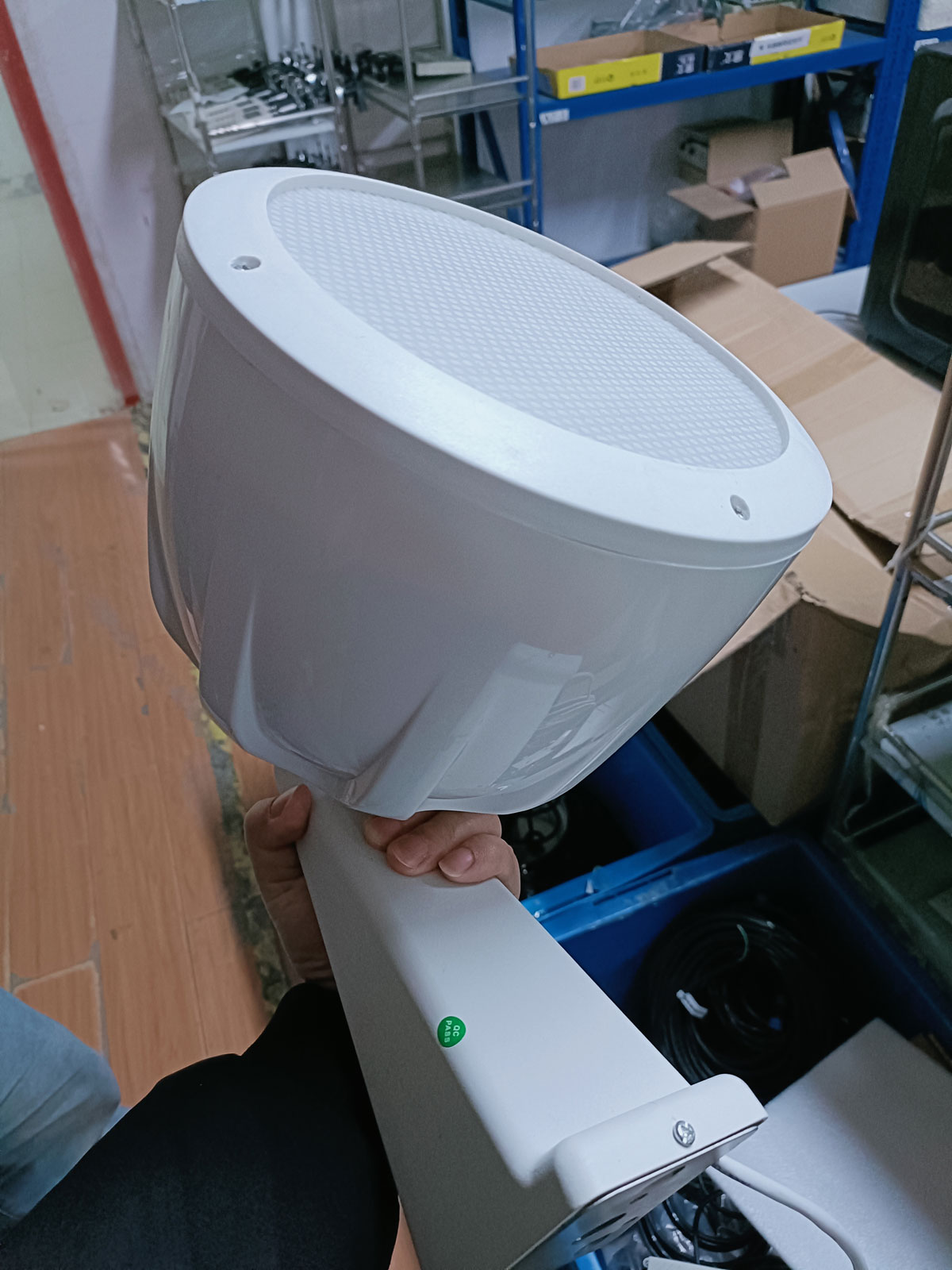
| Parameter | Range | Resolution | Operating Environment |
|---|---|---|---|
| CO | 0-10 ppm | 0.001 ppm | -30℃~50℃, 15~90% RH |
| SO₂ | 0-5 ppm | 0.001 ppm | -30℃~50℃, 15~90% RH |
| NO₂ | 0-5 ppm | 0.001 ppm | -30℃~50℃, 15~90% RH |
| O₃ | 0-5 ppm | 0.001 ppm | -30℃~50℃, 15~90% RH |
| Parameter | Monitoring Particle Size | Concentration Range | Resolution |
|---|---|---|---|
| PM2.5 | ≤2.5 μm | 0-1000 μg/m³ | 1 μg/m³ |
| PM10 | ≤10 μm | 0-2000 μg/m³ | 1 μg/m³ |
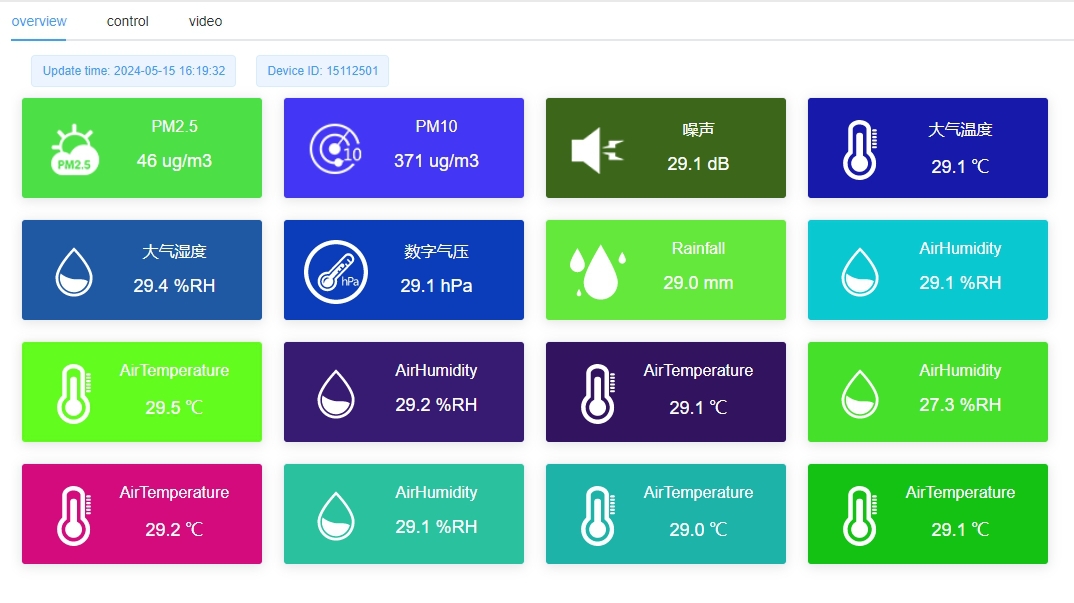
High-stability sensors: imported four-electrode electrochemical sensors with high resolution and strong anti-interference ability, small long-term drift.
Modular structure: convenient for later maintenance and parameter expansion, reducing system integration difficulty.
Diffusion sampling: no air pump required, reducing failure points and energy consumption, suitable for solar or mains hybrid power supply scenarios.
Standardized output: RS485 Modbus protocol is compatible with mainstream PLC, RTU and IoT gateways, convenient for access to existing monitoring platforms.
Wide temperature operating range: -30℃~50℃ adapts to most outdoor environments, IP65 protection ensures dust and water resistance.
Lightweight design: small size and light weight, convenient for rapid deployment on smart lamp poles, construction site fences or mobile monitoring vehicles.
These advantages make the device particularly suitable for grid-based air quality monitoring projects that require high density and low maintenance costs.
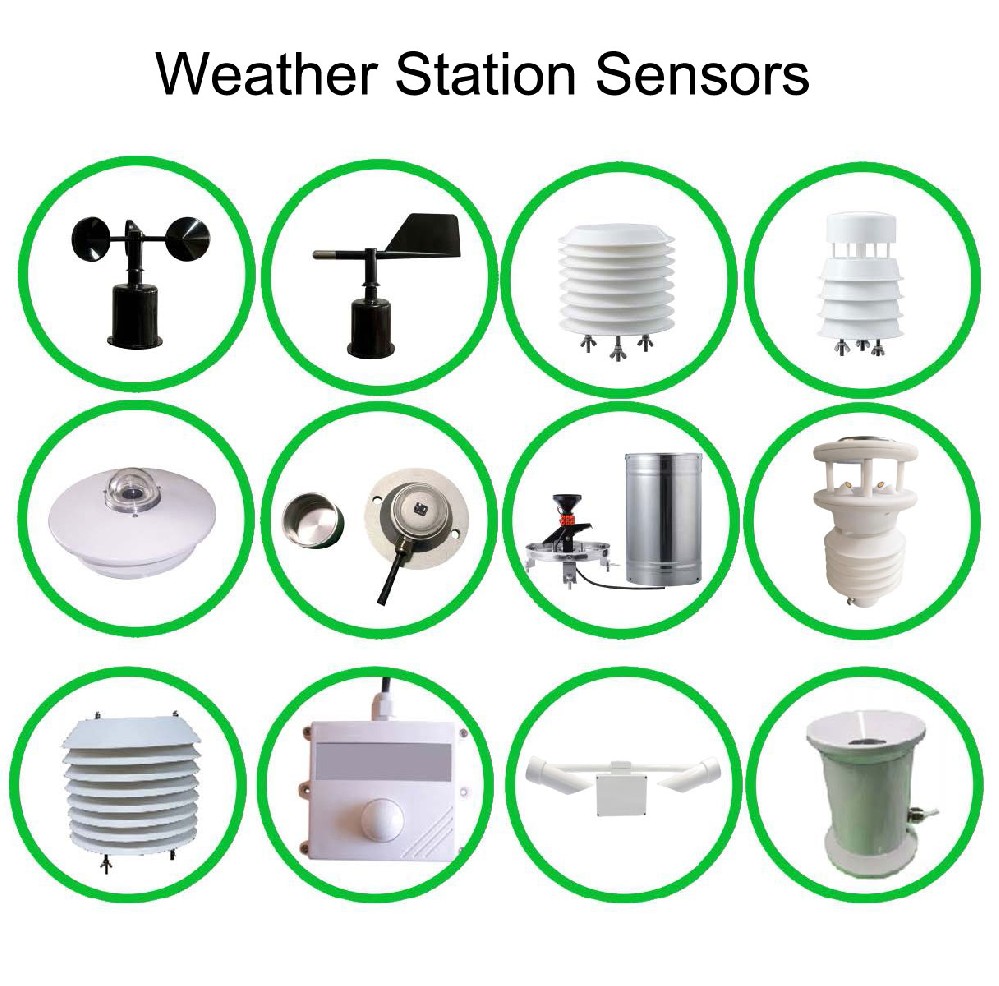
1. Construction Site Dust and Air Quality Control
Deployed on construction site fences or tower cranes to monitor “Four Gases and Two Dusts” parameters in real time, linked with spray, fog cannon and other dust suppression equipment to achieve precise pollution prevention and meet environmental protection acceptance data requirements.
2. Urban Grid Environmental Monitoring
Dense deployment in urban roads, communities and key areas to form a high spatiotemporal resolution monitoring network, supporting pollution source tracing and air quality forecast model optimization.
3. Factory and Mine Enterprise Park Self-Monitoring
Installed around production workshops or factory boundaries to provide enterprises with continuous emission data, supporting internal environmental management and external supervision docking.
4. Smart Street Lights and Multi-Pole Integration Projects
Integrated into smart lamp poles, synergizing with meteorological, video and other modules to build an urban comprehensive environmental perception system and reduce repeated pole construction costs.
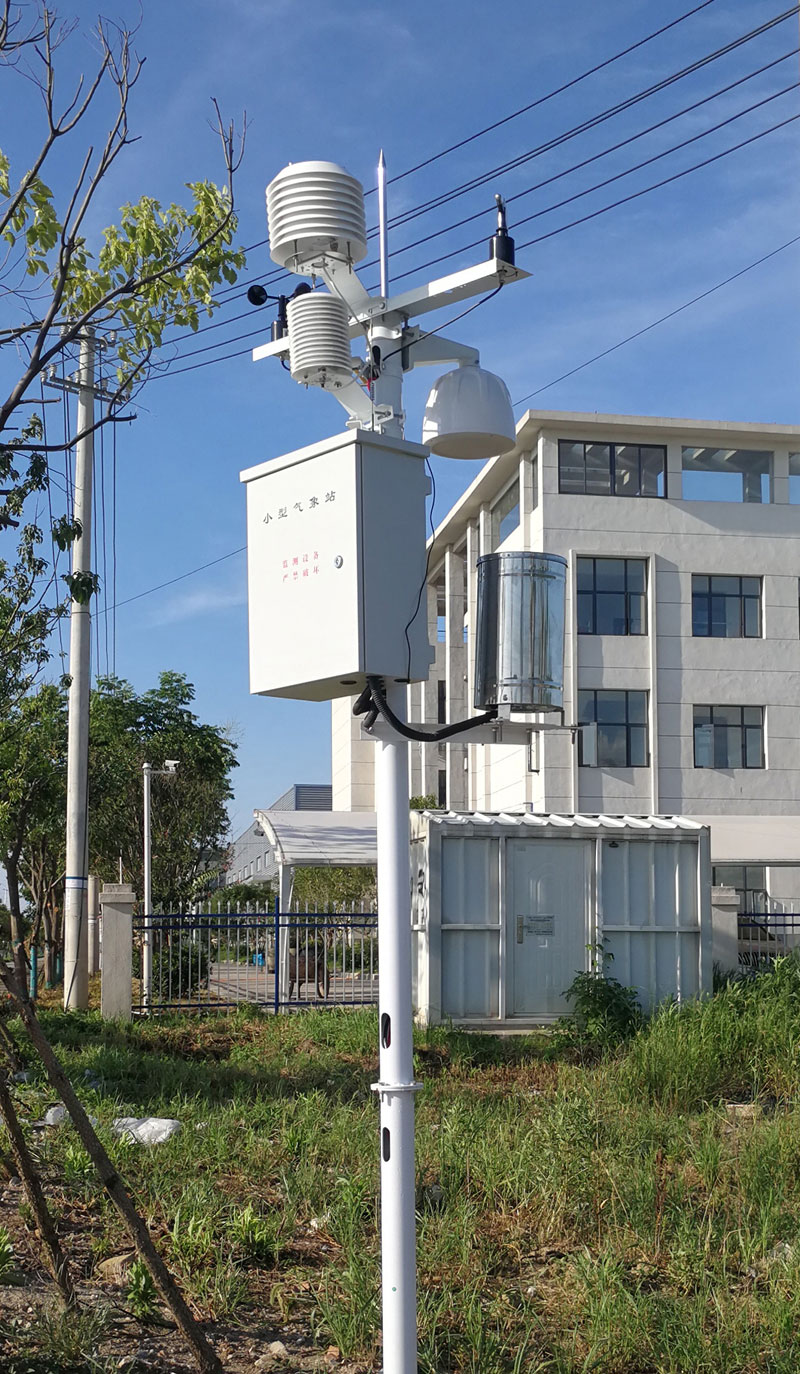
5. Scenic Spots and Public Place Environmental Management
Monitor air quality in tourist activity areas to provide data support for ecological protection and tourist health management.
6. Traffic Pollution Environmental Monitoring
Deployed on highways, service areas or ports to assess the impact of traffic emissions on surrounding air quality and support green transportation planning.
In the above scenarios, NiuBoL Four Gases and Two Dusts monitoring station helps system integrators shorten project delivery cycles, reduce overall ownership costs, and enhance solution competitiveness through standardized interfaces.
It is recommended to choose installation locations with good air circulation and away from local pollution sources in open areas. The pole height is preferably 2-5 meters. The device supports DC12V power supply and can be combined with solar systems for completely off-grid operation. For data access, the RS485 Modbus protocol can be directly connected to IoT gateways or edge computing nodes to achieve seamless docking with environmental protection platforms. In the early stage of the project, equipment selection and networking planning can be carried out according to monitoring density and data reporting frequency.
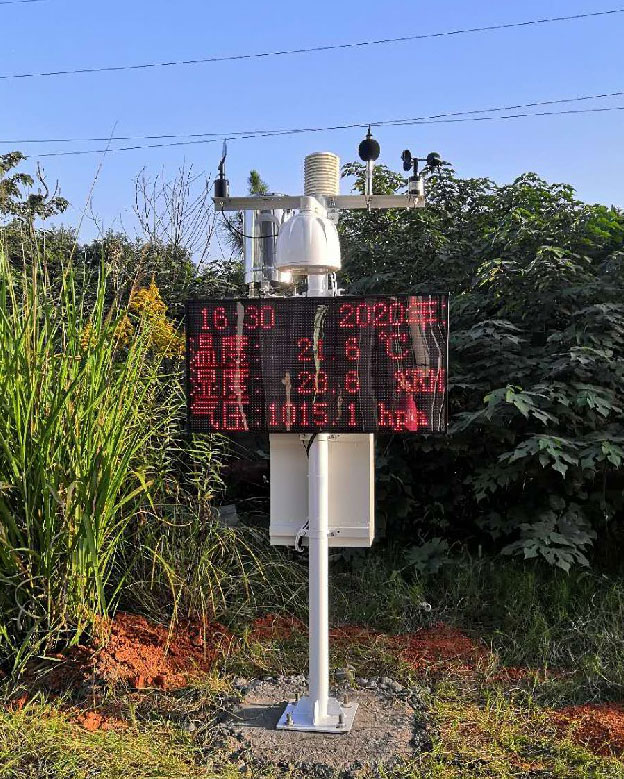
1. What specific parameters does NiuBoL Four Gases and Two Dusts monitoring station monitor?
A: Simultaneously monitors four gaseous pollutants SO₂, NO₂, CO, O₃ and two particulate pollutants PM2.5 and PM10, totaling six parameters.
2. What detection principle do the gas sensors use?
A: Uses electrochemical four-electrode principle. The auxiliary electrode compensates for zero-point current to improve response speed and anti-interference performance.
3. What method is used for dust parameter measurement?
A: Based on laser scattering principle, the light intensity signal is converted into particulate matter concentration value through a photoelectric detector.
4. Does the device support wireless data transmission?
A: Supports uploading data to cloud platforms or supervision platforms via GPRS/4G. The output interface is RS485 Modbus.
5. Do the sensors need on-site calibration?
A: Precision calibration has been completed before leaving the factory. Users can use the device directly without additional calibration.
6. Can the equipment protection level meet long-term outdoor deployment?
A: Protection level reaches IP65, which can effectively resist dust and water vapor intrusion and is suitable for most outdoor environments.
7. How does the system achieve integration with existing platforms?
A: Through the standard Modbus protocol, it supports docking with mainstream SCADA, IoT platforms or environmental protection supervision systems.
8. What technical support can system integrators obtain?
A: Provides complete protocol documents, selection guidance, integration cases and project-level batch technical services.
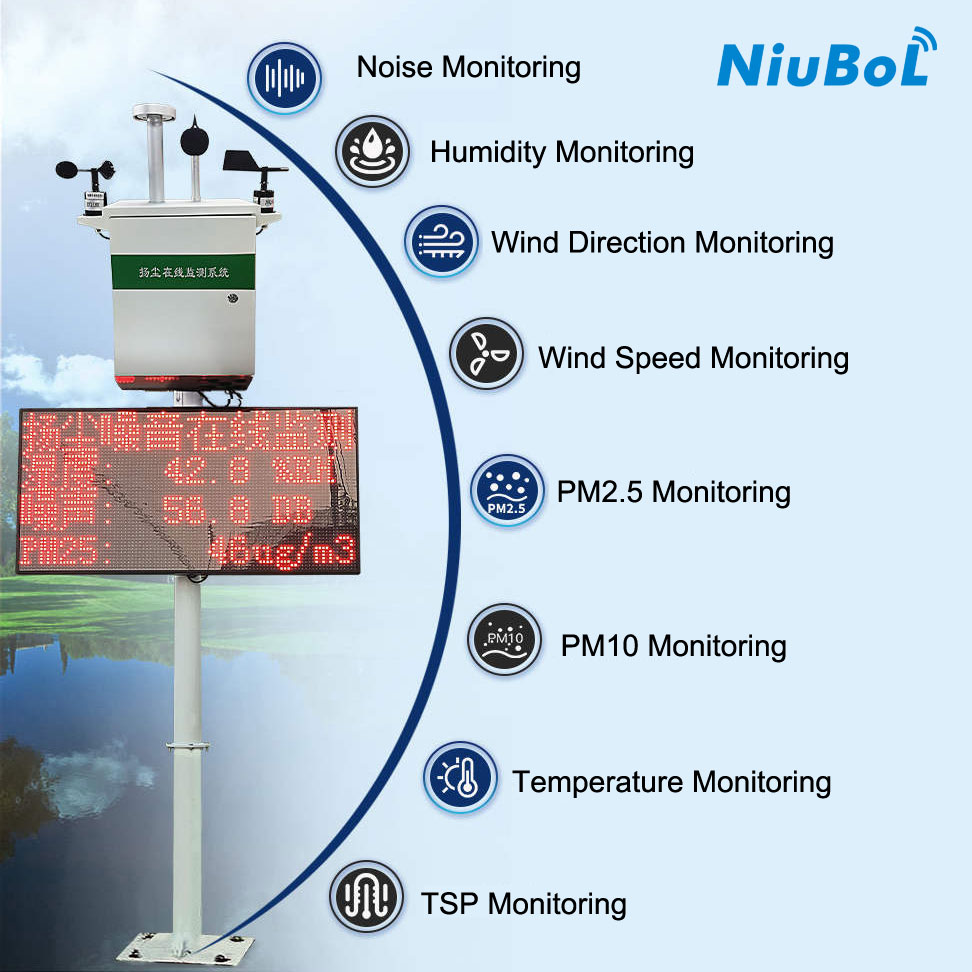
NiuBoL Four Gases and Two Dusts monitoring station takes imported four-electrode electrochemical sensors and laser scattering dust modules as the core to build a stable, modular and highly compatible online air quality monitoring solution. Its six-parameter synchronous monitoring capability, diffusion sampling design and standardized communication interface meet the needs of multiple scenarios such as urban grid monitoring, construction site control and enterprise park self-monitoring.
For system integrators, IoT solution providers and engineering companies, choosing NiuBoL Four Gases and Two Dusts monitoring station means obtaining an easy-to-integrate, low-maintenance and long-term reliable environmental data collection terminal. We focus on providing air quality monitoring equipment and technical support that meet engineering realities for partners. If you need detailed technical specifications, customized solutions or project cooperation, please feel free to contact the NiuBoL team to jointly promote the professional application of atmospheric environmental monitoring.
 NBL-W-SNCOPM-intelligent-four-gas-two-dust-sensor.pdf
Related recommendations
Sensors & Weather Stations Catalog
Agriculture Sensors and Weather Stations Catalog-NiuBoL.pdf
Weather Stations Catalog-NiuBoL.pdf
Agriculture Sensors Catalog-NiuBoL.pdf
Water Quality Sensor Catalog-NiuBoL.pdf
Related products
 Combined air temperature and relative humidity sensor
 TDR Soil Moisture & Temperature Sensor for irrigation| RS485 |4-20mA| NBL-S-THR
 Soil pH sensor RS485 soil Testing instrument soil ph meter for agriculture |NBL-S-PH
 Wind Speed sensor Output Modbus/RS485/Analog/0-5V/4-20mA
 Tipping bucket rain gauge for weather monitoring auto rainfall sensor RS485/Outdoor/stainless steel
 Pyranometer Solar Radiation Sensor 4-20mA/RS485

Screenshot, WhatsApp to identify the QR code
WhatsApp number:+8615367865107
(Click on WhatsApp to copy and add friends)

