





— Blogs —
—Products—
 Consumer hotline +8618073152920
WhatsApp:+8615367865107
Address:Room 102, District D, Houhu Industrial Park, Yuelu District, Changsha City, Hunan Province, China
Product knowledge
Time:2026-04-05 12:41:36 Popularity:614
Rainfall event separation is a processing rule that groups observations into defined events. A tipping bucket counts collected increments; it does not decide where one storm ends and another begins. Specify the dry-gap rule, timing basis and handling of missing data before using an event total from a rainfall monitoring station.
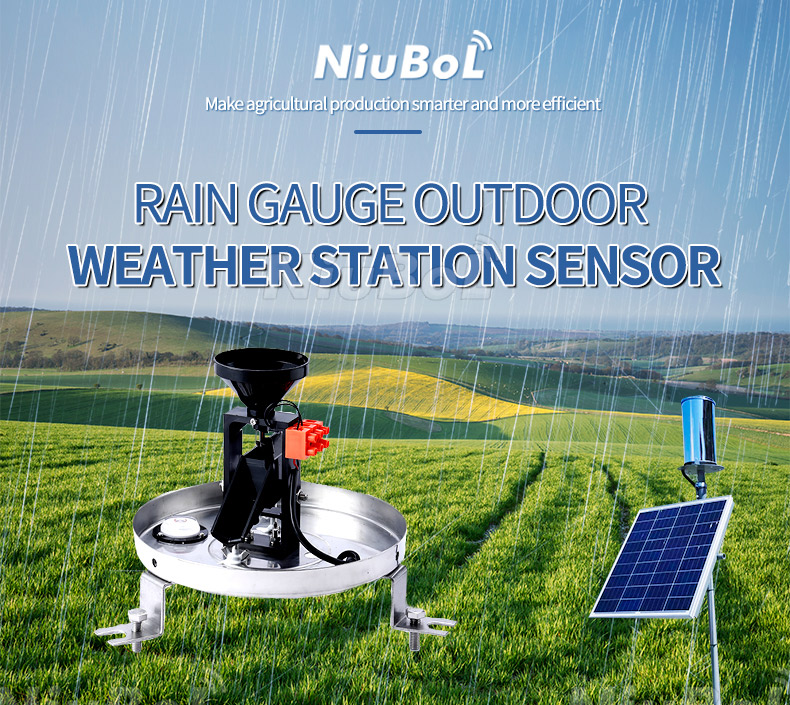
A day boundary divides records by a clock convention. An event rule groups rain according to an agreed definition, which may cross midnight. The same observations can therefore produce one event spanning two daily reports. An event ending at midnight solely because the display resets has not necessarily ended meteorologically.
Define whether an event begins at the first recorded tip, at an independent rain-presence observation or through another specified method. Keep that definition with the result. Do not publish an exact onset time from a cumulative total whose intermediate timing was never recorded.
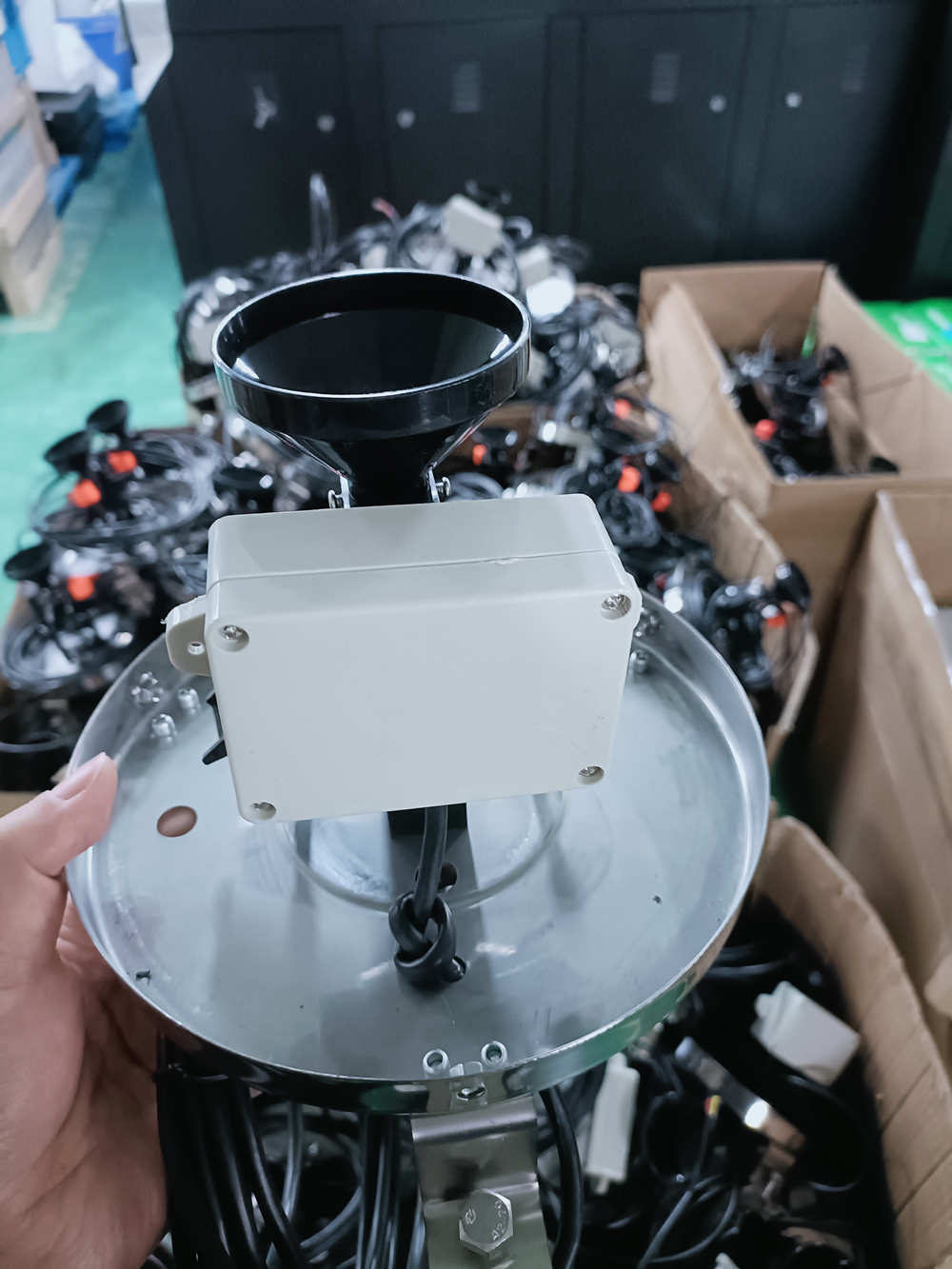
A bucket must collect enough water to tip. In an idealized example with an initially empty 0.2 mm bucket and steady 1 mm/h rainfall, the first tip would occur after 0.2 hours, or 12 minutes. If the bucket initially held the equivalent of 0.1 mm, the remaining 0.1 mm would take six minutes at that same rate.
These are timing illustrations, not measured NiuBoL response results. They omit collection losses and other field effects. The important distinction is that first recorded increment and actual rain onset are different events. Residual water and pauses between light showers also limit how precisely bucket tips alone can identify a dry interval.
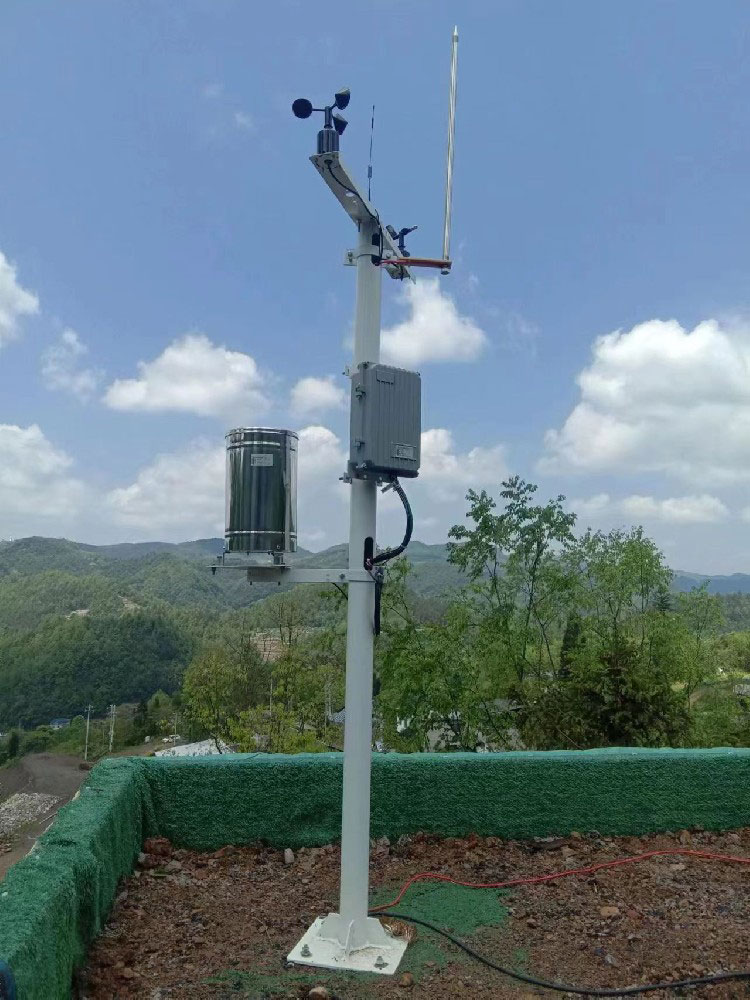
Specify the gap duration, which observations establish it and whether a gap exactly equal to the limit starts a new event. A rule based on time between tips is operationally different from one based on a separate rain-presence signal. Neither should be called the universal definition of a storm.
| Hypothetical tip sequence | Gap rule | Result |
|---|---|---|
| Tips at 08:00, 08:02, 08:06 and 08:09 | Start a new event when the inter-tip gap is greater than 5 minutes | One event: largest gap is 4 minutes |
| The same sequence | Start a new event when the inter-tip gap is greater than 3 minutes | Two events: 08:00/08:02 and 08:06/08:09 |
| Four tips from a 0.2 mm bucket | Either illustrative rule | Recorded total remains 0.8 mm; the grouping changes |
The chosen three- and five-minute limits illustrate processing, not recommended hydrological thresholds. Select the real event definition with the project analyst. A mean rate calculated from first-to-last tip time also needs an explicit convention; it is not automatically the duration or average intensity of the whole shower.
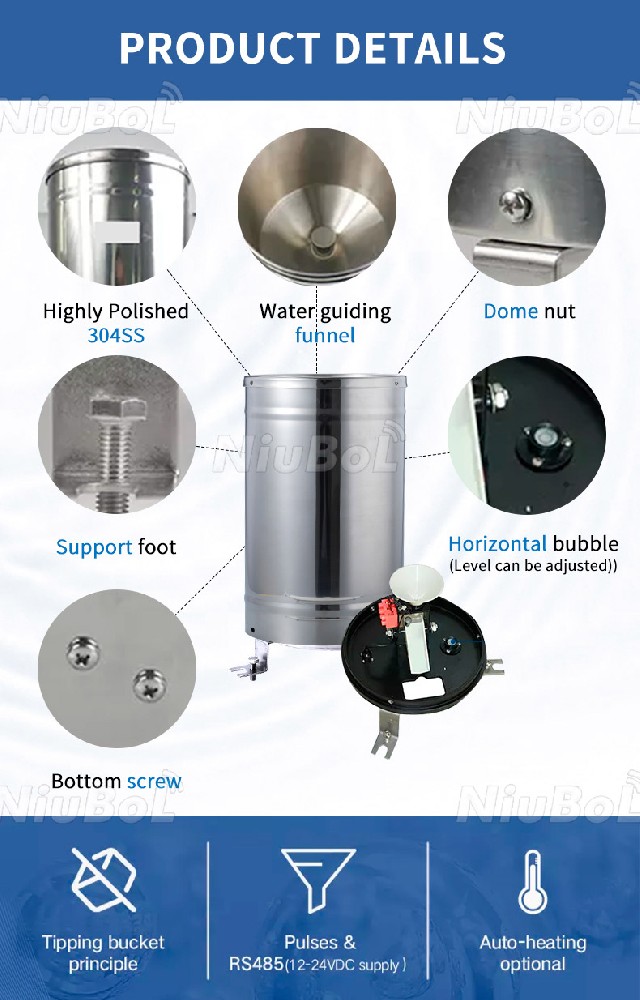
The NiuBoL NBL-W-RS provides a 0.2 mm increment in the specified configuration. The event-processing requirement determines what the logger must retain: tip times, sufficiently fine interval counts or another agreed record. Fast uploads cannot recover detail the logger did not acquire.
| NBL-W-RS item | Specification | Event-record relevance |
|---|---|---|
| Collector and increment | 200 +/-0.6 mm diameter; 0.2 mm per tip | Defines the collected increment, not exact storm onset |
| Intensity range | 0-4 mm/min | Check expected exposure and method suitability |
| Accuracy condition | +/-4% in the specified indoor test at 2 mm/min | Not a timing-accuracy statement |
| Electrical versions | Switch, voltage or RS485; 5 V or 12-24 V supply by selection | Specify the delivered acquisition arrangement |
| Operation and lead | 0-50 C; standard 5 m cable | Liquid-rain configuration, not a winter-precipitation guarantee |
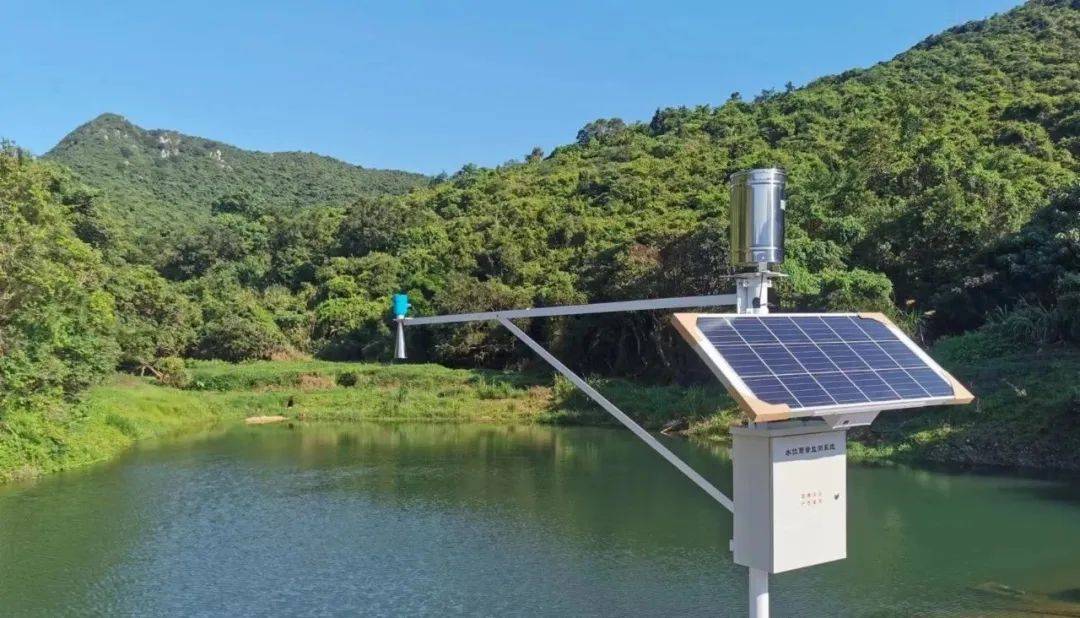
If local acquisition continues during a radio outage, recovered records may allow the event to be reconstructed from their original observation times. If acquisition stops, the missing interval cannot be declared dry simply because the server received no rain. Retain a coverage qualification with any affected event.
With a cumulative RS485 Modbus RTU reading, a later increase may establish an accumulated amount across an interruption without establishing when each increment occurred. Do not distribute that increase across intervals or split it into storms as though the timing were measured. Identify any reconstruction method as processing rather than original observations.
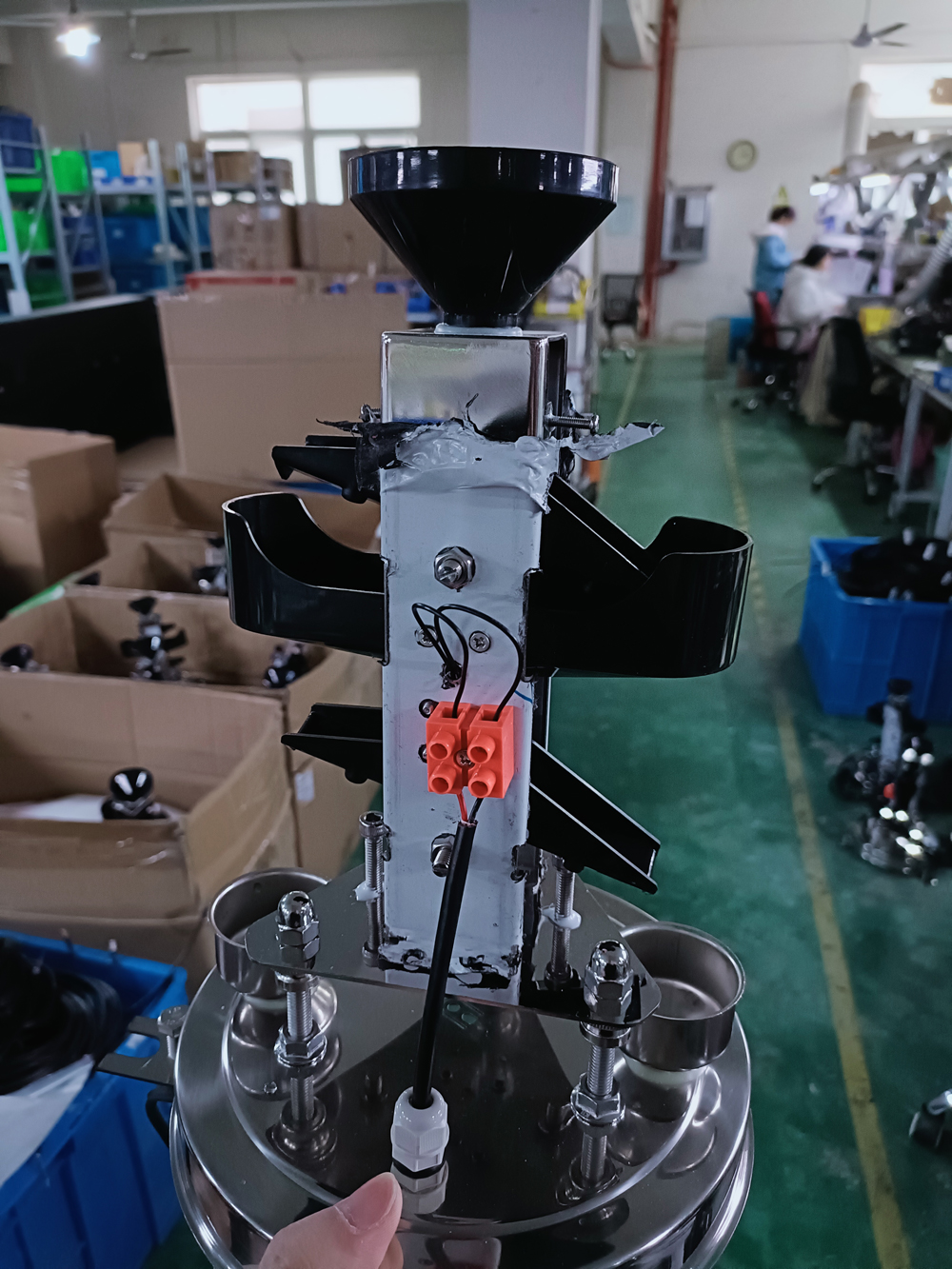
Where cumulative acquisition is used, it is often possible to derive event records from the preserved sequence without clearing the physical counter for each event. Confirm the actual logger and gauge behavior. A counter reset, rollover or restart needs its own marker; a falling cumulative value is not negative rain or evidence of a new storm.
Test a restart between two known increments and inspect both the local record and exported event result. Also identify maintenance water tests so their increments are not treated as natural rain. Changing the dry-gap setting should create a documented processing revision, not silently rewrite an earlier event catalogue without preserving its basis.
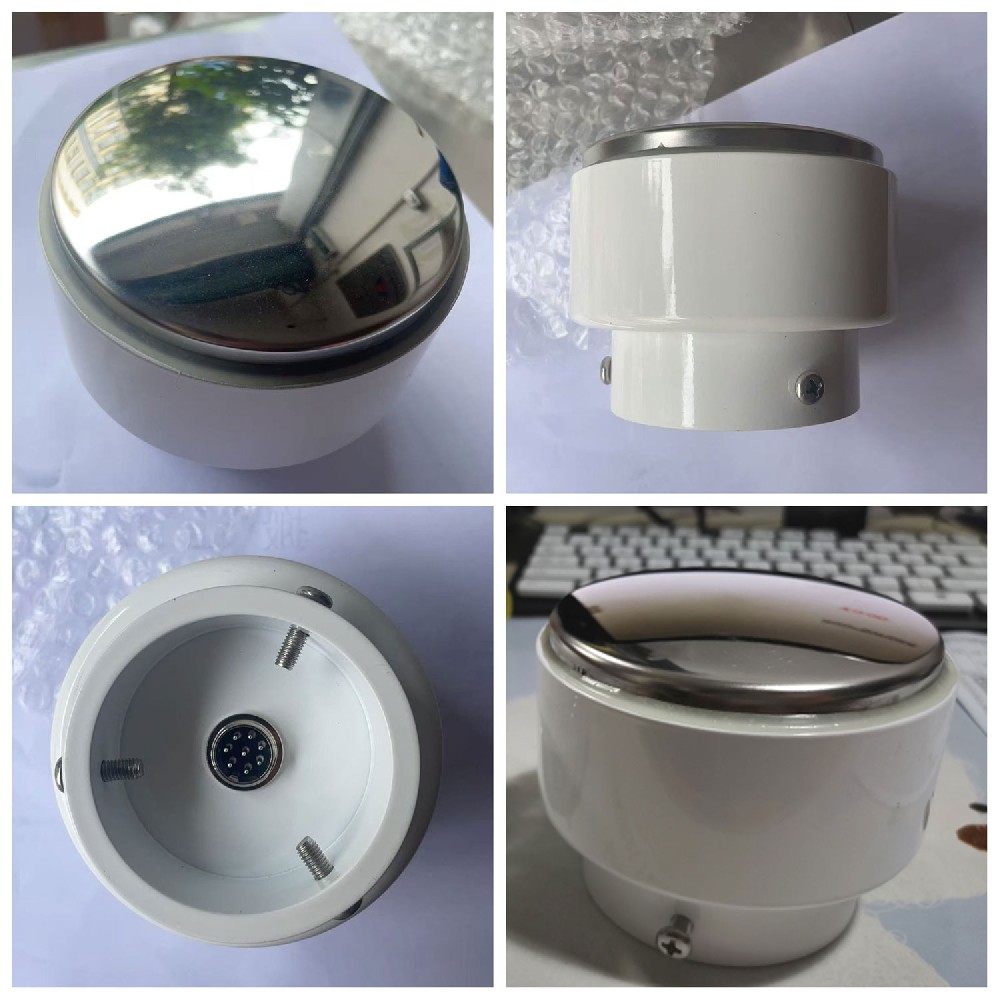
A finer bucket increment can change the timing granularity, while a piezoelectric instrument uses a different impact-based measurement method. Neither automatically supplies the same event definition or improves every aspect of a storm record. Compare the ordered model's field behavior and required outputs rather than assuming that extra decimal places establish better onset accuracy.
For a NiuBoL quotation, send the required rainfall method, event definition, logging interval, output destination and outage requirements. Ask for a demonstration using a known sequence, including a boundary-length gap, a missing period and a restart. This makes the rainfall monitoring station's event function an inspectable deliverable rather than an undefined dashboard total.
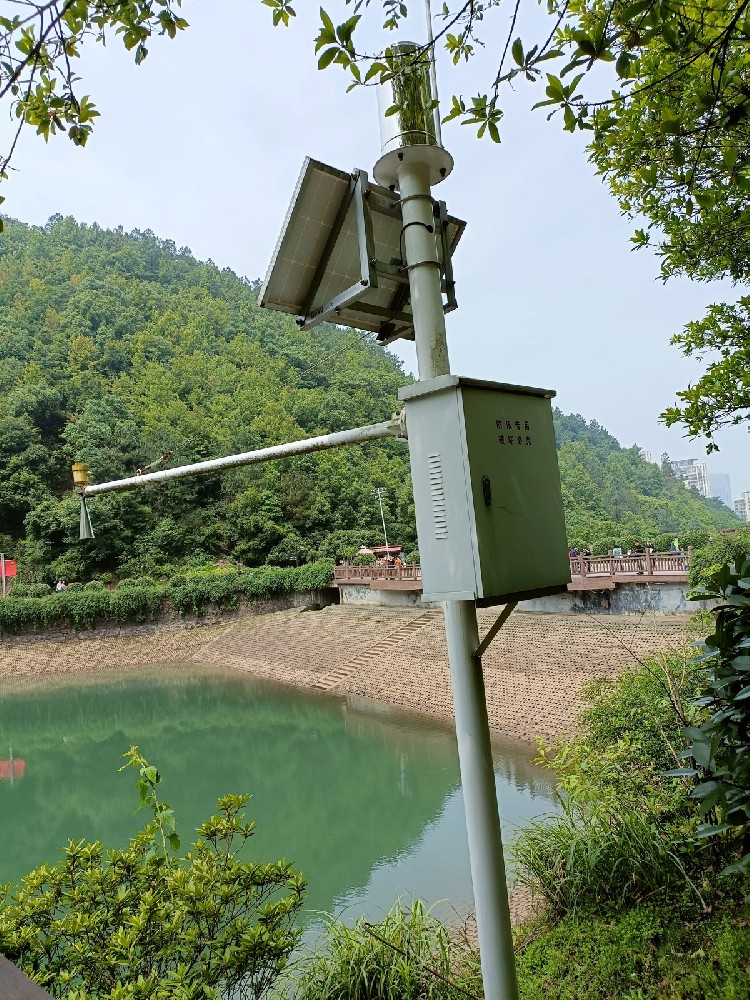
Not necessarily. Water must accumulate before a tip, and the initial bucket content matters. Label a first-tip time as such unless another valid observation establishes onset.
There is no universal value for every analytical task. Agree the duration, observation basis and equality rule with the project analyst, and retain the setting with the event results.
Not as measured events without the necessary timing detail. A processing estimate must remain distinct from observed event boundaries.
Only if that is deliberately the required reporting definition. A calendar-day reset is not evidence that rain stopped; preserve daily and event totals as separate statistics.
Use a known sequence to verify increments, gap rules, boundary equality, timestamps and missing-data treatment. Check reset and restart handling separately, then compare the exported record with the configured definition.
Rainfall event separation depends on a documented rule and sufficient underlying observations. Keep first-tip time, storm onset, daily boundaries and counter changes distinct. Select NiuBoL gauge hardware and logger records around the required analysis, and qualify events when missing data prevents a defensible split.
 NBL-W-RS-Rain-sensors-instruction-manual-V4.0.pdf
NBL-W-DRS-Double-Tipping-Bucket-Rain-Sensor-Instruction-Manual.pdf
Prev:Campus Weather Station Display: Explain Current, Daily and Missing Values
Next:Four Gas and Two Particle Monitoring Station: Verify the Ordered Channels
Related recommendations
Sensors & Weather Stations Catalog
Agriculture Sensors and Weather Stations Catalog-NiuBoL.pdf
Weather Stations Catalog-NiuBoL.pdf
Agriculture Sensors Catalog-NiuBoL.pdf
Water Quality Sensor Catalog-NiuBoL.pdf
Related products
 Combined air temperature and relative humidity sensor
 TDR Soil Moisture & Temperature Sensor for irrigation| RS485 |4-20mA| NBL-S-THR
 Soil pH sensor RS485 soil Testing instrument soil ph meter for agriculture |NBL-S-PH
 Wind Speed sensor Output Modbus/RS485/Analog/0-5V/4-20mA
 Tipping bucket rain gauge for weather monitoring auto rainfall sensor RS485/Outdoor/stainless steel
 Pyranometer Solar Radiation Sensor 4-20mA/RS485


Screenshot, WhatsApp to identify the QR code
WhatsApp number:+8615367865107
(Click on WhatsApp to copy and add friends)

