





— Blogs —
—Products—
 Consumer hotline +8618073152920
WhatsApp:+8615367865107
Address:Room 102, District D, Houhu Industrial Park, Yuelu District, Changsha City, Hunan Province, China
Product knowledge
Time:2026-02-04 16:20:05 Popularity:611
A rain gauge comparison test should separate instrument response from exposure and data-processing differences. A tipping bucket and a piezoelectric rain sensor can report the same unit while responding through different physical methods. Before accepting either for irrigation records or catchment monitoring, compare equivalent rainfall periods and use tests appropriate to the mechanism. A finer reported increment alone does not establish better field accuracy.
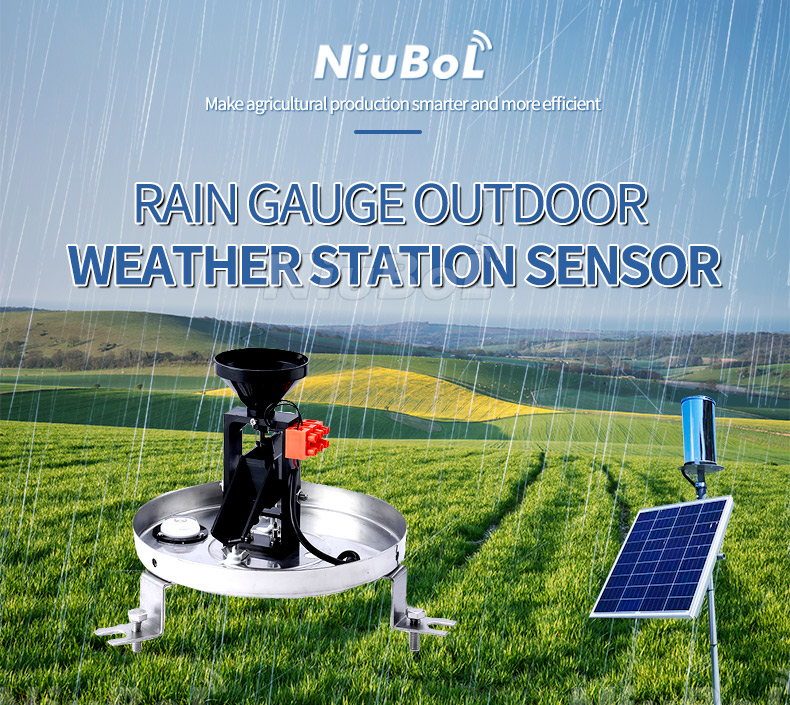
A workshop test can check a tipping mechanism, pulse counter and conversion to millimeters. A field comparison investigates how the installed instruments behave during actual rain. Neither alone proves every aspect of a complete monitoring station. Specify whether acceptance concerns daily totals, event accumulation, onset timing or short-interval intensity; those results require different comparisons.
For water-management projects, keep the point measurement distinct from catchment-average rainfall. For agriculture, keep recorded rain distinct from water retained in the root zone. The rain gauge provides one measured input to the wider assessment. It does not independently predict flooding, calculate effective rainfall or establish a safe pump or irrigation action.
| Item | NBL-W-RS | NBL-W-PRS |
|---|---|---|
| Method | Collected liquid water tips a calibrated bucket | Piezoelectric response to drop impacts |
| Intensity range | 0-4 mm/min | 0-8 mm/min |
| Reported increment | 0.2 mm, nominally 6.28 mL per tip | 0.01 mm resolution |
| Accuracy statement | +/-4% at 2 mm/min under the specified indoor static test | +/-4% for daily accumulated rainfall |
| Supply | Selected 5 V or 12-24 V powered version; confirm output configuration | 12-24 V DC |
| Outputs | Selected reed-switch, voltage or RS485 version | RS485 Modbus |
| Environment | Operating 0-50 C; storage -40 to +80 C | Operating -40 to +80 C, 0-100% RH |
| Other configuration details | 200 +/-0.6 mm collector diameter; standard 5 m cable | IP66; average current below 5 mA at 12 V |
The RS stainless-steel tipping bucket and PRS piezoelectric sensor have different accuracy statements. Do not turn the PRS daily-total specification into a guaranteed minute-by-minute intensity accuracy, or extend the RS laboratory result to every windy field installation. Confirm any required certification and test evidence for the offered unit rather than inferring approval from its construction.
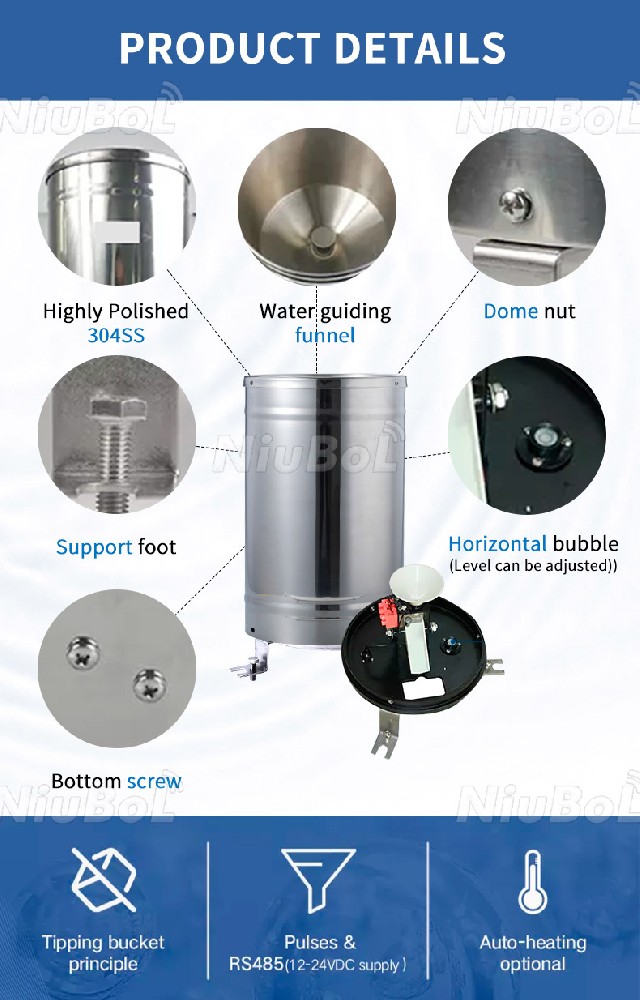
For a nominal 200 mm circular collector, area is approximately 0.031416 m2. Ten millimeters of water over that area corresponds to about 314 mL. With a 0.2 mm tipping increment, the expected accumulated indication is 50 tips. This checks the relationship between collected volume and counted rainfall, subject to the actual collector area, measuring apparatus and test procedure.
Delivering that volume over five minutes corresponds to 2 mm/min, or roughly 62.8 mL/min through the nominal collector. Use a controlled feed and follow the gauge's test procedure; dumping the water quickly can exceed the intended intensity and produce a different test. Check leveling, wetting condition, leaks, both bucket sides and water remaining at the beginning and end. A small test can be dominated by residual water and discrete tips.
Compare the physical tips with what the data logger records. A correct mechanism can still produce an incorrect total if the receiver counts contact bounce, misses pulses or uses the wrong increment. Exercise the actual counter input, not only a software display. If an RS485 version is used, confirm whether the returned value is cumulative, interval-based or another defined quantity before applying differences.
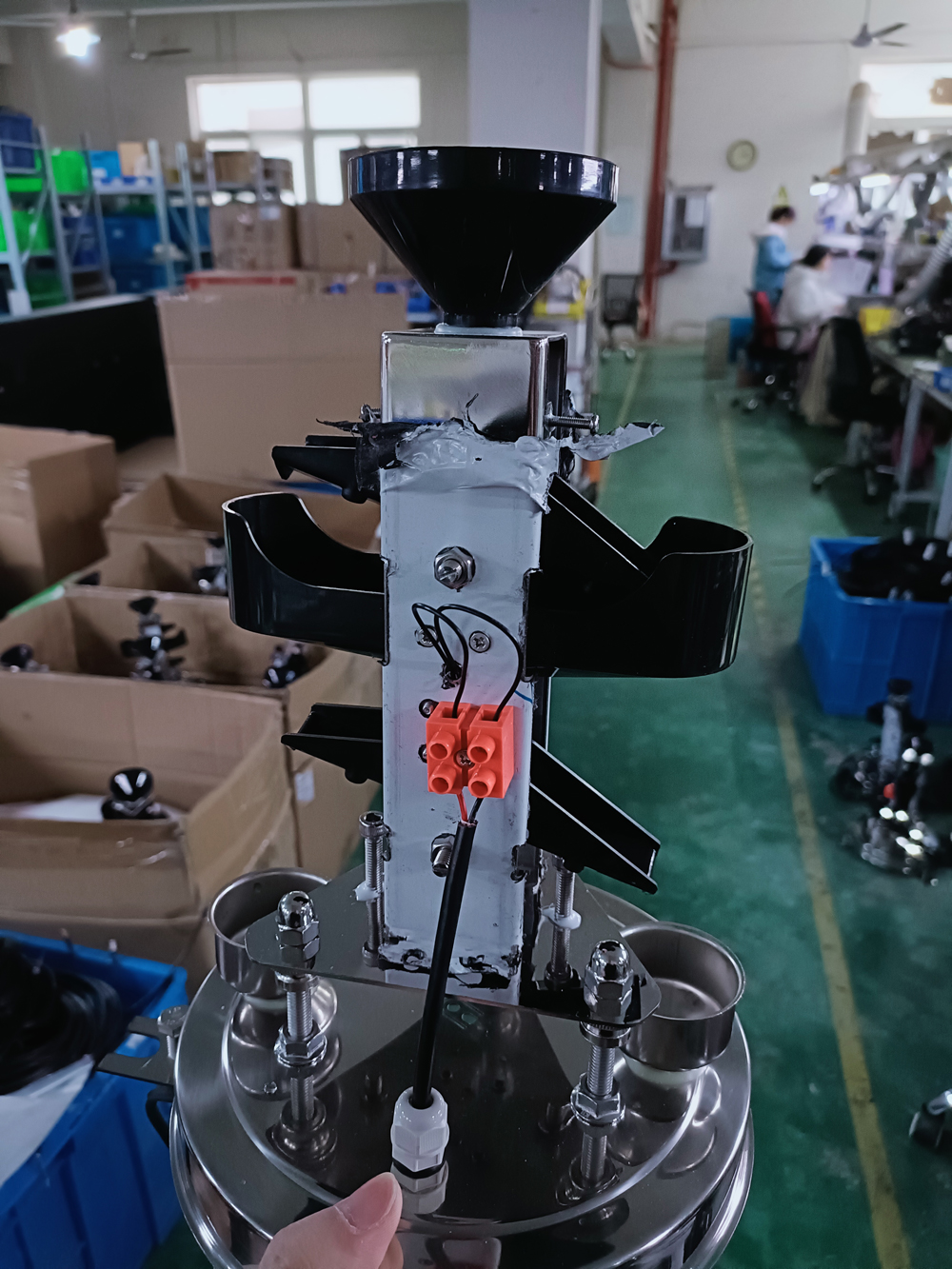
The PRS estimates rainfall from impacts on its sensing surface, not from water collected in a calibrated bucket. A continuous poured stream or spray from an arbitrary nozzle does not necessarily reproduce natural drop sizes and impact speeds. A known water volume delivered to the surface therefore does not establish a valid rainfall calibration in the same way as the RS collection-volume test.
Use a method appropriate to impact sensing and the supplier's test conditions, or compare with a suitable reference during representative natural rain. Include a range of events rather than one convenient shower. Check that the mount is rigid, the sensing surface is unobstructed and the installation is away from vibration. Removing the tipping mechanism does not remove the need for inspection or field performance checks.
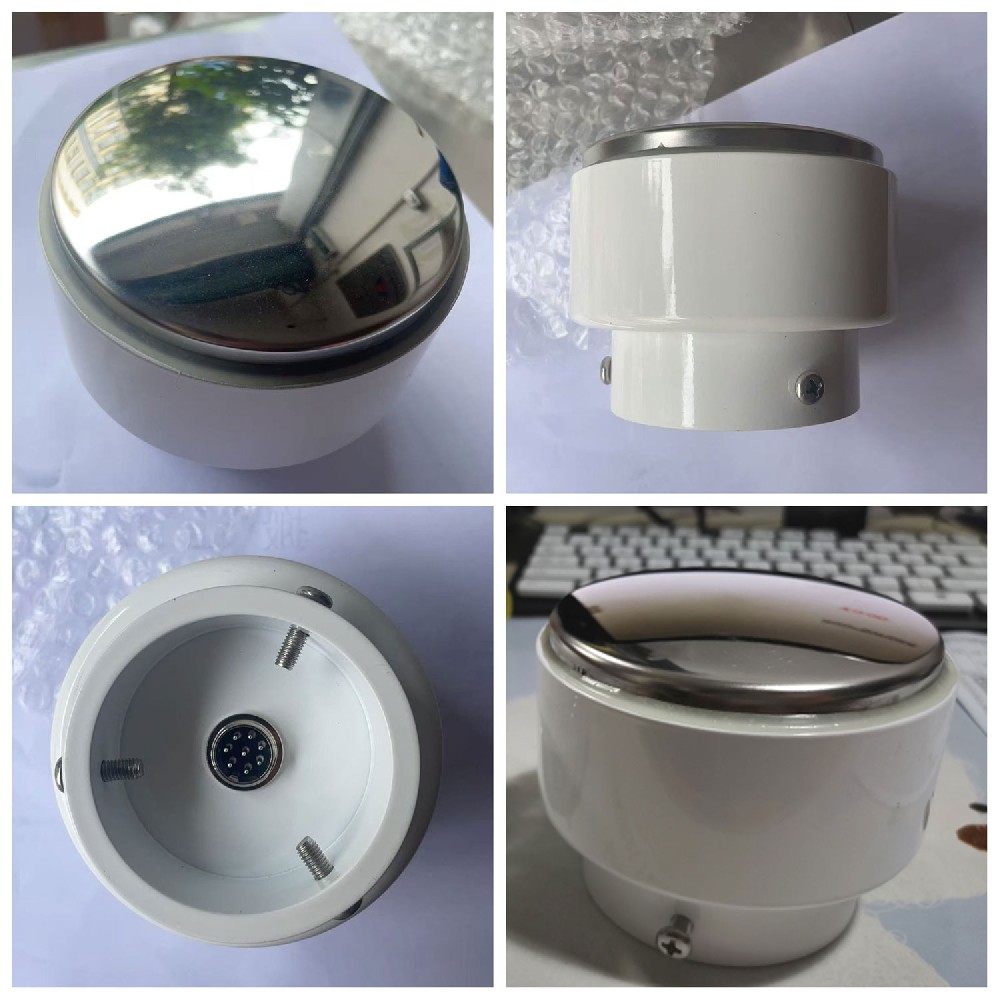
Place the instruments and reference in comparable exposure without one obstructing or splashing onto another. Record mounting heights, surrounding obstacles and changes to the site. The National Weather Service rain-gauge guidance emphasizes exposure as a major influence on precipitation measurement. Agreement between two poorly exposed instruments does not establish an accurate rainfall reference.
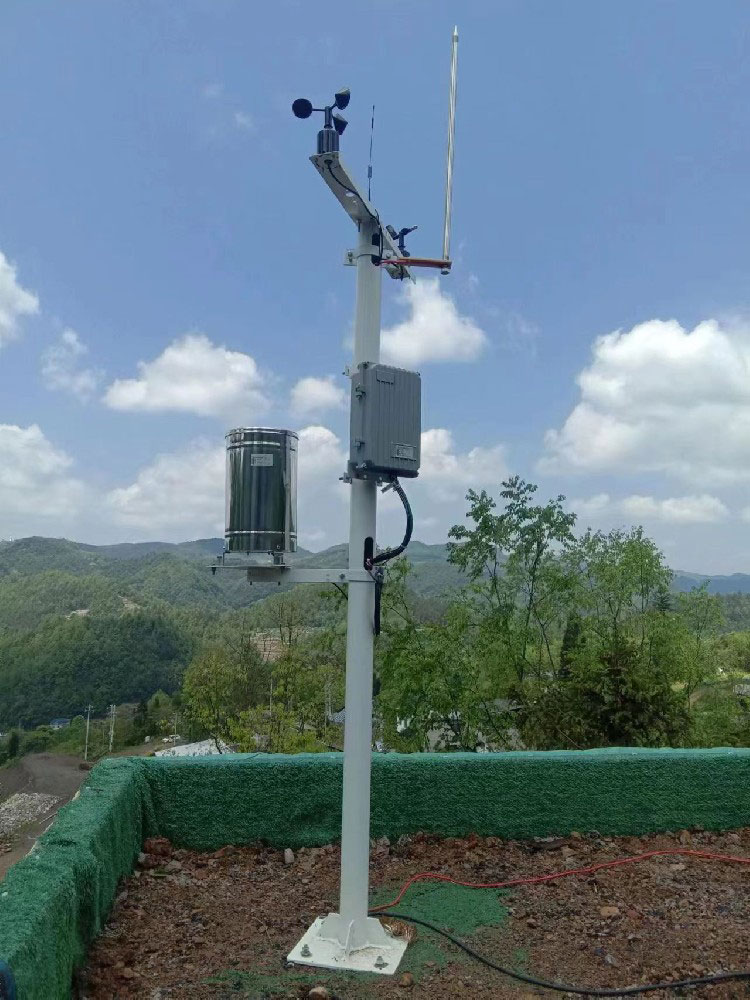
For the RS, level the collector and inspect the inlet and drain. For the PRS, control mast vibration and cable movement; avoid a flexible side arm that oscillates in wind. Maintain its intended mounting orientation. A nominally level surface does not compensate for rain shadow, splash or a vibrating support. Photograph the arrangement so later differences can be assessed against the actual setup.
Record event totals and duration, the reference result, wind conditions, relevant temperature and any maintenance. Mark incomplete records separately. Include low totals and stronger rain only within the intended operating envelope. Rainfall in frozen form requires a suitable measurement arrangement and validation; a low operating-temperature rating alone does not make either instrument a verified snow-water-equivalent gauge.
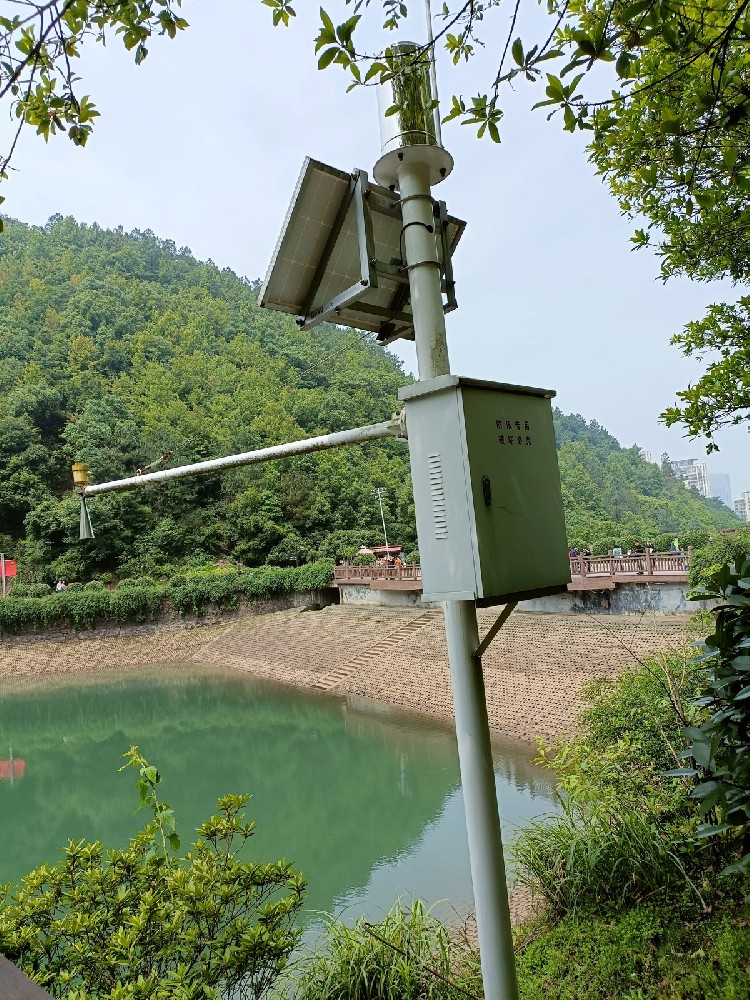
Use one time basis and a defined day or event boundary. Check whether a cumulative counter resets at midnight, power-up or a command. A rainfall period crossing the reset cannot be reconstructed by simply subtracting the final counter from the initial one without handling that reset. Delayed remote uploads should retain their observation times.
As an illustrative calculation, if a reference records 20.0 mm and a test instrument 20.4 mm over the same complete period, the difference is +0.4 mm, or +2% relative to that reference. This does not establish a 2% instrument uncertainty: the reference has uncertainty and exposure effects too. For a very small event, show absolute difference as well as percentage, since one 0.2 mm tip can dominate the comparison.
Separate amount from intensity. Two gauges can agree on a daily total while distributing it differently across five-minute windows. Establish which rate each reports: a fixed-window average, a rolling value or an estimate derived from tip timing. Do not compare those labels as though they were the same statistic. A useful comparison report retains the raw observations and the calculation method.
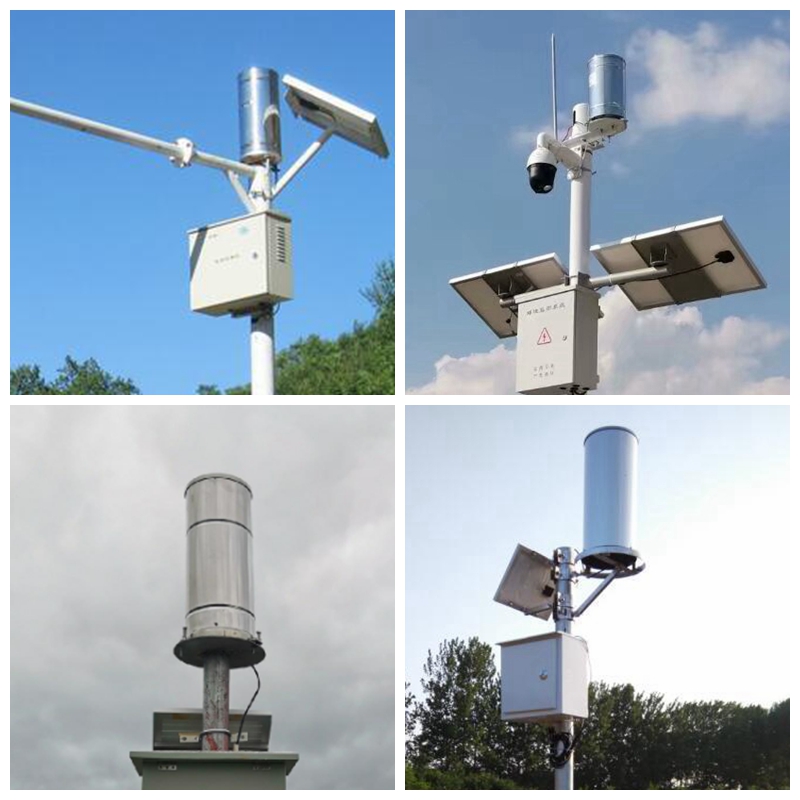
A discrepancy that grows with wind warrants an exposure investigation. A repeated count ratio can indicate incorrect scaling. A PRS response during dry vibration suggests a different test from an RS collector blocked by debris. Classify these observations before changing calibration. Fitting one correction factor through all conditions can conceal installation or data-chain faults.
For a NiuBoL inquiry, provide the intended reporting variable, rain conditions, maintenance access, power and receiving equipment. Include the comparison procedure and any prescribed approval requirements. Request the offered gauge and output version explicitly, with suitable cable material and terminations for the site. There is no fixed instrument price or universal calibration interval implied by the choice of sensing principle.
No. Resolution is the reported increment. Compare the relevant accuracy basis and installed performance for the required total or intensity statistic. The two mechanisms also respond differently to exposure and test conditions.
That is not equivalent to a tipping-bucket volume test. Impact sensing depends on how drops strike the surface. Use an appropriate verified procedure or a suitable reference comparison rather than interpreting poured volume as a natural-rain input.
No. Check short-interval behavior and timing against the warning system's requirements. A daily-total comparison can conceal differences in event onset, delay and peak intensity distribution.
Not on that basis alone. Solid precipitation needs a suitable measurement method and installation. Distinguish electronic operating limits from demonstrated precipitation performance, and specify any heating and verification separately.
Keep gauge identities, output configuration, setup photographs, test method, reference information, raw records and reporting boundaries. Document corrections and invalid periods so the final comparison can be reproduced.
A rain gauge comparison test is useful when its method matches the sensor and its records match the intended decision. Check the RS with a controlled collection-volume procedure, evaluate PRS impact sensing with appropriate conditions, and compare field records on the same time basis. This supports selection without treating resolution, cold operation or a single matching total as a universal performance guarantee.
 NBL-W-ARS-Tipping-bucket-rain-gauge-instruction-manual.pdf
Prev:PV Performance Ratio Calculation: Match Energy and POA Irradiation
Next:Farm Weather Station Accuracy: Specifications and Field Error
Related recommendations
Sensors & Weather Stations Catalog
Agriculture Sensors and Weather Stations Catalog-NiuBoL.pdf
Weather Stations Catalog-NiuBoL.pdf
Agriculture Sensors Catalog-NiuBoL.pdf
Water Quality Sensor Catalog-NiuBoL.pdf
Related products
 Combined air temperature and relative humidity sensor
 TDR Soil Moisture & Temperature Sensor for irrigation| RS485 |4-20mA| NBL-S-THR
 Soil pH sensor RS485 soil Testing instrument soil ph meter for agriculture |NBL-S-PH
 Wind Speed sensor Output Modbus/RS485/Analog/0-5V/4-20mA
 Tipping bucket rain gauge for weather monitoring auto rainfall sensor RS485/Outdoor/stainless steel
 Pyranometer Solar Radiation Sensor 4-20mA/RS485


Screenshot, WhatsApp to identify the QR code
WhatsApp number:+8615367865107
(Click on WhatsApp to copy and add friends)

