





— Blogs —
—Products—
 Consumer hotline +8618073152920
 WhatsApp:+8615367865107
Address:Room 102, District D, Houhu Industrial Park, Yuelu District, Changsha City, Hunan Province, China
Product knowledge
Time:2026-02-04 16:00:19 Popularity:844
PV performance ratio calculation requires energy output and plane-of-array solar irradiation for the same reporting interval and plant boundary. An instantaneous irradiance value cannot be substituted for accumulated solar energy in a daily calculation. For an integrator connecting a NiuBoL weather station to SCADA, defining those inputs is as important as choosing the sensors: a plausible-looking ratio can be wrong because of units, timing or the reference plane.

For a conventional AC performance ratio using the installed DC nameplate at standard test conditions, define final yield Yf = EAC / P0 and reference yield Yr = HPOA / Gref. Then PR = Yf / Yr. EAC is measured AC energy for the interval, P0 is the applicable DC rated power, HPOA is accumulated plane-of-array irradiation, and Gref is 1 kW/m2, equivalent to 1000 W/m2.
With energy in kWh, rated power in kW and irradiation in kWh/m2, both yields are in hours and PR is dimensionless. The Sandia PV Performance Modeling Collaborative definition describes this yield-based approach. State the chosen rating and boundary explicitly; a contract using a different performance metric cannot be satisfied by changing only the dashboard label.
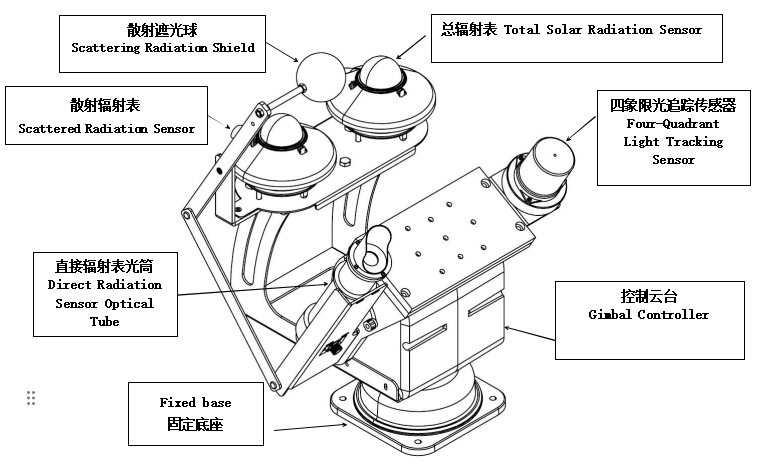
The three-component tracking instrument illustrated next is one possible radiation measurement arrangement. It can support separate solar-resource observations, but a tracking assembly is not automatically required for every PR task. Identify whether the calculation needs a measured POA reference, a defined model from other radiation components or another agreed method before selecting the equipment.
Consider a hypothetical 1000 kW DC array producing 4000 kWh AC during a day, with measured POA irradiation of 5 kWh/m2. Final yield is 4000 / 1000 = 4 h. Reference yield is 5 / 1 = 5 h. PR is 4 / 5 = 0.80, or 80%.
| Input or result | Illustrative value | Required meaning |
|---|---|---|
| DC nameplate P0 | 1000 kW | Installed capacity corresponding to the selected energy boundary |
| AC energy EAC | 4000 kWh | Energy recorded over the same accepted interval |
| POA irradiation HPOA | 5 kWh/m2 | Integrated resource for the relevant array plane |
| Reference irradiance Gref | 1 kW/m2 | Normalization constant, not the day's measured irradiance |
| Performance ratio | 80% | A defined system metric, not a direct fault diagnosis |
An irradiance probe normally reports W/m2. Integrate its valid readings over time to obtain HPOA. For constant 500 W/m2 over two hours, the contribution is 1 kWh/m2. A value of 500 W/m2 at noon does not establish the day's irradiation, and a gateway polling faster does not turn one instantaneous value into an energy total.
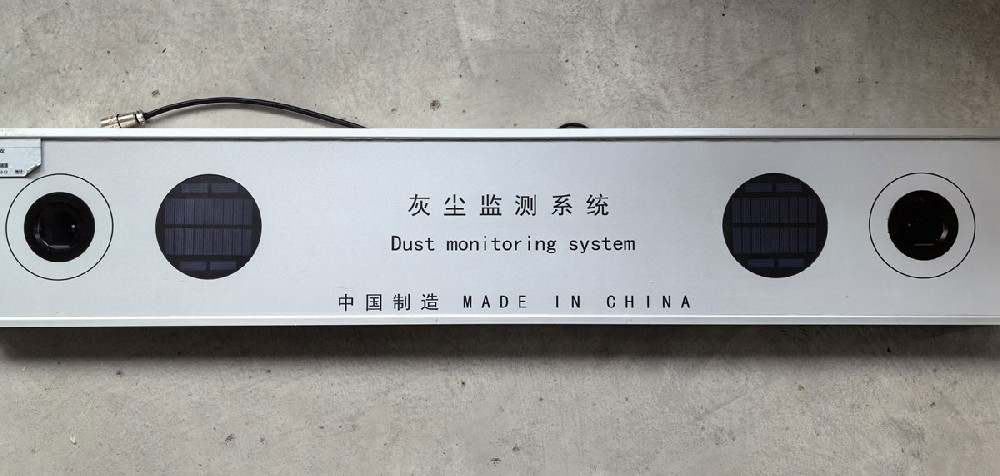
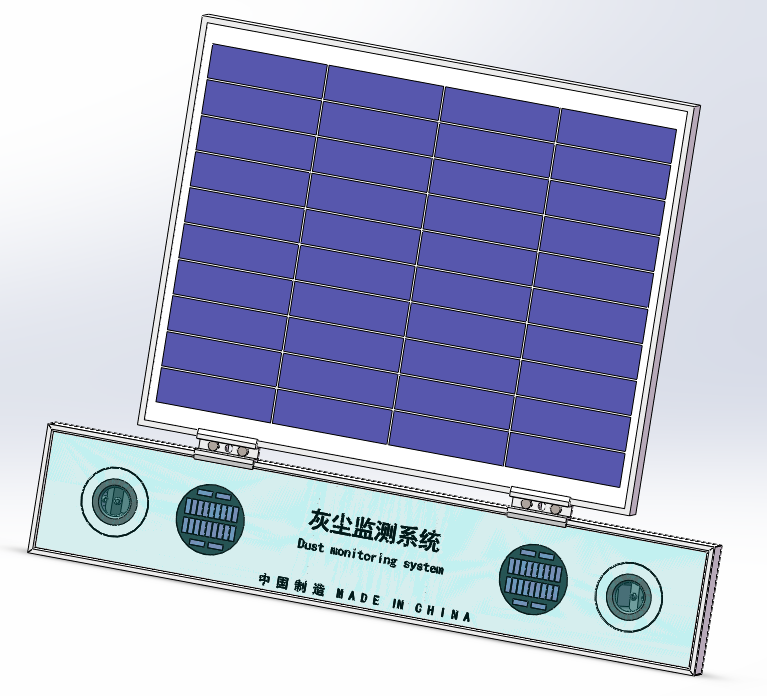
The PSS instrument illustrated above provides an optical cleanliness observation, not POA irradiation. Its reported cleanliness cannot replace HPOA or be directly subtracted from plant PR to isolate a measured soiling loss. Establish any relationship between optical surface condition and electrical losses separately. A clean-looking sensor surface is also not proof that every module in a large plant is clean.
A soiling instrument placed beside a module can add operational context, while the pyranometer measures incident radiation and the energy meter records output. Preserve those separate entities in the point table. If software presents a soiling-corrected metric, identify the correction model and the uncorrected result rather than replacing the original PR with an unexplained adjusted percentage.
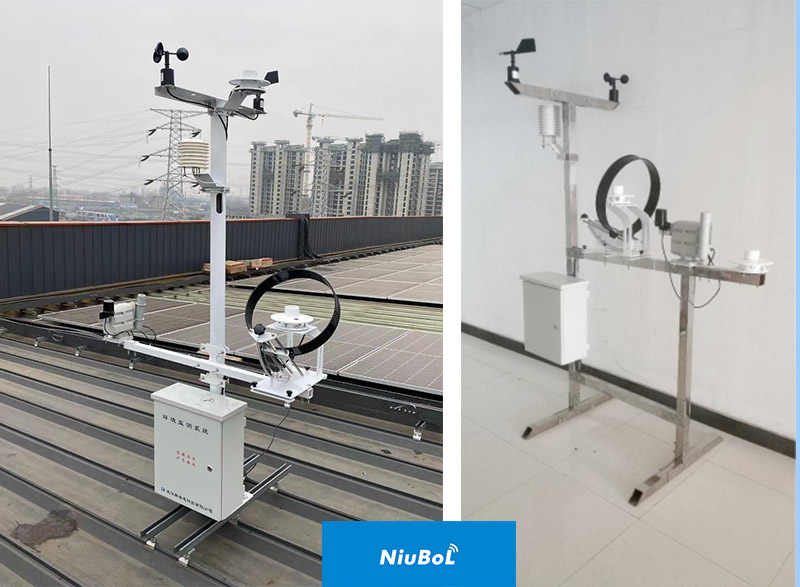
A horizontal irradiance sensor measures a different plane from tilted modules. Trackers change the relevant plane during operation. Use a correctly positioned reference or an agreed, validated transformation method; renaming GHI as POA does not change its geometry. Multiple roof orientations or tracker groups may require separate references or a defined aggregation arrangement that matches the energy boundary.
The NiuBoL NBL-W-HPRS pyranometer is a thermopile instrument with a 0-2000 W/m2 measuring range and 0.3-3 micrometer spectral range. Output versions include selected voltage or current signals and optional RS485. The instrument should be selected against the project's measurement requirements and applicable evidence, not assigned an unverified classification solely from its measurement principle.

| HPRS item | Model specification | Effect on the data chain |
|---|---|---|
| Measurement range | 0-2000 W/m2 | Check range, units and receiver scaling |
| Response endpoint | Up to 35 s to 99% | Not an instantaneous or T90 specification |
| Annual stability | Within +/-2% | Not the whole installed measurement uncertainty |
| Operating temperature | -40 to +50 C | Assess the logger and other sensors separately |
| Supply and output | Matched 5 V, 12 V or 24 V option; selected analog or digital output | Confirm the actual ordered version |
Include calibration, mounting and maintenance in the measurement plan. Window contamination can under-report irradiation and make PR appear better rather than worse. If the example's actual 5 kWh/m2 is recorded 5% low as 4.75 kWh/m2, unchanged output produces an apparent PR of 4 / 4.75 = 84.21%. That is a hypothetical measurement bias, not a real improvement from 80% plant performance.
For reporting across several intervals, calculate the ratio from the summed compatible energy and irradiation rather than taking an unweighted mean of interval PR values. Consider the same 1000 kW array over two illustrative intervals: the first has 4 kWh/m2 and 3500 kWh, giving 87.5% PR; the second has 1 kWh/m2 and 500 kWh, giving 50%. The combined energy is 4000 kWh and irradiation is 5 kWh/m2, so combined PR is 80%.
The arithmetic mean of 87.5% and 50% is 68.75%, not 80%. It gives the low-resource interval the same weight as the high-resource interval. This example assumes an unchanged rating and consistent boundary; capacity additions or changing array groupings require additional treatment. Retain the interval inputs so the result can be reproduced independently of the dashboard.
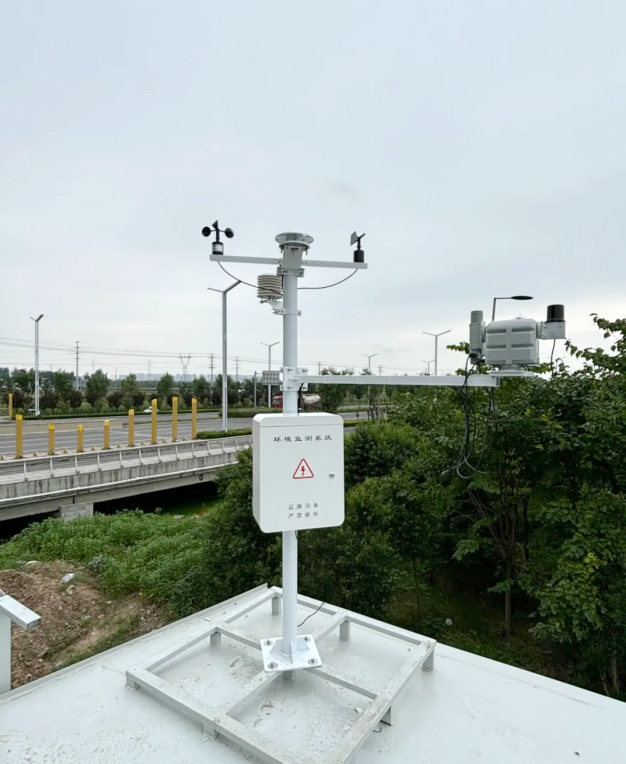
Record whether a timestamp marks the beginning or end of an interval, and use a common time basis. Distinguish an accumulated energy counter from interval energy. For a counter, establish the difference between consecutive readings and handle resets or rollover explicitly. A value received late from a gateway belongs to its observation interval, not automatically to the server's current interval.
For RS485 Modbus RTU sensors, verify the actual register units and scale before integrating irradiation. At the upstream connection, confirm the logger and SCADA protocols actually supplied. A gateway is not guaranteed to calculate PR, provide synchronized time or generate a particular report merely because it can read Modbus. Test the entire measurement-to-calculation chain with an exported sample period.
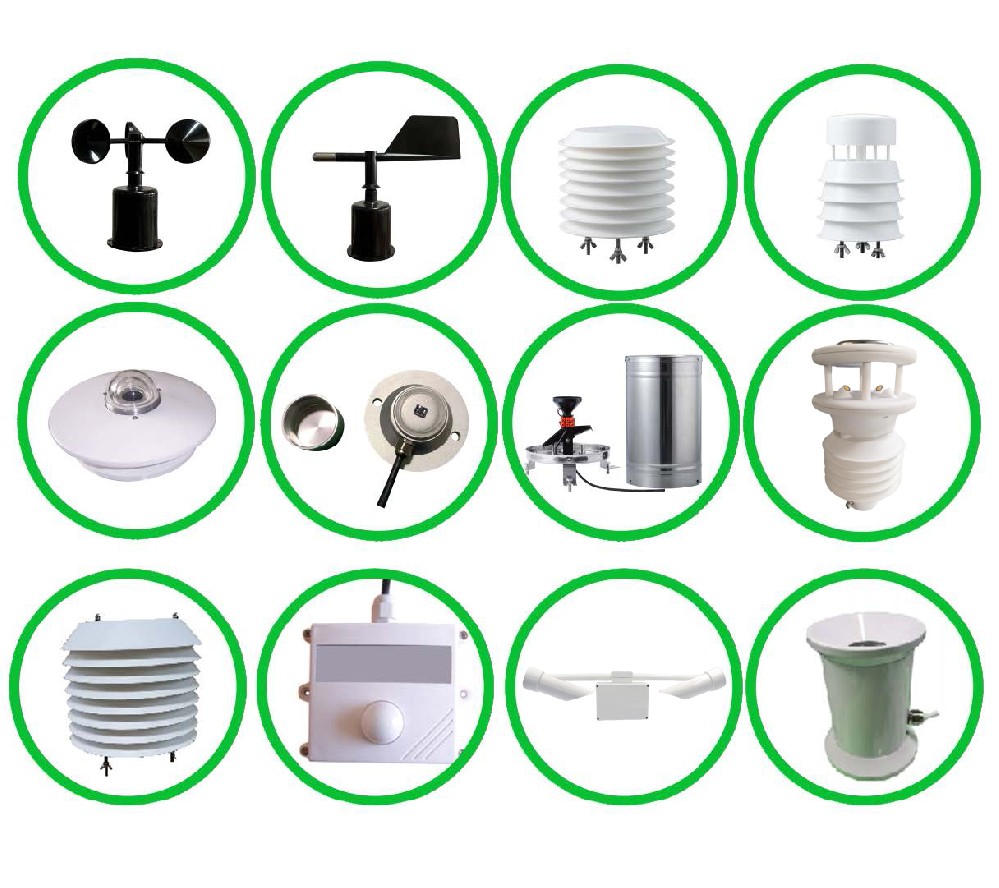
A missing energy observation and a measured zero caused by a plant shutdown are different. Likewise, a failed pyranometer should not become zero irradiation. Apply an agreed completeness and validity policy to both numerator and denominator. Excluding a faulty weather interval while retaining all its energy creates a mismatched calculation; excluding a real plant outage can conceal a loss the selected metric is intended to include.
Keep exclusions and substitutions visible with their reason and affected duration. A flat interpolated radiation segment across a passing cloud is not equivalent to a measurement. If estimated data are permitted by the project, identify the method and resulting limitation. A valid-period PR should state the accepted period rather than imply that missing hours were verified.
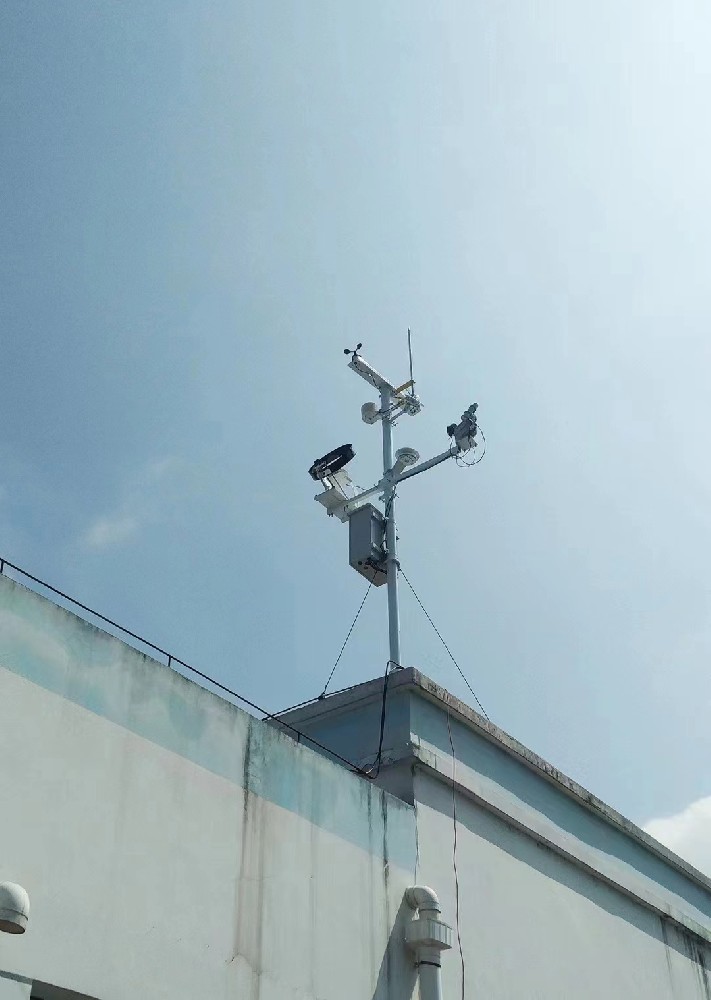
Conventional PR can vary with module temperature. A temperature-corrected metric requires a defined method and suitable temperature observations; backsheet temperature and cell temperature are not identical by default. Neither a single attached probe nor an air-temperature channel supplies a full module temperature map or diagnoses hot spots. Additional investigation is needed for that task.
Wind, rain and optical cleanliness can help interpret events, but they do not automatically decompose every loss. Curtailment, inverter limitations, shading and unavailable equipment can affect output independently of those channels. For bifacial arrays, establish the appropriate front/rear resource treatment and rating definition. Do not add a rear irradiance value to the denominator without the agreed method.
When requesting a NiuBoL monitoring configuration, provide array geometry, tracker behavior, energy-meter boundary, required reporting metric and existing acquisition equipment. Specify the expected radiation method and calibration documentation. This allows the sensor package and data requirements to be evaluated without promising a universal forecasting accuracy or automatically approved asset report.
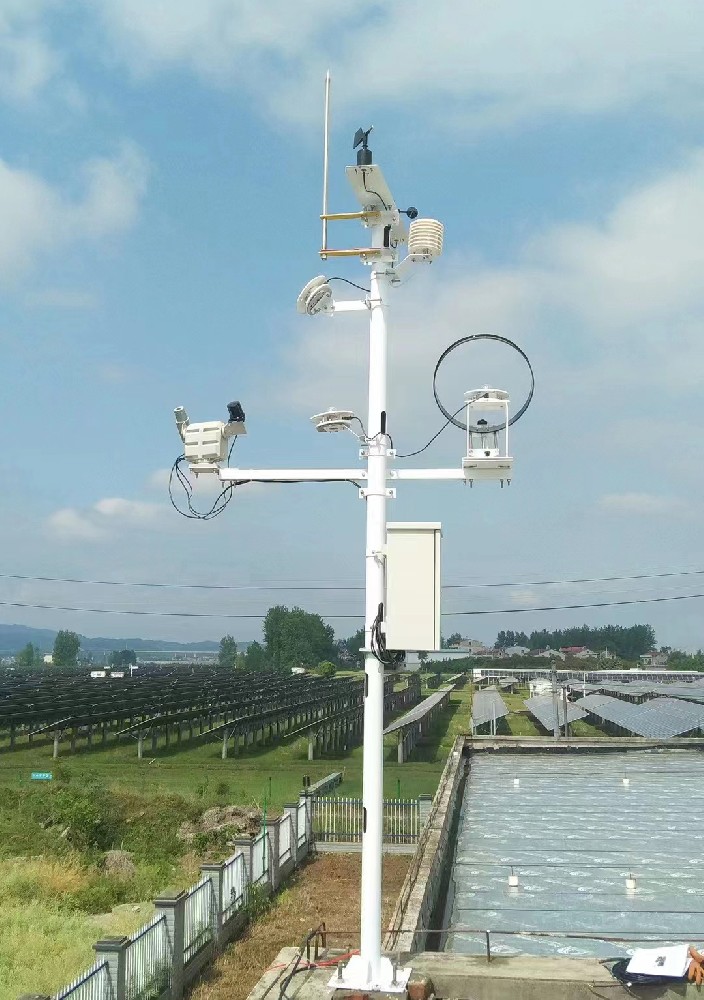
No. A daily yield-based calculation requires solar irradiation accumulated over the compatible day. Integrate valid irradiance observations with the correct time units, and match the energy interval and array plane.
An unweighted average generally does not equal the ratio from total energy and irradiation. Sum the compatible inputs and calculate the combined ratio, taking account of any rating or boundary changes.
Under-reported irradiation reduces the denominator while recorded energy may remain unchanged. Inspect the reference instrument and calibration before interpreting a higher ratio as improved electrical performance.
No. They refer to different planes. Use a suitable POA measurement or a defined transformation method for the array and calculation. Trackers and mixed orientations require particular attention.
Only if acquisition, energy inputs, calculation and reporting are explicitly included and tested. Weather sensors alone provide neither the plant's AC energy nor an automatically accepted performance report.
Confirm the metric definition, rating, meter boundary, radiation method, timing, validity rules and required measurement evidence. Demonstrate the calculation from retained inputs and resolve exclusions with the responsible project parties.
PV performance ratio calculation is useful when its energy boundary, POA resource, units and accepted periods are explicit. A NiuBoL sensor arrangement can supply weather observations for that calculation, while the acquisition and reporting system must preserve their meaning. Reproducible inputs reveal more than an unexplained percentage on a SCADA screen.
 NBL-W-SRS-Solar-radiation-sensor-instruction-manual-V4.0.pdf
NBL-W-HPRS-Solar-Radiation-Sensor-Instruction-Manual-V3.0.pdf
NBL-W-PSS Soiling Sensor Photovoltaic Dust Monitoring Instrument Data Sheet.pdf
Prev:PV Weather Station Retrofit: Reuse Sensors and Verify SCADA
Next:Rain Gauge Comparison Test: Tipping Bucket and Piezoelectric Records
Related recommendations
Sensors & Weather Stations Catalog
Agriculture Sensors and Weather Stations Catalog-NiuBoL.pdf
Weather Stations Catalog-NiuBoL.pdf
Agriculture Sensors Catalog-NiuBoL.pdf
Water Quality Sensor Catalog-NiuBoL.pdf
Related products
 Combined air temperature and relative humidity sensor
 TDR Soil Moisture & Temperature Sensor for irrigation| RS485 |4-20mA| NBL-S-THR
 Soil pH sensor RS485 soil Testing instrument soil ph meter for agriculture |NBL-S-PH
 Wind Speed sensor Output Modbus/RS485/Analog/0-5V/4-20mA
 Tipping bucket rain gauge for weather monitoring auto rainfall sensor RS485/Outdoor/stainless steel
 Pyranometer Solar Radiation Sensor 4-20mA/RS485

Screenshot, WhatsApp to identify the QR code
WhatsApp number:+8615367865107
(Click on WhatsApp to copy and add friends)

