





— Blogs —
—Products—
 Consumer hotline +8618073152920
WhatsApp:+8615367865107
Address:Room 102, District D, Houhu Industrial Park, Yuelu District, Changsha City, Hunan Province, China
Product knowledge
Time:2025-11-27 10:48:52 Popularity:835
Four-condition monitoring maintenance needs a separate service plan for soil probes, weather instruments, crop imaging and insect equipment. Their contamination, wear and sampling requirements differ. For a NiuBoL installation, record which module is being serviced and how its data will be labeled during that period. A serviced or stopped device must not silently produce apparently valid environmental observations or zero insect counts.
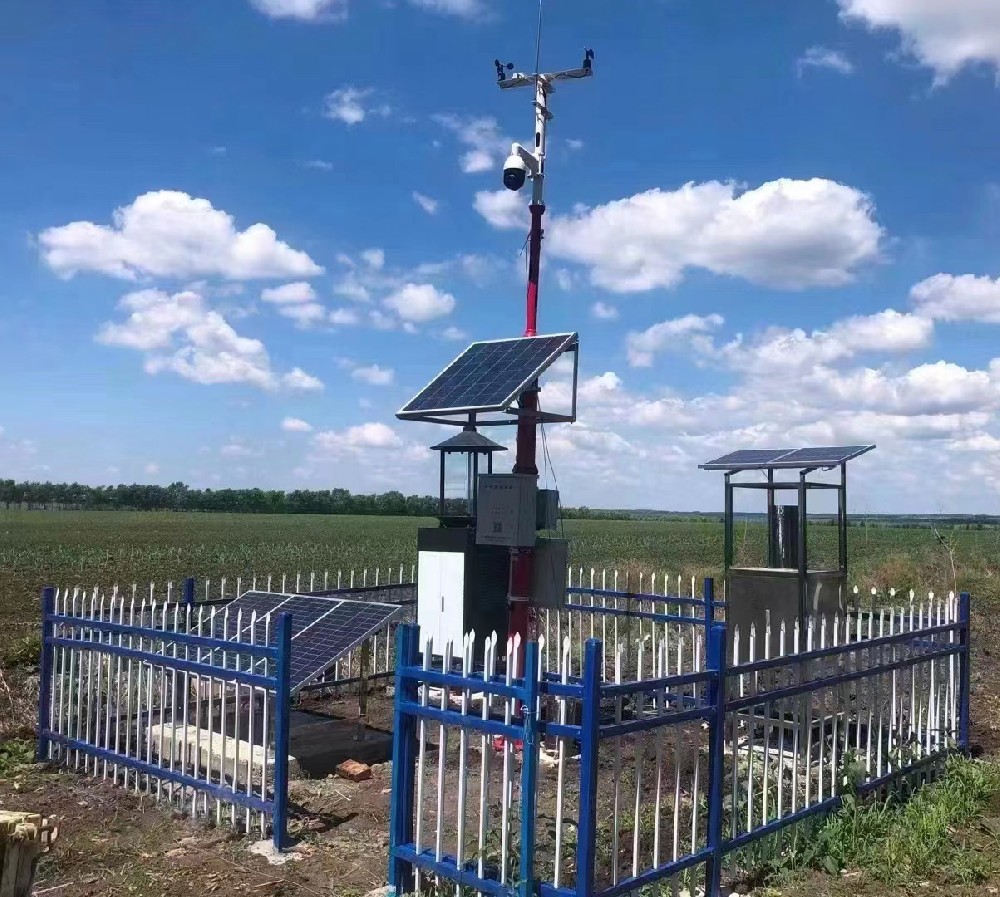
A single quarterly visit is not a complete maintenance specification. A rain collector can become obstructed, a soil probe can be disturbed by cultivation, and an insect imaging surface can accumulate overlapping specimens. The relevant condition and operating load should determine inspection needs alongside the selected equipment's service instructions.
List the checks for each installed module and assign a responsible person. Include safe access, shutdown requirements and the items needed at the site. Do not describe a system as replacing every field inspection: collection devices, optical surfaces and physical installations still need attention even when the receiving platform remains online.
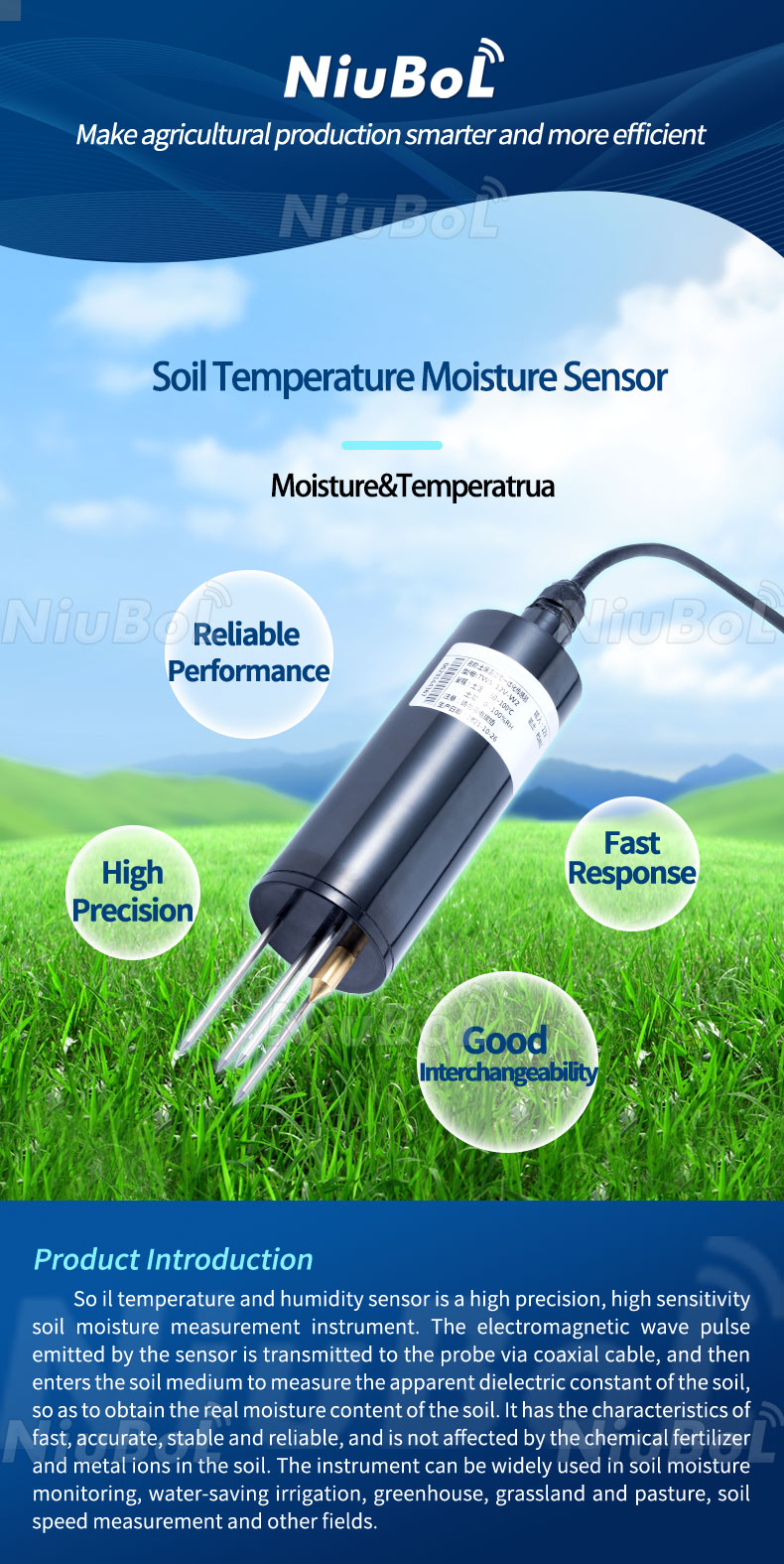
The NBL-S-THR measures soil moisture and temperature. Its IP68 probe is intended for wet soil, but external connections still require protection. Inspect accessible cables, junctions and evidence of cultivation damage. Do not routinely pull out a correctly installed probe merely to give it a visual cleaning.
If removal is necessary, record the last undisturbed observation and the reinstallation depth and position. Soil contact may differ afterward, so inspect the new response before treating the history as directly continuous. A replacement with the same model number still needs channel identity and scaling checks at the receiving system.
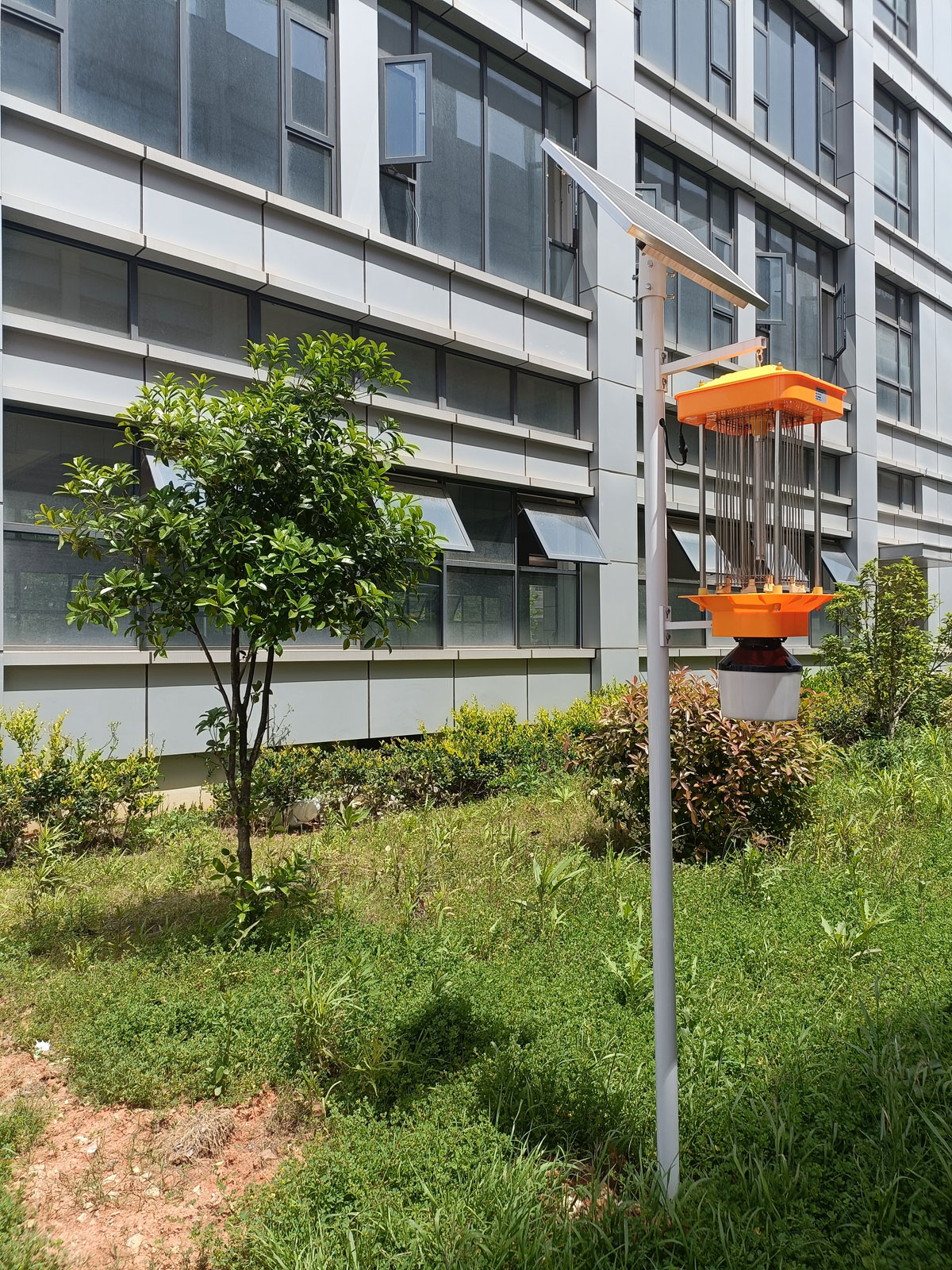
An insecticidal lamp needs inspection of its light source, collection arrangement and selected operating controls. It is not automatically an imaging terminal. A lamp operating correctly does not establish that species images, reviewed counts or sample-period records are being produced.
Electrical service must follow the equipment's shutdown and isolation procedure. High-voltage grids and heated processing equipment require qualified personnel and safe access; a remote off indication is not a substitute for electrical isolation. Keep the service plan matched to the actual lamp type rather than copying a cleaning method intended for another assembly.
| Module | Condition to inspect | Data consequence to record |
|---|---|---|
| Soil probe | Contact, disturbance, cable or junction damage | Service interval and any changed depth or position |
| Rain gauge | Collector obstruction, level and bucket condition | Uncertain rainfall period and any service tips |
| Air and radiation instruments | Shield airflow or optical-surface condition, as applicable | Period affected and comparison after service |
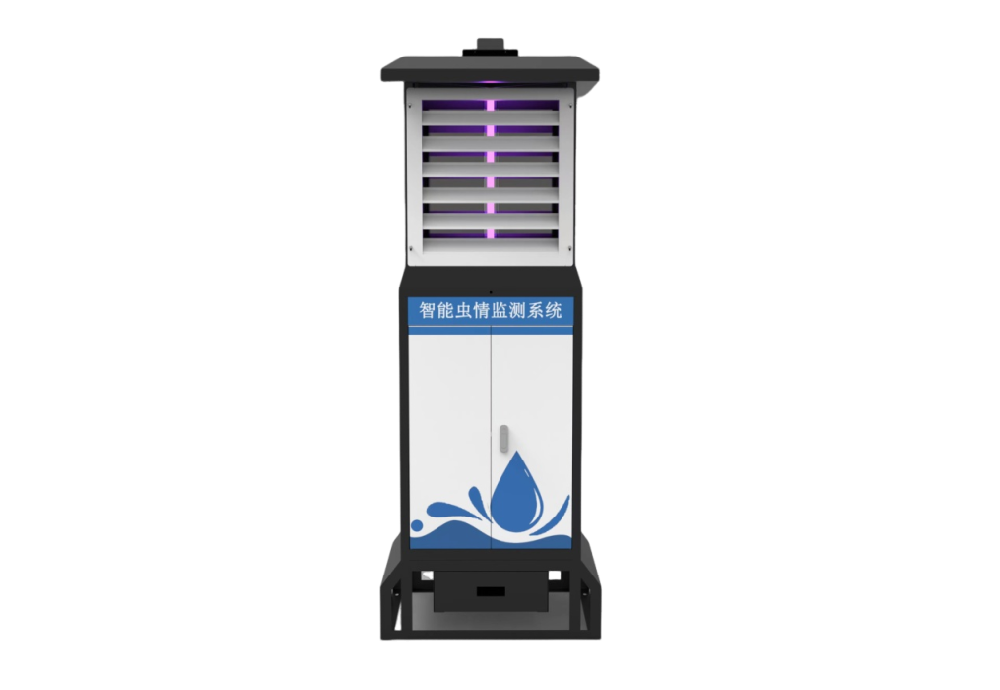
| Insect imaging terminal | Collection, processing, imaging and cleaning sequence | Sampling downtime or unusable images |
| Crop camera, where fitted | Lens condition, view, focus and image time | Unavailable image periods or a changed field of view |
These observations do not all share one maintenance flag. If the insect terminal is stopped, weather readings may remain valid. If a crop camera view changes, it need not invalidate the soil probe. The receiving system should retain module-specific service information instead of hiding every interruption behind a single station-online icon.
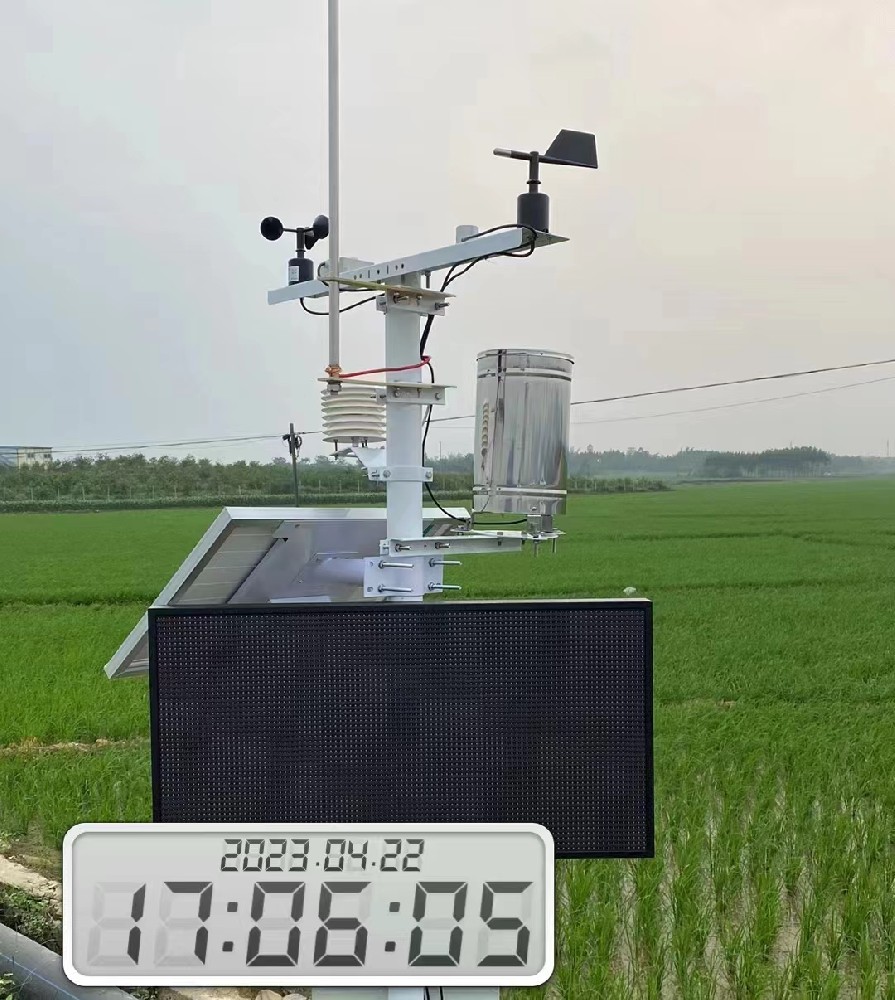
Remove a rain collector obstruction and check the installed level before changing its pulse factor. For an air sensor, inspect the radiation shield and exposure before applying a temperature offset. Cleaning restores a physical condition; calibration evaluates measurement response. They are different activities and should have separate records.
| NiuBoL equipment | Relevant characteristic | Service implication |
|---|---|---|
| NBL-S-THR | Moisture and temperature; IP68 probe | Protect the installation and external wiring |
| NBL-W-LBTH | Air temperature, RH and pressure; RS485 Modbus RTU option | Inspect shield airflow and verify the decoded quantities |
| NBL-IoT-SRPMS | Collection, processing and imaging; 18 W attraction light source | Inspect the complete sequence; lamp power is not total terminal load |
| NBL-PH-1 | FLASH history; saving interval 1-240 minutes | Check settings and record retrieval after a restart |
The NBL-W-SS wind speed sensor and NBL-W-DS wind direction sensor are rated IP65. They still need checks for free movement, physical damage and connector condition. A soil probe's IP68 rating does not apply to every component in the station.
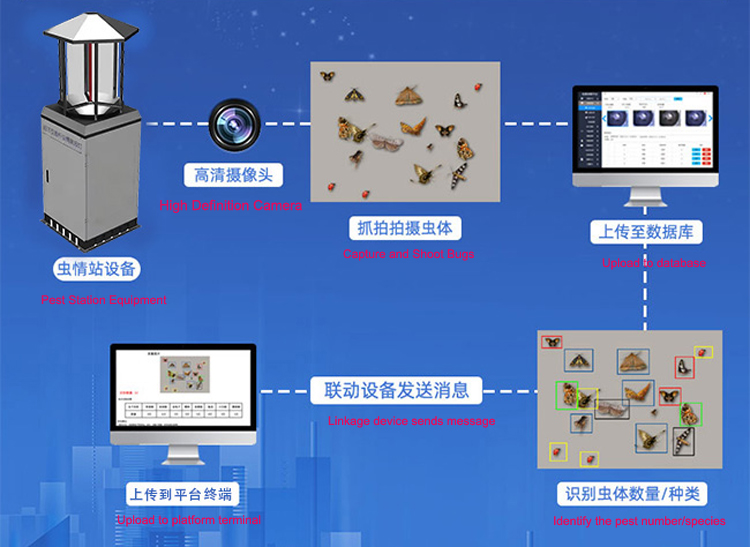
The NBL-IoT-SRPMS combines insect collection, processing and image acquisition. Check that its sequence produces usable, correctly timed sample images. A network connection and a recent file do not establish that collection and cleaning operated as intended. Repeated images of an uncleared surface can misrepresent consecutive sample periods.
Record when collection is interrupted or conditions make images unusable. A zero count is a sampling result only when the relevant sampling and review requirements were met. Where spore sampling is separately specified, use its own collection and review procedure; do not infer pathogen observations from an insect terminal or its photograph.
After service, check the quantity or output that was affected. Verify a soil node's identity, confirm that a serviced gauge is recording appropriately, or inspect a new insect image and its sample period. Keep controlled service operations separate from field observations. Do not silently add maintenance-generated bucket tips to natural rainfall.
For service support, provide NiuBoL the equipment model, symptom, time of onset and relevant before/after records. Include what was cleaned, moved or replaced. This gives a technician evidence to distinguish measurement, processing and communication faults without replacing unaffected modules.

No. Use the equipment requirements and observed fouling, insect load, exposure and field work. Review intervals after site experience rather than applying one visit frequency to unrelated instruments.
No. It describes the specified probe. Junctions, enclosures, wind instruments and other assemblies have their own ratings and installation requirements.
No. Mark the sample period unavailable or interrupted as appropriate. Zero is meaningful only for a valid sampling period under the defined collection and review procedure.
No. Verify collection, processing, cleaning and sample timing as well as image quality. A camera can remain connected while another part of the sequence is unavailable.
List installed modules and locations, safe access, required checks, consumables and responsibility for data review. Distinguish routine service from calibration, repairs and software work so exclusions are clear.
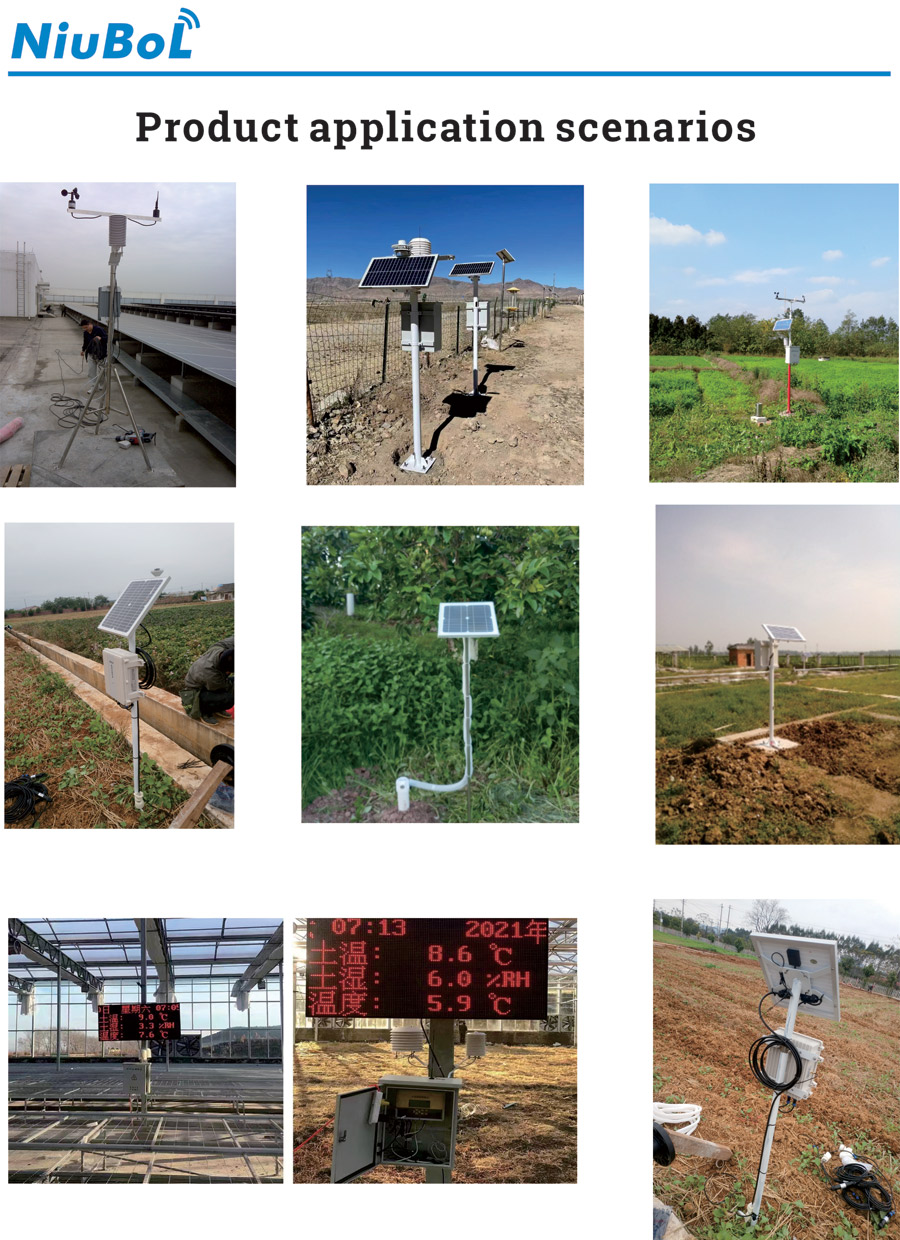
Effective four-condition monitoring maintenance protects the meaning of each observation as well as the hardware. Service soil, weather and imaging modules according to their actual condition, record affected periods and verify their outputs afterward. Preserve valid data from unaffected modules instead of treating the entire installation as one undifferentiated device.
Related recommendations
Sensors & Weather Stations Catalog
 Agriculture Sensors and Weather Stations Catalog-NiuBoL.pdf
Weather Stations Catalog-NiuBoL.pdf
Agriculture Sensors Catalog-NiuBoL.pdf
Water Quality Sensor Catalog-NiuBoL.pdf
Related products
 Combined air temperature and relative humidity sensor
 TDR Soil Moisture & Temperature Sensor for irrigation| RS485 |4-20mA| NBL-S-THR
 Soil pH sensor RS485 soil Testing instrument soil ph meter for agriculture |NBL-S-PH
 Wind Speed sensor Output Modbus/RS485/Analog/0-5V/4-20mA
 Tipping bucket rain gauge for weather monitoring auto rainfall sensor RS485/Outdoor/stainless steel
 Pyranometer Solar Radiation Sensor 4-20mA/RS485


Screenshot, WhatsApp to identify the QR code
WhatsApp number:+8615367865107
(Click on WhatsApp to copy and add friends)

