





— Blogs —
—Products—
 Consumer hotline +8618073152920
 WhatsApp:+8615367865107
Address:Room 102, District D, Houhu Industrial Park, Yuelu District, Changsha City, Hunan Province, China
Product knowledge
Time:2026-03-29 16:11:21 Popularity:497
In the transformation process of contemporary quality education, meteorological science popularization education has become a core grip for improving teenagers’ scientific literacy, cultivating geographical practical abilities, and enhancing disaster prevention and mitigation awareness. As a product of deep integration of meteorological science and modern IoT technology, the campus automatic weather station is gradually becoming an indispensable science popularization platform and practical carrier in primary and secondary school campuses.
For system integrators and educational equipment project contractors, deploying a campus weather station with industrial-grade accuracy and educational interactive attributes not only meets the requirements of the geography teaching syllabus but also provides long-term and stable environmental data support for the campus.
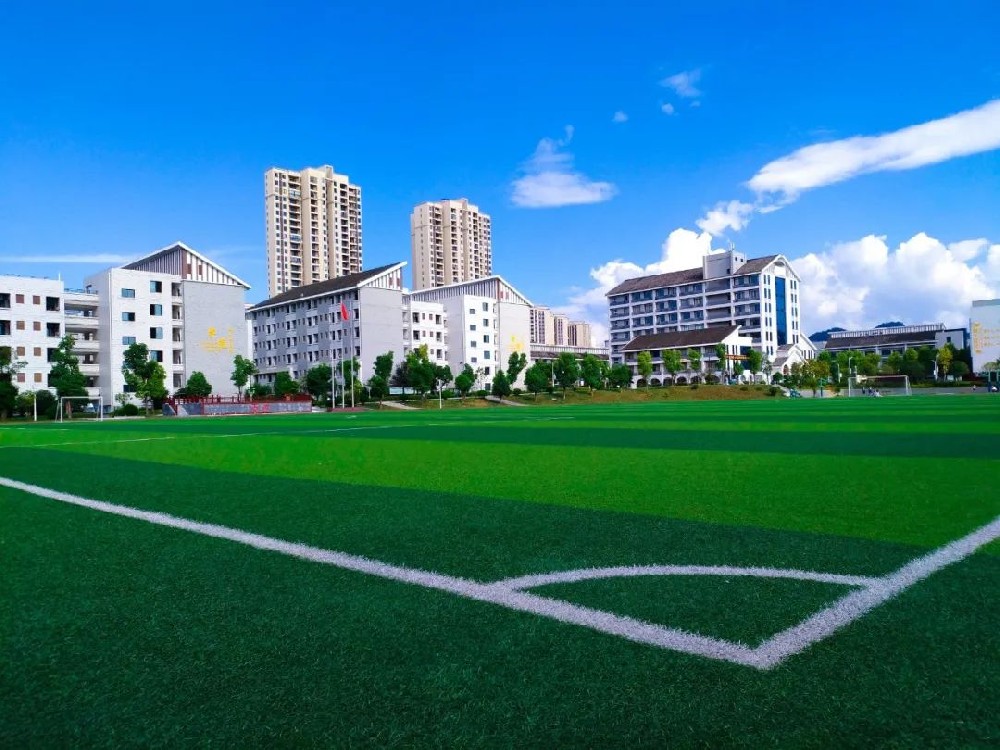
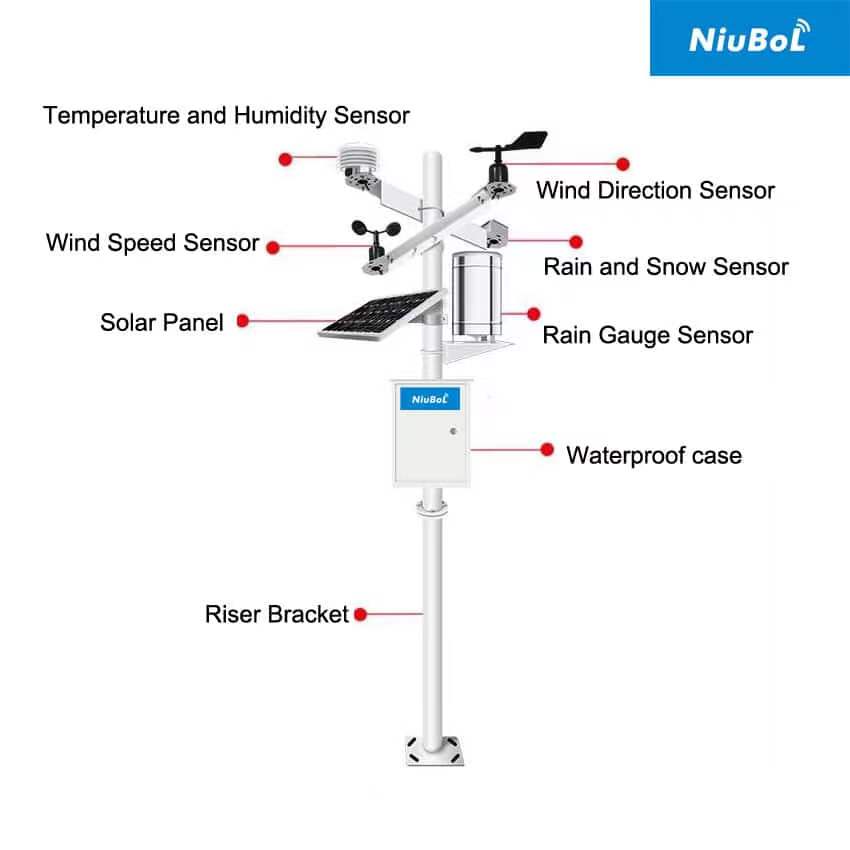
The campus automatic weather station is a comprehensive monitoring system capable of automatically monitoring, recording and transmitting multiple meteorological elements. NiuBoL campus weather station adopts a modular design to ensure that the equipment maintains high-precision monitoring while possessing excellent scalability and teaching demonstration properties.
1. Core Perception Layer (Sensor Array)
Sensors are the “senses” of the weather station, responsible for capturing physical quantities such as air temperature, humidity, air pressure, wind speed, wind direction, rainfall, light and air quality (PM2.5/PM10).
2. Data Processing Layer (Collector)
The data collector is responsible for unified processing and storage of analog or digital signals returned by the sensors and performs edge computing according to preset logic.
3. Communication and Display Layer
Real-time data is transmitted to the campus monitoring center or LED display screens in science popularization classrooms through wireless communication technologies such as RS485, GPRS or 4G/5G.
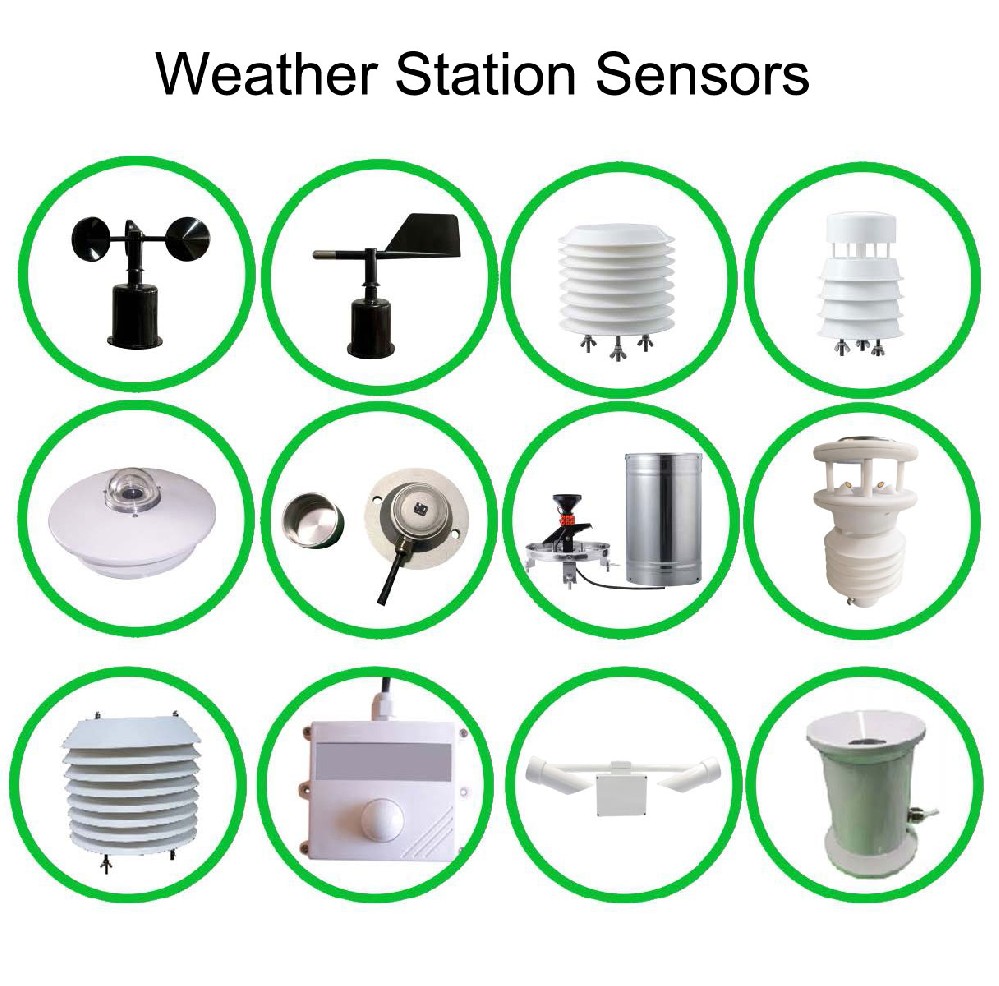
As a professional sensor manufacturer, NiuBoL’s campus-level meteorological monitoring equipment strictly follows industrial standards to ensure the authority and teaching reference value of monitoring data.
| Monitoring Element | Measurement Range | Resolution | Output Protocol |
|---|---|---|---|
| Air Temperature | -40°C ~ 85°C | 0.1°C | RS485 (Modbus-RTU) |
| Air Humidity | 0 ~ 100%RH | 0.1%RH | RS485 (Modbus-RTU) |
| Wind Speed | 0 ~ 70m/s | 0.1m/s | RS485 (Modbus-RTU) |
| Wind Direction | 0 ~ 360° | 1° | RS485 (Modbus-RTU) |
| Atmospheric Pressure | 300 ~ 1100hPa | 0.1hPa | RS485 (Modbus-RTU) |
| PM2.5 | 0-1000ug/m³ | 1ug/m³ | RS485 (Modbus-RTU) |
| PM10 | 0-1000ug/m³ | 1ug/m³ | RS485 (Modbus-RTU) |
| Noise | 30 ~ 130dB | 0.1dB | RS485 (Modbus-RTU) |
| Light | 0 ~ 100Klx | 10lx | RS485 (Modbus-RTU) |
| Rainfall | 0 ~ 4mm/min | 0.1mm | Pulse/RS485 |
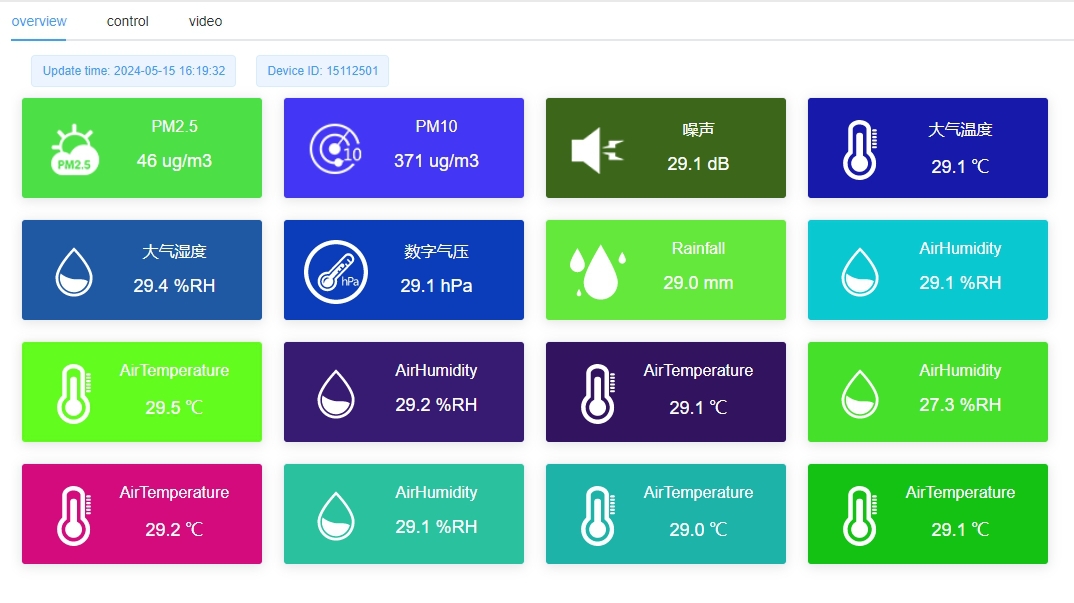
1. Building a Closed-loop Teaching Mode of “Perception-Theory-Practice”
The construction of campus weather stations should not stop at hardware stacking. Schools should rely on the NiuBoL monitoring platform to establish meteorological practice clubs. Under the guidance of teachers, students can carry out natural geography inquiry activities through daily data observation and recording (such as daily temperature extremes and humidity curve comparisons). This scientific research training starting from measured data can significantly improve students’ logical thinking and data processing abilities.
2. Strengthening Campus Disaster Prevention and Mitigation Safety Education
In the current situation of frequent extreme weather, minors are typical vulnerable groups. Using real-time data monitored by campus weather stations, schools can carry out targeted disaster prevention and mitigation courses. For example, explain flood warning through rainfall sensor data changes and typhoon avoidance knowledge through wind speed and direction data. This makes abstract meteorological disaster prevention vivid and intuitive, effectively improving students’ self-protection abilities.
3. Cross-disciplinary Technology Integration and Engineering Education
Campus weather stations involve multiple fields such as mechanical engineering, electronic circuits, communication technology and computer software. In club activities, students can observe the operating principles of sensors, record faults and attempt maintenance. This direct contact with industrial-grade IoT equipment can greatly stimulate students’ interest in science and technology and cultivate their engineering literacy.
The construction of campus weather stations should be deeply bound to the curriculum syllabus to enhance the project’s premium space.
1. Geography and Earth Science
Practical topics: Observe the relationship between air pressure and weather systems using atmospheric pressure sensors (high-pressure ridges and low-pressure troughs); record the impact of solar altitude on surface radiation through light sensors.
Value: Transform abstract geographical concepts in books into measured results in the field.
2. Biology and Environmental Science
Practical topics: Compare temperature and humidity differences on different underlying surfaces in the campus (such as playgrounds, woods, and pond edges).
Value: Study the impact of moisture on campus plant growth through soil temperature and humidity sensors (optional) and carry out niche research.
3. Physics and Engineering Technology
Practical topics: Explore the principle of wind power generation (use anemometer data to predict wind energy potential); analyze the relationship between sound propagation and wind speed.
Value: Let students learn basic engineering concepts such as sensor range, accuracy and resolution while maintaining NiuBoL hardware.
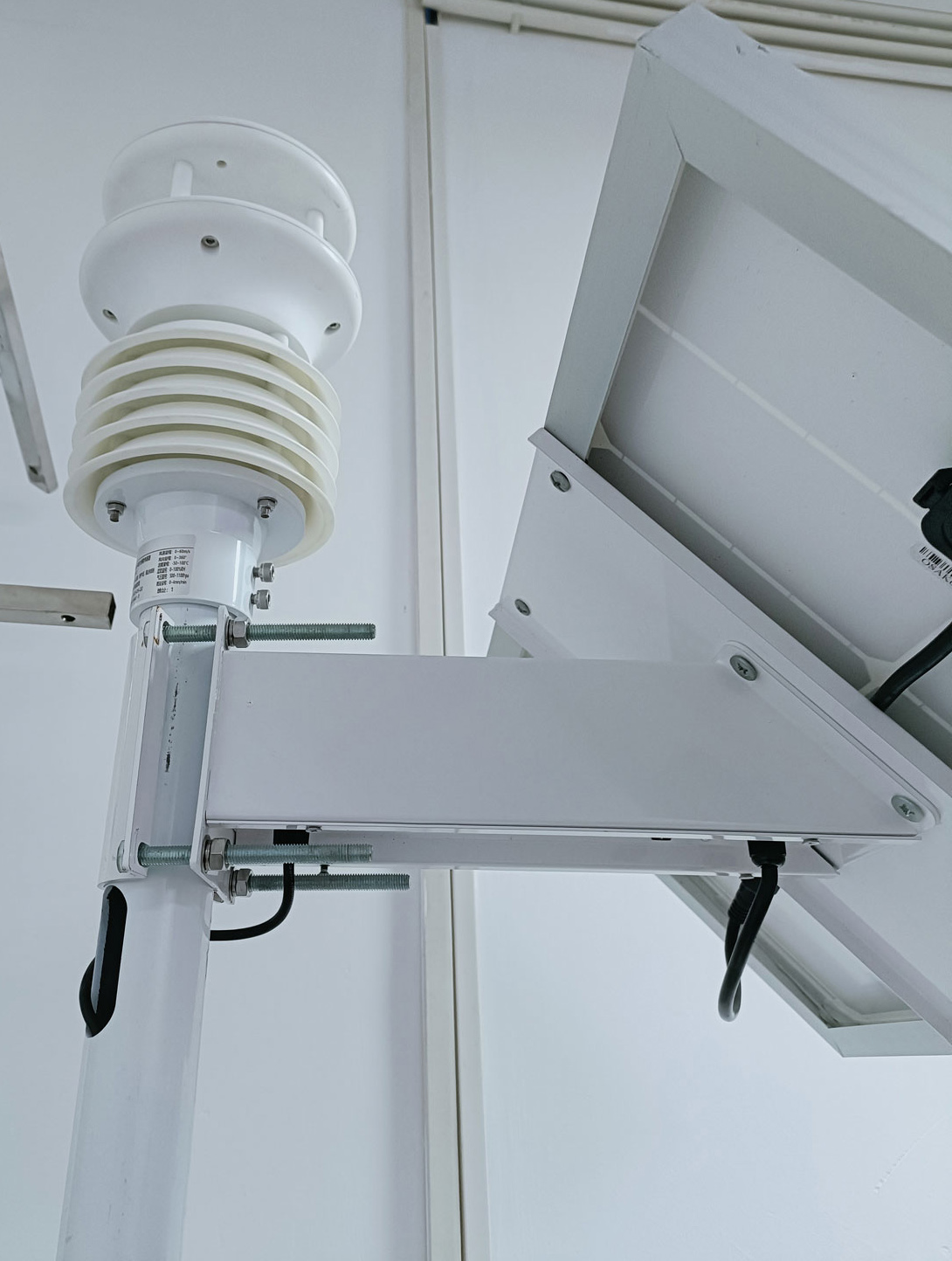
Improving Campus Environmental Management Efficiency
Campus weather stations not only serve science popularization but also campus governance. Through long-term monitoring of PM2.5, noise and light, school authorities can scientifically assess campus environmental quality. When the air quality index (AQI) exceeds the standard or noise affects teaching, the weather station can automatically issue warnings as the basis for school authorities to adjust outdoor activity plans.
Meeting Geography Teaching and Research Needs
In the middle school geography teaching syllabus, climate and weather are core chapters. Compared with general data in books, the school’s own weather station can provide “meteorological data around us”. This sense of reality makes students more immersed when learning meteorological elements (such as the relationship between air pressure changes and precipitation).
When providing solutions for schools, integrators should pay attention to the following technical details:
Openness and safety of the site: The weather station should be installed in an open area without tall building occlusion, and protective fences should be set around it.
Stability of sensors: Due to possible human interference or high-frequency demonstration needs in campus environments, sensors need high anti-interference and long-term stability.
Protocol compatibility: NiuBoL’s full range of products supports standard Modbus-RTU protocol, making it convenient for integrators to connect meteorological data to the school’s existing smart display screens or campus network platforms.
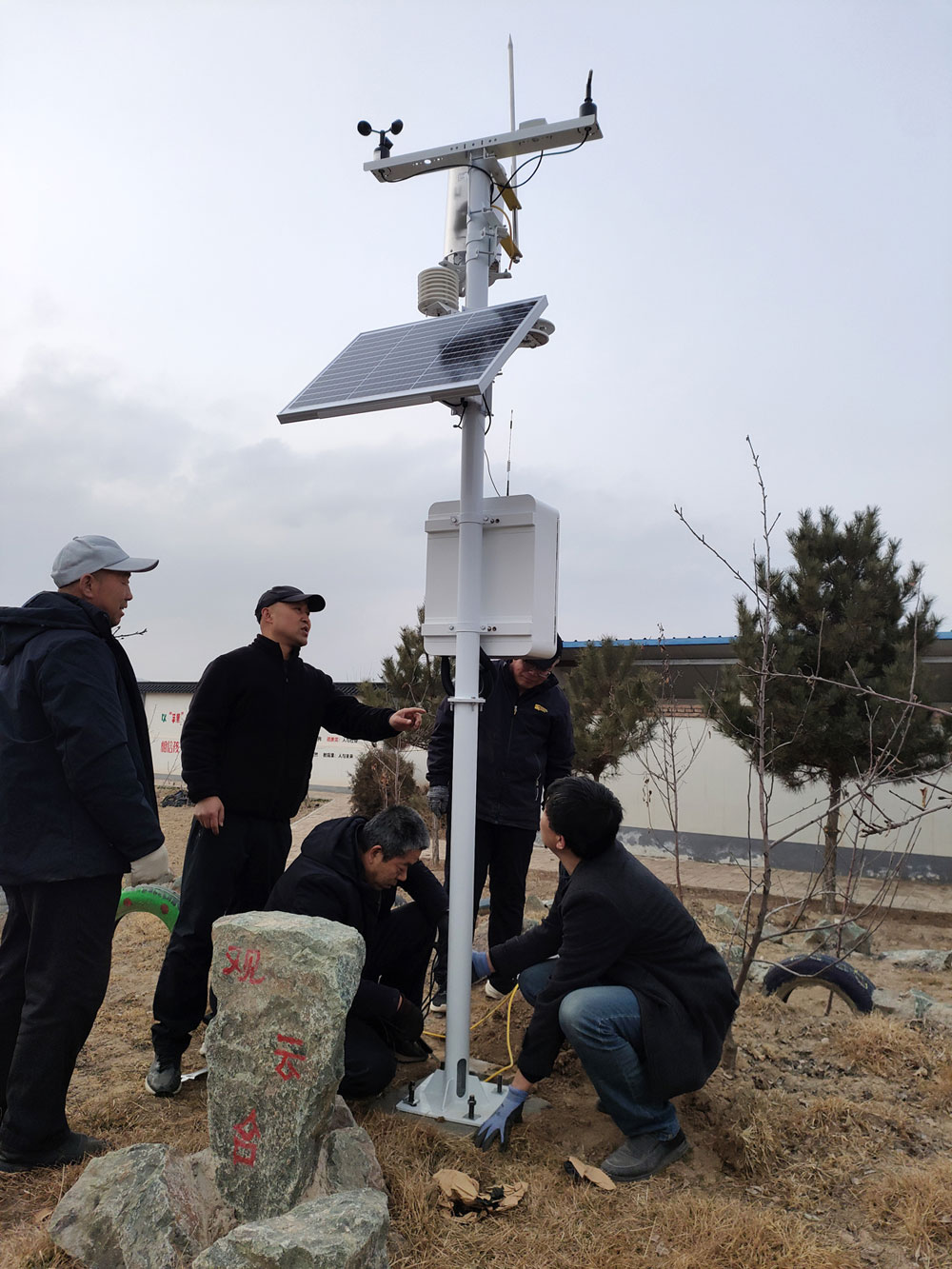
To reduce after-sales costs, NiuBoL fully considers this in the design:
Modular tool-free disassembly: Aviation plugs are used between sensors and collectors. If a module is damaged, school laboratory management teachers can replace it themselves without the need for integrators to send technicians.
Anti-corrosion and anti-interference design: Although the campus environment is milder than highways, student interaction is frequent. NiuBoL sensor shells use high-strength UV-resistant materials, and brackets are reinforced to prevent external force damage.
| Configuration Level | Suggested Monitoring Elements | Core Educational Objectives | Hardware Features |
|---|---|---|---|
| Basic Popularization Type (Primary School) | Temperature, Humidity, Rainfall, Wind Speed & Direction, PM2.5 | Understand weather phenomena and cultivate disaster prevention awareness | Bright colors, intuitive structure, easy to observe |
| Experimental Teaching Type (Junior High School) | Basic items + Atmospheric Pressure + Light + Noise | Geography experimental inquiry and data statistical analysis | Industrial-grade precision, supports historical data storage |
| Scientific Research and Innovation Type (Senior High School) | Basic items + Soil Parameters + Ultraviolet + Evaporation | Cross-disciplinary modeling and environmental impact assessment | High-frequency sampling, supports multiple communication protocol docking |
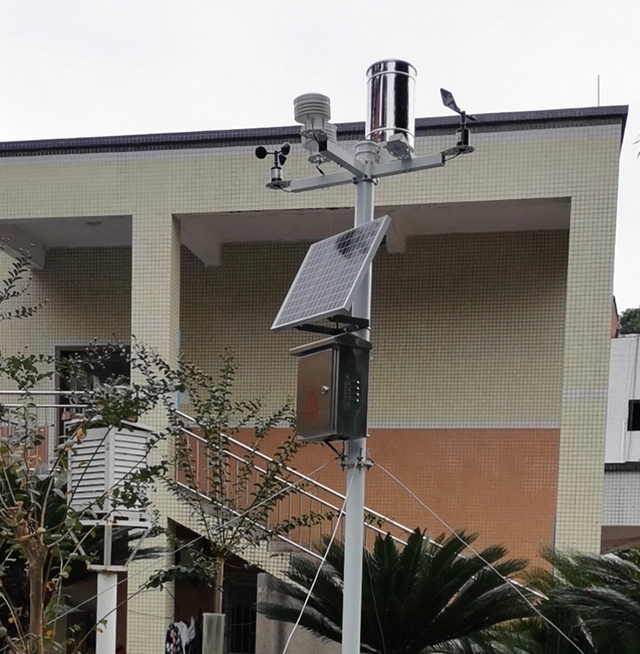
Q1: Do campus weather station sensors support customization according to school needs?
A: Yes. NiuBoL campus weather stations adopt a modular architecture. Schools can freely select sensor types according to geographical location characteristics (such as strengthening wind speed monitoring in coastal areas and dust monitoring in northern areas).
Q2: How much area does a campus weather station typically occupy?
A: The standard campus automatic weather station occupies about 10-25 square meters. The installation area should be flat and open, avoiding large trees and high-rise buildings to ensure the authenticity of wind speed and light data.
Q3: Can the data collection frequency be adjusted?
A: Yes. Through the data collector, users can set the sampling frequency themselves (such as recording every minute, every hour or daily) to meet different teaching and research needs.
Q4: Is the lightning rod of the campus weather station necessary?
A: Yes, it is necessary. Weather stations are usually installed in open campus areas with relatively high brackets. NiuBoL provides supporting lightning rods and grounding solutions, which not only protect the equipment but also serve as physical teaching materials for students’ lightning protection and avoidance education.
Q5: Can students participate in the daily maintenance of the weather station?
A: We recommend doing so under the guidance of teachers. Students can participate in appearance cleaning, recording instrument data and simple inspection work, which is itself an excellent scientific practice course.
Q6: Does the equipment support solar power supply?
A: Yes. For campus playgrounds where wiring is inconvenient, we can provide a “solar panel + battery” power supply solution to achieve zero-wiring installation.
Q7: Can the data monitored by the weather station be exported for scientific research?
A: Yes, it can. The system supports historical data storage and can export data in common formats such as Excel through USB interface or remote server, which is convenient for students to conduct data modeling analysis.
Q8: Is the later maintenance cost high after installing the weather station?
A: Campus weather stations adopt low power consumption design and corrosion-resistant materials. Except for regular probe cleaning and battery inspection, daily operation costs are extremely low.
Q9: Can sensor data be connected to existing smart campus or IoT platforms?
A: Yes, it can. NiuBoL sensors output standard Modbus signals and are compatible with the vast majority of industrial IoT platforms and smart campus operating systems.
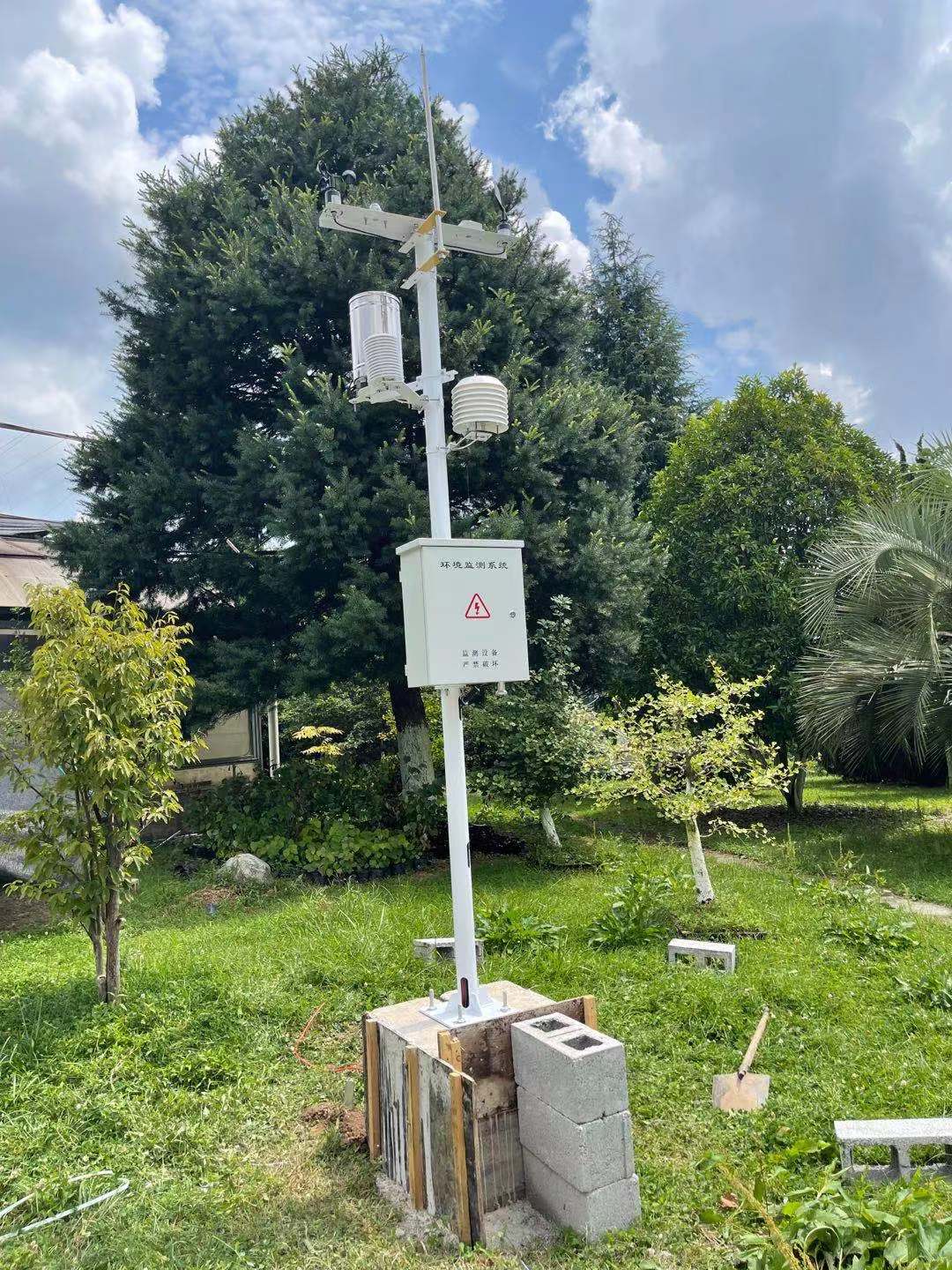
The campus automatic weather station is not only a capturer of meteorological parameters but also an important ladder for teenagers to explore natural laws, master disaster prevention skills and cultivate scientific qualities. As a professional sensor manufacturer, NiuBoL always insists on empowering meteorological science popularization with high-precision hardware. What we provide is not only equipment but also a mature campus environmental perception and science popularization practice solution.
Are you planning a campus meteorological science popularization project?
Welcome to consult NiuBoL for targeted hardware configuration suggestions and technical support. We assist system integrators in creating the most educationally meaningful “second classroom” for campuses and jointly protect teenagers’ scientific dreams.
Related recommendations
Sensors & Weather Stations Catalog
 Agriculture Sensors and Weather Stations Catalog-NiuBoL.pdf
Weather Stations Catalog-NiuBoL.pdf
Agriculture Sensors Catalog-NiuBoL.pdf
Water Quality Sensor Catalog-NiuBoL.pdf
Related products
 Combined air temperature and relative humidity sensor
 TDR Soil Moisture & Temperature Sensor for irrigation| RS485 |4-20mA| NBL-S-THR
 Soil pH sensor RS485 soil Testing instrument soil ph meter for agriculture |NBL-S-PH
 Wind Speed sensor Output Modbus/RS485/Analog/0-5V/4-20mA
 Tipping bucket rain gauge for weather monitoring auto rainfall sensor RS485/Outdoor/stainless steel
 Pyranometer Solar Radiation Sensor 4-20mA/RS485

Screenshot, WhatsApp to identify the QR code
WhatsApp number:+8615367865107
(Click on WhatsApp to copy and add friends)

