





— Blogs —
—Products—
 Consumer hotline +8618073152920
 WhatsApp:+8615367865107
Address:Room 102, District D, Houhu Industrial Park, Yuelu District, Changsha City, Hunan Province, China
Product knowledge
Time:2026-03-29 16:06:27 Popularity:565
NiuBoL ultrasonic weather station is a multi-element integrated automatic meteorological observation device specially designed for forest fire prevention. It provides real-time data support for forest fire risk level assessment, early warning and firefighting command through high-precision monitoring of key meteorological parameters such as wind speed, wind direction, temperature, humidity, air pressure, rainfall and PM2.5. The system features high integration, low power consumption and significant maintenance-free characteristics, making it suitable for deployment in complex terrain and harsh environments in forest areas. It provides reliable solutions for system integrators, IoT solution providers, project contractors and engineering companies to build forest fire prevention meteorological monitoring networks.
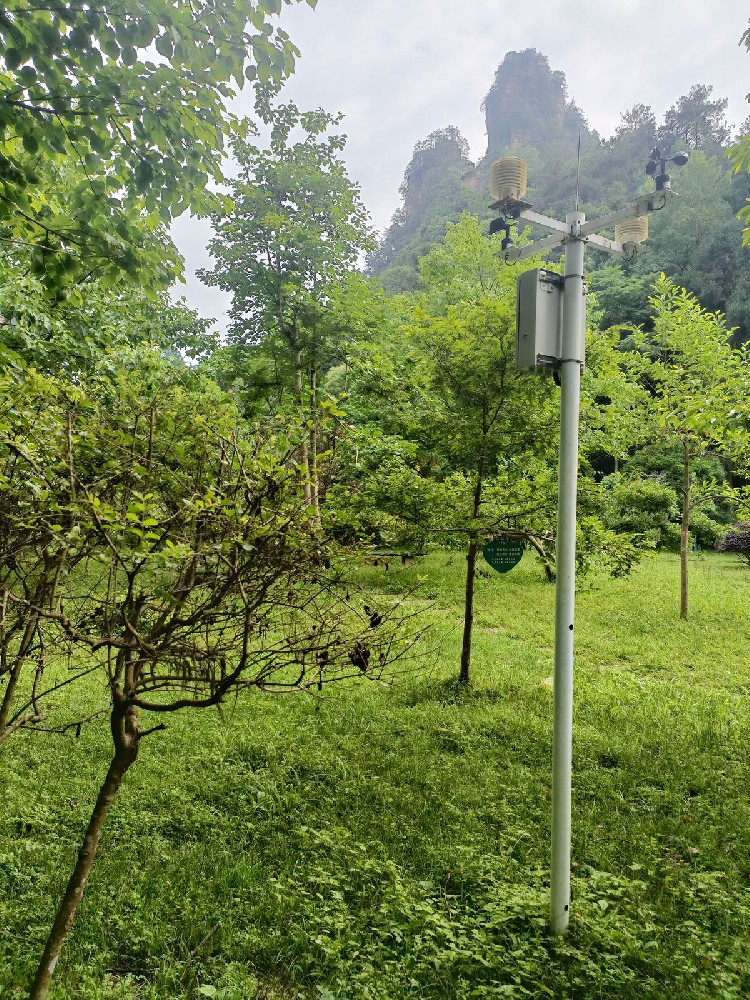
Forest fires are characterized by strong suddenness, fast spreading speed and high difficulty in firefighting. In winter, due to low precipitation, frequent strong winds and accumulation of dead branches and leaves, the fuel load is high and the fire risk level rises significantly. Traditional passive firefighting modes are difficult to meet the needs of modern forest fire prevention and control. Real-time meteorological environment monitoring has become the core technical means for forest fire prevention to shift from passive response to active prevention.
NiuBoL ultrasonic weather station supports fire risk index calculation model operation by continuously collecting microclimate data in forest areas online. When high fire risk combination conditions such as high temperature, low humidity and strong wind are detected, the system can trigger graded early warnings, providing quantitative basis for forest farm managers to deploy patrol forces in advance, clean fire isolation belts and prepare firefighting materials. At the same time, the accumulation of historical meteorological data helps analyze the spatiotemporal distribution patterns of regional fire risks and supports forest fire prevention planning, firebreak design and emergency plan optimization.
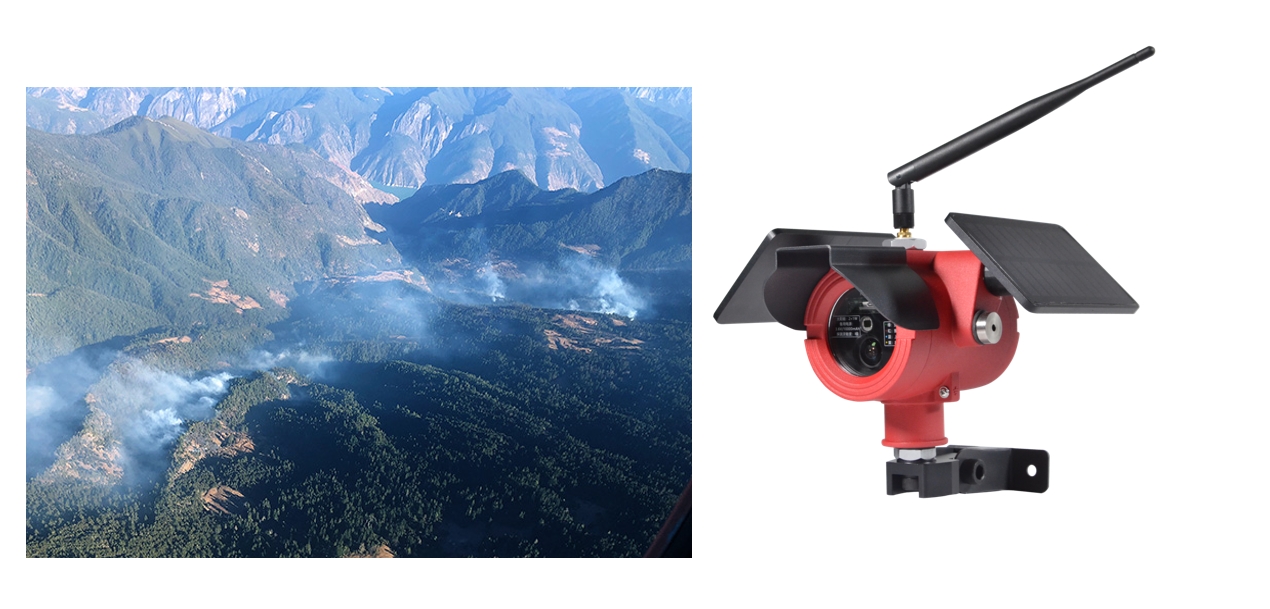
In actual engineering projects, meteorological station data is often linked with video surveillance, smoke detection, lightning monitoring and other systems to form a multi-source information fusion forest fire prevention comprehensive monitoring platform, significantly improving the early detection rate and disposal efficiency of forest fires.
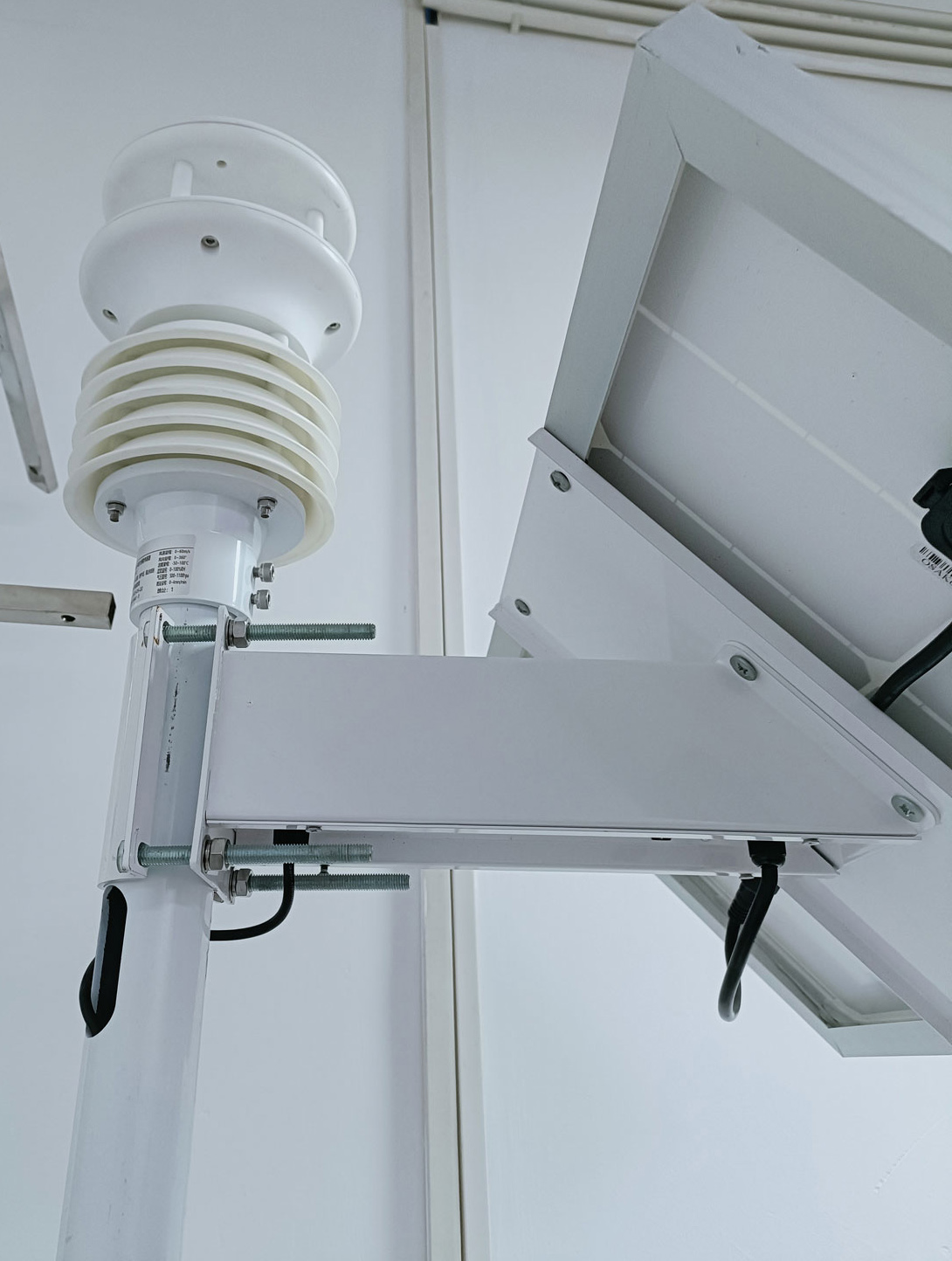
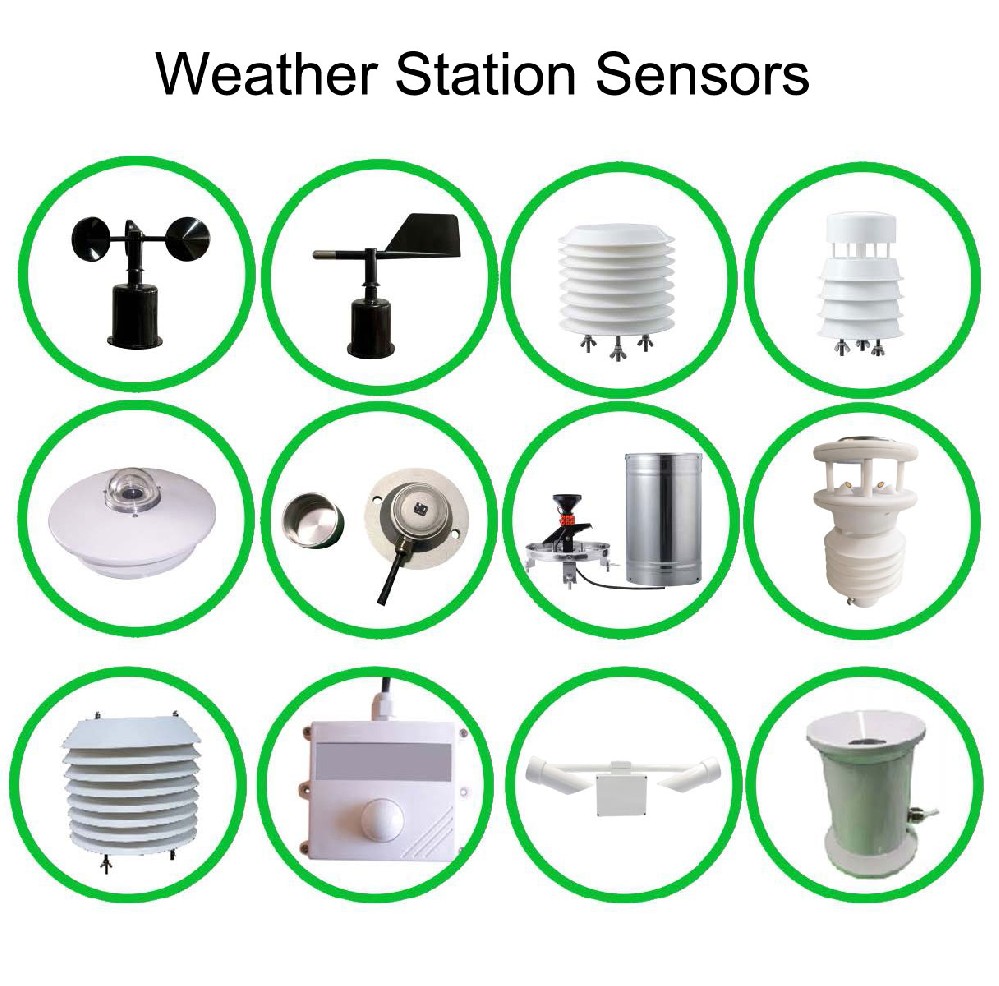
NiuBoL ultrasonic weather station adopts an integrated sensor design. All meteorological element sensors work synergistically to provide multi-dimensional data support for forest fire risk assessment:
Wind Speed and Wind Direction Sensors
Wind speed range 0~60m/s, wind direction 0~359°. Strong winds not only accelerate the spread of fire but also change the direction of the fire head and carry firebrands across fire isolation belts. Real-time wind field data can be used for fire behavior prediction models and support firefighting force deployment and evacuation route planning.
Temperature and Humidity Sensors
Temperature measurement range -40~80℃, humidity 0~100%RH. High temperature and low humidity environments reduce the moisture content of dead branches and leaves, easily causing spontaneous combustion or increasing combustion intensity. Humidity data directly affects the estimation of combustible material moisture content and is the core input parameter for fire risk level calculation.
Air Pressure Sensor
Measurement range 10~1100hPa. Air pressure changes are related to weather system evolution and can assist in judging high fire risk weather processes such as dry hot winds or thunderstorms.
Rainfall Sensor
Using piezoelectric ceramic kinetic energy or tipping bucket principle to measure cumulative rainfall and rainfall intensity. Recent precipitation directly affects the humidity of forest floor litter, and continuous rainless periods are important precursors to forest fire occurrence.
PM2.5 Sensor
Measurement range 0~1000μg/m³. In the early stage of forest fire occurrence, smoke particulate concentration will rise rapidly and can be used as an auxiliary indicator for early fire identification, forming mutual verification with video surveillance.
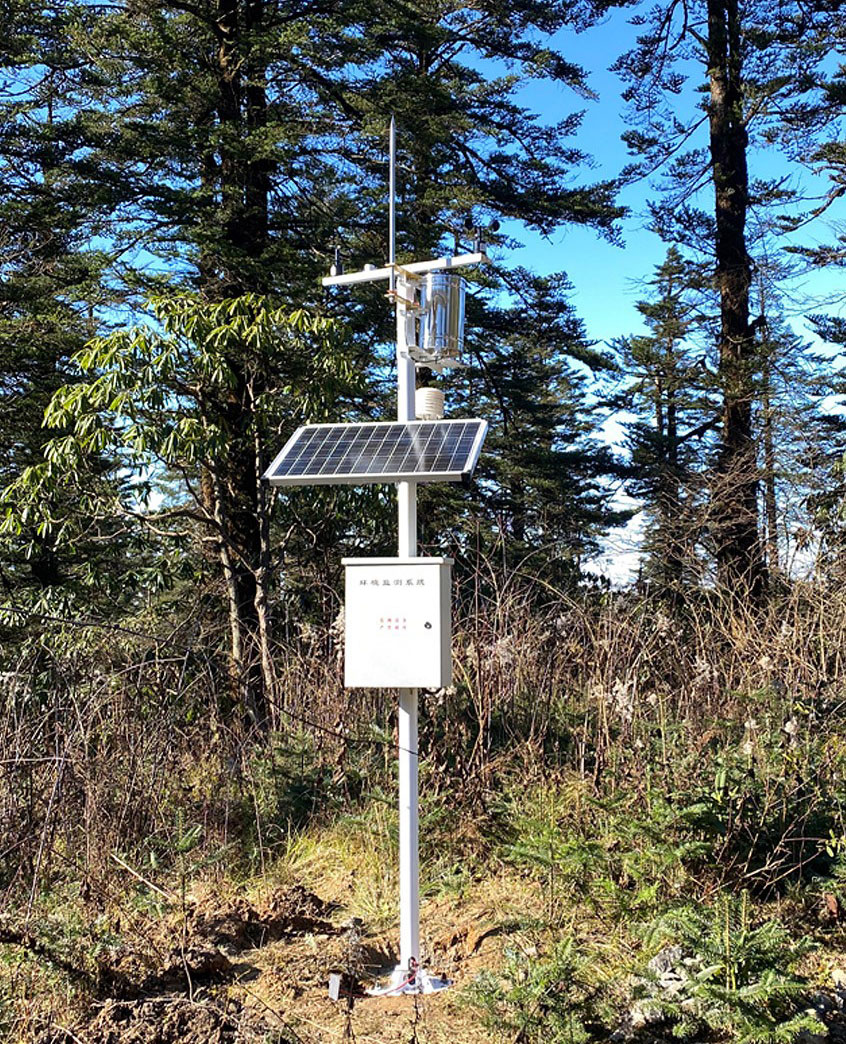
The above sensors are integrated through an integrated probe, reducing on-site installation points and lowering wiring complexity, which is particularly suitable for scenarios with complex forest terrain and difficult power supply.
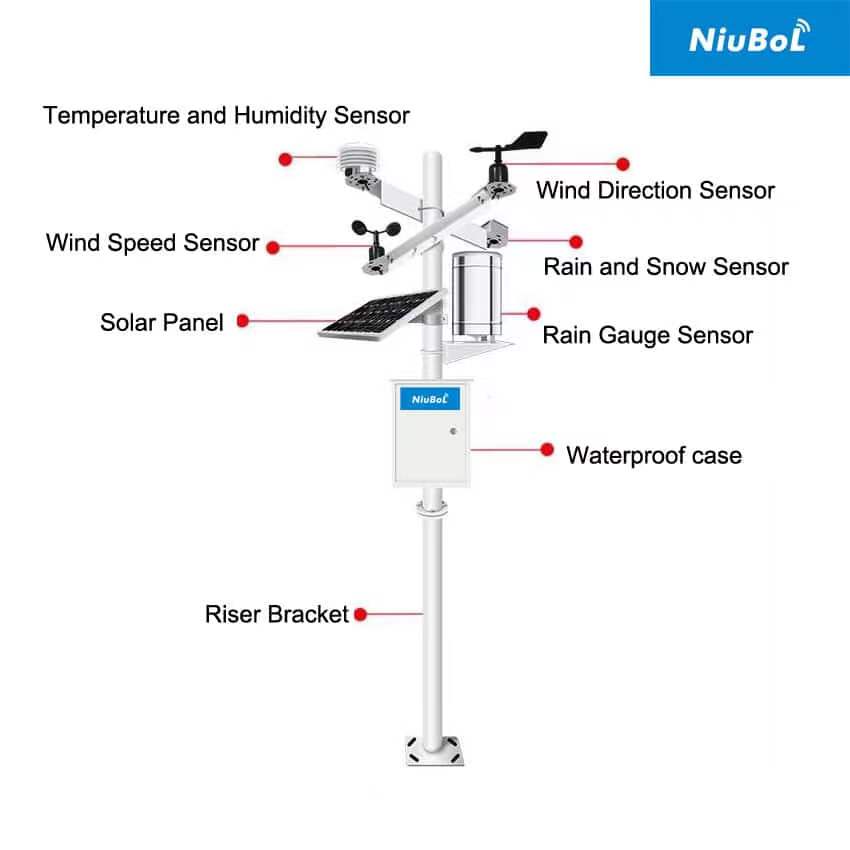
NiuBoL ultrasonic weather station is based on fully digital detection technology and adopts imported ASA engineering plastic shell with protection level above IP65. It has excellent salt spray resistance, corrosion resistance and anti-aging performance, adapting to long-term outdoor exposure environments in forest areas. The design without mechanical moving parts completely solves the accuracy drift problem of traditional mechanical weather stations caused by bearing wear and tipping bucket jamming, significantly extending equipment service life and reducing operation and maintenance costs.
Core system advantages include:
High integration: multi-element sensors integrated into a single probe, compact size, easy for quick installation on poles or forest monitoring towers.
Low power consumption operation: low average power consumption, supports solar power supply + battery backup, suitable for unattended deployment in remote forest areas.
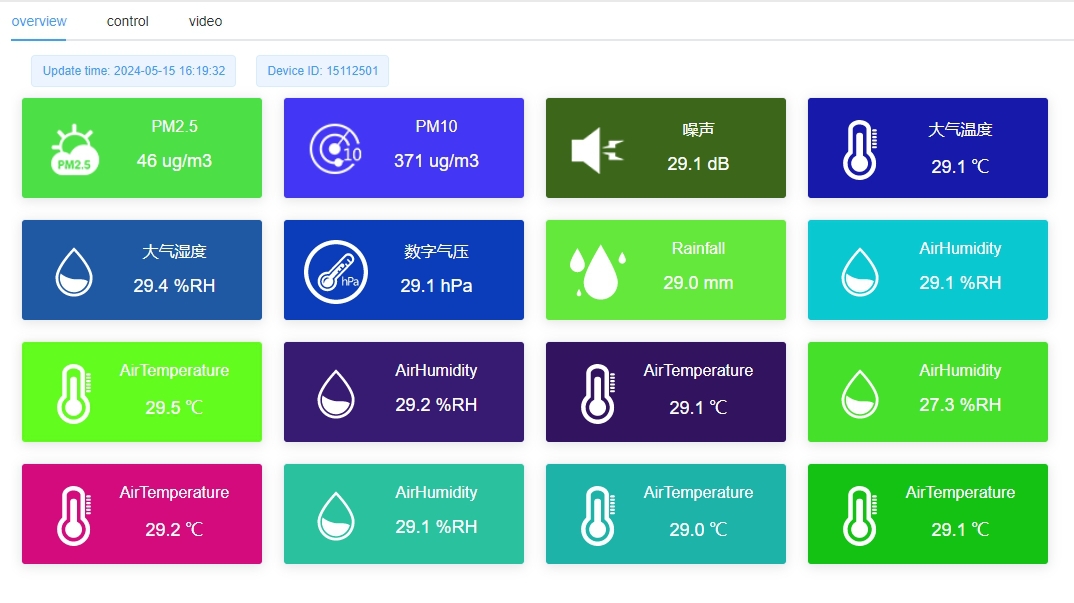
Remote monitoring capability: remote modification of alarm thresholds, viewing of real-time data and historical curves through the cloud platform, and automatic push of alarm information when meteorological parameters exceed limits.
Open integration interface: supports RS485 (standard MODBUS protocol) local output and 4G/NB-IoT wireless transmission, convenient for docking with existing forest fire monitoring platforms.
High-strength structural design: stable operation in a wide temperature range of -40~80℃, with excellent wind and earthquake resistance.
| Parameter Name | Range | Accuracy | Remarks |
|---|---|---|---|
| Wind Speed | 0~60 m/s | ±0.3 + 3% FS | Ultrasonic time difference method |
| Wind Direction | 0~359° | ±3° | 360° omnidirectional |
| Temperature | -40~80℃ | ±0.5℃ | - |
| Humidity | 0~100% RH | ±5% RH | - |
| Air Pressure | 10~1100 hPa | ±1.5 hPa | - |
| Rainfall | 0~8 mm/min | ±10% | Piezoelectric ceramic kinetic energy type |
| PM2.5 | 0~1000 μg/m³ | ±10% | Optional |
| Power Supply Voltage | DC 9-24V | - | Wide voltage input |
| Average Power Consumption | 0.4W (basic) / 1W (with PM2.5) | - | Low power consumption design |
| Communication Protocol | RS485 / 4G / NB-IoT | - | MODBUS RTU + MQTT |
| Protection Level | IP65 and above | - | Salt spray resistant, corrosion resistant |
Forest Fire Risk Level Monitoring Network
Deploy ultrasonic weather stations in a grid pattern in key forest areas to form a coverage fire risk monitoring system. After data is connected to the forest fire command platform, it supports dynamic fire risk index calculation and warning level release.
Fire Isolation Belt and Patrol Route Optimization
Combine wind direction and speed data to reasonably plan the location and width of fire isolation belts; adjust patrol frequency and key areas during high fire risk periods to reduce manpower input while improving prevention and control effectiveness.
Firefighting Command Auxiliary Decision-making
After a fire occurs, real-time meteorological data provides support for fire spread trend prediction, firefighting force allocation and safe evacuation route formulation to avoid risks of blind operations.
Forest Infrastructure Protection
Deployed around forest farm residential areas, lookout towers, power transmission lines and tourist scenic spots to protect important facilities and densely populated areas.
Multi-system Integration Projects
Linkage with video surveillance, lightning positioning, ground smoke detection and drone inspection systems to build a “sky-air-ground” integrated forest fire prevention monitoring system to meet the needs of large forest farms or nature reserve projects.
NiuBoL ultrasonic weather station supports flexible networking and can operate independently as a single station or in cascade with multiple stations. Engineering companies can quickly access existing SCADA or forest fire information management systems through standard MODBUS protocol. The cloud platform provides open API interfaces to support secondary development of custom alarm logic and data visualization.
During installation, it is recommended to choose open areas or high points in forest areas to avoid canopy occlusion and turbulence interference. Use shielded cables recommended by the manufacturer and implement good grounding and lightning protection measures. The solar power supply solution can configure appropriate capacity batteries according to local light conditions to ensure continuous power supply.
Q1. What is the main difference between ultrasonic weather stations and traditional mechanical weather stations in forest fire prevention?
A: Ultrasonic weather stations have no mechanical wear parts, high integration and low maintenance, making them more suitable for long-term unattended operation in forest areas with higher data stability.
Q2. How does NiuBoL weather station support forest fire risk early warning?
A: By real-time monitoring of temperature, humidity, wind speed and other elements, combined with fire risk index models, it automatically pushes alarms when set thresholds are reached and supports remote monitoring and threshold modification.
Q3. Does the system support solar power supply?
A: Yes. The low power consumption design is very suitable for solar + battery power supply solutions in forest areas, reducing power supply infrastructure investment.
Q4. Is the communication method convenient for integration with existing forest fire platforms?
A: Supports RS485 (MODBUS RTU), 4G and LoRaWAN transmission, which can flexibly dock with various forest fire command information systems.
Q5. How to ensure measurement accuracy in complex forest terrain?
A: The integrated high-strength design combined with reasonable site selection (open and unobstructed) can effectively reduce turbulence interference and maintain data accuracy.
Q6. Does the equipment protection performance meet the harsh environment in forest areas?
A: Protection level above IP65, imported ASA material shell, salt spray resistant, corrosion resistant and anti-aging, suitable for long-term outdoor use.
Q7. Does it support multi-element expansion?
A: Yes. It can expand parameters such as noise and radiation according to project requirements to form composite meteorological monitoring nodes.
Q8. What scale of forest fire prevention projects is this system suitable for?
A: Suitable for forest fire monitoring network construction projects of different scales such as county-level forest farms, nature reserves, large state-owned forest farms and forest parks.
Meteorological stations play an important role in forest fire prevention in fire risk monitoring, early warning and command assistance. NiuBoL ultrasonic weather station provides mature forest area meteorological monitoring solutions for system integrators, IoT solution providers, project contractors and engineering companies with its high integration, low power consumption, maintenance-free and strong environmental adaptability.
Through real-time multi-element data collection and cloud platform remote management, the system effectively supports the transformation of forest fire prevention from passive firefighting to active prevention and improves the scientific and refined level of forest fire prevention and control. In forest area safety management and ecological protection projects, choosing professional and reliable meteorological monitoring equipment helps reduce fire risks and protect forest resources.
As a professional meteorological equipment manufacturer, NiuBoL focuses on providing high-performance forest fire prevention weather station products and system integration support for industry partners. If you need technical selection, integration solution design or project deployment guidance, please feel free to contact the professional team for further cooperation to jointly build a more resilient forest fire prevention monitoring system.
Related recommendations
Sensors & Weather Stations Catalog
 Agriculture Sensors and Weather Stations Catalog-NiuBoL.pdf
Weather Stations Catalog-NiuBoL.pdf
Agriculture Sensors Catalog-NiuBoL.pdf
Water Quality Sensor Catalog-NiuBoL.pdf
Related products
 Combined air temperature and relative humidity sensor
 TDR Soil Moisture & Temperature Sensor for irrigation| RS485 |4-20mA| NBL-S-THR
 Soil pH sensor RS485 soil Testing instrument soil ph meter for agriculture |NBL-S-PH
 Wind Speed sensor Output Modbus/RS485/Analog/0-5V/4-20mA
 Tipping bucket rain gauge for weather monitoring auto rainfall sensor RS485/Outdoor/stainless steel
 Pyranometer Solar Radiation Sensor 4-20mA/RS485

Screenshot, WhatsApp to identify the QR code
WhatsApp number:+8615367865107
(Click on WhatsApp to copy and add friends)

