





— Blogs —
—Products—
 Consumer hotline +8618073152920
 WhatsApp:+8615367865107
Address:Room 102, District D, Houhu Industrial Park, Yuelu District, Changsha City, Hunan Province, China
Product knowledge
Time:2026-03-29 16:01:28 Popularity:545
In the evolution of modern smart agriculture, data accuracy is the starting point of all decision logic. As the core hardware for field environment monitoring, the stability and high precision of small agricultural weather stations directly affect the effectiveness of crop growth analysis, irrigation scheduling and pest and disease early warning.
For system integrators and IoT solution providers, selecting a meteorological monitoring device that meets industrial standards, is easy to integrate and has long-term stability is the key to ensuring high-level project delivery. As a professional manufacturer, NiuBoL is committed to providing global B2B customers with high-performance perception-layer hardware.
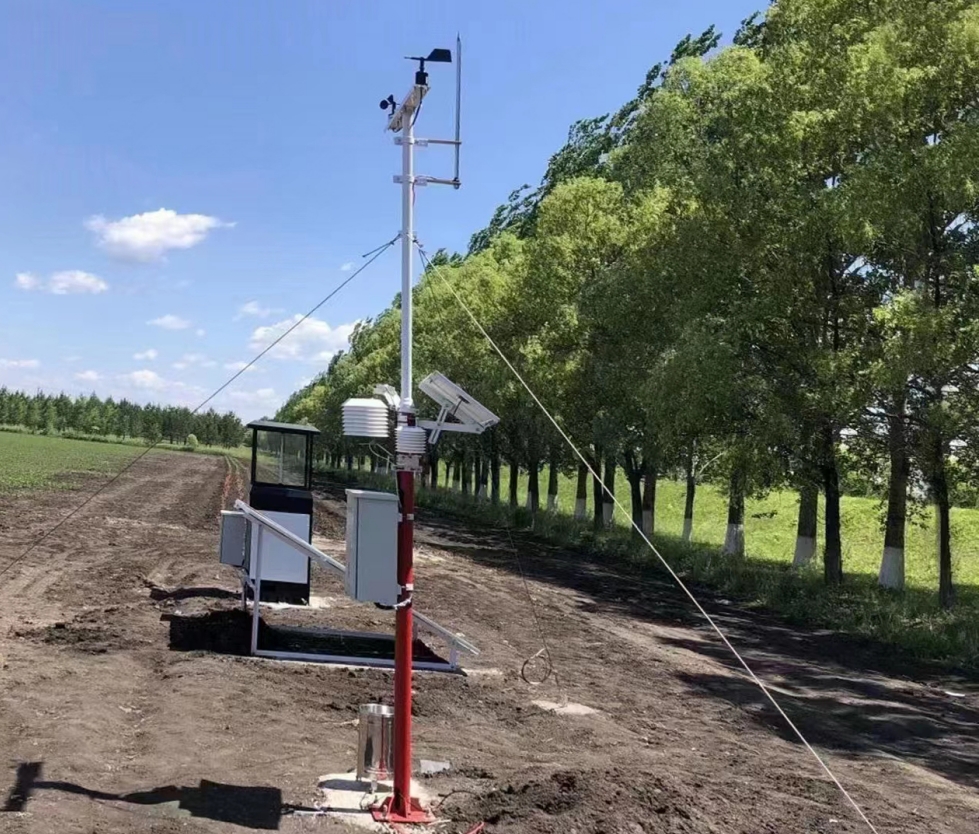
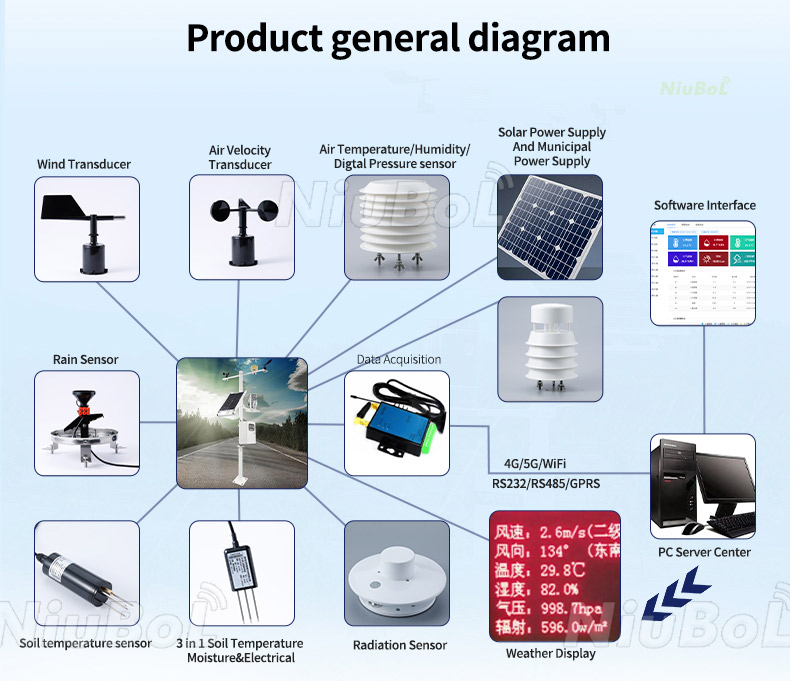
Small agricultural weather station (also known as automatic weather station, AWS) is a highly integrated environmental monitoring system specially used for automatic collection, processing and transmission of farmland microclimate data. Different from general meteorological stations, its design is deeply aligned with agronomic needs and focuses on the core elements that affect crop physiological cycles.
The system usually consists of the following four parts:
Sensor array: responsible for conversion from physical quantities to electrical signals.
Data acquisition terminal (RTU): performs data encoding, local storage and protocol conversion (such as Modbus-RTU).
Power supply system: usually adopts solar energy combined with lithium battery to support long-term unattended operation in the field.
Mechanical structure bracket: industrial-grade pole with high wind resistance and corrosion resistance.
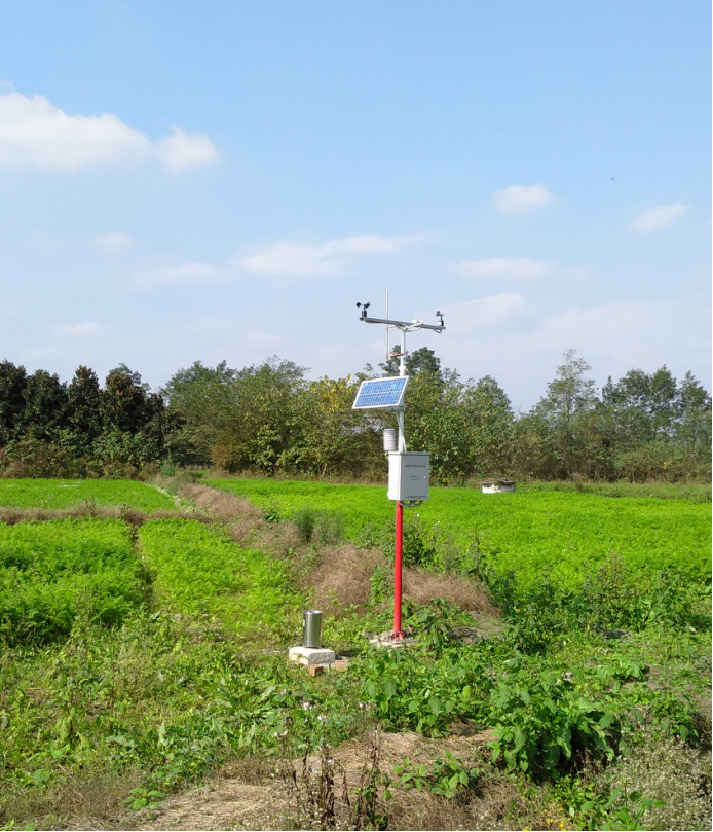
To meet the requirements of refined agricultural management, a standard small weather station should cover all-round monitoring from atmospheric environment to soil profile.
| Monitoring Element | Sensor Type | Measurement Range | Signal Output |
|---|---|---|---|
| Air Temperature | Digital thermistor | -40 ~ 85°C | RS485 (Modbus) |
| Air Humidity | Capacitive polymer | 0 ~ 100% RH | RS485 (Modbus) |
| Wind Speed | Ultrasonic / three-cup type | 0 ~ 60 m/s | RS485 / pulse |
| Wind Direction | Magnetic induction / mechanical type | 0 ~ 360° | RS485 (Modbus) |
| Rainfall | Tipping bucket metering | 0 ~ 4 mm/min | Pulse / RS485 |
| Light Intensity | Silicon photocell | 0 ~ 200,000 Lux | RS485 (Modbus) |
| Soil Temperature and Humidity | FDR/TDR principle | 0-100%VWC / -40-80°C | RS485 (Modbus) |
| Atmospheric Pressure | Piezoresistive type | 300 ~ 1100 hPa | RS485 (Modbus) |
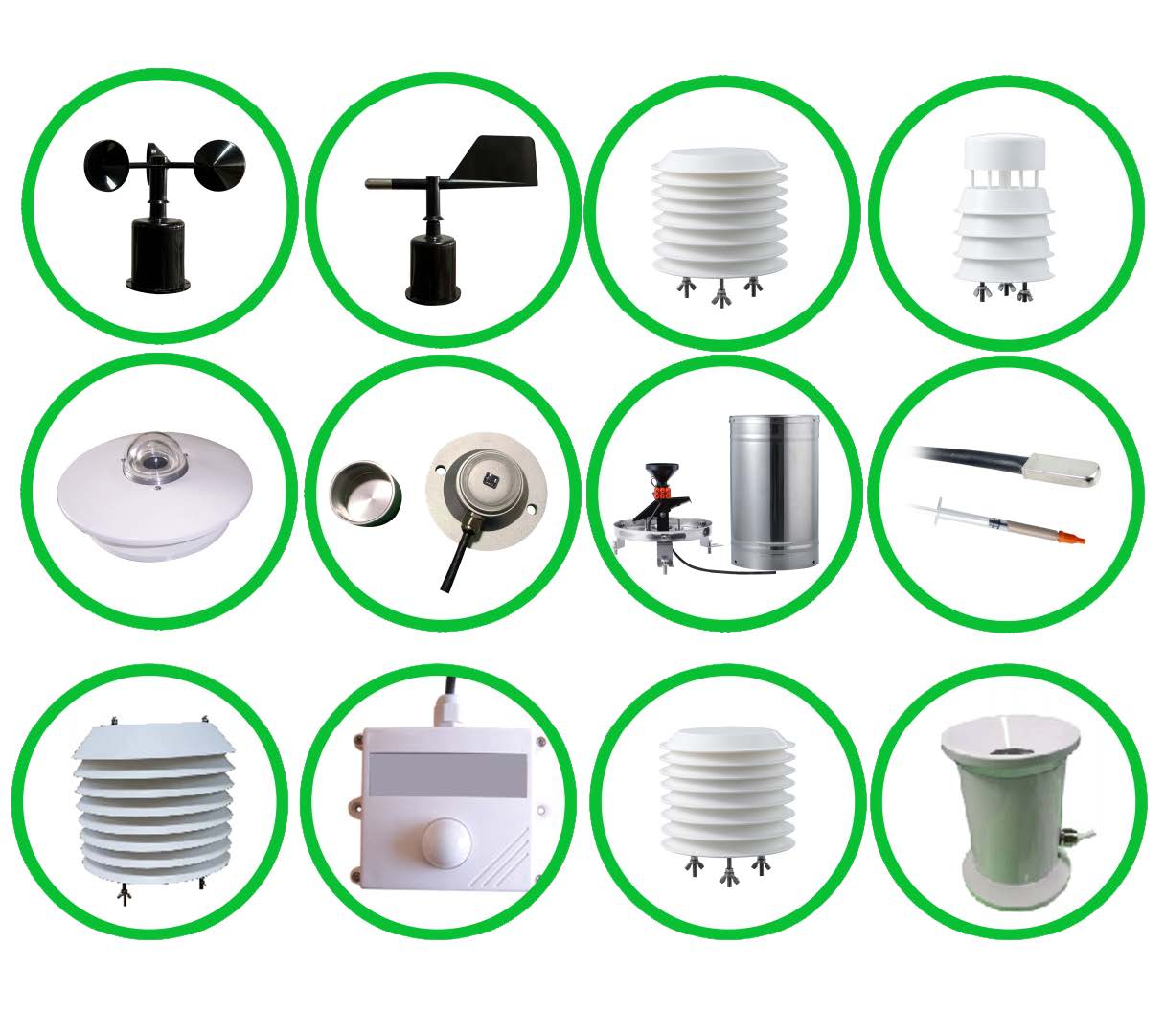
Although NiuBoL manufactured equipment has extremely high reliability, due to the complexity of field environments (extreme temperatures, high humidity, dust, wild animal interference), regular engineering maintenance is a necessary means to extend equipment life and ensure that monitoring accuracy does not drift.
1. Electrical Consistency Check of Power Supply System
The power supply system is the “heart” of the weather station. During maintenance, focus on checking:
Cable physical condition: check whether the cables have UV aging, mechanical damage or animal gnawing.
Interface tightness: ensure all aviation plugs and wiring terminals have no looseness or oxidation.
Battery efficiency: observe the charging indicator status, regularly test the battery discharge depth under rainy conditions, and perform preventive replacement according to service life if necessary.
2. Dust Removal and Calibration of Air Temperature and Humidity Sensors
If the sensor probe is covered by accumulated dust, it will form a thermal resistance effect, leading to slower response time and temperature/humidity offset. Use an anti-static soft brush or low-pressure air blow to clean the filter cover regularly to maintain smooth heat exchange between the sensor and the atmospheric environment.
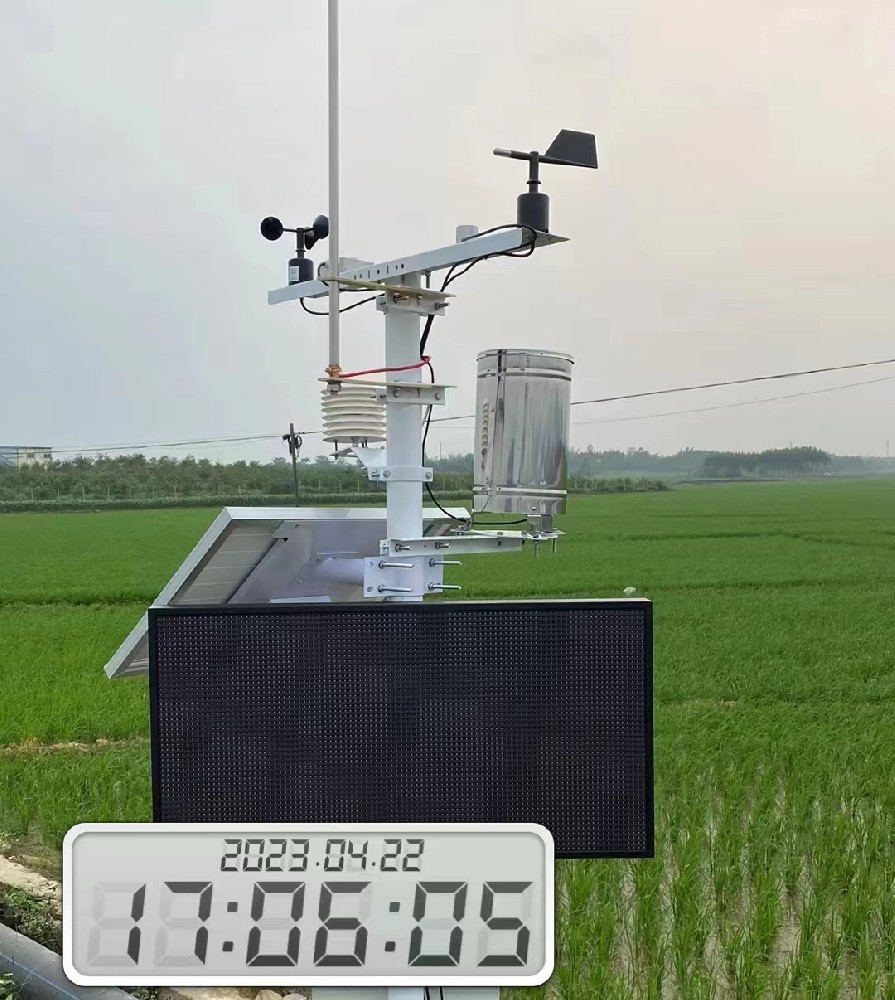
3. Environmental Matching of Soil (Ground Temperature) Sensors
Contact coupling: check whether there is a gap between the tube-type or probe-type sensor and the soil (gaps will cause the measured value to be seriously low).
Surface foreign objects: clean any debris entangled on the exposed part of the probe on the ground surface. If soil erosion causes the probe to be exposed, re-bury and compact it.
4. Mechanical Path Cleaning of Rainfall Sensors
Rain gauges are easily blocked by leaves, bird droppings and dust.
Channel self-inspection: regularly clean the filter inside the funnel.
Level calibration: road or field vibration may cause the rain gauge to tilt; use the built-in level bubble to adjust it to absolute level to ensure the accuracy of tipping bucket metering.
5. Flexibility Maintenance of Mechanical Moving Parts
For mechanical wind speed and direction sensors, focus on checking the smoothness of bearing rotation. Long-term operation may cause bearing oil seal to dry up or dust to enter. If the starting threshold becomes significantly larger, clean or replace the bearing and ensure the verticality of the support pole.
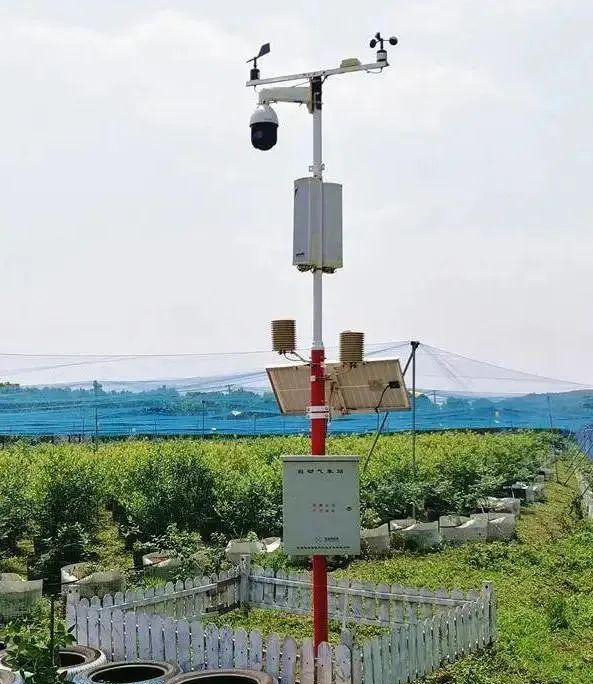
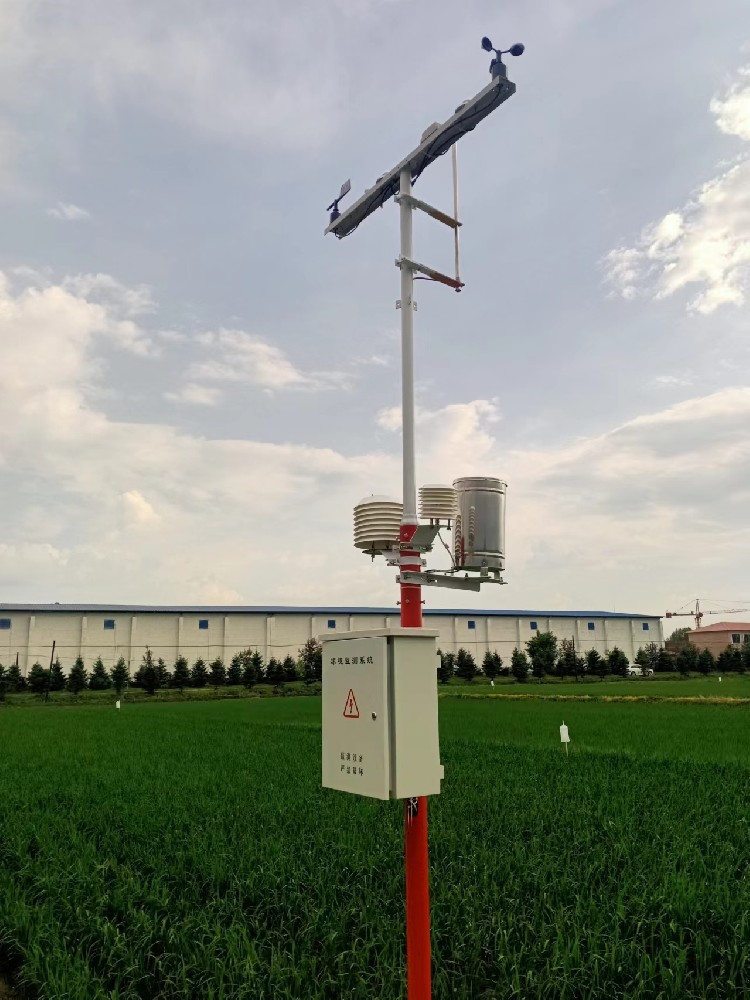
Correct installation is the prerequisite for normal equipment operation. NiuBoL recommends that integrators follow the following standardized process during implementation:
1. Pre-delivery Front-end Check
Before entering the construction site, all sensors, collectors, antennas and fasteners must be checked against the packing list. Focus on checking whether the equipment appearance has physical damage caused by logistics transportation to ensure “zero defect” entry.
2. Site Selection Logic: Avoid “Micro-environment Interference”
Openness principle: avoid tall buildings, trees and windbreaks to ensure airflow and light are not blocked.
Hardening and stability: the foundation base needs ground hardening (such as concrete pouring), and equipment installation must be firm. Field gust pressure is extremely high; unstable installation will cause equipment overturning and damage expensive high-precision sensors.
3. Electrical and Protection Specifications
Strictly follow the NiuBoL technical manual for wiring. Do not hot-plug sensors while powered on to prevent instantaneous surge impact on the circuit. After installation, the acquisition box must be sealed to prevent rainwater and insects from entering.
Q1: How to handle packet loss during meteorological station data transmission?
A: NiuBoL collector has local data storage (Data Logger) function. When the network fluctuates, data will be temporarily stored in the SD card and support breakpoint resume after signal recovery to ensure data continuity.
Q2: Do agricultural weather station sensors need regular calibration?
A: For scientific research or high-requirement projects, calibration is recommended every 12-24 months. NiuBoL sensors are factory-calibrated with standard traceability. For daily agricultural applications, on-site verification can be performed by comparing with standard instruments.
Q3: What are the requirements for the installation angle of solar panels?
A: In principle, the elevation angle should be adjusted according to the local latitude and face due south (northern hemisphere) to obtain maximum irradiance. At the same time, regularly clean bird droppings and dust on the panel surface.
Q4: Why does the wind direction sensor reading not match the local meteorological station?
A: First check whether the wind vane is correctly aligned to true north (North Alignment). During installation, use a compass to point the sensor’s north mark to geographic true north, not magnetic north.
Q5: What communication protocols does the equipment support?
A: All hardware natively supports Modbus-RTU. Through optional communication modules, it can be extended to support MQTT, HTTP or TCP/IP protocols, greatly facilitating integrators to access various cloud platforms.
Q6: How to prevent lightning damage to sensors?
A: It is recommended to configure a lightning rod at the top of the weather station pole and ensure the system has reliable grounding resistance (usually required to be less than 4 ohms).
Q7: What is the standard burial depth for soil sensors?
A: Standard agricultural monitoring is usually divided into three layers: 10cm, 20cm and 40cm, depending on the crop root distribution. During installation, try to maintain the original soil layering.
Q8: Does NiuBoL provide OEM cooperation?
A: We focus on providing OEM/ODM services for integrators, supporting sensor customization, brand labeling and special range development. We do not sell to end consumers to protect partner channel interests.
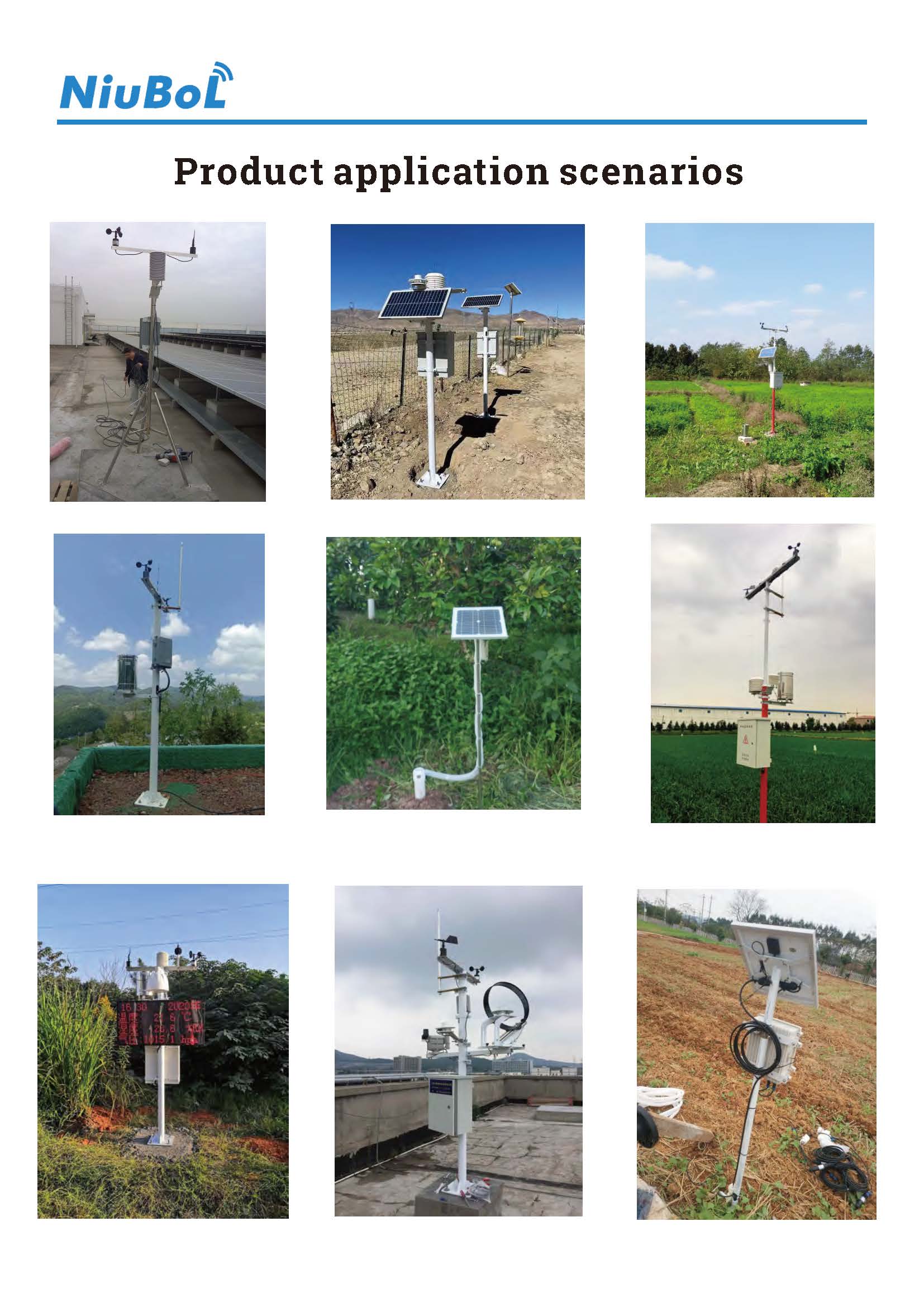
Small agricultural weather stations are the core support for realizing the transformation of smart agriculture from “experience-driven” to “data-driven”. Through high-precision sensor matrices, standardized engineering installation and scientific maintenance strategies, system integrators can build a truly decision-making reference value environmental perception system for customers.
NiuBoL will continue to devote itself to breakthroughs in underlying sensor technology and provide the most solid hardware guarantee for global partners.
Related recommendations
Sensors & Weather Stations Catalog
 Agriculture Sensors and Weather Stations Catalog-NiuBoL.pdf
Weather Stations Catalog-NiuBoL.pdf
Agriculture Sensors Catalog-NiuBoL.pdf
Water Quality Sensor Catalog-NiuBoL.pdf
Related products
 Combined air temperature and relative humidity sensor
 TDR Soil Moisture & Temperature Sensor for irrigation| RS485 |4-20mA| NBL-S-THR
 Soil pH sensor RS485 soil Testing instrument soil ph meter for agriculture |NBL-S-PH
 Wind Speed sensor Output Modbus/RS485/Analog/0-5V/4-20mA
 Tipping bucket rain gauge for weather monitoring auto rainfall sensor RS485/Outdoor/stainless steel
 Pyranometer Solar Radiation Sensor 4-20mA/RS485

Screenshot, WhatsApp to identify the QR code
WhatsApp number:+8615367865107
(Click on WhatsApp to copy and add friends)

