





— Blogs —
—Products—
 Consumer hotline +8618073152920
 WhatsApp:+8615367865107
Address:Room 102, District D, Houhu Industrial Park, Yuelu District, Changsha City, Hunan Province, China
Product knowledge
Time:2026-03-29 15:56:34 Popularity:529
Agricultural IoT has entered a new stage centered on “big data + intelligent perception”. It is no longer a single sensor deployment but a complex ecosystem integrating cloud computing, edge computing, massive terminals, and animal and plant growth models. As an industrial-grade environmental sensor manufacturer, NiuBoL is committed to providing global system integrators and engineering companies with highly reliable perception-layer hardware to support the industrial upgrade from “depending on the weather” to “scientific decision-making”.
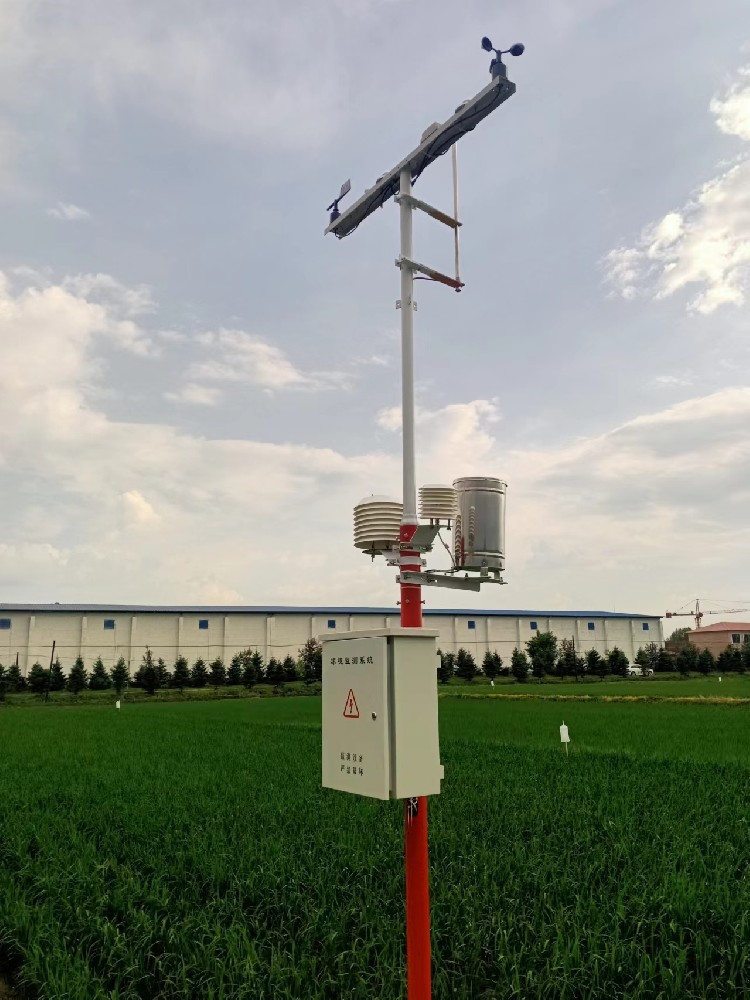
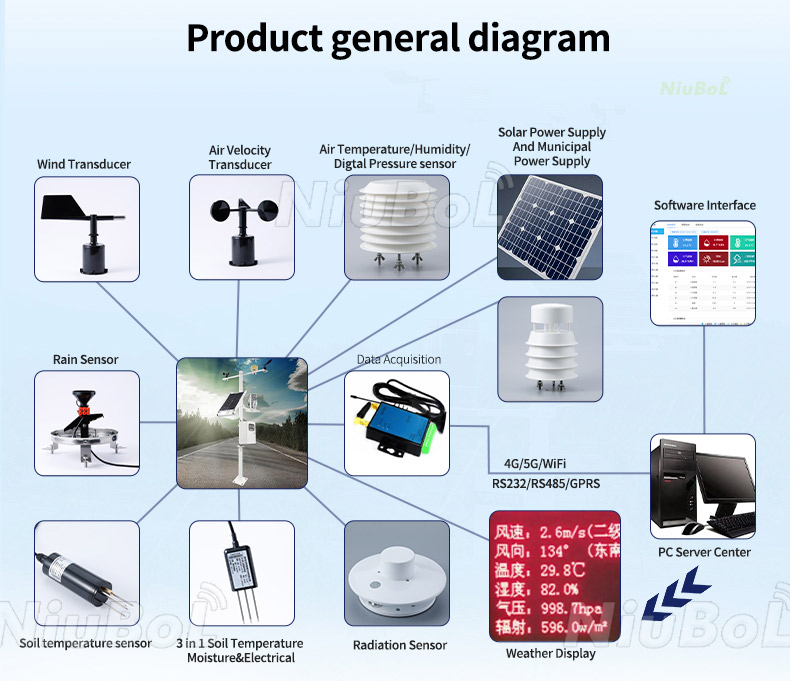
The current Agricultural IoT (Agri-IoT) architecture can be divided into three logical layers: perception and execution layer, transmission and integration layer, and cloud analysis layer. The core is to build a unified “big platform + massive terminals” network.
Terminal Perception and Execution System
Data acquisition terminals (sensor nodes, base stations) are the nerve endings of the entire network. They cover air environment sensors (temperature and humidity, light, carbon dioxide), soil sensors (moisture, salinity, pH), water quality monitoring, and video streams.
Agricultural Big Data Logical Closed Loop
Agricultural big data is not simply data accumulation but the key to achieving low-cost multi-dimensional environmental monitoring, pest and disease model prediction, full-process traceability, and intelligent equipment mechanical control. Every real-time indicator of the farm is automatically matched with a specific algorithm to generate control instructions (such as automatically opening roller blinds or infrared heating and supplementary lighting), realizing closed-loop response on the equipment side.
| Monitoring Element | Measurement Range | Resolution | Output Protocol |
|---|---|---|---|
| Air Temperature | -40 ~ 85°C | 0.1°C | RS485 (Modbus) |
| Air Humidity | 0 ~ 100% RH | 0.1% RH | RS485 (Modbus) |
| Light Intensity | 0 ~ 200,000 Lux | 1 Lux | RS485 (Modbus) |
| Soil Temperature and Humidity | 0-100%VWC / -40-80°C | 0.1% / 0.1°C | RS485 (Modbus) |
| Carbon Dioxide | 0 ~ 5000 ppm | 1 ppm | RS485 (Modbus) |
Low temperature and dry environments in winter are major challenges for the livestock industry. Low temperature not only affects animal body functions and immunity but also directly leads to a decline in feed conversion ratio (FCR).
Impact of Imbalanced Micro-environment in Livestock Houses
Taking pig breeding as an example, under low-temperature environments, pigs will accelerate their metabolism to maintain body temperature, resulting in slower weight gain, significantly reduced feed utilization, and easy induction of piglet diarrhea and various respiratory diseases.
Integrated Application of Micro-meteorological Instruments
Integrating micro-meteorological instruments inside livestock houses enables real-time monitoring of temperature, humidity, PM2.5 and PM10. Through precise environmental control data, breeders can scientifically find a balance between “ventilation and exhaust” and “cold protection and warmth preservation”, avoiding the symbiotic threat of ammonia accumulation and low-temperature cold damage.
The economic benefits of facility agriculture (greenhouses) depend on fine regulation of micro-climate. Vegetable planting in northern regions has extremely high technical requirements for light and temperature. Sharp cooling, heavy snow and strong winds are the main physical risks faced by greenhouses.
Deploying automatic weather stations inside greenhouses can capture key parameters affecting fruit setting rate and appearance in real time. Before sharp cooling or cold front invasion, the system guides practitioners to reinforce greenhouse films or start infrared heating systems through early warning mechanisms, thereby reducing physiological diseases caused by drastic temperature differences.
1. Agricultural Weather Station Host: Openness and Representativeness Principle
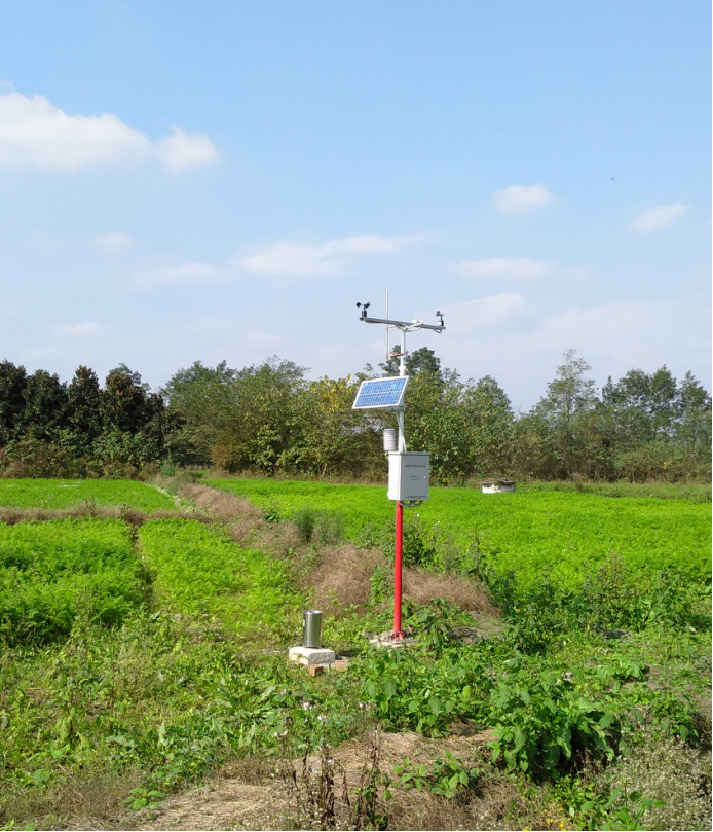
The weather station host (bracket and wind speed, wind direction, rainfall sensors) should be installed in an open area that can represent the regional micro-climate.
Obstacle avoidance requirements: The distance between the installation point and surrounding tall obstacles (such as windbreaks, buildings, greenhouse frames) should be at least 3-10 times the height of the obstacle to prevent turbulence effects or rainfall occlusion.
Surface consistency: The foundation base needs concrete hardening, and the pole must be vertical to ensure the anemometer and rain gauge are in absolute horizontal state.
2. Inside Facility Greenhouses: Crop Canopy and Environmental Core Area
Inside greenhouses, sensor positions must avoid air vents and heating sources.
Temperature and humidity / CO₂ sensors: Should be hung approximately 20-50 cm above the crop canopy. This is the most active area for plant photosynthesis and transpiration and best reflects the actual micro-environment felt by crops.
Light sensors: Should be installed on the inner side of the greenhouse roof in an unobstructed position to monitor the light transmittance of the greenhouse film and effective solar radiation (PAR).
Avoid interference: Sensors must not be aimed directly at sprinkler heads or heating furnace outlets, otherwise sampling data will suffer severe nonlinear deviation.
3. Soil Sensors: Root Dense Layer and Horizontal Distribution
Burial depth of soil moisture (VWC) and electrical conductivity (EC) sensors should be determined according to the crop root structure (Root Zone).
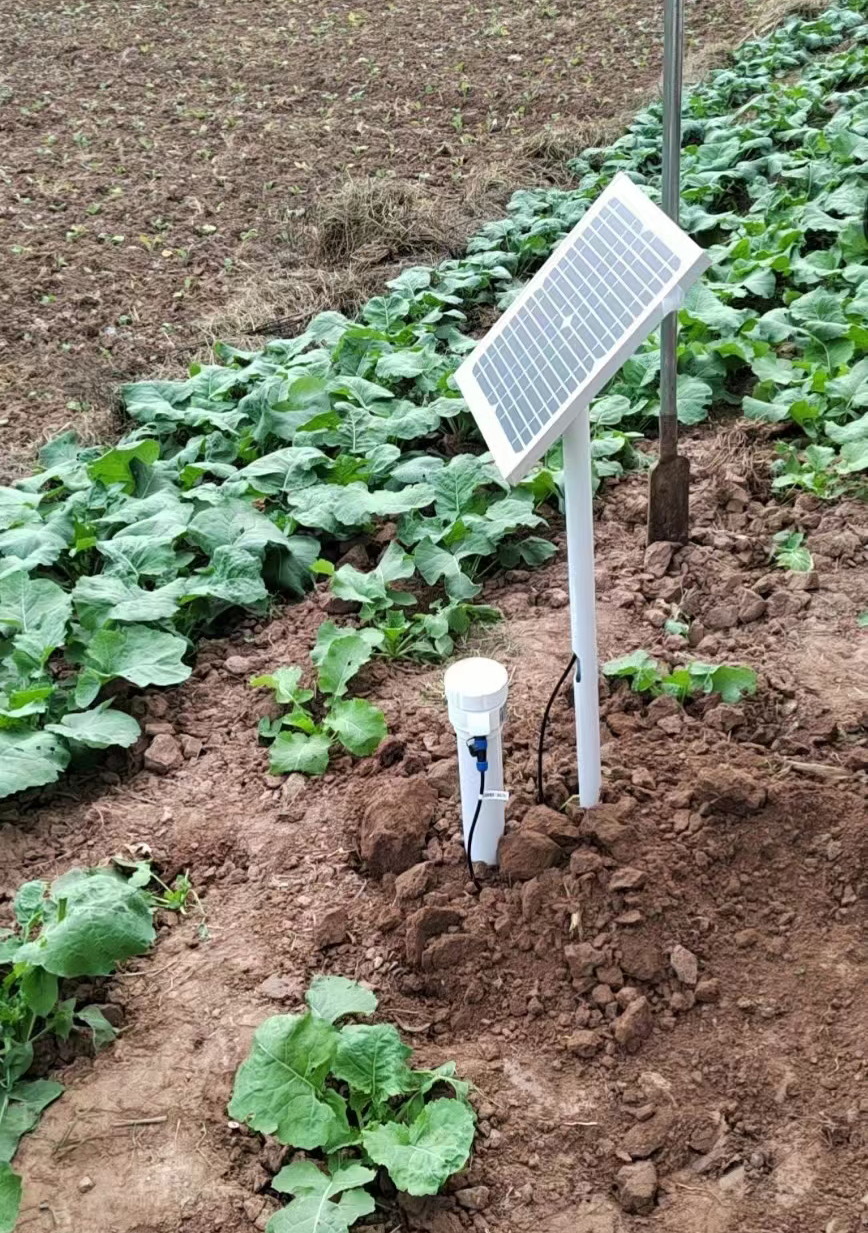
Vertical profile: Standard installation usually recommends three-layer deployment: 10 cm (surface evaporation), 20-40 cm (core water absorption layer), 60 cm (deep leakage).
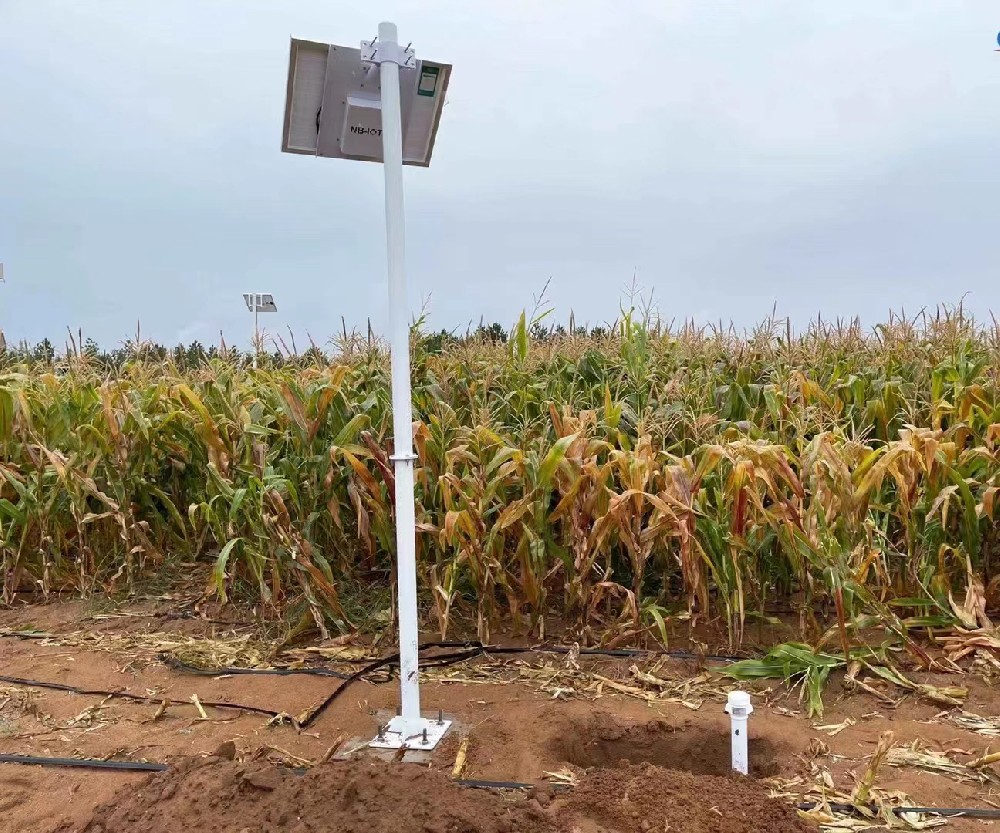
Burial specifications: Ensure the probe is tightly coupled with the soil without air gaps during installation. After burial, compact the soil according to the original layers to prevent rainwater from directly infiltrating deep layers along the sensor rod (producing a “funnel effect” that causes data to be high).
4. Livestock and Poultry Farms: Animal Breathing Zone and Airflow Blind Spots
Inside pig or poultry houses, the placement of micro-meteorological instruments determines the epidemic prevention effect.
Installation height: Sensors should be installed at the “animal breathing zone” height of 0.5-1.5 meters from the ground.
Point selection: Should be placed in the center of the house or in the “dead corner” area with the worst air flow to monitor ammonia accumulation and PM10 concentration. At the same time, avoid installation directly opposite the fan exhaust port so that the data can reflect the overall environment.
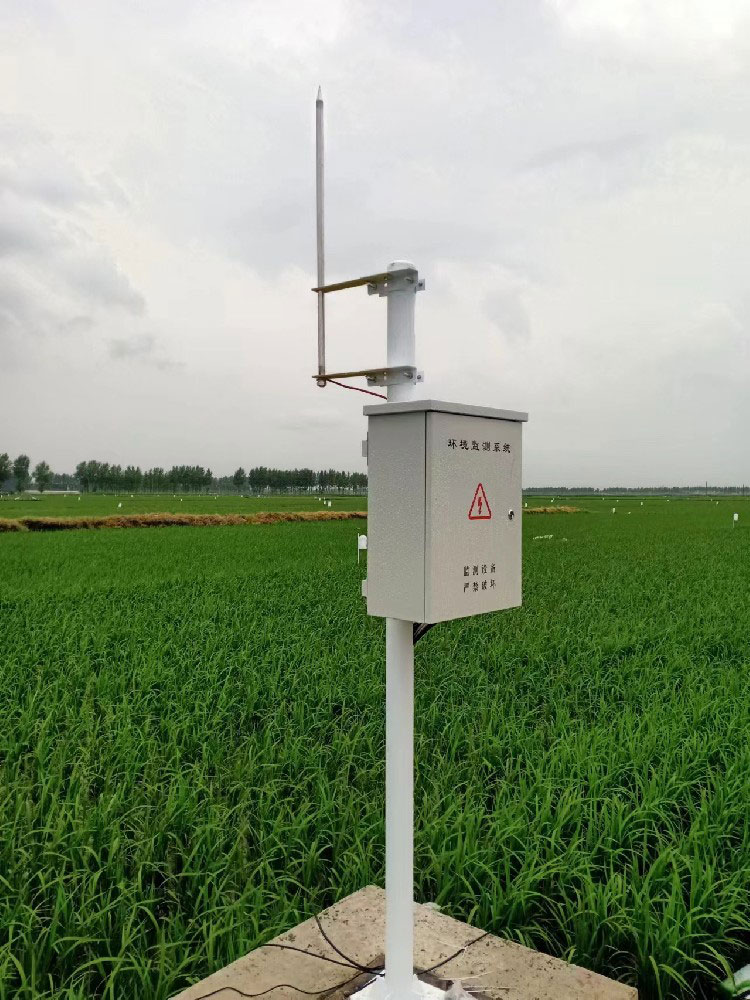
Facility Horticulture and Smart Greenhouses
Use NiuBoL automatic weather stations to link environmental control actuators. Automatically adjust external shading systems based on light sensor data and precisely drive solenoid valves for irrigation based on soil moisture data.
Large-scale Livestock and Poultry Farms
Deploy micro-meteorological instruments inside poultry houses to monitor dust concentration and ammonia indicators. Data is connected to environmental controllers via RS485 bus to automatically trigger infrared heating lamps or wet curtain fans.
Field Precision Planting and Disaster Early Warning
For field operations, use distributed sensor nodes to monitor precipitation and wind speed. For heavy snow warnings, the system can push reinforcement instructions to administrators in advance to protect physical assets.
Q1: How does NiuBoL sensor perform in extreme low-temperature environments?
A: NiuBoL industrial-grade sensors have undergone wide-temperature testing. Air temperature and humidity sensors maintain linear response at -40°C. The acquisition box adopts anti-corrosion and anti-freeze design to ensure no electrical failure occurs in blizzard weather.
Q2: How to solve the problem of long signal transmission distance in agricultural production sites?
A: Our system supports 4G/5G and RJ45 Ethernet, and can also provide customized medium and short-distance wireless transmission links. For remote areas, it supports local data storage (Data Logging) and breakpoint resume.
Q3: How is the power supply system of agricultural weather stations guaranteed?
A: For field road conditions, we provide a standard solar power supply solution (including bracket, monocrystalline silicon panel and large-capacity lithium iron phosphate battery), supporting continuous operation for 7-10 days of rainy weather.
Q4: What mainstream IoT protocols do the sensors support?
A: Native support for standard Modbus-RTU protocol (RS485 bus), which can be directly connected to various PLCs, industrial gateways or smart agriculture cloud platforms.
Q5: What is the maintenance frequency of PM2.5/PM10 sensors in high-dust environments of breeding farms?
A: Breeding farms have high dust concentration. It is recommended to clean the sensor filter and air inlet once every 3 months.
Q6: How to prevent water mist damage from sprinkler systems to sensors inside greenhouses?
A: Our temperature and humidity and environmental sensor probes have IP65-IP67 protection level, and the core circuit board is coated with three-proof paint, effectively resisting high humidity and chemical corrosion caused by pesticide spraying.
Q7: Does the system support multi-sensor custom expansion?
A: Yes. Integrators can flexibly add soil pH, electrical conductivity, ultraviolet radiation or leaf surface humidity sensors on the basis of weather stations according to specific project needs.
Q8: What is the maximum length of sensor cables?
A: When using RS485 (Modbus-RTU) communication, the theoretical transmission distance can reach 1200 meters. However, in engineering, it is recommended to add repeaters or use high-quality shielded twisted pair cables when exceeding 300 meters to resist electromagnetic interference generated by agricultural machinery operation.
Q9: Which direction should the solar panel face?
A: In the northern hemisphere, solar panels should always face due south. The elevation angle is recommended to be local latitude plus 10 degrees to ensure sufficient power replenishment even at low solar angles in winter.
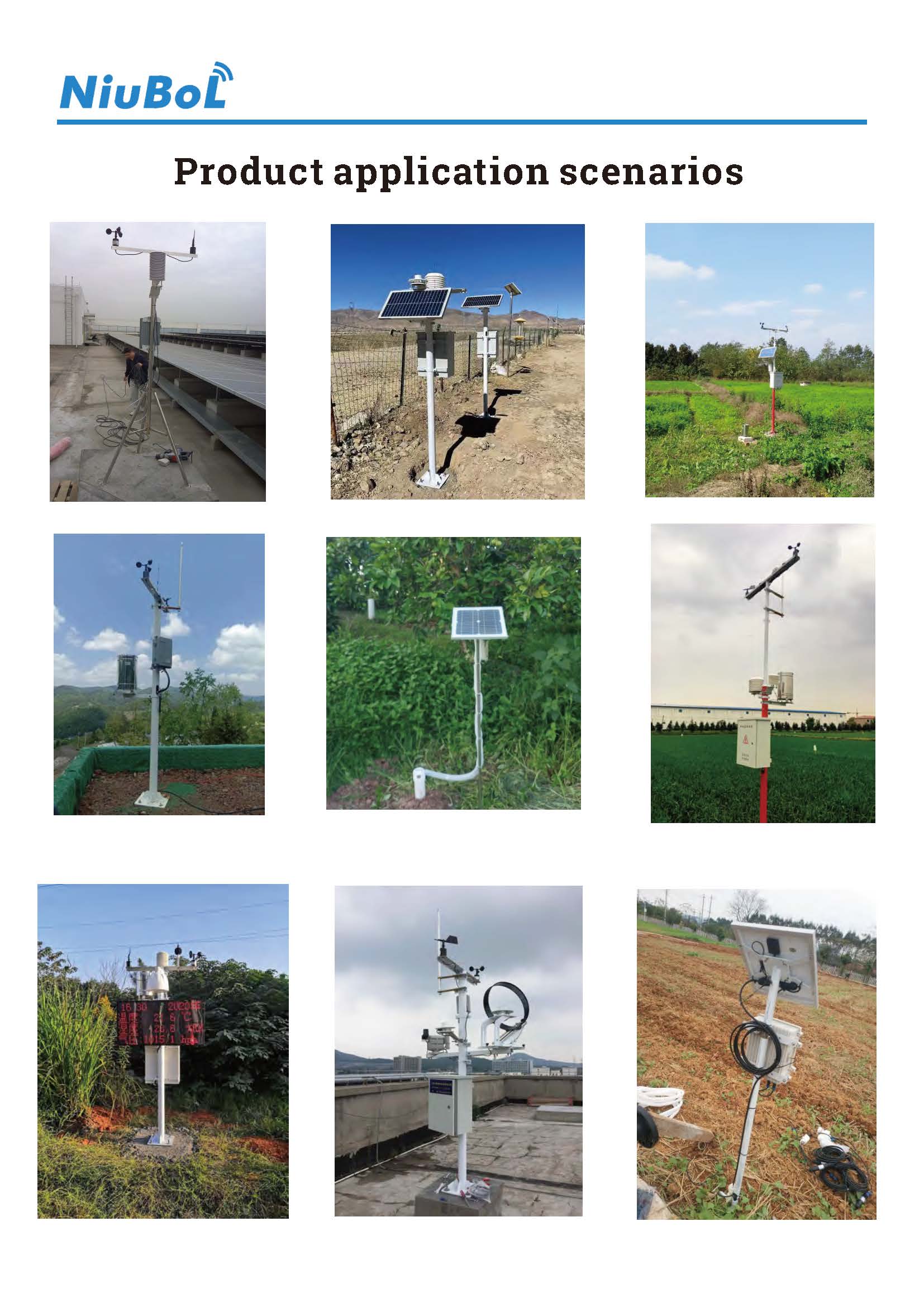
The successful implementation of Agricultural IoT depends not only on cloud algorithms but also on the stability and data authenticity of perception-layer hardware. In the context of frequent extreme weather, the automatic weather stations and micro-meteorological instruments provided by NiuBoL offer a reliable environmental foundation for agricultural production. Through high-precision real-time monitoring, system integrators can help end users achieve pre-disaster early warning, production process optimization and significant reduction in operating costs.
About Procurement and Integration Consultation:
If you are planning a smart greenhouse or modern breeding farm project, NiuBoL provides a full set of OEM/ODM customization services. Our engineering team will provide targeted sensor selection and integration suggestions to help projects be delivered efficiently.
 NBL-S-TMSMS-Tubular-Multi-depth-Soil-Moisture-Sensor-Instruction-Manual.pdf
NBL-S-TM-Soil-temperature-and-moisture-sensor-Instruction-Manual-4.0.pdf
NBL-S-THR-Soil-temperature-and-moisture-sensors-Instruction-Manual-V4.0.pdf
Related recommendations
Sensors & Weather Stations Catalog
Agriculture Sensors and Weather Stations Catalog-NiuBoL.pdf
Weather Stations Catalog-NiuBoL.pdf
Agriculture Sensors Catalog-NiuBoL.pdf
Water Quality Sensor Catalog-NiuBoL.pdf
Related products
 Combined air temperature and relative humidity sensor
 TDR Soil Moisture & Temperature Sensor for irrigation| RS485 |4-20mA| NBL-S-THR
 Soil pH sensor RS485 soil Testing instrument soil ph meter for agriculture |NBL-S-PH
 Wind Speed sensor Output Modbus/RS485/Analog/0-5V/4-20mA
 Tipping bucket rain gauge for weather monitoring auto rainfall sensor RS485/Outdoor/stainless steel
 Pyranometer Solar Radiation Sensor 4-20mA/RS485

Screenshot, WhatsApp to identify the QR code
WhatsApp number:+8615367865107
(Click on WhatsApp to copy and add friends)

