





— Blogs —
—Products—
 Consumer hotline +8618073152920
 WhatsApp:+8615367865107
Address:Room 102, District D, Houhu Industrial Park, Yuelu District, Changsha City, Hunan Province, China
Product knowledge
Time:2026-03-12 11:31:39 Popularity:516
In traditional meteorological monitoring solutions, wind vanes and cups are the most representative components. However, for industrial projects long-term exposed to harsh outdoor environments such as salt fog and sand dust, traditional mechanical sensors face pain points including physical wear, bearing aging, and start-up wind speed limitations.
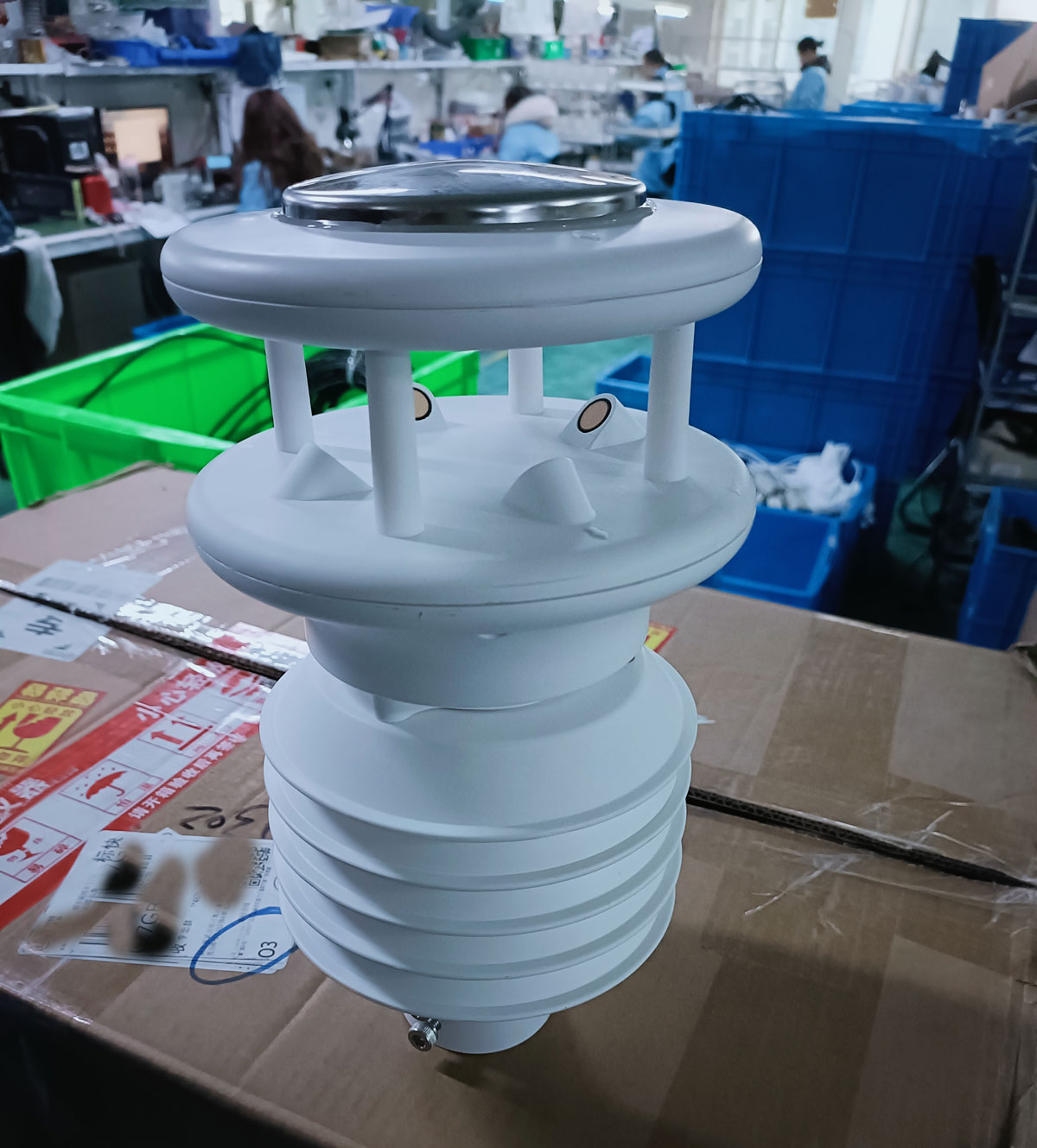
The NBL-W-10GUWS ultrasonic automatic weather station developed by NiuBoL represents a generational evolution in the perception layer. Through continuous variable-frequency ultrasonic signal detection, the device achieves environmental sensing with no moving parts. For system integrators, this means lower maintenance costs, higher deployment flexibility, and longer system lifecycle.
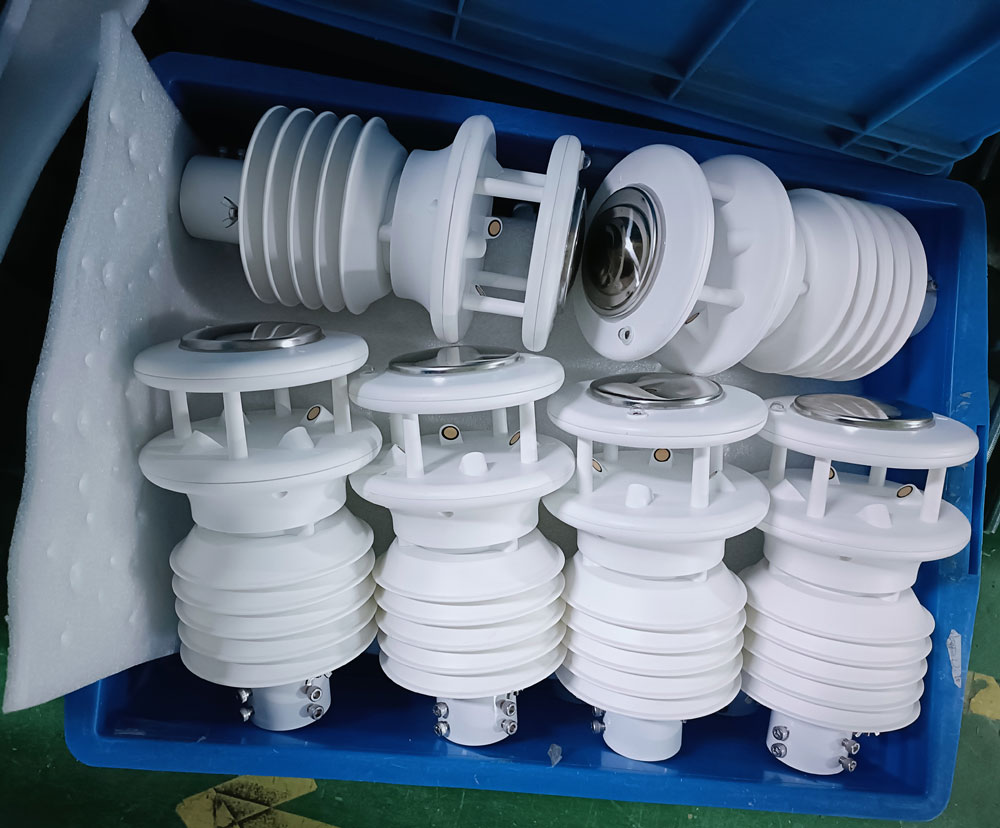
1. Wind Speed and Direction Detection Logic
Ultrasonic measurement is based on the time-of-flight difference of sound waves in fluid. The system measures the transmission time of ultrasonic waves from the North (N) sensor to the South (S) sensor and compares it with the reverse transmission time. Similarly, time differences along the East-West (W-E) axis are measured.
Principle analysis: If wind blows from the north, the N-to-S transmission time shortens while S-to-N lengthens. By calculating the phase difference through a complex signal processing unit, instantaneous wind speed and direction can be precisely obtained. This method is unaffected by ambient temperature drift and has no start-up wind speed threshold.
2. Piezoelectric Precipitation Monitoring Technology
Unlike traditional tipping-bucket rain gauges, NiuBoL adopts a piezoelectric ceramic kinetic energy principle. The system performs real-time identification based on the impact force of raindrops on the surface (P = mv), enabling measurement of individual raindrops and conversion to precipitation. This non-mechanical structure effectively solves issues of tipping buckets being easily clogged and unable to capture trace rainfall.
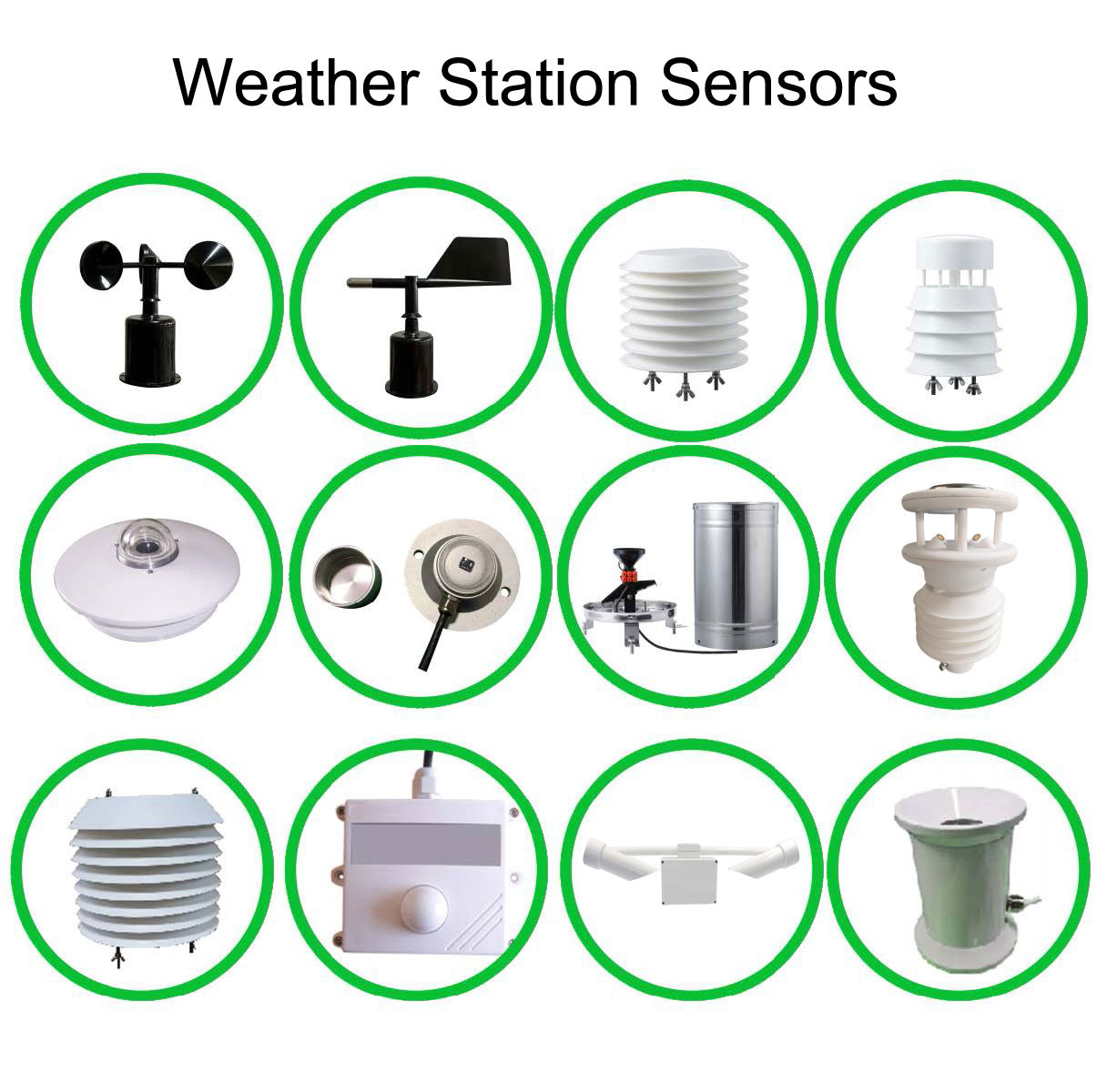
As the core hardware for IoT projects, parameter accuracy and interface compatibility are key to procurement decisions. The following is a detailed parameter table for the NiuBoL ultrasonic all-in-one weather station:
| Monitoring Element | Measurement Range | Measurement Accuracy | Resolution |
|---|---|---|---|
| Wind Speed | 0 ~ 60 m/s | ±0.3 + 3% FS | 0.01 m/s |
| Wind Direction | 0 ~ 359° | ±3° | 1° |
| Air Temperature | -40 ~ 80℃ | ±0.5℃ | 0.1℃ |
| Air Humidity | 0 ~ 100% RH | ±5% RH | 0.1% RH |
| Atmospheric Pressure | 10 ~ 1100 hPa | ±1.5 hPa | 0.1 hPa |
| PM2.5 | 0 ~ 1000 μg/m³ | ±10% | 1 μg/m³ |
| PM10 | 0 ~ 2000 μg/m³ | ±10% | 1 μg/m³ |
| Precipitation | 0 ~ 8 mm/min | ±10% | 0.01 mm |
| Ambient Noise | 30 ~ 130 dB | ±5 dB | 0.1 dB |
| Total Radiation | 0 ~ 1500 W/m² | ±10% | 1 W/m² |
| Illuminance | 0 ~ 200000 Lux | ±7% | 10 Lux |
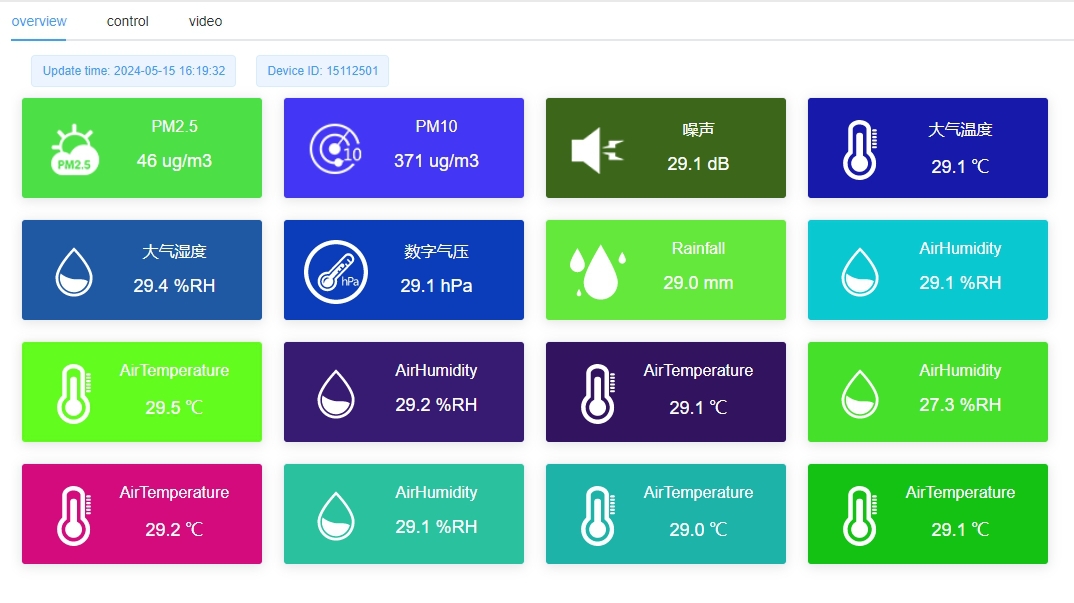
Power Supply Voltage: DC 9-24V.
Signal Output: RS485 (optional GPRS/4G/5G module).
Communication Protocol: Standard Modbus-RTU protocol (baud rate 9600 bps).
Protection Rating: IP65 industrial dustproof and waterproof.
Power Consumption: Average 0.4W (1W when including particulate matter module).
Data Link: The NiuBoL weather instrument accesses DTU/RTU via RS485 interface and pushes data to customer-built “Smart Grassland” or “Smart City” digital twin large screens using MQTT/HTTP protocols.
Low Power Consumption Design: Extremely low average power consumption of 0.4W makes it highly suitable for remote areas using “solar panel + battery” power systems, reducing overall project budget.
Housing Process: The all-in-one housing uses ASA/ABS engineering plastic with excellent salt-fog resistance, UV aging resistance, ensuring 5-10 years of non-brittleness and non-yellowing in coastal ports or desert areas.
1. Grassland and Forest Fire Safety Assurance
Spring is a high-incidence period for grassland fires, with dry climate and frequent strong winds posing severe challenges to fire early warning.
Decision Support: The NiuBoL ultrasonic weather station monitors wind speed, humidity, and precipitation in real time. When the system detects sustained air humidity below critical values and wind speed exceeding level 5, the backend warning system can automatically elevate fire risk level.
Emergency Dispatch: During firefighting operations, instantaneous wind direction data from the weather station is the core basis for on-site commanders to judge fire spread direction and deploy isolation belts.
2. Smart Street Lights and Urban Grid Monitoring
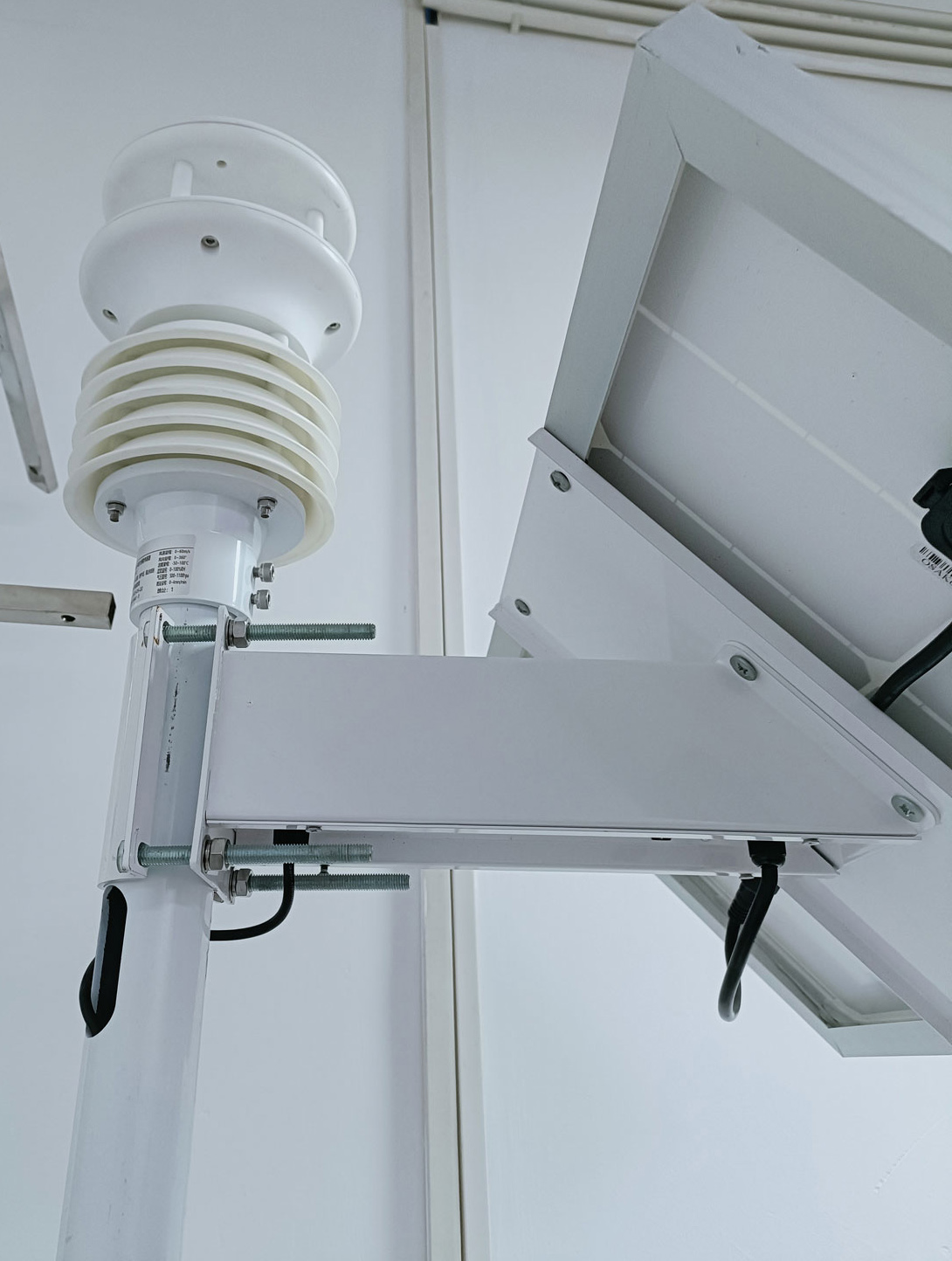
Thanks to the highly integrated compact design, the ultrasonic weather station requires no large installation space and can be directly mounted on top of smart street light poles. It synchronously collects road section noise, dust (PM2.5/PM10), and conventional meteorological factors, providing 24-hour continuous online dynamic data streams for urban environmental protection bureaus.
For engineering companies, standardized installation is a prerequisite for ensuring monitoring accuracy.
Installation Layout Recommendations: Avoid turbulence zones: Installation location should be kept away from turbulence caused by high-rise buildings, trees, or utility poles. Recommended installation height in open areas is more than 10 meters above ground.
Magnetic North Alignment: Use a standard compass to determine geographic north during installation, aligning the instrument's north mark with true north to ensure absolute accuracy of wind direction data.
Electromagnetic Compatibility (EMC): Sensor should be at least 2 meters away from radar scanning devices to avoid high-frequency interference from high-power transmitters on ultrasonic phase detection.
Stress Relief: When routing cables through vertical mounting tubes, perform stress relief treatment to prevent long-term cable hanging tension from causing poor connector contact.
Q1: What are the main maintenance advantages of ultrasonic sensors compared to conventional mechanical weather instruments?
A1: Mechanical weather instruments have bearing wear on wind cups and vanes, typically requiring part replacement or recalibration every 1-2 years. Ultrasonic weather instruments have no moving parts and a robust physical structure, achieving essentially “zero maintenance” and lower total cost of ownership (TCO) in harsh outdoor environments.
Q2: Does the product support customized element combinations?
A2: Yes. The NiuBoL weather station uses a modular design, allowing customers to optionally integrate PM, noise, illuminance, precipitation, or total radiation elements on the base wind speed/direction module according to project budget and needs.
Q3: Is precipitation monitoring accuracy affected by wind?
A3: The piezoelectric precipitation sensor compensates for wind influence on raindrop impact force through algorithms. Compared to traditional tipping buckets, it performs more stably in strong wind environments and can capture individual trace raindrops.
Q4: How does the device connect to our IoT cloud platform?
A4: The device comes standard with RS485 interface and standard Modbus-RTU protocol. We provide a detailed register address mapping table; integrators can seamlessly access data through simple command calls. It also supports GPRS/4G wireless transmission modules for direct cloud connection.
Q5: Is the housing material resistant to salt fog and corrosion?
A5: NiuBoL uses high-strength, UV-resistant, aging-resistant engineering materials with an IP65 protection rating, fully adaptable to high-corrosion environments such as marine climates, deserts, and industrial parks.
Q6: Can the device start normally in extreme low temperatures (e.g., -40℃)?
A6: Yes. The NBL-W-10GUWS is optimized for extreme cold regions with a circuit design covering -40℃ to 80℃ operating temperature range, and optional internal heating module to address icing and frosting challenges.
Q7: If physical north alignment is not possible during installation, can it be corrected via software?
A7: While physical alignment is best practice, system integrators can also apply logical correction in the host computer program by adding a “wind direction offset” parameter.
Q8: Does the device come with a metrological calibration certificate?
A8: Yes. All NiuBoL ultrasonic automatic weather stations can be calibrated by national meteorological metrology stations to ensure monitoring data meets industry standards and compliance requirements.
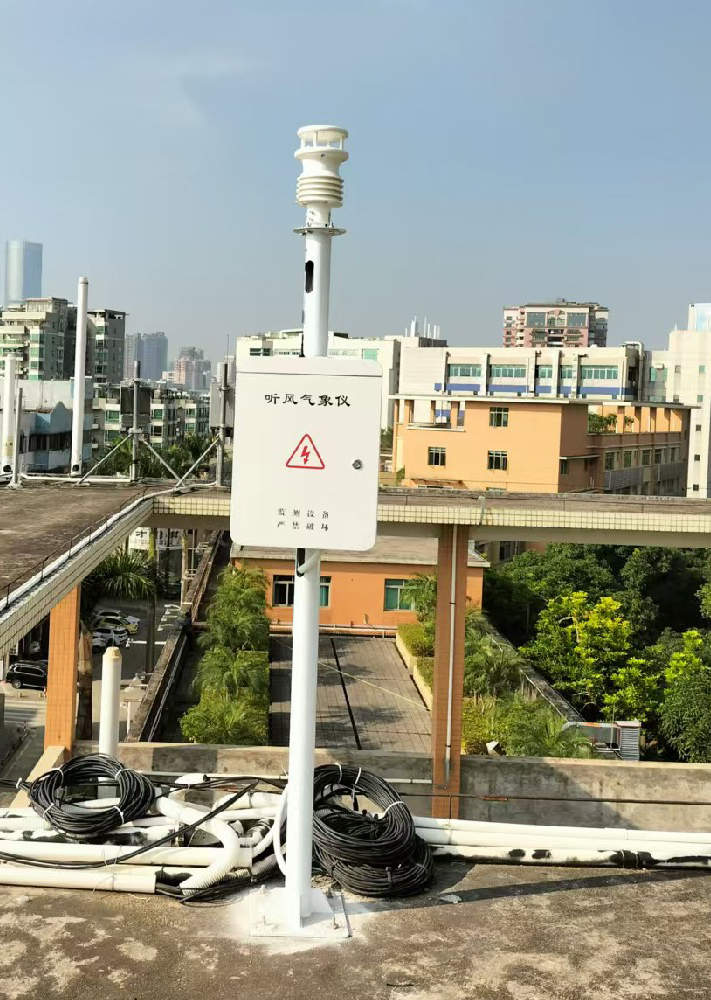
In the wave of digital transformation, reliable perception-layer hardware is the cornerstone of the entire IoT architecture. The NiuBoL ultrasonic all-in-one automatic weather station, with its wear-free structure, multi-element integration, and standardized industrial interfaces, has become the preferred solution for project contractors in smart cities, agricultural meteorology, grassland fire prevention, and other fields.
We not only provide high-precision, rugged, and durable hardware but also assist partners in quickly achieving system integration and data go-live through open protocols and professional engineering support. If you are preparing related environmental monitoring projects, the NiuBoL sales engineering team will provide full-process technical support from selection to deployment.
If you need the detailed Modbus command set for NBL-W-10GUWS or bulk purchase quotes, please feel free to contact us.
 NBL-W-21GUWS-Ultrasonic-Wind-speed-and-direction-Sensor.pdf
NBL-W-61MUWS-Ultrasonic-Weather-Station-Instruction-Manual.pdf
NBL-W-71MUWS-Micrometeorological-Sensor-Operating-Instructions.pdf
Related recommendations
Sensors & Weather Stations Catalog
Agriculture Sensors and Weather Stations Catalog-NiuBoL.pdf
Weather Stations Catalog-NiuBoL.pdf
Agriculture Sensors Catalog-NiuBoL.pdf
Water Quality Sensor Catalog-NiuBoL.pdf
Related products
 Combined air temperature and relative humidity sensor
 Soil Moisture Temperature sensor for irrigation|NBL-S-THR
 Soil pH sensor RS485 soil Testing instrument soil ph meter for agriculture |NBL-S-PH
 Wind Speed sensor Output Modbus/RS485/Analog/0-5V/4-20mA
 Tipping bucket rain gauge for weather monitoring auto rainfall sensor RS485/Outdoor/stainless steel
 Pyranometer Solar Radiation Sensor 4-20mA/RS485

Screenshot, WhatsApp to identify the QR code
WhatsApp number:+8615367865107
(Click on WhatsApp to copy and add friends)

