





— Blogs —
—Products—
 Consumer hotline +8618073152920
 WhatsApp:+8615367865107
Address:Room 102, District D, Houhu Industrial Park, Yuelu District, Changsha City, Hunan Province, China
Product knowledge
Time:2026-03-12 11:25:00 Popularity:454
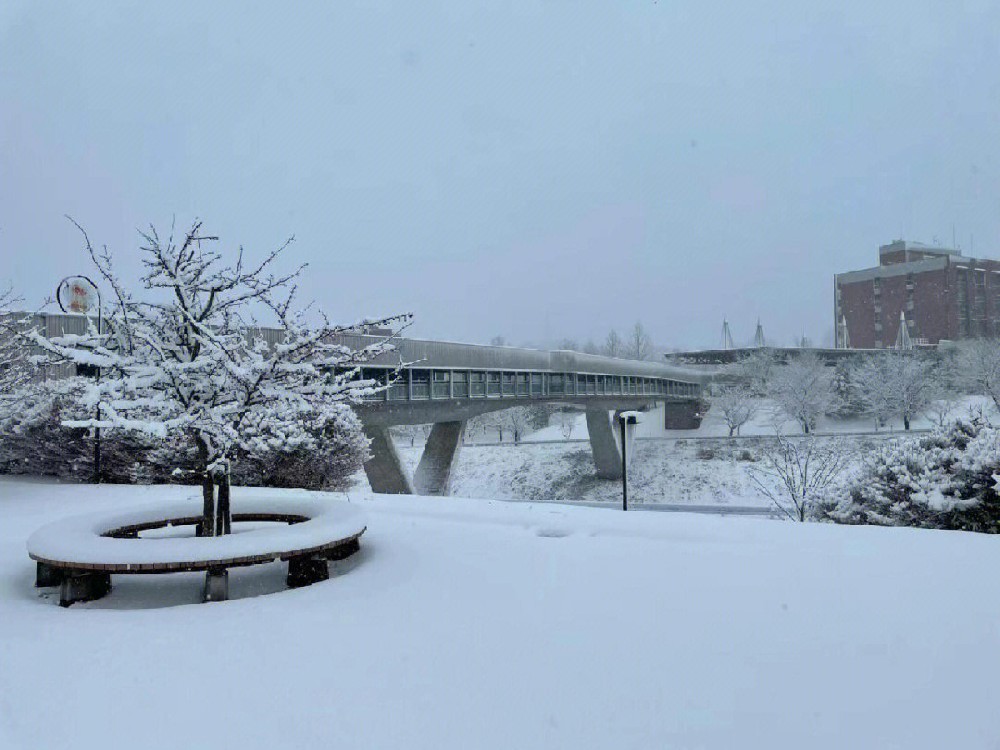
In northern China and high-altitude regions such as Xinjiang, Inner Mongolia, and Northeast China, blizzards are a common winter phenomenon. Blizzards accompanied by strong winds, heavy snow accumulation, and sudden temperature drops pose multiple threats to socioeconomic operations:
Traffic Safety Risks: Snowfall directly causes a sharp drop in visibility, and secondary icing after snowmelt is a major cause of major traffic accidents on highways.
Facility Agriculture Damage: Snow load often causes greenhouse collapses, and drastic temperature and humidity changes directly affect crop overwintering survival rates.
Urban Operation Pressure: Inability to quantify road snow thickness in real time leads to inefficient dispatching of snow removal salt, de-icing agents, and clearance vehicles.
To address these challenges, building traffic weather monitoring stations centered on ultrasonic snow depth sensors has become an essential component of intelligent transportation systems (ITS) construction.
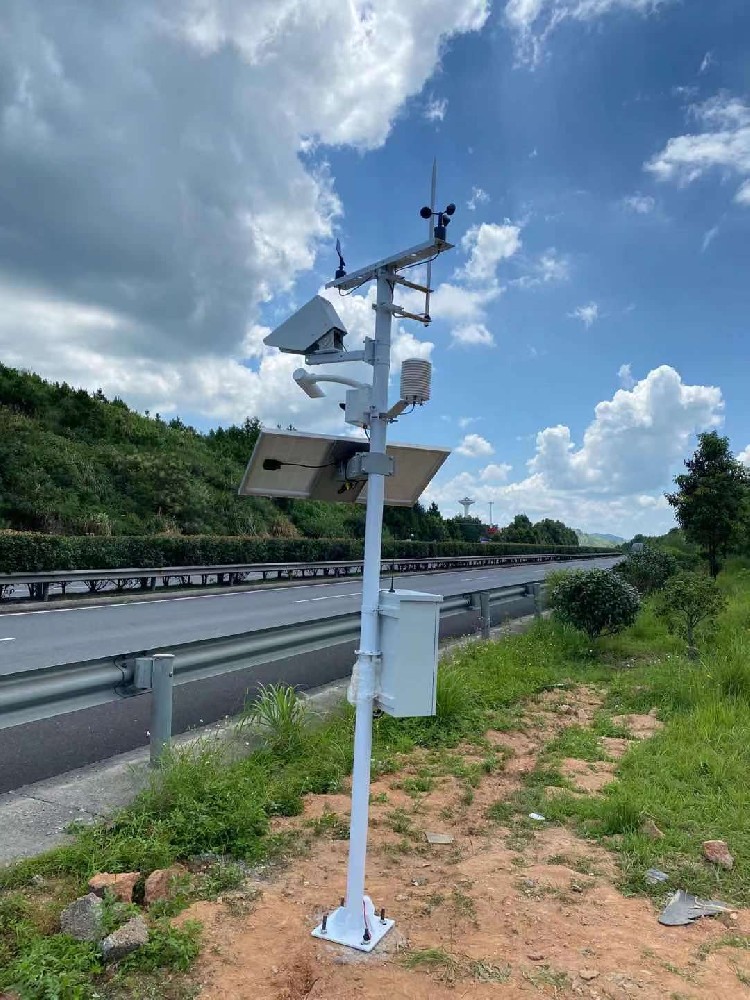
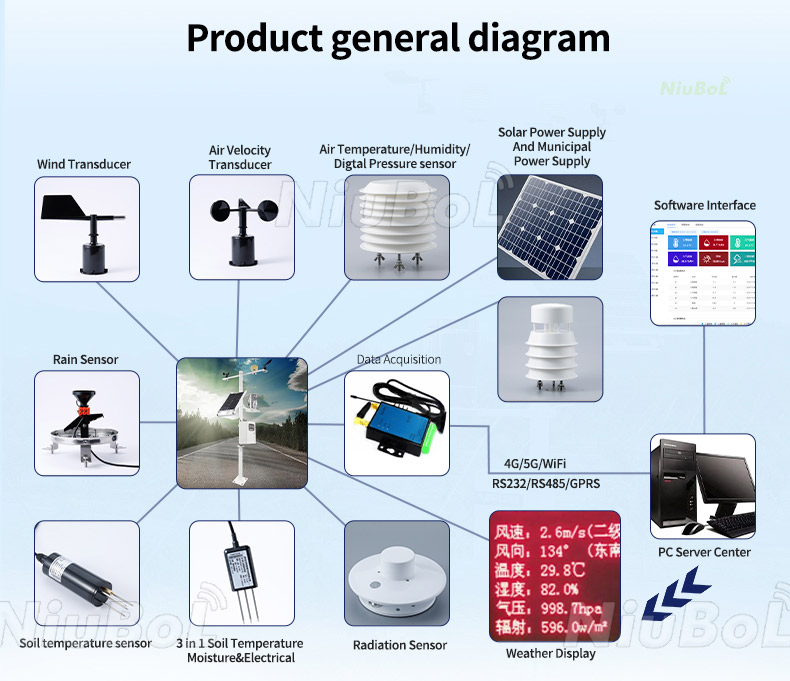
The NiuBoL traffic weather station utilizes integrated acquisition control technology and remote communication technology to systematically integrate multiple industrial-grade meteorological sensors, achieving 24-hour continuous online monitoring.
1. Core Monitoring Elements Analysis
To provide “first-hand” meteorological data, the system integrates the following core sensors:
Visibility Sensor: Uses forward scattering principle to monitor real-time air light extinction coefficient, providing quantitative basis for highway closure or speed limit decisions.
Current Weather Phenomenon Sensor: Identifies precipitation type (rain, snow, hail) and intensity.
Road Surface Condition and Road Temperature Sensor: Monitors whether the road is snow-covered, icy, or slippery, and accurately measures deep and surface road temperatures to predict icing critical points.
Wind Speed and Direction Sensor: Monitors crosswind intensity to prevent rollover of high-center-of-gravity vehicles in blizzard and strong wind conditions.
Temperature and Humidity Sensor: Assesses air saturation to forecast fog, haze, and frost possibilities.
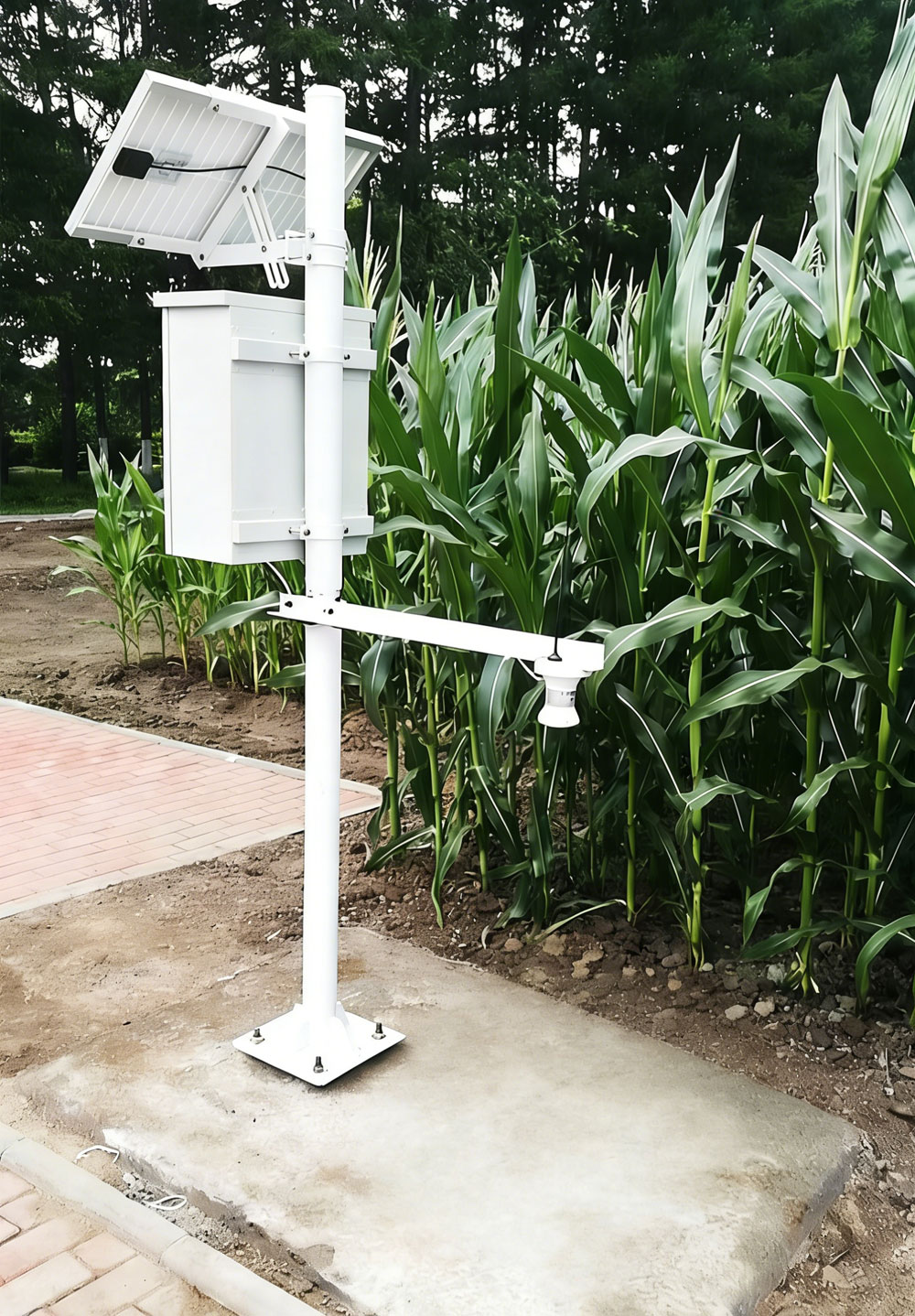
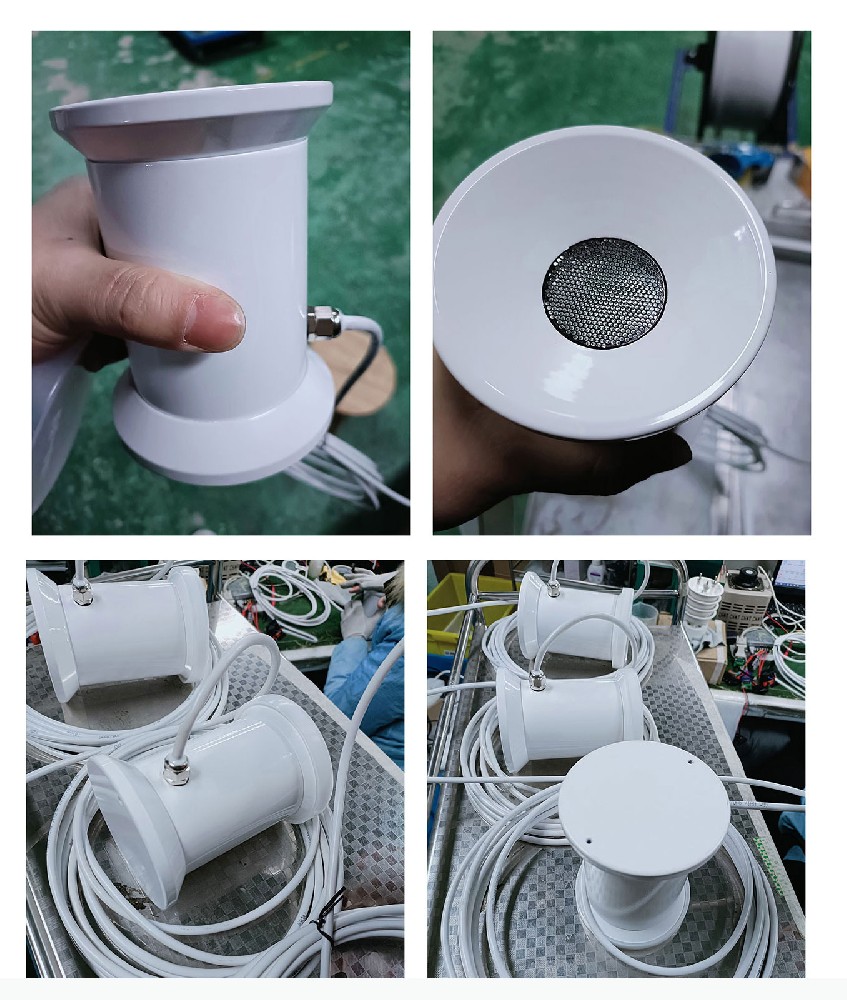
In the field of snow accumulation monitoring, traditional tipping bucket or weighing devices struggle with solid snowfall pile height measurement. The NBL-W-SNOW snow depth sensor developed by NiuBoL adopts advanced ultrasonic telemetry technology, achieving non-contact automated continuous monitoring.
1. Working Principle: Ultrasonic Time-of-Flight Method
The sensor emits a 50kHz ultrasonic signal through a built-in transducer. The signal reflects upon contacting the snow surface and is captured by the receiver. The system calculates the time difference between emission and return, combines it with sound velocity, and uses a built-in temperature compensation algorithm to correct for sound velocity changes with temperature, thereby accurately converting to snow depth.
2. Core Technical Advantages
Non-Contact Measurement: Sensor mounted above the snow surface without disturbing the snow structure, effectively avoiding mechanical wear.
Intelligent Heating Function: For extreme cold environments, the device automatically activates the heating module to prevent icing or frost attachment on the ultrasonic transducer surface, ensuring signal penetration.
Low Power Consumption Design: Normal operating power consumption is only 180mW, easily integrated into solar-powered remote IoT sites.
| Parameter | Technical Specification | Remarks |
|---|---|---|
| Measurement Principle | Ultrasonic telemetry (50kHz) | Non-contact design |
| Measurement Range | 0 — 1000 mm | Supports customized larger ranges |
| Measurement Accuracy | ±0.1% FS | High linearity output |
| Power Supply Voltage | DC 12V | Compatible with mains or battery |
| Communication Interface | RS485 | Standard industrial bus |
| Communication Protocol | Modbus-RTU | Baud rate 9600bps |
| Normal Power Consumption | ≤180mW | Energy-saving mode |
| Heating Power Consumption | ≈3W | Automatically activated in low temperature |
| Operating Temperature | −40°C to 50°C | Industrial-grade cold resistance standard |
| Protection Rating | IP65 | Salt-fog resistant, anti-corrosion housing |
For system integrators and project contractors, NiuBoL provides comprehensive perception-layer technical support:
1. Intelligent Highway Monitoring Integration
Integrate NBL-W-SNOW snow depth sensor data into highway information management platforms. When snow depth exceeds warning thresholds (e.g., 50mm), the system automatically links with information boards to issue warnings and notifies snow removal vehicles for immediate dispatch.
2. Facility Agriculture (Greenhouse) Anti-Collapse System
Deploy snow depth sensors in large greenhouse clusters. Connect via RS485 bus to PLC control systems to calculate real-time roof load. Before reaching critical snow load thresholds, automatically activate internal heaters for snow melting or trigger audible/visual alarms for manual reinforcement.
3. Airport and Port Runway Monitoring
Use combined snow depth and road temperature data to optimize de-icing agent application, reducing operational costs while ensuring safety and minimizing chemical pollution to soil.
Q1: Will the ultrasonic snow depth sensor produce errors under strong winds?
A1: The NiuBoL sensor incorporates digital filtering algorithms to effectively eliminate instantaneous noise caused by strong winds. However, in extremely strong wind conditions causing blowing snow, it is recommended to install a wind shield or choose a sheltered installation point for the most representative snow depth.
Q2: How is the effect of temperature on ultrasonic sound velocity addressed?
A2: Sound velocity is significantly affected by air temperature. The NBL-W-SNOW snow depth sensor integrates a high-precision temperature compensation probe to real-time correct the sound velocity constant, maintaining ±0.1% FS accuracy even at −40°C.
Q3: Does the device require regular calibration?
A3: Due to non-contact measurement and no moving parts, the device’s physical performance is very stable. It is recommended to clean the transducer surface annually before winter and perform a zero-point reset using a standard reference object.
Q4: What is the maximum distance for RS485 communication?
A4: Under standard shielded twisted-pair transmission, RS485 supports up to 1200m. For longer distances, pair with NiuBoL wireless adapter modules (4G/GPRS/LoRaWAN).
Q5: Is the heating module manually activated?
A5: No. The sensor has built-in logic control; when ambient temperature drops below 5°C, it automatically activates the heating resistor to prevent transducer frosting, and deactivates automatically when temperature rises to save energy.
Q6: Is the measurement range only 1 meter? What if snow is deeper?
A6: Standard range is 0-1000mm. For high-cold deep-snow areas, NiuBoL supports customized range extension; please consult our engineering team before procurement.
Q7: Are there special installation requirements?
A7: The sensor must be installed vertically to the ground, with representative natural ground surface below. Installation height should be at least 0.5m above the local historical maximum snow depth.
Q8: Does it support access to third-party cloud platforms?
A8: Yes. We provide a complete Modbus register address table. Integrators can easily parse the data and upload it to any IoT cloud supporting standard protocols.
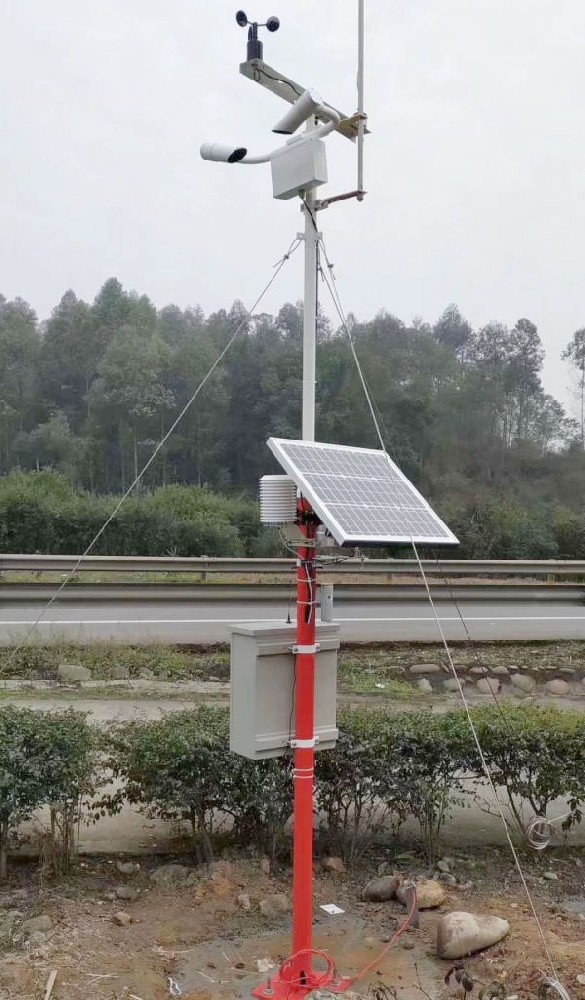
In responding to extreme meteorological disasters such as blizzards, real-time and precise data is the core of decision-making. With its deep accumulation in ultrasonic sensing technology and traffic meteorological integration, NiuBoL provides global meteorological customers with full-chain solutions from standalone sensors to complete station integration.
By deploying the NBL-W-SNOW snow depth sensor and traffic weather stations, system integrators can not only enhance project technological content but also create tangible safety value and operational benefits for end users.
If you need product manuals or B2B wholesale quotes, please contact NiuBoL official technical support.
Related recommendations
Sensors & Weather Stations Catalog
 Agriculture Sensors and Weather Stations Catalog-NiuBoL.pdf
Weather Stations Catalog-NiuBoL.pdf
Agriculture Sensors Catalog-NiuBoL.pdf
Water Quality Sensor Catalog-NiuBoL.pdf
Related products
 Combined air temperature and relative humidity sensor
 Soil Moisture Temperature sensor for irrigation|NBL-S-THR
 Soil pH sensor RS485 soil Testing instrument soil ph meter for agriculture |NBL-S-PH
 Wind Speed sensor Output Modbus/RS485/Analog/0-5V/4-20mA
 Tipping bucket rain gauge for weather monitoring auto rainfall sensor RS485/Outdoor/stainless steel
 Pyranometer Solar Radiation Sensor 4-20mA/RS485

Screenshot, WhatsApp to identify the QR code
WhatsApp number:+8615367865107
(Click on WhatsApp to copy and add friends)

