





— Blogs —
—Products—
 Consumer hotline +8618073152920
 WhatsApp:+8615367865107
Address:Room 102, District D, Houhu Industrial Park, Yuelu District, Changsha City, Hunan Province, China
Product knowledge
Time:2026-03-12 11:19:45 Popularity:411
In the critical period of winter wheat greening and rising in northern China, agricultural weather stations and soil moisture monitoring stations have become core components for system integrators and engineering companies to build precision spring management solutions. These devices support real-time environmental data collection, threshold alarms, and automated linkage, helping projects achieve classified seedling management, water-saving drought resistance, and disaster loss reduction to ensure stable and high summer grain yields.
The NiuBoL series products are specially designed for industrial-grade integration, supporting Modbus RTU, MQTT and other protocols, seamlessly connecting with mainstream IoT platforms and control systems, providing high-reliability long-term outdoor operation capabilities.
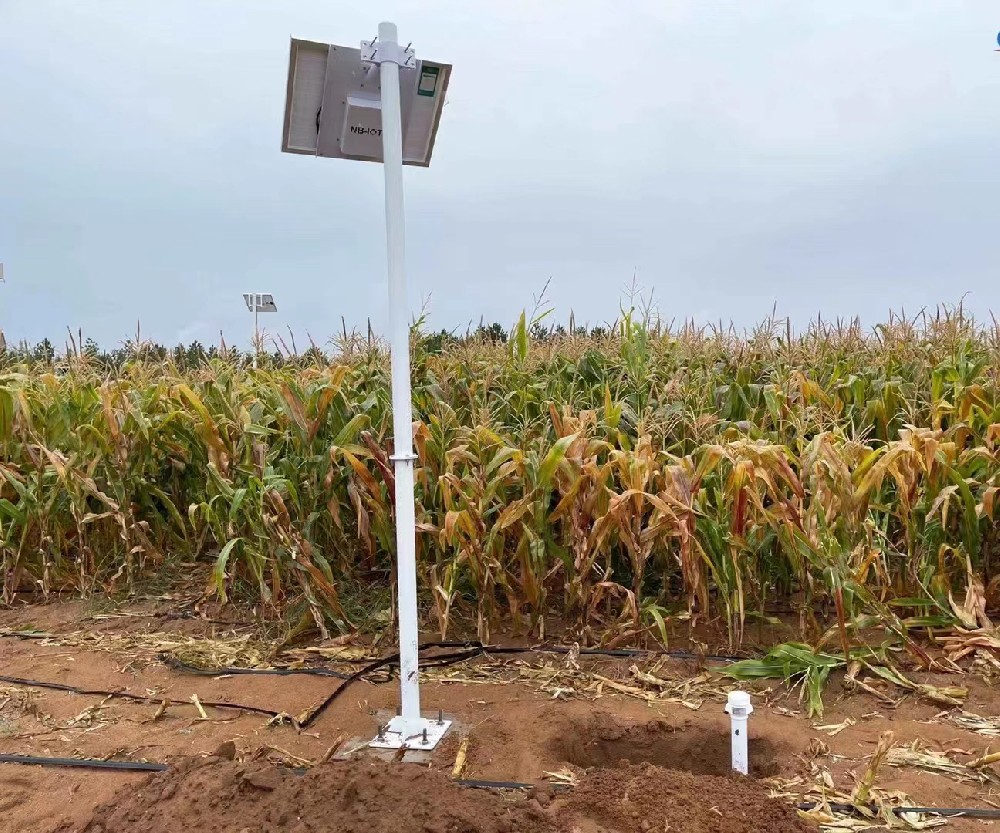
The period from greening to jointing of winter wheat in northern China (usually early March to mid-April) is a key window determining spikes per mu and grains per spike. Greening initiation requires the daily average temperature to stably rise above 5–10 ℃, with soil relative moisture content ideally maintained at 60–80% of field capacity to promote secondary root penetration and spring tillering.
Current main production areas have complex seedling conditions: some plots have a high proportion of weak seedlings (population<600,000/mu), showing “single needle” or “buried in soil” phenomena; some early-sown vigorous seedlings need control of above-ground growth to promote below-ground development; after rain or snow, there is risk of waterlogging damage, low-temperature freeze damage, or diseases (sharp eyespot, crown rot). Extreme weather fluctuations intensify, such as “late spring cold”, spring drought, or sudden heavy rain, further amplifying yield uncertainty.
Traditional inspections struggle to achieve continuous, quantitative monitoring, leading to delayed or excessive fertilizer and water regulation. Deploying NiuBoL agricultural weather stations and soil moisture monitoring stations provides comprehensive datasets including 0–40 cm multi-layer soil volumetric water content, temperature, EC, as well as air temperature/humidity, wind speed/direction, rainfall, light, etc., supporting classified guidance based on seedling and moisture conditions: early promotion for weak seedlings, consolidation for medium seedlings, and stable vigorous control for strong seedlings.
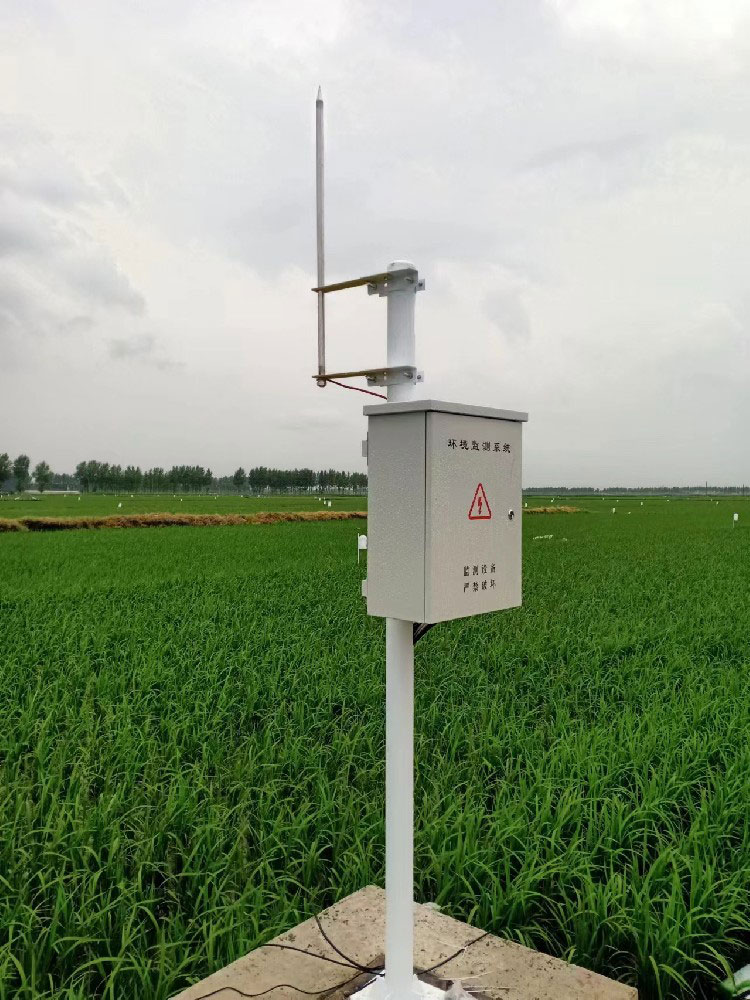
The NiuBoL agricultural weather station adopts a modular design, integrating high-precision sensors, data logger, solar power system, and protective enclosure, supporting expansion to 10+ elements monitoring. Typical parameters are as follows:
| Parameter | Measurement Range | Resolution / Accuracy | Sensor Type / Remarks |
|---|---|---|---|
| Air Temperature | -40 ~ +80 ℃ | 0.1 ℃ / ±0.2 ℃ | Digital or thermistor |
| Air Relative Humidity | 0 ~ 100 %RH | 0.1 %RH / ±2 %RH | Capacitive |
| Atmospheric Pressure | 300 ~ 1100 hPa | 0.1 hPa / ±0.3 hPa | Piezoresistive |
| Wind Speed | 0 ~ 60 m/s | 0.1 m/s / ±(0.3 + 0.03V) m/s | Three-cup or ultrasonic |
| Wind Direction | 0 ~ 360 ° | 1 ° / ±3 ° | Potentiometer or ultrasonic |
| Precipitation | 0 ~ 4 mm/min (unlimited accumulation) | 0.1 mm / ±4 % | Tipping bucket or piezoelectric |
| Illuminance | 0 ~ 200,000 Lux | 1 Lux / ±5 % | Silicon photocell |
| Solar Radiation (optional) | 0 ~ 2000 W/m² | 1 W/m² / ±5 % | Thermopile |
Communication supports RS485 (Modbus RTU), 4G/5G, LoRaWAN, MQTT, facilitating access to cloud platforms or local PLCs. Power supply uses solar + battery combination (typical 60–100 W PV + 30–40 Ah battery), IP65–IP67 protection, suitable for long-term deployment in variable northern spring weather.
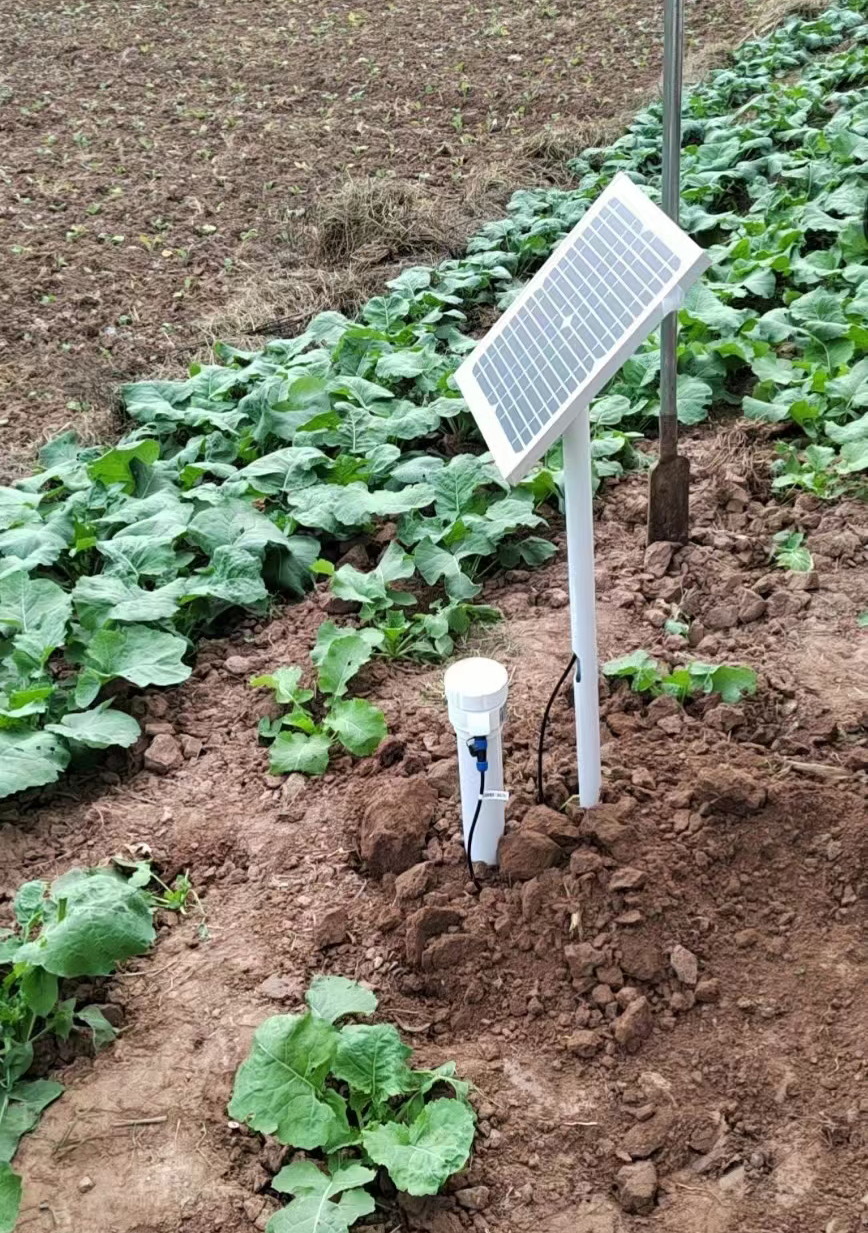
The soil moisture monitoring station focuses on root-zone water dynamics, with typical configuration covering 0–20 cm and 20–40 cm layers, supporting simultaneous monitoring of volumetric water content, temperature, and electrical conductivity (EC). Core parameter table:
| Parameter | Measurement Range | Resolution / Accuracy | Sensor Type / Remarks |
|---|---|---|---|
| Soil Volumetric Water Content | 0 ~ 100 % | 0.1 % / ±2–3 % | FDR dielectric type, multi-layer probe optional |
| Soil Temperature | -40 ~ +80 ℃ | 0.1 ℃ / ±0.3 ℃ | Thermistor, multi-depth configuration |
| Soil Electrical Conductivity (EC) | 0 ~ 20,000 μS/cm | 1 μS/cm / ±3–5 % | Conductivity sensor for salinity/fertility assessment |
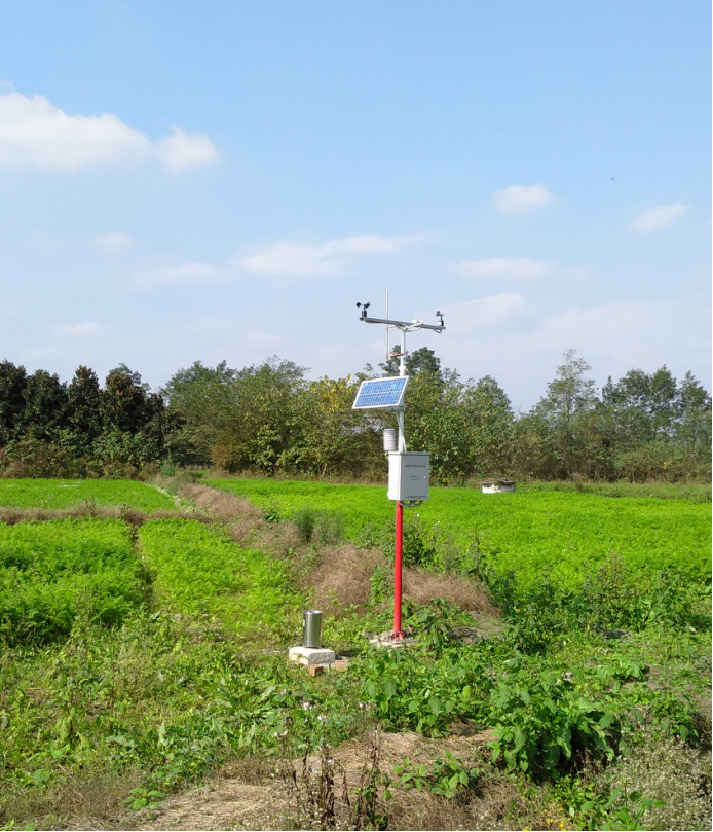
Data is uploaded in real time via wireless transmission, supporting threshold settings (e.g., 0–20 cm moisture<55% alarm) and linkage with drip or sprinkler irrigation systems. In engineering projects, it is often networked with weather stations to form an integrated “meteorology + moisture” monitoring system, improving precision of spring irrigation: top-dressing with existing moisture when adequate, timely supplementary irrigation when deficient, avoiding sudden soil temperature drop or waterlogging damage.
In cold regions, spring is prone to “late spring cold”, spring drought, late frost, heavy rain waterlogging, etc., directly threatening greening seedling survival and tillering to spike formation. The NiuBoL system provides advance warning windows through continuous monitoring and threshold alarms:
Temperature drops sharply below 0 ℃ → push frost warning, guide fumigation or sprinkler frost protection
Continuous no effective precipitation, 0–20 cm moisture<55% → trigger drought irrigation recommendation
After heavy rain, humidity >85% + suitable temperature → warn high risk of sharp eyespot, link ventilation or chemical control
Historical data shows yield fluctuations of 5–15% in extreme event years. Projects integrating NiuBoL equipment can reduce disaster losses by 20–40%, support yield estimation, insurance claims, and regional food security assessment through historical data accumulation. The system also supports docking with agricultural and rural department platforms, contributing to the implementation of the “storing grain in technology” strategy.
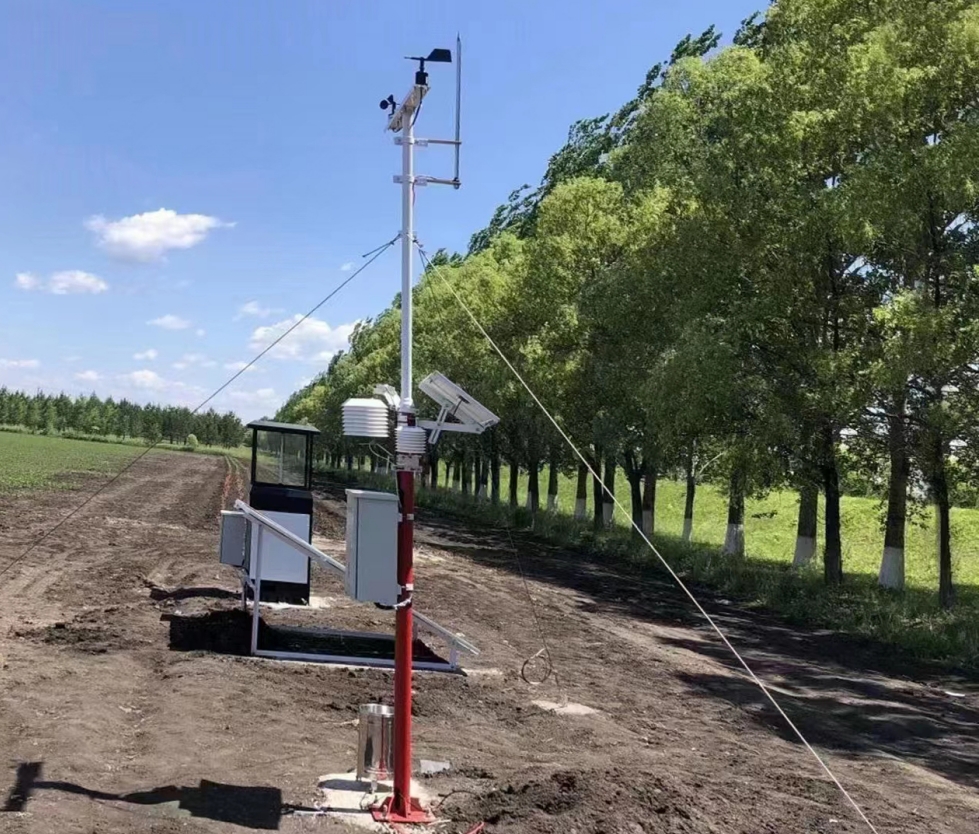
1. Classified Precision Spring Management — Real-time moisture + temperature data matching seedling diagnosis models, enabling early top-dressing for weak seedlings (urea 5–8 kg/mu), delayed fertilization for vigorous seedlings.
2. Water-Saving Efficient Irrigation — Variable-rate irrigation based on measured moisture content, reducing ineffective watering, improving spring water use efficiency by 25–35%.
3. Disaster Risk Management — Multi-parameter threshold linkage, building automated response chains, reducing manual inspection intensity.
4. Data Closed-Loop and Traceability — Cloud storage of historical curves, supporting report export and AI trend analysis, facilitating project acceptance and later optimization.
5. Large-Scale Deployment — Single station covers 10–100 ha, multi-station networking supports ten-thousand-mu bases, compatible with existing SCADA or agricultural IoT systems.
In high-standard farmland projects in Huang-Huai-Hai, North China, and other main production areas, the NiuBoL combination has become the standard configuration for digital upgrading of spring management.
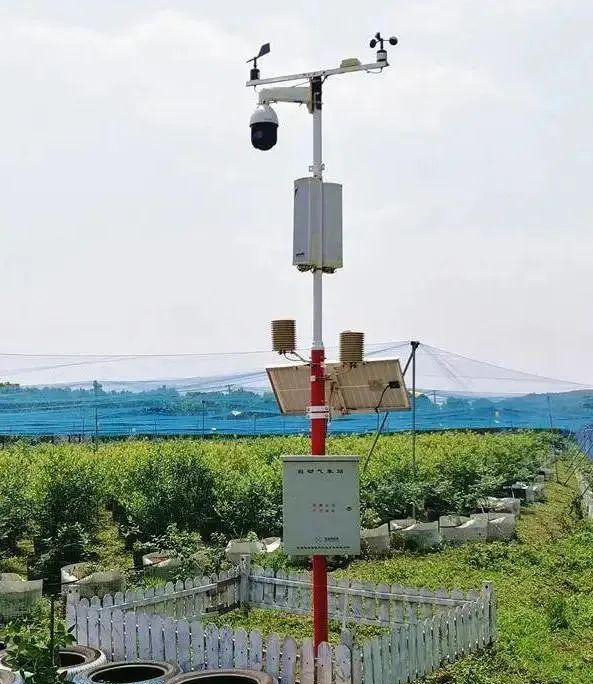
Q1: What is the typical coverage range of NiuBoL agricultural weather station and soil moisture monitoring station?
A single weather station covers 10–100 ha (depending on terrain uniformity), soil moisture stations are recommended to deploy 1–2 points every 10–30 ha, multi-point networking achieves regional representativeness.
Q2: Which communication protocols and platforms are supported for integration?
RS485 (Modbus RTU), MQTT, 4G/5G, LoRaWAN, compatible with Alibaba Cloud, mainstream agricultural IoT platforms, and local gateways.
Q3: How is soil moisture accuracy across different soil types?
FDR sensor accuracy ±2% in 0–50% range, ±3% in 50–100% range; after field calibration, suitable for most loamy/sandy loam soils.
Q4: How to achieve automatic linkage with irrigation equipment?
Through cloud platform threshold rules or edge controller output dry contacts/Modbus commands to control solenoid valves and variable frequency pumps for automatic supplementary irrigation when deficient.
Q5: How reliable is the equipment in low-temperature winter/early spring environments?
Operating temperature -40 ~ +80 ℃, solar + battery dual backup, IP67 protection, validated in cold regions below -20 ℃.
Q6: How does the system help prevent “late spring cold” and frost?
Real-time temperature monitoring + low temperature and rate alarms, push warnings hours in advance, support linkage with sprinkler or fan frost protection measures.
Q7: What are the data access and alarm methods?
Cloud platform supports Web/APP real-time dashboards, historical curves, SMS/email/APP push alarms, multi-level permission management.
Q8: What is the long-term maintenance cycle and cost of the equipment?
Recommend annual calibration of temperature/humidity/radiation sensors, cleaning protective covers and tipping buckets; overall service life over 5 years, low maintenance cost.
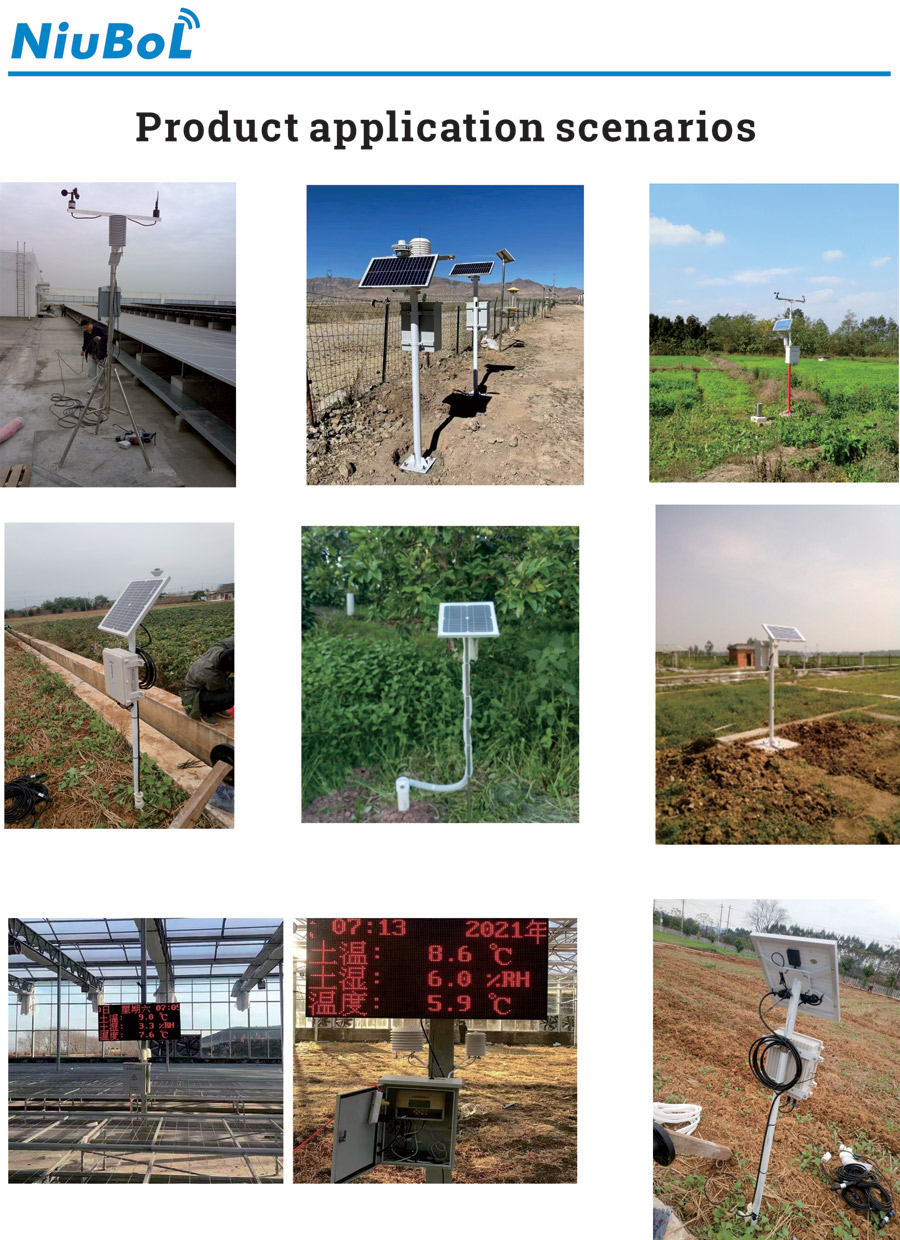
The greening period of winter wheat is the foundational stage for annual yield formation, and precisely grasping meteorological and moisture dynamics has become key to ensuring grain harvest. NiuBoL agricultural weather stations and soil moisture monitoring stations, with high precision, multi-protocol, and strong reliability features, provide system integrators and engineering companies with a solid data foundation, supporting full-chain solutions from early warning to automation.
In the context of climate warming and increasing frequency of extreme events, choosing NiuBoL helps projects enhance risk resistance, optimize resource efficiency, and contribute technical support to regional food security. Engineering teams are welcome to consult for customized solutions and integration cases to jointly promote the implementation of precision planting.
Related recommendations
Sensors & Weather Stations Catalog
 Agriculture Sensors and Weather Stations Catalog-NiuBoL.pdf
Weather Stations Catalog-NiuBoL.pdf
Agriculture Sensors Catalog-NiuBoL.pdf
Water Quality Sensor Catalog-NiuBoL.pdf
Related products
 Combined air temperature and relative humidity sensor
 Soil Moisture Temperature sensor for irrigation|NBL-S-THR
 Soil pH sensor RS485 soil Testing instrument soil ph meter for agriculture |NBL-S-PH
 Wind Speed sensor Output Modbus/RS485/Analog/0-5V/4-20mA
 Tipping bucket rain gauge for weather monitoring auto rainfall sensor RS485/Outdoor/stainless steel
 Pyranometer Solar Radiation Sensor 4-20mA/RS485

Screenshot, WhatsApp to identify the QR code
WhatsApp number:+8615367865107
(Click on WhatsApp to copy and add friends)

