





— Blogs —
—Products—
 Consumer hotline +8618073152920
 WhatsApp:+8615367865107
Address:Room 102, District D, Houhu Industrial Park, Yuelu District, Changsha City, Hunan Province, China
Product knowledge
Time:2026-04-26 20:34:49 Popularity:360
For system integrators, IoT solution providers, project contractors, and engineering companies, wastewater monitoring is not merely data collection—it is the core guarantee for compliance, stability, and efficient operation of environmental engineering projects, industrial wastewater treatment, and municipal drainage projects. The authenticity and reliability of monitoring data directly impact project acceptance, client trust, operational cost control, and potential environmental legal risks.
However, many monitoring points suffer from data drift, frequent anomalies, and high equipment maintenance costs. The root cause is often not the equipment itself, but the lack of systematic management of wastewater monitoring quality control processes.
From the perspective of project delivery and commercial projects, this article systematically elaborates six core aspects to improve wastewater monitoring quality, directly serving project implementation.
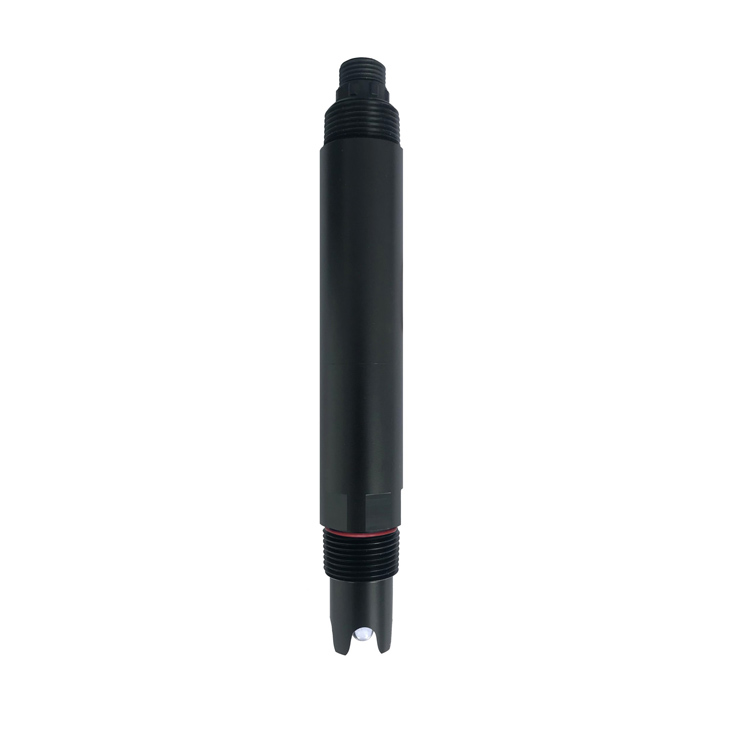
Routine monitoring is often seen as a "routine task," but in commercial projects, it is the foundation of data validity. An engineering-based operation management system is recommended:
Equipment selection and deployment standards: Select appropriate ranges, protection ratings (IP65 or higher), and communication interfaces (Modbus RTU, 4-20mA, MQTT, etc.) based on the monitoring object (domestic sewage, industrial wastewater, surface water).
Periodic calibration and verification: Perform standard solution verification every 7 or 15 days, and multi-point linear calibration every 3 months. Calibration service terms should be clearly stated in contracts.
Automated quality control sample retention: Equip key monitoring points with automatic samplers linked to online instruments. Automatically retain water samples when data triggers alarms, providing evidence for subsequent dispute traceability.
Operators must be certified and possess skills in sampling, reagent preparation, and basic instrument troubleshooting. Establish a Standard Operating Procedure (SOP) documentation system, including "Sampling Operation Guidelines," "Instrument Daily Inspection Checklist," and "Data Anomaly Handling Procedures."
Engineering tip: Proactively presenting the routine monitoring operation system to clients during bidding or solution design is a key technical advantage that differentiates you from low-price competitors.
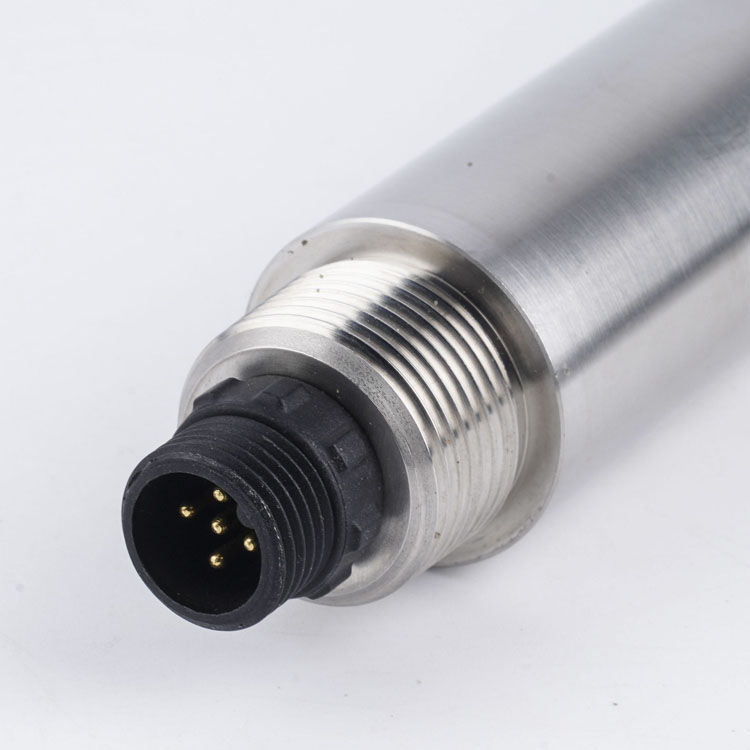
Sampling is the most error-prone step in wastewater monitoring and the most frequently rejected step during project acceptance and compliance reviews.
Composite vs. Grab Sampling: Prioritize time-proportional or flow-proportional composite sampling for industrial wastewater and oil-containing wastewater; determine sampling points at municipal pipeline nodes after analyzing hydraulic retention time.
Duplicate sample setup: Set at least one duplicate sample for every 10 samples to evaluate sampling and analysis repeatability.
Large projects may generate hundreds of samples per day. QR codes or RFID tags combined with a LIMS system are recommended for full traceability, ensuring the following information is tamper-proof:
Sampling time, location, water depth
Preservative addition status
Transportation temperature and time of arrival at laboratory
Each batch of samples should include field blanks and transportation blanks to determine whether contamination was introduced during sampling, preservation, and transportation.
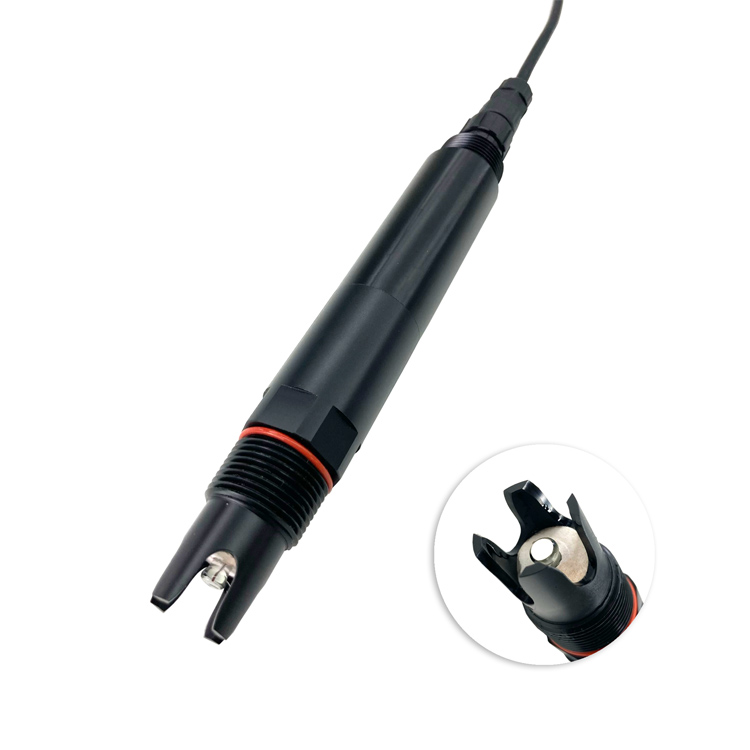
For IoT and system integration projects, the quality control of online monitoring instruments directly determines data online rates.
| Parameter | Recommended Requirement | Applicable Scenario Description |
|---|---|---|
| Repeatability | ≤ ±3% | Automatic monitoring stations, outfall online |
| Zero Drift | ≤ ±5% FS | All continuous monitoring scenarios |
| Span Drift | ≤ ±5% FS | High-concentration industrial wastewater scenarios |
| Response Time | T90 ≤ 120 seconds | Emergency early warning |
| Communication Protocol | Modbus RTU/TCP, Profibus, OPC UA | Support mainstream PLC and SCADA systems |
It is recommended to select online analyzers with the following functions:
Automatic standard solution verification
Automatic cleaning (especially for oil-containing and suspended solids-laden wastewater)
Fault self-diagnosis and remote reset
Business value: Equipment with the above functions can reduce monthly operation and maintenance labor hours per site by more than 30%, significantly lowering long-term project service costs.
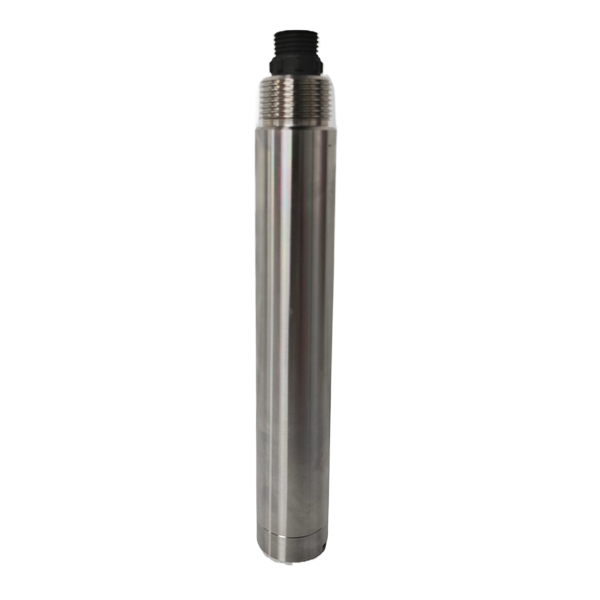
The testing process in laboratories or with online analyzers is the technical core of wastewater monitoring quality control.
Prioritize national standard methods or equivalent methods, clearly indicating the method detection limit and lower limit of determination in the proposal.
For water samples with high salinity, high color, or high suspended solids, spike recovery tests must be conducted to verify method applicability.
The following three measures are most easily overlooked but have the greatest impact:
Blank control: At least 2 laboratory blanks per batch, with results below the method detection limit.
Spike recovery: Insert one spike recovery test every 20 samples, with recovery rate controlled between 80% and 120%.
Certified reference materials: Insert 1-2 certified reference samples per batch to verify analytical system accuracy.
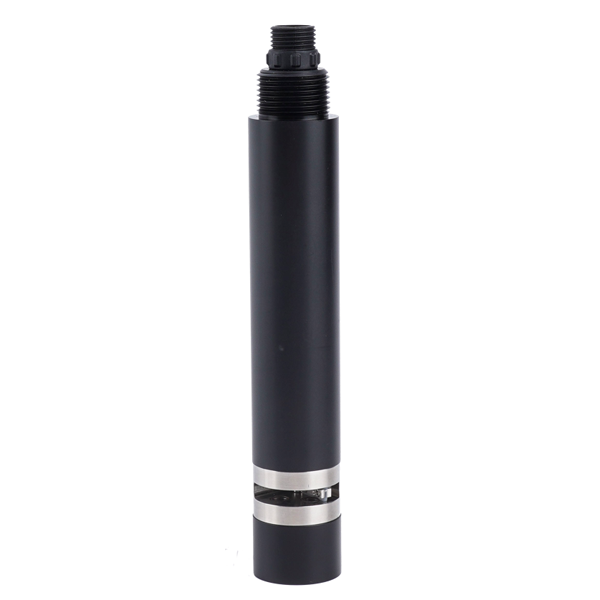
All analytical instruments (including portable DO, pH, conductivity meters) must have maintenance records documenting electrode replacement, optical window cleaning, and other operations. Data without maintenance records can be considered invalid in legal reviews.
Data validation is the last line of defense against "garbage data entering the system and erroneous reports exiting the system."
It is recommended to enforce the following in projects:
Tier 1 (Automatic validation): System automatically identifies out-of-range values, sudden anomalies, negative values, and constant values.
Tier 2 (Manual review): Operation and maintenance personnel interpret abnormal data weekly and annotate causes.
Tier 3 (Expert review): Monthly comprehensive report analyzing data trends and system health.
| Anomaly Pattern | Possible Cause | Corrective Action |
|---|---|---|
| Persistent zero or extremely low values | Sampling pump clogged, reagent exhausted | Immediate maintenance |
| Periodic spikes | Cleaning cycle interference | Adjust cleaning sequence |
| Slow drift | Electrode aging, optical component contamination | Calibrate or replace |
| Regular nighttime fluctuations | Electrical interference, drainage patterns | Check grounding and power supply |
Ensure that conversions between mg/L and μg/L are correct, the numerical relationship between COD and BOD is reasonable, and the logical relationship between ammonia nitrogen and total nitrogen (ammonia nitrogen is typically not greater than total nitrogen) is sound.
For system integrators, a project-level quality management system is core to improving renewal rates and customer satisfaction.
Quality Manual (project-level)
Procedure Documents (sampling, analysis, data validation, equipment maintenance)
Work Instructions
Record Forms (digitized preferred)
Conduct internal quality audits quarterly, focusing on: pass rate of quality control samples, data loss rate, and customer complaint closure rate.
Q1: In wastewater monitoring projects, which step most easily leads to invalid data?
A: The sampling step, including unrepresentative sampling points, incorrect preservatives, and transportation time exceedance. The second most common is the lack of quality control samples during laboratory analysis.
Q2: Can online monitoring data be directly used for environmental law enforcement or project acceptance?
A: Yes, provided that the online equipment has passed environmental certification and has automatic quality control and calibration recording functions.
Q3: How to choose between COD and TOC for wastewater monitoring?
A: COD is suitable for most industrial wastewater monitoring scenarios; TOC responds faster but requires establishing a conversion relationship with COD and cannot directly replace COD in some standards.
Q4: With a limited budget, how can monitoring quality be prioritized?
A: Prioritize sampling representativeness, repeatability of online instruments for key indicators, and the data validation process.
Q5: How to evaluate whether a wastewater monitoring equipment supplier is reliable?
A: Check whether they provide complete SOP documents, quality control plans, reference material traceability information, and have a localized operation and maintenance team.
Q6: How can IoT platforms integrate multi-brand water quality instruments?
A: Require all instruments to adopt a unified Modbus RTU/TCP protocol and perform protocol conversion at the gateway layer. This requirement should be clearly stated in tender technical specifications.
Q7: How often should a wastewater monitoring system be calibrated?
A: Conventional parameters like pH and DO: monthly calibration recommended. COD and ammonia nitrogen online analyzers: standard solution verification every 7-15 days.
Q8: What support does NiuBoL provide for wastewater monitoring quality control?
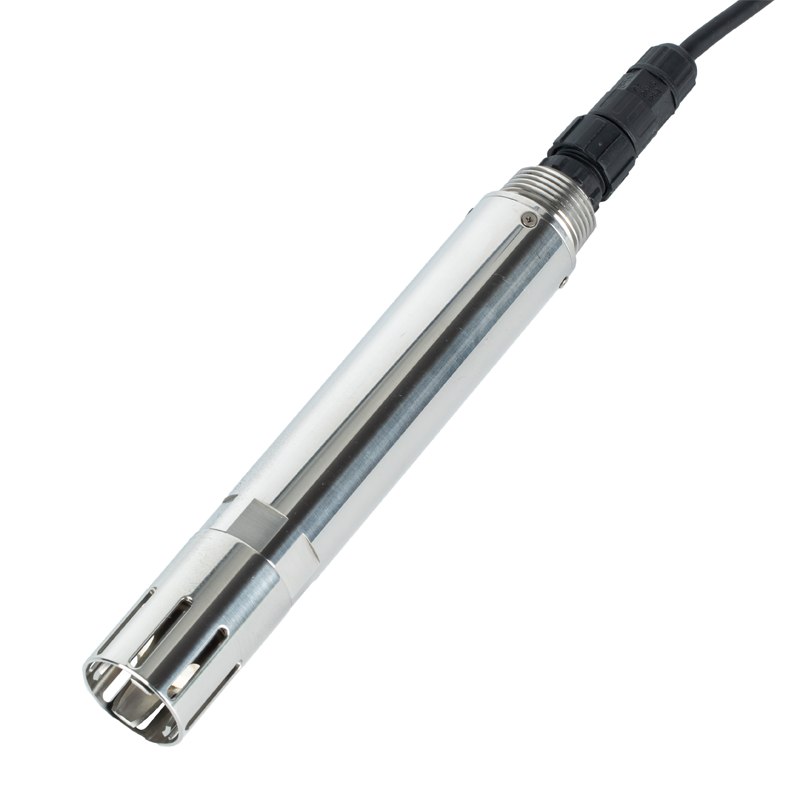
A: NiuBoL offers industrial-grade online water quality monitoring instruments and data acquisition terminals, supporting Modbus/4-20mA output with built-in automatic cleaning and standard solution verification functions, suitable for rapid deployment by integrators.
Wastewater monitoring quality control is not a single technical point but a full-chain engineering system spanning sampling → analysis → data → validation → operation and maintenance. For system integrators, IoT solution providers, and engineering companies, mastering the above six core aspects means being able to:
Reduce project acceptance failure risks
Increase data utilization and client trust
Lower long-term operation and maintenance costs
Establish technical barriers in bidding processes
Against the backdrop of increasingly stringent environmental regulations and continuously upgrading industrial wastewater discharge standards, proactively designing and delivering a highly reliable wastewater monitoring quality control system has become a key capability for transitioning from project executors to regional service providers.
NiuBoL is based on industrial-grade water quality monitoring equipment and system integration support, providing professional clients with verifiable and implementable monitoring solutions. For further technical exchange or to obtain a typical wastewater monitoring project configuration list, please contact us.
 NBL-WQ-CL Water Quality Sensor Online Residual Chlorine Sensor.pdf
NBL-WQ-DO Online Fluorescence Dissolved Oxygen Sensor.pdf
NBL-WQ-NHN Ammonia Nitrogen Water Quality Sensor.pdf
NBL-WQ-COD Online Water Quality COD Sensor.pdf
NBL-WQ-PH Online pH Water Quality Sensor.pdf
Related recommendations
Sensors & Weather Stations Catalog
Agriculture Sensors and Weather Stations Catalog-NiuBoL.pdf
Weather Stations Catalog-NiuBoL.pdf
Agriculture Sensors Catalog-NiuBoL.pdf
Water Quality Sensor Catalog-NiuBoL.pdf
Related products
 Combined air temperature and relative humidity sensor
 Soil Moisture Temperature sensor for irrigation|NBL-S-THR
 Soil pH sensor RS485 soil Testing instrument soil ph meter for agriculture |NBL-S-PH
 Wind Speed sensor Output Modbus/RS485/Analog/0-5V/4-20mA
 Tipping bucket rain gauge for weather monitoring auto rainfall sensor RS485/Outdoor/stainless steel
 Pyranometer Solar Radiation Sensor 4-20mA/RS485

Screenshot, WhatsApp to identify the QR code
WhatsApp number:+8615367865107
(Click on WhatsApp to copy and add friends)

