





— Blogs —
—Products—
 Consumer hotline +8618073152920
 WhatsApp:+8615367865107
Address:Room 102, District D, Houhu Industrial Park, Yuelu District, Changsha City, Hunan Province, China
Product knowledge
Time:2026-04-26 20:55:29 Popularity:390
For system integrators, IoT solution providers, and project contractors undertaking domestic drainage projects for residential communities, commercial complexes, schools, hospitals, or industrial parks, the first technical judgment is: whether the drainage source is domestic sewage or domestic wastewater.
This judgment directly determines the following engineering decisions:
Whether the pipeline system adopts combined or separate sewerage
Selection and range setting of online water quality monitoring instruments
Whether a septic tank or pre-treatment facility is required
Water source selection and treatment process for the water reuse system
However, many projects have vague definitions of "sewage" and "wastewater" in the early design stage, leading to unreasonable monitoring point settings, equipment selection deviations, and failure to pass acceptance inspections. From the perspective of project delivery, this article systematically sorts out the essential differences between the two and provides actionable monitoring system configuration recommendations.
From the perspective of drainage source, the boundaries between the two are clear:
| Comparison Dimension | Domestic Sewage | Domestic Wastewater |
|---|---|---|
| Main Source | Toilet, urinal drainage | Hand basins, washing machines, showers, kitchen sinks |
| Pollutant Composition | Feces, urine, toilet paper | Detergents, grease, hair, sediment, small amounts of organic matter |
| Organic Concentration | High (COD typically 300~600 mg/L) | Low (COD typically 100~250 mg/L) |
| Ammonia Nitrogen Content | High (30~60 mg/L) | Low (5~15 mg/L) |
| Pathogen Risk | High (contains E. coli, etc.) | Low |
| Septic Tank Required | Yes | No |
Core conclusion: Domestic sewage is toilet drainage, heavily polluted, with high treatment cost; domestic wastewater is washing drainage, lightly polluted, with high reuse value.
In actual projects, the treatment paths of the two types of water are distinctly different:
Domestic sewage: Must be treated by a septic tank or integrated sewage treatment facility (such as A²O, MBR processes) before being discharged into the municipal sewage network or meeting discharge standards. If reuse is considered, the cost is high, and it is usually not the first choice for water reuse source.
Domestic wastewater: Relatively clean; after simple physical treatment (such as screens, equalization tanks, coagulation sedimentation) or mild biochemical treatment, it can be used for non-potable purposes such as toilet flushing, green irrigation, road washing. It is the main water source for water reuse systems.
Engineering tip: When designing a water reuse system, prioritize using wastewater (hand, shower, laundry) as raw water rather than sewage. This judgment directly affects system scale, investment cost, and operation/maintenance difficulty.
Combined Sewerage: Domestic sewage and domestic wastewater are discharged from the building through the same vertical pipe, converging into the same pipeline network system.
Separate Sewerage: Domestic sewage and domestic wastewater are provided with independent drainage pipeline systems until they enter different treatment or collection points.
| System Type | Common Scenarios | Monitoring Focus | Requirements for Online Instruments |
|---|---|---|---|
| Combined | Old residential areas, ordinary residences, economy hotels | Monitor comprehensive drainage quality, pollutant concentration fluctuations relatively small | Conventional range COD (0~1000 mg/L), ammonia nitrogen (0~100 mg/L) |
| Separate | Green buildings, star hotels, schools, hospitals, complexes with water reuse needs | Wastewater pipeline separately monitored for reuse feasibility; sewage pipeline monitored for pre/post treatment effectiveness | Wastewater pipeline requires low-range instruments (COD 0~200 mg/L); sewage pipeline requires wide range or auto-ranging instruments |
Key advice: In new projects, if there are plans for water reuse or local government requirements for separate discharge of rainwater, sewage, and wastewater, a separate sewerage design must be adopted. This not only facilitates compliance management but also provides clear separate monitoring conditions for future deployment of online water quality monitoring systems.
Based on actual project experience, domestic sewage treatment has the following significant difficulties in engineering implementation:
Difficulty: Holidays, summer/winter breaks, rainy periods cause drastic fluctuations in sewage flow and pollutant concentration. For example, in tourist city hotels, COD can increase by more than 50% during peak season.
Monitoring response: Configure online COD and ammonia nitrogen analyzers with auto-ranging or wide dynamic range, and add flow meters to achieve dynamic statistics of pollution load.
Difficulty: Within the same building, kitchen wastewater has high oil and grease, laundry wastewater has high phosphorus, shower wastewater has high surfactants. After mixing, the water quality is complex.
Monitoring response: In separate systems, it is recommended to set node monitoring for key wastewater sources (such as kitchen, laundry room) rather than only monitoring the main outlet. Node monitoring can use NiuBoL series portable or wall-mounted multi-parameter water quality analyzers.
Difficulty: Low winter temperatures affect biochemical treatment efficiency, and rainwater infiltration dilutes sewage concentration during rainy seasons, leading to reduced activated sludge activity.
Monitoring response: Add temperature sensors and dissolved oxygen sensors, connect to the control system to achieve dynamic adjustment of aeration rate and reflux ratio. At the same time, set data anomaly alarm thresholds, automatically alert when treatment efficiency falls below set values (e.g., COD removal rate <70%).
Difficulty: Older pipeline networks may have groundwater infiltration or rainwater misconnections, resulting in actual treatment concentrations far below design values, causing inefficient facility operation.
Monitoring response: Set up conductivity or flow-concentration correlation analysis at the main inlet pipe. Clean water infiltration causes a sharp drop in conductivity, which can be used as a judgment basis.
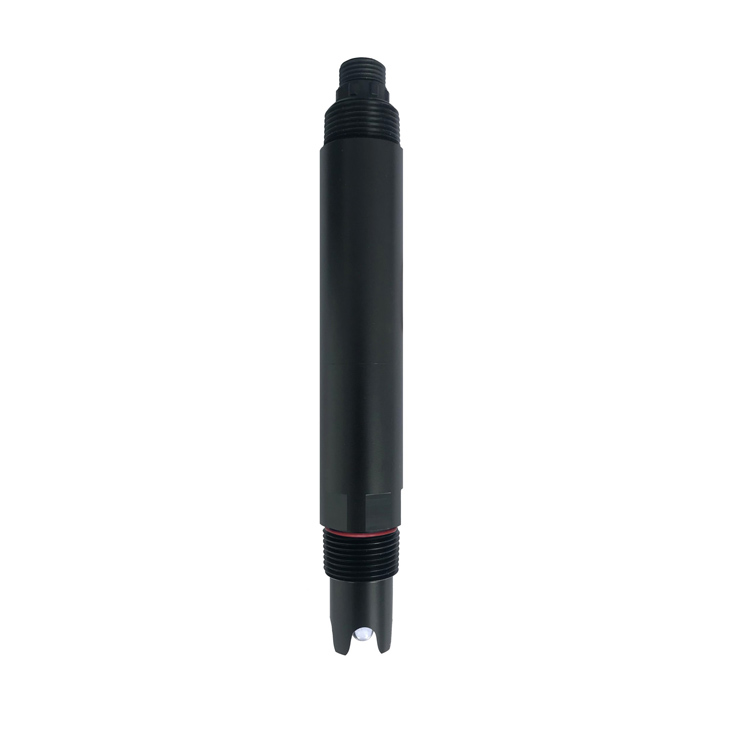
Based on the above analysis, the following monitoring instrument configuration solutions are recommended for different scenarios of domestic sewage and domestic wastewater:
| Application Scenario | Recommended Monitoring Parameters | Range | Recommended NiuBoL Product Type |
|---|---|---|---|
| Domestic sewage main outlet (compliance monitoring) | COD, ammonia nitrogen, pH, flow | COD: 0~1000 mg/L; NH₃-N: 0~100 mg/L | Online COD/Ammonia Nitrogen Analyzer |
| Domestic wastewater pre-reuse monitoring | Turbidity, pH, residual chlorine (if disinfected), conductivity | Turbidity: 0~20 NTU | Online Turbidimeter, Multi-parameter Controller |
| Kitchen wastewater node monitoring | COD, oil & grease (or total oil), temperature | COD: 0~2000 mg/L | Oil-resistant sensor configuration |
| Sewage treatment facility process control | DO, MLSS, ORP, temperature | DO: 0~20 mg/L; MLSS: 0~10000 mg/L | Fluorescence DO meter, Sludge concentration meter |
| Water reuse system effluent | pH, residual chlorine, turbidity, conductivity | Turbidity: 0~5 NTU | Multi-parameter online monitoring cabinet |
Selection principles:
For domestic wastewater pipelines, prioritize low-range, high-precision models.
For domestic sewage pipelines, instruments must have anti-fouling and automatic cleaning functions.
All online instruments used for municipal or environmental assessment should have automatic standard sample verification and data logging functions.
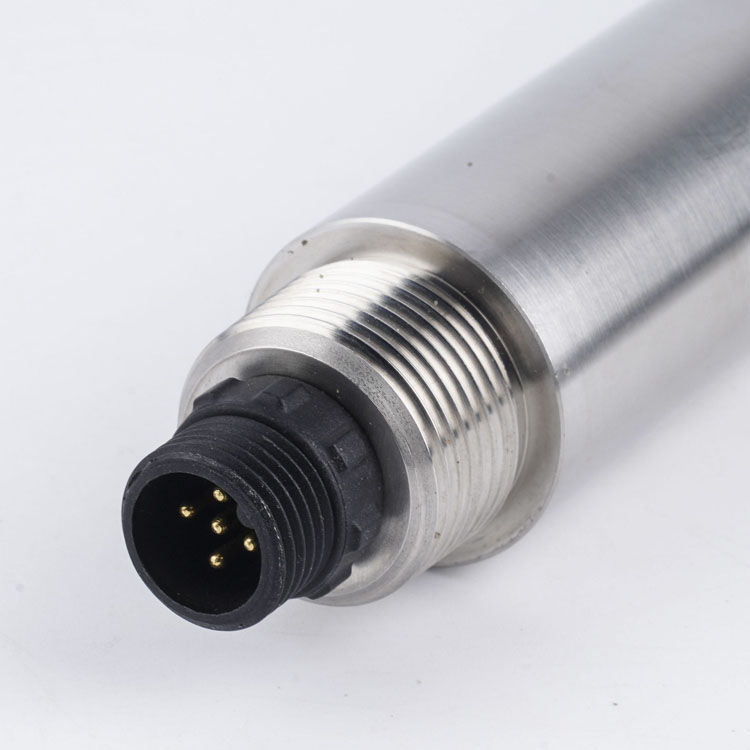
Many regions have required key drainage users (such as large residential communities, commercial complexes, hospitals) to install online monitoring equipment and connect data to environmental or housing & construction department platforms. Proactively configuring compliant online monitoring systems avoids later rectification costs.
For engineering companies undertaking operation and maintenance of sewage treatment facilities, online monitoring data can achieve:
Remote judgment of treatment facility operation status
Early warning of excessive discharge risks
Reduced frequency of manual sampling and testing
Creation of traceable electronic records
Q1: Can domestic wastewater be directly discharged into stormwater pipes?
A: No. Domestic wastewater should be connected to the municipal sewage network and must not be discharged into the stormwater system. In some areas, treated reclaimed water can be used for greening or landscape replenishment, but must meet corresponding water quality standards.
Q2: In combined sewerage projects, how to determine whether ammonia nitrogen needs to be measured?
A: As long as the drainage includes toilet sewage, ammonia nitrogen monitoring is recommended. Ammonia nitrogen is a characteristic pollutant of domestic sewage and a key indicator for environmental inspections.
Q3: Does kitchen wastewater belong to domestic sewage or domestic wastewater?
A: In strict classification, kitchen wastewater belongs to domestic wastewater, but its oil and organic concentration are much higher than hand washing and shower wastewater. In engineering design, it is recommended to pre-treat kitchen wastewater separately before mixing with other wastewater.
Q4: When using domestic wastewater as raw water for a water reuse system, what indicators need to be monitored?
A: At a minimum, COD, turbidity, pH, and conductivity should be monitored. If reused for toilet flushing, residual chlorine also needs to be monitored in the effluent. An online multi-parameter analyzer is recommended.
Q5: How often should online monitoring instruments for domestic sewage treatment facilities be calibrated?
A: COD and ammonia nitrogen online analyzers: standard solution verification recommended every 7-15 days; pH and DO electrodes: monthly calibration recommended. Calibration records should be kept for review.
Q6: Can NiuBoL water quality monitoring instruments connect to third-party SCADA platforms?
A: Yes. NiuBoL instruments standardly support Modbus RTU/TCP protocol, and can also provide 4-20 mA analog output, compatible with mainstream PLC and IoT platforms.
Q7: What indicators need to be monitored at the main sewage outlet of a residential community?
A: Typically, COD, ammonia nitrogen, pH, and flow need to be monitored. Some local authorities require additional total phosphorus and total nitrogen. Specific requirements should follow local environmental regulations.
Q8: How to set alarm thresholds when sewage and wastewater are monitored together?
A: It is recommended to set upper limit alarm values according to domestic sewage standards, and also set lower limit alarm values (e.g., COD persistently below 50 mg/L may indicate clean water infiltration) to troubleshoot pipeline issues.
The difference between domestic sewage and domestic wastewater goes far beyond a name. For system integrators, IoT solution providers, and engineering companies, this distinction directly determines:
The design and selection of drainage pipeline systems (combined or separate)
The range and functional configuration of online water quality monitoring instruments
The selection and scale of sewage treatment processes
The feasibility and economy of water reuse systems
Against the backdrop of increasingly stringent environmental regulations and rising requirements for water resource utilization, clearly distinguishing the water quality characteristics of sewage and wastewater at the early project design stage, and deploying monitoring solutions accordingly, is a key measure to reduce project risks and improve system reliability.
NiuBoL provides a comprehensive product matrix of online water quality monitoring covering domestic sewage, domestic wastewater, water reuse, and process control scenarios, supporting Modbus standard communication protocols for easy system integration and platform connection. To obtain typical project configuration lists or technical specifications, please contact our engineering support team.
 NBL-WQ-CL Water Quality Sensor Online Residual Chlorine Sensor.pdf
NBL-WQ-DO Online Fluorescence Dissolved Oxygen Sensor.pdf
NBL-WQ-NHN Ammonia Nitrogen Water Quality Sensor.pdf
NBL-WQ-COD Online Water Quality COD Sensor.pdf
NBL-WQ-PH Online pH Water Quality Sensor.pdf
Related recommendations
Sensors & Weather Stations Catalog
Agriculture Sensors and Weather Stations Catalog-NiuBoL.pdf
Weather Stations Catalog-NiuBoL.pdf
Agriculture Sensors Catalog-NiuBoL.pdf
Water Quality Sensor Catalog-NiuBoL.pdf
Related products
 Combined air temperature and relative humidity sensor
 Soil Moisture Temperature sensor for irrigation|NBL-S-THR
 Soil pH sensor RS485 soil Testing instrument soil ph meter for agriculture |NBL-S-PH
 Wind Speed sensor Output Modbus/RS485/Analog/0-5V/4-20mA
 Tipping bucket rain gauge for weather monitoring auto rainfall sensor RS485/Outdoor/stainless steel
 Pyranometer Solar Radiation Sensor 4-20mA/RS485

Screenshot, WhatsApp to identify the QR code
WhatsApp number:+8615367865107
(Click on WhatsApp to copy and add friends)

