





— Blogs —
—Products—
 Consumer hotline +8618073152920
 WhatsApp:+8615367865107
Address:Room 102, District D, Houhu Industrial Park, Yuelu District, Changsha City, Hunan Province, China
Product knowledge
Time:2026-04-25 17:59:28 Popularity:371
In industrial wastewater treatment systems, ammonia nitrogen (NH4-N) is one of the core discharge control indicators. The Class A standard for urban wastewater treatment plants requires effluent ammonia nitrogen ≤5 mg/L (some regions implement stricter local standards). Ammonia nitrogen exceedance at industrial wastewater total outlets will directly affect environmental acceptance and pollutant discharge permits. System integrators and project contractors need to master the nitrification process through real-time online monitoring during project design and operation and maintenance stages, quickly diagnose exceedance causes, and link control strategies. NiuBoL ammonia nitrogen sensors adopt the ion selective electrode method, support RS-485 Modbus RTU protocol, and are easy to integrate into PLC/SCADA or IoT platforms to achieve multi-parameter linkage optimization.
Ammonia nitrogen removal mainly relies on biological nitrification (AOB and NOB oxidize NH4-N to NO3-N) and denitrification (heterotrophic bacteria reduce NO3-N to N2). Nitrifying bacteria are autotrophic and grow slowly, making them sensitive to environmental conditions. In actual engineering, ammonia nitrogen exceedance is often caused by multiple factors. The following analyzes typical cases and mechanisms from the perspective of process operation.
When the influent C/N ratio (COD/TN) is lower than 4-6, denitrification is incomplete, alkalinity compensation is insufficient, and pH drop inhibits nitrification. In extreme cases, carbon source storage tank failures (such as methanol) cause a large amount of organic matter to surge into the aeration tank. Heterotrophic bacteria proliferate rapidly and compete for dissolved oxygen (DO), preventing nitrifying bacteria from forming a dominant population, resulting in rapid ammonia nitrogen increase. This is often accompanied by increased foam and COD surge.
Engineering Response: Immediately stop influent, start aeration and internal/external reflux; maintain sludge concentration; add PAC to improve flocculation or defoamer to control foam. System integrators can provide early warning of carbon source abnormalities through simultaneous online COD and ammonia nitrogen monitoring.
Internal reflux pump electrical failure (false running signal), mechanical failure (impeller detachment), or reverse operation leads to insufficient nitrate nitrogen supplementation in the anoxic tank (A tank), resulting in an overall anaerobic environment. Organic matter only undergoes hydrolysis and acidification without complete metabolism, exacerbating DO competition after entering the aerobic tank and causing ammonia nitrogen increase.
Diagnosis Points: Observe trends such as increased nitrate nitrogen at O tank outlet, nitrate nitrogen dropping to 0 in A tank, and pH decline. Solutions include quick pump repair, reducing influent and starting aeration if necessary to restore. If the nitrification system has collapsed, add the same type of activated sludge to accelerate recovery.
Excessive internal reflux or overly strong aeration in the anoxic tank carries too much DO, destroying the denitrification environment and reducing alkalinity production (denitrification can compensate about half of the alkalinity consumed by nitrification). Insufficient influent C/N or low raw water alkalinity can also cause continuous pH decline. When pH falls below 6.5, the nitrification rate decreases significantly.
Engineering Practice: Add alkali solution promptly when pH shows a downward trend to maintain the 7.5-8.5 range. When the system collapses, restore pH first, then start aeration or add sludge.
In high-hardness wastewater, microporous aerators are prone to scaling and clogging, making it impossible to maintain DO above 2 mg/L, hindering the nitrification reaction. Aeration serves both oxygenation and mixing functions; clogging also affects mixing efficiency.
Solutions: Regularly inspect and replace aeration heads; consider large-pore aerators or jet aerators (using treated effluent as power fluid) in high-hardness conditions. Online DO and ammonia nitrogen joint monitoring can promptly detect the negative correlation trend between DO and ammonia nitrogen to guide fan frequency conversion adjustment.
Excessive sludge discharge or unbalanced sludge return leads to SRT being lower than 3-4 times the generation period of nitrifying bacteria, preventing nitrifying bacteria from enriching. When return flow differs greatly between sides, the side with less sludge is prone to ammonia nitrogen exceedance.
Response Measures: Reduce influent or start aeration; add the same type of sludge; balance return flow distribution. Engineering companies need to reserve sufficient tank volume and return capacity in the design stage.
Industrial wastewater or stripping tower abnormalities cause sudden increases in influent ammonia nitrogen. High-concentration free ammonia (FA) has stronger inhibition on NOB (0.1-60 mg/L), affecting the entire nitrification process. The site is often accompanied by a strong ammonia odor.
Treatment Strategy: Combine reducing ammonia nitrogen concentration in the system, adding sludge, and starting aeration. pH control can regulate the FA proportion (FA proportion increases at high pH).
In northern winter without insulation facilities, when water temperature falls below the suitable range for nitrifying bacteria (usually >15℃), metabolic rate decreases. If MLSS is not increased simultaneously, ammonia nitrogen removal rate decreases significantly.
Engineering Measures: Use buried tank bodies in the design stage; increase sludge concentration in advance; use homogenization regulating tanks to heat influent; consider preheating aeration air if necessary.
Simple aeration tanks, contact oxidation, or SBR struggle to achieve stable denitrification when HRT and SRT are insufficient. In actual engineering, economic considerations and compliance requirements often conflict.
Optimization Direction: Extend HRT/SRT or add pre-denitrification tanks; MBR processes can significantly increase sludge age.
The above causes often overlap in actual projects. System integrators need to establish a multi-parameter monitoring system (ammonia nitrogen, DO, pH, nitrate nitrogen, ORP, temperature, etc.) to quickly locate the root cause through data trends.
Laboratory analysis (Nessler reagent method, salicylic acid method, etc.) cannot meet real-time control requirements. Online monitors can continuously provide NH4-N data to support process optimization and early warning.
Mainstream technologies include ion selective electrode (ISE) method and wet chemical method. The ion selective electrode method requires no reagents, has low maintenance, and fast response, making it suitable for high-turbidity and high-pollution conditions such as aeration tanks. It has been widely used in municipal and industrial wastewater treatment.
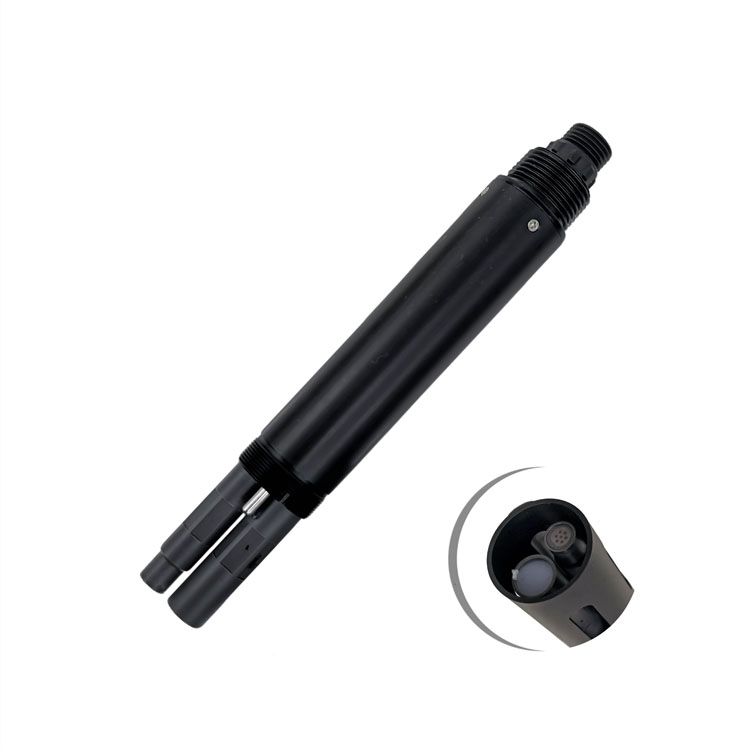
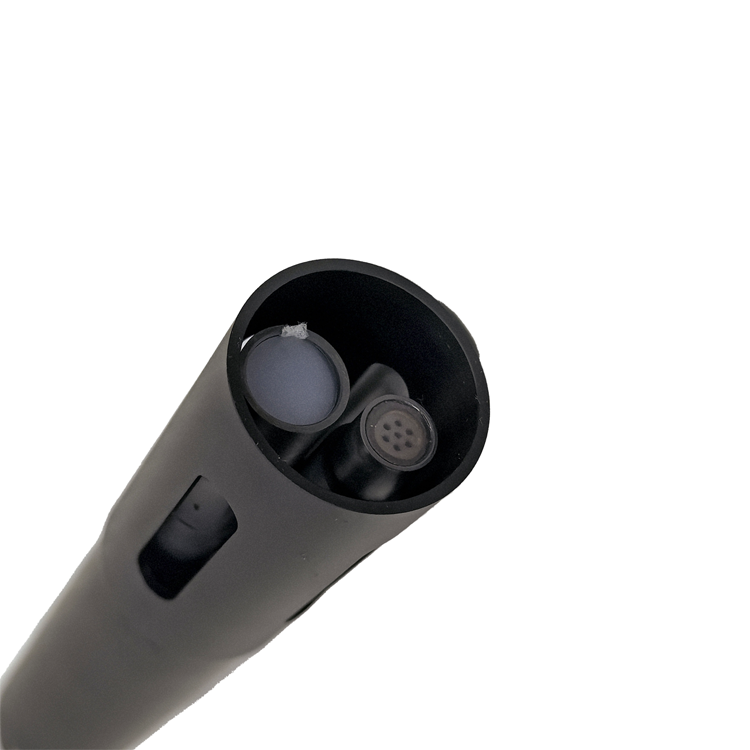
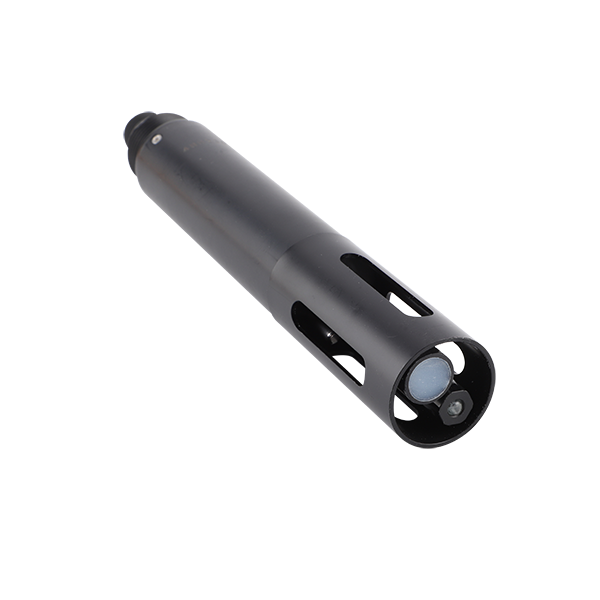
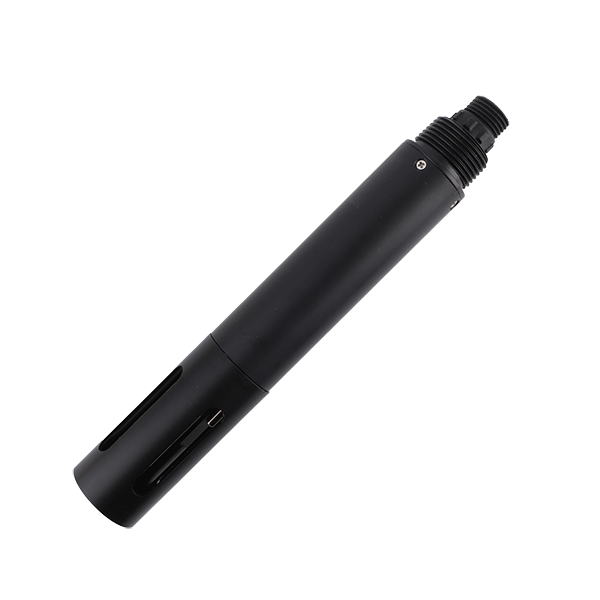
NiuBoL ammonia nitrogen sensors adopt the ion selective electrode principle, integrating ammonium ion electrode, reference electrode, and temperature compensation. They can automatically correct interference from pH, potassium ions, etc., and support direct submersible installation. RS-485 Modbus RTU output facilitates integration with existing control systems to achieve ammonia nitrogen-DO-pH linkage PID control.
Typical Application Scenarios (from the perspective of system integrators):
Aeration tank process control: Real-time monitoring of NH4-N decline trend in the aerobic section, linking fans and internal reflux pumps to optimize DO setpoint (usually 1.5-3.0 mg/L) and reduce aeration energy consumption.
Outlet compliance monitoring: Continuous recording of discharge data to support environmental platform docking and exceedance alarms.
High-salt wastewater or industrial wastewater: Combined with salinity compensation function to monitor ammonia nitrogen removal effect in biological enhancement sections.
IoT solutions: Multi-point deployment of sensors to build a full-process nitrogen balance model, predict shock loads, and automatically adjust carbon source dosing.
Through online data, engineering companies can achieve predictive maintenance, reduce aeration frequency and chemical consumption, and improve overall system stability.
| Item | Parameter Value |
|---|---|
| Measurement Principle | Ion selective electrode method (ISE) |
| Range | 0-100 mg/L (optional 0-1000 mg/L) |
| Resolution | 0.01 mg/L |
| Accuracy | ±10% or ±0.5 mg/L (whichever is greater) |
| Response Time | <5 min (typical) |
| pH Range | 4-10 |
| Temperature Compensation | Automatic compensation |
| Output Mode | RS-485 (Modbus RTU) |
| Power Supply | 12-24V DC |
| Protection Rating | IP68 |
| Installation Method | Submersible, NPT 3/4 interface |
| Working Temperature | 0-50℃ |
| Other Functions | pH/potassium ion interference compensation, customizable cable length |
(Note: Specific model parameters are subject to actual product specifications and can be customized for range and material according to project water quality characteristics.)
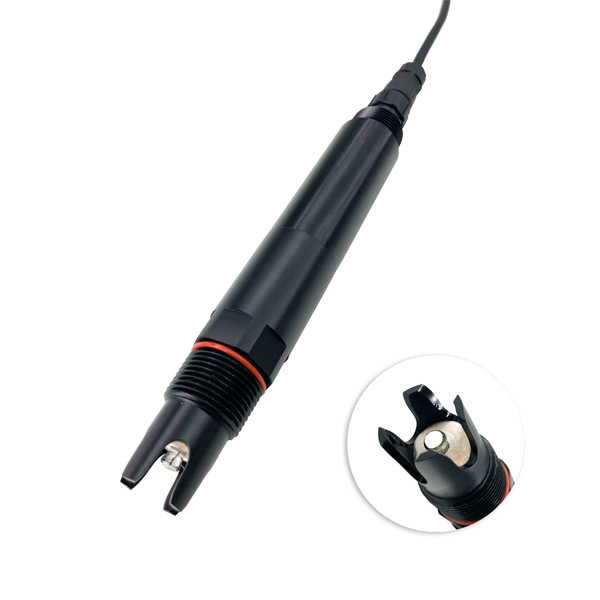
Selection Points:
1. Range matching: High range (above 0-100 mg/L) for aeration tank inlet, low range with high resolution for outlet.
2. Interference compensation: Prioritize models with automatic compensation for pH, potassium ions, and temperature to reduce errors in high-salt or high-turbidity environments.
3. Output protocol: RS-485 Modbus RTU is preferred for seamless integration with PLC/SCADA; add 4-20mA module if necessary.
4. Installation environment: IP68 protection; submersible installation should consider anti-winding and self-cleaning functions; high-hardness wastewater should evaluate electrode anti-fouling and anti-clogging capability.
5. Maintenance cycle: Choose models with long electrode life and low calibration frequency to reduce long-term operation and maintenance costs.
6. Integration extension: Support multi-parameter stations (ammonia nitrogen + DO + pH + ORP) to build nitrogen removal efficiency calculation models.
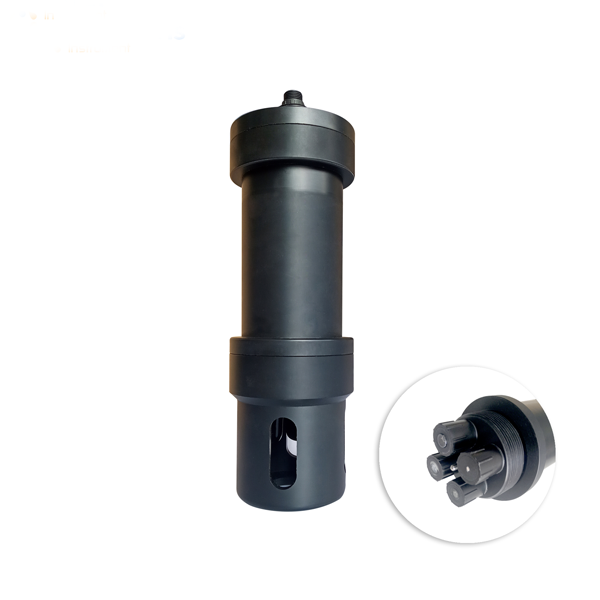
Integration Precautions:
Installation location: Multi-point arrangement in different areas of the aeration tank to form ammonia nitrogen profile distribution and guide aerator optimization.
Signal transmission: Use shielded cables for long-distance wiring, pay attention to grounding and lightning protection.
Calibration management: Perform two-point calibration (zero point and standard solution) regularly and record historical curves to track electrode aging.
Linkage control: Link ammonia nitrogen data with DO and pH to achieve advanced control algorithms (such as fuzzy control or model predictive control).
Redundancy design: Set main and backup sensors at key monitoring points to improve system reliability.
Data verification: Compare with laboratory analysis in the initial operation stage to ensure consistency.
During the project bidding stage, it is recommended to complete sensor selection based on water quality laboratory and pilot test data and reserve I/O points to support future expansion.
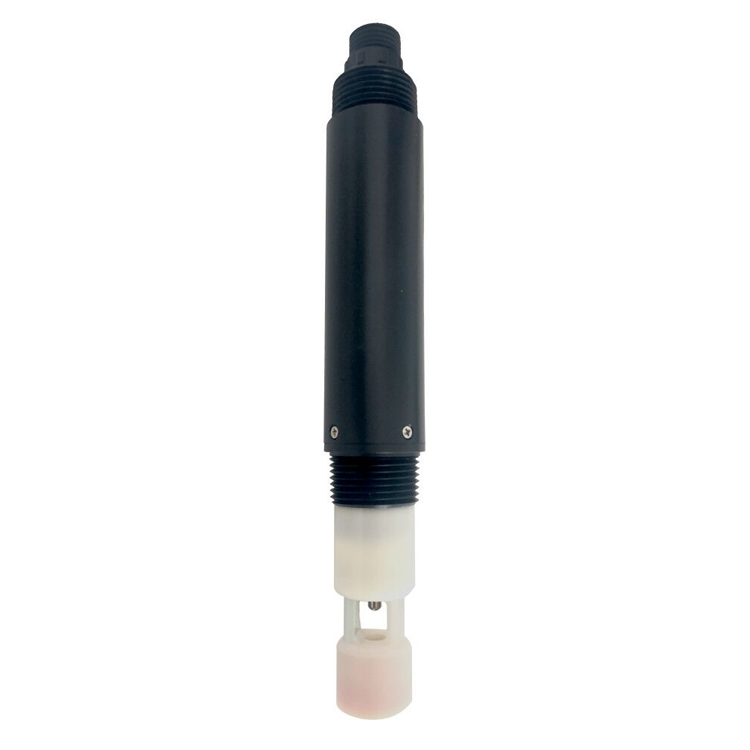
Q1: Which principle is recommended for ammonia nitrogen online monitoring in industrial wastewater treatment?
A1: The ion selective electrode method has fast response, no reagent consumption, and low maintenance, making it suitable for complex conditions such as aeration tanks; the wet chemical method is suitable for laboratory-level monitoring requiring extremely high precision.
Q2: How to quickly determine the cause of ammonia nitrogen exceedance through online data?
A2: Analyze trends with DO, pH, and nitrate nitrogen: low DO accompanied by ammonia nitrogen increase is mostly an aeration problem; pH decline is mostly due to insufficient alkalinity; internal reflux failure often shows abnormal nitrate nitrogen distribution.
Q3: What should be noted in ammonia nitrogen sensor selection for high-salt wastewater treatment projects?
A3: Prioritize models with salinity/pH compensation functions to ensure electrode corrosion resistance and anti-interference capability; the range needs to cover shock load ranges.
Q4: How to integrate ammonia nitrogen sensors into existing SCADA systems to achieve linkage control?
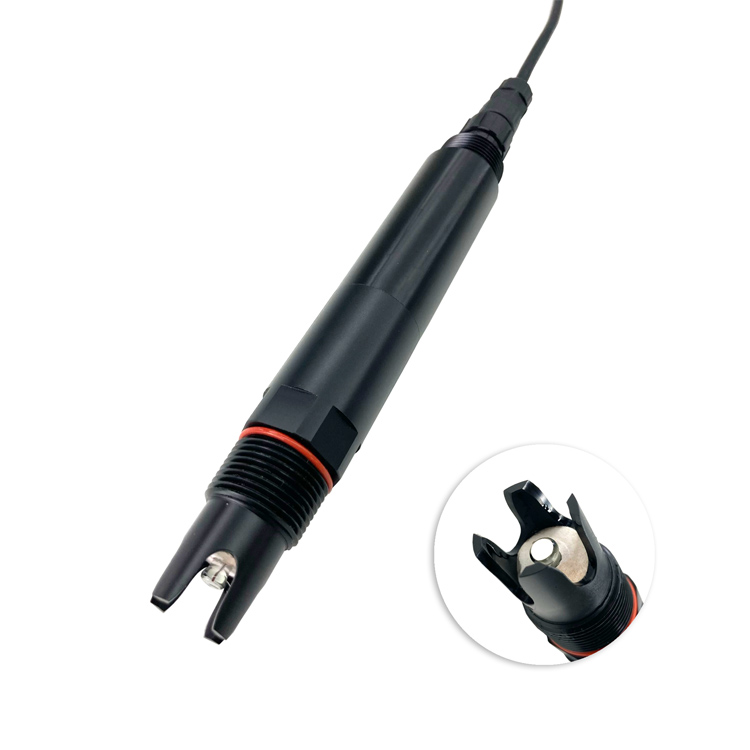
A4: Read register data through RS-485 Modbus RTU protocol to support direct communication with PLC and achieve multi-variable PID control of ammonia nitrogen-DO-pH.
Q5: How to arrange ammonia nitrogen monitoring points in aeration tanks?
A5: It is recommended to arrange multiple points at the front, middle, and end of the aerobic section to form concentration gradient data and support segmented aeration optimization.
Q6: What is the general maintenance cycle for ammonia nitrogen sensors?
A6: Electrode life is usually 6-12 months. Regular cleaning and calibration can extend service life; it depends on the degree of water quality pollution.
Q7: How to use monitoring data to protect the system under ammonia nitrogen shock load?
A7: Set multi-level alarm thresholds to trigger reduced influent, increased reflux, or carbon source dosing; adding activated sludge can accelerate recovery.
Q8: How to evaluate the life cycle cost of ammonia nitrogen monitoring systems during selection?
A8: Comprehensively consider initial investment, electrode replacement frequency, calibration labor, downtime losses, and integration difficulty. The ion selective electrode method is usually more economical in long-term operation.
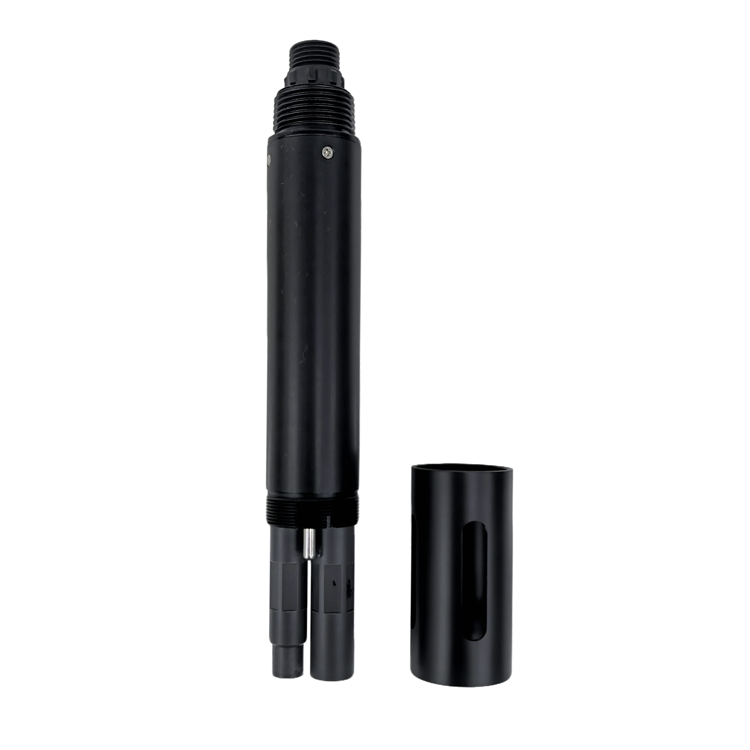
Ammonia nitrogen exceedance is a common operational challenge in industrial and municipal wastewater treatment plants. Accurately diagnosing the cause and implementing targeted measures is the key to ensuring system stability. Online ammonia nitrogen monitoring provides a data foundation for process optimization and supports system integrators in building intelligent denitrification control solutions.
NiuBoL ammonia nitrogen sensors help engineering companies achieve refined management of nitrification-denitrification processes with reliable ion selective electrode technology, low-maintenance features, and good integration, reducing energy consumption and chemical usage while improving effluent compliance rates. In project planning, commissioning, or upgrading stages, real-time monitoring methods can significantly shorten problem troubleshooting time. If you need sensor selection consultation, scheme discussion, or on-site testing support, please contact the NiuBoL professional team to jointly promote the stable and efficient operation of water treatment projects.
 NBL-NHN-206 Ammonia Nitrogen Water Quality Sensor.pdf
NBL-NHN-406 online ammonium nitrogen sensor.pdf
NBL-NHN-302 Industrial-grade Multi-parameter Online Ammonia Nitrogen Sensor.pdf
Related recommendations
Sensors & Weather Stations Catalog
Agriculture Sensors and Weather Stations Catalog-NiuBoL.pdf
Weather Stations Catalog-NiuBoL.pdf
Agriculture Sensors Catalog-NiuBoL.pdf
Water Quality Sensor Catalog-NiuBoL.pdf
Related products
 Combined air temperature and relative humidity sensor
 Soil Moisture Temperature sensor for irrigation|NBL-S-THR
 Soil pH sensor RS485 soil Testing instrument soil ph meter for agriculture |NBL-S-PH
 Wind Speed sensor Output Modbus/RS485/Analog/0-5V/4-20mA
 Tipping bucket rain gauge for weather monitoring auto rainfall sensor RS485/Outdoor/stainless steel
 Pyranometer Solar Radiation Sensor 4-20mA/RS485

Screenshot, WhatsApp to identify the QR code
WhatsApp number:+8615367865107
(Click on WhatsApp to copy and add friends)

