





— Blogs —
—Products—
 Consumer hotline +8618073152920
 WhatsApp:+8615367865107
Address:Room 102, District D, Houhu Industrial Park, Yuelu District, Changsha City, Hunan Province, China
Product knowledge
Time:2026-04-25 17:53:02 Popularity:393
With the continuous expansion of global energy reserve scale and the complexity of oil product properties, the "environmental protection" of petroleum depots has become a strategic indicator measuring the compliance and sustainability of depot operations. For system integrators, project contractors, and IoT solution providers, understanding the causes, characteristics, and control logic of petroleum depot wastewater is the foundation for designing highly reliable automated treatment systems.
Petroleum depot wastewater treatment is not only an environmental protection project but also an extension of depot storage and transportation process optimization. Through source control, clean-dirty diversion, and intelligent monitoring, the scale of treatment facilities can be effectively reduced and water quality discharge standards ensured.
Petroleum depot wastewater is mainly divided into three categories based on its physical causes and chemical composition. Understanding these classifications is crucial for selecting sensor types and deploying control logic.
Oily wastewater is the core source of pollution load in the depot area, mainly including:
Oil tank cut water: Water settled from crude oil or finished oil during storage. Manual cut water has high uncertainty, with oil content often exceeding 500 mg/L; controllability is significantly enhanced after adopting automatic dehydration devices.
Storage tank cleaning drainage: Instant high-concentration wastewater generated during periodic maintenance, with oil content up to over 3000 mg/L.
Loading/unloading area ground flushing water: Affected by oil dripping, pump leakage, containing a certain proportion of emulsified oil and suspended solids.
Initial rainwater often carries oil mist discharged from tank top breathing valves, residual oil stains on tank walls, and trace leakage from valve flanges. In rainy southern regions, the proportion of contaminated rainwater to oily wastewater can even reach 7000:1, posing a huge challenge to the volume design of sewage regulating tanks.
Originating from office areas, laboratories, and control centers.
Studies show that the COD contribution rate of oil tank cut water accounts for more than 80% of the total oily wastewater. Its water quality fluctuations are directly affected by oil product origin, water content, and operation management. In projects with low automation, the "oil runaway" phenomenon in the later stage of cut water is the main cause of overload in sewage treatment stations.
There are order-of-magnitude differences in oil and gas emission losses between fixed-roof tanks and internal floating-roof tanks. Excessive oil and gas emissions form fine oil droplets upon cooling that adhere to the depot ground surface and enter the system with rainwater. In addition, oil leakage caused by aging of floating-roof tank seals is also a point source pollution that cannot be ignored.
If buried oily wastewater pipeline systems use traditional socket connections, they are prone to joint cracking due to foundation settlement. This "non-rainy day internal leakage, rainy day external leakage" cycle not only pollutes soil and groundwater but also increases the ineffective load on sewage treatment facilities through infiltration into groundwater.
For engineering projects, the environmental protection of petroleum depots should shift from "passive treatment" to "system optimization".
Simply deploying automatic dehydrators is insufficient to solve the complete drainage problem of large-diameter oil tanks (such as 100,000 m³ crude oil tanks).
Device-based design: It is recommended to add multiple dehydration points according to tank diameter.
Perception feedback: Integrate NiuBoL oil-water interface sensors to connect real-time oil-water interface data to the depot control system via RS485 bus, achieving precise cut-off and ensuring the oil content of external drainage remains stably below 300 mg/L.
Connection method upgrade: Replace socket connections with flange or welded connections.
Anti-corrosion inspection wells: Use integral fiberglass or internally and externally anti-corrosion steel inspection wells.
Flexible compensation: Set flexible joints in foundation settlement-sensitive areas.
Establish initial rainwater switching valve groups and use NiuBoL digital turbidity and oil-in-water sensors to automatically decide rainwater destination based on real-time water quality: clean rainwater is directly discharged, and contaminated rainwater enters the regulating tank.
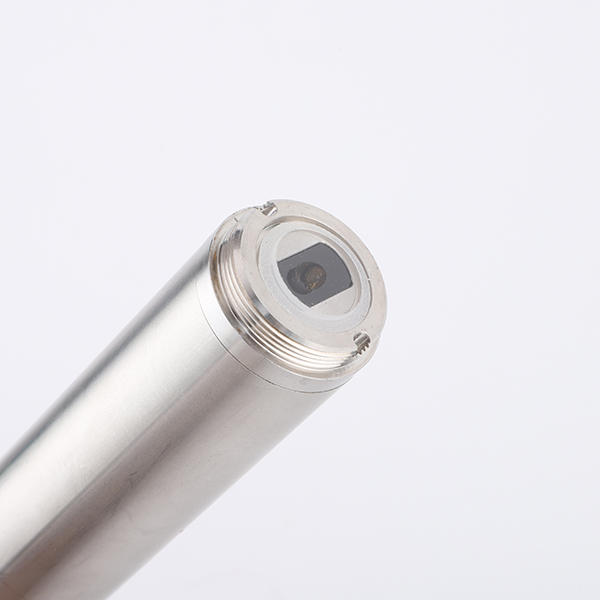
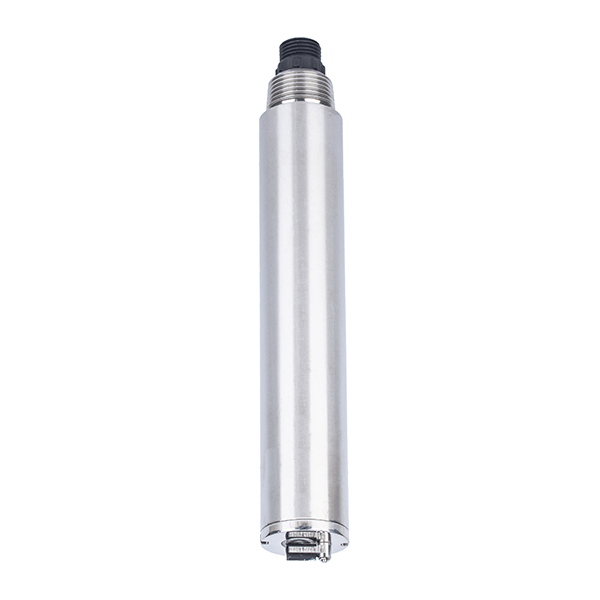
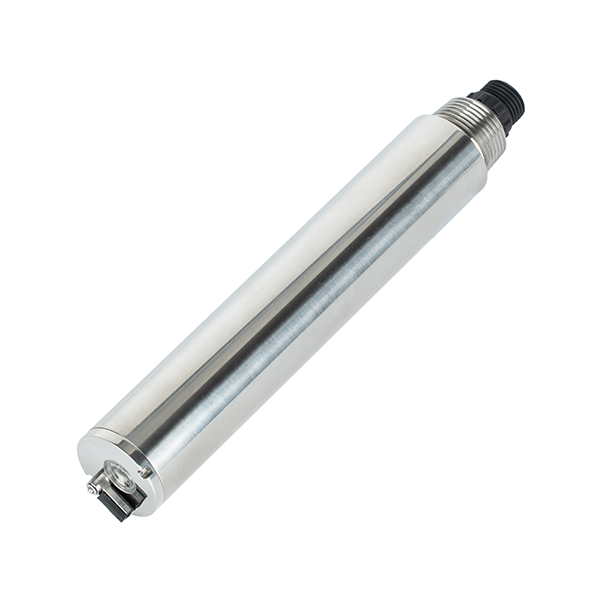
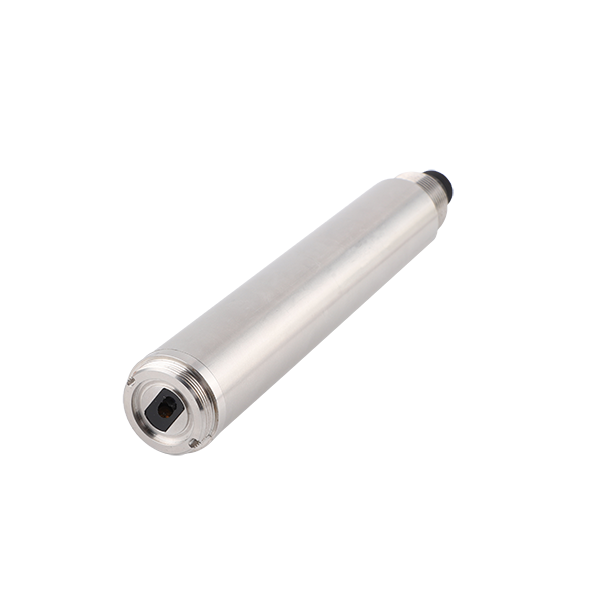
In system integration, sensors are the core for achieving "unattended" environmental protection stations.
| Parameter Item | Sensor Type | Measurement Range | Industrial Advantage |
|---|---|---|---|
| Oil in Water | UV Fluorescence Sensor | 0-500 mg/L | Real-time response, no chemical reagents required, anti-suspended solids interference |
| Chemical Oxygen Demand (COD) | UV254 Absorbance Method | 0-1000 mg/L | Monitor cut water load and biochemical treatment stage efficiency |
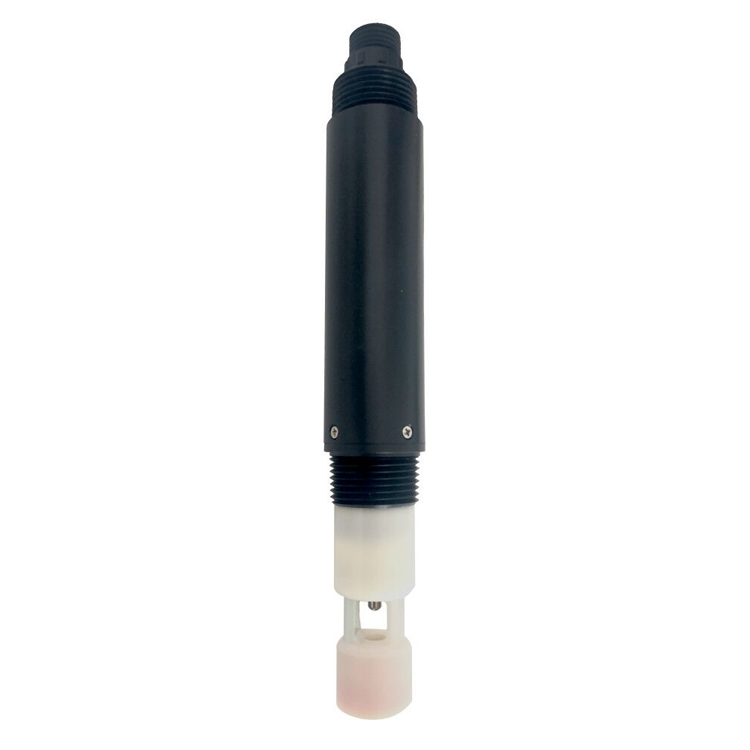
| Oil-Water Interface | Admittance/Ultrasonic Type | Custom length | Precise control of automatic dehydrator to prevent oil runaway |
| Total Suspended Solids (SS) | Optical Backscatter Sensor | 0-1000 mg/L | Monitor initial rainwater pollution degree and execute diversion control |
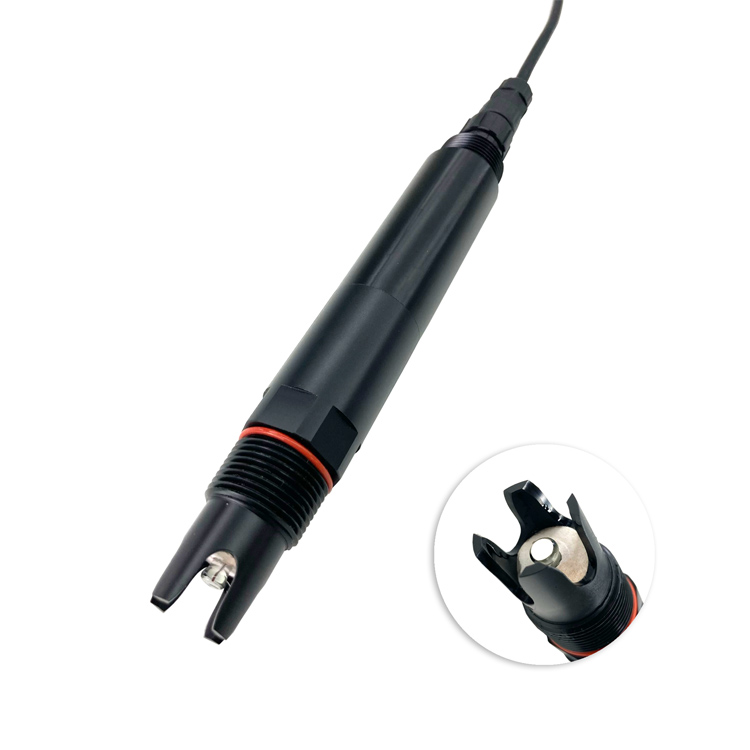
| pH | Digital pH Electrode | 0-14 pH | Automatic temperature compensation, monitor laboratory sewage neutralization |
Q1: How to reasonably determine the scale of the regulating tank in petroleum depot wastewater treatment design?
A1: The regulating tank scale should be comprehensively calculated based on the maximum cut water volume of the depot area, contaminated initial rainwater volume (usually calculated based on the first 15-20 minutes of rainfall), and maintenance cleaning load. Using NiuBoL's high-frequency monitoring data, redundancy design can be optimized through historical trend analysis.
Q2: Why is the "petrochemical industry" standard often applied in petroleum depot wastewater treatment design?
A2: There is no specific "petroleum depot" entry in the current "Integrated Wastewater Discharge Standard" (GB 8978). In engineering practice, because petroleum depot pollution factors are similar to those of refining enterprises (petroleum substances, COD), it is usually referenced. Integrators should reserve space for standard upgrades.
Q3: What are the causes of frequent failures of automatic dehydrators and countermeasures?
A3: Mostly due to electronic detection components being interfered with by oil fouling or mechanical structure wear. NiuBoL recommends using sensors with self-cleaning functions and RS485 digital diagnostic functions to achieve fault early warning.
Q4: How to solve the problem of wastewater treatment station overload caused by huge contaminated rainwater volume?
A4: The core lies in "quality-based diversion". Install online turbidity meters or oil-in-water monitors on rainwater main pipes, directing only exceedance initial rainwater into the sewage system, while later clean rainwater is discharged through automatic bypass, greatly reducing treatment pressure.
Q5: How to solve the distance limitation of RS485 Modbus-RTU in large oil depot networking?
A5: For Modbus physical layer over 1200 meters, it is recommended to add repeaters, or deploy gateways locally in the tank area to convert digital signals to optical fiber or 4G/LoRa signals for return to the control room.
Q6: Can the pollution amount of residual oil stains from floating-roof tanks entering rainwater be measured?
A6: It is difficult to quantitatively predict, but by monitoring the real-time COD value at the total outlet of the tank area, the impact of such non-point source pollution on overall discharge water quality can be assessed.
Q7: Do secondary pollutants such as volatile phenols and sulfides require special treatment?
A7: The content of such substances in petroleum depots is low. They can usually meet standards through physicochemical pretreatment (air flotation/oil separation) + biochemical treatment, but laboratory discharge sewage requires separate pre-neutralization.
Q8: How does Industrial IoT (IIoT) empower environmental compliance in petroleum depots?
A8: The real-time monitoring network built through NiuBoL digital sensors can achieve second-level traceability of abnormal discharges and automatically generate environmental reports, providing structured data support for enterprises to respond to third-party supervision.
Petroleum depot wastewater treatment is no longer simple end-of-pipe treatment, but a system collaboration from tank area design and pipeline construction to automated perception. Based on strict control at the pollution source — especially automation of oil tank cut water and leak-free pipeline renovation — combined with a high-precision online monitoring network, integrators can build a system architecture for petroleum depot owners that meets high environmental pressure while possessing extremely high operating efficiency.
As a professional supplier of sensor technology, NiuBoL will continue to assist partners in achieving the digital transformation of petroleum depot "environmental protection" treatment through precise data perception.
 NBL-RDO-206 Online Fluorescence Dissolved Oxygen Sensor.pdf
NBL-COD-208 Online COD Water Quality Sensor.pdf
NBL-DDM-206 Online Water Quality Conductivity Sensor.pdf
NBL-PHG-206A Online pH Water Quality Sensor.pdf
Prev:Core Measures and Integrated Control Strategies for Industrial Wastewater Zero Discharge Systems
Next:Industrial Wastewater Ammonia Nitrogen Exceedance Diagnosis and Online Monitoring Solutions
Related recommendations
Sensors & Weather Stations Catalog
Agriculture Sensors and Weather Stations Catalog-NiuBoL.pdf
Weather Stations Catalog-NiuBoL.pdf
Agriculture Sensors Catalog-NiuBoL.pdf
Water Quality Sensor Catalog-NiuBoL.pdf
Related products
 Combined air temperature and relative humidity sensor
 Soil Moisture Temperature sensor for irrigation|NBL-S-THR
 Soil pH sensor RS485 soil Testing instrument soil ph meter for agriculture |NBL-S-PH
 Wind Speed sensor Output Modbus/RS485/Analog/0-5V/4-20mA
 Tipping bucket rain gauge for weather monitoring auto rainfall sensor RS485/Outdoor/stainless steel
 Pyranometer Solar Radiation Sensor 4-20mA/RS485

Screenshot, WhatsApp to identify the QR code
WhatsApp number:+8615367865107
(Click on WhatsApp to copy and add friends)

