





— Blogs —
—Products—
 Consumer hotline +8618073152920
 WhatsApp:+8615367865107
Address:Room 102, District D, Houhu Industrial Park, Yuelu District, Changsha City, Hunan Province, China
Product knowledge
Time:2026-04-25 17:38:32 Popularity:401
Rural drinking water safety faces problems such as unclear water source inventory, low monitoring frequency, and poor data real-time performance. Decentralized well water supply and small centralized water plants are easily affected by agricultural non-point sources, domestic sewage, and geological conditions, leading to fluctuations in turbidity, ammonia nitrogen, nitrate nitrogen, iron and manganese, and heavy metal indicators. System integrators and project contractors need to build a full-process online monitoring system from the water source intake to the user end, realizing automatic data upload to township or county-level monitoring platforms, supporting early warning response and closed-loop management of water source protection.
The NiuBoL water quality analyzer series adopts submersible and flow-through designs, supporting multi-parameter combinations such as pH, turbidity, residual chlorine, ammonia nitrogen, total phosphorus, and nitrate nitrogen. The RS-485 Modbus RTU protocol facilitates integration into RTU, PLC, or IoT edge gateways, adapting to rural site conditions with unstable power supply and limited maintenance manpower.
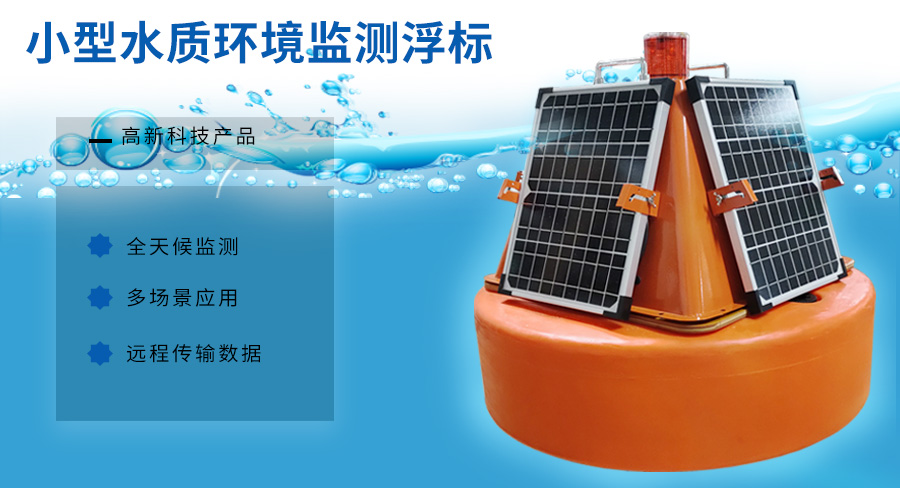
Rural drinking water mainly comes from underground well water, surface water, or mountain springs. According to the "Standards for Drinking Water Quality" (GB 5749-2022), sensory properties, toxicological indicators, microbiological indicators, and radioactive indicators need to be strictly controlled. Conventional monitoring parameters include color, turbidity, pH value, total hardness, dissolved total solids, ammonia nitrogen, iron, manganese, nitrate nitrogen, fluoride, etc.; residual chlorine or chlorine dioxide residue needs to be monitored after disinfection.
Traditional manual sampling and laboratory testing have problems of low coverage and poor timeliness, making it impossible to promptly detect rainwater flushing, fertilizer infiltration, or secondary pollution in the pipe network. Online monitoring systems can be deployed at the following key nodes:
Water source intake (wellhead or reservoir)
Treatment process sections (sedimentation, filtration, disinfection)
Finished water and pipe network endpoints
Through continuous data collection and trend analysis, engineering companies can optimize dosing amounts and filter backwash cycles, and combine with video monitoring to achieve remote judgment of equipment operating status and on-site abnormalities, improving the refined management level of rural water supply projects.
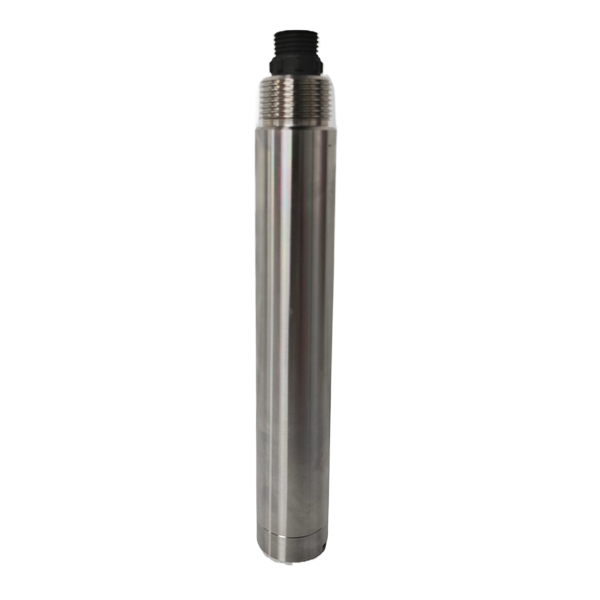
The system is generally divided into front-end perception layer, data transmission layer, and application platform layer:
Front-end perception: Single-parameter or multi-parameter water quality sensors installed at wellheads, treatment units, and pipe network monitoring points.
Transmission layer: RTU or 4G/5G edge gateways, supporting low-power remote site data upload and local data caching during network disconnection.
Platform layer: Cloud or local monitoring center, realizing data visualization, exceedance alarms, report statistics, and GIS map display.
System integrators can choose fixed monitoring stations, wall-mounted small stations, or solar-powered mobile solutions according to the water supply scale. Water sources focus on monitoring turbidity, pH, ammonia nitrogen, and conductivity; treatment sections add residual chlorine and total phosphorus; pipe network endpoints focus on residual chlorine decay trends.
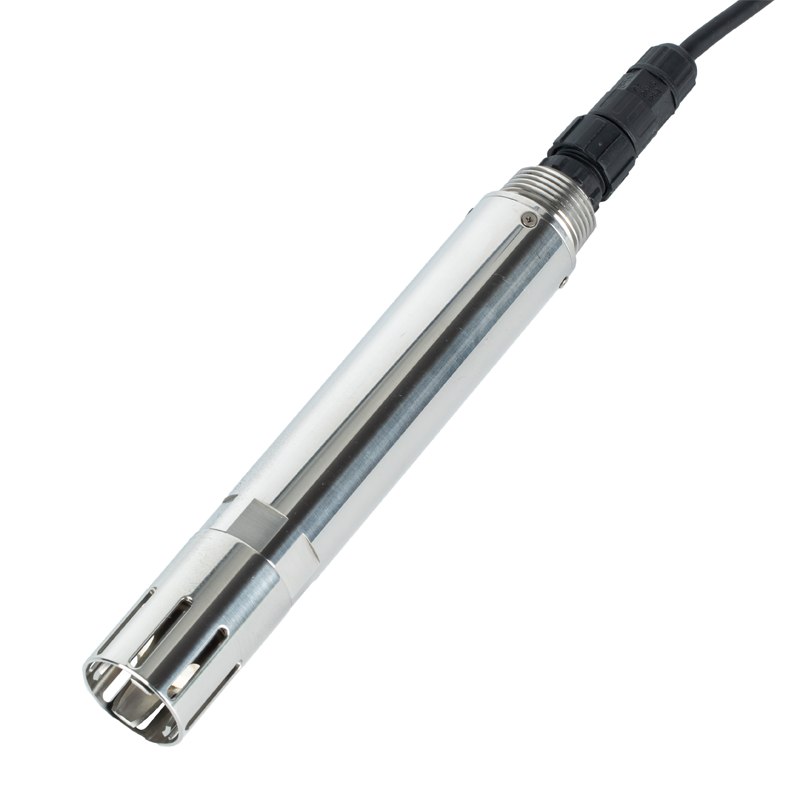
Rural drinking water requires targeted monitoring of the following parameters. NiuBoL instruments support on-demand configuration to avoid redundant investment:
Turbidity: Reflects particulate matter content and disinfection efficiency risks. Rural water sources are significantly affected by seasonal flushing. Online turbidity meters can link with sedimentation and filtration processes for adjustment, with the target controlled at ≤1 NTU.
Residual Chlorine (Total Chlorine): Core indicator of disinfection effectiveness. Maintaining residual chlorine at the pipe network endpoint in the range of 0.05-0.5 mg/L can effectively control microbial regrowth. Online residual chlorine analyzers support automatic linkage with chlorination equipment.
Ammonia Nitrogen: Important indicator of organic pollution and fertilizer infiltration. Ammonia nitrogen exceedance in well water is often accompanied by increased nitrate nitrogen. Online ammonia nitrogen sensors help detect water source protection issues early.
pH and Conductivity: pH affects pipe network corrosion and disinfection efficiency; conductivity assists in assessing total dissolved solids and mineral content.
Total Phosphorus and Nitrate Nitrogen: Control eutrophication risks and groundwater pollution. Nitrate nitrogen exceedance is a common problem in rural well water.
Metal Indicators: Iron and manganese (affect sensory properties and pipe blockage), arsenic, lead, cadmium, hexavalent chromium, etc., with dedicated modules selected according to local geological background.
Users can select targeted instruments according to specific needs, such as using total phosphorus online analyzers for total phosphorus monitoring and ammonia nitrogen online monitors for ammonia nitrogen monitoring, achieving precise investment.
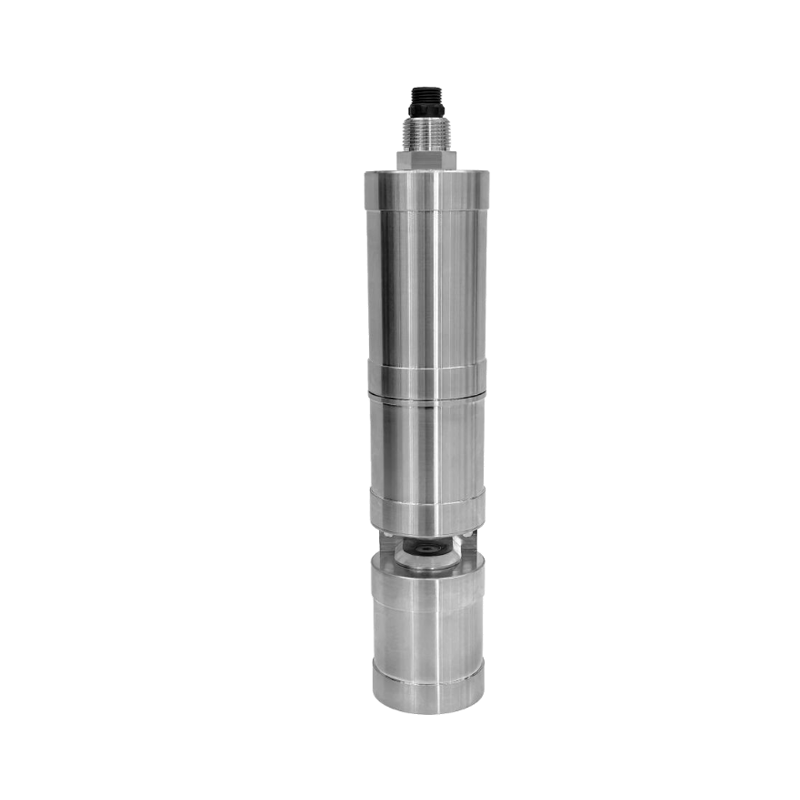
Typical Application Scenarios (from the perspective of system integrators):
Decentralized well water supply projects: Install submersible multi-parameter probes at wellheads to collect pH, turbidity, ammonia nitrogen, and dissolved oxygen data in real time, and upload to village-level monitoring points via RTU. Pair with on-site cameras for remote viewing of equipment status and well cover abnormalities.
Small centralized water plants: Set up monitoring points at inlet water, filtered effluent, and disinfected finished water to form a full-process closed-loop control, optimizing chemical dosing and backwash timing.
Pipe network endpoint monitoring: Deploy points near village-level reservoirs or end users, focusing on residual chlorine decay and secondary pollution risks.
IoT upgrade and renovation: Add sensors and edge gateways to existing water supply facilities to support unified platform management and remote operation and maintenance for multiple townships.
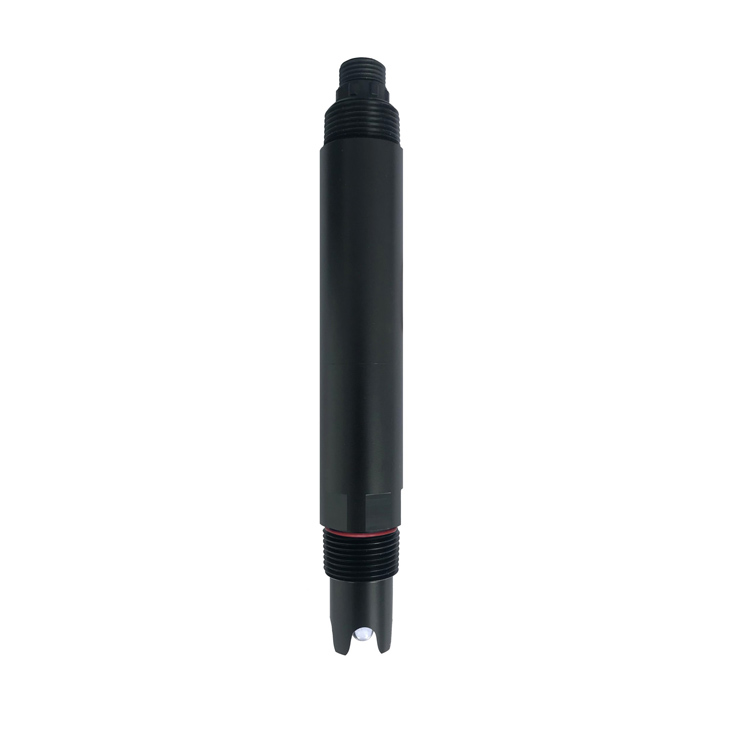
NiuBoL series instruments adopt a modular design, supporting single-parameter independent use or multi-parameter integrated stations, adapting to rural site conditions.
| Parameter | Range | Output Mode | Typical Application Scenarios |
|---|---|---|---|
| pH | 0~14 | RS-485 Modbus RTU | Full-process acid-base balance monitoring |
| Turbidity | 0~100 NTU (optional 0-1000) | RS-485 Modbus RTU | Water source particulate matter and filtration effect assessment |
| Residual Chlorine | 0~10 mg/L | RS-485 Modbus RTU | Disinfection effect and pipe network endpoint control |
| Ammonia Nitrogen | 0~10 mg/L (optional higher) | RS-485 Modbus RTU | Organic pollution and nitrification indication |
| Total Phosphorus | 0~5 mg/L | RS-485 Modbus RTU | Eutrophication risk assessment |
| Nitrate Nitrogen | 0~50 mg/L | RS-485 Modbus RTU | Groundwater pollution monitoring |
| Conductivity | 0~2000 μS/cm | RS-485 Modbus RTU | Mineral and total dissolved solids assessment |
| Temperature | -10~60℃ | RS-485 Modbus RTU | Automatic compensation calculation |
(Note: Specific models support customized ranges, housing materials (POM/316L stainless steel), cable lengths, and protection rating IP68. Low-power design is suitable for solar-powered scenarios.)
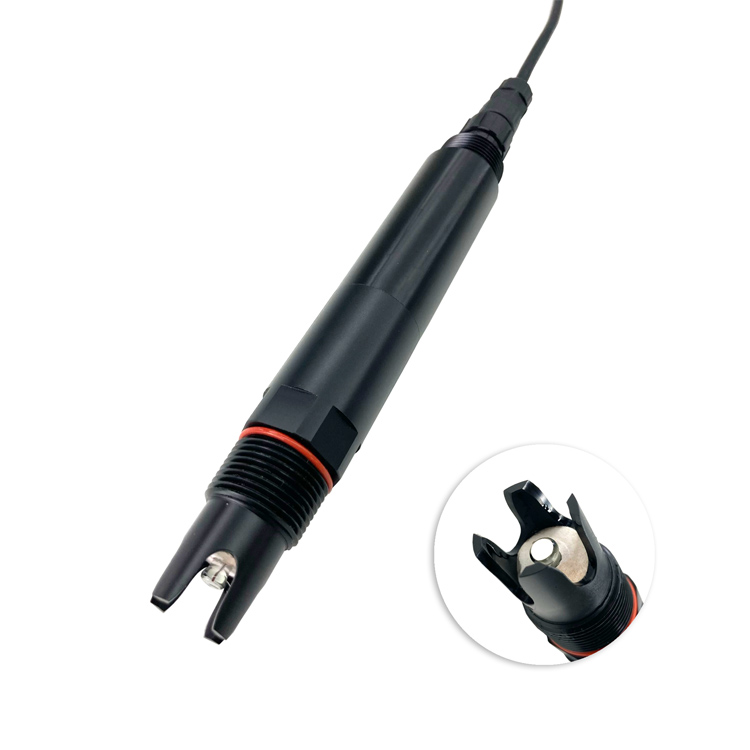
Selection Points:
1. Parameter targeting: Prioritize high-risk parameters based on local water source characteristics and GB 5749-2022 requirements to avoid comprehensive deployment increasing costs.
2. Installation form: Submersible type is recommended for well water and reservoirs; bypass flow-through type is recommended for pipelines, facilitating maintenance.
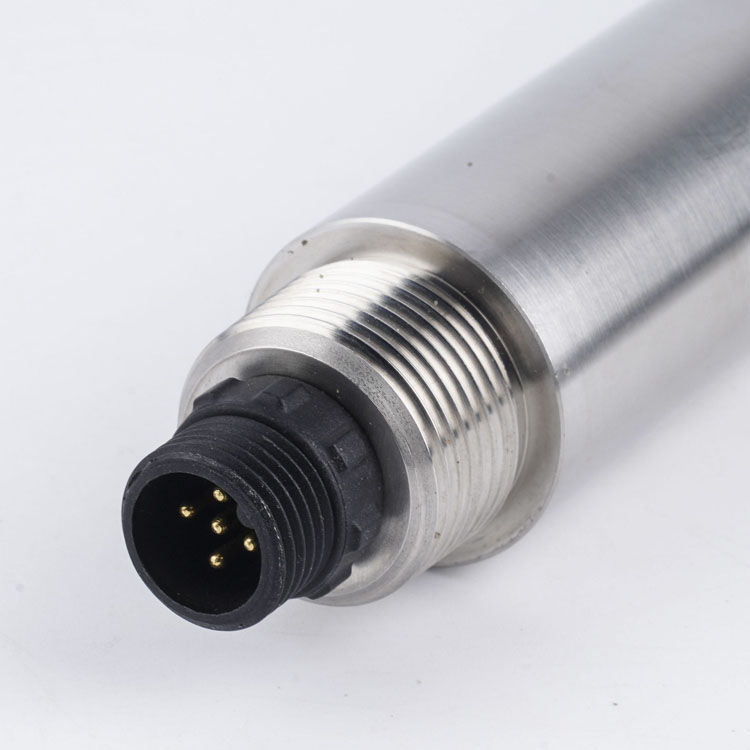
3. Communication protocol: RS-485 Modbus RTU is the main choice, with optional 4-20mA, facilitating integration with existing RTUs.
4. Environmental adaptability: Low power consumption (<5W), wide temperature range, IP68 protection, and solar + battery power supply solutions to cope with unstable rural power supply.
5. Maintenance convenience: Prioritize models with automatic temperature compensation, long electrode life, and simple cleaning to reduce manual inspection frequency.
Integration Precautions:
Point planning: At least cover water source, key treatment nodes, and pipe network endpoints; determine density based on pipe network length and risk level.
Data reliability: Prioritize 4G/5G transmission in areas with weak rural signals; equipment has built-in cache to prevent data loss during network disconnection.
Alarm mechanism: Set dual thresholds for early warning and alarm, linking with valves or audible and visual equipment.
Calibration and maintenance: Recommend standard solution calibration every 1-3 months and regularly check sensor surface contamination.
Video linkage: Integrate cameras for synchronous monitoring of equipment operating status and on-site abnormalities.
Scalability: Reserve interfaces to support future addition of flow, liquid level, or pressure monitoring to form a complete water supply IoT system.
During the project implementation phase, it is recommended to complete scheme verification based on on-site water quality survey and laboratory test data.
Q1: What core monitoring parameters are suitable for deployment in rural decentralized well water supply projects?
A1: Prioritize turbidity, pH, ammonia nitrogen, residual chlorine, and conductivity. High-risk geological areas can add iron-manganese or nitrate nitrogen modules. Submersible multi-parameter probes are easy to install and suitable for wellhead applications.
Q2: How to integrate NiuBoL sensors into rural water supply IoT platforms?
A2: Directly connect to RTU or gateway via RS-485 Modbus RTU protocol, supporting standard data reading and remote configuration. The platform can achieve unified management of multiple sites.
Q3: What is the main role of residual chlorine monitoring at pipe network endpoints?
A3: Real-time understanding of disinfectant decay to prevent secondary pollution and microbial growth, guiding optimization of chlorine dosing to ensure end water quality meets standards.
Q4: How to ensure continuous operation of the monitoring system when rural power supply is unstable?
A4: Use low-power instruments and configure solar panels and battery power supply solutions; equipment supports power-off data caching and automatic reconnection functions.
Q5: What guiding significance does GB 5749-2022 have for rural drinking water online monitoring?
A5: It requires control of indicators such as turbidity ≤1 NTU, ammonia nitrogen ≤0.5 mg/L, nitrate nitrogen ≤10 mg/L (as N), etc. Online systems can continuously verify the compliance of finished water and pipe network water quality.
Q6: How does ammonia nitrogen online monitoring help determine pollution sources in rural well water projects?
A6: Increased ammonia nitrogen often indicates organic pollution or fertilizer infiltration. Combined with pH and nitrate nitrogen trends, it can quickly locate weak links in water source protection.
Q7: How to arrange the daily maintenance cycle for multi-parameter monitoring stations?
A7: Routine cleaning and calibration are recommended every 1-3 months, depending on the degree of water quality pollution and usage frequency.
Q8: How can system integrators control overall investment in rural drinking water monitoring projects?
A8: Adopt modular targeted configuration and deploy sensors step by step according to risk level; select low-maintenance equipment to reduce long-term operation and maintenance costs; utilize existing RTU infrastructure to reduce redundant construction.
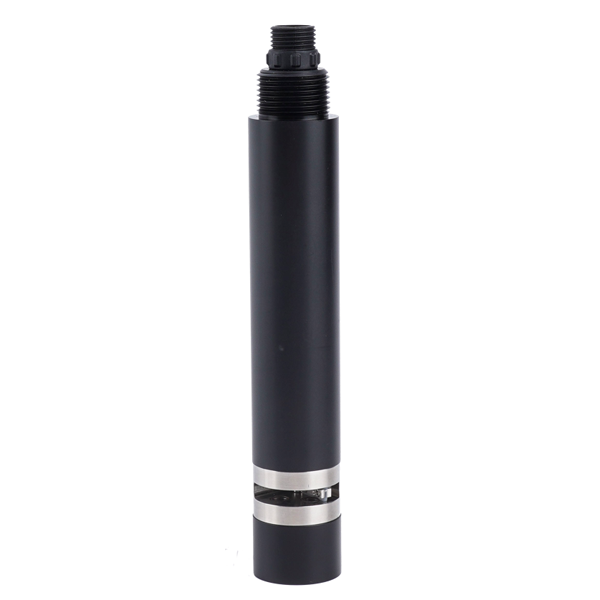
Rural drinking water quality online monitoring is an important technical means to improve water supply safety management and achieve the combination of water source protection and pollution prevention. By deploying online instruments for key parameters such as turbidity, residual chlorine, ammonia nitrogen, and pH, system integrators can build a real-time and reliable monitoring network to support data-driven operation and maintenance decisions.
NiuBoL water quality analyzers provide practical integration solutions for IoT solution providers and project contractors with modular design, stable protocol support, and environmental adaptability. In rural water supply new construction or upgrading projects, online monitoring systems can significantly improve data timeliness and reduce labor costs. If you need parameter configuration discussion, scheme optimization, or on-site testing support, please contact the NiuBoL professional team to jointly promote the stable implementation of rural drinking water safety projects.
 NBL-RDO-206 Online Fluorescence Dissolved Oxygen Sensor.pdf
NBL-COD-208 Online COD Water Quality Sensor.pdf
NBL-CL-206 Water Quality Sensor Online Residual Chlorine Sensor.pdf
NBL-DDM-206 Online Water Quality Conductivity Sensor.pdf
Next:Core Measures and Integrated Control Strategies for Industrial Wastewater Zero Discharge Systems
Related recommendations
Sensors & Weather Stations Catalog
Agriculture Sensors and Weather Stations Catalog-NiuBoL.pdf
Weather Stations Catalog-NiuBoL.pdf
Agriculture Sensors Catalog-NiuBoL.pdf
Water Quality Sensor Catalog-NiuBoL.pdf
Related products
 Combined air temperature and relative humidity sensor
 Soil Moisture Temperature sensor for irrigation|NBL-S-THR
 Soil pH sensor RS485 soil Testing instrument soil ph meter for agriculture |NBL-S-PH
 Wind Speed sensor Output Modbus/RS485/Analog/0-5V/4-20mA
 Tipping bucket rain gauge for weather monitoring auto rainfall sensor RS485/Outdoor/stainless steel
 Pyranometer Solar Radiation Sensor 4-20mA/RS485

Screenshot, WhatsApp to identify the QR code
WhatsApp number:+8615367865107
(Click on WhatsApp to copy and add friends)

