





— Blogs —
—Products—
 Consumer hotline +8618073152920
 WhatsApp:+8615367865107
Address:Room 102, District D, Houhu Industrial Park, Yuelu District, Changsha City, Hunan Province, China
Product knowledge
Time:2026-04-25 17:29:59 Popularity:437
In the field of oil and gas development, the proportion of reserves in low-permeability oilfields has been increasing year by year, becoming an important growth point for energy exploration. However, due to their unique micropore and microthroat structures (micron and submicron levels), low-permeability formations impose extremely high physical and chemical index requirements on the quality of injected water.
For system integrators and engineering contractors, how to convert produced water into “green reinjection water” that meets standards through efficient water injection treatment processes, and integrate automated monitoring methods to protect formation permeability, is the core of successful project delivery.
The reservoir characteristics of low-permeability oilfields are manifested by extremely small pore throat diameters and high seepage resistance. If the suspended solids content in reinjection water is too high or the particle size is inappropriate, it will quickly cause formation plugging.
The pore structure of low-permeability oilfields is mostly composed of micropores and microthroats. According to fluid mechanics and formation protection theory, the solid particle size in injected water should be strictly controlled within 1/5 of the pore throat radius. If the particle size exceeds this threshold, particles will form bridging plugging at the throat, leading to a sharp rise in water injection pressure and shortening the life of oil wells.
In the standards of international mainstream oil companies, for low-permeability formations, the following are usually required:
Suspended solids content (SS): controlled between 0.1 mg/L - 0.5 mg/L.
Median particle size: usually required to be less than 0.5 μm.
Oil content: needs to be reduced to below 5 mg/L through physical and chemical means to prevent oil droplets from coalescing and blocking fine channels.
The core of achieving efficient reinjection lies in the “cascaded treatment” logic, stripping pollutants layer by layer through multi-stage physical and chemical barriers.
Using the density difference between produced water and water, it first enters the pressure deoiling tank for preliminary sedimentation. Then, through the coarse granulation tank, lipophilic fillers are used to promote the coalescence of tiny oil droplets into large oil droplets, improving deoiling efficiency.
The role of the pre-filter is to remove undissolved petroleum substances and larger-diameter suspended solids in the sewage. In international engineering practice, commonly used pre-filters include:
Walnut shell filter: With its unique surface hydrophilic and oil-repellent properties, it has significant advantages in backwash intensity and filter material regeneration.
Dual high-speed filter: With high filtration speed and dirt-holding capacity, it is the mainstream choice in the pretreatment stage.
This is the key to low-permeability water injection treatment. Submicron particles in the wastewater are removed through fine filters (or cross-flow ultrafiltration/microfiltration membranes). Membrane treatment technology, relying on its mechanical sieving principle, can stably output high-quality reinjection water, with reinjection rates usually reaching over 98%.
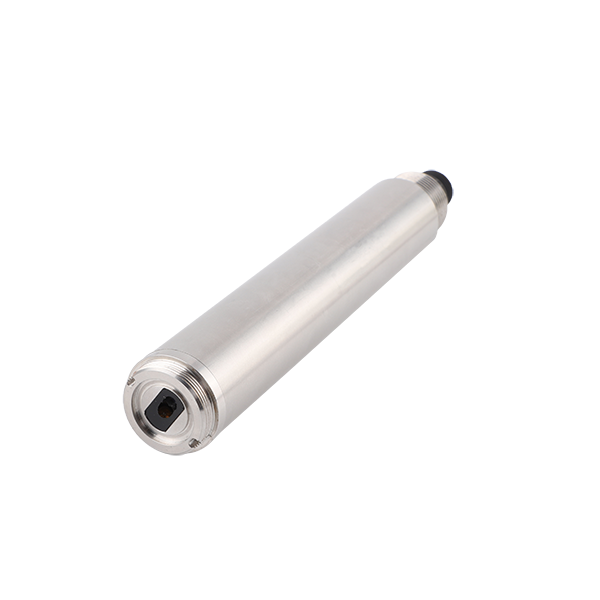
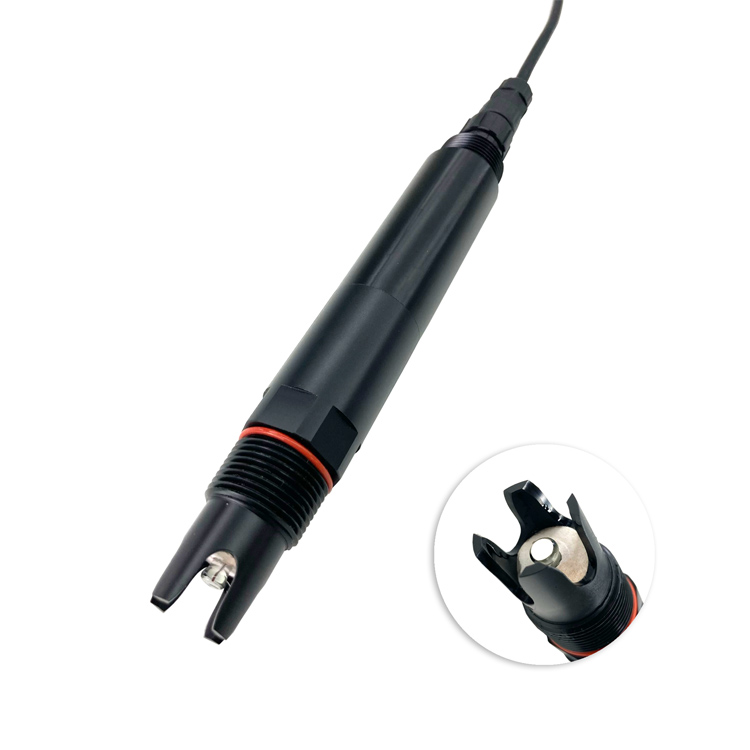
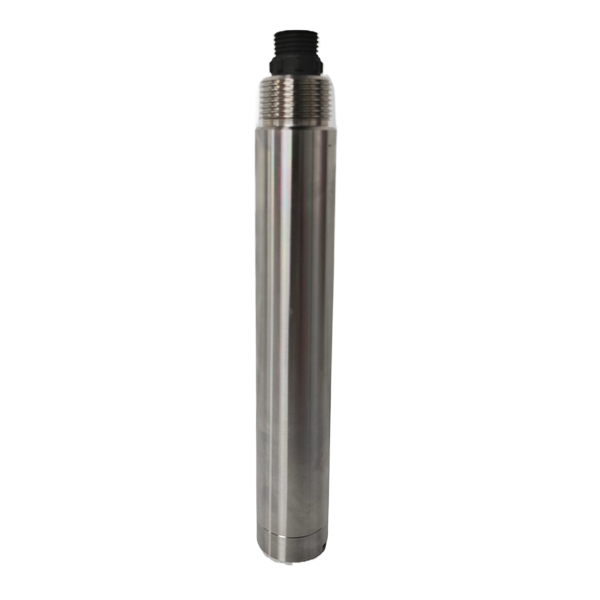
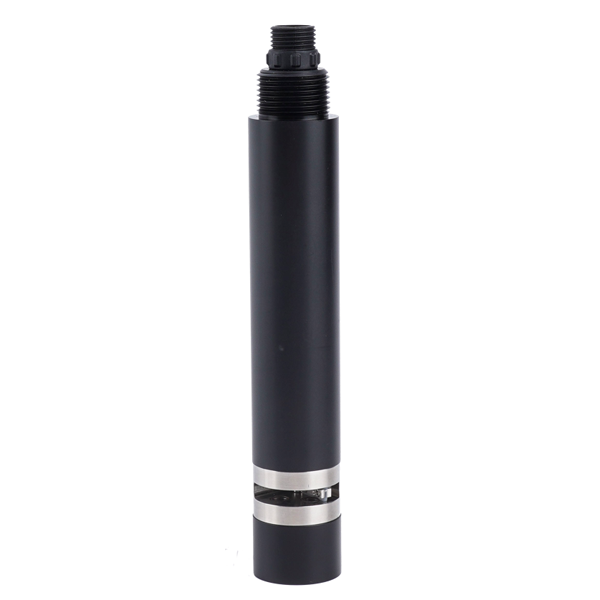
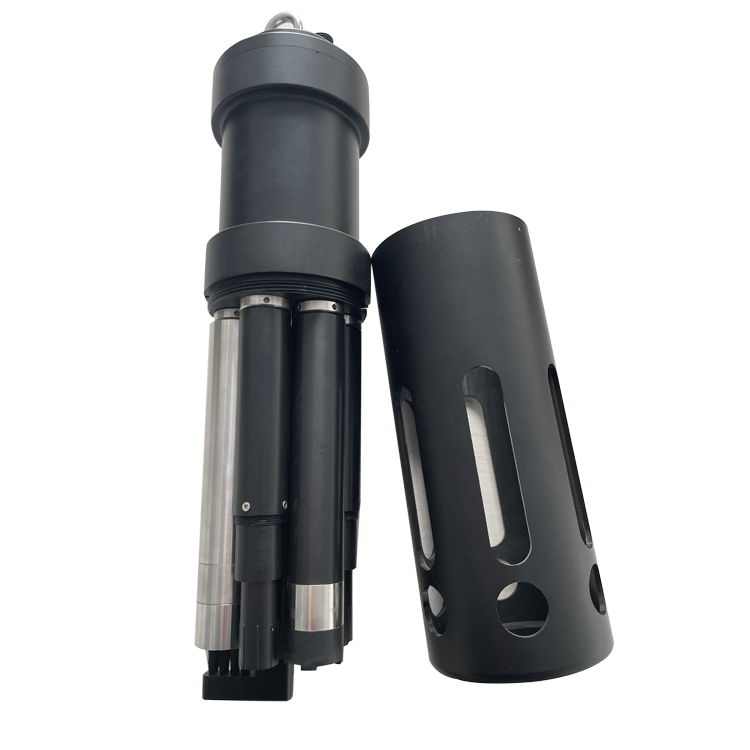
In B2B industrial scenarios, processing equipment alone is not enough. System integrators need an automated solution that can sense water quality changes in real time and achieve closed-loop control. The digital sensors provided by NiuBoL can be seamlessly integrated into the PLC or DCS architecture of water injection treatment systems.
| Monitoring Parameter | Sensor Model/Type | Measurement Range | Advantages |
|---|---|---|---|
| Suspended Solids (SS) | Digital Turbidity/SS Sensor | 0-1000 mg/L | Optical backscatter technology, strong anti-interference ability |
| Oil Content Monitoring | UV Fluorescence Oil-in-Water Sensor | 0-500 mg/L | Real-time online monitoring, no chemical reagents required |
| Pipeline Pressure | Industrial Pressure Transmitter | 0-10 MPa | Real-time feedback of fine filter differential pressure to guide backwashing |
| pH Value | Industrial pH Sensor | 0-14 pH | Monitor dosing neutralization effect to prevent scaling |
| Conductivity/Mineralization | Digital Conductivity Sensor | 0-200 mS/cm | Evaluate chemical compatibility between reinjection water and formation water |
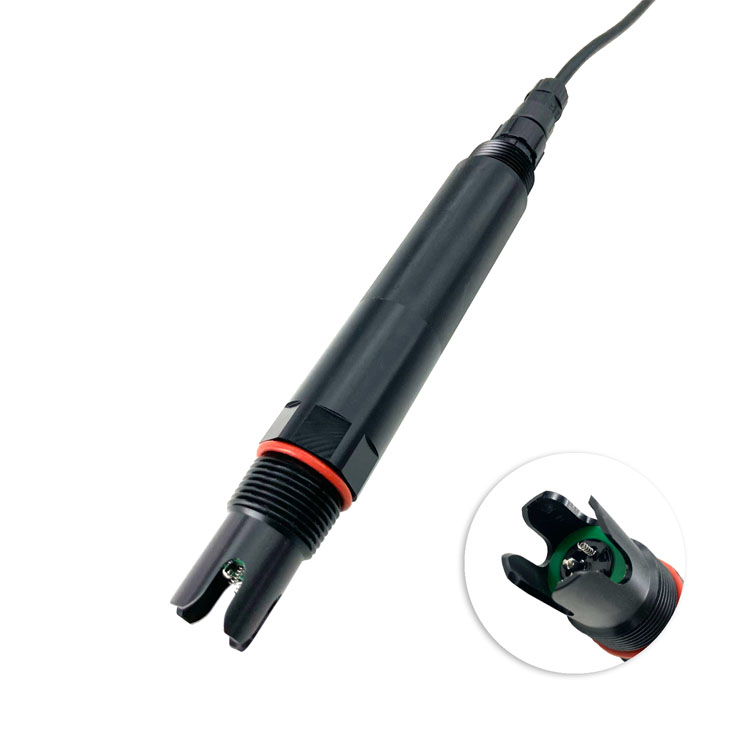
NiuBoL's full range of sensors adopts the RS485 Modbus-RTU protocol. For IoT solution providers, this means easy cascading of multi-parameter collectors, reduced wiring costs, and ensured data integrity during long-distance industrial site transmission.
By integrating NiuBoL's differential pressure sensors and turbidity sensors, system integrators can develop “intelligent backwash control algorithms”. When the differential pressure before and after the fine filter reaches the set threshold, or the effluent turbidity fluctuates abnormally, the backwash program is automatically started. This not only protects expensive filter elements or membrane modules but also ensures continuous stability of injected water quality.
The oilfield site environment is harsh, with risks such as high mineralization and hydrogen sulfide corrosion. NiuBoL sensors adopt IP68 protection rating and provide stainless steel or POM material options to ensure long-term operation under extreme working conditions.
Q1: In low-permeability oilfield water injection, why is median particle size more critical than oil content?
A1: Oil content can be adjusted by chemical agents, but median particle size directly determines whether irreversible physical plugging will occur in the formation. Once the micropore throat structure is plugged, the repair cost is extremely high. Therefore, particle size monitoring in the fine filtration stage is of utmost importance.
Q2: How does NiuBoL's oil-in-water sensor cope with complex component interference in produced water?
A2: Our sensors use ultraviolet fluorescence technology with specific wavelengths, specifically targeting petroleum hydrocarbons, effectively avoiding the impact of suspended solids and chromaticity in water on measurement results. They are very suitable for online real-time monitoring.
Q3: What are the advantages of the RS485 Modbus-RTU protocol in oilfield group control?
A3: This protocol supports mounting up to 255 devices on a single bus, with a communication distance of up to 1200 meters, making it extremely suitable for B2B projects with dispersed layouts and centralized control in oilfields.
Q4: How to effectively extend the service life of fine filters?
A4: The key lies in the stability of upstream pretreatment. It is recommended to integrate NiuBoL's real-time turbidity monitor after the coarse granulation tank. Once pretreatment fails, immediately cut off the subsequent fine filter inlet water to prevent explosive clogging of the filter element.

Q5: Does low-permeability oilfield water injection have special requirements for pH value?
A5: Yes. Violent fluctuations in pH value may cause expansion of clay minerals in the formation or lead to scaling and precipitation in reinjection water. Real-time monitoring with NiuBoL pH sensors can precisely control the dosing of scale inhibitors and neutralizers.
Q6: Does membrane treatment technology have serious membrane fouling problems in produced water?
A6: It does exist. However, through cross-flow technology combined with regular chemical cleaning (CIP), and using real-time feedback from NiuBoL sensors for pressure dynamic compensation, the service life of the membrane can be significantly extended.
Q7: Does NiuBoL provide corresponding explosion-proof certification for its products?
A7: For special petrochemical environments, we provide explosion-proof selection solutions that comply with industrial standards to meet on-site safety and compliance requirements.
Q8: How to connect these sensors to existing IoT platforms?
A8: The sensors output standard Modbus register addresses. Any gateway with RS485 interface (such as DTU, RTU) can easily read the data and upload it to cloud or local SCADA systems.
The development of low-permeability oilfields is a systematic project. The reinjection treatment of produced water is not only a requirement of environmental protection policies but also the key to maintaining stable and increased oilfield production.
By introducing refined treatment processes — from pressure deoiling to high-precision membrane separation — and combining NiuBoL's digital sensing technology, system integrators can provide oilfield developers with a complete closed-loop solution from “data collection” to “process control”. This data-driven decision-making approach will greatly improve the qualified rate of reinjection water, reduce maintenance costs, and help oilfields achieve truly green and sustainable development.
 NBL-RDO-206 Online Fluorescence Dissolved Oxygen Sensor.pdf
NBL-COD-208 Online COD Water Quality Sensor.pdf
NBL-CL-206 Water Quality Sensor Online Residual Chlorine Sensor.pdf
NBL-DDM-206 Online Water Quality Conductivity Sensor.pdf
Related recommendations
Sensors & Weather Stations Catalog
Agriculture Sensors and Weather Stations Catalog-NiuBoL.pdf
Weather Stations Catalog-NiuBoL.pdf
Agriculture Sensors Catalog-NiuBoL.pdf
Water Quality Sensor Catalog-NiuBoL.pdf
Related products
 Combined air temperature and relative humidity sensor
 Soil Moisture Temperature sensor for irrigation|NBL-S-THR
 Soil pH sensor RS485 soil Testing instrument soil ph meter for agriculture |NBL-S-PH
 Wind Speed sensor Output Modbus/RS485/Analog/0-5V/4-20mA
 Tipping bucket rain gauge for weather monitoring auto rainfall sensor RS485/Outdoor/stainless steel
 Pyranometer Solar Radiation Sensor 4-20mA/RS485

Screenshot, WhatsApp to identify the QR code
WhatsApp number:+8615367865107
(Click on WhatsApp to copy and add friends)

