





— Blogs —
—Products—
 Consumer hotline +8618073152920
 WhatsApp:+8615367865107
Address:Room 102, District D, Houhu Industrial Park, Yuelu District, Changsha City, Hunan Province, China
Product knowledge
Time:2026-04-25 17:22:25 Popularity:447
In industrial water treatment, chemical production, pharmaceutical and environmental protection projects, pH value is a key process control parameter that directly affects reaction efficiency, equipment corrosion protection, microbial activity, and discharge compliance. System integrators and project contractors need to select pH measurement methods suitable for working conditions to achieve real-time data collection and closed-loop control.
Traditional pH test paper relies on color changes of acid-base indicators and is only suitable for rough qualitative judgment on site; industrial online pH sensors are based on the glass electrode principle, providing continuous, high-precision quantitative output and supporting RS-485 Modbus RTU protocol for easy integration into PLC, SCADA, or IoT platforms. The NiuBoL pH sensor series is optimized for different media characteristics to meet the long-term stable operation requirements of complex industrial environments.
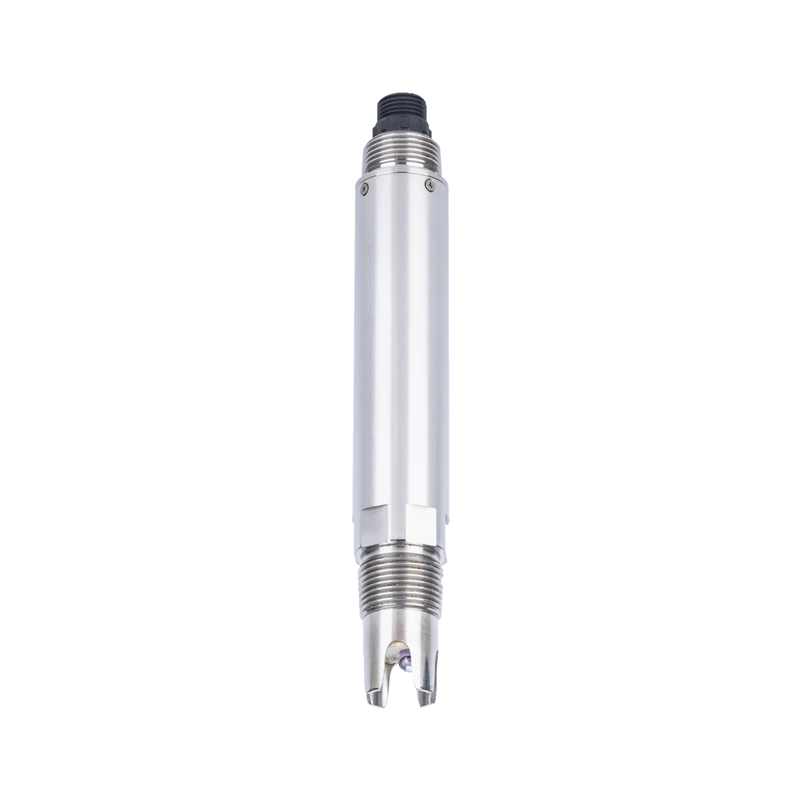
The essence of pH test paper is neutral filter paper impregnated with mixed acid-base indicators. It achieves semi-quantitative estimation of pH value through color differences produced by structural changes of indicators at different hydrogen ion concentrations.
Common mixed indicator combinations include:
Methyl red (color change range pH 4.2 red ~ 6.2 yellow)
Bromocresol green (color change range pH 3.6 yellow ~ 5.4 green)
Bromothymol blue (color change range pH 6.7 yellow ~ 7.5 blue)
After mixing these indicators in certain proportions, they can cover the common range of pH 4.5~9.0. A typical example is phenolphthalein: orange in strong acid (such as concentrated H₂SO₄); purplish red in dilute alkali; purplish red disappears rapidly in concentrated alkali (>2 mol/L NaOH), reflecting the transition of its molecular structure between lactone and quinone forms at different pH, resulting in changes in absorption spectra.
Engineering Application Characteristics:
Advantages: No power supply required, low cost, easy to carry, suitable for preliminary on-site screening.
Limitations: Low resolution (usually 0.5~1 pH unit), large subjective color reading error, inability to record continuously, significantly affected by temperature and interfering ions, not suitable for high turbidity or colored solutions.
In industrial projects, pH test paper is mostly used for emergency troubleshooting or auxiliary verification and cannot meet the requirements of process control and data traceability. System integrators usually use it as a backup method rather than core monitoring equipment in the scheme design stage.
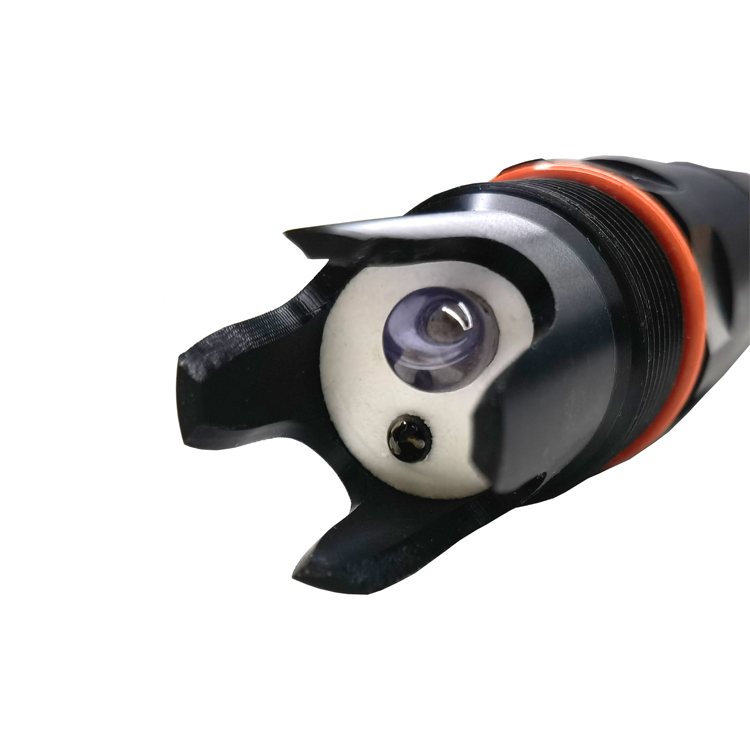
Industrial online pH sensors mainly adopt the glass electrode method (ion selective electrode, ISE), measuring solution pH value based on the potential difference generated by selective permeation of hydrogen ions through the glass membrane.
Core Structure:
Measuring electrode (glass electrode): Made of special pH-sensitive glass membrane into a thin-walled bulb or flat surface, filled with pH 7 buffer solution (containing fixed H⁺ concentration). The silicate structure on the glass membrane surface can selectively adsorb H⁺ to form a phase boundary potential.
Reference electrode: Provides a stable reference potential, usually Ag/AgCl electrode, filled with saturated KCl solution, and contacts the test solution through a liquid junction (ceramic or fiber).
Temperature sensor: Built-in Pt1000 or other elements to achieve automatic temperature compensation (ATC), because pH value is related to temperature (neutral water pH is 7 at 25℃, and Kw changes with temperature).
Working Principle:
When the glass electrode is immersed in the test solution, the difference in H⁺ activity inside and outside the membrane generates a potential difference (described by the Nernst equation: E = E₀ - (2.303RT/F)·pH, where R is the gas constant, T is the thermodynamic temperature, and F is the Faraday constant). This potential difference is compared with the reference electrode potential and converted into pH value output by the transmitter. The typical slope is -59.16 mV/pH (25℃).
Compared with the color change of pH test paper, the glass electrode method provides millivolt-level precise signals, supports 0.01 pH resolution, and has a response time usually<30 s, making it suitable for continuous online applications. Modern sensors also integrate anti-interference designs to reduce sodium ion error (at high temperature and high pH), protein contamination, or sulfide effects.
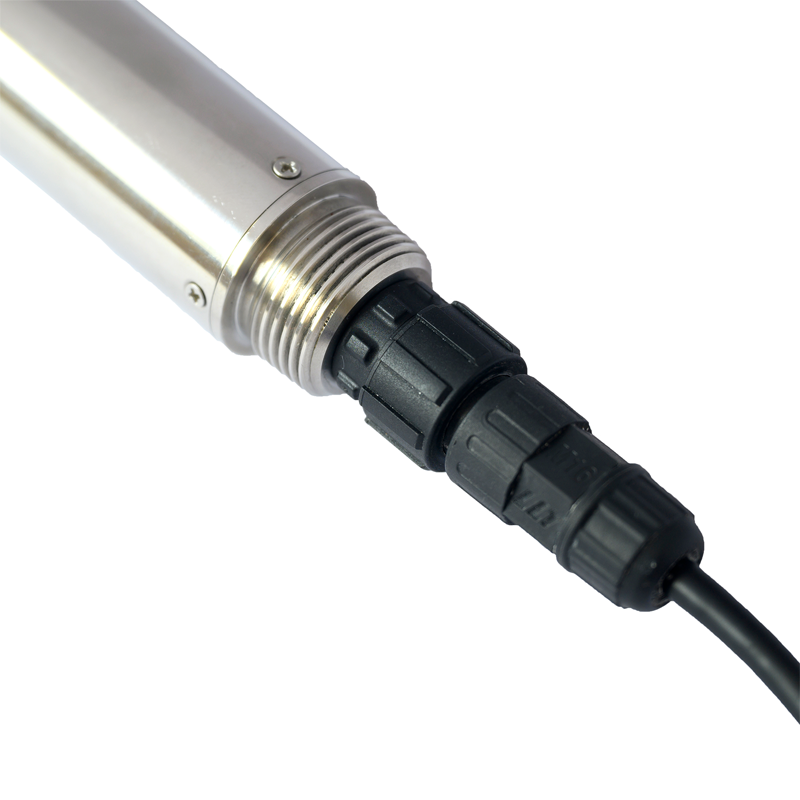
pH test paper is suitable for one-time qualitative detection, while industrial pH sensors are suitable for engineering scenarios requiring accuracy, continuity, and data integration.
Accuracy and Reliability: Test paper is greatly affected by human color reading, temperature, and coexisting ions; sensors can reach within ±0.1 pH after two-point or three-point calibration and support automatic temperature compensation.
Response and Maintenance: Test paper is instant but non-repeatable; sensors respond quickly but require regular cleaning of electrodes, calibration, and attention to glass membrane aging.
Integration: Test paper cannot output signals; sensors support 4-20 mA or RS-485 Modbus RTU, facilitating the construction of distributed monitoring networks.
Applicable Conditions: Test paper is not resistant to strong acids, strong alkalis, or high turbidity; sensors offer optional high-temperature resistant and corrosion-resistant glass formulations and housing materials (PPS, 316L stainless steel, etc.).
In engineering practice, system integrators often use sensors as the main monitoring method and test paper as an auxiliary tool for calibration verification.
Wastewater treatment and denitrification process: Aeration tank pH is controlled in the 7.0-8.5 range, affecting nitrifying bacteria activity. Online pH data is linked with DO and ammonia nitrogen to optimize aeration and alkali dosing, preventing low pH from inhibiting nitrification or high pH from causing free ammonia inhibition.
Boiler feedwater and cooling water systems: Feedwater pH is usually controlled at 8.5-9.5 to prevent oxygen corrosion and scaling. In high-purity water with low conductivity conditions, special low-resistance glass electrodes are required, combined with dissolved oxygen monitoring to achieve combined deoxygenation and pH control.
Chemical and high-salt wastewater treatment: Precise pH control in reaction kettles affects yield and safety. High-salt or organic solvent-containing media require sensors that are pollution-resistant and chemically corrosion-resistant. Monitor pH before membrane concentration or evaporation units to reduce scaling risks.
Other scenarios: pharmaceutical fermentation, food processing, printing and dyeing wastewater, rural drinking water treatment, etc. System integrators can customize installation methods according to media characteristics (temperature, pressure, viscosity, interfering ions): submersible, flow-through, insertion, or retractable.
NiuBoL pH sensors support multi-parameter integration (such as pH + ORP + temperature), facilitating the construction of full-process water quality monitoring stations.
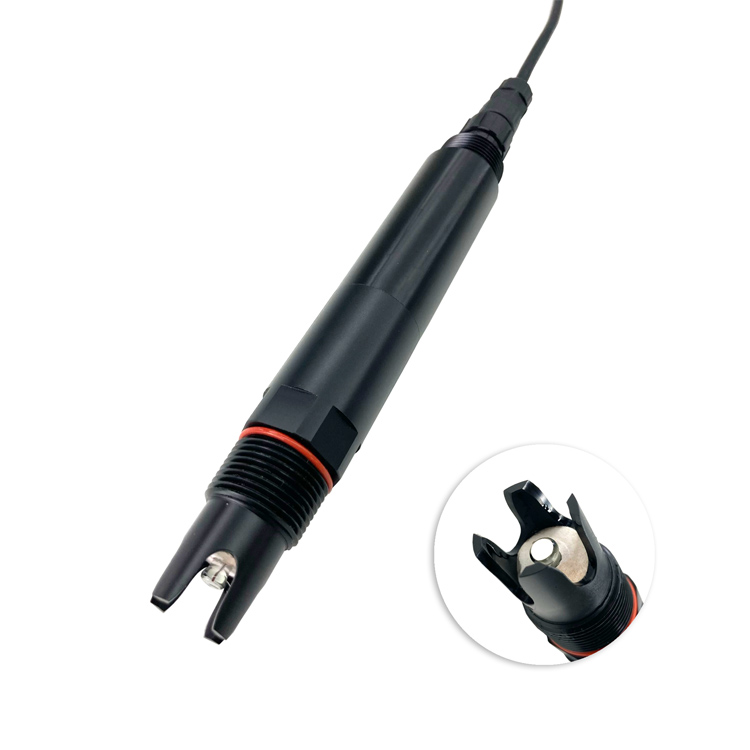
| Item | Parameter Value |
|---|---|
| Measurement Principle | Glass electrode method (ISE) |
| Range | 0~14 pH |
| Resolution | 0.01 pH |
| Accuracy | ±0.1 pH (after calibration) |
| Response Time | <30 s |
| Temperature Compensation | Automatic (Pt1000), 0~80℃ (higher optional) |
| Output Mode | RS-485 (Modbus RTU), optional 4-20 mA |
| Power Supply | 12~24 V DC |
| Protection Rating | IP68 |
| Housing Material | PPS, 316L stainless steel, etc. |
| Installation Method | Submersible, flow-through, 3/4 NPT interface |
| Working Pressure | ≤0.6 MPa (standard type) |
| Electrode Life | 6~24 months (depending on working conditions) |
(Note: Specific models can customize glass formulations and reference electrode types according to media corrosiveness, temperature, and conductivity.)
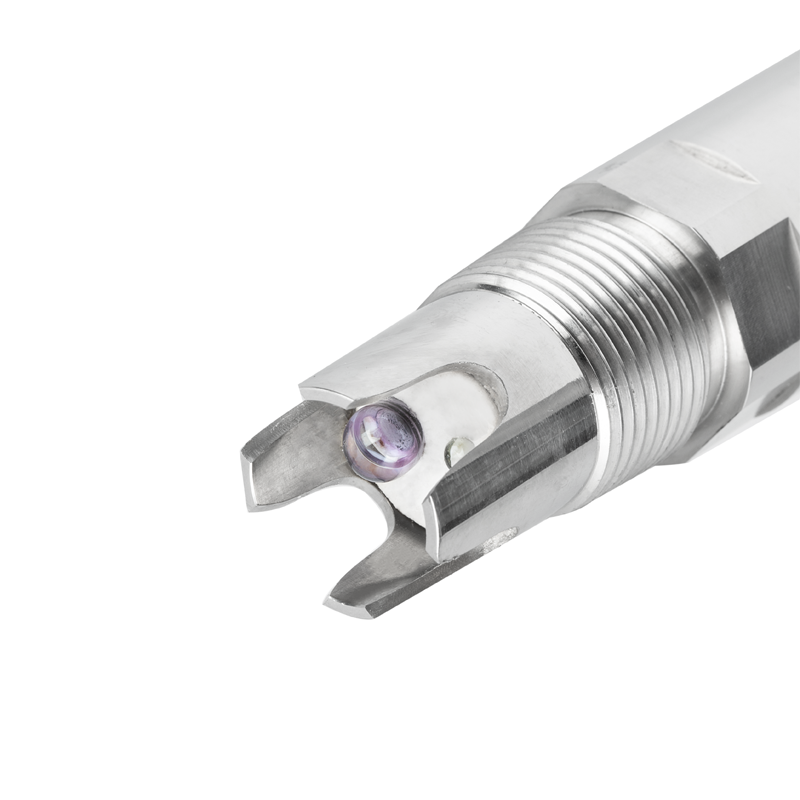
Selection Points (from the perspective of system integrators):
1. Media characteristic matching: High turbidity/high sludge — select flat glass or self-cleaning type; high-purity water/low conductivity — select low-resistance glass; high temperature (>80℃) or strong alkali — select special alkali-resistant glass.
2. Installation method: Submersible type is suitable for tank bodies; flow-through type is suitable for pipeline bypasses and facilitates maintenance without shutdown; retractable type is suitable for high-pressure or frequent replacement occasions.
3. Output and protocol: RS-485 Modbus RTU is preferred to support distributed deployment and host computer integration.
4. Temperature and pressure range: Confirm site conditions and reserve temperature compensation function.
5. Interference protection: Evaluate the impact of sodium error, sulfides, proteins, etc., and select corresponding reference electrode structures.
6. Life cycle cost: Focus on electrode replacement frequency, calibration cycle, and spare parts availability.
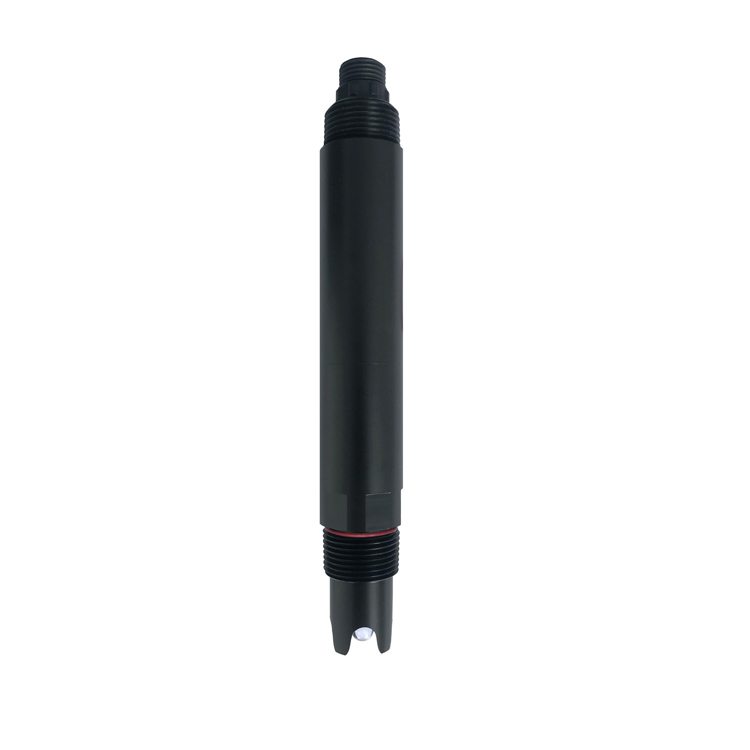
Integration Precautions:
Installation location: Avoid dead corners, bubbles, and strong flow impact; reserve sufficient immersion depth.
Signal transmission: Use shielded cables for long-distance wiring, pay attention to grounding and lightning protection.
Calibration management: Use pH 4.00, 6.86, 9.18 standard buffer solutions for two-point or three-point calibration, and record slope and zero point trends.
Maintenance strategy: Regularly clean the glass membrane (avoid scratches), check liquid junction contamination; configure automatic cleaning devices for high-pollution conditions.
Multi-parameter linkage: Combine pH data with ORP, DO, and conductivity to achieve advanced process control algorithms.
Redundancy design: Set main and backup sensors at key control points to improve system reliability.
Before project implementation, it is recommended to conduct on-site water quality laboratory tests to verify sensor performance and compatibility.
Q1: How to use pH test paper and industrial online pH sensors together in engineering projects?
A1: pH test paper is suitable for rapid on-site screening and preliminary verification, while industrial pH sensors are used for continuous process control and data recording. Sensor data can serve as a reference benchmark for test paper readings.
Q2: What is the main challenge of glass electrode pH sensors in high-salt wastewater?
A2: High-salt environments are prone to sodium error and liquid junction contamination. During selection, priority should be given to models that support salinity compensation or special reference electrodes.
Q3: What special requirements does boiler feedwater pH monitoring have for sensors?
A3: Low-conductivity adaptive electrodes are required, supporting precise temperature compensation. The range should focus on covering the 8.0-10.0 interval to ensure corrosion protection control accuracy.
Q4: How to integrate NiuBoL pH sensors into existing SCADA systems?
A4: Directly read registers via RS-485 Modbus RTU protocol, supporting standard pH value, temperature, and diagnostic information transmission without complex conversion.
Q5: How is the calibration cycle of pH sensors generally determined?
A5: Under normal conditions, calibrate every 1-3 months; in high-pollution or high-temperature environments, shorten to monthly; judge electrode aging through slope trends.
Q6: What is the typical setpoint range for pH control in sewage treatment aeration tanks?
A6: Nitrification processes are usually controlled at 7.0-8.5. Specific values need to be optimized on site in combination with ammonia nitrogen removal rate and alkalinity consumption.
Q7: How to evaluate the long-term operating cost of pH sensors during selection?
A7: Comprehensively consider initial purchase, electrode replacement frequency, maintenance labor, downtime losses, and compatibility. Modular design and long-life electrodes can reduce total cost of ownership.
Q8: How to select pH sensors under high-temperature or strong corrosion conditions?
A8: Choose high-temperature resistant glass formulations and chemically corrosion-resistant housings (such as PPS or special alloys), and confirm pressure and temperature ratings; use retractable installation methods when necessary.
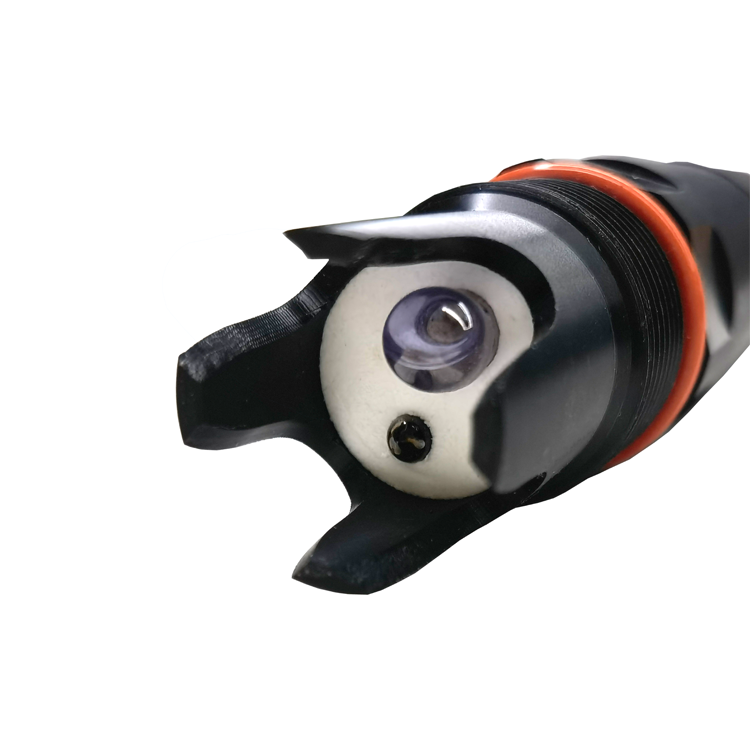
pH value is a core parameter in industrial water treatment and process control. pH test paper provides a simple qualitative means, while industrial online pH sensors based on the glass electrode principle achieve high-precision, continuous monitoring and data integration, meeting the needs of system integrators for process optimization, equipment protection, and environmental compliance.
The NiuBoL pH sensor series provides practical engineering options for IoT solution providers and project contractors with reliable measurement principles, flexible installation methods, and good communication protocols. In projects such as wastewater treatment, boiler systems, and chemical processes, precise pH monitoring can significantly improve operational stability and efficiency. If you need sensor selection consultation, scheme design support, or on-site application verification, please contact the NiuBoL professional team to jointly promote the reliable implementation of water treatment and process control projects.
 NBL-PHG-406-S online Water Quality pH Sensor.pdf
Related recommendations
Sensors & Weather Stations Catalog
Agriculture Sensors and Weather Stations Catalog-NiuBoL.pdf
Weather Stations Catalog-NiuBoL.pdf
Agriculture Sensors Catalog-NiuBoL.pdf
Water Quality Sensor Catalog-NiuBoL.pdf
Related products
 Combined air temperature and relative humidity sensor
 Soil Moisture Temperature sensor for irrigation|NBL-S-THR
 Soil pH sensor RS485 soil Testing instrument soil ph meter for agriculture |NBL-S-PH
 Wind Speed sensor Output Modbus/RS485/Analog/0-5V/4-20mA
 Tipping bucket rain gauge for weather monitoring auto rainfall sensor RS485/Outdoor/stainless steel
 Pyranometer Solar Radiation Sensor 4-20mA/RS485

Screenshot, WhatsApp to identify the QR code
WhatsApp number:+8615367865107
(Click on WhatsApp to copy and add friends)

