





— Blogs —
—Products—
 Consumer hotline +8618073152920
 WhatsApp:+8615367865107
Address:Room 102, District D, Houhu Industrial Park, Yuelu District, Changsha City, Hunan Province, China
Product knowledge
Time:2026-04-25 17:07:07 Popularity:458
In industrial fields such as electroplating, metallurgy, and coking, the safe treatment of cyanide-containing wastewater is the bottom line of environmental compliance. The high toxicity of cyanide subjects its discharge to strict control. For professional teams responsible for system integration, engineering implementation, and operation and maintenance, building an efficient, stable, and economical water treatment system depends not only on mature alkaline chlorination processes but also on precise monitoring and intelligent control of key water quality parameters. This article focuses on the core of the process, deeply analyzes the process control logic of pH and oxidation-reduction potential (ORP), and explains the verification value of online cyanide analyzers, providing professional reference for your project design and equipment selection.
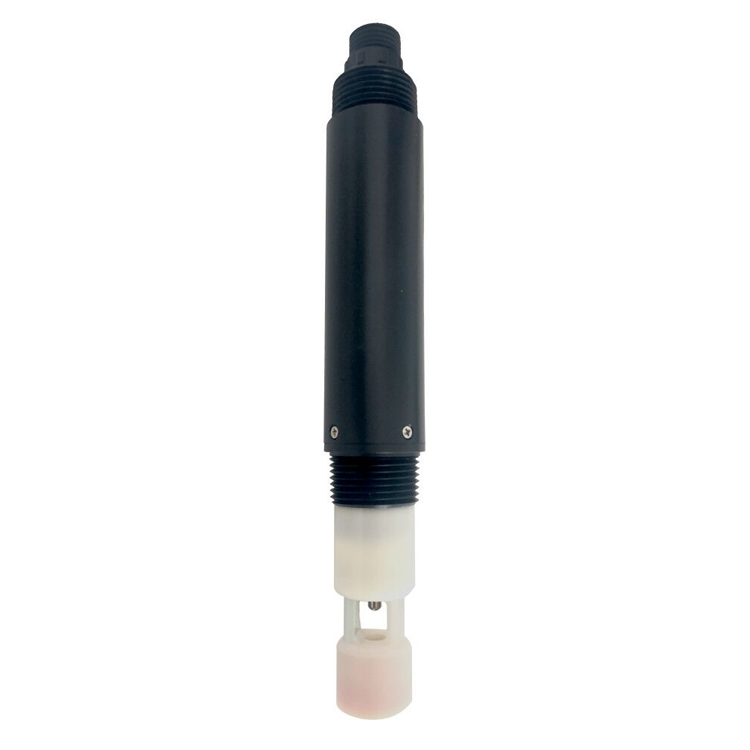
The alkaline chlorination method is the mainstream method for treating free cyanide and some complex cyanides. It completely converts cyanide ions (CN⁻) into non-toxic carbon dioxide and nitrogen through stepwise oxidation. The entire process has strict requirements for the precision of reaction conditions.
Under strongly alkaline conditions (pH > 11), cyanide is oxidized by hypochlorite to cyanate with significantly reduced toxicity. The core risk in this stage lies in pH control. If pH falls below 10, highly toxic cyanogen chloride (CNCl) gas will be generated. At the same time, unsatisfactory pH will significantly reduce the reaction rate, leading to excessive dosing of oxidants (such as sodium hypochlorite) and increased operating costs.
This stage occurs in a near-neutral pH environment (usually 7.5-8.0), further hydrolyzing the cyanate. The control focus is to provide sufficient reaction residence time and appropriate acidic conditions to ensure complete reaction.
To achieve automated and refined operation of the process, real-time feedback control of the reaction process must rely on online sensors.
pH is the "baton" directing the alkaline chlorination reaction. A typical two-stage treatment system requires at least two high-performance pH sensors:
First-stage pH sensor: Ensures the reaction proceeds in a safe and efficient strongly alkaline range (pH 11-12), preventing the generation of highly toxic intermediates and optimizing reaction kinetics.
Second-stage pH sensor: Monitors and maintains the optimal pH environment for cyanate hydrolysis.
Selection Recommendations: Industrial wastewater has complex composition and is prone to poisoning and failure of the sensor reference system. It is essential to select industrial-grade pH sensors with anti-fouling and anti-clogging diffusion diaphragms (such as PTFE) and anti-poisoning reference junctions (such as annular Teflon diaphragms and pressurizable electrolyte) to significantly extend the maintenance cycle and ensure continuous and reliable data.
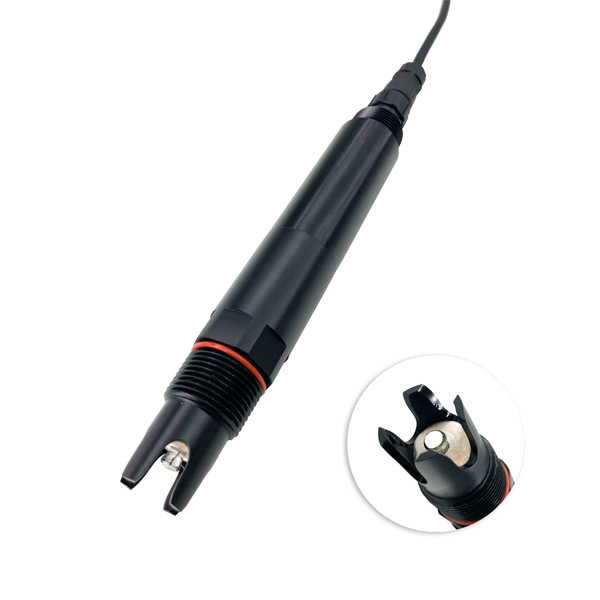
Oxidation-reduction potential (ORP) directly reflects the redox state of the solution and is a key parameter for tracking reaction progress and achieving optimized dosing control.
Control Logic: As the oxidation reaction proceeds, the ORP value gradually increases. When the reactants (cyanide or cyanate) are nearly exhausted, the rising curve of the ORP value will enter an obvious "plateau period". Monitoring the arrival of this plateau period allows intelligent judgment of the reaction endpoint, automatic adjustment or stopping of dosing, and avoidance of waste.
Typical Control Ranges:
| Reaction Stage | Recommended pH Control Range | Typical ORP Plateau Range (mV) | Main Monitoring Objective |
|---|---|---|---|
| First Stage | 11.0 - 12.0 | +350 to +450 | Ensure complete conversion of cyanide and prevent CNCl generation. |
| Second Stage | 7.5 - 8.0 | +600 to +750 | Ensure cyanate is completely decomposed to achieve safe effluent. |
Note: Specific ORP values vary depending on water quality and electrodes and require on-site calibration.
Selection Recommendations: For media containing chlorine-based oxidants, ORP sensors with gold ring electrodes are recommended. Compared to platinum electrodes, gold electrodes offer more sensitive and stable response and more accurate measurement in such applications, providing high-quality signals for precise metering pump control.
Monitoring of process parameters (pH/ORP) ensures "correct reaction conditions" and "completed reaction progress", but whether the effluent absolutely meets standards requires more direct evidence. Online cyanide analyzers are the "arbitrator" of final water quality and the "verifier" of process reliability.
Mainstream online cyanide analyzers use the colorimetric method. The automated measurement cycle usually includes the following steps:
1. Sampling and preparation: Quantitatively collect water samples and rinse the reaction cell.
2. Interference masking and reference measurement: Add masking agents to eliminate interference from residual chlorine, sulfides, etc., and perform the first photometric measurement to obtain the background value.
3. Color development reaction and measurement: Add specific chromogenic reagents and perform the second photometric measurement after the reaction is complete.
4. Calculation and output: The instrument automatically calculates the cyanide concentration based on the difference in absorbance between the two measurements and the calibration curve, and outputs it through signals such as 4-20mA or Modbus.
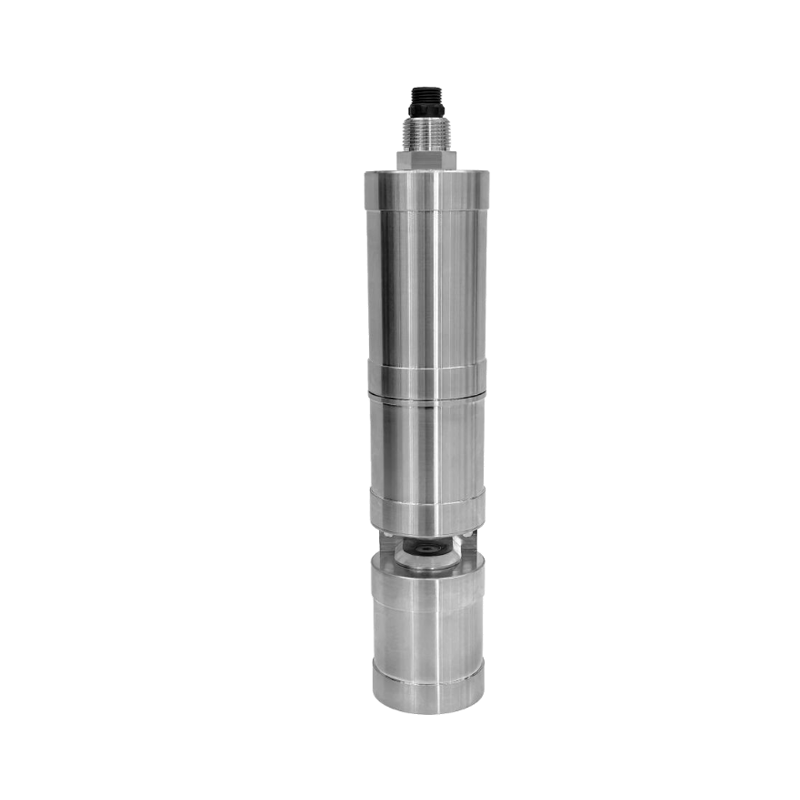
Deploying online analyzers at the following nodes can greatly improve the technical level and management of the system:
Final discharge outlet monitoring: Continuously monitor total cyanide concentration to ensure compliance with regulations such as the Integrated Wastewater Discharge Standard (GB 8978-1996) (e.g., 0.5 mg/L limit) and provide data-based compliance proof.
Process verification points: Installed after two-stage oxidation to verify the effectiveness of front-end treatment in real time and provide a basis for process fine-tuning.
Inlet monitoring and pre-control: For scenarios with large fluctuations in inlet concentration, monitoring inlet concentration can be used to achieve feedforward control, optimize dosing strategies, and save costs.
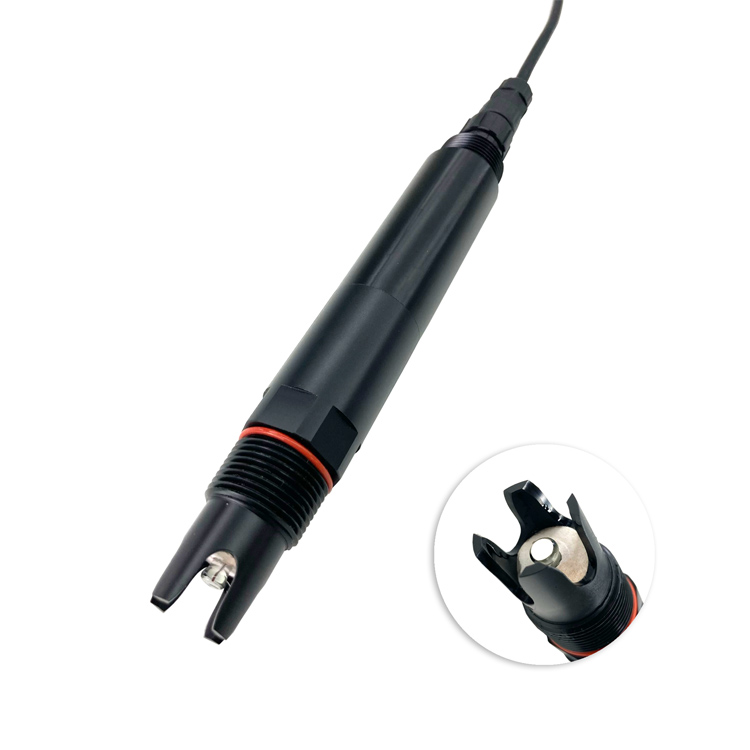
NiuBoL is committed to providing reliable and precise monitoring instruments for industrial water treatment. We understand engineering projects' pursuit of long-term equipment stability, data accuracy, and low maintenance costs.
Core product support for cyanide wastewater treatment scenarios:
| Product Category | Core Features | Value Created for Engineering |
|---|---|---|
| Industrial pH/ORP Sensors | Anti-fouling structure, anti-poisoning reference system; ORP sensors equipped with high-sensitivity gold ring electrodes. | Extend calibration and maintenance cycles, reduce long-term operation and maintenance costs; stable signals ensure reliability of automatic control loops. |
| Multi-parameter Controllers | Dual-channel input, can simultaneously receive and display pH and ORP; built-in PID control algorithms, support relay control output. | High integration, saves control cabinet space and wiring costs; simplifies system programming and debugging. |
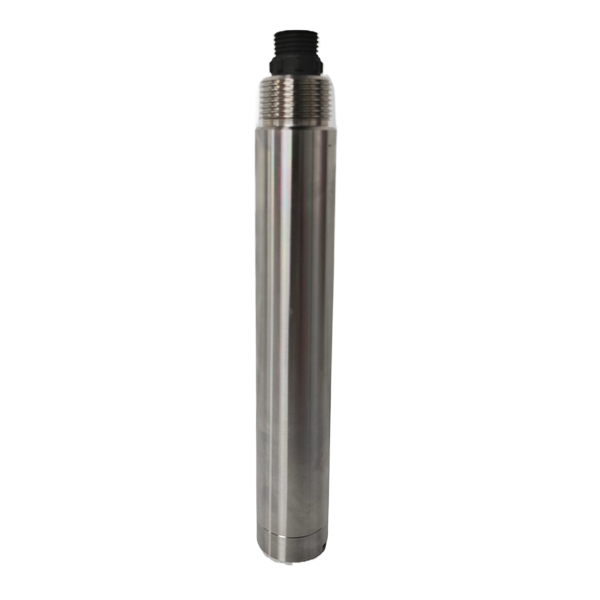
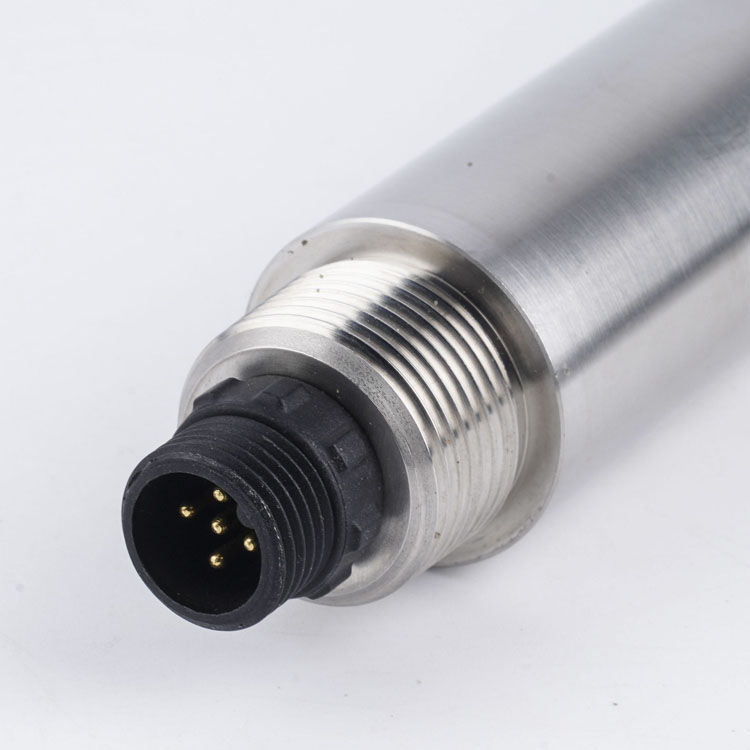
| Online Cyanide Analyzers | Based on standard colorimetric method, automatic operation, cleaning and calibration; with data storage and communication functions, supports remote monitoring. | Provides authoritative verification data for end treatment, meets environmental regulatory requirements; reduces manual laboratory testing frequency and achieves intelligent management. |
Our products are designed to be robust and durable, adapted to harsh industrial environments, and equipped with clear data interfaces and diagnostic functions. We aim to become your trusted partner through reliable products and professional technical support to jointly build efficient and compliant wastewater treatment systems.
Q1: Why must the pH in the first stage be strictly controlled above 11?
A1: Mainly for dual considerations of safety and efficiency. When pH is below 10, highly toxic and volatile cyanogen chloride (CNCl) gas will be generated, posing a major safety risk. At the same time, a high pH environment is a necessary condition for hypochlorite to effectively oxidize cyanide. Insufficient pH will cause extremely slow reaction rates and result in chemical waste.
Q2: When the ORP value reaches the plateau period, can dosing be stopped and the treatment considered complete?
A2: The ORP plateau period is an important indicator that the reaction is approaching completion and is often used to automatically stop the dosing pump. However, it cannot completely replace quantitative analysis of the final effluent cyanide concentration. Some stable complex cyanides or other reducing substances in water may affect ORP readings. Therefore, ORP is used for process control optimization, while online analyzers are used for final concentration verification. The combination of both is the best practice.
Q3: What are the advantages of gold electrode ORP sensors compared to platinum electrodes?
A3: In solutions containing chlorine-based oxidants (such as sodium hypochlorite), the gold electrode surface is more stable and less prone to forming oxide films, so the potential response is faster, more stable, and has better reproducibility. This provides a more reliable measurement basis for precise dosing control based on ORP.
Q4: Can the measurement frequency of online cyanide analyzers meet sudden pollution warning needs?
A4: The measurement cycle of online analyzers is usually 15-30 minutes per cycle. Its main value lies in continuous compliance monitoring and process trend analysis rather than second-level warnings. For sudden inlet exceedances, rapid adjustment of dosing should rely on front-end pH/ORP process control. The role of the analyzer is to provide precise data verified by chemical methods to confirm long-term stable compliance.
Q5: What site conditions need to be considered when integrating online analyzers?
A5: Planning is required for: representative sampling points (no bubbles, few suspended solids); stable power supply; clean instrument air source (for driving pneumatic components); appropriate space for placing reagents and waste liquid; and channels to connect 4-20mA or digital signals to PLC/DCS systems.
Q6: How to treat wastewater containing stable complex cyanides such as iron cyanide?
A6: The standard alkaline chlorination method has limited treatment effect on stable complexes such as ferricyanide and ferrocyanide. Such wastewater requires more advanced pretreatment technologies, such as acid recovery, ozone, or Fenton advanced oxidation processes for complex breaking. Comprehensive analysis of wastewater composition must be carried out in the early stage of the project.
Q7: What is the expected service life and maintenance points of sensors in cyanide wastewater?
A7: Under good maintenance, sensor life is usually 1-2 years. Key maintenance includes: regular (e.g., monthly) cleaning of electrode bulbs with mild acid or special cleaning solutions; regular inspection and replenishment of reference electrolyte; ensuring sensors are installed in representative flowing sampling pools to avoid scaling or clogging.
Q8: As an integrator, what non-price factors should be focused on when selecting a water quality analysis supplier?
A8: Focus on: 1) Product reliability: MTBF (mean time between failures), environmental adaptability (IP rating, operating temperature); 2) Application support: Whether the supplier has rich industry application experience and can provide on-site debugging support and emergency response; 3) System compatibility: Whether output signals and communication protocols (such as Modbus, Profinet) seamlessly interface with your control system; 4) Life cycle cost: Including reagent consumables cost, sensor replacement cycle, and complexity of calibration and maintenance.
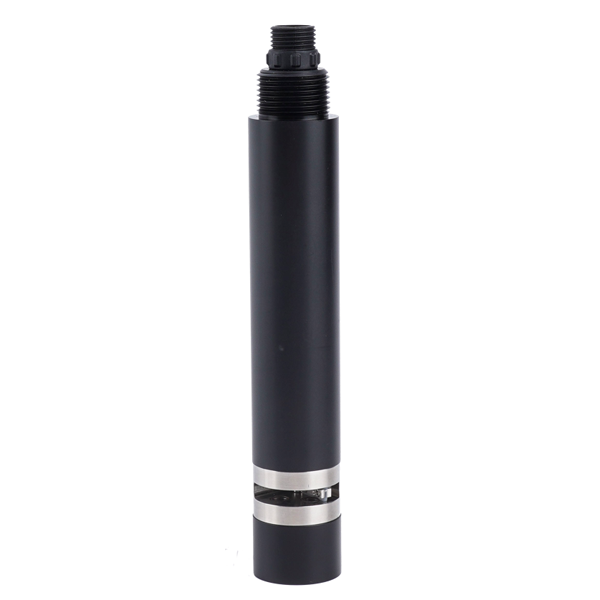
The treatment of industrial cyanide wastewater has moved from extensive treatment to a data-driven era of precise control. Real-time monitoring of pH and ORP forms the core closed loop of process automation control, directly related to operational safety and cost-effectiveness. Online cyanide analyzers provide objective and continuous quantitative verification for final discharge water quality and are essential tools for achieving intelligent management and responding to strict regulations.
For system integrators and engineering companies, selecting high-quality monitoring equipment with precise measurement, stable operation, and convenient maintenance is a strategic investment to enhance project technical added value, ensure long-term stable operation, and win customer trust. Only by deeply integrating reliable monitoring instruments with reasonable process design can an efficient, compliant, and economical cyanide wastewater treatment solution be built.
 NBL-RDO-206 Online Fluorescence Dissolved Oxygen Sensor.pdf
NBL-COD-208 Online COD Water Quality Sensor.pdf
NBL-CL-206 Water Quality Sensor Online Residual Chlorine Sensor.pdf
NBL-DDM-206 Online Water Quality Conductivity Sensor.pdf
Related recommendations
Sensors & Weather Stations Catalog
Agriculture Sensors and Weather Stations Catalog-NiuBoL.pdf
Weather Stations Catalog-NiuBoL.pdf
Agriculture Sensors Catalog-NiuBoL.pdf
Water Quality Sensor Catalog-NiuBoL.pdf
Related products
 Combined air temperature and relative humidity sensor
 Soil Moisture Temperature sensor for irrigation|NBL-S-THR
 Soil pH sensor RS485 soil Testing instrument soil ph meter for agriculture |NBL-S-PH
 Wind Speed sensor Output Modbus/RS485/Analog/0-5V/4-20mA
 Tipping bucket rain gauge for weather monitoring auto rainfall sensor RS485/Outdoor/stainless steel
 Pyranometer Solar Radiation Sensor 4-20mA/RS485

Screenshot, WhatsApp to identify the QR code
WhatsApp number:+8615367865107
(Click on WhatsApp to copy and add friends)

