





— Blogs —
—Products—
 Consumer hotline +8618073152920
 WhatsApp:+8615367865107
Address:Room 102, District D, Houhu Industrial Park, Yuelu District, Changsha City, Hunan Province, China
Product knowledge
Time:2026-04-25 17:03:07 Popularity:359
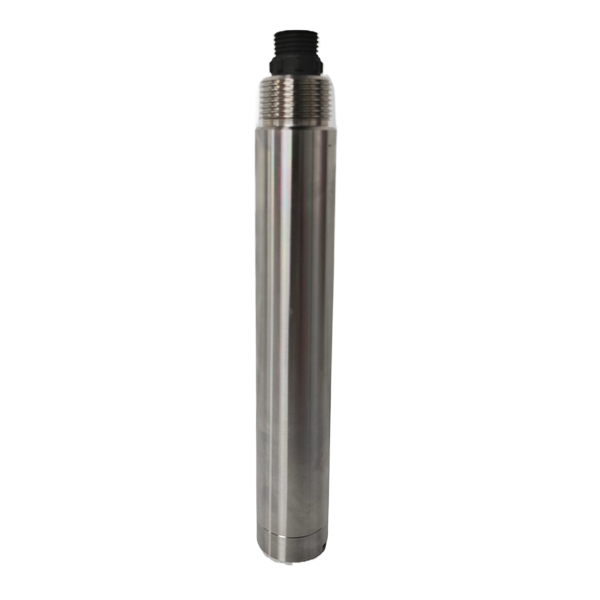
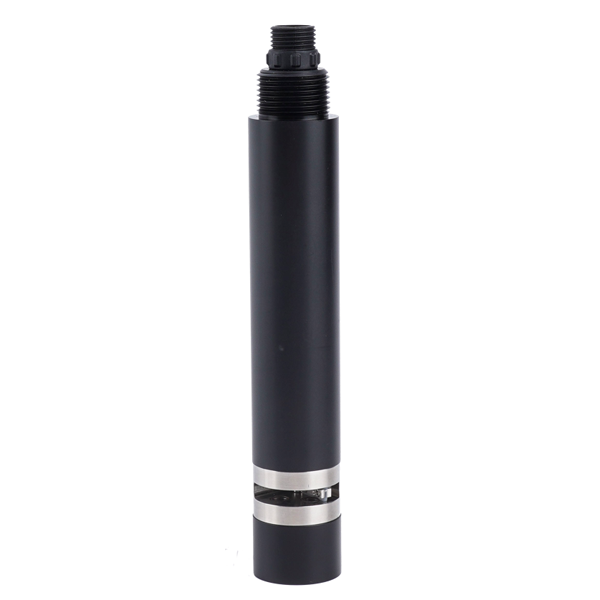
In industrial water treatment systems, dissolved oxygen (DO) is a core process control parameter that directly affects biological treatment efficiency, aeration energy consumption, corrosion risk, and effluent compliance. In activated sludge processes, A²/O processes, MBR systems, and boiler feedwater deoxygenation stages, precise monitoring and control of DO levels are key for system integrators and engineering companies to optimize operating costs and ensure process stability. The NiuBoL RDO-206 integrated online fluorescence dissolved oxygen sensor features low maintenance and high stability, suitable for continuous online monitoring under complex working conditions. It supports Modbus RTU protocol for easy integration into PLC, SCADA, or IoT platforms.
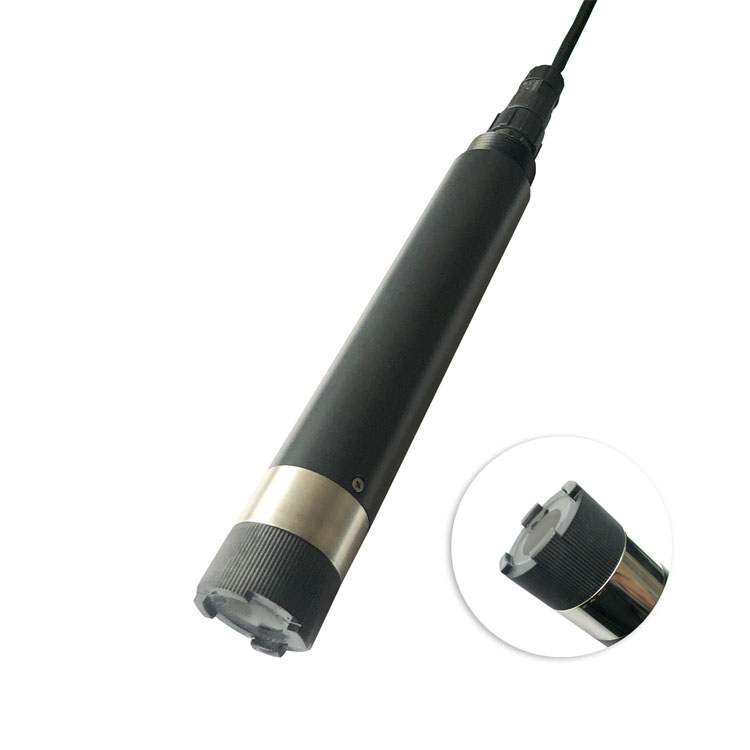
In municipal wastewater treatment and industrial wastewater treatment, DO directly determines the metabolic activity of aerobic microorganisms. Organic matter degradation and nitrification reactions both require a suitable dissolved oxygen environment. The typical DO control range in aeration tanks is 1.5-3.0 mg/L. Low DO can lead to incomplete nitrification and ammonia nitrogen exceedance; excessively high DO increases aeration energy consumption and may cause sludge aging or filamentous bacteria bulking.
For low C/N ratio influent, appropriately lowering DO in the aerobic section can improve carbon source utilization, achieve simultaneous nitrification and denitrification, and reduce external carbon source dosing. In high organic load wastewater treatment projects such as petrochemical, coal chemical, and pharmaceutical industries, DO monitoring data is used to optimize aeration fan variable frequency control, significantly reducing energy consumption per ton of water.
In boiler feedwater systems, DO is the main factor causing oxygen corrosion. High-pressure boilers require feedwater DO below 0.007 mg/L, while low-pressure boilers are usually controlled below 2.0 mg/L. Excessive dissolved oxygen will accelerate pitting corrosion of carbon steel pipelines and equipment, shortening equipment life. Therefore, boiler water treatment stations need to install online DO monitoring points at the deaerator outlet and feedwater main pipe, linking with dosing systems to achieve closed-loop control.
In high-salt wastewater treatment (such as the previously mentioned coal chemical, pharmaceutical, and pesticide wastewater), biological enhancement sections or membrane bioreactors (MBR) also rely on DO monitoring. Increased salinity affects oxygen transfer efficiency. Precise DO data helps adjust aeration intensity, maintain microbial activity, and reduce membrane fouling risks.
From the perspective of system integrators, DO sensors are not only monitoring devices but also process optimization nodes. Real-time DO data can be connected to the host computer to achieve PID or fuzzy control. Combined with multiple parameters such as flow, pH, and ORP, multi-variable optimization models can be built to improve overall system operating efficiency and compliance.
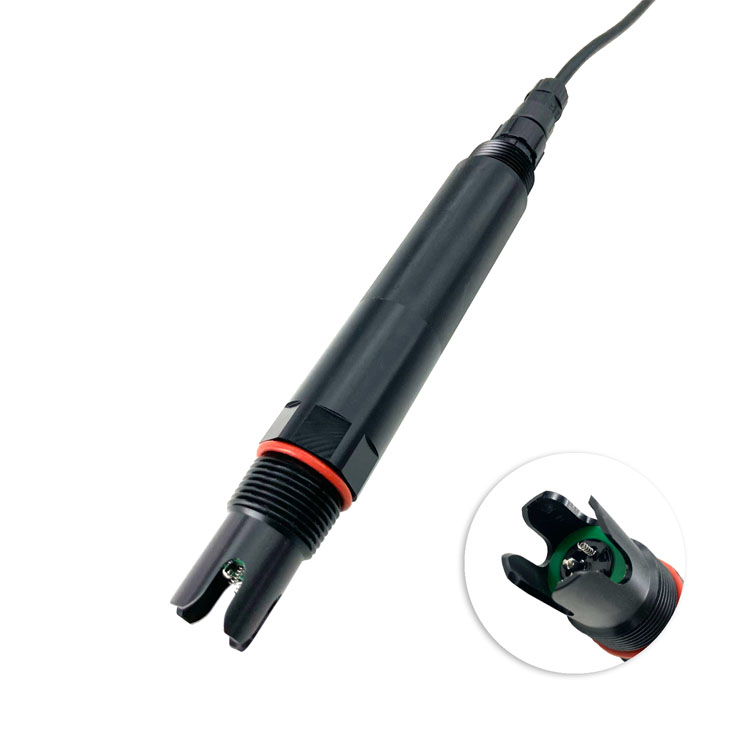
Traditional dissolved oxygen measurement mainly uses electrochemical methods (polarographic or galvanic), which require regular replacement of electrolyte and membrane heads. They are susceptible to interference from flow rate, sulfides, etc., and have high maintenance frequency and obvious data drift in high-sludge or high-salt conditions.
The fluorescence method (optical method) is based on the dynamic quenching principle of oxygen molecules on fluorescent substances, calculating DO concentration by detecting fluorescence lifetime or phase difference. The NiuBoL RDO-206 integrated online fluorescence dissolved oxygen sensor does not consume oxygen, is unaffected by flow rate, has no electrolyte or polarization, and has strong resistance to chemical interference such as sulfides. It is particularly suitable for harsh environments such as industrial wastewater.
Main Advantages:
Easy maintenance: Fluorescence membrane head life is about 1 year, easy to replace, no need for frequent calibration and electrolyte replacement.
Stable measurement: Small drift, fast response (T90 <30s), built-in temperature and salinity compensation, more accurate output values.
Flexible installation: Submersible installation, IP68 protection, suitable for long-term immersion monitoring.
Integration-friendly: RS-485 interface, supports Modbus/RTU protocol, low power consumption design, convenient for distributed IoT deployment.
Compared with the polarographic method, the fluorescence method shows better long-term stability in sewage treatment aeration tanks, high-salt wastewater biological sections, and surface water continuous monitoring, significantly reducing operation and maintenance labor and spare parts costs.
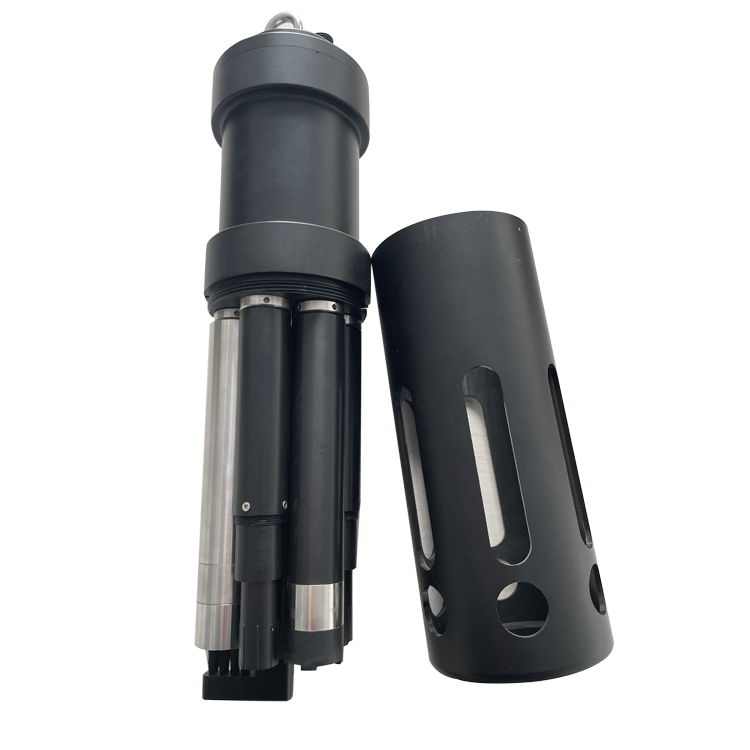
The NBL-RDO-206 sensor adopts the fluorescence quenching principle. After the excitation light irradiates the fluorescence membrane head, the fluorescence extinction time is affected by the oxygen molecule concentration. The oxygen concentration is calculated through phase difference detection and combined with the internal calibration curve, and the output is compensated by temperature and salinity.
Working conditions: 0~50℃, ≤0.2 MPa, suitable for most industrial water treatment sites.
Key Features:
No electrolyte required, no polarization
Does not consume oxygen, unaffected by flow rate
Built-in Pt1000 temperature sensor for automatic temperature compensation
Supports salinity compensation with flexible parameter settings
Not affected by chemical substances such as sulfides
Small drift and fast response
Fluorescence membrane head is easy to replace and simple to maintain
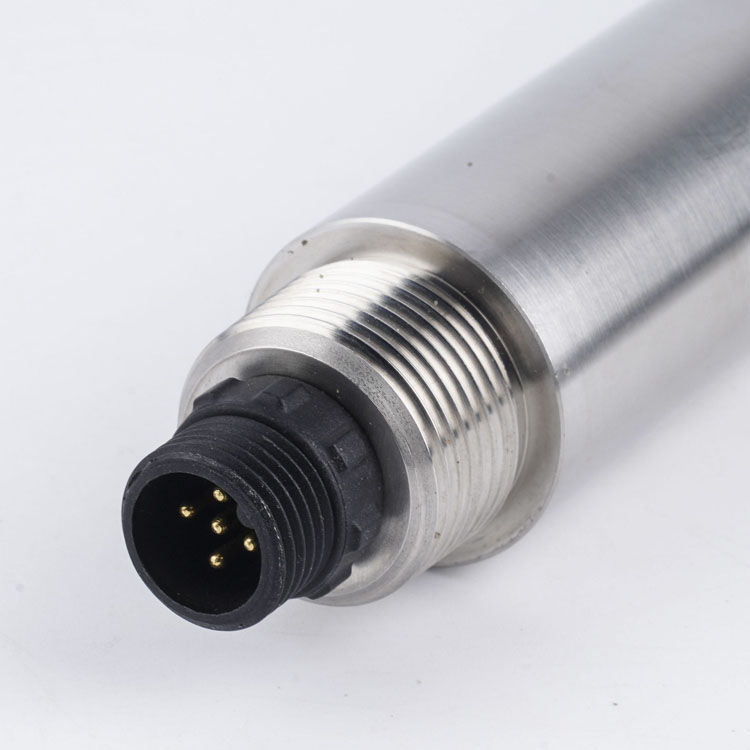
RS-485 interface, Modbus/RTU protocol
Low power consumption and anti-interference design

| Item | Parameter Value |
|---|---|
| Model | NBL-RDO-206 |
| Measurement Principle | Fluorescence method |
| Range | 0~20.00 mg/L (0~200% saturation, 25℃) |
| Resolution | 0.01 mg/L, 0.1℃ |
| Accuracy | ±2%, ±0.3℃ |
| Response Time (T90) | <30s |
| Minimum Detection Limit | 0.08 mg/L |
| Calibration Method | Two-point calibration |
| Temperature Compensation | Automatic temperature compensation (Pt1000) |
| Output Mode | RS-485 (Modbus RTU) |
| Power Supply | 12~24V DC |
| Power Consumption | 0.2W@12V |
| Protection Rating | IP68 |
| Housing Material | POM, ABS/PC alloy, 316L stainless steel |
| Installation Method | Submersible installation, 3/4 NPT |
| Fluorescence Membrane Head Life | 1 year (under normal use) |
| Cable Length | 5 meters (other lengths can be customized) |
| Storage Temperature | -5~65℃ |
| Working Conditions | 0~50℃, ≤0.2MPa |
(Note: Cable length or housing material can be customized according to site conditions in specific applications.)
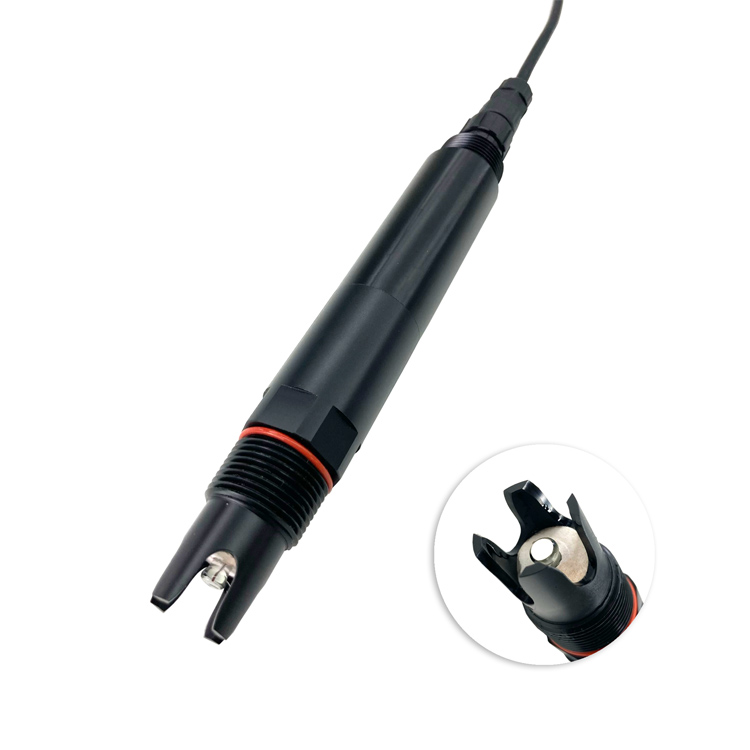
Sewage treatment plant aeration control: Multiple RDO-206 sensors are arranged in activated sludge aeration tanks to collect DO data in real time and upload it to PLC or SCADA systems via Modbus protocol. System integrators can program segmented DO setpoint control (higher at the front to promote organic matter degradation, lower at the back to save energy and facilitate denitrification), combined with fan variable frequency drives to achieve precise aeration and reduce power consumption by 20-40%.
Industrial wastewater biological treatment: In petrochemical, coal chemical, or pharmaceutical wastewater treatment lines, controlling DO at 2-3 mg/L in the aerobic section can balance pollutant removal and energy consumption. In high-salt wastewater projects, the salinity compensation function ensures measurement accuracy and supports stable operation of biological enhancement processes.
Boiler feedwater deoxygenation monitoring: Sensors are installed at the deaerator outlet. DO data is linked with oxygen scavenger dosing or vacuum deaeration systems to prevent oxygen corrosion. In low-range high-precision requirements, multi-parameter monitoring stations can be built in combination with other water quality parameters (such as pH and conductivity).
IoT solutions: The sensor RS-485 output is convenient for connecting to edge gateways or cloud platforms to achieve remote data collection, trend analysis, and alarm push. System integrators can develop predictive maintenance modules to arrange membrane head replacement in advance based on DO drift trends and reduce unplanned downtime.
Selection Points (from the perspective of system integrators):
1. Working condition matching: Fluorescence method is preferred for high-sludge, high-salt, or sulfide-containing wastewater; clean water or boiler feedwater can be evaluated based on accuracy requirements.
2. Range and accuracy: 0-20 mg/L range for conventional wastewater treatment; boiler deoxygenation needs to focus on low-concentration resolution.
3. Output and protocol: RS-485 Modbus RTU is preferred for seamless integration with existing PLC/SCADA; 4-20mA conversion module can be added if necessary.
4. Installation and maintenance: Submersible installation should consider flow rate and anti-winding; reserve maintenance space for easy regular cleaning of membrane heads.
5. Compensation function: Built-in temperature and salinity compensation can simplify host computer programs and improve data reliability.
6. Protection and material: IP68 protection, 316L stainless steel option is suitable for corrosive environments.
7. Life cycle cost: Evaluate membrane head replacement cycle and calibration frequency. Fluorescence method usually has lower long-term operation and maintenance costs.
Integration Precautions:
Signal transmission: Shielded cables are recommended for long-distance wiring, with attention to grounding and anti-interference measures.
Multi-point monitoring: Set multiple sensors at different depths or areas of the aeration tank to form a DO distribution profile and optimize aerator layout.
Calibration management: Although drift is small, two-point calibration (zero point and saturation point) is still recommended every 6-12 months, and historical data should be recorded to track sensor performance.
System redundancy: Main and backup sensor configurations can be considered for key control points to improve system reliability.
Data processing: The host computer needs to verify temperature/salinity compensation to ensure output values are consistent with laboratory comparisons.
Safe installation: In high-pressure or high-temperature environments, confirm that the sensor's working pressure and temperature range meet site conditions.
Engineering companies are advised to complete sensor selection based on water quality laboratory test data and site conditions during project bidding or scheme design stages, and reserve sufficient I/O points to support future expansion.
Q1: What are the main advantages of fluorescence dissolved oxygen sensors compared to polarographic sensors in wastewater treatment?
A1: Fluorescence method requires no electrolyte and frequent membrane head replacement, does not consume oxygen, is unaffected by flow rate and sulfide interference, has a longer maintenance cycle, smaller data drift, and is suitable for long-term continuous online monitoring.
Q2: What is the appropriate DO control range for sewage treatment aeration tanks?
A2: Conventional activated sludge processes recommend controlling the aerobic section at 1.5-3.0 mg/L. Specific values need to be optimized through on-site commissioning in combination with influent C/N ratio, organic load, and denitrification requirements.
Q3: What should be noted for dissolved oxygen monitoring in high-salt wastewater treatment?
A3: Select sensors that support salinity compensation to ensure measurement accuracy; also pay attention to the impact of salinity on oxygen transfer efficiency and adjust aeration intensity in combination with DO data.
Q4: How to connect the RDO-206 sensor to the existing SCADA system?
A4: Directly connect via RS-485 interface using Modbus RTU protocol, supporting standard register reading of DO concentration, temperature and other parameters without additional protocol converters.
Q5: What are the accuracy requirements for boiler feedwater dissolved oxygen monitoring?
A5: High-pressure boilers need to focus on resolution and stability in the low-concentration range (<0.01 mg/L). It is recommended to regularly compare and verify with laboratory methods.
Q6: What factors affect the service life of the fluorescence membrane head?
A6: About 1 year under normal use, affected by water quality pollution level, temperature, and maintenance frequency. It is recommended to regularly check the membrane head surface to avoid physical damage.
Q7: How to achieve linkage control between DO and other parameters in a multi-parameter water quality monitoring station?
A7: Upload DO, pH, ORP, conductivity and other data uniformly to the PLC via Modbus protocol to achieve multi-variable PID or advanced control algorithms and optimize the overall process.
Q8: How to evaluate the long-term operating cost of the sensor during selection?
A8: Comprehensively consider the initial purchase price, membrane head replacement frequency, calibration workload, and downtime losses. Fluorescence method usually shows lower life cycle costs in high-maintenance scenarios.
Dissolved oxygen online monitoring is the core support for industrial water treatment systems to achieve energy saving, process optimization, and stable compliance. The NiuBoL RDO-206 integrated online fluorescence dissolved oxygen sensor provides practical solutions for system integrators, IoT solution providers, and project contractors with its low maintenance, high reliability, and good integration.
In sewage treatment, boiler water treatment, and high-salt wastewater projects, precise DO data can significantly improve system operating efficiency and reduce energy consumption and operation and maintenance costs. Engineering companies are advised to fully consider sensor selection and integration solutions during the project planning stage and complete verification based on site water quality characteristics. If you need technical parameter discussion, prototype testing, or customized integration support, please contact the NiuBoL professional team to jointly promote the reliable implementation of water treatment projects.
 NBL-RDO-206 Online Fluorescence Dissolved Oxygen Sensor.pdf
NBL-COD-208 Online COD Water Quality Sensor.pdf
NBL-CL-206 Water Quality Sensor Online Residual Chlorine Sensor.pdf
NBL-DDM-206 Online Water Quality Conductivity Sensor.pdf
Related recommendations
Sensors & Weather Stations Catalog
Agriculture Sensors and Weather Stations Catalog-NiuBoL.pdf
Weather Stations Catalog-NiuBoL.pdf
Agriculture Sensors Catalog-NiuBoL.pdf
Water Quality Sensor Catalog-NiuBoL.pdf
Related products
 Combined air temperature and relative humidity sensor
 Soil Moisture Temperature sensor for irrigation|NBL-S-THR
 Soil pH sensor RS485 soil Testing instrument soil ph meter for agriculture |NBL-S-PH
 Wind Speed sensor Output Modbus/RS485/Analog/0-5V/4-20mA
 Tipping bucket rain gauge for weather monitoring auto rainfall sensor RS485/Outdoor/stainless steel
 Pyranometer Solar Radiation Sensor 4-20mA/RS485

Screenshot, WhatsApp to identify the QR code
WhatsApp number:+8615367865107
(Click on WhatsApp to copy and add friends)

