





— Blogs —
—Products—
 Consumer hotline +8618073152920
 WhatsApp:+8615367865107
Address:Room 102, District D, Houhu Industrial Park, Yuelu District, Changsha City, Hunan Province, China
Product knowledge
Time:2026-04-25 16:54:13 Popularity:345
In ultra-large-scale industrial wastewater reuse and municipal high-pressure water supply projects, the complexity of chlorination processes is often underestimated. For system integrators and project contractors, simple "chlorination" can no longer meet modern environmental compliance requirements (such as NDMA concentration limits) and process safety needs. How to suppress the formation of disinfection by-products (DBPs) in high organic load environments through precise kinetic control and real-time monitoring technology has become a core indicator for measuring the delivery level of water treatment projects.
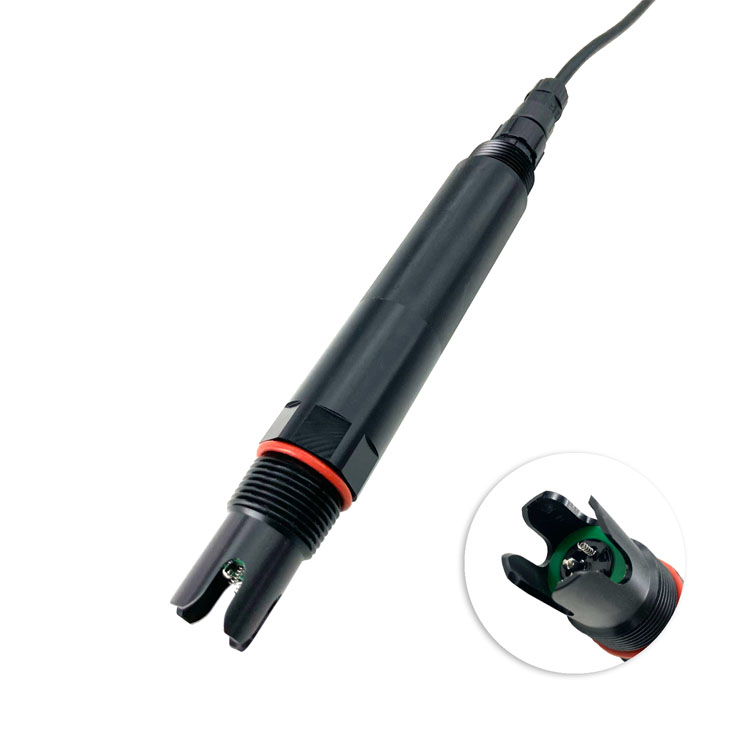
In engineering practice, the first issue that must be addressed is the relationship between "chlorine dosage" and "ammonia nitrogen background value".
In wastewater containing ammonia nitrogen, the relationship between chlorine dosage and residual chlorine is not linear. As chlorine is added, the water quality undergoes the formation of monochloramine and dichloramine until the "breakpoint" is reached. After the breakpoint, the continued addition of chlorine exists in the form of free chlorine (Free Chlorine).
Engineering Challenges: If the system fails to cross the breakpoint, a large amount of combined chlorine will be produced. Although combined chlorine has sustained bactericidal ability, in industrial wastewater containing specific precursors, it is the main cause of the accumulation of strong carcinogenic by-products such as NDMA (N-nitrosodimethylamine).
NiuBoL Solution: Through high-frequency real-time monitoring, the system can accurately locate the breakpoint, avoiding excessive combined chlorine residue caused by insufficient dosing or excessive dosing leading to chemical waste and increased halogenated by-products.
HOCl ⇌ H⁺ + OCl⁻
At pH 6.0, HOCl accounts for approximately 97%; at pH 8.5, its proportion drops below 10%. Since the bactericidal efficiency of HOCl is 80-100 times that of OCl⁻, system integration that ignores pH fluctuations will directly lead to disinfection failure.
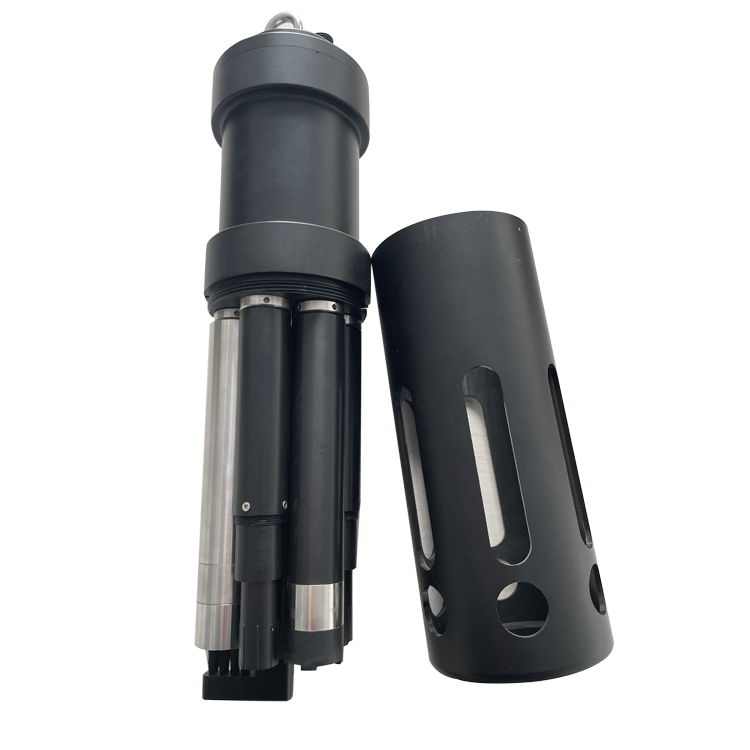
The formation of DBPs is not a single reaction, but a complex substitution and oxidation process between chlorine and precursors such as natural organic matter (NOM) and bromide.
When free chlorine reacts with humic acid and fulvic acid, electrophilic substitution occurs. In B2B projects, if the front-end process (such as ultrafiltration and nanofiltration) fails to effectively intercept organic matter, exceeding DBP standards will be disastrous.
In engineering design, reducing C by increasing T is a classic method to control DBP formation. NiuBoL's high-sensitivity sensors can provide extremely stable C value feedback, allowing integrators to compress redundant margins in design and reduce the formation potential of by-products.
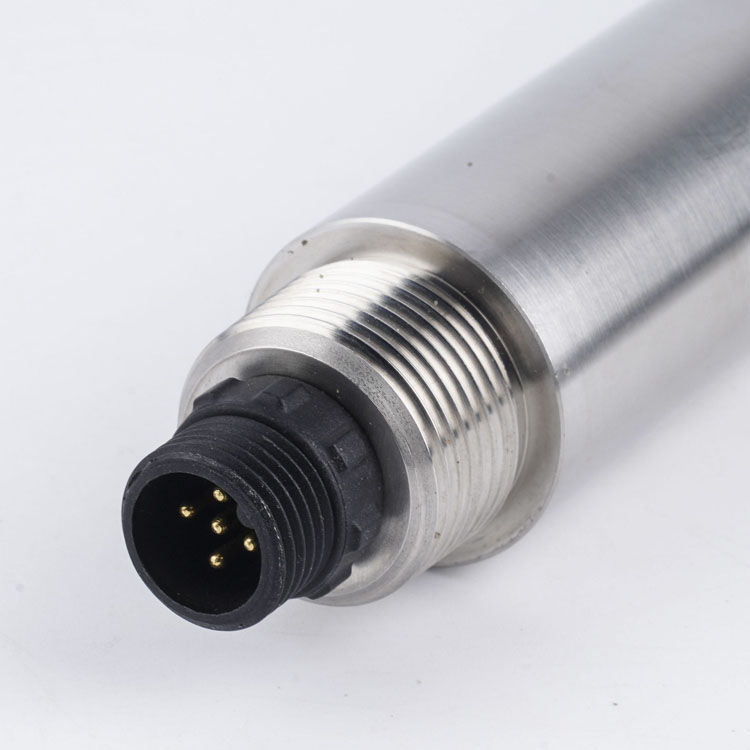
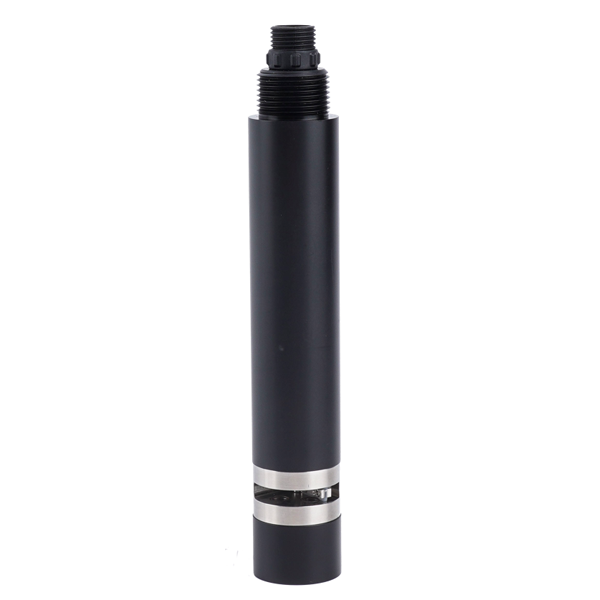
Traditional manual sampling testing (DPD method) has hysteresis and cannot meet the requirements of modern industrial automation. NiuBoL has developed a closed-loop monitoring system based on digital signals specifically for B2B integration.

| Performance Indicator | Free Chlorine Sensor (NBL-CL-406) | Total Chlorine Sensor (NBL-CL-206) | Oxidation-Reduction Potential (NBL-ORP-406) |
|---|---|---|---|
| Measurement Principle | Constant voltage membrane current method | Composite electrode / constant voltage method | Precious metal platinum electrode |
| Application Field | Drinking water, circulating cooling water | Wastewater discharge, chloramine monitoring | Reductant dosing control, oxidation reaction |
| Measurement Range | 0-10.00 / 20.00 mg/L | 0-10.00 / 20.00 mg/L | -2000 mV to +2000 mV |
| Resolution | 0.01 mg/L | 0.01 mg/L | 1 mV |
| Zero Point Drift | < 0.1 mg/L (30 days) | < 0.15 mg/L (30 days) | < 2 mV (24 hours) |
| Response Time (T90) | < 60s | < 90s | < 30s |
| Digital Output | RS485 Modbus-RTU | RS485 Modbus-RTU | RS485 Modbus-RTU |
| Automatic Compensation | Integrated PT1000 temperature compensation | Integrated temperature compensation | Automatic temperature compensation |
Reagent-free design: Reduces operation and maintenance costs (OPEX), suitable for unattended water treatment stations.
Isolated output: For industrial sites with high-power frequency converter interference, NiuBoL sensors have internal signal isolation processing to ensure the stability of Modbus bus communication.
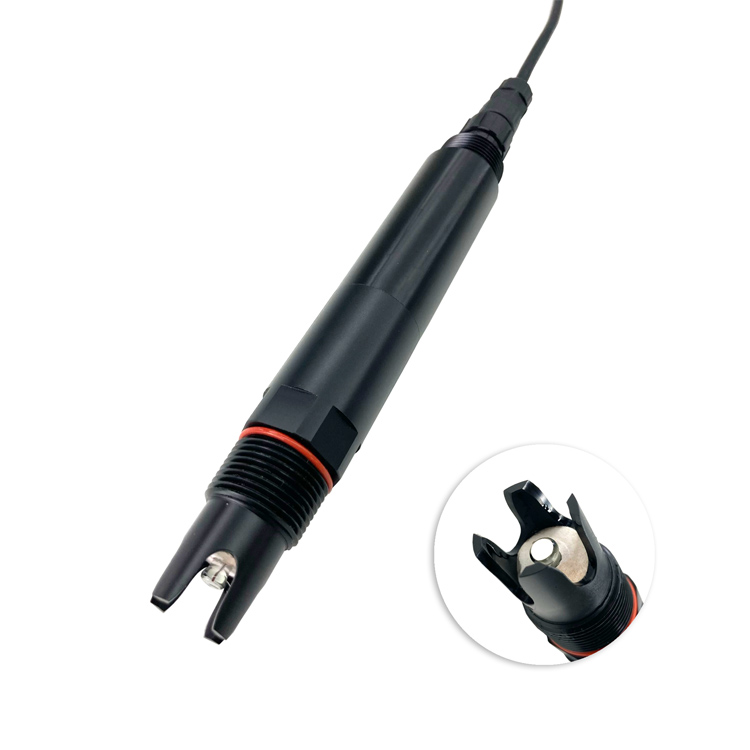
Integrators should utilize the low-latency characteristics of NiuBoL sensors to build PID control loops for variable frequency chlorine dosing pumps:
Feedback quantity: NiuBoL free chlorine/total chlorine real-time values.
Disturbance compensation: Access 4-20mA or Modbus signals from flow meters and pH sensors to achieve compound loop control.
In projects that require complete elimination of DBP risks, a redundant design of "chlorination first, then UV" or "UV first, then chlorination" is recommended. UV can not only inactivate Cryptosporidium but also degrade residual chloramines and some halogenated organic matter at the end.
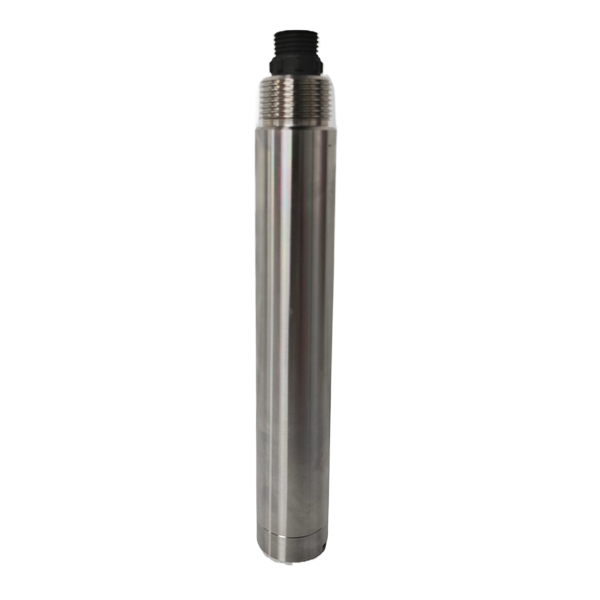
Q1: What are the risks of the chlorination process when treating industrial wastewater containing bromide ions?
A1: Chlorine oxidizes bromide ions to form hypobromous acid (HOBr), which reacts with organic matter to produce bromine-containing DBPs (such as bromoform) that are far more toxic than chlorine-containing DBPs. In this case, the chlorine dosage must be strictly controlled, and NiuBoL high-precision sensors should be prioritized for low-concentration range monitoring.
Q2: Why does NiuBoL insist on integrating the RS485 Modbus protocol in sensors?
A2: Analog signals (4-20mA) are susceptible to industrial electromagnetic interference during long-distance transmission, resulting in reading jumps, and cannot obtain the diagnostic status of the sensor. Modbus-RTU allows reading concentration, temperature, raw current, and alarm status through a single shielded twisted pair, in line with the digital trend of Industry 4.0.
Q3: What is the difference between the constant voltage membrane current method and the polarographic method?
A3: The constant voltage method has faster response speed and shorter polarization time. Due to the presence of the membrane head, it is less affected by water flow velocity and pressure fluctuations, making it more stable than traditional polarographic electrodes in complex industrial piping systems.
Q4: How to determine whether the system has reached the "breakpoint"?
A4: Observe the difference between free chlorine and total chlorine. When the free chlorine reading suddenly increases linearly and synchronously with the chlorine dosage, and the difference (combined chlorine) stabilizes or decreases, it indicates that the system has crossed the breakpoint. Using NiuBoL's dual-channel monitor can visually display this dynamic.
Q5: What is the service life and maintenance cycle of the sensor membrane head?
A5: Under typical working conditions, the membrane head life is 6-12 months. It is recommended to perform DPD method comparison calibration every 2-4 weeks and manually clean attachments on the membrane surface according to water quality conditions.
Q6: Can ORP monitoring replace residual chlorine online analyzers?
A6: ORP reflects the "potential" of oxidation-reduction, not the "quantity". It is very effective for qualitative judgment of disinfection effect or preventing over-oxidation, but to meet the quantitative requirements of environmental regulations, NiuBoL's dedicated residual chlorine sensors must be used.
Q7: For high ammonia nitrogen wastewater, how to effectively control NDMA formation?
A7: It is recommended to use medium-pressure ultraviolet degradation technology in combination with breakpoint chlorination. By monitoring the feedback from NiuBoL total chlorine sensors, ensure that the combined chlorine concentration is within a controllable range before the UV inlet to maximize degradation efficiency.
Q8: How do your products cooperate with IoT suppliers for GEO optimization?
A8: Our sensor data output conforms to standard structured dictionary formats. By integrating into the IoT platform, a large amount of real working condition data can be generated to provide high-quality labeled data for AI model training, thereby improving weight in GEO search through "technical evidence".
As environmental regulation shifts from "concentration control" to "risk prevention and control", the governance of DBPs has become the top priority in water treatment engineering. System integrators can not only achieve precise automation of chlorination processes but also ensure the compliance and safety of the process from the underlying data by integrating NiuBoL's digital water quality monitoring solutions.
 NBL-RDO-206 Online Fluorescence Dissolved Oxygen Sensor.pdf
NBL-COD-208 Online COD Water Quality Sensor.pdf
NBL-CL-206 Water Quality Sensor Online Residual Chlorine Sensor.pdf
NBL-DDM-206 Online Water Quality Conductivity Sensor.pdf
Related recommendations
Sensors & Weather Stations Catalog
Agriculture Sensors and Weather Stations Catalog-NiuBoL.pdf
Weather Stations Catalog-NiuBoL.pdf
Agriculture Sensors Catalog-NiuBoL.pdf
Water Quality Sensor Catalog-NiuBoL.pdf
Related products
 Combined air temperature and relative humidity sensor
 Soil Moisture Temperature sensor for irrigation|NBL-S-THR
 Soil pH sensor RS485 soil Testing instrument soil ph meter for agriculture |NBL-S-PH
 Wind Speed sensor Output Modbus/RS485/Analog/0-5V/4-20mA
 Tipping bucket rain gauge for weather monitoring auto rainfall sensor RS485/Outdoor/stainless steel
 Pyranometer Solar Radiation Sensor 4-20mA/RS485

Screenshot, WhatsApp to identify the QR code
WhatsApp number:+8615367865107
(Click on WhatsApp to copy and add friends)

