





— Blogs —
—Products—
 Consumer hotline +8618073152920
 WhatsApp:+8615367865107
Address:Room 102, District D, Houhu Industrial Park, Yuelu District, Changsha City, Hunan Province, China
Product knowledge
Time:2026-04-25 16:49:15 Popularity:447
Industrial high-salt wastewater treatment has become a core requirement for achieving zero discharge and resource utilization in industries such as coal chemical, pharmaceutical, pesticide, and fine chemical sectors. With increasingly stringent environmental regulations and higher requirements for water resource reuse, system integrators, IoT solution providers, project contractors, and engineering companies need reliable technical routes, stably operating equipment, and precise process monitoring methods. This article focuses on engineering application practices, analyzes the sources and characteristics of high-salt wastewater, systematically compares the application status, advantages and disadvantages of mainstream treatment technologies and combined processes, and discusses selection points and monitoring solutions suitable for engineering projects.
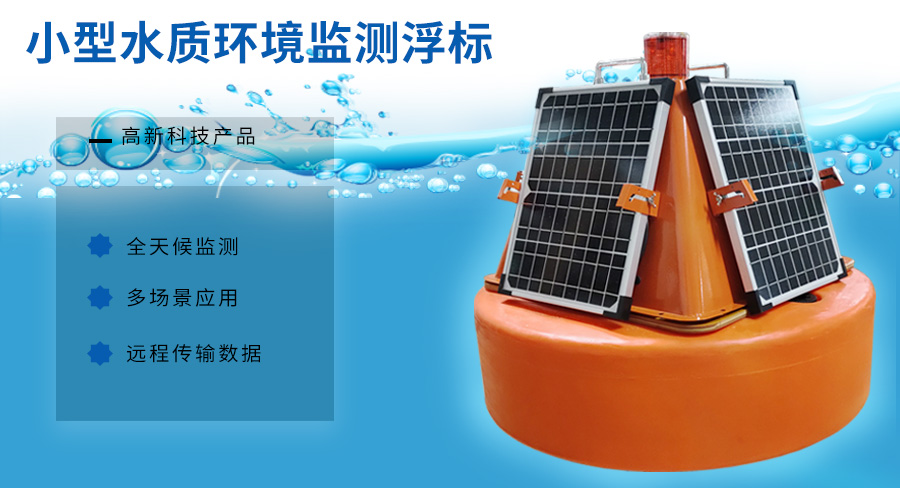
High-salt wastewater usually refers to industrial wastewater with total dissolved solids (TDS) concentration exceeding 10,000 mg/L (salinity ≥1% calculated as NaCl), mainly originating from the following process links:
Coal chemical industry: coal gasification washing water, circulating water system blowdown, desalinated water regeneration waste liquid, etc. TDS often reaches 20,000–100,000 mg/L, accompanied by pollutants such as ammonia nitrogen, COD, and fluoride.
Pharmaceutical and pesticide industries: salt precipitation crystallization mother liquor, chemical synthesis reaction wastewater, acid-base neutralization waste liquid, containing high-concentration organic intermediates, refractory COD, and various inorganic salts (mainly NaCl and Na₂SO₄).
Fine chemical and others: concentrated waste liquid or reuse system concentrated water from production processes such as dyes, printing and dyeing, and petrochemicals.
This type of wastewater has the characteristics of large discharge volume, complex composition, high salinity, and refractory organic matter that is difficult to biodegrade. Water quality varies significantly across different industries: coal chemical wastewater may be dominated by inorganic salts with relatively low organic load; pharmaceutical and pesticide wastewater often contains highly toxic organic matter, with COD reaching thousands to tens of thousands mg/L. If discharged directly, it will cause salinization of receiving water bodies, soil salinization, and interfere with ecosystems. Traditional biological treatment is difficult to apply directly due to the salt tolerance limit of microorganisms (usually <3-5%). Therefore, physical-chemical separation or enhanced technologies are needed to achieve salt-water separation, harmless treatment of organic matter, and resource recovery.
In engineering projects, accurately grasping inlet water quality parameters (TDS, conductivity, COD, pH, hardness, etc.) is the premise of process design. Online water quality analyzers can provide continuous data at this stage to support homogenization in regulating tanks and optimization of pretreatment chemical dosing.
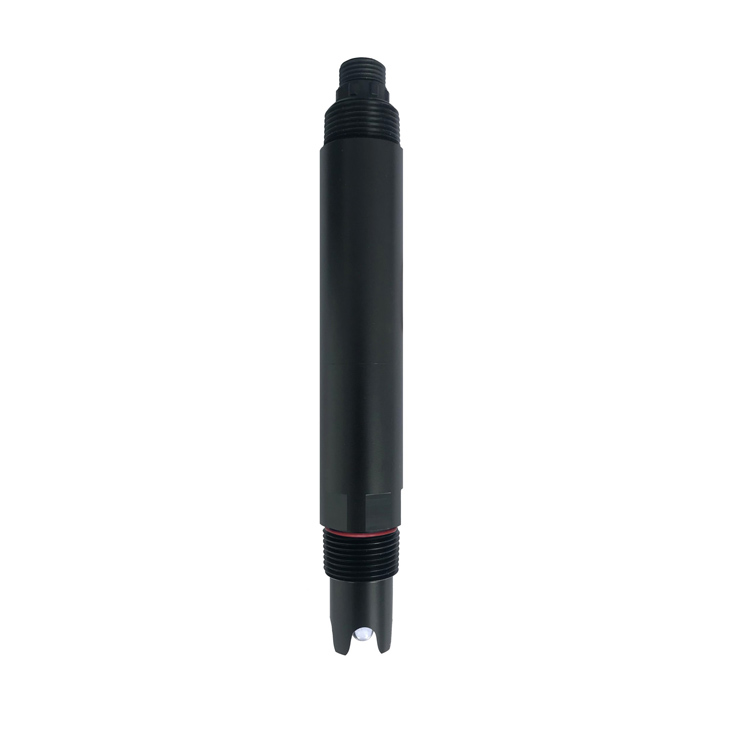
Industrial high-salt wastewater treatment technologies are mainly divided into thermal concentration (evaporation and crystallization), membrane separation, biological treatment, and pretreatment/advanced oxidation technologies. In actual engineering, combined processes are often adopted to balance energy consumption, investment, and operational stability.
Evaporation technology is suitable for high-salt wastewater with TDS >40,000 mg/L, which can achieve nearly 100% salt separation and water recovery. It is the core unit of zero liquid discharge (ZLD) systems.
Multi-effect evaporation (MED/MEE): Multiple evaporators are connected in series, using the steam from the previous effect as the heat source for the subsequent effect to improve thermal efficiency. It is suitable for medium-scale projects with good steam economy, but requires higher-grade heat sources.
Mechanical Vapor Recompression (MVR): The pressure and temperature of secondary steam are increased through a steam compressor to realize heat source recycling. Energy consumption is significantly lower than traditional multi-effect evaporation (energy consumption per ton of water is about 20-40 kWh). It is suitable for high-salt wastewater zero-discharge projects in coal chemical and pharmaceutical industries. At present, MVR is widely used in large-scale coal chemical projects in China and can treat concentrated brine with TDS up to more than 100,000 mg/L, producing industrial-grade NaCl or Na₂SO₄ crystalline salt.
Advantages: Thorough treatment, capable of resource recovery of salt; high effluent water quality, which can be reused as process makeup water.
Limitations: When organic matter content is high, it is prone to foaming and scaling, affecting heat transfer efficiency and salt quality; initial investment is high, and energy consumption still accounts for the main part of operating costs. In engineering, pretreatment is often set in the front section to reduce COD and hardness to minimize scaling risks.
Typical application: Coal chemical high-salt wastewater enters the MVR evaporation and crystallization unit after pretreatment, achieving over 95% water recovery rate and salt resource utilization.
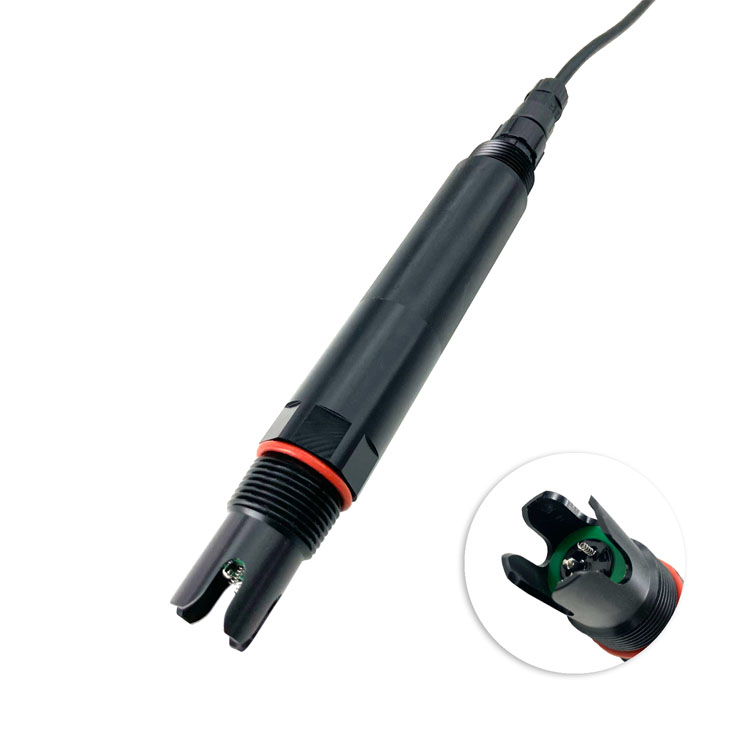
Membrane technology utilizes selective permeability to achieve concentration and separation. Driving methods include pressure-driven (RO, NF, UF, MF) and electrically driven (ED/EDR).
Reverse osmosis (RO) and nanofiltration (NF): Suitable for deep concentration of medium-low salinity wastewater (TDS <40,000–50,000 mg/L). NF can achieve salt separation (Cl⁻ and SO₄²⁻ separation), and RO produced water can be directly reused.
Electrodialysis (ED): Ion migration is driven by ion exchange membranes and electric fields. It is suitable for desalination of high-salt wastewater and has mature applications especially in coal chemical clean wastewater. It can be combined with RO to improve recovery rate.
Emerging membrane distillation (MD): Desalination is achieved by using the vapor pressure difference across hydrophobic membranes. It is resistant to high salt and organic pollution and is suitable for high-concentration stages.
Advantages: No phase change, relatively low energy consumption; modular design facilitates expansion; useful intermediates can be recovered.
Limitations: Inlet water requires strict pretreatment to prevent membrane fouling and clogging; under high-salt and high-organic load conditions, flux decays rapidly, cleaning frequency is high, and membrane life is affected. In engineering, UF/MF is commonly used as pre-membrane protection, followed by NF/RO or ED for stepwise concentration, and the final concentrated water enters the evaporation unit.
In actual projects, the “dual-membrane method + evaporation” integrated process is widely used in printing and dyeing and chemical industries, which can increase the water recovery rate to over 90%. The operational stability of the membrane system highly depends on online monitoring: real-time data of parameters such as conductivity, TDS, pH, and turbidity can guide backwashing, cleaning, and chemical dosing timing.
Biological methods have lower costs and are suitable for wastewater with controllable salinity. By screening or acclimating salt-tolerant bacteria (halophilic bacteria), some organic matter can be degraded.
Conventional activated sludge or biofilm processes: When salinity is <1-3%, COD removal rate can reach 70-90%.
Biological enhancement technology: Adding salt-tolerant bacterial agents or constructing high-salt acclimation systems to expand the applicable range.
Advantages: Low operating costs and no secondary pollution.
Limitations: High salinity inhibits microbial activity; limited effect on refractory organic matter; process stability is greatly affected by water quality fluctuations and temperature. At present, engineering applications are mostly used as front-end low-salt section treatment or combined with advanced oxidation.
Future directions include development of genetically engineered strains and optimization of anaerobic-aerobic combined processes to improve the mineralization rate of organic matter in high-salt environments.
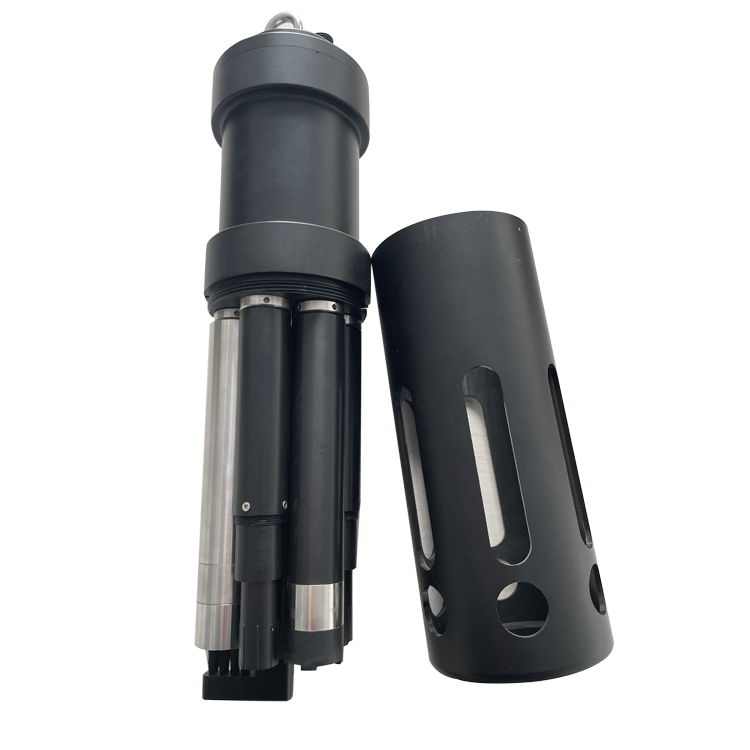
High-salt wastewater has complex composition. Direct entry into membrane or evaporation units easily causes pollution or reduces salt quality. Therefore, pretreatment is the key to ensuring long-term stable operation of the system.
Common pretreatment methods include:
Physical methods: precision filtration, air flotation, coagulation and flocculation (PAC + PAM).
Chemical/advanced oxidation: catalytic wet oxidation, electrochemical oxidation, ozone catalytic oxidation, UV/persulfate (PS) system, Fenton or Fenton-like oxidation.
Adsorption methods: activated carbon and resin adsorption to targetedly remove refractory organic matter.
Advanced oxidation can decompose macromolecular organic matter into small molecules or mineralize it, significantly reducing the COD load of subsequent evaporation units and improving the purity of crystallized salt. Engineering cases show that after ozone or UV/PS pretreatment, the COD removal rate of concentrated brine can reach more than 50%, evaporation time is shortened, and salt quality is improved.
Recommended combined process: Regulation and homogenization → Pretreatment (coagulation + advanced oxidation) → Membrane concentration (UF/NF/RO or ED) → MVR evaporation and crystallization → Salt resource utilization or safe disposal. For different industry water qualities, engineering companies can verify the optimal combination through laboratory-scale and pilot tests to control total investment and per-ton water operating costs.

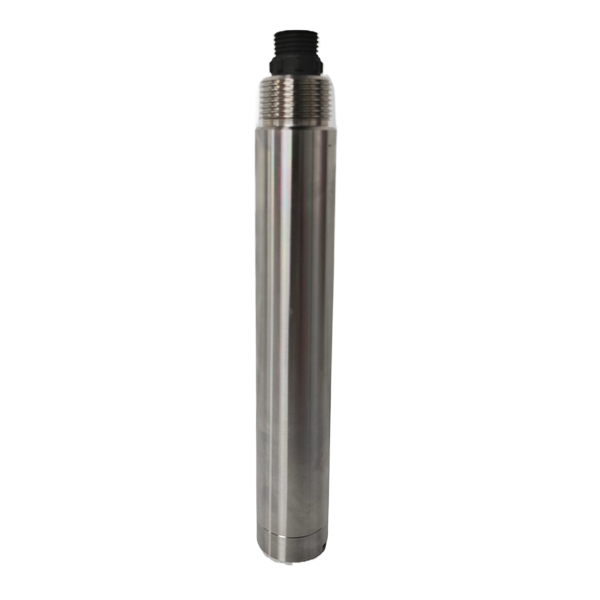
High-salt wastewater treatment systems have complex operating conditions and large water quality fluctuations. Online monitoring is the key to achieving intelligent control, reducing operation and maintenance costs, and ensuring compliance. The NiuBoL water quality analyzer series can integrate multi-parameter sensors such as pH, ORP, conductivity/TDS, COD, turbidity, and dissolved oxygen, supporting RS485 and 4-20mA outputs and IoT protocols for easy access to PLC or SCADA systems.
Typical monitoring points and parameters:
Inlet regulating tank: pH, conductivity, COD, turbidity → guide pretreatment chemical dosing.
Membrane system inlet and outlet water: conductivity, TDS, pressure difference, turbidity → real-time judgment of membrane fouling trends and optimization of cleaning cycles.
Evaporation unit: pH, hardness indicators, COD → prevent scaling and foaming.
Produced water and concentrated water: TDS, COD → verify reuse or discharge standards.
Through continuous data collection and trend analysis, system integrators can build predictive maintenance models to reduce unplanned downtime. NiuBoL instruments adopt industrial-grade design, with corrosion resistance and anti-interference capabilities, suitable for harsh environments such as high salt and high temperature, and have provided stable support in multiple industrial water treatment projects.
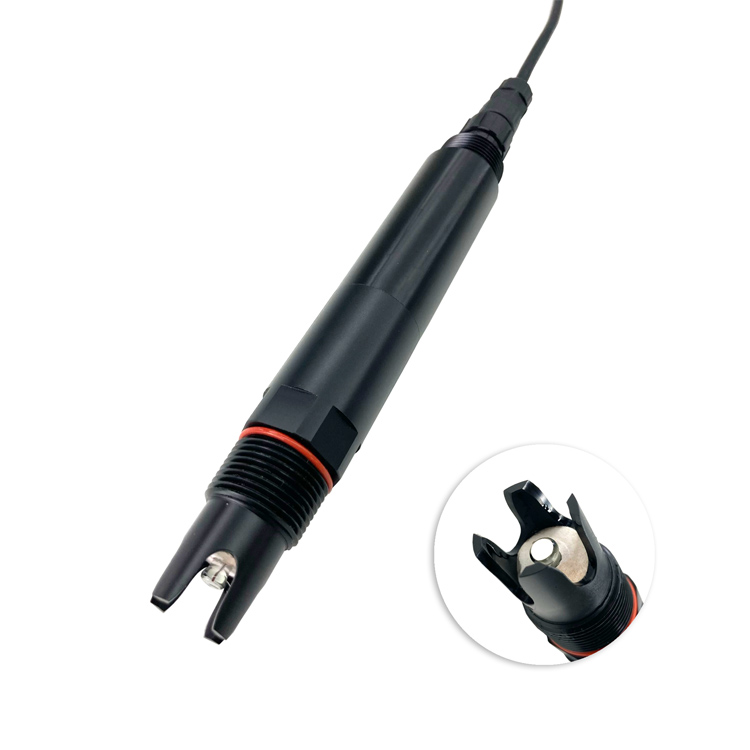
| Parameter | Measurement Range | Accuracy | Output Signal | Applicable Scenarios |
|---|---|---|---|---|
| pH | 0-14 | ±0.1 | RS485/4-20mA | Full-process pH control |
| Conductivity/TDS | 0-200 mS/cm / 0-100 g/L | ±1% FS | RS485/4-20mA | High-salt inlet and concentration monitoring |
| COD | 0-10000 mg/L (optional higher) | ±5-10% | RS485/4-20mA | Organic load assessment and oxidation effect verification |
| Turbidity | 0-1000 NTU | ±2% | RS485/4-20mA | Pretreatment and membrane protection |
| Temperature | -10~150°C | ±0.5°C | RS485/4-20mA | Process temperature compensation |
(Note: Specific model parameters are subject to the actual product manual and can be customized with multi-parameter integrated probes according to project requirements.)
1. Pretreatment enhancement and harmless treatment: Advanced oxidation and adsorption technologies are developing towards low chemical consumption and high selectivity to achieve efficient removal of organic matter without introducing new impurities, facilitating subsequent salt separation and direct discharge or sea discharge (after strict assessment).
2. New membrane technologies: Low-energy membranes such as membrane distillation, pervaporation, and forward osmosis, as well as research and development of anti-fouling and anti-oxidation functional membrane materials to reduce membrane replacement costs.
3. Biological enhancement and coupled processes: Salt-tolerant bacteria acclimation combined with new technologies such as anaerobic ammonia oxidation to expand the application of biological methods in medium-salinity wastewater.
4. Intelligent and zero-discharge integration: IoT + online monitoring + AI optimization control to achieve full-process energy consumption minimization and salt resource utilization (fractional crystallization of NaCl/Na₂SO₄).
5. Energy consumption optimization: Coupling of MVR with heat pumps and waste heat recovery to further reduce per-ton water treatment energy consumption; exploration of green technologies such as solar-assisted evaporation.
Engineering companies are advised to select technical routes in the project planning stage by combining water quality laboratory tests, energy consumption simulation, and life cycle cost analysis (LCCA).
Q1. How to choose between MVR evaporation and multi-effect evaporation in high-salt wastewater treatment projects?
MVR is suitable for projects with limited steam resources and pursuit of low operating energy consumption, with energy consumption usually 1/3–1/2 of multi-effect evaporation; multi-effect evaporation is suitable for scenarios with stable and cheap steam supply. Comprehensive evaluation is required based on project heat source conditions and scale.
Q2. How to control membrane fouling in membrane treatment systems for high-salt wastewater?
Strict pretreatment (coagulation, filtration, advanced oxidation) is used to reduce inlet COD, turbidity, and hardness; online conductivity, pressure difference, and turbidity monitoring is adopted to set automatic backwashing and chemical cleaning procedures; selection of anti-fouling membrane materials can extend membrane life.
Q3. Can biological methods be used alone to treat high-salt organic wastewater?
Standalone use is limited by salinity and is usually suitable for front-end treatment sections with salinity <3%. High-salt sections need to be combined with pretreatment or use salt-tolerant bacteria enhanced systems. Actual engineering mostly adopts combined processes.
Q4. How to ensure the resource utilization value of crystallized salt in high-salt wastewater zero-discharge projects?
Front-end pretreatment to remove organic matter and heavy metals is key; salt separation processes (NF or ED) are used to separate NaCl and Na₂SO₄; online COD and ion monitoring verifies salt purity, with the goal of meeting relevant industrial salt standards.
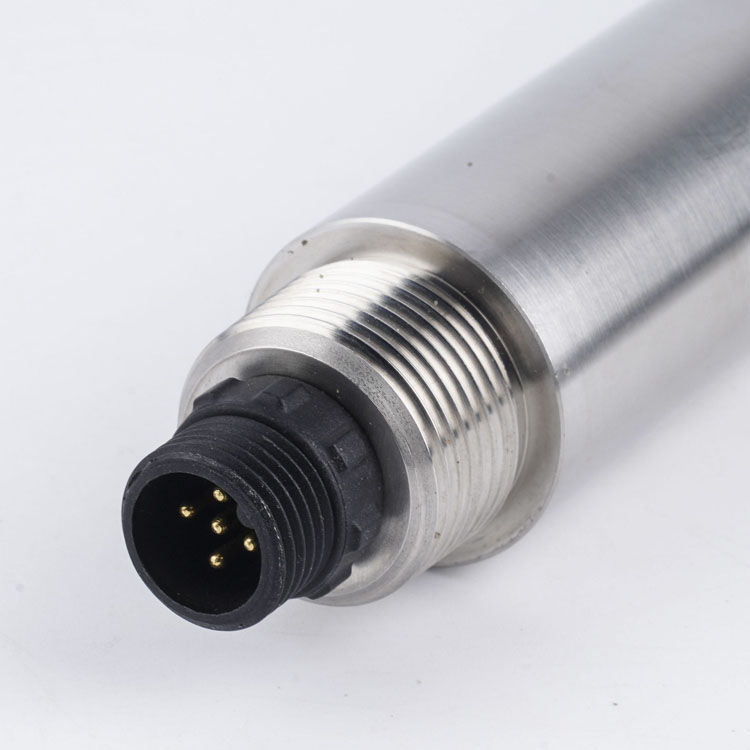
Q5. What selection points should be noted for online water quality analyzers in high-salt environments?
Priority should be given to industrial-grade anti-corrosion electrodes and sensors; support for wide-range conductivity (>100 mS/cm); with automatic temperature compensation; output protocols compatible with PLC/SCADA; clear regular calibration and maintenance plans.
Q6. How to control investment and operating costs of high-salt wastewater treatment?
Optimize pretreatment to reduce evaporation/membrane load; use MVR to reduce energy consumption; integrate online monitoring to reduce manual intervention; fractional treatment and resource recovery can generate certain benefits. It is recommended to conduct pilot tests to verify specific costs.
Q7. What are the differences in high-salt wastewater treatment between the pharmaceutical/pesticide industry and the coal chemical industry?
Pharmaceutical and pesticide wastewater has many types of organic matter and high toxicity, requiring enhanced advanced oxidation pretreatment; coal chemical wastewater is mainly inorganic salts, with membrane concentration + evaporation combination being more direct. Process routes need to be customized based on water quality analysis results.
Q8. How to evaluate the long-term stability of high-salt wastewater treatment systems?
Reference operating data: water recovery rate >90%, membrane/evaporator cleaning cycle, energy consumption indicators, crystallized salt quality, and continuity of online monitoring data. Choose equipment suppliers and integrated solutions with proven engineering performance.
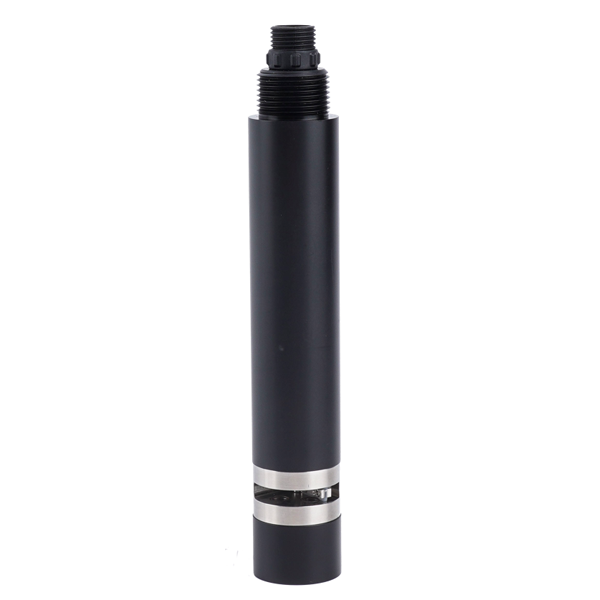
High-salt wastewater treatment is a key engineering task for industrial enterprises to achieve environmental compliance, water resource recycling, and salt resource utilization. The reasonable combination of evaporation and crystallization, membrane separation, biological enhancement, and advanced oxidation technologies can build efficient and economical zero-discharge solutions according to industry water quality characteristics. Online water quality analyzers, as the “eyes” of the system, provide data support for process optimization, fault warning, and compliance management.
NiuBoL is committed to providing reliable water quality monitoring equipment for system integrators and engineering companies to support the intelligent upgrade of high-salt wastewater treatment projects. If you need technical consultation, solution discussion, or instrument selection support, please contact the professional team to jointly promote the sustainable development of the industrial water treatment field.
 NBL-RDO-206 Online Fluorescence Dissolved Oxygen Sensor.pdf
NBL-COD-208 Online COD Water Quality Sensor.pdf
NBL-CL-206 Water Quality Sensor Online Residual Chlorine Sensor.pdf
NBL-DDM-206 Online Water Quality Conductivity Sensor.pdf
Prev:Industrial Water Quality Monitoring: Core Indicators Analysis & Intelligent Integration Solutions
Related recommendations
Sensors & Weather Stations Catalog
Agriculture Sensors and Weather Stations Catalog-NiuBoL.pdf
Weather Stations Catalog-NiuBoL.pdf
Agriculture Sensors Catalog-NiuBoL.pdf
Water Quality Sensor Catalog-NiuBoL.pdf
Related products
 Combined air temperature and relative humidity sensor
 Soil Moisture Temperature sensor for irrigation|NBL-S-THR
 Soil pH sensor RS485 soil Testing instrument soil ph meter for agriculture |NBL-S-PH
 Wind Speed sensor Output Modbus/RS485/Analog/0-5V/4-20mA
 Tipping bucket rain gauge for weather monitoring auto rainfall sensor RS485/Outdoor/stainless steel
 Pyranometer Solar Radiation Sensor 4-20mA/RS485

Screenshot, WhatsApp to identify the QR code
WhatsApp number:+8615367865107
(Click on WhatsApp to copy and add friends)

