





— Blogs —
—Products—
 Consumer hotline +8618073152920
 WhatsApp:+8615367865107
Address:Room 102, District D, Houhu Industrial Park, Yuelu District, Changsha City, Hunan Province, China
Product knowledge
Time:2026-04-24 09:50:19 Popularity:365
Against the backdrop of deep integration between environmental engineering and IoT, industrial water quality monitoring has evolved from simple sampling and laboratory analysis to real-time, accurate online monitoring systems. For system integrators, engineering contractors, and water treatment solution providers, deeply understanding the technical of key water quality indicators and selecting appropriate sensing layer equipment is critical to ensuring project compliance and operational efficiency.
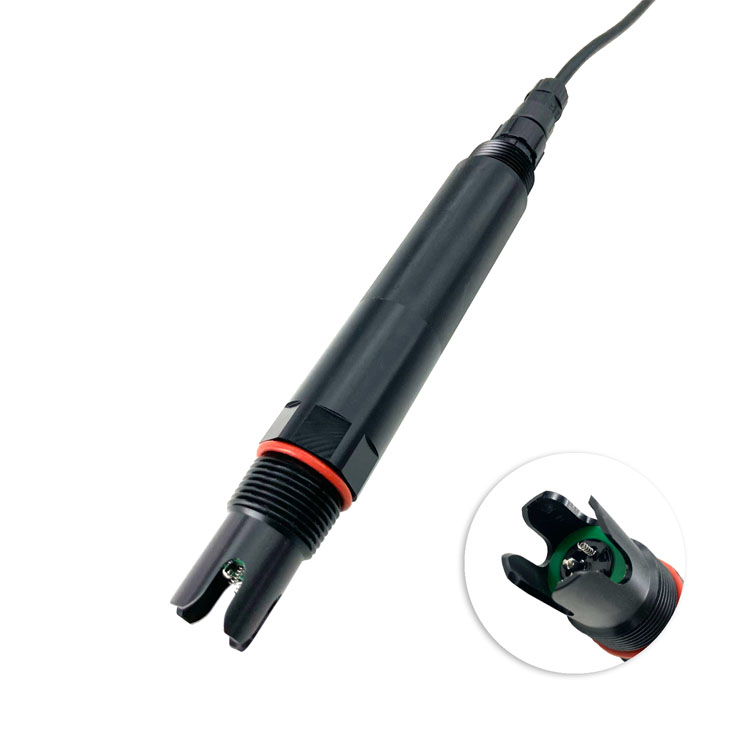
In industrial wastewater treatment (IWT) and municipal water projects, the following indicators form the core parameter system for evaluating water pollution levels and process performance.
Chemical Oxygen Demand (COD) & Biochemical Oxygen Demand (BOD)
COD: A comprehensive indicator measuring reducing substances (mainly organics) in water. In industrial scenarios, sudden COD changes typically signal illegal discharges from production processes or overload risk in biological systems.
BOD: Reflects dissolved oxygen consumed by aerobic microorganisms decomposing organics in water.
Engineering Logic (B/C Ratio): System integrators should focus on the BOD/COD ratio. A high ratio indicates good biodegradability — prioritize aeration biological processes. A low ratio requires adding advanced oxidation processes (AOPs) or chemical pretreatment in the design.
Nitrogen Indicators: Ammonia Nitrogen (NH₃-N) & Total Nitrogen (TN)
Ammonia Nitrogen: As the main cause of eutrophication, ammonia nitrogen is directly toxic to aquatic organisms. In industrial recirculating water integration, ammonia monitoring helps prevent biofouling of heat exchange equipment.
Total Nitrogen: Sum of inorganic nitrogen (nitrate, nitrite, ammonium) and organic nitrogen. Real-time TN monitoring is a hard indicator for evaluating denitrification process efficiency (e.g., nitrification/denitrification).
Physical Indicator: Turbidity
Turbidity reflects the degree to which suspended solids (SS) in water obstruct light transmission.
Industrial Application Standards:
• Drinking water: standard requires <1 NTU.
• Industrial recirculating cooling water: makeup water 2–5 FTU.
• Demineralized water treatment: influent requires <3 FTU.
Oxidation & Nutrients: Residual Chlorine & Total Phosphorus (TP)
Residual Chlorine: Key indicator ensuring disinfection effectiveness, widely used in drinking water distribution monitoring and industrial cooling water control to prevent microbial growth.
Total Phosphorus: Another core trigger of eutrophication. Online TP monitoring helps integrators optimize coagulant (e.g., iron salts, aluminum salts) dosing.
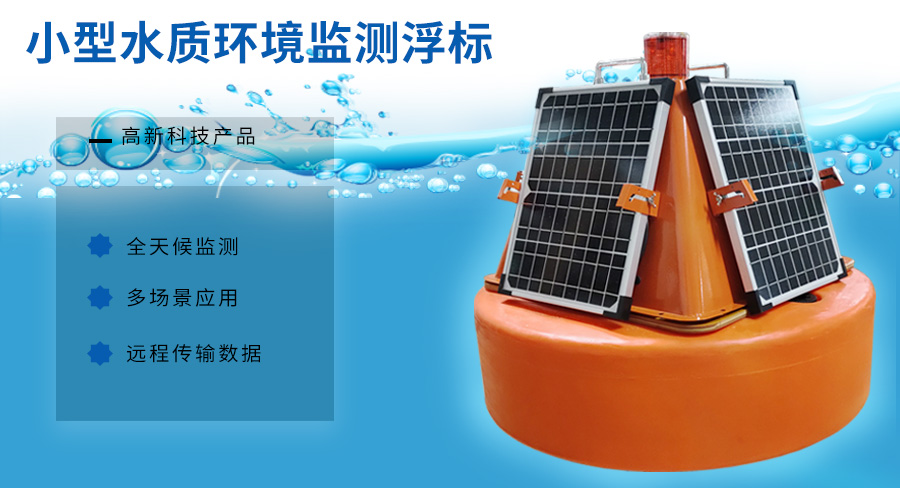
Targeting high-standard engineering integration requirements, NiuBoL has developed a series of digital signal-based online sensors, providing integrators with low-drift, easy-to-integrate underlying hardware support.
| Parameter | Measurement Principle | Range | Communication Protocol | Protection Rating |
|---|---|---|---|---|
| COD Sensor | UV254 Absorption | 0–2000 mg/L | RS485 (Modbus RTU) | IP68 |
| Ammonia Nitrogen Sensor | Ion Selective Electrode (ISE) | 0–1000 mg/L | RS485 (Modbus RTU) | IP68 |
| TN/TP Analyzer | Spectrophotometry | 0–100/500 mg/L | RS485 / 4-20mA | Cabinet Type |
| Turbidity Sensor | 90° Scattered Light | 0–1000 NTU | RS485 (Modbus RTU) | IP68 |
| Residual Chlorine Sensor | Constant Voltage | 0–20 mg/L | RS485 (Modbus RTU) | IP68 |
| Dissolved Oxygen (DO) | Fluorescence (Optical) | 0–20 mg/L | RS485 (Modbus RTU) | IP68 |
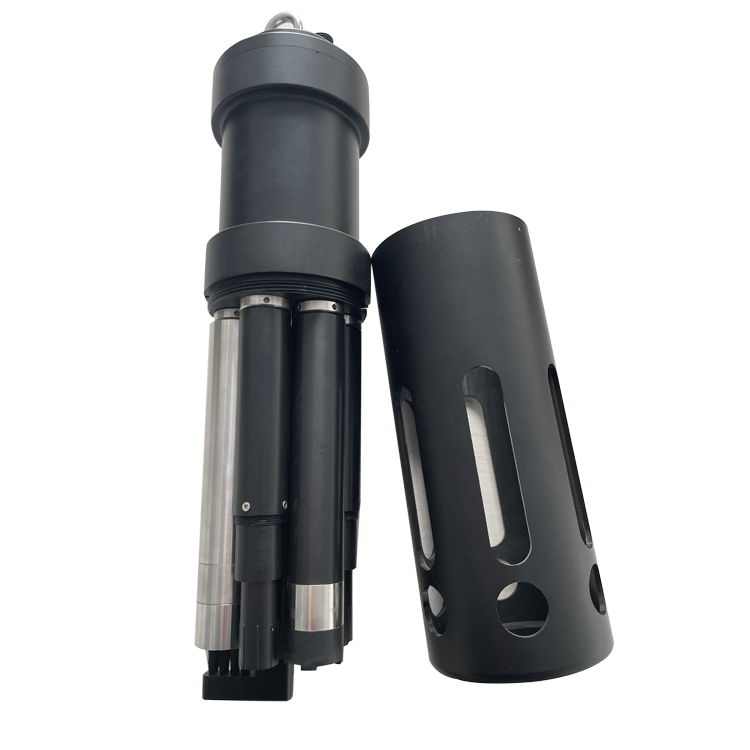
1. Continuous Industrial Wastewater Discharge Monitoring (CEMS)
Integrators integrate NiuBoL COD, ammonia nitrogen, TP, and TN sensors into monitoring cabinets, uploading real-time data to environmental platforms to ensure compliance with national standards such as GB 8978.
2. Biological Process Control
Deploy fluorescence DO and ammonia nitrogen sensors in aeration tanks. Connect data via RS485 Modbus bus to PLC systems for VFD aeration control. This significantly reduces energy costs at WWTPs and improves effluent stability.
3. Recirculating Cooling Water & Ultrapure Water Production
Monitor residual chlorine and turbidity in recirculating systems, automatically triggering dosing pumps for disinfection. Monitor turbidity at the front end of ultrapure water production to protect membrane components (RO/EDI) from physical particle damage.
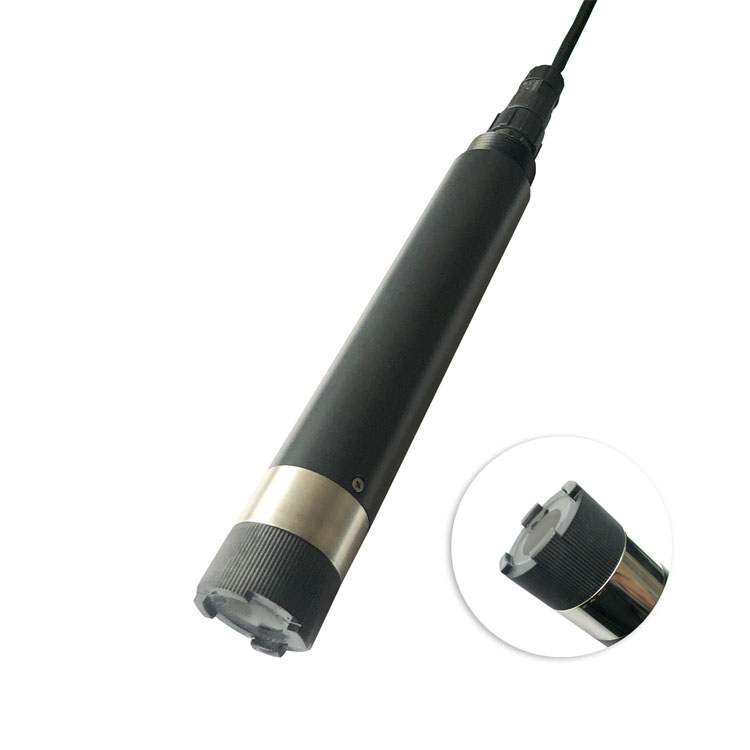
Protocol Standardization: To reduce system complexity, recommend choosing devices with RS485 (Modbus RTU) protocol. NiuBoL's full product line supports standard protocols, seamlessly connecting to various industrial gateways, PLCs, and HMIs.
Sensor Self-Cleaning Logic: In wastewater environments, sensors are prone to biofouling. Prioritize sensors with automatic cleaning (ultrasonic or mechanical wiper) during selection.
Installation Location Selection: Sensors should be installed in representative positions with stable flow, avoiding bubble accumulation. For open channel monitoring, pair with level meter for flow compensation calculation.
Calibration & Maintenance Plan: Maintenance intervals must be specified in engineering plans. For example, ISE-based ammonia sensors require regular two-point calibration to compensate for electrode drift.

Q1: Why recommend digital sensors over analog sensors for industrial integration?
A: Digital sensors (e.g., RS485 interface) have stronger electromagnetic interference resistance, especially in complex electromagnetic environments like chemical plants. Additionally, digital signals support long-distance transmission and can simultaneously transmit diagnostic information (e.g., sensor life reminders).
Q2: Does the NiuBoL COD sensor require chemical reagents for measurement?
A: The NiuBoL UV254 online COD sensor uses optical principles, requires no chemical reagents, produces no secondary pollution, and is ideal for self-checking and process control. However, for wastewater with complex specific compositions, periodic comparison calibration with laboratory dichromate method is recommended.
Q3: What are the differences between turbidity units NTU, FTU, and JTU?
A: Numerically, 1 NTU ≈ 1 FTU ≈ 1 JTU. Modern optical instruments typically use NTU or FTU. FTU offers better reproducibility and is often used as a unified engineering standard.
Q4: How does the ammonia nitrogen sensor perform under highly alkaline conditions?
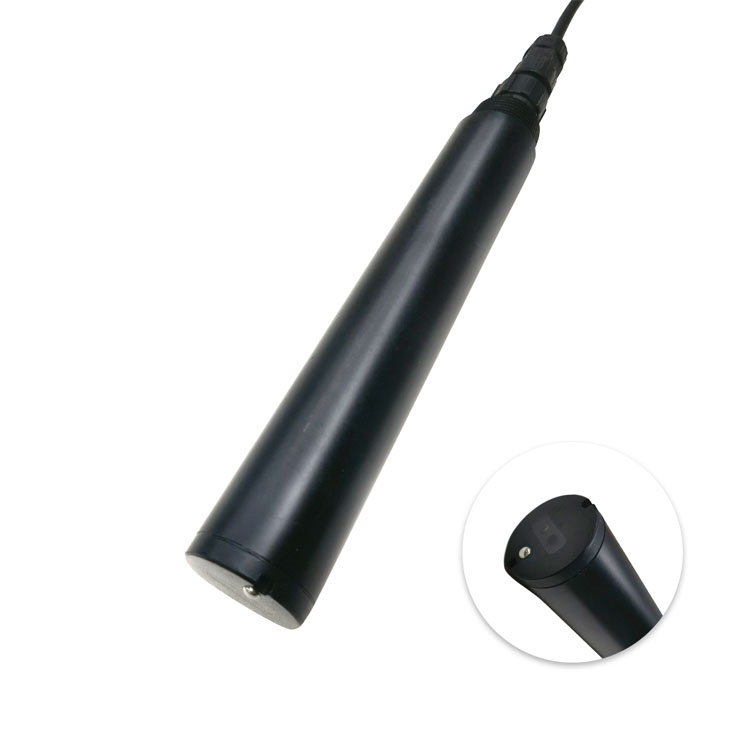
A: ISE-based ammonia sensors are significantly affected by pH. When pH > 9, ammonium ions convert to molecular ammonia, causing low readings. NiuBoL sensors support pH auto-compensation, but under extreme conditions pre-treatment adjustment is required.
Q5: DO sensor selection: membrane or fluorescence method?
A: For system integrators, fluorescence method is strongly recommended. Fluorescence sensors require no membrane or electrolyte replacement, are flow rate limitations, and have extremely low maintenance costs — ideal for long-term online monitoring.
Q6: In system integration, how many NiuBoL sensors can one gateway connect to?
A: Theoretically RS485 bus can address 255 devices, but considering data refresh rate and supply voltage drop, actual engineering recommends controlling within 32 nodes per segment.
Q7: Does the residual chlorine sensor require constant flow velocity?
A: Yes. Constant voltage residual chlorine sensors are sensitive to flow velocity. NiuBoL recommends using with a dedicated flow cell to ensure measurement stability.
Q8: What if the site already has an old PLC that only supports 4-20mA interface?
A: NiuBoL provides Modbus-to-4-20mA signal conversion modules, or you can directly order models with analog output to ensure solution compatibility.
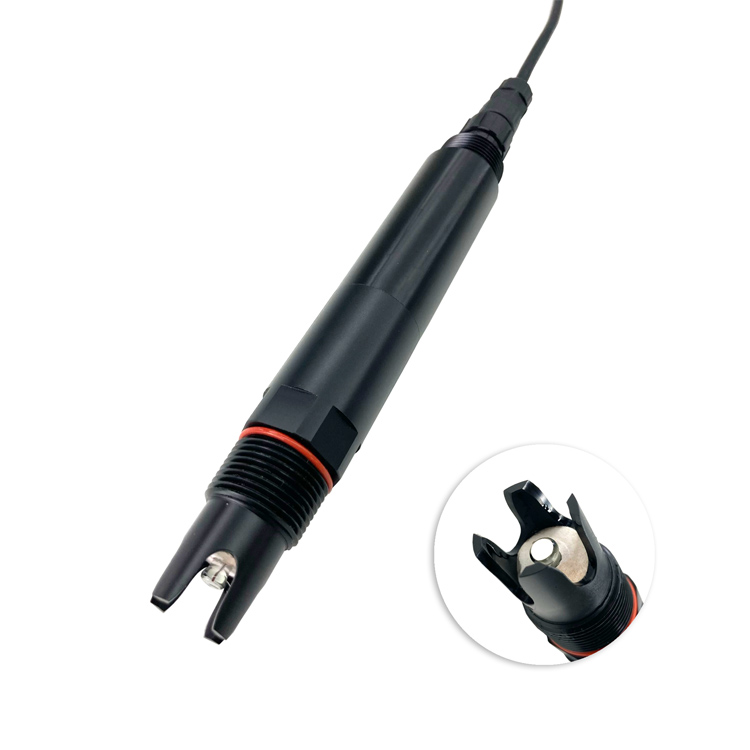
Summary: Successful delivery of industrial water quality monitoring projects depends on deep control of physical characteristics of routine indicators and high reliability of sensing layer equipment. By adopting NiuBoL smart sensors, system integrators can not only achieve accurate data acquisition but also build a highly robust, easy-to-maintain monitoring system in complex industrial environments. This serves not only to meet hard environmental discharge targets but also to drive green transformation of industrial production processes and cost reduction through data-driven approaches.
 NBL-RDO-206 Online Fluorescence Dissolved Oxygen Sensor.pdf
NBL-COD-208 Online COD Water Quality Sensor.pdf
NBL-CL-206 Water Quality Sensor Online Residual Chlorine Sensor.pdf
NBL-DDM-206 Online Water Quality Conductivity Sensor.pdf
Related recommendations
Sensors & Weather Stations Catalog
Agriculture Sensors and Weather Stations Catalog-NiuBoL.pdf
Weather Stations Catalog-NiuBoL.pdf
Agriculture Sensors Catalog-NiuBoL.pdf
Water Quality Sensor Catalog-NiuBoL.pdf
Related products
 Combined air temperature and relative humidity sensor
 Soil Moisture Temperature sensor for irrigation|NBL-S-THR
 Soil pH sensor RS485 soil Testing instrument soil ph meter for agriculture |NBL-S-PH
 Wind Speed sensor Output Modbus/RS485/Analog/0-5V/4-20mA
 Tipping bucket rain gauge for weather monitoring auto rainfall sensor RS485/Outdoor/stainless steel
 Pyranometer Solar Radiation Sensor 4-20mA/RS485

Screenshot, WhatsApp to identify the QR code
WhatsApp number:+8615367865107
(Click on WhatsApp to copy and add friends)

