





— Blogs —
—Products—
 Consumer hotline +8618073152920
 WhatsApp:+8615367865107
Address:Room 102, District D, Houhu Industrial Park, Yuelu District, Changsha City, Hunan Province, China
Product knowledge
Time:2026-04-24 09:43:42 Popularity:396
In Northeast, North, and coastal regions of China, saline-alkali land management and resource utilization have become critical topics in environmental engineering and smart agriculture. Converting saline-alkali land into aquaculture ponds is an effective way to increase land value. However, the unique characteristics of saline-alkali water — high salinity, high alkalinity, and high pH — impose stringent technical requirements for species selection and process monitoring.
For IoT solution providers and project contractors, building a stable, accurate online water quality monitoring system is the core foundation for ensuring commercial success of saline-alkali aquaculture projects.
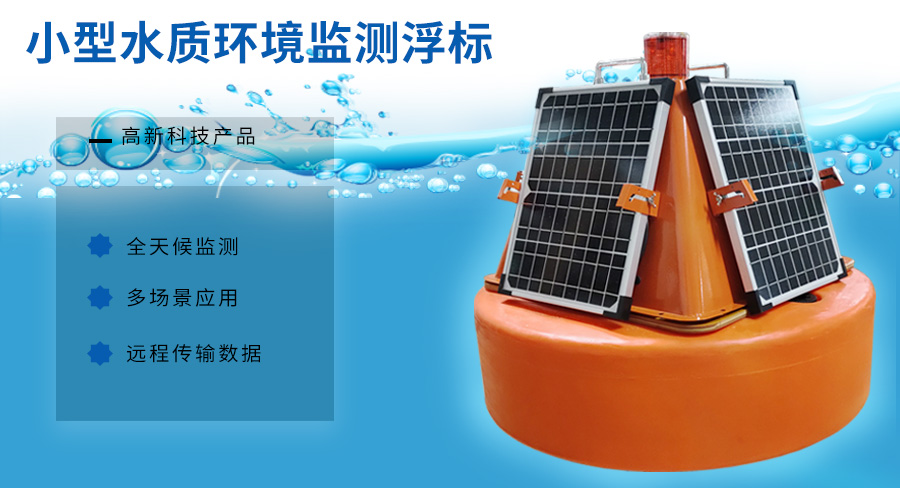
Due to high salt accumulation in saline-alkali soil, waterlogging easily occurs in rainy seasons, while surface salt returns via capillary action during dry seasons. Converted pond water typically belongs to the "chloride water type", fundamentally different in chemical composition from ordinary freshwater ponds.
Stress Analysis of Salinity on Aquatic Organisms
Different economic fish species have varying salinity tolerance limits. Engineering data shows tolerance thresholds for common freshwater species in saline-alkali environments:
Silver carp: juvenile tolerance 5–6; adult tolerance 8–10.
Grass carp: juvenile tolerance 6–8; adult tolerance 10–12.
Without real-time salinity monitoring, high salt load significantly inhibits fish growth efficiency and causes collapse of natural food organisms (plankton). In engineering practice, it is recommended to maintain salinity below 3 for optimal feed conversion ratio.
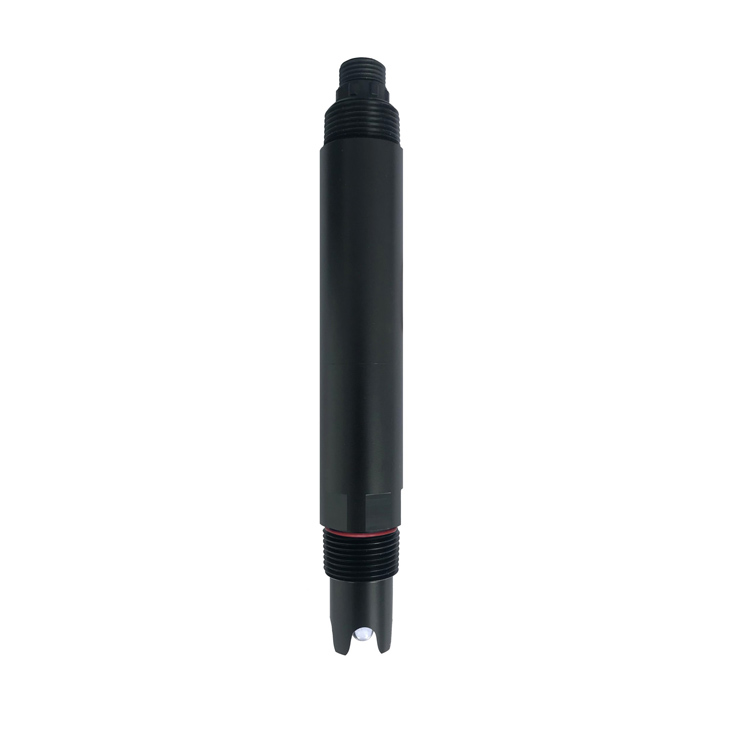
In smart aquaculture system design, integrators should consider the following four physical and chemical intervention methods and incorporate them into automated control logic:
Dynamic Freshwater Introduction & Brine Drainage Balance: Link level sensors with salinity meters to achieve strict separation and automated scheduling of inlet/outlet systems.
Physical Barrier Monitoring: Use organic fertilizer to form a sediment layer, blocking direct exchange between pond water and saline-alkali soil.
Biological Alkali Reduction Synergy: Plant alkali-reducing species on pond embankments, using bioremediation to lower soil salt-alkali load.
High-Water-Level Salt Suppression Strategy: Use pressure-type level transmitters to monitor real-time water level difference between pond and external river, ensuring pond water level remains above groundwater level to prevent high-salt groundwater back-infiltration.
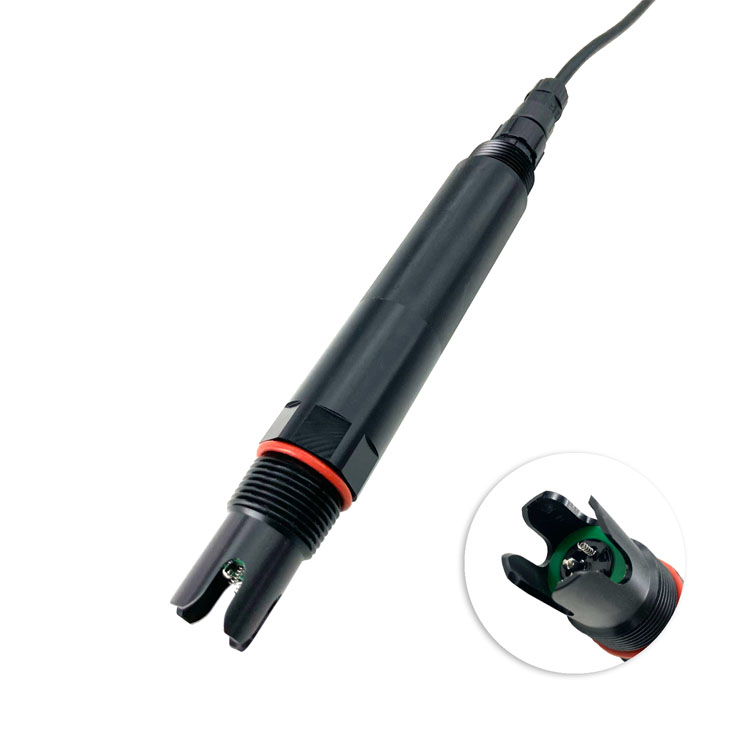
Targeting the harsh strong-alkali and high-salt corrosive environment of saline-alkali land, NiuBoL has developed a series of industrial bus architecture sensors, providing integrators with low-drift, long-life sensing layer devices.
| Model | Parameter | Principle | Range / Resolution | Interface |
|---|---|---|---|---|
| NBL-DDM-206/TDS | Salinity / Conductivity | Graphite electrode / 4-electrode method | 0–20 ms/cm / 0.01 | RS485 (Modbus RTU) |
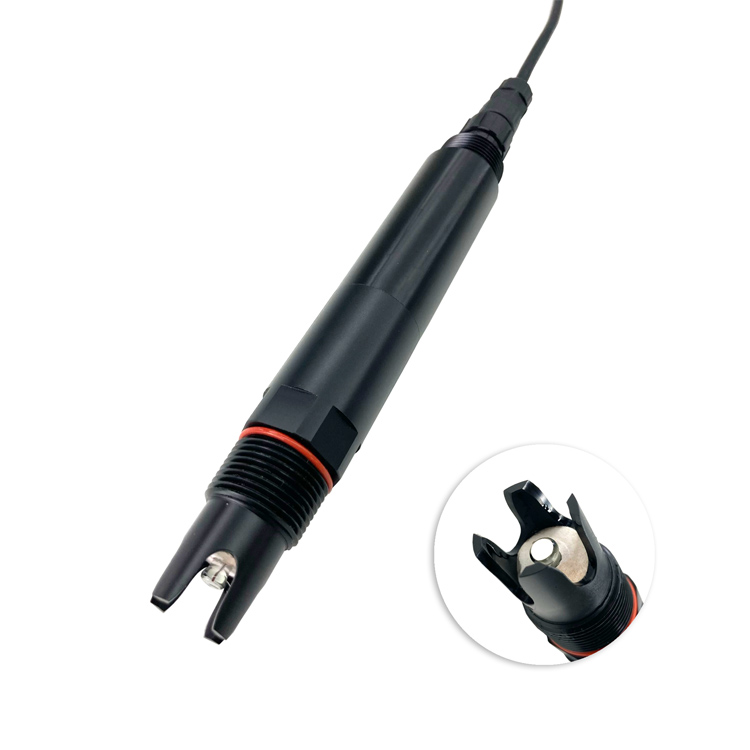
| NBL-PHG-206 | pH | Glass electrode (industrial grade) | 0–14 pH / 0.01 | RS485 (Modbus RTU) |
| NBL-RDO-206 | Dissolved Oxygen (DO) | Fluorescence (membrane-free) | 0–20 mg/L / 0.01 | RS485 (Modbus RTU) |
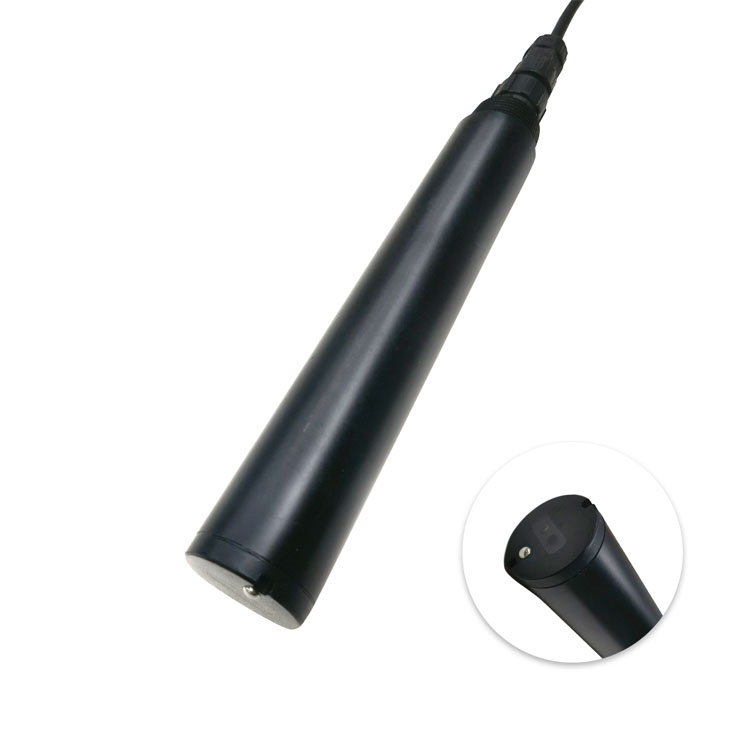
| NBL-L-WLPS | Level | Diffused silicon pressure | 0–10 m / 1 mm | RS485 (Modbus RTU) |
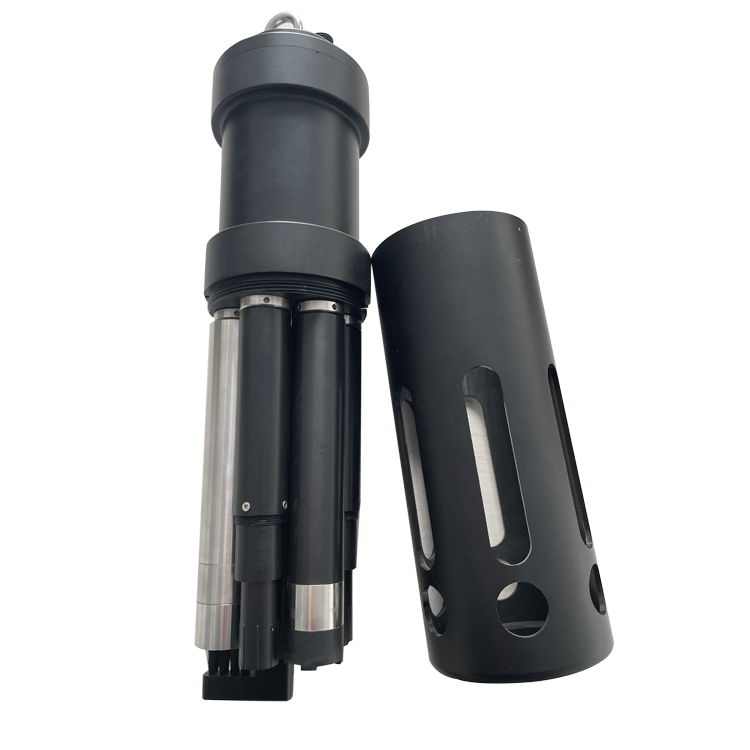
System integrators collect data from NiuBoL salinity sensors and level gauges to set threshold logic: when salinity exceeds 3.5, the PLC automatically activates the freshwater pump unit and opens the drainage valves until salinity returns to the preset range.
Due to the unique planktonic structure in chloride-rich water, the system can predict eutrophication trends by monitoring real-time diurnal fluctuations in pH and dissolved oxygen (DO) levels. This aids in adjusting aeration equipment operating times to optimize energy consumption.
During the initial phase of saline-alkali land remediation, a multi-point sensor network is deployed to monitor groundwater levels and the rate of water-salt exchange in ponds, providing the general contractor with digital reports on remediation effectiveness.

Corrosion Resistance: Saline-alkali water has strong electrochemical corrosivity. Sensor housings must use alkali-resistant materials such as ABS, PVC, or POM. Untreated metal components must never be in long-term contact with water.
Sensor Calibration: Due to complex background ions in saline-alkali water, recommend point-to-point calibration using site water samples during initial deployment to eliminate background interference.
Lightning Protection & Anti-Interference: For large outdoor pond deployments, RS485 signal lines should use shielded twisted pair cables with proper grounding protection.
Water Level Differential Monitoring: High-water-level salt suppression strategy requires sensors with excellent long-term stability to avoid false judgments caused by level sensor temperature drift.
Q1: Why is RS485 (Modbus RTU) the preferred protocol for saline-alkali aquaculture sensors?
A: RS485 bus supports transmission distances up to 1200 meters and allows multiple sensors on one gateway. For large-scale aquaculture, this greatly reduces wiring cost and system complexity.
Q2: How often does the NiuBoL salinity sensor require maintenance?
A: In high-salinity saline-alkali environments, recommend cleaning biofilms or salt scale from electrode surfaces every 4–8 weeks.
Q3: How to extend pH sensor lifespan in highly alkaline water?
A: NiuBoL uses industrial-grade special glass membranes and high-capacity reference systems, effectively resisting alkaline ion penetration, with lifespan over 30% longer than ordinary consumer sensors.
Q4: How are salinity, conductivity, and TDS interconverted?
A: NiuBoL sensors have built-in compensation coefficients. Conductivity is the base measurement, converting to salinity or TDS via formula for direct reading by engineering staff.
Q5: Does this equipment support direct connection to smart aquaculture or smart agriculture cloud platforms?
A: Yes. The devices follow standard Modbus protocol and can seamlessly connect to 4G/5G DTUs, uploading data to any cloud database supporting standard protocols.
Q6: Saline-alkali ponds are often shallow. Is pressure level transmitter accurate enough?
A: NiuBoL pressure level transmitter has 1 mm resolution, precisely sensing subtle water level changes even in 1.5–2 meter shallow ponds.
Q7: Can the sensor operate when the pond freezes in winter?
A: The sensor operating temperature range is 0–40°C. If freezing occurs, remove the sensor from water or install below the ice layer in unfrozen areas.
Q8: Do you provide complete data acquisition enclosures for project contractors?
A: Yes. NiuBoL provides not only sensors but also integrated monitoring enclosures with data acquisition, storage, wireless transmission, and power management — simplifying on-site engineering deployment.
Summary: Refined operation of saline-alkali pond aquaculture relies on data support. For system integrators, selecting high-precision water quality sensors like NiuBoL not only meets basic monitoring needs but also reduces engineering risks through digital O&M methods, ensuring long-term ecological and economic benefits of saline-alkali land improvement projects.
Pro Tip: For large-scale system design, consult NiuBoL technical engineers for customized sensor material configuration based on specific saline-alkali water types (e.g., sulfate-type or chloride-type).
 NBL-RDO-206 Online Fluorescence Dissolved Oxygen Sensor.pdf
NBL-COD-208 Online COD Water Quality Sensor.pdf
NBL-CL-206 Water Quality Sensor Online Residual Chlorine Sensor.pdf
NBL-DDM-206 Online Water Quality Conductivity Sensor.pdf
Prev:High-Concentration Ammonia Nitrogen Wastewater Monitoring: Technology & System Integration Guide
Next:Industrial Water Quality Monitoring: Core Indicators Analysis & Intelligent Integration Solutions
Related recommendations
Sensors & Weather Stations Catalog
Agriculture Sensors and Weather Stations Catalog-NiuBoL.pdf
Weather Stations Catalog-NiuBoL.pdf
Agriculture Sensors Catalog-NiuBoL.pdf
Water Quality Sensor Catalog-NiuBoL.pdf
Related products
 Combined air temperature and relative humidity sensor
 Soil Moisture Temperature sensor for irrigation|NBL-S-THR
 Soil pH sensor RS485 soil Testing instrument soil ph meter for agriculture |NBL-S-PH
 Wind Speed sensor Output Modbus/RS485/Analog/0-5V/4-20mA
 Tipping bucket rain gauge for weather monitoring auto rainfall sensor RS485/Outdoor/stainless steel
 Pyranometer Solar Radiation Sensor 4-20mA/RS485

Screenshot, WhatsApp to identify the QR code
WhatsApp number:+8615367865107
(Click on WhatsApp to copy and add friends)

