





— Blogs —
—Products—
 Consumer hotline +8618073152920
 WhatsApp:+8615367865107
Address:Room 102, District D, Houhu Industrial Park, Yuelu District, Changsha City, Hunan Province, China
Product knowledge
Time:2026-04-26 20:42:13 Popularity:400
In water treatment processes, residual chlorine is a core indicator for evaluating disinfection effectiveness and pipeline protection capability. Proper control of residual chlorine concentration effectively kills pathogenic microorganisms while avoiding potential risks from excessive disinfection by-products (DBPs, such as trihalomethanes THMs). The NBL-WQ-CL provides continuous online monitoring, helping engineering teams grasp real-time residual chlorine levels, optimize chlorination processes, and ensure effluent water quality meets standards such as GB 5749-2022 "Standards for Drinking Water Quality".
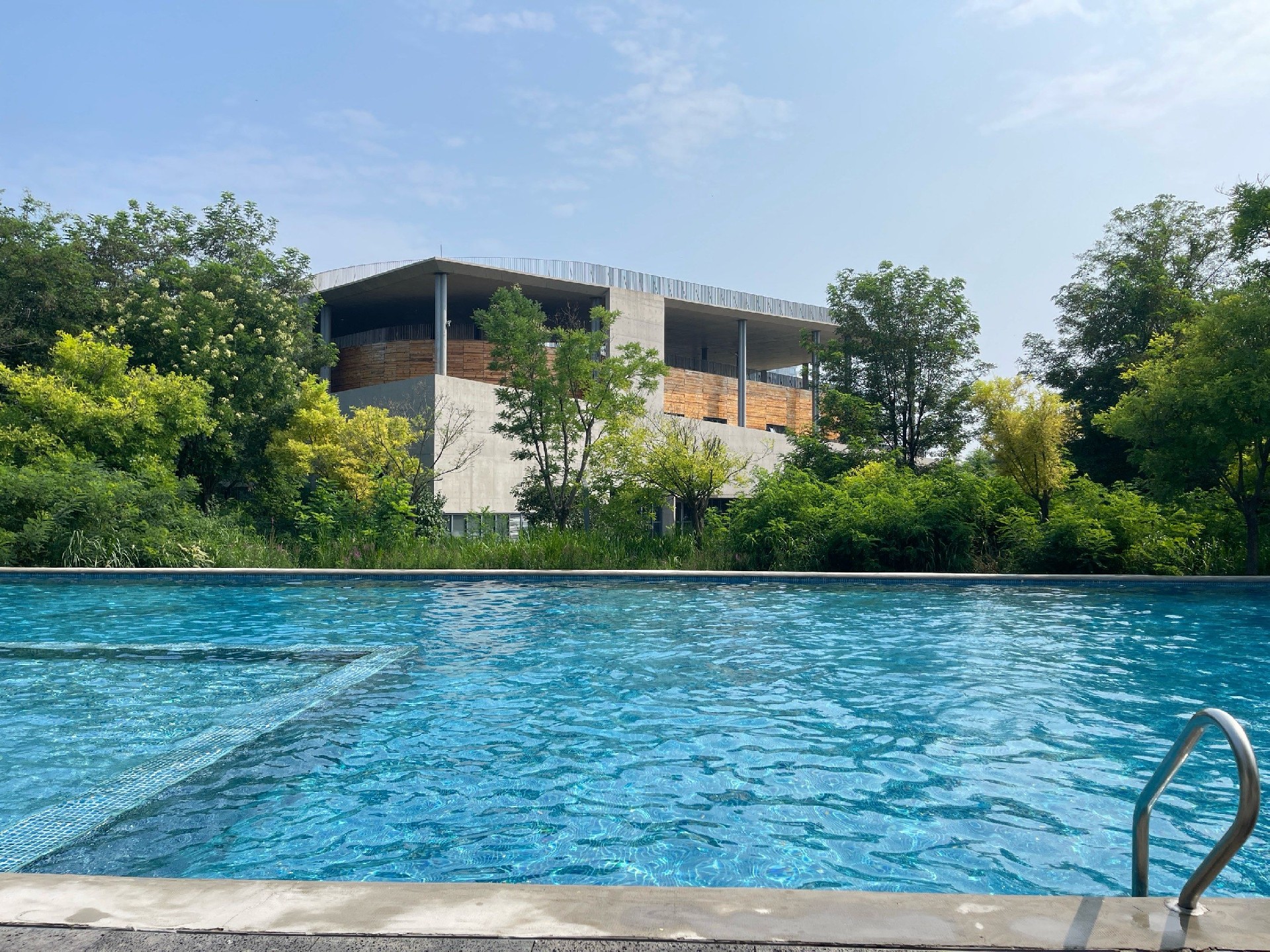
Chlorine and its compounds (e.g., sodium hypochlorite, calcium hypochlorite) are the most widely used disinfectants for drinking water and industrial water worldwide. When chlorine is added to water, it forms free chlorine (mainly in the forms of HClO and ClO⁻), which effectively oxidizes and inactivates bacteria, viruses, and some protozoa, preventing waterborne diseases. Meanwhile, residual chlorine persists in the pipeline network, inhibiting secondary contamination and ensuring water quality safety at the network endpoints.
According to China's GB 5749-2022 drinking water quality standards, free residual chlorine in drinking water is typically controlled within an appropriate range at the outlet, with no less than 0.05 mg/L at network endpoints to ensure disinfection persistence. Internationally, agencies such as the US EPA have set similar limits (e.g., total residual chlorine not exceeding 4 mg/L) to balance disinfection benefits and safety.
However, chlorine disinfection is not without challenges. Chlorine reacts with natural organic matter (NOM) in water to form disinfection by-products, mainly trihalomethanes (THMs) and haloacetic acids (HAAs). Long-term exposure to higher concentrations of THMs is epidemiologically associated with an increased risk of bladder cancer, and some studies also mention potential effects on the reproductive system, neurodevelopment, and liver/kidney function. Pregnant women, infants, and immunocompromised individuals are more sensitive to these by-products.
In addition, excessive residual chlorine can cause taste and odor issues, corrode pipeline equipment, and cause oxidative damage to downstream membrane treatment processes (such as reverse osmosis RO). Therefore, precise monitoring and control of residual chlorine concentration has become a critical link in engineering practice for drinking water treatment plants, secondary water supply systems, swimming pools, and industrial cooling water systems.
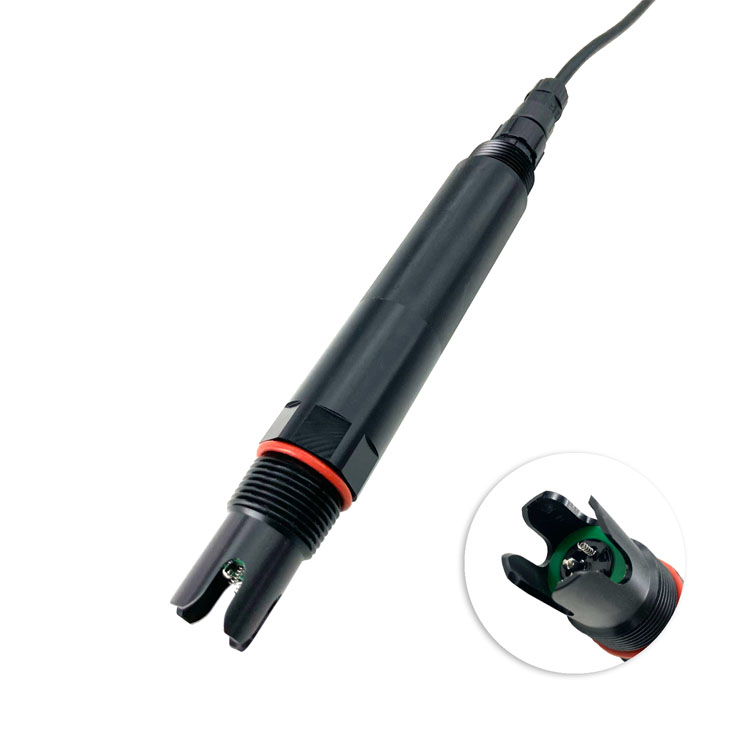
The NBL-WQ-CL adopts the constant voltage method (potentiostatic method) measurement principle. This method is based on a three-electrode system (working electrode, reference electrode, counter electrode), applying a constant potential on the working electrode surface to cause an electrochemical reduction reaction of free residual chlorine (mainly HClO). The resulting current signal is proportional to the residual chlorine concentration.
Compared with the traditional DPD colorimetric method, the constant voltage method requires no frequent reagent addition, has a fast response time (<30 s), and is suitable for continuous online monitoring. The sensor has a built-in Pt1000 temperature sensor, achieving automatic temperature compensation and reducing the impact of temperature fluctuations on measurement accuracy. The measurement range covers 0~2.000 mg/L (as HClO), with a resolution of 0.001 mg/L, meeting the requirements for most drinking water and swimming pool water quality control.
The optical system or membrane structure design further enhances anti-interference capability, suitable for media environments with pH 4~9. The output signal is linearized and transmitted directly via the RS-485 interface using the Modbus/RTU protocol, facilitating integration into PLC, SCADA, or IoT water quality monitoring platforms.
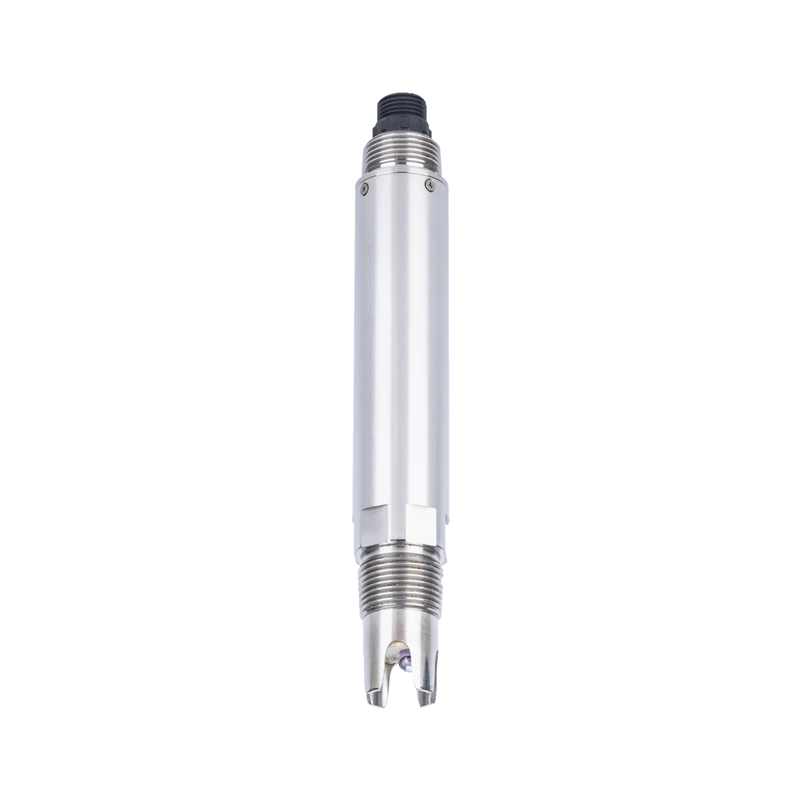
The NBL-WQ-CL residual chlorine sensor is designed with full consideration of reliability and ease of integration in industrial field environments:
High Stability Measurement: Constant voltage method combined with automatic temperature compensation, accuracy ±5% or ±0.05 mg/L, meeting long-term continuous operation requirements.
Structural Optimization: Wetted materials use POM and PTFE, excellent corrosion resistance. IP68 protection rating, suitable for circulation tank installation.
Low Maintenance Design: Two-point calibration (zero and slope), fast response, reducing field maintenance frequency.
Digital Communication: RS-485 Modbus/RTU protocol, supporting multiple sensor networking and remote data acquisition.
Engineering Adaptability: Working pressure <0.1 MPa, flow rate 30~60 L/h, compact dimensions (30×233 mm), easy for pipeline or tank integration.
These characteristics enable the sensor to maintain stable output in complex water treatment environments, reducing overall system operation and maintenance costs.
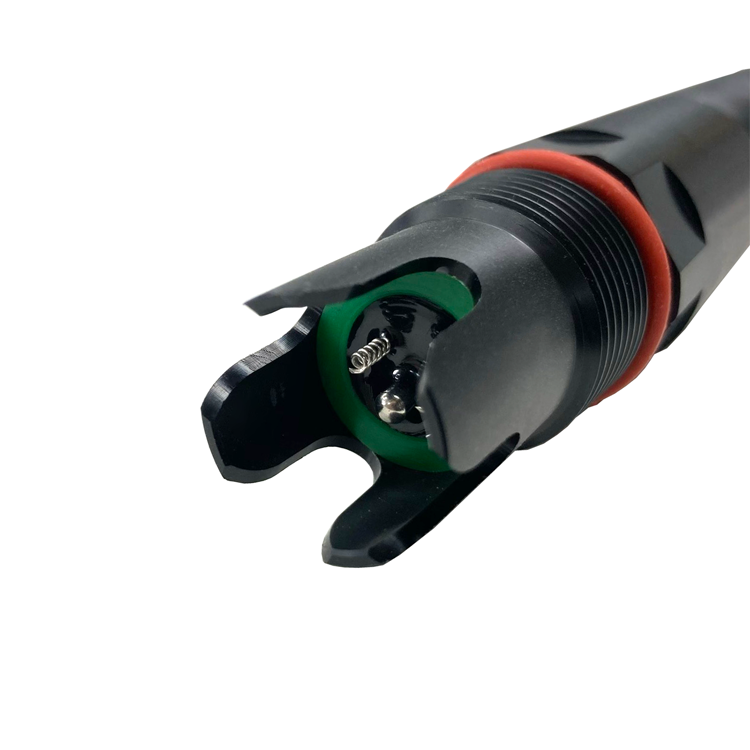
The following are the main technical parameters of the NBL-WQ-CL for project selection reference:
| Parameter | Specification |
|---|---|
| Model | NBL-WQ-CL |
| Measurement Principle | Constant voltage method |
| Measurement Range | 0~2.000 mg/L (HClO) |
| Resolution | 0.001 mg/L |
| Accuracy | ±5% or ±0.05 mg/L, temperature ±0.5℃ |
| Calibration Function | Two-point calibration (zero and slope) |
| Temperature Compensation | Automatic temperature compensation (Pt1000) |
| pH Applicable Range | 4~9 |
| Working Pressure | <0.1 MPa |
| Working Temperature | 5~50℃ |
| Response Time | <30 s |
| Output Mode | RS-485 (Modbus/RTU protocol) |
| Power Supply | 12~24 VDC ±10% |
| Power Consumption | 0.2 W @12 V |
| Protection Rating | IP68 |
| Installation Method | Circulation tank installation |
| Wetted Materials | POM, PTFE |
| Dimensions | 30×233 mm |
The sensor covers common residual chlorine control ranges, and the accuracy meets engineering monitoring requirements.
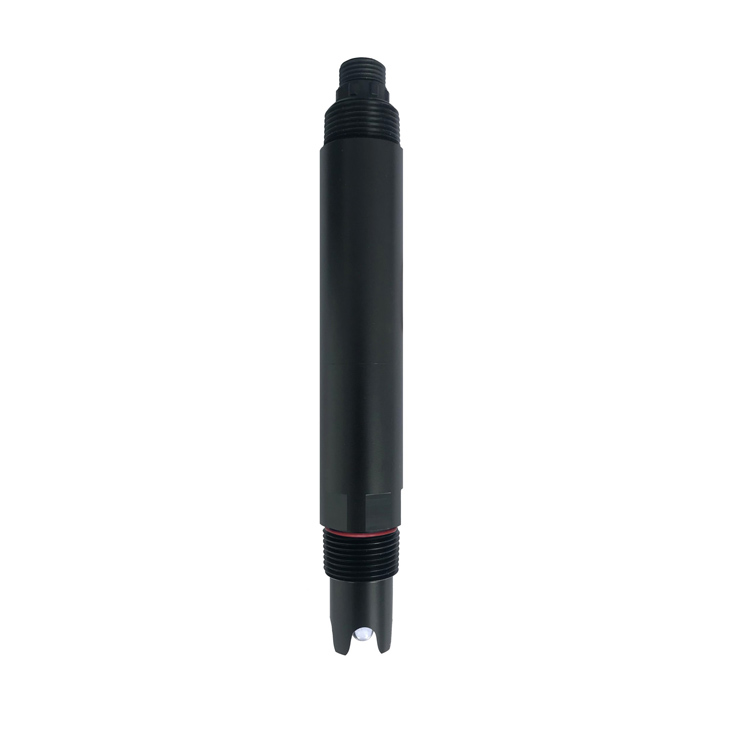
The NBL-WQ-CL online residual chlorine sensor is widely used in fields requiring continuous disinfection effect monitoring and process control:
Drinking Water Treatment Plants: Monitor residual chlorine concentration after chlorination, sedimentation, filtration, and at the outlet, optimize dosage, reduce THMs formation, while ensuring residual chlorine at network endpoints.
1. Swimming Pool Water Quality Management: Real-time control of circulating water residual chlorine levels, maintaining disinfection effectiveness around 0.3~1.0 mg/L, protecting swimmer health and reducing irritating odors.
2. Secondary Water Supply and Pipeline Network Monitoring: Secondary pressurization stations in residential areas, office building water supply systems, preventing secondary pipeline contamination.
3. Industrial Cooling Circulation Water: Cooling tower systems in power plants, chemical plants, food processing industries, controlling microbial growth and extending equipment service life.
4. Canneries and Food Processing: Monitoring of process water disinfection, ensuring product hygiene and safety.
5. Water Treatment Engineering and IoT Platforms: As front-end sensing nodes, combined with data loggers and cloud platforms, enabling remote alarms, automatic chemical dosing linkage, and historical data traceability.
In these scenarios, the sensor helps engineering teams detect residual chlorine anomalies in a timely manner, adjust process parameters, reduce disinfection by-product risks, and improve overall water treatment efficiency.
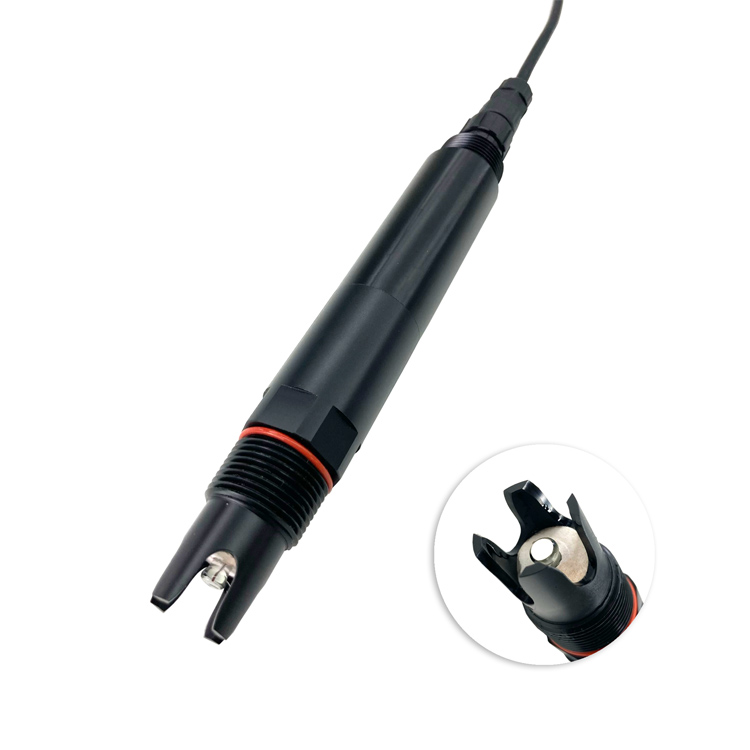
When selecting an online residual chlorine sensor, system integrators are advised to focus on the following aspects:
Measurement Range and Accuracy: The 0-2 mg/L range is typically chosen for drinking water and swimming pool applications; high resolution better captures minor fluctuations. The NBL-WQ-CL provides reliable accuracy across the full range.
Media Compatibility: Confirm that the media pH (4-9) and temperature (5-50℃) are within the sensor's working range, and be aware of strong oxidants or high turbidity interference.
Installation and Flow Requirements: Circulation tank installation requires ensuring a flow rate of 30-60 L/h, avoiding dead zones or bubble interference affecting measurement.
Communication Protocol: Modbus/RTU protocol facilitates integration with existing automation systems. If analog output is needed, a transmitter can be used to achieve 4-20 mA conversion.
Environmental Adaptability: IP68 protection is suitable for submerged or pipeline installation; low power design is conducive to distributed or solar-powered scenarios.
Calibration and Maintenance: Prioritize models that support two-point calibration to reduce long-term operation and maintenance costs.
It is recommended to conduct on-site water sample testing in the early project phase to verify the stability and compatibility of the sensor in the actual media.
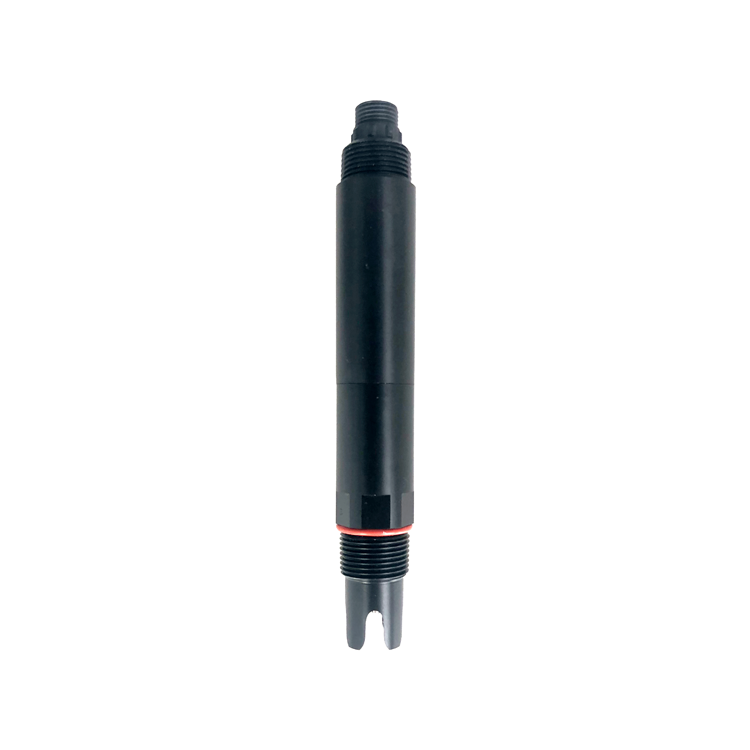
To ensure reliable system operation, the following points should be noted during integration:
Installation Location: Choose a sampling point with stable water flow and strong representativeness, avoiding bubble accumulation or sediment interference. Ensure flow rate meets requirements for circulation tank installation.
Power Supply and Signal: Use a stable 12-24 VDC power supply; surge protection is recommended. Correctly connect A/B lines for the RS-485 bus, match termination resistors, and control bus length and branch count to reduce signal interference.
Calibration and Maintenance: Perform two-point calibration (zero and slope) after initial installation, and periodically verify with standard solutions. Although designed for low maintenance, it is recommended to check the electrode surface condition quarterly.
System Compatibility: Confirm that Modbus address and baud rate are consistent with the host system. Test data acquisition real-time performance and integrity to avoid packet loss.
Safety Protection: pH values outside the range or excessively high temperatures may affect accuracy; add pre-filtration or pH adjustment if necessary.
Interlocking Control: Can be linked with chlorine dosing equipment to automatically adjust dosage based on real-time residual chlorine values, achieving closed-loop control.
Strictly following integration specifications can significantly improve the stability and service life of the monitoring system.
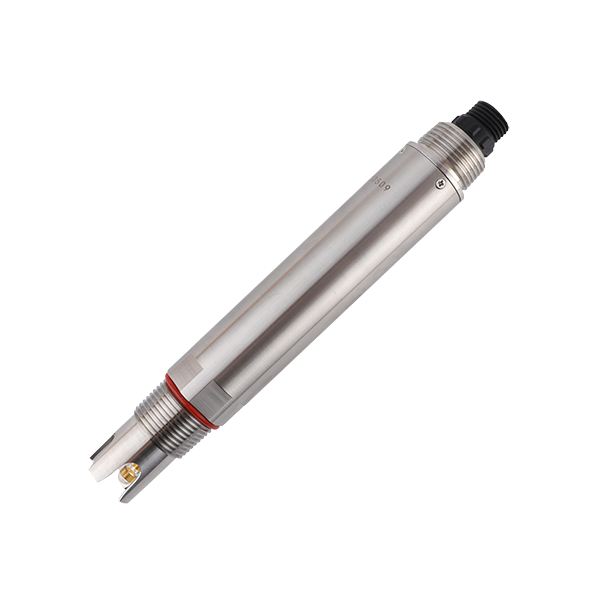
Q1: Which water quality monitoring scenarios is the NBL-WQ-CL suitable for?
A: The sensor is mainly used for continuous residual chlorine monitoring in drinking water treatment plants, swimming pools, cooling circulation water, canneries, and water treatment engineering, covering a free residual chlorine (HClO) range of 0-2 mg/L.
Q2: What are the advantages of the constant voltage method compared to the traditional DPD colorimetric method?
A: The constant voltage method requires no reagent consumption, has a fast response time (<30 s), is suitable for online continuous measurement, has low maintenance requirements, and is less affected by water sample color and turbidity.
Q3: How to connect the sensor to an existing SCADA or PLC system?
A: Directly read register data via the RS-485 Modbus/RTU protocol. Engineering teams can use serial servers or data acquisition modules for rapid integration without extensive secondary development.
Q4: What is the reasonable control range for residual chlorine in drinking water?
A: According to standards such as GB 5749-2022, residual chlorine at the outlet must meet disinfection requirements, with no less than 0.05 mg/L at network endpoints, while avoiding excessive levels that may increase by-products. Specific limits should be implemented according to local regulations.
Q5: Does the sensor support automatic temperature compensation?
A: Yes, it has a built-in Pt1000 temperature sensor, achieving automatic compensation and reducing the impact of temperature changes on measurement results.
Q6: What are the flow and pressure requirements for installation?
A: Circulation tank installation is recommended, with flow controlled at 30~60 L/h and working pressure less than 0.1 MPa, ensuring measurement stability.
Q7: What disinfection by-product risks may arise from excessively high residual chlorine?
A: Excess residual chlorine readily reacts with organic matter to form THMs and other by-products. Long-term exposure may increase health risks such as bladder cancer, so precise monitoring and control are necessary.
Q8: How frequent is sensor maintenance?
A: The two-point calibration mode results in low maintenance requirements under stable working conditions. Regular calibration and electrode checks are recommended, with relatively low actual operation and maintenance costs.
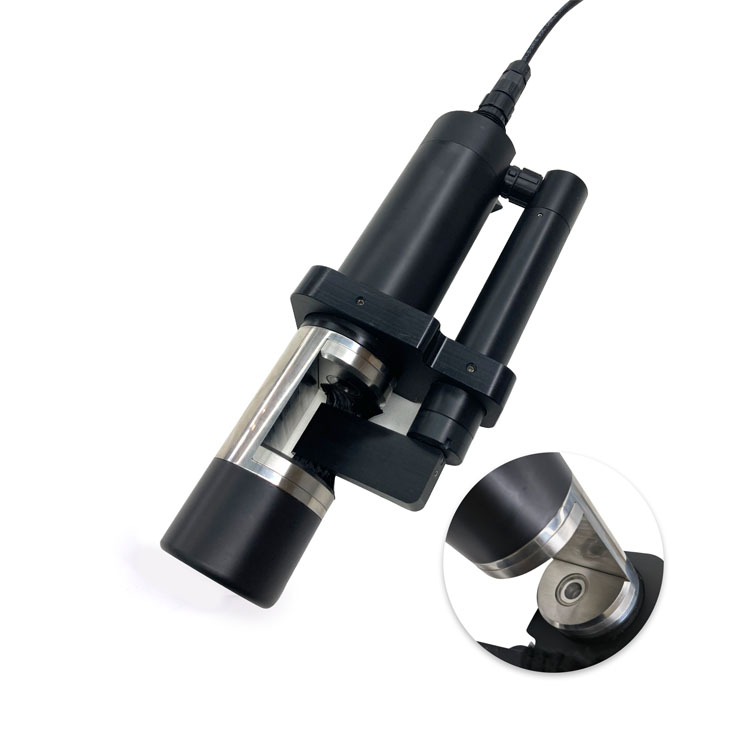
The NiuBoL NBL-WQ-CL online residual chlorine sensor, with constant voltage method as its core technology, combined with digital communication and reliable protection, provides an efficient online monitoring means for drinking water disinfection control, swimming pool water quality management, and industrial water treatment projects. It helps system integrators and engineering companies grasp real-time residual chlorine dynamics, optimize process parameters, reduce disinfection by-product risks, and ensure water quality safety compliance.
Against the backdrop of increasingly stringent environmental requirements and the trend toward intelligent water treatment, precise residual chlorine monitoring is an important foundation for building reliable water quality control systems. The NBL-WQ-CL, with its stability, ease of integration, and low maintenance characteristics, has become a practical choice in many water treatment projects. Welcome to contact the NiuBoL professional team to discuss optimal configurations tailored to project needs.
 NBL-WQ-CL Water Quality Sensor Online Residual Chlorine Sensor.pdf
NBL-WQ-CL-4A Industrial-grade Online Residual Chlorine Sensor.pdf
NBL-WQ-CL-4S Series Online Water quality Residual Chlorine Sensor.pdf
NBL-WQ-PH Online Water Quality pH Sensor.pdf
Related recommendations
Sensors & Weather Stations Catalog
Agriculture Sensors and Weather Stations Catalog-NiuBoL.pdf
Weather Stations Catalog-NiuBoL.pdf
Agriculture Sensors Catalog-NiuBoL.pdf
Water Quality Sensor Catalog-NiuBoL.pdf
Related products
 Combined air temperature and relative humidity sensor
 Soil Moisture Temperature sensor for irrigation|NBL-S-THR
 Soil pH sensor RS485 soil Testing instrument soil ph meter for agriculture |NBL-S-PH
 Wind Speed sensor Output Modbus/RS485/Analog/0-5V/4-20mA
 Tipping bucket rain gauge for weather monitoring auto rainfall sensor RS485/Outdoor/stainless steel
 Pyranometer Solar Radiation Sensor 4-20mA/RS485

Screenshot, WhatsApp to identify the QR code
WhatsApp number:+8615367865107
(Click on WhatsApp to copy and add friends)

