





— Blogs —
—Products—
 Consumer hotline +8618073152920
 WhatsApp:+8615367865107
Address:Room 102, District D, Houhu Industrial Park, Yuelu District, Changsha City, Hunan Province, China
Product knowledge
Time:2026-04-26 20:50:42 Popularity:402
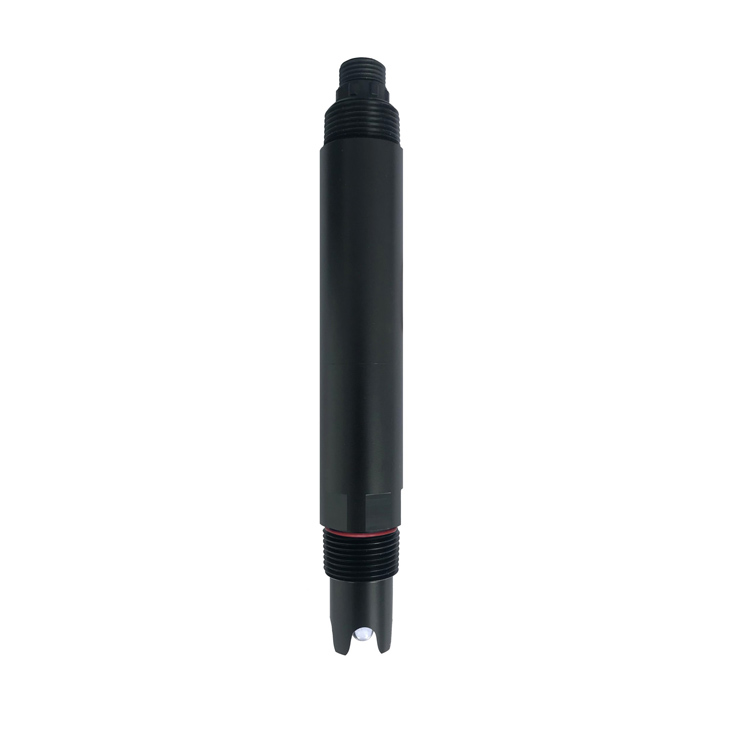
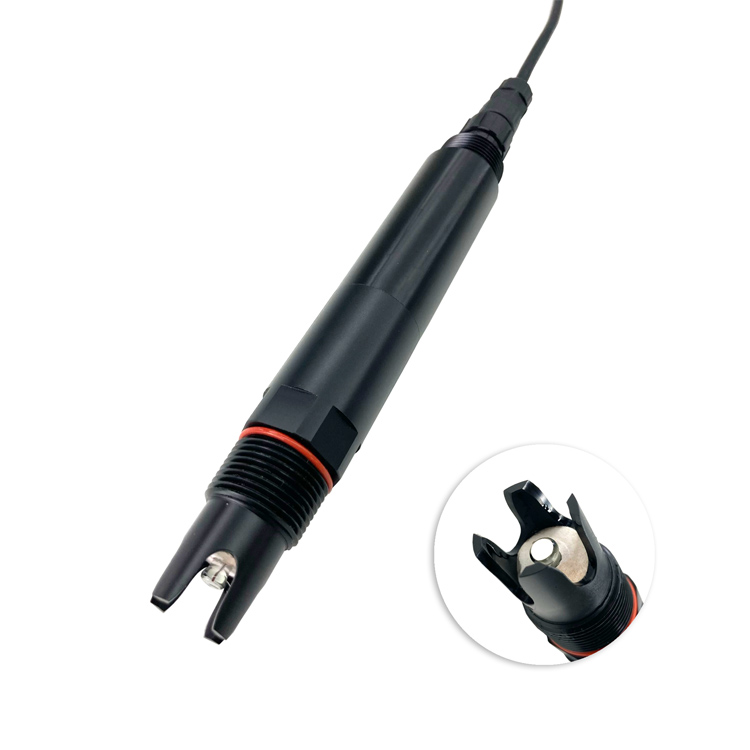
In industrial water quality monitoring systems, turbidity is a key parameter that directly reflects the content of suspended particles, colloids, and microorganisms in water, which is of great significance for ensuring effluent compliance, optimizing process flows, and meeting environmental discharge requirements. The NBL-ZS-206 achieves precise measurement through optical scattering technology and combines digital communication protocols for seamless integration with PLC, SCADA, and IoT platforms.
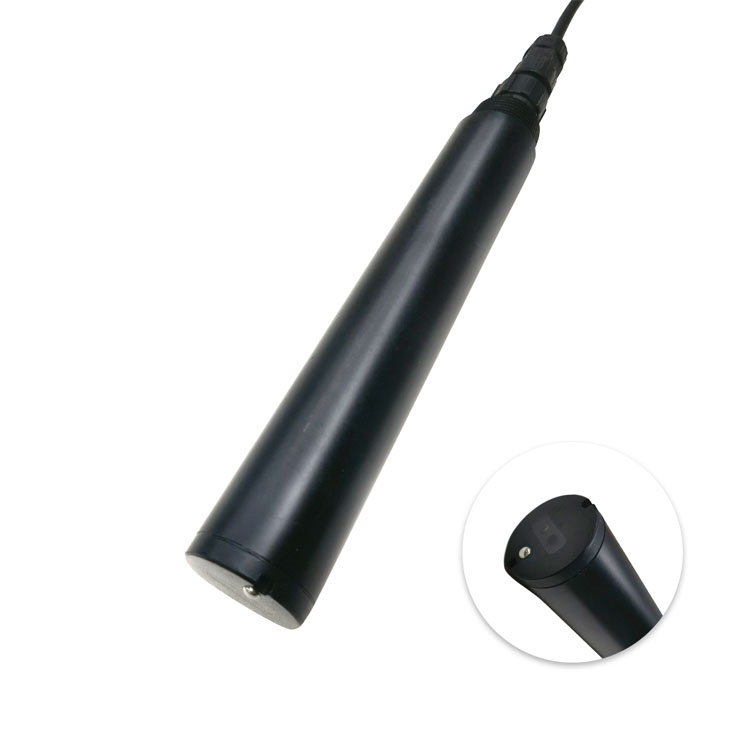
Turbidity is a quantitative expression of the degree to which suspended matter in water obstructs light transmission. These suspended substances include sediment, dust, fine organic matter, plankton, and colloidal substances, causing the water body to appear turbid. In industrial settings, turbidity not only affects visual clarity but is also an important indicator for evaluating water treatment efficiency, filtration effectiveness, and potential pollution risks.
The NBL-ZS-206 adopts the 90° scattered light measurement principle. When a parallel beam from a stable light source passes through a water sample, part of the light is absorbed and scattered by suspended particles, while another part passes through the solution. At a detector positioned at 90° to the incident light, the intensity of scattered light received is closely related to the number and volume of particles in the water.
According to the Rayleigh scattering formula, within a certain turbidity range with constant incident light intensity, the ratio of scattered light intensity Is to incident light intensity I0 satisfies Is/I0 = K N (where K is a constant and N is the number of particles per unit volume). By precisely measuring this ratio, the turbidity value of the water sample can be linearly calculated, typically expressed in NTU (Nephelometric Turbidity Units).
Some advanced turbidimeters are also equipped with a transmitted light detector. By calculating the ratio of the 90° scattered light signal to the transmitted light signal, they further correct for color interference, the influence of light-absorbing substances (such as activated carbon, dyes), and compensate for errors caused by light source intensity fluctuations. This ratio calculation technique significantly improves long-term stability and accuracy while reducing the interference of stray light on results.
The NBL-ZS-206 integrated design uses a highly stable infrared LED light source combined with a fiber optic structure to effectively resist external light interference. A built-in temperature sensor supports automatic temperature compensation (Pt1000), ensuring data reliability under different operating conditions. The sensor output is linearized to provide standardized turbidity values, which are convenient for direct reading and processing by the host system.
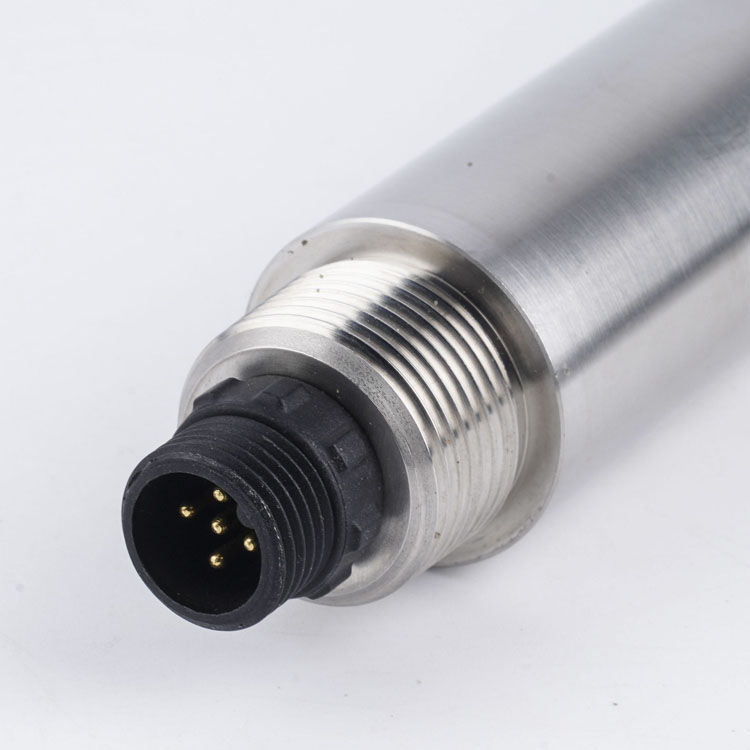
As an industrial-grade online monitoring device, the NBL-ZS-206 fully considers the practical needs of system integrators and engineering projects in its design:
Optimized Optical System: 90° scattered light principle, surface scattering design, light source and photoelectric detection parts are cleaning-free, reducing maintenance frequency.
Light Source Selection: Uses highly stable infrared LED light source, stable and low power consumption (<0.3W@12V), meeting energy-saving and environmental protection requirements.
Structure and Protection: Fiber optic structure enhances anti-interference capability, IP68 protection rating, supports submersible installation at depths up to 20 meters, wetted materials are POM and ABS, good corrosion resistance.
Communication and Output: Supports RS-485 interface, follows Modbus/RTU protocol, facilitating multi-device networking and remote data acquisition.
Additional Functions: Built-in temperature compensation, automatic temperature compensation algorithm; supports two-point calibration mode, ensuring long-term accuracy.
These characteristics enable the sensor to maintain stable output in complex industrial environments while reducing secondary development costs during system integration.
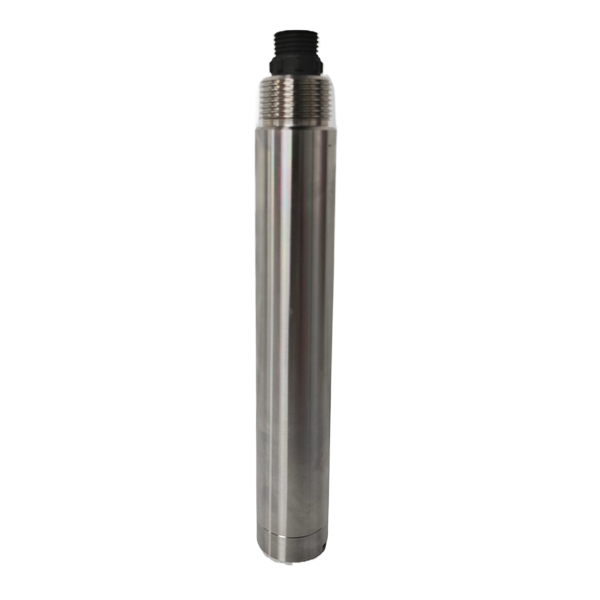
The following are the main technical parameters of the NBL-ZS-206 for engineering selection comparison:
| Parameter | Specification |
|---|---|
| Measurement Principle | 90° scattered light method |
| Measurement Range / Resolution | 0~20.00 NTU (0.01 NTU) 0~100.0 NTU (0.1 NTU) 0~1000.0 NTU (0.1 NTU) |
| Accuracy | ±3% or ±1.5 NTU (0~20 NTU) ±3% or ±2 NTU (0~100 NTU) ±5% or ±3 NTU (0~1000 NTU) |
| Temperature Measurement | Resolution 0.1℃, accuracy ±0.3℃ |
| Calibration Mode | Two-point calibration |
| Temperature Compensation | Automatic temperature compensation (Pt1000) |
| Output Mode | RS-485 (Modbus/RTU protocol) |
| Operating Conditions | 0~50℃, <0.2 MPa |
| Storage Temperature | -5~65℃ |
| Wetted Materials | POM, ABS |
| Installation Method | Submersible installation, 3/4 NPT thread |
| Cable Length | 5 meters (customizable) |
| Power Supply | 12~24 VDC ±10% |
| Power Consumption | <0.3 W @12 V |
| Protection Rating | IP68 |
This sensor covers three typical turbidity ranges (low, medium, high), meeting different application requirements from drinking water treatment to high-turbidity wastewater monitoring.
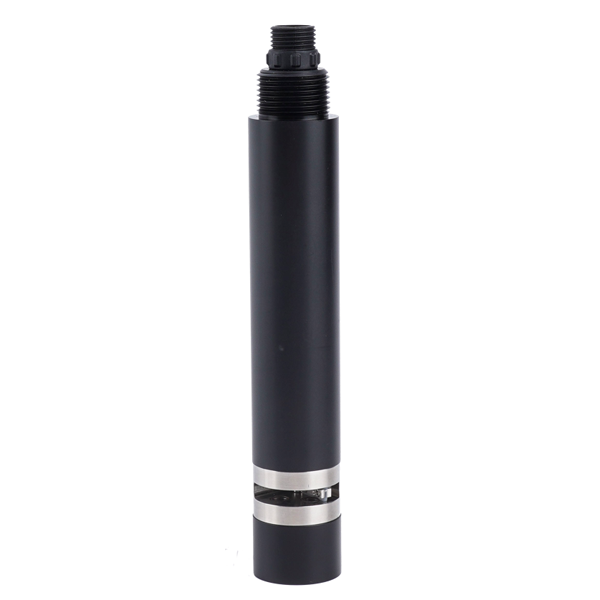
The NBL-ZS-206 online turbidity sensor is widely used in industrial fields requiring continuous and reliable water quality monitoring:
Municipal Wastewater Treatment Plants: Monitor turbidity of influent, sedimentation tanks, and filtered effluent, optimizing coagulation, sedimentation, and filtration processes to ensure discharge compliance.
Industrial Wastewater Treatment: Chemical, pharmaceutical, food processing, papermaking industries, used for process water circulation and wastewater discharge monitoring, helping control chemical dosage and reduce operating costs.
Water Supply and Drainage Engineering: Filtration system monitoring in waterworks, secondary water supply quality control, ensuring drinking water turbidity meets health standards.
Environmental Monitoring Stations and River/Lake Management: Real-time tracking of turbidity changes in surface water and landscape water bodies, providing data for ecological assessment and pollution traceability.
Cooling Circulation Water Systems: Monitoring of industrial cooling towers in power plants, steel mills, etc., preventing biofouling and pipeline blockage.
IoT Water Quality Monitoring Platforms: As front-end sensing nodes, combined with data loggers and cloud platforms, enabling remote alarms and intelligent management.
In these scenarios, the sensor can continuously record data, support historical waveform backtracking, and help engineering teams analyze the causes of process fluctuations and make timely adjustments.
When selecting an online turbidity sensor, system integrators need to comprehensively consider the following factors:
Range Matching: Choose the appropriate range based on expected turbidity. For low turbidity applications (e.g., drinking water), prioritize the 0-20 NTU range for higher resolution; for high turbidity wastewater, choose the 0-1000 NTU range.
Accuracy and Stability: Pay attention to accuracy specifications under different ranges, as well as light source stability and temperature compensation capability. The NBL-ZS-206 provides reliable performance across the full range.
Installation Environment: Evaluate medium corrosiveness, pressure, temperature, and flow rate. IP68 protection and 3/4 NPT threads are suitable for most submersible installation scenarios.
Communication Requirements: Modbus/RTU protocol supports multi-point networking, easily integrated into existing PLC or IoT systems. If analog output is required, a transmitter can be used to achieve 4-20 mA conversion.
Maintenance Convenience: Prioritize cleaning-free or low-maintenance optical designs to reduce on-site manual intervention.
Power Supply and Consumption: Low power design is beneficial for solar-powered or distributed deployment scenarios.
It is recommended to conduct on-site water sample testing in the early stage of the project to verify the sensor's performance in the actual medium, combined with two-point calibration to ensure initial accuracy.
To ensure long-term stable operation of the system, the following points should be noted during integration:
Installation Location: Choose a location with stable water flow and strong representativeness, avoiding areas with bubble accumulation, sediment deposition, or direct strong light. Control immersion depth within a reasonable range, and secure cables to prevent pulling.
Power Supply and Grounding: Use a stable 12-24 VDC power supply; surge protection and isolation measures are recommended. The RS-485 bus requires correct connection of A/B lines, and pay attention to termination resistor matching to reduce signal reflection.
Interference Suppression: The fiber optic structure has enhanced resistance to external light interference, but strong electromagnetic environments should still be avoided. Shielded cables or isolation modules can be added if necessary.
Calibration and Maintenance: Regularly perform two-point calibration using standard turbidity solutions. Although designed for low maintenance, it is recommended to periodically check the probe surface cleanliness.
System Compatibility: Modbus address and baud rate must be consistent with the host system. Test data acquisition stability to ensure no packet loss or excessive delay.
Environmental Adaptability: Operating temperature 0-50℃, exceeding this range may affect accuracy. Avoid extreme temperature and humidity during storage.
Following these precautions can significantly reduce integration risks and improve the reliability of the entire water quality monitoring system.
Q1: What turbidity range applications is the NBL-ZS-206 turbidity sensor suitable for?
A: The sensor offers three range options: 0-20 NTU, 0-100 NTU, and 0-1000 NTU, covering most scenarios from low turbidity drinking water to high turbidity industrial wastewater. Selecting the appropriate range based on expected water sample turbidity provides optimal resolution and accuracy.
Q2: What advantages does the 90° scattered light principle have over other measurement methods?
A: The 90° scattered light method has lower sensitivity to particle size changes, effectively reducing interference from color and light-absorbing substances. Ratio calculation technology can also compensate for light source fluctuations, improving long-term stability, and complies with international universal turbidity measurement standards.
Q3: How to integrate with existing SCADA or PLC systems?
A: The sensor outputs RS-485 Modbus/RTU protocol, supporting standard register reading. Engineering teams can directly access existing systems via serial servers or data acquisition modules without complex secondary development.
Q4: Does the sensor require frequent calibration?
A: Using a two-point calibration mode, it can be used long-term under stable working conditions after initial calibration. It is recommended to perform verification calibration quarterly or semi-annually based on changes in on-site water quality.
Q5: What water depth can the IP68 protection rating withstand in actual installation?
A: Supports submersible installation at depths up to 20 meters, suitable for most wastewater treatment tanks, rivers, or storage tank monitoring scenarios. Ensure the cable is well sealed during installation.
Q6: What are the benefits of using an infrared LED light source?
A: The infrared LED light source has high stability, low power consumption, and lower sensitivity to common organic matter and color interference in water, helping maintain measurement accuracy in complex media.
Q7: Does the sensor support analog output?
A: The main body output is digital RS-485, which can be converted to 4-20 mA standard analog signal through a matching turbidity transmitter, supporting offset adjustment and upper/lower limit alarms.
Q8: In high suspended solids wastewater environments, how much maintenance work is required?
A: The optical part uses a surface scattering design, with low cleaning requirements for the light source and detector. In practical applications, regular visual inspection and occasional gentle cleaning are sufficient, significantly reducing operation and maintenance costs.
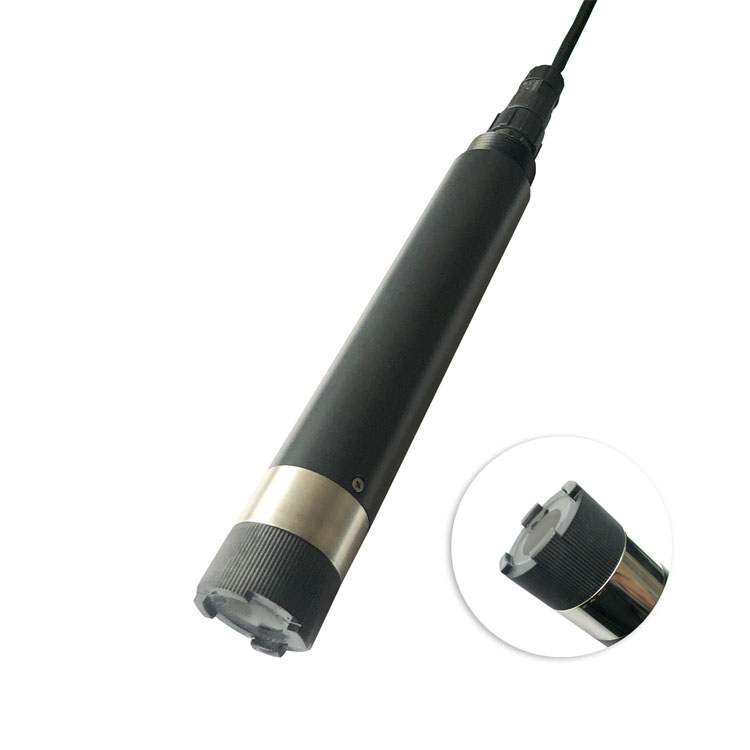
The NiuBoL NBL-ZS-206 online turbidity sensor, with the 90° scattered light principle at its core, combined with a highly stable light source, IP68 protection, and Modbus/RTU communication, provides an efficient and reliable sensing terminal for industrial water quality monitoring projects. It not only meets the requirements of system integrators for accuracy, stability, and ease of integration but also helps engineering companies optimize overall solution costs through low power consumption and low maintenance characteristics.
Against the backdrop of increasingly stringent environmental regulations and refined water resource management, selecting a stable, protocol-standard online turbidity sensor is an important foundation for building intelligent water treatment monitoring systems. The NBL-ZS-206, with its mature technology and practical design, has become a trustworthy choice in numerous water treatment projects.
 NBL-WQ-CL Water Quality Sensor Online Residual Chlorine Sensor.pdf
NBL-WQ-DO Online Fluorescence Dissolved Oxygen Sensor.pdf
NBL-WQ-NHN Ammonia Nitrogen Water Quality Sensor.pdf
NBL-WQ-COD Online Water Quality COD Sensor.pdf
NBL-WQ-PH Online pH Water Quality Sensor.pdf
Next:Treatment Paths and Online Monitoring System Selection for Domestic Sewage and Domestic Wastewater
Related recommendations
Sensors & Weather Stations Catalog
Agriculture Sensors and Weather Stations Catalog-NiuBoL.pdf
Weather Stations Catalog-NiuBoL.pdf
Agriculture Sensors Catalog-NiuBoL.pdf
Water Quality Sensor Catalog-NiuBoL.pdf
Related products
 Combined air temperature and relative humidity sensor
 Soil Moisture Temperature sensor for irrigation|NBL-S-THR
 Soil pH sensor RS485 soil Testing instrument soil ph meter for agriculture |NBL-S-PH
 Wind Speed sensor Output Modbus/RS485/Analog/0-5V/4-20mA
 Tipping bucket rain gauge for weather monitoring auto rainfall sensor RS485/Outdoor/stainless steel
 Pyranometer Solar Radiation Sensor 4-20mA/RS485

Screenshot, WhatsApp to identify the QR code
WhatsApp number:+8615367865107
(Click on WhatsApp to copy and add friends)

