





— Blogs —
—Products—
 Consumer hotline +8618073152920
 WhatsApp:+8615367865107
Address:Room 102, District D, Houhu Industrial Park, Yuelu District, Changsha City, Hunan Province, China
Product knowledge
Time:2026-03-13 13:49:41 Popularity:537
In the fields of aquaculture and water pollution control, water quality buoy monitoring stations have become key tools, helping system integrators, IoT solution providers, project contractors, and engineering companies achieve real-time data collection and environmental management. The NiuBoL water quality buoy monitoring station integrates sensor technology, supporting multi-parameter monitoring including dissolved oxygen, ammonia nitrogen, pH value, and temperature, providing reliable IoT integration options to ensure efficient project deployment. As a water quality sensor supplier, NiuBoL focuses on providing durable and precise water quality monitoring systems for professional engineering applications, assisting in optimizing water resource utilization and environmental protection.
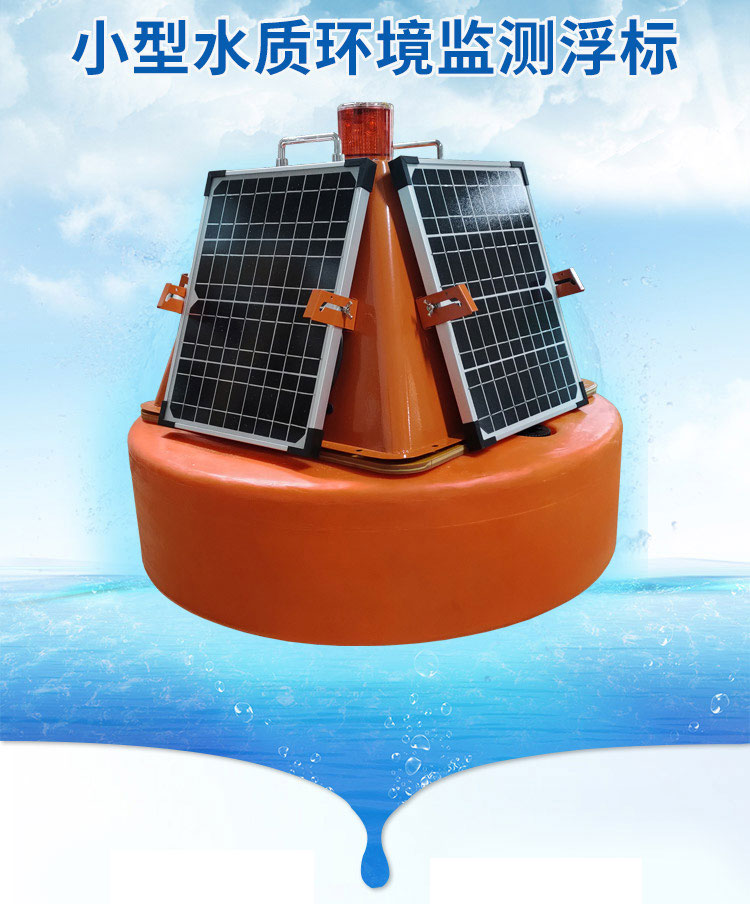
The sustainable development of the aquaculture industry relies on precise water quality management. Farmers face variable environmental factors such as temperature fluctuations, feed residue accumulation, and biological excretions, which directly affect the growth rate and survival rate of fish and shrimp. Traditional manual monitoring methods are often limited by manpower and accuracy, unable to meet the complex demands of large-scale ponds or reservoirs. This leads to frequent issues such as ammonia nitrogen exceeding standards, reduced dissolved oxygen, resulting in eutrophication, algal blooms, and aquatic animal poisoning.
The NiuBoL water quality buoy monitoring station achieves continuous monitoring of key parameters through buoy platforms deployed in aquaculture waters. The system integrates data acquisition modules, wireless transmission interfaces, and alarm mechanisms, helping engineering companies build intelligent aquaculture management systems. Compared to manual sampling, water quality buoy monitoring stations offer higher sampling frequency and data accuracy, supporting remote access to ensure project contractors can respond promptly to water quality changes.
In freshwater aquaculture environments, major water quality indicators include dissolved oxygen (DO), ammonia nitrogen (NH3-N), nitrite (NO2-N), pH value, and turbidity. Deviations in these parameters can cause stress responses, reduced immunity, or mass mortality in fish and shrimp. For example, when dissolved oxygen falls below 5 mg/L, fish feeding decreases; ammonia nitrogen exceeding 0.2 mg/L may cause tissue damage.
The NiuBoL buoy station is equipped with a multi-sensor array capable of simultaneously monitoring these indicators and transmitting data to cloud platforms via GPRS or LoRa protocols. This allows system integrators to integrate data into existing SCADA systems, enabling predictive maintenance and automated adjustments, such as linking aeration equipment to maintain oxygen balance.
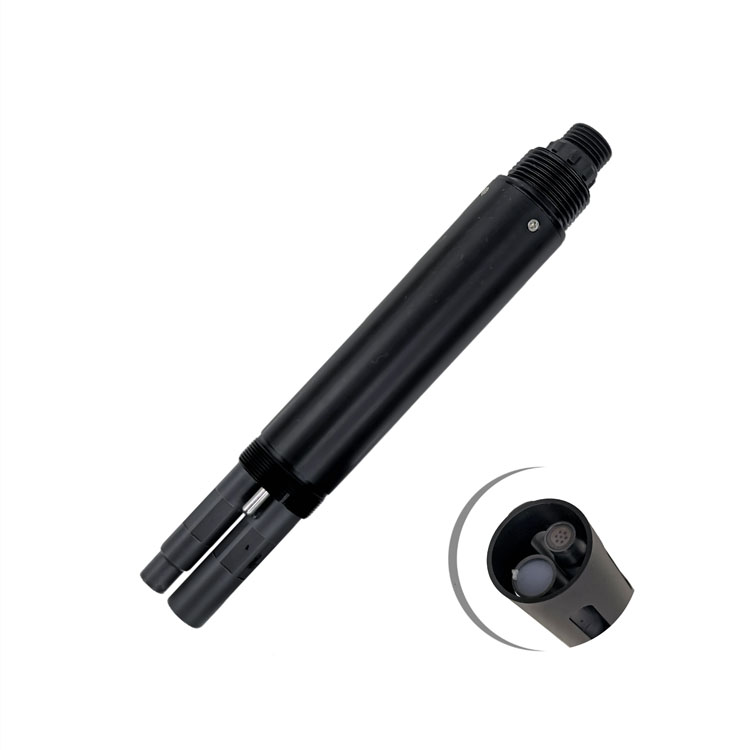
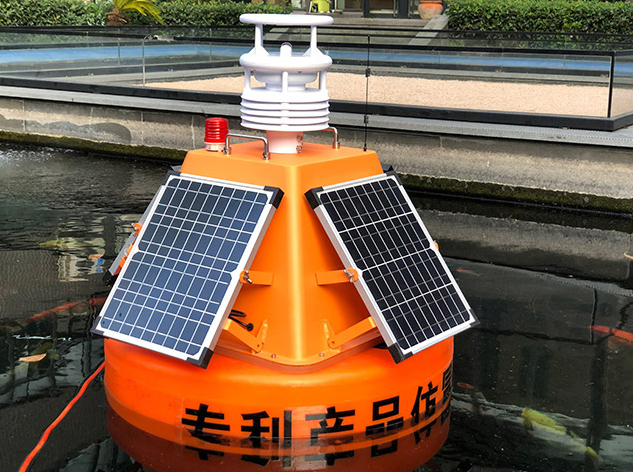
Deploying NiuBoL water quality buoy monitoring stations can significantly reduce operating costs. The system uses solar power to ensure long-term stable operation in remote waters without frequent maintenance. The buoy body is made of ultra-high molecular weight polyethylene (UHMWPE) material, featuring corrosion resistance, biofouling resistance, and impact resistance, suitable for complex hydrodynamic conditions.
Engineering companies can utilize the station's open API interfaces for seamless integration with IoT platforms, supporting custom threshold settings and SMS alarm functions. When ammonia nitrogen exceeds limits, the system automatically notifies maintenance personnel to prevent potential losses. Through historical data storage and analysis, project contractors can optimize feed delivery strategies, increase stocking density, and improve economic benefits.
Water pollution control is a core challenge in environmental protection, especially in industrialized areas where eutrophication and heavy metal pollution exacerbate resource shortages. Buoy water quality monitoring stations serve as key components of distributed monitoring networks, helping government and engineering institutions grasp dynamic changes in rivers, lakes, and reservoirs, providing data-driven governance decisions.
The NiuBoL buoy station supports comprehensive measurement of hydrological, water quality, and meteorological parameters, including flow velocity, rainfall, and wind speed. These data are transmitted to central control systems via wireless networks, assisting IoT solution providers in building regional monitoring grids.
Deploying multiple NiuBoL buoy stations in rivers or lakes can form high-density monitoring networks. Each station's positioning is achieved through GPS modules to ensure spatial data correlation. System integrators can connect external devices such as water pumps or samplers via Modbus or RS485 protocols to form closed-loop control systems.
This networked approach outperforms traditional fixed-station monitoring by capturing spatiotemporal variability. For example, installing buoy stations in urban drainage ditches can detect chemical oxygen demand (COD) and total phosphorus (TP) in real time, identifying pollution sources and providing engineering companies with support for tracing pollution discharge.
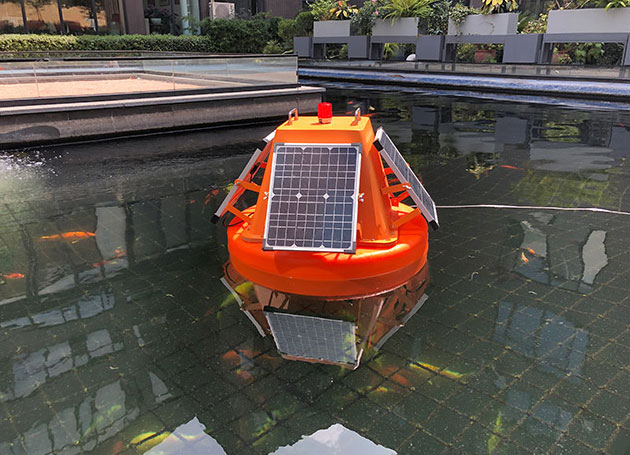
The NiuBoL water quality buoy monitoring station design emphasizes durability and accuracy. The following table outlines the main technical parameters:
| Parameter Category | Specific Indicator | Description |
|---|---|---|
| Monitoring Parameters | Dissolved Oxygen (DO) | Range: 0-20 mg/L, Accuracy: ±0.3 mg/L |
| Ammonia Nitrogen (NH3-N) | Range: 0-100 mg/L, Accuracy: ±5% | |
| pH Value | Range: 0-14, Accuracy: ±0.1 | |
| Temperature | Range: -5-50°C, Accuracy: ±0.5°C | |
| Turbidity | Range: 0-1000 NTU, Accuracy: ±5% | |
| Water Level | Range: 0-10 m, Accuracy: ±0.1% FS | |
| Power Supply System | Solar Panel | Power: 50 W, combined with large-capacity lithium battery, ensuring continuous operation >7 days (cloudy/rainy days) |
| Communication Protocol | Wireless Transmission | Supports GPRS/4G, LoRa; data upload frequency: adjustable (1 min - 24 h) |
| Structural Material | Buoy Body | UHMWPE material, corrosion-resistant, UV-resistant, Size: diameter 1.2 m, height 2.5 m |
| Functional Features | Data Storage | Built-in SD card, capacity >1 GB, supports remote download |
| Alarm Mechanism | Email/APP push, based on custom thresholds | |
| Environmental Adaptation | Operating Temperature -20-60°C, IP67 protection rating | |
| Installation Method | Anchored or floating, suitable for waters with depth >1 m |
These parameters ensure reliable system operation in harsh environments, meeting the stringent requirements of engineering projects.
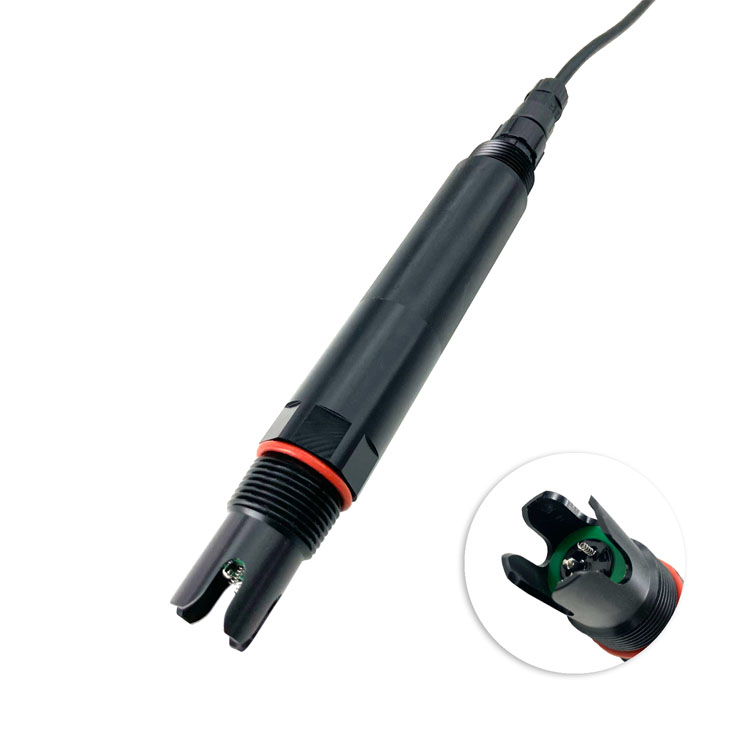
As a buoy station supplier, NiuBoL emphasizes compatibility with existing infrastructure. System integrators can connect buoy stations to cloud-based platforms such as AWS IoT or Azure IoT Hub for data visualization and AI analysis. Through machine learning algorithms, water quality trends can be predicted, helping project contractors intervene in pollution events in advance.
The deployment process includes on-site survey, buoy anchoring, and sensor calibration. NiuBoL provides technical support documents and training to ensure engineering teams can quickly get started. A typical application case is the Yangtze River Basin water pollution monitoring project, where multiple buoy stations form a network for real-time data reporting, supporting local governments in formulating emission standards.
Investing in NiuBoL water quality buoy monitoring stations brings significant returns. In aquaculture, precise monitoring reduces fish and shrimp mortality and increases yield by 10-20%. In pollution control, networked monitoring reduces manual inspection costs and improves efficiency by more than 30%. Long-term data accumulation supports compliance reporting, helping engineering companies win more government contracts.
Q1: How does the water quality buoy monitoring station integrate into existing IoT systems?
NiuBoL buoy stations support standard protocols such as Modbus, MQTT, and OPC UA, allowing seamless connection to SCADA or cloud platforms. System integrators can use APIs for custom data flow configuration.
Q2: How reliable is the system in harsh weather conditions?
With IP67 protection and UHMWPE material, NiuBoL stations operate stably in the -20-60°C range. Solar power ensures continuity, maintaining operation for more than 7 days even during consecutive cloudy/rainy days.
Q3: Which water quality parameters can be monitored?
Standard configuration includes DO, ammonia nitrogen, pH, temperature, turbidity, and water level. Expandable to COD, total nitrogen, etc., through additional sensor modules.
Q4: How long does it take to deploy a water quality buoy monitoring station?
Typical deployment cycle is 1-2 weeks, including on-site installation, calibration, and testing. NiuBoL provides detailed guidelines to accelerate the engineering process.
Q5: In aquaculture, how does the buoy station help optimize feed management?
Through real-time ammonia nitrogen and DO monitoring, the system can link with automated feed delivery to reduce residue accumulation and improve feed utilization.
Q6: What types of water bodies is the buoy station suitable for?
Suitable for rivers, lakes, reservoirs, ponds, and ditches. Designed for water depths of 1-50 m and complex flow conditions.
The NiuBoL water quality buoy monitoring station serves as a professional IoT solution, providing reliable tools for system integrators, project contractors, and engineering companies to optimize aquaculture and water pollution control. Through real-time multi-parameter monitoring, solar power supply, and network integration, the system improves operational efficiency, reduces risks, and supports data-driven decision-making. In an era of water resource scarcity, adopting such technology is not only an environmental responsibility but also a business opportunity. Contact NiuBoL to discuss how to incorporate buoy monitoring stations into your next project.
 NBL-RDO-206 Online Fluorescence Dissolved Oxygen Sensor.pdf
NBL-COD-208 Online COD Water Quality Sensor.pdf
NBL-CL-206 Water Quality Sensor Online Residual Chlorine Sensor.pdf
Related recommendations
Sensors & Weather Stations Catalog
Agriculture Sensors and Weather Stations Catalog-NiuBoL.pdf
Weather Stations Catalog-NiuBoL.pdf
Agriculture Sensors Catalog-NiuBoL.pdf
Water Quality Sensor Catalog-NiuBoL.pdf
Related products
 Combined air temperature and relative humidity sensor
 Soil Moisture Temperature sensor for irrigation|NBL-S-THR
 Soil pH sensor RS485 soil Testing instrument soil ph meter for agriculture |NBL-S-PH
 Wind Speed sensor Output Modbus/RS485/Analog/0-5V/4-20mA
 Tipping bucket rain gauge for weather monitoring auto rainfall sensor RS485/Outdoor/stainless steel
 Pyranometer Solar Radiation Sensor 4-20mA/RS485

Screenshot, WhatsApp to identify the QR code
WhatsApp number:+8615367865107
(Click on WhatsApp to copy and add friends)

