





— Blogs —
—Products—
 Consumer hotline +8618073152920
 WhatsApp:+8615367865107
Address:Room 102, District D, Houhu Industrial Park, Yuelu District, Changsha City, Hunan Province, China
Product knowledge
Time:2024-10-01 18:04:48 Popularity:1684
Golf courses cover a vast area with diverse terrain and significant microclimate effects. Meteorological conditions such as rainfall, temperature, and humidity vary greatly from one area to another, which poses a challenge for turf care. For example, a localized rainstorm may only affect a portion of the course while other areas remain dry. Therefore, accurate weather data is critical for developing irrigation schedules, lawn fertilization, and pest control to ensure consistent turf health throughout the course and provide players with the best playing experience.

1. Game Safety: In golf games, weather conditions such as wind speed and lightning directly affect player safety. Real-time monitoring can warn the extreme weather, such as thunderstorms, to ensure that the game in safe conditions, if necessary, can be suspended or adjusted game time.
2. Match fairness: Changes in wind direction and speed have a significant impact on the flight path of the ball. Real-time data helps referees make fair decisions, such as adjusting the kick-off time, to minimize the unfair impact of weather on the outcome of the match.
3. Pitch Maintenance: Monitoring temperature and humidity during matches enables quick response to ensure that the turf is in optimal condition, avoiding pitch problems caused by sudden changes in the weather, such as slippery or over-drying, which can affect the quality of play.
4. Tournament scheduling and management: Accurate weather forecasts enable tournament organizers to plan ahead, such as adjusting the order of matches, to ensure that important parts of the tournament take place when the weather conditions are optimal, and to enhance the spectator experience.
5. Player Strategy Formulation: Players can adjust their playing strategies based on real-time weather information, such as choosing to hit the ball from a long distance when the wind is low, or paying attention to ball flight distance control when the humidity is high.
6. Spectator experience: By providing real-time weather information, tournament organizers can better arrange spectator services, such as providing sun or rain protection facilities, to ensure spectator comfort and enhance the overall viewing experience.
7. Emergency Preparedness: Real-time monitoring identifies potential weather risks in advance, giving courses and tournament organizers time to prepare for contingency measures, such as evacuating spectators, protecting equipment, and reducing damage.
Real-time weather monitoring station is a key technology to ensure the smooth, safe and fair conduct of golf tournaments. It helps all parties to make the best decisions by providing accurate weather information, thus guaranteeing the high-quality execution of the tournament.
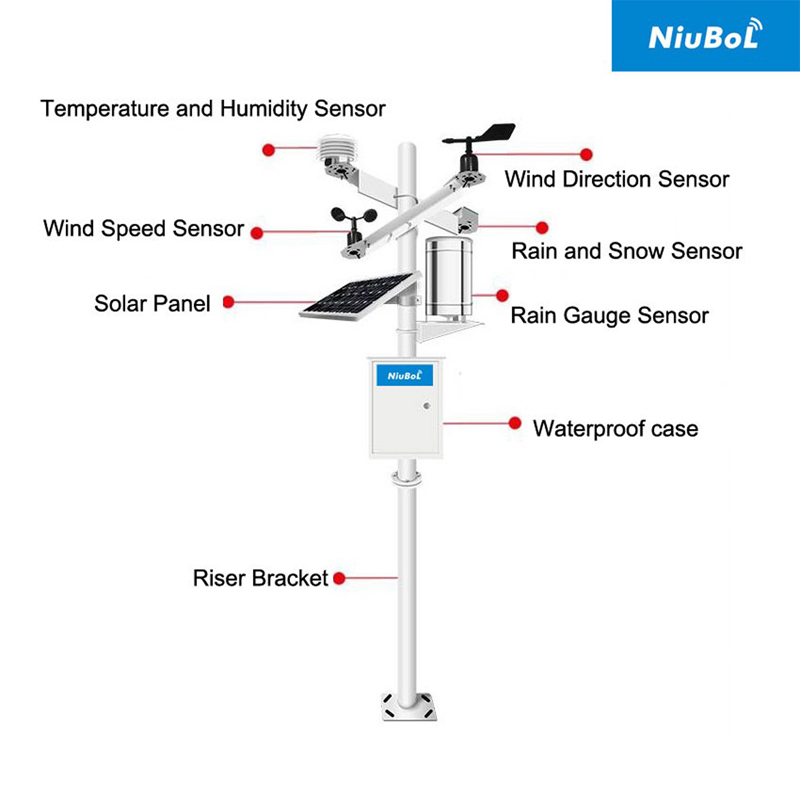
Golf course weather stations mainly monitor a series of meteorological parameters that have a direct impact on turf management and player experience, which include but are not limited to:
1. Rainfall: Accurate measurement of precipitation in all areas of the course is critical to the development of irrigation schedules.
2. Temperature: Ambient air and soil temperatures that help managers understand the optimal temperature conditions for turf growth.
3. Humidity: Air humidity and soil moisture are extremely important for turf moisture management and pest control.
4. Wind speed and direction: affects the flight path of the ball, and also has a direct impact on the evaporation of lawn water and the efficiency of sprinkler irrigation.
5. Light intensity: important for the photosynthesis and growth cycle of the lawn.
6. Atmospheric pressure: Although it has less of an impact on day-to-day management, it can be used as an indicator of weather changes.
7. Evapotranspiration: Helps assess the rate of water evaporation and adjust irrigation strategies.
8. Solar radiation: direct and photosynthetically active radiation that affects the water requirements and growth rate of a lawn.
9. soil moisture sensors: buried in the soil in different areas to monitor soil moisture content and guide precise irrigation.
These devices are connected to the central control unit through wireless or wired means, with real-time data transmission, and some are even integrated into the cloud platform for easy remote monitoring and data analysis.
With real-time monitoring of these parameters, golf course managers are able to make more precise decisions, such as adjusting irrigation schedules to conserve water, optimizing turf maintenance strategies to cope with varying climatic conditions, and ensuring that players enjoy the game in optimal course conditions. In addition, the ability to warn of extreme weather, such as thunderstorms, can also protect personnel safety and reduce potential damage.

1. Real-time monitoring: the golf course weather station can monitor real-time temperature, humidity, wind speed, wind direction, precipitation, air pressure and other meteorological elements.
2. data transmission: wireless transmission technology, real-time transmission of monitoring data to the monitoring center, so that managers can grasp the meteorological changes in a timely manner.
3. Early warning system: According to the meteorological data, set the warning threshold, when the meteorological elements exceed the threshold, automatically send out warning information.
4. Data analysis: statistical analysis of historical meteorological data, providing data support for tournament organization and lawn maintenance.
5. Personalization and customization: according to the characteristics and needs of the course, customize the weather station monitoring projects and functions.
- Precise irrigation: Based on real-time data, avoid excessive or insufficient irrigation, save water and reduce energy consumption.
- Improve turf quality: Reduce diseases and promote turf health through precise management of humidity and water.
- Optimize playing conditions: Ensure that the pitch is in top condition in varying weather conditions, boosting player satisfaction.
- Economic Benefits: Despite the initial investment, increase the economic benefits of the pitch in the long term by reducing unnecessary irrigation and maintenance costs.
- Environmental adaptability: Early warning of extreme weather, such as thunderstorms, to protect the safety of players and staff.
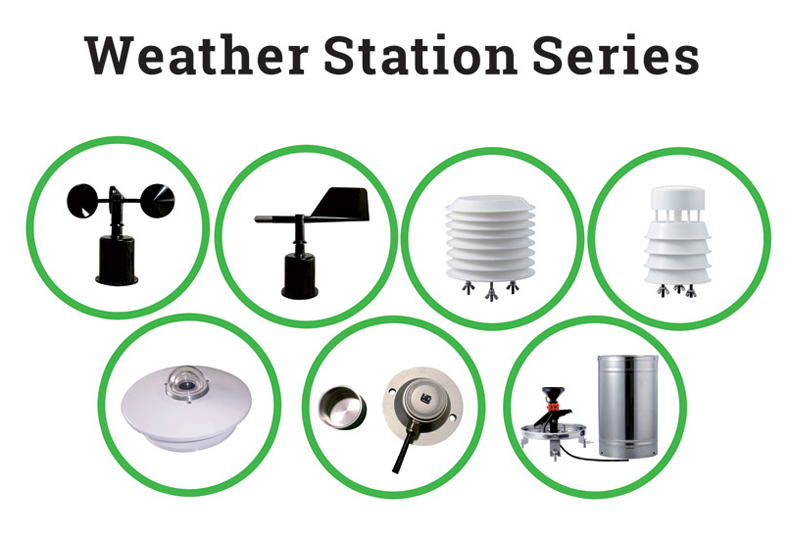
1. Site selection: the weather station should be located in the center of the course area, high terrain, open all around, avoiding trees, buildings and other cover.
2. equipment selection: according to the scale and needs of the course, select the appropriate meteorological monitoring equipment, such as automatic weather station, handheld weather instrument.
3. Installation and debugging: equipment installation and debugging by professional technicians to ensure the normal operation of the weather station.
4. Data processing: establish meteorological data management system to process, analyze and store the monitoring data.
5. Personnel training: Provide meteorological knowledge training to the management personnel of the course to improve the ability of meteorological data application.
6. Maintenance: regular maintenance of weather station equipment to ensure stable and reliable operation of the equipment.
In the actual application, golf course managers use weather station data, you can make the following decisions:
- Personalized irrigation: Adjust the irrigation plan according to the soil moisture and rainfall in each area to avoid water waste.
- Tournament scheduling: Based on the weather forecast and real-time weather data, rationalize the tournament schedule to ensure the tournament goes smoothly.
- Turf Maintenance: Predict the growth trend of the lawn through temperature and humidity changes, and adjust the fertilization and pruning strategies in time.
Taking a golf course as an example, the weather station is equipped with monitoring equipment for temperature, humidity, wind speed, wind direction and precipitation. Through real-time monitoring of meteorological data, tournament organizers can better arrange the game time, and players can adjust their game strategy according to the meteorological information. At the same time, the weather station provides a scientific basis for lawn maintenance and reduces course management costs.
Of course, the comprehensiveness of the golf course weather station is not only limited to the monitoring of basic meteorological parameters, but also includes the following supplementary content:
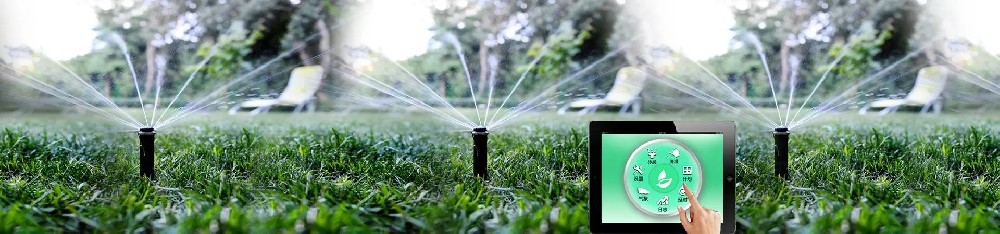
- Automation and Intelligence: Modern golf course weather stations usually integrate advanced automation systems that can automatically adjust the irrigation system according to the collected data, realizing intelligent irrigation, which not only improves the efficiency, but also greatly reduces the waste of water.
- Data Analysis and Forecasting: Advanced weather stations are equipped with software analytics tools that can analyze historical data and predict future weather trends, helping managers make forward-looking turf management decisions, such as preventing damage that could be caused by extreme weather.
- Remote Monitoring and Alerting System: Through a cloud-based platform or mobile app, managers can access real-time weather data anytime, anywhere, and set up alerts for unusual weather to ensure an immediate response, such as taking action to protect the turf in the event of extreme heat or impending rain.
- Environmentally Adaptable Design: Considering the special environment of golf courses, weather station equipment is usually designed to be weather-resistant and able to withstand harsh weather conditions to ensure long-term stable operation.
- Customized service: For the specific needs of different courses, weather stations can provide customized solutions. For example, in courses with mountainous or complex terrain, it may be necessary to install multiple weather stations at different elevations and areas in order to obtain comprehensive weather information.
- Education and Research: Some golf course weather stations are also used for educational and research purposes, providing real-world data for golf turf management courses or participating in research projects on turf science and the effects of climate change.
- Enhancement of course image and market competitiveness: Having advanced weather station facilities not only reflects the course's pursuit of quality, but also serves as a marketing highlight, attracting high-end customers who pay attention to details and experience.
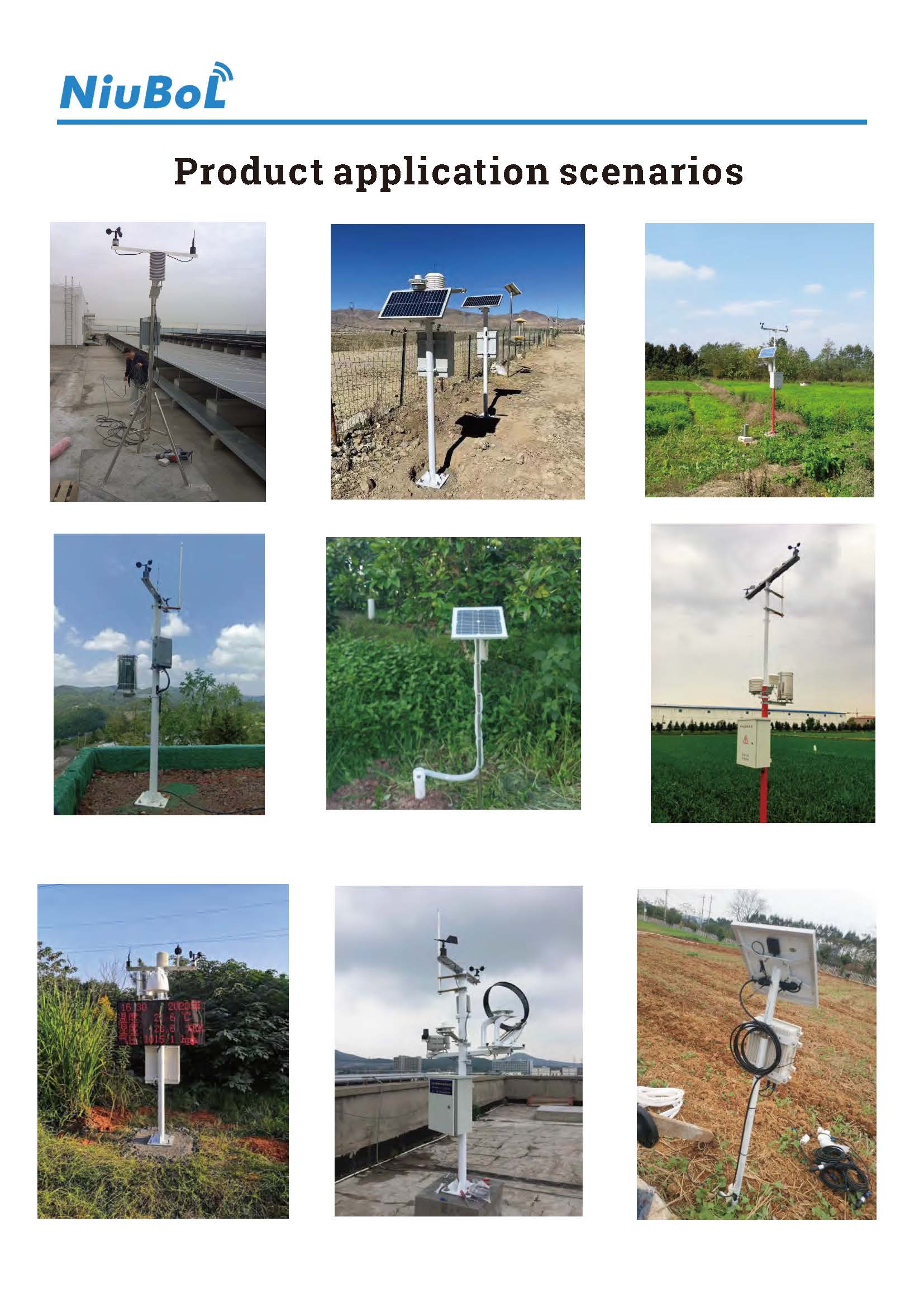
To sum up, the establishment and application of golf course weather station is an indispensable part of modern course management, which enhances the maintenance level of the course through high-tech means, optimizes the player experience, optimizes the course management, and at the same time demonstrates the course's commitment to environmental protection and sustainable development. With the continuous development of meteorological technology, it is believed that golf course weather stations will provide stronger support for the development of golf in China in the future.
Related recommendations
Sensors & Weather Stations Catalog
 Agriculture Sensors and Weather Stations Catalog-NiuBoL.pdf
Weather Stations Catalog-NiuBoL.pdf
Agriculture Sensors Catalog-NiuBoL.pdf
Water Quality Sensor Catalog-NiuBoL.pdf
Related products
 Combined air temperature and relative humidity sensor
 TDR Soil Moisture & Temperature Sensor for irrigation| RS485 |4-20mA| NBL-S-THR
 Soil pH sensor RS485 soil Testing instrument soil ph meter for agriculture |NBL-S-PH
 Wind Speed sensor Output Modbus/RS485/Analog/0-5V/4-20mA
 Tipping bucket rain gauge for weather monitoring auto rainfall sensor RS485/Outdoor/stainless steel
 Pyranometer Solar Radiation Sensor 4-20mA/RS485

Screenshot, WhatsApp to identify the QR code
WhatsApp number:+8615367865107
(Click on WhatsApp to copy and add friends)

