

— Blogs —
—Products—
 Consumer hotline +8618073152920
WhatsApp:+8615367865107
Address:Room 102, District D, Houhu Industrial Park, Yuelu District, Changsha City, Hunan Province, China
Product knowledge
Time:2022-11-11 20:02:19 Popularity:2316
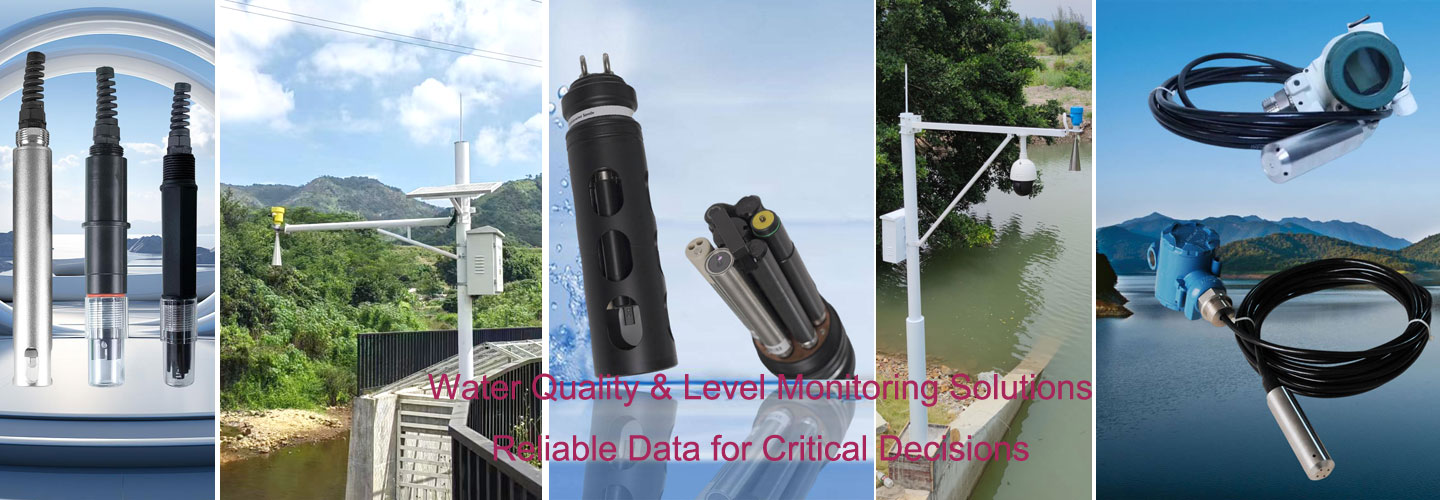
Quick answer: An online water quality monitoring system combines selected sensors, a representative measurement point, mounting or flow-through equipment, cleaning, a controller or data logger and remote communication. Parameter selection must follow the process or compliance question; no single sensor describes overall water quality.
| Application | Common measurements to evaluate | Project question |
|---|---|---|
| Aquaculture | Dissolved oxygen, temperature, pH, conductivity and turbidity | Which values trigger aeration, water exchange or inspection? |
| Surface water | Temperature, pH, conductivity, turbidity, dissolved oxygen and selected nutrients | Is the station for trends, alarms or regulatory reporting? |
| Industrial wastewater | Process-specific parameters such as pH, conductivity, turbidity, COD or ammonia nitrogen | Where in the treatment train is each value actionable? |
| Drinking-water process | Turbidity, pH, conductivity and disinfectant residual where applicable | What method and validation are required by the project? |
Water quality sensor selection should begin with the action expected from each channel. In aquaculture monitoring, dissolved oxygen may support an aeration decision, while pH and temperature help interpret the water conditions. Industrial wastewater monitoring may instead need a specific inlet, treatment-stage or discharge observation. Avoid purchasing every available parameter before deciding where any of the resulting values will be used.
Define whether the system is for trend observation, operational adjustment or a particular reporting method. These purposes can share hardware but do not necessarily share analytical acceptance requirements. A continuous record is useful only if its parameter, unit and measurement method match the intended question. For example, an ammonium electrode is not a total nitrogen analyzer, and an optical COD estimate is not automatically equivalent to every laboratory digestion method.
Choose a point that represents the water being managed. Direct immersion is simple but must consider depth, flow, debris and access. A flow-through cell allows controlled presentation and easier service but adds pumps, tubing and sample delay. Avoid air bubbles, sediment pockets and locations that dry out.
Direct immersion monitoring reduces sample-transfer equipment but leaves the sensing surface in the process water. Check whether water level changes will expose it, whether floating debris will strike it and whether the mounting point permits safe removal. A probe behind a stagnant barrier may measure that pocket rather than the moving water the operator wants to manage.
Flow-through water monitoring moves the measurement into an accessible arrangement, but introduces a sample path. Its material, intake depth, pumping and drain route become part of the measurement design. Filtration can protect equipment while also removing the particles that a turbidity or solids measurement is meant to observe. Choose conditioning for the analytical task rather than adding a filter to every channel by default.
Sample transfer can also change dissolved gases, temperature or pH. Keep the route as appropriate to the required measurement, and check for air entry or deposits. For a surface water station, an intake that remains submerged during normal river levels may still fail during low water or become blocked after a storm. Make that failure visible as a sample problem, not a new water-quality value.
An illustrative line and cell volume of 1.2 L supplied at 0.4 L/min has a nominal hydraulic residence time of three minutes: volume divided by flow. This is not a sensor response-time specification or a guarantee that the full path behaves as ideal plug flow. Dispersion, dead spaces, instrument stabilization and data processing can make the observed delay longer.
If an event must be detected within a defined time, test it at the intake and verify when it appears in the receiving system. Use actual sample flow, not only the pump's catalog capacity. A fast digital output cannot compensate for water that takes several minutes to arrive. Where treatment response depends on timing, include the delay between measurement and the downstream action as well.
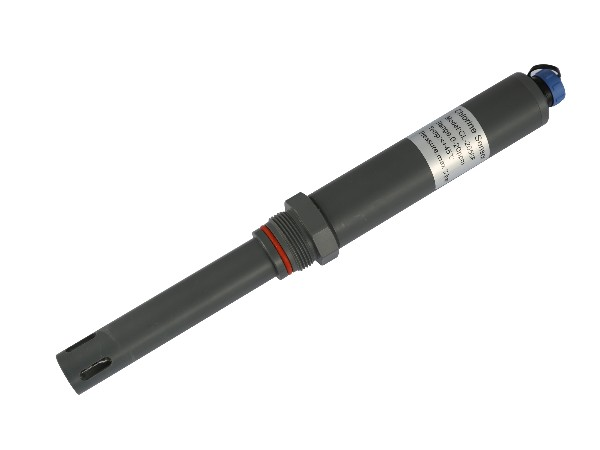
An online water quality monitoring system does not have one universal range, accuracy or immersion limit. Each probe and any flow cell have their own conditions. The NiuBoL NBL-WQ-PH example below illustrates the checks needed for one channel; these values are not a specification for every sensor connected to the same logger.
| Parameter | NBL-WQ-PH channel | System-design implication |
|---|---|---|
| Measurement range and resolution | 0-14 pH; 0.01 pH resolution | Confirm the operating region and the required decision uncertainty |
| Accuracy | +/-0.1 pH; temperature +/-0.3 degrees C | Do not treat 0.01 pH resolution as measurement accuracy |
| Water temperature | 0-65 degrees C | Evaluate the water at the probe, not merely the cabinet air temperature |
| Working pressure | Below 0.2 MPa | Check the actual pipe or sample-cell pressure, including foreseeable changes |
| Power supply and consumption | DC 12-24 V; 0.2 W at 12 V | Account separately for other probes, pumps, cleaning and communications |
| Digital interface | RS485 Modbus RTU | Match register definitions and serial settings to the receiving system |
| Wetted housing | POM | Assess compatibility of all wetted materials with the actual water |
| Mounting and ingress rating | 3/4 NPT; immersion mounting; IP68 | IP68 does not remove the pressure or temperature limits |
| Standard cable | 5 m; other lengths available | Specify jacket material and routing for the installation; length does not identify the material |
A separate NBL-WQ-DO fluorescence channel has a 0-20 mg/L range, 0.01 mg/L resolution and accuracy +/-2% FS. Its water operating conditions are 0-45 degrees C and pressure below 0.2 MPa. Thus water at 55 degrees C is within the pH channel's temperature range but outside this DO configuration's range. Selecting both instruments does not make their allowable conditions identical.
Evaluate field performance near the actual operating decision, not only across the full range. A low dissolved-oxygen alarm, a narrow neutralization target or a small background-conductivity change can require more careful uncertainty review than a broad trend display. Obtain the specific range and error definition for each chosen version before fixing controller thresholds.
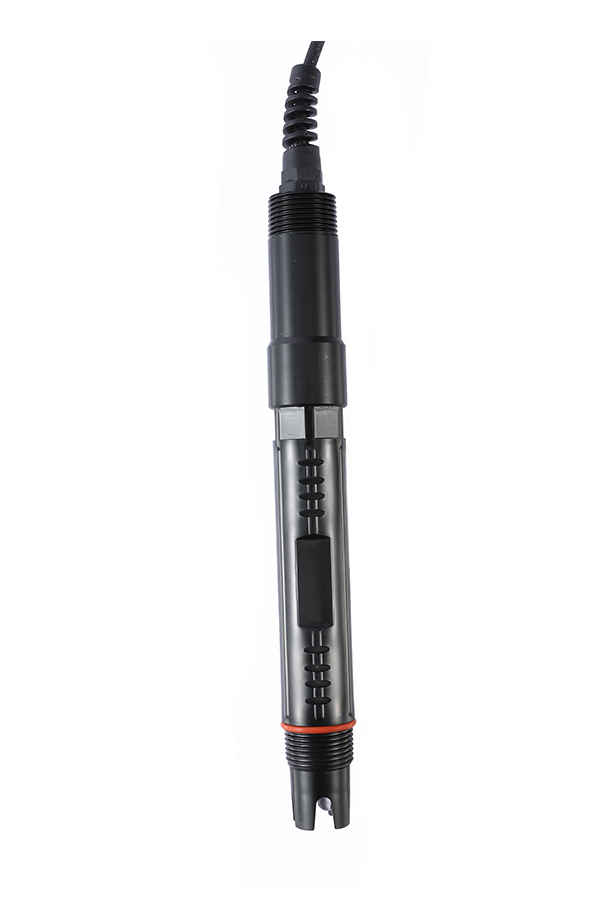
Many industrial sensors support RS485 with Modbus RTU. Confirm address, baud rate, parity, register map, scaling and units for the exact model. The logger should timestamp data, retain records during a network outage and distinguish sensor fault from a real process value.
RS485 Modbus RTU compatibility is a starting point rather than a complete channel definition. Assign each register a measurement name, unit, numerical format and scale in the PLC or RTU. Keep dissolved oxygen in mg/L distinct from oxygen saturation percentage, and identify conductivity's reference-temperature basis. Matching electrical connections cannot resolve an incorrectly labeled result.
Test one instrument before populating the full bus. Verify normal readings, a disconnected sensor and recovery after power loss. A cached register value should not continue to be presented as newly measured water. Define what the logger records when a probe is cleaning, calibrating or disconnected, and keep those states separate from a valid zero.
Check whether the controller supplies power continuously or switches it between readings. Probe startup, stabilization and any electrode conditioning requirements must suit that operating pattern. A fast polling interval cannot justify repeatedly powering an instrument off if the measurement needs a longer preparation period. Wireless upload frequency can often be selected independently from local acquisition.
A complete station may include a sensor rack or flow cell, cleaning equipment, controller, enclosure, power distribution, surge protection, communications and software. Remote sites also need a solar-power and battery calculation. If a pump draws sample water, define flow, filtration, drain routing and the delay between intake and measurement.
Alarm ownership must be explicit. The station can issue a threshold alert, but the project should identify who receives it, how a sensor fault is distinguished from a process event and how the response is recorded.
At a permanent treatment installation, an existing cabinet and controller may already provide acquisition and communications. Supply the missing measurements without duplicating those functions unnecessarily. At a remote river or pond, a dedicated logger, protected power system and communications device may all be needed. Identify the boundary between sensor supply and the complete installed station in the equipment list.
List continuous and intermittent loads separately when selecting solar power. Pumps, cleaning devices and modem transmission can dominate the energy requirement even when individual probes consume little. Include seasonal generation and the required operating schedule. A sensor's milliwatt rating does not establish how long the complete station will run through poor weather.
For alarms, decide whether an exceedance triggers inspection, operator acknowledgment or an approved control action. Use appropriate persistence and recovery logic so cleaning or a brief invalid measurement does not generate a false operating command. Where a control action affects production or animal welfare, the receiving system needs its own tested response to unavailable or implausible measurements.
Fouling, coating, bubbles and calibration drift can change readings gradually. Define cleaning, verification, calibration and consumable replacement by sensor type and site conditions. Use quality-control checks and maintenance annotations so the platform does not treat every number as equally valid.
Review NiuBoL online water quality sensors for parameter and integration options.
Separate cleaning from calibration. Remove deposits using the procedure suitable for the sensing element, then check performance with an appropriate reference before changing calibration. Adjusting a dirty sensor to make one reference sample agree can conceal fouling and produce a larger error after the surface is cleaned.
Automatic cleaning is useful only where its method suits the probe and deposits. A wiper does not replace pH electrode care, and an optical window may need a different approach from an ion-selective membrane. Make sensing caps, electrodes and other consumables accessible for service. The enclosure layout should allow a technician to remove the intended component without pulling on its cable.
During commissioning, inspect a complete measurement cycle from water presentation to exported record. Verify concentration units, timestamps, cleaning flags and alarm recovery. Compare field and reference results using compatible sample locations and times. For a pumped station, also check sample flow loss and restart behavior; a healthy probe in an empty or stagnant cell is not a healthy monitoring system.
Before requesting a quotation, identify the water type, chosen measurements, expected normal and upset ranges, direct immersion or pumped presentation, existing controller and service access. NiuBoL online pH sensors and fluorescence dissolved oxygen sensors are examples of separate channels that can be combined where their conditions fit. Ask for the configuration, accessories and integration responsibilities as an itemized system rather than relying on a generic station label.
Often yes, if addresses, serial settings, power and bus design are compatible. Verify every register map before commissioning. Keep one coordinated master on the segment and ensure the receiver distinguishes unavailable channels from valid readings.
No. It is more valuable at fouling sites or where manual access is difficult. The cleaning method must suit the sensor. Select it from the actual deposit and service conditions, not simply because another channel uses a wiper.
Direct immersion avoids a transfer path but needs safe access and suitable exposure. A flow-through arrangement can improve service access while adding sample delay and conditioning effects. Choose according to the water and maintenance task, then validate the installed presentation.
No. Ingress protection and pressure limits are different specifications. Check the probe, fitting and cell pressure ratings along with temperature and material compatibility. Do not infer a pipe-pressure allowance from IP68 alone.
Only if each selected instrument's startup and stabilization requirements support that cycle. Some measurements need longer preparation or continuous operation. Establish the duty cycle per channel before calculating battery demand.
Not necessarily. Sample transport, mixing, sensor response and processing all contribute to delay. Measure the intake-to-alarm time with the installed flow path instead of applying the probe's response figure to the entire station.
Only where the method and installation are accepted for that particular task. Online trends can support operations without being analytically equivalent to a specified laboratory method. Confirm that distinction before purchasing equipment for a reporting obligation.
Provide water conditions, parameters and ranges, mounting or sample path, utilities, controller interface, cables and service arrangements. Identify whether the price includes cleaning hardware, consumables, data services, installation and commissioning so the scope can be compared directly.
A water monitoring system is a measurement and maintenance chain. Representative installation and data-quality work determine whether online readings are usable.
Build the online water quality monitoring system around the intended decisions, compatible individual probe limits and an observable sample path. Preserve the original meaning of each measurement through acquisition and alarms. This makes the configuration usable for its pond, river or treatment duty without presenting every combination of sensors as a universal water-quality solution.
Related recommendations
Sensors & Weather Stations Catalog
 Agriculture Sensors and Weather Stations Catalog-NiuBoL.pdf
Weather Stations Catalog-NiuBoL.pdf
Agriculture Sensors Catalog-NiuBoL.pdf
Water Quality Sensor Catalog-NiuBoL.pdf
Related products
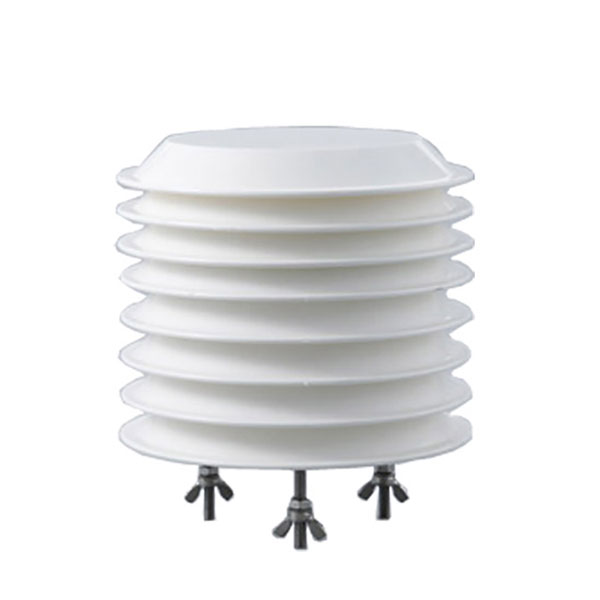 Combined air temperature and relative humidity sensor
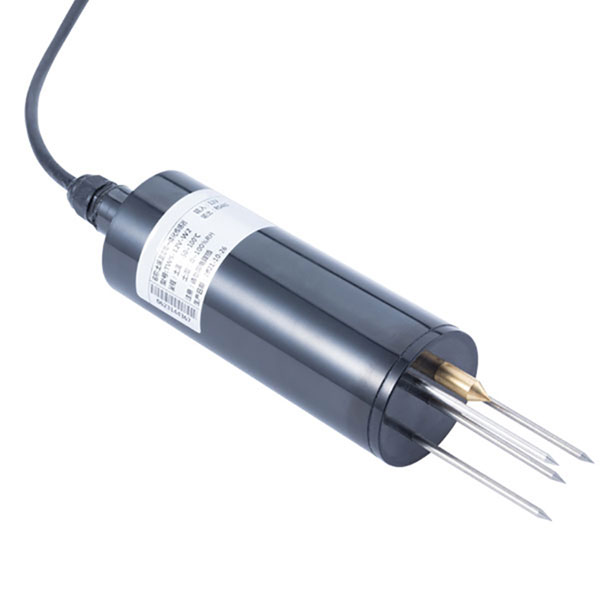 TDR Soil Moisture & Temperature Sensor for irrigation| RS485 |4-20mA| NBL-S-THR
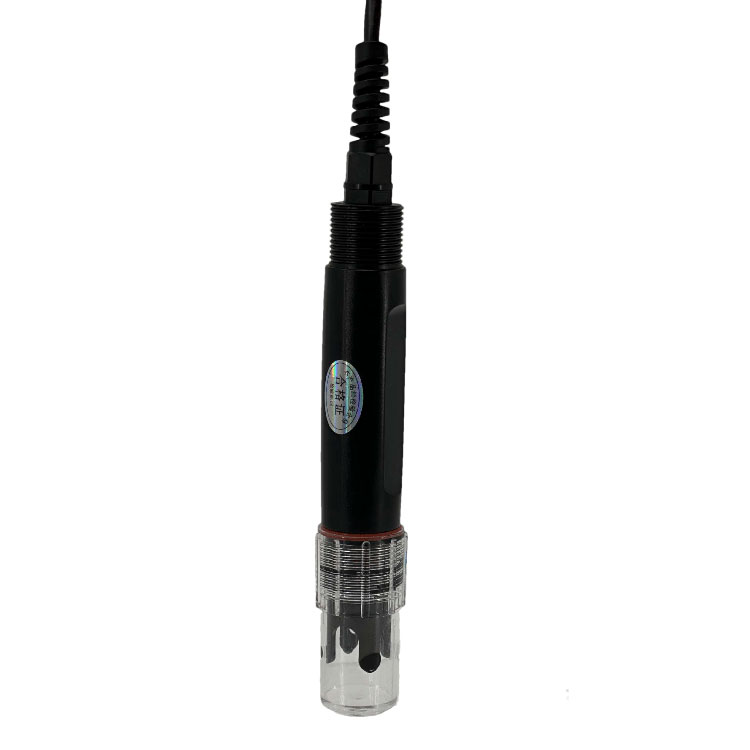 Soil pH sensor RS485 soil Testing instrument soil ph meter for agriculture |NBL-S-PH
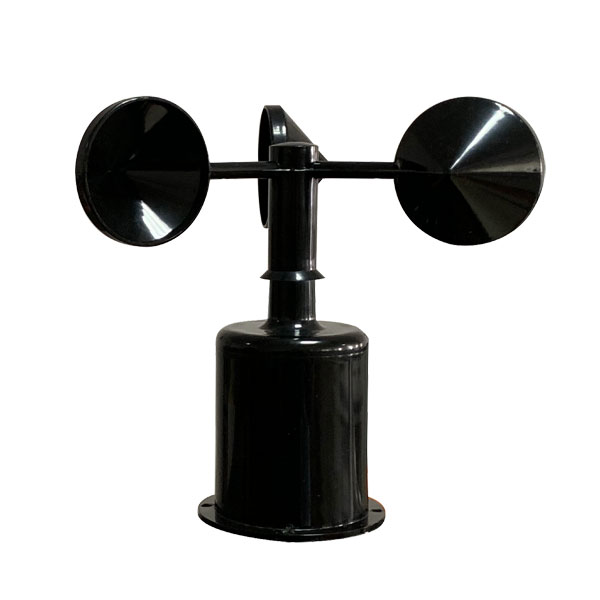 Wind Speed sensor Output Modbus/RS485/Analog/0-5V/4-20mA
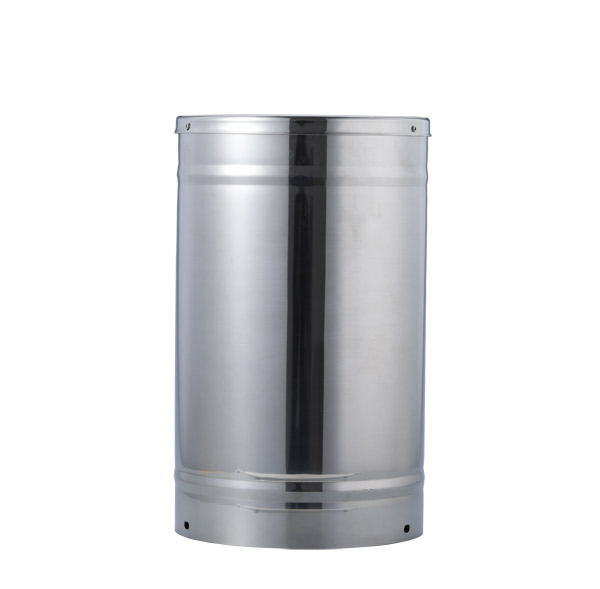 Tipping bucket rain gauge for weather monitoring auto rainfall sensor RS485/Outdoor/stainless steel
 Pyranometer Solar Radiation Sensor 4-20mA/RS485

Screenshot, WhatsApp to identify the QR code
WhatsApp number:+8615367865107
(Click on WhatsApp to copy and add friends)